2027 Most Affordable Online Master's in Environmental Science Degree Programs Ranking in the USA

Co-Founder and Chief Data Scientist
Choosing the right online master's program in Environmental Science can be overwhelming. To make it easier, the Research.com team of data scientists has created the 2027 Most Affordable Online Master's in Environmental Science Degree Programs Ranking in the USA. This ranking helps students identify high-quality, budget-friendly options across the country.
By exploring this article, you'll gain valuable insights to make an informed decision about your education. Pursuing an Environmental Science degree opens doors to meaningful careers that make a positive impact on our planet and communities.
Key benefits of getting online environmental science degree in America
- Environmental science degree graduates often start with average salaries around $50,000 to $60,000 annually in related fields like environmental technicians and scientists, providing a strong foundation for growth and financial stability.
- Graduates from well-known universities frequently pursue careers in environmental consulting, conservation, or policy making, offering diverse opportunities to make a positive impact on the planet.
- Online environmental science degrees allow flexible learning schedules and lower costs, helping students balance life and education while earning a respected credential from top institutions.
- 2027 Most Affordable Online Master's in Environmental Science Degree Programs Ranking in the USA
- What can I expect from online environmental science degree in America?
- Where can I work with online environmental science degree in America?
What can I expect from online environmental science degree in America?
Many students pursuing an online environmental science degree in America find the cost to be quite manageable, often averaging under $500 per credit hour. This affordable pricing allows aspiring environmental professionals to invest in their futures without overwhelming financial strain. Graduates from well-known institutions, such as those offering accredited programs through public universities in the Midwest or Southwest, frequently share how the blend of high-quality education and reasonable tuition made completing their degrees both achievable and rewarding.
Beyond cost, these programs offer flexible schedules, which empower students to balance work, family, and study commitments effortlessly. Imagine working professionals at renowned universities who, while juggling busy lives, engage deeply with courses on climate change and GIS technology-all from the comfort of their own homes. This approach ignites a passion for ecological stewardship and opens doors to fulfilling careers in environmental advocacy and research.
Where can I work with online environmental science degree in America?
Graduates with an online environmental science degree in America find exciting opportunities across diverse sectors. Those from well-known programs like the University of Florida or Oregon State University often land roles within government agencies, such as the Environmental Protection Agency or state environmental departments, where they help shape policies that protect natural resources and guide clean air initiatives.
Many alumni also thrive in private industry, joining consulting firms or renewable energy companies that work on innovative solar and wind projects. Imagine being part of a team that designs cutting-edge solutions to reduce carbon footprints while supporting clients' environmental goals-a reality for graduates at schools like Arizona State University.
Nonprofit organizations and research institutions eagerly recruit environmental graduates to lead community outreach or conduct vital studies on climate change impacts. Graduates cherish the meaningful work of advocating for the Earth, inspired by experiences from universities such as Colorado State University.
Urban planning and sustainable development roles let environmental professionals create greener cities and improve waste management systems, bringing everyday positive change to local communities across America.
Graduates with an online environmental science degree in America can look forward to rewarding careers with promising earnings. Many find their starting salaries range from $48,000 to over $90,000, depending on their role and experience. For example, environmental consultants-a popular choice among graduates from universities like Arizona State or Oregon State-often earn between $60,000 and $90,000 annually. These positions allow graduates to apply their knowledge in real-world projects that protect natural resources and promote sustainability.
Location significantly impacts salaries, too. Graduates working in states like California or Washington benefit from higher demand and often receive salaries above the median, sometimes surpassing $100,000 in senior roles. Many graduates appreciate how their online degrees from reputable American colleges equip them with practical skills valued nationwide.
Hands-on experience gained through internships during studies enhances earning potential, making graduates competitive candidates. The journey of earning an online degree in environmental science opens doors to meaningful work that combines passion with sustainable, well-compensated career paths.
- Online environmental science degrees offer coursework similar to on-campus programs, covering ecology, environmental policy, geology, and data analysis.
- Tuition for a master's degree typically ranges from $15,000 to $35,000, with public universities usually charging less for in-state students.
- Environmental science jobs are expected to grow 8% from 2022 to 2032, faster than the average for all occupations.
- Entry-level environmental scientists earn a median annual salary of about $68,000, with experienced professionals making over $90,000.
- Many programs include local internships or research projects to provide hands-on experience for distance learners.
- Accreditation by bodies like ABET or regional agencies is important for ensuring program quality and better job prospects.
Completing an online environmental science degree in America is an exciting journey that typically takes about four years for bachelor's students and one to two years for those pursuing a master's degree. Graduates from well-known universities like Oregon State University and the University of Florida often share how flexible online schedules empowered them to balance work, family, and studies, making the process both achievable and rewarding.
Many students enjoy the freedom to accelerate their progress by taking extra courses or leveraging transfer credits from previous studies, allowing them to finish sooner and start making an environmental impact faster. Others appreciate taking their time with part-time enrollment, comfortably managing professional and personal commitments while steadily advancing through practical projects and research.
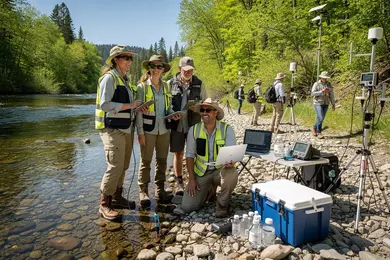
These online programs often include engaging virtual labs and fieldwork components that enrich learning and connect students with real-world challenges. This combination of flexibility, hands-on experience, and support from top American colleges inspires many to confidently reach their goals on their own terms.
Online and on-campus environmental science degrees in America each offer vibrant paths to success, tailored to different lifestyles and learning preferences. Imagine a student at Oregon State University who balances a full-time job while engaging in interactive online lectures and completing field studies locally-showing how online programs provide unmatched flexibility for busy adults.
Conversely, a graduate from the University of California, Davis enjoys hands-on lab sessions and direct collaboration with peers and professors, immersing themselves fully in campus life and cutting-edge research. This in-person experience fosters deep bonds and practical skills through real-world projects.
Online programs often lower costs without sacrificing quality, with many public universities offering competitive tuition and local partnerships for practical work. Both learning modes are thoughtfully designed to prepare passionate environmental stewards ready to make an impact.
Whether through dynamic digital platforms or the buzz of campus energy, students in America's top environmental science schools find meaningful, empowering experiences that fit their ambitions and schedules.
The average cost of an online environmental science degree in America offers a promising investment in your future, with median total tuition around $22,341. For many students inspired to make a real-world impact, this represents an accessible path toward achieving their goals without the burdensome expenses of traditional on-campus programs. Graduates from well-regarded universities often share how the flexibility and affordability of online courses allowed them to balance work, family, and study while advancing their careers in environmental fields.
Out-of-state learners may see higher median costs near $36,918, but many reputable public universities now offer competitive tuition rates and flat fees to help reduce these expenses, making it easier for students nationwide to access quality education. Imagine joining an energetic community at a respected college known for its environmental science programs, where you can grow your skills and passions without financial strain. This affordable online master's in environmental science tuition USA empowers aspiring environmental leaders to take charge of their education and career trajectory.
Financial aid, scholarships, and employer tuition assistance further lighten the load, making this journey even more attainable. With costs averaging fairly across institutions, many find motivation in stories of graduates who maximized online learning to advance sustainable solutions in their communities. For those curious about programs and costs, exploring the best environmental sustainability degree online can be a great step toward clarity and inspiration.
Many students pursuing online environmental science degrees in America find financial aid to be a powerful tool in achieving their dreams. Graduates from universities like the University of California and Oregon State share how federal aid, especially the Pell Grant offering up to $7,395 annually, lightened their tuition load and made studies feel within reach. Applying through FAFSA opens doors to grants and loans that fit varying needs, including flexible federal loans for graduate students embarking on advanced research.
State programs, such as California's Cal Grant, provide extra support tailored to residents focused on sustainability and environmental careers. This local emphasis boosts confidence, knowing communities value and invest in their growth. Many students also celebrate securing private scholarships from organizations like the EPA, where awards ranging from $1,000 to $5,000 empower them to focus more on learning and less on finances.
Universities themselves offer institutional scholarships based on merit or need, which high-achieving students at schools like Cornell's online program often find transformative. Even working professionals benefit, with many employers offering tuition reimbursement in sectors aligned with environmental science. These combined supports create a hopeful path to success for ambitious students nationwide.
To enroll in an online environmental science degree in America, prospective students often begin with a high school diploma or equivalent, supported by strong grades in subjects like biology, chemistry, and math. Graduates from popular American universities share how this foundation gave them the confidence to tackle the exciting challenges of understanding our planet.
Graduate programs typically expect a bachelor's degree in a science-related field and a GPA around 3.0, reflecting your readiness to dive deeper into environmental studies. Many alumni recall how crafting thoughtful statements of intent and securing support through recommendation letters opened doors to top-tier schools nationwide.
Some programs also look for GRE scores and relevant experience, but these requirements are becoming more flexible, encouraging a wider range of passionate learners. Reliable internet and technical skills enable you to engage fully in innovative virtual labs and simulations, just like students at renowned colleges adapting to modern education.
These prerequisites unlock a pathway to contribute meaningfully to environmental solutions with knowledge gained through accessible, high-quality online learning.
Online environmental science degrees in America offer a rich blend of courses designed to inspire and empower students. Graduates from well-known universities often share how courses in Environmental Chemistry and Biology deepened their appreciation for ecosystems, helping them understand real-world issues like pollution's effect on local wildlife.
Courses in Ecology and Conservation bring lessons to life through case studies of biodiversity efforts, sparking a passion for protecting natural habitats. Many students find learning Environmental Policy and Law eye-opening, as they explore how federal and state regulations shape the future of sustainability.
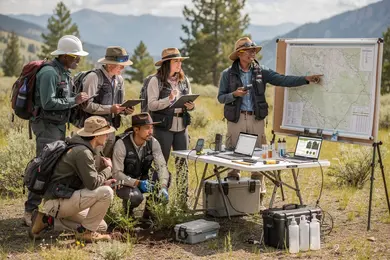
Training in Geographic Information Systems (GIS) equips learners with cutting-edge tools to analyze spatial data, often used by professionals managing national parks or urban green spaces. Meanwhile, Environmental Impact Assessment courses guide students through evaluating project effects on communities, a skill praised by graduates working in government roles.
Hands-on experience with sustainability and resource management prepares students to lead in innovative water and energy conservation initiatives. These engaging, interdisciplinary courses offered by America's top programs motivate learners to become confident stewards of the environment.
Online environmental science degree programs in America are designed to empower students with diverse specializations that align perfectly with their passions and career aspirations. Graduates from renowned universities often speak of the excitement in delving into areas like Environmental Policy and Management, where they learn to shape sustainable development through effective laws and strategies in both public and private sectors. Others find joy in Conservation Biology, dedicating themselves to protecting wildlife and preserving natural habitats, or in Environmental Chemistry, where analyzing pollution leads to innovative remediation techniques.
Natural Resource Management stands out as a practical specialization, encouraging students to responsibly manage forests, water, and minerals, directly impacting communities. For many, the intellectual challenge and hope found in Climate Change Science fuels their determination to combat global warming. Skilled graduates also highlight the vital role of Geographic Information Systems (GIS), which enhances their ability to perform environmental data analysis essential in today's job market. These varied concentrations offer students of online environmental science specializations USA an inspiring path forward, balancing passion with purpose.
Many students choose online programs that provide flexibility without sacrificing quality, often reflecting on how access to specialized courses helped them grow. Considering affordability alongside such depth, prospective learners may explore affordable bachelor degree sustainability options to invest wisely in their future while embracing the rich opportunities available in environmental science degree concentrations in America.
Choosing the best online environmental science degree in America means focusing on programs that combine strong accreditation, practical curriculum, and flexibility to fit your lifestyle. Graduates from well-known universities often share how programs offering courses in ecology, environmental policy, and sustainability helped them confidently launch careers in the field. Many top online environmental science programs in America understand the importance of asynchronous classes, allowing you to study when it suits you, just like working professionals do.
Cost is a big part of the decision. Public institutions frequently offer affordable tuition, and graduates express relief in finding best affordable online environmental science degrees USA that don't compromise on quality. Look for programs with support services, such as career counseling and internships, that boost your real-world experience and job readiness.
Remember to explore faculty expertise and graduate outcomes-these often signal a strong return on your investment. For students aiming to combine environmental science with a sustainability mindset, some turn to resources like the best mba for sustainability to expand their impact.
Graduates with an online environmental science degree in America open doors to a variety of rewarding career paths that make a real difference. Many find themselves thriving as environmental consultants, advising construction companies on sustainable practices or ensuring projects comply with environmental laws. Government roles, such as working for the Environmental Protection Agency or state environmental departments, offer exciting opportunities to protect natural resources and shape impactful policies. Conservation scientists passionately preserve wildlife habitats and restore ecosystems, often engaging in hands-on fieldwork. Those interested in public health are increasingly valued for their expertise in analyzing environmental effects on human wellness, showcasing the growing importance of environmental science job opportunities in America. Business sectors are also eager for sustainability managers who develop innovative strategies to reduce corporate environmental footprints. Students from top universities and colleges report feeling empowered by how their education translates into meaningful careers. Those curious about pursuing these paths are encouraged to explore the easiest environmental science degree online options available.
The job market for online environmental science degree graduates in America is vibrant and expanding, reflecting the increasing need for skilled professionals committed to sustainability and ecological stewardship. Graduates from well-regarded colleges such as Arizona State University or the University of Florida often find rewarding roles in government agencies, consulting firms, and nonprofit organizations, where their expertise drives impactful environmental projects. Their career journeys often involve analyzing real-world environmental data or spearheading conservation efforts that make a tangible difference locally and nationally.
Students pursuing this degree online appreciate the flexibility it offers, allowing them to balance studies with personal and professional commitments. This adaptability contributes to an encouraging job outlook for online environmental science graduates USA, as employers seek candidates who can readily apply their knowledge in diverse settings.
Many graduates enhance their career prospects by earning certifications or advancing to specialized roles with competitive salaries. For those interested in further education, options like an accelerated environmental management mba provide a fast track to leadership positions in this exciting sector.
2027 Most Affordable Online Master's in Environmental Science Degree Programs Ranking in the USA
Investing in your education is a significant decision that can shape your future, and the Research.com team understands the importance of making informed choices. To assist prospective students nationwide, we have meticulously crafted the "2027 Most Affordable Online Master's in Environmental Science Degree Programs Ranking in the USA." Our commitment to quality, credibility, and accuracy is reflected in the extensive research and thorough analysis conducted to compile this ranking.
We utilized the following reputable data sources to ensure a comprehensive evaluation of environmental science programs:
By exploring this ranking, readers will gain valuable insights into the most affordable and high-quality online master's programs in environmental science, empowering them to make informed and confident decisions about their educational investments. For more details on our methodology, please visit our Research.com methodology page.


# 3 position
Louisiana State University and Agricultural & Mechanical College
Master of Environmental Sciences


# 6 position
Western Kentucky University
Master of Social Responsibility and Sustainable Communities



# 9 position
University of Maryland Global Campus
Master of Environmental Management


Frequently Asked Questions About environmental science
Online environmental science degree students in America can maximize their learning experience by actively engaging with course materials and participating in virtual discussions. Studies show that students who interact regularly with peers and instructors tend to retain 20% more information (U.S. Department of Education, 2023). Leveraging digital resources, such as webinars, scientific databases, and environmental models, enriches understanding beyond textbooks.
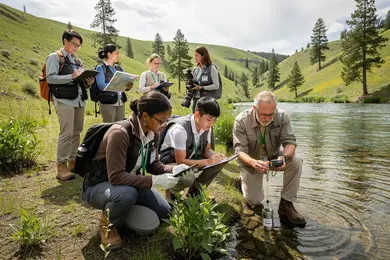
Fieldwork is essential in environmental science. Many online programs encourage local field projects or internships, allowing students to apply theory in real-world settings. Collaborating with local agencies or nonprofits can provide practical experience and networking opportunities.
Time management is critical. Using planners and setting regular study schedules helps balance coursework with other responsibilities, improving completion rates in online programs by up to 15% (National Center for Education Statistics).
The environmental science field in the United States is rapidly expanding with several emerging niches gaining prominence. One key area is climate resilience and adaptation, focusing on developing strategies to protect communities from climate change impacts such as extreme weather. According to the U.S. Bureau of Labor Statistics, jobs related to sustainability and renewable energy are expected to grow by 11% from 2020 to 2030.
Another growing niche is environmental data analytics, where specialists use big data and GIS technology to monitor natural resources and pollution trends. This skill is increasingly valuable in government agencies and private sector companies.
Additionally, environmental policy and law are crucial as regulations tighten at federal and state levels. Professionals who understand both science and policy are in demand to help navigate these changes effectively.
After completing an online environmental science degree in America, preparing for the job market involves several strategic steps. First, gaining practical experience through internships or volunteer opportunities is crucial, as 67% of environmental science employers prefer candidates with hands-on training according to the U.S. Bureau of Labor Statistics.
Building a professional network by joining organizations like the Ecological Society of America can open doors to job leads and mentorship. Additionally, obtaining relevant certifications, such as the Certified Environmental Professional (CEP), enhances credibility.
Staying updated with industry trends and skills, especially in data analysis and Geographic Information Systems (GIS), improves employability in this competitive sector.
Employers in America prioritize several key skills when hiring environmental science graduates. Analytical and critical thinking are essential for interpreting complex data, as the U.S. Bureau of Labor Statistics highlights the growing need for data-driven decision-making in this field. Strong communication skills are also important, enabling graduates to present findings clearly to diverse audiences.
Technical expertise in Geographic Information Systems (GIS) and environmental modeling is highly valued, reflecting a demand for proficiency in modern technologies. Additionally, knowledge of environmental regulations and sustainability practices is critical, given the increasing focus on compliance and eco-friendly initiatives in U.S. industries.
Collaboration and project management skills further enhance a graduate's employability by supporting teamwork in multidisciplinary projects.
Finding internships in America relevant to an environmental science degree begins with leveraging university career services. Many online programs have partnerships with organizations like the Environmental Protection Agency (EPA) and nonprofit groups focused on sustainability.
Students should explore platforms such as Handshake and Internships.com, which list thousands of opportunities in environmental fields. According to the National Association of Colleges and Employers (NACE) 2023 report, 43% of environmental science graduates secured internships through such portals.
Networking is essential; joining associations like the Ecological Society of America can connect students to mentors and job fairs. Additionally, federal government internships through USAJOBS offer 1,000+ openings annually in environmental roles.
Establishing contacts early increases chances of paid internships critical to gaining experience and establishing a professional foothold in the field.
An online environmental science degree in America significantly enhances career mobility and advancement opportunities. According to the U.S. Bureau of Labor Statistics (BLS), employment in environmental science roles is projected to grow 8% from 2022 to 2032, faster than the average for all occupations.
Completing a degree online offers flexibility for working professionals, allowing them to gain credentials without pausing their careers. This flexibility supports smoother transitions into higher positions within environmental consulting, government agencies, or nonprofit sectors.
Graduates often acquire critical skills in data analysis, policy, and sustainability that employers increasingly demand.
Furthermore, many accredited programs partner with industry and government, helping students build professional networks essential for career growth.
Studying for an environmental science degree in America equips students to work across multiple disciplines by combining knowledge from biology, chemistry, geology, and social sciences. Online programs emphasize practical skills such as data analysis, policy evaluation, and environmental management, preparing graduates for diverse career paths.
Many universities align their curriculum with standards from organizations like the National Environmental Education Foundation, promoting interdisciplinary collaboration. According to the U.S. Bureau of Labor Statistics, careers in environmental science often require understanding ecological, technological, and regulatory aspects simultaneously.
This broad training helps graduates address complex environmental challenges, such as climate change and sustainable resource management, in roles spanning government, industry, and nonprofits.
Choosing between a thesis and a non-thesis environmental science degree in America depends largely on your career goals and learning preferences. Thesis programs, common in research-focused U.S. universities, require students to conduct original research and defend their findings. This path is ideal for those planning to pursue a Ph.D. or research careers. According to the National Center for Education Statistics, about 40% of environmental science master's students select thesis options.
Non-thesis programs typically emphasize coursework and practical skills, appealing to professionals seeking advancement in government, industry, or policy. They may include capstone projects or internships instead of research. The U.S. Bureau of Labor Statistics notes growing opportunities in applied environmental fields, favoring non-thesis graduates who can demonstrate practical experience.
Students based in America seeking to study environmental science abroad through online programs have several pathways. Many U.S. institutions offer partnerships with foreign universities, allowing students to take courses overseas while enrolled in American programs. Additionally, some international universities provide accredited online environmental science degrees accessible worldwide, including to U.S. residents.
According to the Institute of International Education, nearly 4,000 American students studied abroad in environmental and biological sciences during the 2021-2022 academic year. While most study abroad involves in-person attendance, virtual exchange programs have expanded opportunities during recent years.
For Americans pursuing master's degrees online, accreditation and region-specific licensing remain key factors. U.S. students can benefit from programs that blend global environmental topics with U.S. policy and scientific standards, preparing them for careers both domestically and internationally.
Part-time job opportunities that complement an online environmental science degree in America often include roles in environmental consulting, research assistance, and sustainability coordination. Many students find internships with state environmental protection agencies or non-profits, gaining hands-on experience while studying. According to the U.S. Bureau of Labor Statistics, environmental science technicians and specialists earn median wages around $50,000 annually, with part-time roles providing valuable exposure.
Positions in data collection, fieldwork assistance, and environmental education are also common. These jobs enhance technical skills such as GIS mapping and environmental impact assessment. Balancing work with studies offers practical insights beneficial in graduate-level programs and future careers in the growing environmental sector.
Online environmental science students in America can access a growing range of networking opportunities despite the remote format of their studies. Many universities offer virtual career fairs and industry webinars specifically tailored to environmental fields, connecting students with employers nationwide.
Professional organizations such as the Ecological Society of America and the American Geophysical Union provide student memberships, which include discounted event access and online forums for discussion. These groups foster valuable connections with peers and experts in environmental science.
Additionally, collaborative online platforms like LinkedIn are widely used by students to engage with alumni networks and environmental professionals. According to the National Environmental Education Foundation, 70% of graduates found networking through such channels crucial for career advancement.
Alumni networks play a crucial role in supporting students of online environmental science degrees in America. They provide access to a broad community of professionals who can offer career advice, mentorship, and job leads. According to the National Association of Colleges and Employers, over 70% of job placements occur through networking. This is especially important in environmental science, a field where connections often lead to opportunities in government agencies, NGOs, and private sectors.
These networks also facilitate knowledge sharing about emerging environmental issues, policies, and technologies. Students can engage in webinars, workshops, and conferences hosted by alumni, helping them stay current with trends in sustainability and climate science.
Moreover, alumni connections can lead to collaborative research and project partnerships, enhancing practical skills and employability. Overall, strong alumni networks extend educational benefits beyond graduation, enriching students' professional journeys in the environmental science sector.
In the United States, many online environmental science programs offer flexible curricula to help students tailor their studies to specific career goals. Students can often choose from concentrations such as sustainability, natural resource management, or environmental policy. This allows a focus on skills most relevant to their desired profession. According to the U.S. Department of Education, 75% of online programs provide elective courses that support customization.
Additionally, some schools offer capstone projects or internships with agencies like the EPA or state environmental departments, giving practical experience aligned with career interests. Graduate students can collaborate with faculty experts on research reflecting current environmental challenges. Customizing your degree this way enhances job readiness in fields ranging from conservation to environmental consulting.
Online environmental science students in America often face challenges related to the practical nature of the field. Many programs require laboratory work or field experience, which can be difficult to complete remotely. Some universities partner with local organizations to provide hands-on opportunities, but availability varies by region.
Time management is another common issue, as students balance coursework with personal and professional commitments. According to the National Center for Education Statistics, nearly 50% of online learners juggle jobs alongside studies.
Additionally, technology access and reliable internet connections remain barriers for some, impacting students in rural or underserved areas.
Finally, limited networking opportunities and access to academic advising can hinder student success compared to traditional settings.
With an online environmental science degree from a U.S. institution, graduates can pursue several important professional certifications that enhance career prospects. One widely recognized certification is the Certified Environmental Scientist (CES) offered by the National Association of Environmental Professionals (NAEP). This credential validates expertise in environmental regulations, scientific research, and sustainable practices.
Another key option is the Registered Environmental Manager (REM) designation from the Institute of Professional Environmental Practice (IPEP), which focuses on environmental management skills valued by employers.
For those interested in hazardous waste management, the Certified Hazardous Materials Manager (CHMM) credential is highly respected and often requires a degree in environmental science or a related field.
These certifications typically require a combination of education, professional experience, and passing an exam. According to the U.S. Bureau of Labor Statistics, certifications can lead to higher salaries and better job security in environmental science roles.
When applying to an online environmental science program in America, focus on demonstrating your passion for sustainability and ecological issues. Admissions committees value candidates who clearly articulate their commitment to solving environmental challenges. Highlight relevant experience, such as internships, volunteer work, or related professional projects. According to the U.S. Bureau of Labor Statistics, environmental science jobs are expected to grow 8% through 2031, so emphasizing career goals aligned with this trend strengthens your application. Be sure to include strong academic credentials in science and math courses, along with well-crafted personal statements that showcase your critical thinking and problem-solving skills.
Additionally, securing compelling letters of recommendation from professors or employers knowledgeable of your environmental interests can greatly enhance your profile. Finally, carefully proofread your application materials and tailor each component to the specific program to meet any stated requirements and deadlines.
Environmental science careers are increasingly viewed through a global lens, reflecting worldwide concerns about climate change and sustainability. According to the U.S. Bureau of Labor Statistics, environmental science jobs in the U.S. are projected to grow 8% from 2022 to 2032, faster than the average for all occupations. This growth is driven by international agreements and collaborative efforts to reduce carbon emissions and protect ecosystems.
Professionals trained in the U.S. often engage in projects supported by global organizations such as the United Nations and participate in multinational research to address environmental challenges. Online environmental science degrees incorporate these international perspectives, preparing students for careers that may span borders while addressing local and global issues.
Moreover, U.S. graduates benefit from exposure to diverse regulatory frameworks and environmental policies, giving them an advantage in multinational companies or NGOs operating worldwide. The integration of global standards in American curricula enables a broad understanding of environmental problems and solutions.
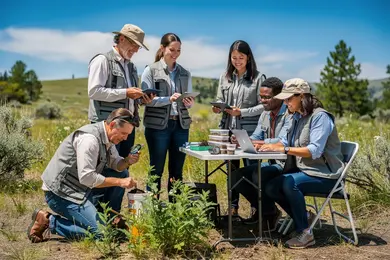
Gaining practical experience while pursuing an online environmental science degree in America is essential for career readiness. Many accredited programs collaborate with local agencies and organizations to offer virtual internships or project-based learning. These opportunities allow students to apply theory in real-world contexts, such as environmental monitoring or policy analysis.
The U.S. Environmental Protection Agency and nonprofit groups often provide remote internships, helping students build valuable professional networks. Additionally, students can engage in citizen science projects that contribute to ongoing research.
According to the National Center for Education Statistics, 65% of online environmental science students participate in internships or fieldwork before graduation, enhancing employment prospects.
Choosing the right concentration within an online environmental science degree in America depends on your career goals and interests. Common concentrations include environmental policy, natural resource management, and environmental chemistry. According to the U.S. Bureau of Labor Statistics, jobs in environmental science are projected to grow 8% from 2022 to 2032, especially in sustainability and conservation roles.
Consider concentrations with strong practical skills that align with market demand. For example, environmental policy focuses on regulations and compliance, useful for governmental and nonprofit careers. Natural resource management prepares you for roles in conservation and land use planning.
Research the curriculum carefully and check if the program offers internships or connections with U.S.-based environmental agencies. Accreditation and faculty expertise are vital in ensuring a quality education that meets industry standards.
- Alumni Put Environmental Science Degrees to Work at Chesapeake Watershed Initiative https://www.fandm.edu/stories/alumni-put-environmental-science-degrees-to-work.html
- Environmental Scientist Cover Letter Examples https://www.careerfaqs.com.au/careers/resumes-cover-letters/environmental-scientist-cover-letter-example
- Is an Environmental Science Degree Right for You? · PrepScholar https://blog.prepscholar.com/environmental-science-degree-jobs
- Environmental Science (M.S.) Non-Thesis Track https://www.towson.edu/fcsm/departments/environsci/grad/science/non-thesis-track.html
- How to Find Entry Level Jobs with an Environmental Science Degree https://facs.com/blog/how-to-find-entry-level-jobs-with-an-environmental-science-degree/
- Networking Strategies for Environmental Professionals https://www.nrep.org/blog/environmental-professional-networking-strategies
- Guide to Environmental Internships | Higherin https://higherin.com/career-guides/science-research/environmental-internships
- Most Popular Online Environmental Science Degrees 2025 https://www.onlineu.com/degrees/environmental-science
- Imperative for Change: Integrating Environmental Science in Education | STEM Greenhouse https://stemgreenhouse.org/imperative-for-change-integrating-environmental-science-in-education/
- Environmental Science Courses & Degrees https://www.open.edu.au/study-online/science/environmental-science