2027 Fastest Online Master's in Environmental Science Degree Programs Ranking in the USA

Co-Founder and Chief Data Scientist
Choosing the right online master's degree in environmental science can shape your future career and impact the planet positively. Our article introduces the 2027 Fastest Online Master's in Environmental Science Degree Programs Ranking in the USA, developed by the Research.com team of data scientists. This ranking is designed to help you make an informed decision by spotlighting programs known for their speed and quality.
Whether you're looking to advance your knowledge or start a meaningful career, this guide highlights the best pathways to achieve your goals efficiently. Explore your options with confidence and take a step toward a rewarding future in environmental science.
Key benefits of getting online environmental science degree in America
- Environmental science graduates in the US earn a median annual salary around $73,000, offering a solid income while contributing to important work in conservation and sustainability.
- Graduates from schools like the University of California often pursue diverse careers including environmental consulting, wildlife management, and policy analysis, opening many doors.
- Online degrees, such as those from Oregon State University, provide flexible schedules and lower costs, allowing students to balance life commitments while earning a respected credential.
- 2027 Fastest Online Master's in Environmental Science Degree Programs Ranking in the USA
- What can I expect from online environmental science degree in America?
- Where can I work with online environmental science degree in America?
What can I expect from online environmental science degree in America?
The average cost of an online environmental science degree in America can vary, but many students attending well-known universities discover tuition typically ranges between $15,000 and $30,000 for the entire program. This range reflects the balance between quality education and flexibility, as online programs often eliminate extra expenses like commuting or campus housing.
Graduates from schools known for their environmental science curricula, such as those in the Midwest or on the West Coast, often share how financial aid and scholarships made pursuing their passion for sustainability more accessible. Imagine diving into virtual labs, collaborating with peers across time zones, and analyzing real-world climate data-all without leaving your home.
Students enjoy the adventure of tailoring their studies with specializations, while responsibly managing costs through employer tuition assistance or grants. This affordability combined with engaging coursework allows many to feel inspired and supported on their journey toward impactful careers in government agencies or environmental consulting firms.
Where can I work with online environmental science degree in America?
Graduates from online environmental science programs at leading American universities are stepping into dynamic careers where adventure meets purpose. Imagine working with the Environmental Protection Agency, trekking through affected sites to monitor pollution or crafting bold policies that safeguard our natural world. This government path offers hands-on roles that make a tangible difference every day.
Others find excitement in private environmental consulting firms, partnering with companies to tackle real-world challenges like renewable energy integration or habitat restoration. Alumni from renowned schools describe their joy in conducting field assessments and guiding industries toward greener futures, all while earning competitive salaries.
For those drawn to meaningful impact beyond business, nonprofit organizations and research institutions beckon. Here, graduates immerse themselves in conservation efforts and community outreach, fueled by passion and collaboration. Many from well-known American colleges cherish these roles as opportunities to spark change on climate and pollution fronts.
Finally, the academic path invites curious minds to explore further-working as research assistants or spearheading innovative projects. Whether inspired by prestigious universities or driven by personal ambition, graduates thrive in environments that merge science, advocacy, and discovery.
Graduates with an online environmental science degree in America often embark on rewarding career journeys, seeing median salaries around $79,000 as reported by the U.S. Bureau of Labor Statistics in May 2022. Imagine a graduate from a well-known program at a university in California stepping into an entry-level role, earning near $60,000 annually at a private consulting firm or the EPA, then advancing into specialized positions that can push salaries past $100,000.
Many graduates from leading colleges find their expertise in GIS technology or sustainability planning gives them an edge, boosting their income by 10-20% compared to average environmental scientists. For example, a graduate with a master's degree earned between $85,000 and $120,000 while managing key projects in Texas, showcasing the exciting financial potential of advanced studies. Locations like New York and California light up with opportunities, making the adventure of exploring environmental science both intellectually and financially fulfilling for online learners nationwide.
- Online environmental science degrees are available at bachelor's and master's levels, covering topics like ecology, conservation, and environmental policy.
- Bachelor's programs at public universities typically cost between $10,000 and $30,000 for in-state students, while private and out-of-state options can exceed $60,000.
- Master's degrees usually range from $20,000 to $40,000, with financial aid and scholarships often available.
- Employment in environmental science is projected to grow by 8% from 2021 to 2031, faster than average for all jobs.
- Starting salaries for graduates are around $50,000, with mid-career earnings between $70,000 and $90,000, and senior roles exceeding $100,000 annually.
- Many programs require local fieldwork or internships and must be accredited by recognized agencies like CHEA to ensure quality and aid eligibility.
Some graduates share how spreading courses over extra semesters allowed them to balance work, family, and studies comfortably, stretching the timeline beyond the typical four years without losing momentum. Meanwhile, others at schools known for accelerated programs, such as Arizona State University, finish their master's degrees in about two years, sometimes even faster by taking intensive terms.
Imagine enrolling at a renowned institution with year-round course offerings and completing your master's in just 18 months - it's demanding but exciting for those eager to jumpstart careers quickly. Part-time enrollment stretches the timeline but opens doors for meaningful real-life experience alongside academic growth.
Ultimately, your path can flex with your life, combining academic rigor with personal adventure in environmental exploration.
Imagine balancing your passion for environmental science with a full-time job while exploring the innovative online master's program at a university like Oregon State. Many graduates describe the freedom of accessing lectures anytime, turning their evening hours into a vibrant learning adventure without sacrificing their daily responsibilities. This flexibility can feel like opening a door to endless possibilities.
On the flip side, picture walking through the buzzing campus of the University of California, Berkeley, feeling the earth beneath your boots during hands-on fieldwork or experimenting in state-of-the-art labs. Graduates often recall the thrill of real-time collaborations and spontaneous discoveries that come from being fully immersed in on-campus life.
Financially, online programs often ease burdens by eliminating commuting and housing costs, a relief for many busy professionals across the US. Yet, some students treasure the rich networking and mentorship found face-to-face on-campus, which can spark unexpected career opportunities.
Ultimately, whether you thrive in a flexible, self-paced environment or crave the electric energy of a traditional campus, both paths in American environmental science education open doors to protecting our planet's future.
The average cost of an online environmental science degree in America hovers around $22,341 for total tuition, with in-state students often paying closer to $19,494 and out-of-state students facing nearly double at approximately $36,918. This range offers an intriguing glimpse into how geographic boundaries influence educational investment. Graduates from well-known programs at universities popular for environmental science, like those in California or the Pacific Northwest, often speak positively about balancing cost with quality, especially when they tap into in-state tuition benefits or scholarships.
Many students share how affordable access to specialized coursework and virtual labs changed the way they viewed higher education. Imagine exploring environmental data and sustainability methods without the commute hassles or housing expenses, making the overall financial picture more approachable. These financial realities sit right within the broader conversation about the average cost of online environmental science degree in USA options-a crucial factor for aspiring environmentalists plotting their academic journeys.
For those curious about streamlined and efficient pathways, several have found value in investigating the fastest online bachelor of science in sustainability, blending speed with affordability. Meanwhile, master's students often face different calculations: the total tuition and fees for online environmental science master's programs vary more widely depending on the institution's prestige and specific cohort offerings, yet remain a smart investment for career growth in this dynamic field.
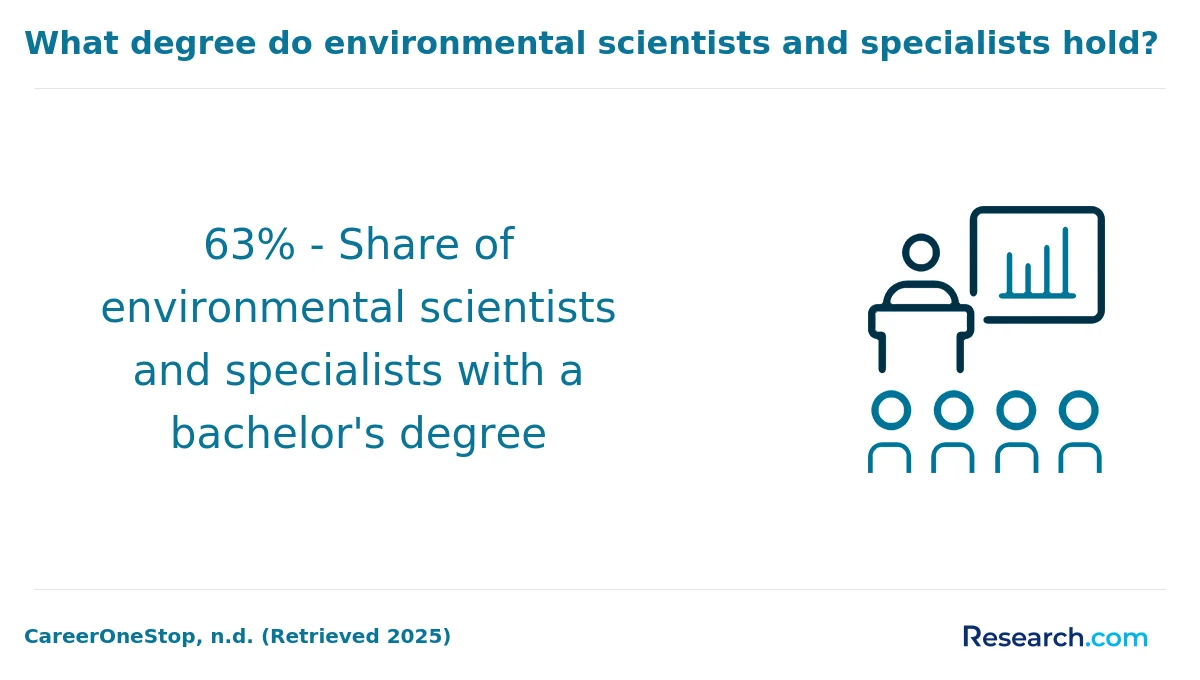
Embarking on an online environmental science degree in America opens doors not just to knowledge but also to exciting financial aid opportunities. Imagine a graduate from a well-known school like Oregon State University, who navigated federal aid by filling out the FAFSA, unlocking access to federal loans and work-study programs that eased tuition pressures while gaining hands-on field experience.
State grants and scholarships are another treasure sought by students attending institutions such as the University of Florida, where in-state residents enjoy customized financial support that rewards academic dedication and community engagement. These grants transform dreams into achievable goals, making study less daunting.
Universities often sprinkle scholarships across STEM fields, providing gems to online learners at places like Colorado State University. Many recipients describe this as a vital boost, especially for underrepresented voices passionate about environmental solutions.
Finally, private scholarships from organizations like the EPA and NSF create thrilling opportunities for those who display a genuine commitment to environmental research, opening pathways to career-shaping adventures and deeper engagement in sustainability.
For master's hopefuls, transcripts are your treasure map, often revealing a GPA between 3.0 and 3.5. Graduates often recall how completing calculus or general chemistry before applying made complex concepts feel like exciting puzzles rather than obstacles. Some universities, eager to embrace diverse backgrounds, may waive GRE test scores, turning the spotlight instead on your passion showcased through letters of recommendation and personal statements.
Imagine sharing your journey and ambitions just like past students did-explaining why saving habitats or mastering climate data drives you. This personal touch helped many feel connected and ready for internships or capstone projects that often involve hands-on experiences, sometimes requiring you to explore your local environment actively.
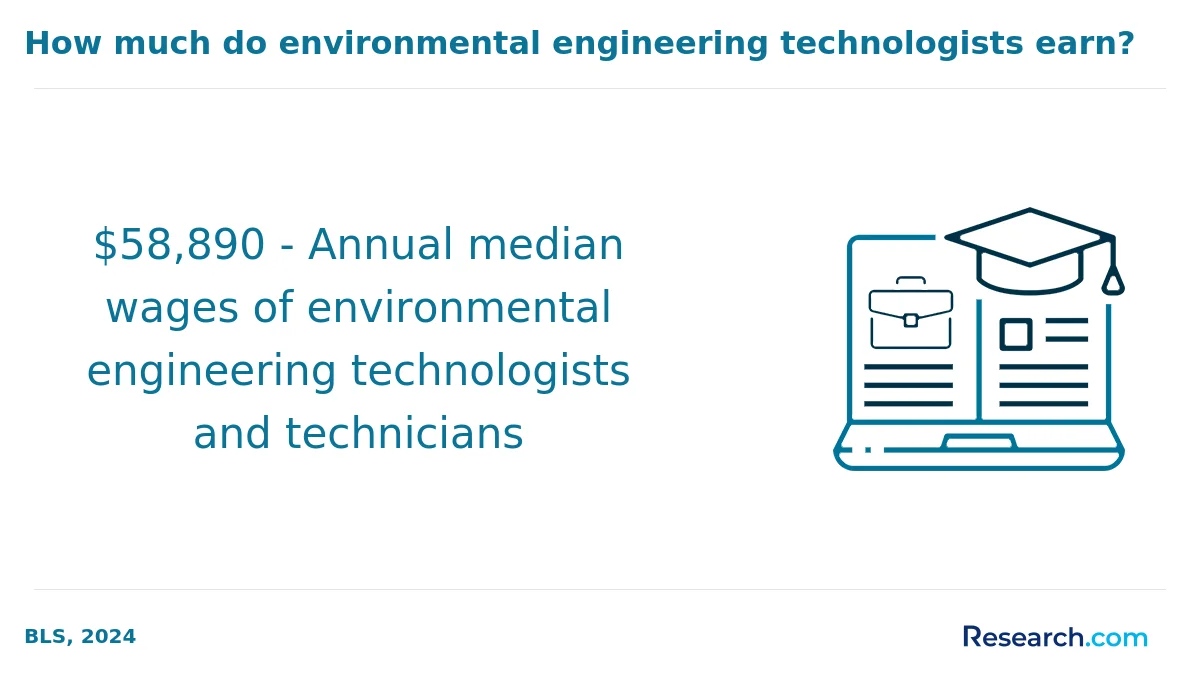
Diving into an online environmental science degree in America opens up a vibrant mix of courses that spark curiosity and hands-on learning. Graduates from universities like the University of Florida or Oregon State recall their excitement mastering Environmental Chemistry, where they unravel how pollutants interact with ecosystems. They often describe feeling empowered applying Ecological Principles and Biodiversity in local conservation projects, making theory come alive.
Courses such as Environmental Policy and Regulation offer eye-opening lessons on how laws shape the natural world, sparking passionate debates in virtual classrooms. Many students find Remote Sensing and GIS Applications thrilling, as they explore satellite data to track environmental changes-turning abstract data into concrete impact.
Others highlight the adventure in Climate Change Science and Sustainability and Resource Management, where they imagine crafting solutions for real-world challenges faced by communities across America. The blend of Research Methods and ethics brings students closer to the heart of environmental advocacy, leaving them eager to make a difference.
Exploring online environmental science specializations USA reveals a thrilling array of focused paths for adventurous learners. Graduates from popular colleges dive into Environmental Policy and Management, crafting laws and strategies that truly shape our planet's future. Imagine working in government agencies, feeling the satisfaction of real-world impact. Others embrace Ecology and Conservation Biology, dedicating themselves to protecting wildlife and restoring ecosystems with passion and excitement.
Many find themselves immersed in Environmental Health and Safety, ensuring industries protect workers and communities from hazards-vital work that kindles a deep sense of purpose. Those fascinated by innovation eagerly pursue Renewable Energy and Sustainability, where cutting-edge projects reduce carbon footprints and foster hope for a greener tomorrow. Geographic Information Systems (GIS) and Environmental Data Analysis captivate tech-savvy students, mastering tools that reveal hidden environmental patterns.
Such specializations thrive at top American universities offering flexible online formats, making it easier than ever to follow your curiosity without sacrificing convenience. For those seeking affordability in this journey, discovering the cheapest online sustainability masters degree can open doors to exciting, meaningful careers in environmental science degree concentration options America.
Choosing the best online environmental science degree in America starts with hunting for programs that resonate with your ambitions and lifestyle. Graduates from top institutions like the University of Florida and Oregon State often praise programs that combine rigorous coursework with flexibility-perfect for juggling work and study. Many highlight how affordable online environmental science programs America offer a surprising balance of quality and cost, especially with public universities giving in-state students a financial edge.
Accreditation is your compass: a program certified by the Higher Learning Commission or similar agencies ensures you're investing in a respected degree. Picture yourself diving into courses rich in ecology, sustainability, and data analysis, taught by faculty with real-world experience. One graduate recalls leveraging career support services at a major university, which connected them to internships and helped navigate sustainability manager requirements-launching their career with confidence.
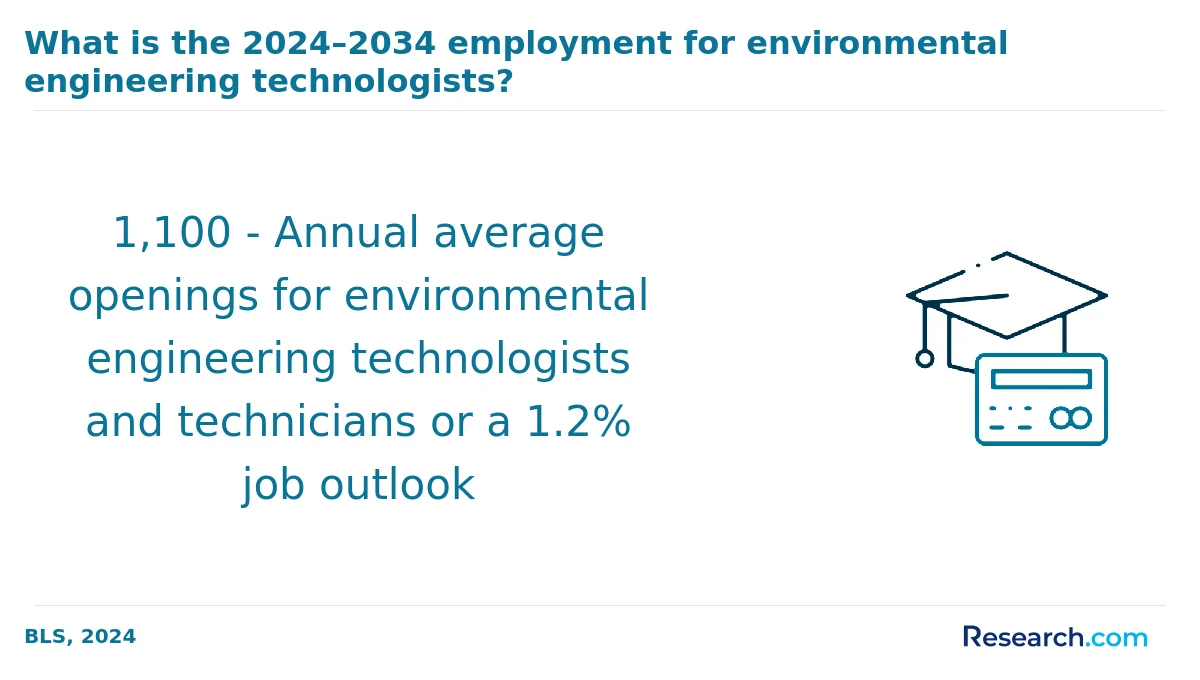
Graduates exploring online environmental science careers in the USA find themselves stepping into a world rich with possibilities. Imagine working with the EPA or state environmental agencies, conducting impact assessments, and actively protecting the earth's delicate ecosystems. Many graduates from popular universities, known for their rigorous programs, thrive as environmental consultants, helping businesses navigate complex regulations with confidence and purpose.
Others become conservation scientists or wildlife biologists, engaging hands-on with forests, parks, and animal populations while feeling the thrill of directly preserving nature. Environmental engineers, often inspired by projects at renowned colleges, design innovative systems to curb pollution and boost sustainability-turning knowledge from their coursework into real-world solutions.
Students passionate about understanding climate patterns find fulfilling roles as climate change analysts, creating adaptation strategies that shape communities' futures. For those seeking diverse opportunities, graduates report that an online degree in environmental engineering broadens horizons beyond traditional paths, fueling adventurous career journeys fueled by curiosity and impact.
The job market for graduates with online environmental science degrees in America is vibrant and rapidly expanding. Many graduates from universities known for strong environmental programs share how their flexibility to study online allowed them to dive into exciting roles-from environmental consulting to wildlife biology-without pausing their lives. This is especially true given the encouraging job outlook for environmental science graduates America-wide, where employment in this sector is growing faster than many others.
Popular schools provide immersive online programs that equip students with practical knowledge and skills required to become an environmental biologist. These graduates often find themselves collaborating with government agencies, urban planners, and renewable energy firms. The balance of work and study builds confidence, while the median wage around $79,700 reflects the tangible rewards in this field.
Envision a graduate from a top online program in California who steadily navigates remote consulting projects for major EPA initiatives. Stories like these capture how online environmental science jobs in USA create dynamic career pathways that marry passion with sustainability, all from the comfort of home.
2027 Fastest Online Master's in Environmental Science Degree Programs Ranking in the USA
Investing in your education is a significant decision that can shape your future, and the Research.com team fully recognizes the importance of making informed choices. To support prospective students interested in environmental science, we have carefully developed the "2027 Fastest Online Master's in Environmental Science Degree Programs Ranking in the USA." Our dedication to quality, credibility, and accuracy is demonstrated through thorough research and detailed analysis underlying this ranking.
We utilized the following reputable data sources to ensure a comprehensive evaluation of these programs:
By exploring this ranking, readers will gain valuable insights into the fastest online master's programs in environmental science across the USA, empowering them to make confident and well-informed educational decisions. For additional information on our ranking process, please visit our Research.com methodology page.
# 1 position
Louisiana State University and Agricultural & Mechanical College
Master of Environmental Sciences


# 3 position
University of Illinois at Urbana-Champaign
Master of Natural Resources and Environmental Sciences


# 6 position
Western Kentucky University
Master of Social Responsibility and Sustainable Communities

# 7 position
University of Maryland Global Campus
Master of Environmental Management


# 9 position
Texas Tech University
Master of Environmental Sustainability and Natural Resource Management


Frequently Asked Questions About environmental science
Online environmental science students in America can maximize their learning by actively engaging with course materials and virtual labs, which are essential for understanding complex ecological concepts. According to the U.S. Department of Education, interaction with instructors and peers boosts retention and skills development.
Utilizing online research databases, such as those provided by universities or the EPA, helps students stay current with industry trends and scientific discoveries. Time management is crucial; dedicating consistent study hours increases completion rates, which the National Center for Education Statistics reports at about 60% for online graduate programs.
Participating in virtual internships or fieldwork opportunities offered by environmental organizations provides practical experience, a valued component by employers in this growing sector.
Emerging niches within environmental science reflect the growing complexity of ecological challenges in the United States. One rapidly expanding area is climate adaptation, focusing on preparing communities for the impacts of climate change. According to the U.S. Bureau of Labor Statistics, environmental scientists with adaptation expertise are seeing increased demand. Another niche is environmental data science, which applies big data and machine learning to analyze ecological trends. Renewable energy is also significant, with jobs related to solar and wind technology growing over 12% annually. Lastly, environmental justice has gained prominence, addressing unequal environmental burdens on marginalized U.S. communities as reported by EPA initiatives.
After completing an online environmental science degree in America, preparing for the job market involves multiple strategic steps. Start by gaining relevant experience through internships or volunteer work with organizations like the Environmental Protection Agency (EPA) or local conservation groups. Practical exposure complements academic knowledge and enhances employability.
Networking is crucial; join professional associations such as the Ecological Society of America or attend industry conferences to connect with potential employers. According to the U.S. Bureau of Labor Statistics, environmental science jobs are projected to grow 8% from 2022 to 2032, making proactive job search efforts vital.
Additionally, developing skills in geographic information systems (GIS) and data analysis improves job prospects. Certifications in these areas often attract higher salaries and more opportunities.
Employers in America increasingly value environmental science graduates possessing strong analytical and problem-solving skills. According to the U.S. Bureau of Labor Statistics, professionals capable of interpreting scientific data to address ecological challenges are in high demand. Communication skills, both written and verbal, are essential for collaborating with diverse stakeholders and writing clear reports, as noted by the National Environmental Health Association.
Technical proficiency with geographic information systems (GIS) and statistical software also ranks highly among employers. Additionally, knowledge of environmental regulations and sustainability principles is critical to ensure compliance and promote green practices. Teamwork and project management abilities further enhance a graduate's employability in this multidisciplinary field.
Finding internships relevant to an environmental science degree in America begins with utilizing resources offered by universities and professional organizations. Many online programs provide access to career services that connect students to internships with agencies like the EPA or local environmental nonprofits.
Students should also explore platforms such as Internship.gov and the National Environmental Health Association's job board, which regularly list environment-focused opportunities. Networking through sites like LinkedIn or attending virtual career fairs can boost prospects by connecting with professionals in the field.
According to the U.S. Bureau of Labor Statistics, practical experience gained through internships can increase employment chances by 20% in environmental science careers.
An online environmental science degree in America can significantly enhance career mobility and advancement by providing flexible access to specialized knowledge. According to the U.S. Bureau of Labor Statistics, environmental scientists and specialists are projected to grow 8% from 2022 to 2032, faster than average. This growth expands job opportunities across government agencies, consulting firms, and private sectors.
Online degrees allow working professionals to upskill without interrupting employment, making career shifts and promotions more feasible. In addition, accredited programs often emphasize current regulations, data analysis, and sustainability practices, skills highly valued by employers.
Credentials earned online from recognized universities are increasingly accepted by employers, helping graduates compete for higher-level roles in environmental policy, compliance, and research.
Studying for an environmental science degree in America equips students with broad interdisciplinary skills essential for today's complex challenges. Programs integrate natural sciences, social sciences, and policy studies, reflecting the varied demands of environmental careers. According to the U.S. Bureau of Labor Statistics, jobs in this field often require collaboration across biology, chemistry, economics, and law. Online degrees emphasize practical skills such as data analysis, GIS mapping, and environmental regulations, helping graduates engage with diverse sectors like public health, energy, and urban planning. This combination readies students for roles that cross scientific and governmental boundaries, ensuring adaptability in a rapidly evolving job market.
Choosing between a thesis and a non-thesis environmental science degree in the US depends on your career goals. A thesis program usually involves original research, which suits students aiming for doctoral studies or research-intensive jobs. According to the Council of Graduate Schools, about 60% of science master's students choose thesis tracks to prepare for academia.
Non-thesis programs focus on coursework and practical skills, ideal for professionals seeking to advance in government, industry, or nonprofits. The US Bureau of Labor Statistics projects a 5% job growth for environmental scientists by 2031, favoring practical experience.
Consider time commitments: thesis degrees often take longer due to research requirements. Accreditation and faculty expertise also matter for both options.
Students in America seeking to study environmental science abroad through online programs have several options. Some U.S. universities partner with international institutions to offer joint or dual-degree online environmental science programs, allowing students to gain global perspectives without leaving home. According to the Institute of International Education, participation in international online learning has increased by over 30% since 2020.
Additionally, American students can enroll in accredited foreign universities that provide fully online environmental science degrees, often recognized by U.S. credential evaluators. Popular destinations for these programs include the United Kingdom, Australia, and Canada, where environmental science education aligns closely with U.S. standards.
Students should verify accreditation and curriculum relevance to ensure the degree meets American professional and academic expectations. Resources like the Council for Higher Education Accreditation (CHEA) can assist in this process.
Part-time job opportunities that complement environmental science degrees in America often involve roles in research, conservation, and public outreach. Many students find positions as research assistants at universities or environmental organizations, helping to collect and analyze data. According to the U.S. Bureau of Labor Statistics, employment in environmental science-related fields is expected to grow 8% from 2022 to 2032, indicating increasing demand for such roles.
Other options include internships with government agencies like the EPA or local conservation groups. These positions allow students to apply theoretical knowledge in real-world projects focused on sustainability and environmental protection.
Field technician roles also provide practical experience in monitoring ecosystems and collecting environmental samples, which are valuable for a future career in this sector.
Online environmental science students in America gain valuable networking opportunities through virtual events hosted by universities and professional organizations. Many programs encourage participation in webinars, online workshops, and discussion forums that connect students nationwide.
Professional groups like the Ecological Society of America and the National Association of Environmental Professionals offer online memberships, giving students access to conferences, job boards, and mentorship programs. According to the Ecological Society of America, over 9,000 members collaborate annually, providing a broad network for students entering the field.
Additionally, some universities partner with local environmental agencies and companies to help students find internships and research projects, even remotely. These connections often lead to employment opportunities after graduation, supporting career advancement in a competitive job market.
Alumni networks play a vital role for students pursuing online environmental science degrees in America. These networks provide access to experienced professionals actively working in fields like conservation, climate policy, and environmental consulting. Engaging with alumni can open doors to internships and job opportunities nationwide, essential in a competitive job market.
According to the National Association of Colleges and Employers, alumni connections increase the likelihood of job placement by up to 40%. For environmental science students, staying connected with graduates offers insights into evolving industry trends and government regulations. Schools with strong alumni support often host webinars and networking events, helping online learners build professional relationships despite geographical distances.
Customizing an online environmental science degree in America allows students to tailor their education to specific career ambitions. Many U.S. universities offer concentrations or electives in areas like conservation, sustainability, or environmental policy. Choosing relevant coursework can enhance expertise for roles in government agencies, non-profits, or private sectors.
Additionally, some programs offer internships or research projects online, enabling practical experience remotely. According to the U.S. Bureau of Labor Statistics, environmental science careers are expected to grow 8% from 2022 to 2032, highlighting the value of specialized skills. Careful selection of courses aligned with job market trends can improve employability in this expanding field.
Online environmental science students in America often face challenges related to limited hands-on laboratory experience. Unlike traditional programs, remote learners may struggle to access fieldwork opportunities essential for practical skills. According to the National Science Foundation, nearly 40% of environmental science careers require applied technical knowledge, which can be difficult to replicate online.
Another issue is staying motivated and managing time effectively. Environmental science coursework can be rigorous, demanding familiarity with interdisciplinary topics like biology, chemistry, and policy. The U.S. Department of Education notes that online students report higher rates of distraction and procrastination compared to in-person students.
Furthermore, access to up-to-date research tools and databases is critical but sometimes limited for remote learners, potentially hindering their ability to engage fully with cutting-edge environmental studies.
With an online environmental science degree, graduates in the US can pursue several recognized professional certifications that enhance career prospects. Common options include the Certified Environmental Scientist (CES) credential, offered by the National Registry of Environmental Professionals, which validates expertise in environmental assessment and compliance. Another widely respected certification is the Certified Hazardous Materials Manager (CHMM), aligning with roles in waste management and pollution control.
The Leadership in Energy and Environmental Design (LEED) Green Associate credential, provided by the U.S. Green Building Council, suits professionals interested in sustainable design. According to the U.S. Bureau of Labor Statistics, certification holders often have a competitive advantage in jobs projected to grow 8% through 2031, driven by increased environmental regulations.
These certifications typically require a combination of education, professional experience, and passing an exam. Choosing the right certification depends on career goals and industry focus.
When applying for an online environmental science program in America, begin by clearly highlighting your academic background and relevant experience. Programs typically value strong foundations in biology, chemistry, and ecology, so emphasize coursework or work in these areas.
Include a focused personal statement that explains your motivation for studying environmental science online and your career goals. Specificity helps, such as referencing sustainability challenges or policy interests in the US, according to guidance from the Environmental Careers Organization.
Letters of recommendation should come from professors or employers who can attest to your analytical skills and commitment to environmental issues.
Finally, meet all application deadlines and ensure your resume showcases any internships or volunteer work tied to environmental science or related fields.
Environmental science careers have a strong global focus, reflecting worldwide concerns about climate change, sustainability, and natural resource management. In the United States, the Bureau of Labor Statistics projects a 5% growth in environmental scientist jobs from 2021 to 2031, faster than the average for all occupations. This growth ties closely to international efforts to meet environmental goals, such as the United Nations Sustainable Development Goals.
Studying environmental science in the U.S. prepares graduates to work on global challenges in diverse fields like policy, conservation, and renewable energy. Many online programs emphasize interdisciplinary skills, essential for collaborating across borders.
Understanding global environmental issues enhances career prospects by enabling graduates to contribute to multinational projects, making U.S. degrees highly relevant worldwide.
Students pursuing an online environmental science degree in America can gain practical experience through internships with organizations like the Environmental Protection Agency (EPA) or local conservation groups. Many universities partner with these agencies to offer credit-bearing internships remotely or in-person near the student's location. According to the National Environmental Education Foundation, such internships enhance skills in data analysis, field research, and environmental policy.
Virtual labs and simulation software are also widely used to mimic real-world environmental scenarios, aiding hands-on learning. Additionally, volunteering for community projects or contributing to citizen science platforms provides valuable field experience. These opportunities help bridge theory and practice effectively.
Choosing the right concentration within an online environmental science degree program in America involves assessing your career goals and interests. Popular specializations include ecology, environmental policy, and geospatial analysis. According to the Bureau of Labor Statistics, environmental scientists and specialists in the U.S. earn a median annual wage of $76,530, with certain concentrations, like environmental engineering, offering higher pay.
Research program curricula carefully to ensure they align with industry demands and emerging environmental issues. Look for concentrations that offer practical skills and access to internships or projects, even in an online format. Accreditation from recognized bodies like ABET or the Council for Higher Education Accreditation adds credibility and value to your degree.
- CES - Certified Environmental Scientist | NREP https://www.nrep.org/certifications/certified-environmental-scientist-ces
- Environmental Certifications for entry-level and ... https://www.theenvironmentalcareercoach.com/certification-links
- Global Alumni Networks and Social Class: Epistemic ... https://www.developmenteducationreview.com/issue/issue-40/global-alumni-networks-and-social-class-epistemic-communities-and-%E2%80%98thought-collective
- MESPOM Alumni Association https://mespom.eu/mespom-alumni-association
- Alumni Put Environmental Science Degrees to Work at ... https://www.fandm.edu/stories/alumni-put-environmental-science-degrees-to-work.html
- Imperative for Change: Integrating Environmental Science ... https://stemgreenhouse.org/imperative-for-change-integrating-environmental-science-in-education/
- Data show today's environmental science grads have more ... https://www.onlineu.com/magazine/environmental-science-majors-career-outcomes
- 16 Biggest Environmental Problems of 2026 https://earth.org/the-biggest-environmental-problems-of-our-lifetime/
- How Study Abroad Benefits Environmental Science Majors https://maximonivel.com/study-abroad-environmental-science/
- NETWORKING FOR SUCCESS: HOW TO SHINE IN ... https://stephintonature.com/all-environmental-conservation-travel-blogs/environmental-jobs-networking