2027 Data Science Degree Coursework Explained: What Classes Can You Expect to Take?

Co-Founder and Chief Data Scientist
Many prospective students struggle to understand what classes compose a data science degree and how these courses relate to real-world job skills. According to recent industry surveys, over 70% of employers prioritize candidates with strong proficiency in machine learning and data visualization. However, not all degree programs clearly align their curriculum with such demands. This article explains the typical coursework within data science programs, highlighting core subjects and their practical applications. It aims to provide readers with a clear roadmap of classes to expect and how each contributes to building competencies sought in today's data-driven workforce.
Key Benefits of Data Science Degree Coursework
- Data science coursework builds strong analytical and programming skills, essential for interpreting complex data sets and creating predictive models used in diverse industries.
- Students gain practical experience with tools like Python, R, and SQL, increasing employability in a competitive job market where 79% of data science roles require programming proficiency.
- Advanced classes in machine learning and big data prepare graduates for high-salary roles, with data scientists earning a median salary approximately 37% above the national average.
What Types of Class Do You Take in a Data Science Degree?
Data science degree programs are designed to develop a well-rounded skill set by combining theoretical foundations with practical experience. Recent trends show that over 70% of data science degree course requirements prioritize hands-on projects and real-world applications alongside core concepts. This balanced approach prepares students for diverse academic and career outcomes across industries.
The curriculum typically consists of several key types of classes:
- Core Foundational Classes: These courses build essential knowledge in mathematics, statistics, and computer programming, focusing on concepts like probability, linear algebra, and data structures that underpin data science analysis and modeling.
- Specialization or Elective Courses: Electives allow students to tailor the curriculum to their interests, such as machine learning, big data, or data visualization, deepening their expertise in specific areas and exposing them to cutting-edge tools and methods.
- Research or Methods Coursework: These classes emphasize designing experiments, applying rigorous data analysis techniques, and interpreting results critically to foster analytical thinking essential for effective research and evidence-based decision making.
- Practicum, Internship, or Capstone Experiences: Experiential learning through internships or capstone projects offers real-world opportunities to apply classroom knowledge, work with complex datasets, and generate actionable insights relevant to industry demands.
Prospective students interested also explore related fields such as a masters in social work online, which complements data-driven approaches in social sciences. Understanding the core classes in a data science degree will help learners gauge how the curriculum supports skill development. Emphasizing the practical and theoretical balance is critical to meeting diverse data science degree course requirements.
What Are the Core Courses in a Data Science Degree Program?
Core courses form the backbone of a data science degree, providing students with essential knowledge and technical skills needed to analyze and interpret complex data. These classes focus on building theoretical frameworks alongside applied proficiencies, preparing learners for diverse professional environments. By integrating key classes in data science degree programs, students develop the critical expertise needed to thrive in this competitive field.
The core data science courses explained below cover a range of foundational topics, research methods, and professional practices that together foster a well-rounded educational experience. This lineup offers a window into the curriculum that shapes graduates' capabilities and readiness for data-driven roles.
- Introduction to Programming and Data Structures: Teaches fundamental programming concepts and data organization techniques. Students gain problem-solving skills essential for developing efficient algorithms and code.
- Probability and Statistics for Data Science: Focuses on statistical theories and probability models that underpin data interpretation. Learners build the ability to analyze variability and make data-based predictions.
- Data Mining and Machine Learning: Covers methods for extracting patterns and building predictive models. Emphasis is on applying algorithms to real-world datasets for actionable insights.
- Data Visualization and Communication: Trains students to present data findings clearly using visual tools. Effective communication skills are developed to convey complex information to diverse audiences.
- Database Management Systems: Explores the storage, retrieval, and management of large data repositories. Students learn SQL and other technologies essential for handling structured data.
- Research Methods and Experimental Design: Provides guidance on designing studies, collecting data, and applying rigorous research techniques. This course strengthens critical thinking and scientific inquiry.
- Ethics and Professional Practice in Data Science: Addresses ethical considerations, data privacy, and industry standards. Students are prepared to navigate professional responsibilities with integrity.
For those interested in expanding their expertise beyond data science, exploring related fields can offer additional opportunities. For example, prospective students might consider accelerated social work programs to combine data insights with impactful community-focused careers.
What Elective Classes Can You Take in a Data Science Degree?
Elective courses in a data science degree offer students the chance to customize their learning according to personal interests or career ambitions. Over 60% of data science programs now incorporate electives to better prepare graduates for dynamic job markets. These options allow learners to specialize in areas that complement core knowledge and enhance professional readiness.
Common electives available to data science students include:
- Natural Language Processing (NLP): Centers on techniques for understanding and analyzing human language data, crucial for developing AI-driven communication systems and sentiment analysis tools.
- Data Visualization: Focuses on crafting informative and engaging visual representations of data, a vital skill for analysts aiming to present insights effectively.
- Big Data Analytics: Introduces methods for handling and interpreting large-scale datasets using modern technologies, preparing students for roles involving cloud platforms and distributed computing.
- Artificial Intelligence and Deep Learning: Covers advanced AI methodologies such as neural networks, enabling students to work on innovative projects like autonomous technology and predictive modeling.
- Business Intelligence and Strategy: Combines analytical expertise with business understanding to support data-driven decision-making within organizations.
These electives cultivate technical abilities, critical analysis, and domain-specific knowledge, empowering students to align their education with industries like healthcare, finance, or marketing analytics.
Practical experiences in data science programs allow students to apply theoretical concepts to authentic problems, enhancing their understanding through real-world tasks. These opportunities also foster essential skills by connecting classroom learning with industry practices. Recent data shows that around 65% of accredited data science degrees require or recommend internships or practicums before graduation.
The following points clarify what these experiences typically involve:
- Program requirements: Many programs either mandate or encourage completing an internship or practicum, ensuring students gain hands-on exposure as part of their curriculum.
- Duration and hours: These experiences usually span 8 to 16 weeks and require between 120 and 200 total hours, providing substantial time for skills application.
- Types of experiences: Students often work on data cleaning, model building, visualization, and use tools such as Python and R, collaborating with organizations or participating in supervised research projects.
- Skills developed: Key competencies include solving complex problems with large datasets, teamwork across disciplines, and communicating analytical results effectively.
Capstone projects and theses are essential components that showcase a data science student's mastery in both practical and research skills. About 60% of master's data science programs favor capstones as the primary culminating experience, reflecting current trends in program design. Here's a breakdown of what each option involves and how they align with different career pathways.
- Nature of Capstone: A capstone is a hands-on project where students apply techniques learned throughout their courses to solve real-world problems, often working collaboratively. It emphasizes practical skills like project management, data analysis, and communication.
- Nature of Thesis: A thesis involves conducting original research that adds new insights to the field. It requires formulating a research question, performing detailed analysis, and producing a formal academic paper under faculty guidance.
- Time Commitment: Capstone projects generally span one semester and focus on timely application, while theses demand a longer timeframe, often exceeding a semester, due to the depth of research involved.
- Skills Developed: Capstones build competencies in teamwork, problem-solving, and industry-relevant tools. Theses sharpen abilities in academic research, critical thinking, and scholarly writing.
- Career and Academic Alignment: Those aiming for immediate industry roles may prefer capstones that demonstrate hands-on capability. Conversely, students targeting research careers or doctoral programs benefit from the thesis path, which strengthens a foundation for advanced study.
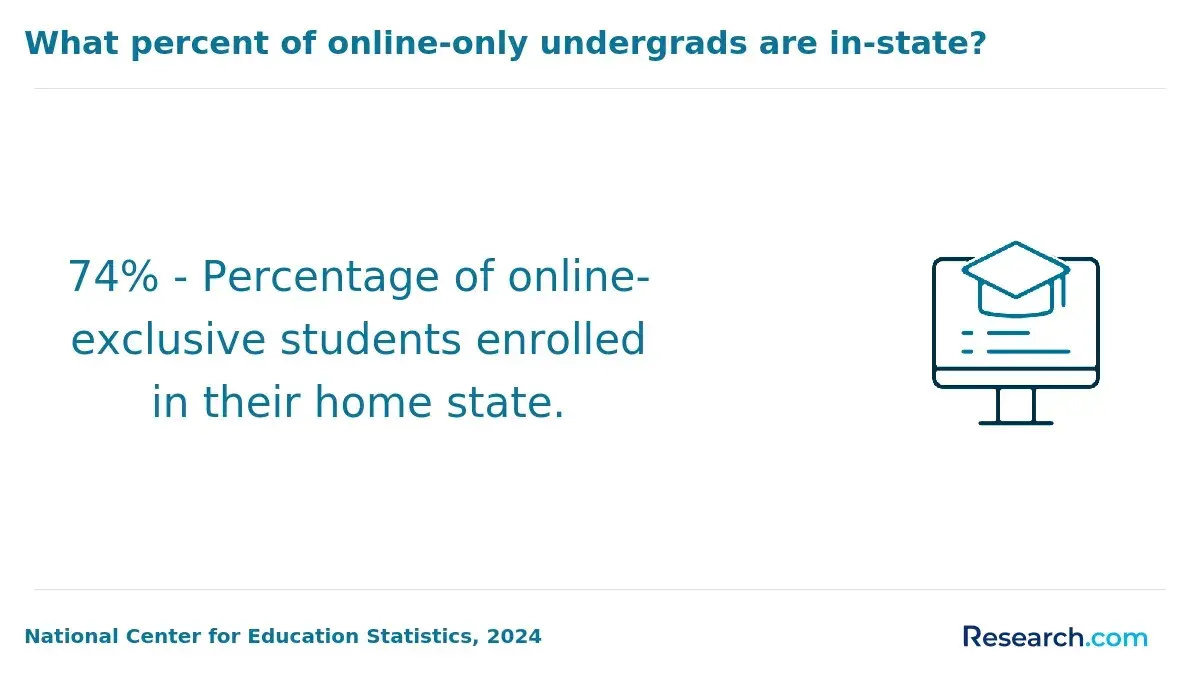
Data science coursework remains largely consistent between online and on-campus formats, with similar curricula, learning outcomes, and academic standards. Core topics such as statistics, programming, machine learning, and data visualization are covered in both settings to ensure graduates are well-prepared for industry demands. Differences rarely exist in content but are more related to how courses are delivered and experienced by students.
Instructional methods vary notably: on-campus students benefit from face-to-face lectures, immediate faculty access, and in-person group work, fostering more spontaneous collaboration. Online students engage through video lectures, discussion forums, and scheduled virtual meetings, gaining greater scheduling flexibility but requiring stronger self-discipline. Practical labs and projects are adapted through cloud-based platforms for remote learners, while assessments often shift to timed quizzes and digital submissions. Although physical access to campus resources like libraries and study groups is limited online, many programs provide digital alternatives to support remote engagement.
Most students enrolled in data science classes typically dedicate between 15 and 25 hours per week to their coursework. This average weekly hours for data science coursework generally includes 3 to 5 hours attending lectures, which can be live or pre-recorded, 5 to 8 hours reading and studying essential materials, and 5 to 7 hours completing assignments and coding exercises. Collaborative group projects and applied learning activities commonly take 2 to 4 hours weekly, fostering skills important for real-world data science roles.
Time commitment can vary depending on several factors that influence how students manage their study hours. Consider these key points:
- Enrollment status: Full-time students usually have a higher weekly workload than part-time students, which impacts the overall time dedicated to coursework and projects.
- Course level: Advanced or graduate-level courses often demand more in-depth analysis and longer hours for reading, coding, and problem-solving.
- Course format: Online classes may provide flexibility with when work is done but require strong self-discipline and time management skills.
- Credit load: The number of credits taken per term directly increases the typical time commitment, making it important to balance course load carefully.
- Practicum and projects: Some programs include capstone or practicum experiences that add 5 or more hours weekly due to their intensive nature and focus on integrating knowledge into a portfolio.
For students interested in comparing data science with other fields, exploring options such as a library master's degree can provide perspective on academic time requirements and career outcomes across disciplines. This breakdown offers a practical view of the typical time commitment for data science classes, helping prospective students make informed decisions about their academic paths.
Total credit hour requirements play a significant role in determining the length, workload, and planning needed to graduate from a data science program. These requirements vary notably based on the degree level and program structure, influencing how students schedule courses and manage academic commitments. Knowing the total credits needed helps students realistically anticipate the time and effort involved in completing their studies.
Typical credit load components in data science degree programs include the following:
- Core Coursework: Usually accounting for 50-60% of the total credits, core courses cover essential topics like programming, statistics, machine learning, and data management. Undergraduate programs emphasize foundational skills, while graduate programs delve into advanced techniques and specialized research.
- Electives: These courses offer opportunities to explore specific areas such as artificial intelligence, data visualization, or other emerging fields. Electives provide flexibility and generally make up a smaller portion of the total credit hours, allowing students to tailor their education to individual interests and career goals.
- Experiential Learning: Representing about 10-20% of the credits, experiential components include internships, practicums, capstone projects, or theses. These hands-on experiences prepare students for real-world application of data science concepts and are more prominent in graduate-level programs, often concluding with a comprehensive project.
Undergraduate data science degrees typically require between 120 and 130 credit hours to graduate, combining general education requirements with specialized courses. Graduate programs, such as master's degrees, typically demand 30 to 45 credit hours, focusing more intensively on data science topics and research.
When choosing a program, many prospective students also consider affordability and program format; resources such as the most affordable online colleges can provide useful guidance. This overview clarifies essential credit hour requirements and common components for those assessing the total credits needed for a data science program.
Data science coursework is designed to equip students with the skills, knowledge, and applied learning experiences necessary for professional success. The curriculum bridges theoretical concepts with real-world applications, ensuring graduates are prepared to meet industry demands. Employment in data science is projected to grow 36% from 2021 to 2031, reflecting the strong demand for qualified professionals in this field.
- Skill Development: Coursework focuses on essential skills such as programming, statistical analysis, and machine learning. These competencies form the foundation for tackling complex data problems and are highly sought after by employers.
- Applied Projects: Many courses include hands-on projects and case studies that simulate real-world challenges. This direct experience with messy, complex datasets builds job-ready analytical abilities.
- Critical Thinking: Students enhance their ability to interpret data and solve problems through exercises that develop decision-making skills, a key requirement in data-driven roles.
- Industry Tools and Technologies: Training often involves industry-standard software and programming languages like Python, R, and data visualization tools, facilitating smooth transitions into professional environments.
- Career Preparation: Rigorous coursework supports data science coursework career preparation by aligning academic training with current job market expectations, helping students develop practical skills gained from data science classes for jobs.
When requesting employer support for a data science degree, it is important to demonstrate how the education will benefit your role and the organization. Prepare a proposal connecting coursework skills with workplace applications such as programming, statistical methods, and machine learning. Highlight examples of applied projects that mirror company challenges, the program's flexible scheduling to reduce work disruptions, and the potential return on investment through improved decision-making and efficiency.
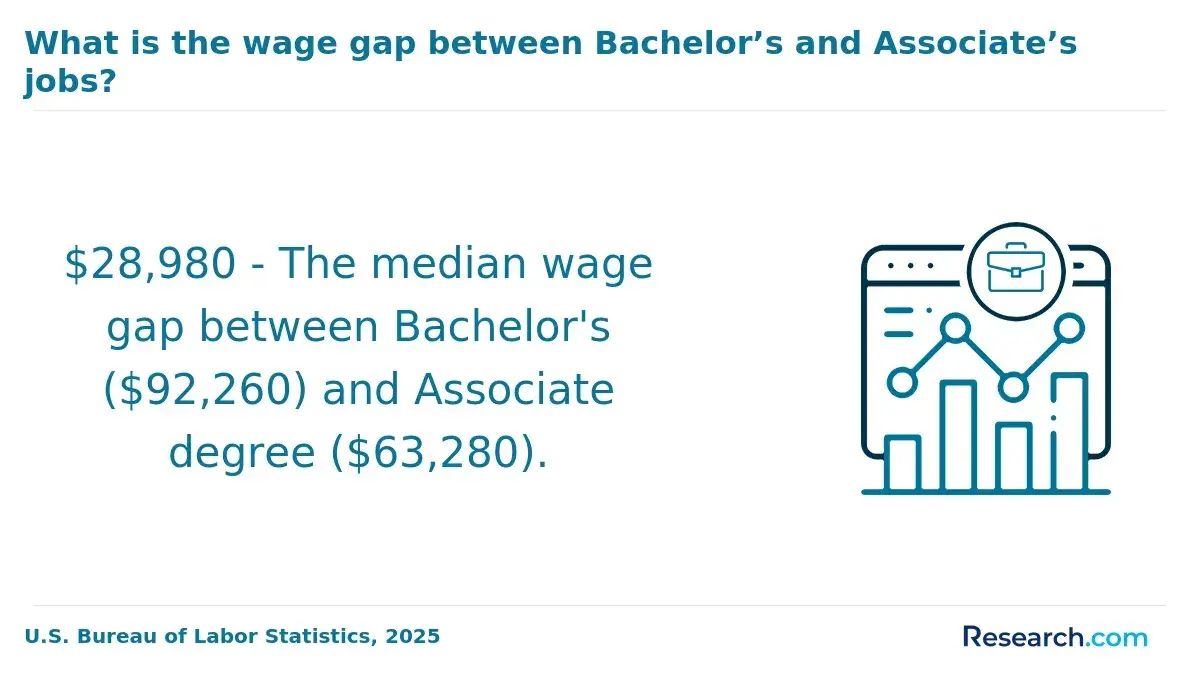
For those exploring foundational options, consider starting with an associates degree as a stepping stone toward advanced data science expertise.
Completing coursework in data science significantly influences graduates' salary prospects by equipping them with the skills and knowledge employers demand. According to the U.S. Bureau of Labor Statistics, the median annual income for data scientists is around $100,000, with those holding advanced qualifications often earning notably more.
The following points highlight key ways coursework shapes earning potential.
- In-Demand Technical Skills: Courses covering programming languages such as Python and R, along with data manipulation and predictive modeling, provide essential tools that employers seek. Mastery of these skills makes graduates more competitive and better positioned for higher-paying roles.
- Advanced and Specialized Classes: Taking deeper subjects like machine learning, artificial intelligence, and big data analytics sharpens expertise in high-demand areas. Graduates with this specialized knowledge tend to command higher salaries due to their ability to tackle complex problems.
- Applied Learning Experiences: Participation in practicums, capstone projects, or internships offers hands-on exposure that builds problem-solving capabilities. Demonstrating real-world proficiency through these experiences often leads to stronger job offers and faster career advancement.
- Leadership and Management Training: Coursework aimed at developing supervisory and strategic skills prepares students for roles involving team leadership. This training can accelerate salary growth by making graduates suitable for higher-level positions within organizations.
- Certification Preparation: Programs that prepare students for credentials like Certified Data Scientist or AWS Certified Data Analytics help validate expertise. These certifications frequently correlate with increased starting salaries and ongoing wage increases.
What Graduates Say About Their Data Science Degree Coursework
- Kieran: "I was initially concerned about the cost since the average tuition for the data science degree program was on the higher side, but the value I gained through the online coursework was undeniable. The flexibility of studying remotely fit perfectly with my busy schedule, and applying what I learned directly boosted my career opportunities significantly. This program was a game-changer for me. "
- Aron: "Reflecting on my time in the data science degree program, I found the on-campus experience invaluable despite the financial investment required. While the cost was considerable, the direct interaction with professors and peers enriched my learning and helped me build a strong professional network. The coursework deeply influenced my analytical approach at work today. "
- Evron: "The data science coursework was a professional milestone, blending an accessible cost structure with comprehensive online classes that suited my working lifestyle. The program's focus on practical application empowered me to shift roles within my company, leveraging new skills that elevated both my confidence and career trajectory. I appreciate how affordable and well-structured the curriculum was. "
Other Things You Should Know About Data Science Degrees
Universities update 2027 data science degree curricula through advisory boards with industry experts, frequent reviews, and partnership with tech companies. They ensure coursework aligns with current technologies such as AI, machine learning, and big data frameworks, maintaining relevance for graduating students.
In 2027, a data science degree typically requires foundational courses like Introduction to Data Science, Data Mining, and Machine Learning. These courses form the essential groundwork and usually consist of a combination of lectures and practical labs, totaling around 12-15 credit hours.
In a 2027 data science degree, core programming languages like Python, R, and SQL are typically taught. These languages are essential for data manipulation, statistical analysis, and database management, forming the backbone of a data scientist's technical skill set.
- What Should We Learn Before We Join a Data Science Course? https://www.mygreatlearning.com/blog/what-should-we-learn-before-we-join-a-data-science-course/
- Core subjects in a data science postgraduate program - Online Manipal https://www.onlinemanipal.com/blogs/core-subjects-in-data-science-pg-program
- DSBA Capstone - Data Science and Business Analytics https://dsba.charlotte.edu/dsba-capstone/
- Oferty Pracy dla Studentów, Absolwentów i Młodych Specjalistów, Juniorów, Data Science - 2025 Summer Internship Program, Verisk | Talent Days https://talentdays.pl/praca-i-staz/verisk-data-science-2025-summer-internship-program
- Data Science (M.S.) https://bulletin.fordham.edu/gsas/computer-information-sciences/data-science-ms/
- How AI and Data Science Certificates Impact Salary Growth https://skillup.online/blog/how-ai-and-data-science-certificates-impact-salary-growth/
- Study Data Science, why & how to study https://www.thecompleteuniversityguide.co.uk/subject-guide/data-science
- Data Science Course Syllabus & Subjects [Updated 2025] - GeeksforGeeks https://www.geeksforgeeks.org/data-science/data-science-course-syllabus-subjects/
- Data Scientist Salary: Your 2026 Pay Guide https://www.coursera.org/articles/data-scientist-salary
- Exploring Career Opportunities After a Data Science Course - Sharda University Blog https://www.sharda.ac.in/blog/exploring-career-opportunities-after-a-data-science-course/