2027 Is Demand for Data Science Degree Graduates Growing or Declining?

Co-Founder and Chief Data Scientist
Many students face uncertainty when deciding whether to pursue a data science degree amid evolving job market trends. Employers increasingly require advanced analytical skills, but graduates worry if demand will sustain career growth. According to the U. S. Bureau of Labor Statistics, employment in computer and information research science, which includes data science roles, is projected to grow 22% from 2020 to 2030, much faster than average. This article examines current demand trends for data science degree graduates and offers insights on how the shifting landscape affects employment opportunities, helping readers make informed educational and career choices.
Key Things to Know About the Demand for Data Science Degree Graduates
- Employment for data science degree graduates is expanding rapidly, with a 15% job growth rate projected through 2030 according to the U.S. Bureau of Labor Statistics.
- Industries like healthcare, finance, and tech increasingly demand data science professionals to analyze complex datasets and support decision-making.
- Specializing in areas such as machine learning or big data analytics significantly enhances long-term career opportunities amid evolving industry needs.
What Factors Are Driving Demand for Data Science Degree Professionals?
Knowing the key forces behind workforce demand helps prospective students assess the long-term value and stability of a data science degree. Several important factors drive employer needs across various industries, shaping the evolving landscape for data science professionals.
- Industry Growth: Expanding sectors like finance, healthcare, technology, and retail rely increasingly on data-driven strategies. This growth fuels consistent hiring for individuals skilled in handling and interpreting large datasets, reinforcing the importance of an accredited data science degree for career viability in the US.
- Technological Advances: Breakthroughs in artificial intelligence and machine learning have transformed data science roles. Employers prioritize candidates familiar with these innovative tools and techniques, enhancing employability for graduates equipped with the right skills.
- Regulatory Changes: Evolving policies on data privacy and security demand compliance expertise. Data scientists with knowledge of both analytics and governance are more competitive, highlighting how accreditation affects data science degree credibility and employability.
- Demographic Shifts: The rise of digital-native populations and online businesses generates vast new data streams. This trend expands workforce demand, requiring professionals adept at leveraging these dynamic information sources.
- Employer Skills: Modern employers seek interdisciplinary capabilities, combining technical prowess with communication and problem-solving skills. Well-rounded graduates who can translate data into actionable strategies have an advantage.
Prospective students should also consider specialized options such as EdD programs to advance their education and career pathways in related fields.
Which Data Science Occupations Are Seeing the Highest Growth Rates?
Growth rates serve as a crucial indicator for students evaluating career paths in data science, revealing which roles offer expanding opportunities and job security. The U.S. labor market is expected to grow at about 5% from 2021 to 2031, signaling a steady demand for skilled professionals. Below are some of the top emerging data science jobs with fastest employment growth to consider.
- Data Scientist: Projected to grow around 36%, this role benefits from the increasing adoption of machine learning and AI technologies across multiple sectors. A bachelor's degree in data science or a related field is typically required, with many positions favoring advanced degrees.
- Data Engineer: Expected to rise by approximately 33%, data engineers are essential for developing scalable data infrastructure. Demand is driven by companies' investments in big data platforms and cloud computing, with most roles requiring at least a bachelor's degree in computer science or data science.
- Business Intelligence Analyst: Growing at about 11%, this position focuses on extracting strategic insights to support decision-making. Organizations value analysts with skills in data visualization and analytics, generally requiring a bachelor's degree.
- Machine Learning Engineer: With a forecasted increase of 31%, these engineers design automated systems and models, fueled by technological advancements. A master's degree or higher is often preferred due to the complexity of the role.
- Statistician: Experiencing growth near 35%, statisticians find opportunities primarily in healthcare and finance, where data-driven analysis is critical. A bachelor's degree is required, though advanced education enhances prospects.
Most of these careers necessitate at least a bachelor's degree in data science, computer science, or similar fields, and advanced roles often require graduate-level education. For students seeking economical paths into engineering and data science careers, exploring options such as the cheapest online engineering degree programs can provide valuable opportunities.
Which Industries Hire the Most Data Science Degree Graduates?
Knowing which industries hire the most data science graduates enables students to evaluate career options and anticipate job market resilience. This insight also helps align skills with employer needs. The following sectors are among the primary employers of data science degree holders:
- Technology and Software Development: This sector leverages data science to create advanced applications, enhance user interfaces, and refine algorithms. Common roles include data engineers, machine learning experts, and data analysts focused on innovation and scalability.
- Finance and Banking: Financial organizations depend on data science for tasks such as risk modeling, fraud prevention, and automated trading systems. Graduates frequently work as quantitative analysts, risk specialists, or financial data consultants.
- Healthcare and Pharmaceuticals: Data science is integral to advancing medical research, tailoring treatments, and improving healthcare operations. Positions often involve bioinformatics, health data analysis, and clinical data management.
- Retail and E-commerce: These industries utilize data to decode consumer behavior, streamline supply chains, and customize marketing efforts. Typical jobs include customer insights analysts and demand forecasters.
- Manufacturing and Logistics: Employers in this field apply data science to optimize workflows, predict maintenance needs, and manage inventories efficiently. Roles include operations analysts and process improvement professionals.
Each sector values the strong foundation in statistics, programming, and machine learning that data science graduates provide, allowing them to tackle diverse and complex challenges effectively.
Geographic factors significantly influence job prospects for data science graduates, as regional economic landscapes shape demand and opportunities. Several location-based elements contribute to these variations in employment outlook.
- High-Demand States: States like California, New York, and Massachusetts lead in data science positions due to dense concentrations of tech companies, financial institutions, and top-tier universities. These regions typically show employment rates above the national average, attracting a robust talent pool.
- Industry Clusters: Specific areas develop strengths in particular sectors, such as healthcare in Massachusetts or energy in Texas, which impact the types and quantity of available data science roles. Local industry focus often dictates the nature of projects and required expertise.
- Urban vs. Rural: Metropolitan centers challenge professionals with intense competition but offer abundant roles and networking advantages. Conversely, rural locations generally have fewer openings and slower career progression due to limited business presence.
- Cost of Living: Higher expenses in major cities can affect where data scientists are willing to work, balancing salary potential against lifestyle costs. This factor often steers some professionals toward smaller cities or remote positions.
- Remote and Hybrid Trends: Increasing acceptance of flexible work arrangements is breaking down geographic barriers, enabling data science specialists to engage with employers nationwide regardless of physical location. This shift broadens access to diverse job markets and reduces dependency on traditional tech hubs.
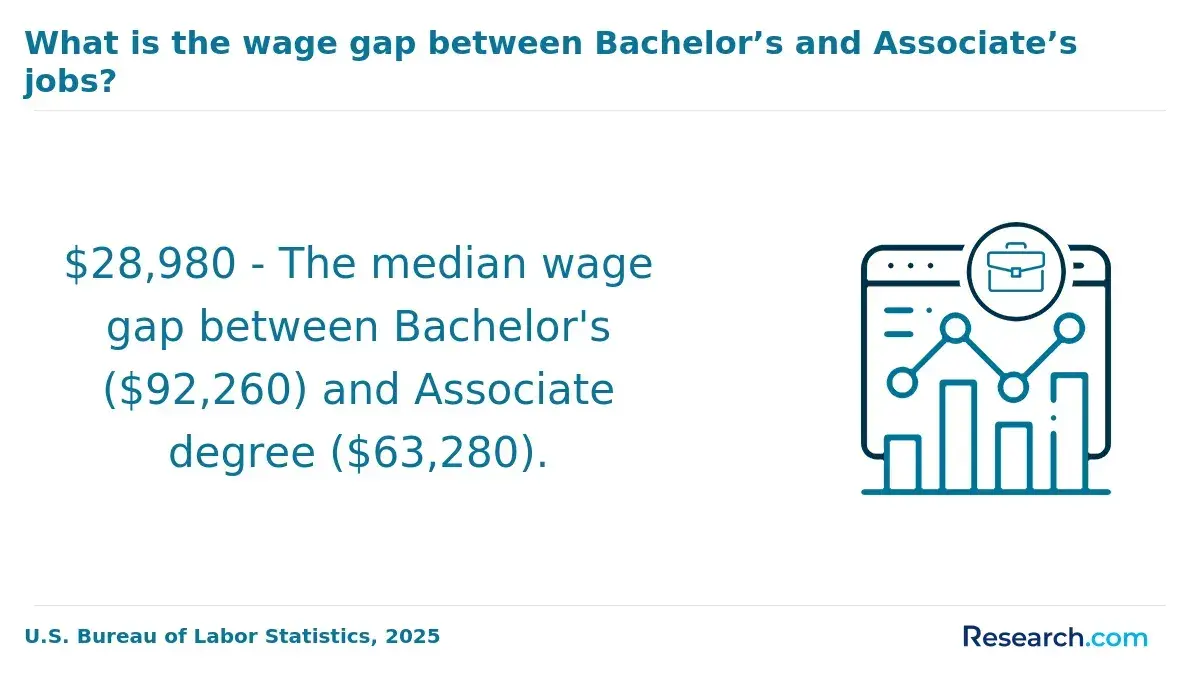
The level of education attained plays a crucial role in shaping employability, career advancement, and competitiveness within the data science job market in the United States. Each degree level offers distinct opportunities and challenges, influencing your potential roles and earning power in this field. Below is a comparison of how associate, bachelor's, master's, and doctorate degrees impact career prospects in data science.
- Associate Degree: Typically prepares graduates for entry-level roles like data technician or junior analyst, focusing mainly on basic data handling tasks. This degree often limits career growth and faces lower competitiveness in the data science fields.
- Bachelor's Degree: Serves as the standard qualification accepted for positions such as data analyst, business intelligence analyst, or junior data scientist. Holder competitiveness is moderate, and this level remains the most common entry point for a professional data science career.
- Master's Degree: Provides advanced specialization and technical expertise, leading to roles including senior data scientist and machine learning engineer. Individuals with a master's benefit from better employment rates and typically earn about 20% more, reflecting the advanced degree benefits in data science job market trends.
- Doctorate Degree: Opens doors to highly specialized research, consulting, and academic positions. These roles are more competitive but offer unique opportunities for involvement in cutting-edge projects and leadership. For those weighing options, exploring a psychology degree online can serve as a model of accessible advanced education paths.
Grasping the skills that employers prioritize is vital for graduates aiming to thrive in data science careers, ensuring they remain competitive and job-ready. Below are several core competencies that hiring managers consistently seek in candidates entering the field.
- Programming Proficiency: Mastery of languages like Python or R is essential for managing and analyzing extensive datasets, which underpin most data science projects and workflows.
- Statistical Knowledge: A solid understanding of statistics enables professionals to accurately interpret data trends and build reliable predictive models that support business objectives.
- Machine Learning Aptitude: Experience with machine learning algorithms is critical for developing systems that evolve based on data inputs, enhancing operational performance and generating valuable insights.
- Data Visualization Skills: Being able to convey complex information visually through tools such as Tableau or matplotlib aids in clear communication with stakeholders who need actionable insights.
- Communication and Collaboration: Communicating complex technical findings to non-expert audiences and working effectively within diverse teams are key capabilities that contribute to project success.
When asked about the skills employers look for, a graduate of a data science degree program shared that the real challenge was blending technical expertise with practical communication. He recalled, "Early on, I realized knowing Python wasn't enough; I had to learn how to tell a clear story with data that non-technical managers could grasp." He also emphasized the importance of teamwork, explaining that "collaborating with colleagues from different departments often required patience and adaptability, but it was rewarding to see how our combined perspectives led to better solutions." This blend of skills, he noted, made the transition from university to the workplace smoother and opened more opportunities.
Fluctuations in job demand directly impact starting salaries, wage growth, and long-term earning potential for data science graduates by shaping how employers compete for talent and how saturated the job market becomes. For example, the U.S. Bureau of Labor Statistics projects a 28% growth in employment for data science-related fields between 2019 and 2029, reflecting strong demand that supports rising salaries. These trends demonstrate why understanding demand dynamics is crucial for prospective graduates.
- Starting Salaries: When demand is high, employers must offer attractive starting packages to secure skilled data science graduates, which pushes entry-level salaries upward.
- Wage Growth: Scarcity of experienced professionals accelerates wage increases over time, rewarding those who develop expertise in the field.
- Long-Term Potential: Sustained demand expands career advancement opportunities and leads to higher cumulative earnings throughout a data science professional's career.
These labor market mechanisms are driven by supply and demand fundamentals, where the number of graduates influences supply and available roles dictate demand. A competitive job market for data science talent benefits candidates by elevating compensation and improving job stability over the long term.
Rapid advancements in artificial intelligence are transforming workforce demands within data science, with AI adoption predicted to boost demand for data scientists by 15% over the next five years. These shifts are reshaping the skills and roles professionals must adopt to stay competitive.
The main impacts of AI on data science careers include:
- Automation of Routine Tasks: AI is handling repetitive data processing, freeing data scientists to concentrate on complex analysis and strategic insights. This enhances productivity and allows professionals to add greater value.
- Emergence of New Roles: Specialized positions such as AI ethicists, machine learning engineers, and deep learning experts are now in demand, reflecting the growing complexity of AI systems and their ethical implications.
- Evolving Skill Sets: Proficiency in AI frameworks, sophisticated algorithms, and ethical AI deployment is becoming essential. This shift encourages continuous learning and adaptation for long-term career growth.
- Industry Hiring Shifts: Sectors like healthcare, finance, and autonomous technology are leading AI adoption, creating focused opportunities for data scientists with AI expertise in these expanding fields.
When asked about how AI has influenced her career path, a graduate of a data science degree program described the transition as challenging yet rewarding. She shared how mastering advanced AI tools demanded constant skill updates and an open mindset to tackle ethical questions in real projects. "It felt overwhelming at first," she said, "but gradually applying these technologies deepened my understanding and job confidence." Her experience highlights that embracing AI not only broadens opportunities but also fosters resilience and professional growth in a competitive landscape.
Long-term career stability is important for students and professionals because it helps ensure steady employment, financial security, and opportunities for growth as they navigate the job market. Several factors influence the stability of careers in data science, shaping the long-term prospects for graduates and practitioners.
- Long-Term Employment Trends: Consistent demand for data science talent across industries such as finance, healthcare, technology, and retail underscores the stability of this profession. Growing reliance on data-driven decision-making means these roles are less likely to become obsolete, supporting stable career trajectories for those with data science degrees.
- Industry Reliance: Businesses depend on data science to gain competitive advantages, improve customer experiences, and optimize operations. This critical role encourages sustained hiring and keeps data science positions secure, which benefits long-term career prospects for data science graduates.
- Adaptability to Change: The need for continuous learning in areas like machine learning and artificial intelligence enables data science professionals to remain relevant despite evolving technologies. Being adaptable helps mitigate the risks associated with economic shifts or changes in tools, strengthening career stability.
- Career Advancement and Reskilling: Clearly defined paths from entry-level analyst roles to specialized or managerial positions offer flexibility for career growth. Opportunities for reskilling help data science degree graduates maintain their employability and navigate changing job market conditions effectively.
The long-term career prospects for data science degree graduates remain promising in the United States job market, making it a viable option for those seeking sustained success. For prospective students evaluating options, understanding which fields offer stability alongside earning potential is crucial. In that context, exploring majors that make the most money can help inform decisions by highlighting the financial rewards tied to stable, in-demand professions.
Labor market data indicates that the current job demand for data science graduates in the US remains strong, with employment projections showing above-average growth compared to many other fields. The expanding reliance on data-driven decision-making across industries fuels this demand, supporting robust hiring activity.
However, the rate of growth is evolving as the field matures, which suggests steady rather than explosive increases in opportunities. This ongoing demand underscores the continued relevance of a data science degree for those entering the workforce.
The career prospects and salary growth associated with a data science degree can vary significantly depending on factors such as the level of education attained and skill alignment with industry needs. Graduates who possess advanced degrees or specialized expertise in areas like machine learning, big data, or artificial intelligence tend to have better outcomes.
Additionally, sectors such as healthcare, finance, technology, and government show a particular appetite for professionals who combine technical proficiency with domain knowledge. For those considering various educational paths, exploring online degrees that complement data science skills can also enhance employability and career advancement.
What Graduates Say About the Demand for Their Data Science Degree
- Morran: "Pursuing a data science degree was a game changer for me; it opened doors I hadn't imagined possible. The knowledge and practical skills I gained have paid off well beyond tuition costs, making the investment truly worthwhile. Today, I confidently lead data-driven projects that impact my company's strategy."
- Chase: "Looking back, deciding to study data science was both a challenging and rewarding journey. While it required significant dedication, the return on investment is evident in the career advancements and salary increases I've achieved. This degree not only deepened my technical expertise but also enhanced my problem-solving approach."
- Bob: "After completing my data science degree, I found a clear, measurable impact on my professional growth. The structured curriculum and real-world applications helped me transition smoothly into roles demanding advanced analytics and machine learning capabilities. For anyone serious about evolving their tech career, it's a smart move."
Other Things You Should Know About Data Science Degrees
In 2027, regulatory and ethical considerations will increase the demand for data science graduates with expertise in data privacy and ethical AI. Companies need professionals who can navigate these issues, ensuring compliance while integrating ethical standards into AI models.
Professional certifications such as Certified Analytics Professional (CAP) or specialized certificates in machine learning and big data can enhance a graduate's employability. These credentials demonstrate practical expertise and commitment, which may influence hiring decisions positively. However, certifications generally complement, rather than replace, formal education in data science.
Yes. Employers increasingly expect graduates to handle AWS, Microsoft Azure, or Google Cloud Platform alongside Python, SQL, and machine learning basics. Many job postings also ask for container tools like Docker or workflow tools such as Airflow, because production data systems now run in cloud environments.
- The Impact of AI on Data Analytics: What You Need to Know - Ira Skills https://iraskills.ai/impact-of-ai-on-data-analytics/
- State Map for Data Scientists at My Next Move https://www.mynextmove.org/profile/state/15-2051.00
- What Companies Hire Data Scientists? | DiscoverDataScience.org https://www.discoverdatascience.org/articles/what-companies-hire-data-scientists/
- The Challenges and Realities of Being a Data Scientist | Towards Data Science https://towardsdatascience.com/the-challenges-and-realities-of-being-a-data-scientist-47755feb3cfb/
- Why Data Science Is One of the Most In-Demand Careers of the Decade https://online.nyit.edu/blog/data-science-job-outlook
- qa.com | Top 10 Must-Have Skills for Data Scientists in 2025 https://www.qa.com/browse/job-roles/data-scientist/data-scientist-skills/
- A Guide to The Uses and Impact of AI in Data Analytics https://www.learningpeople.com/uk/resources/career-guides/uses-and-impact-of-ai-in-data-analytics/
- Top 10 High-Paying Data Science Jobs in 2025 https://www.tredence.com/blog/data-science-ai-jobs-of-2025
- 10 Skills Every Data Scientist Needs - Intuit Blog https://www.intuit.com/blog/innovative-thinking/data-science-skills/
- Is Data Science a Good Career in 2025? https://datamites.com/blog/is-data-science-a-good-career-in-2025/