2027 How Much Does a Data Science Degree Program Cost? Tuition, Fees & Total Expense Breakdown

Co-Founder and Chief Data Scientist
Estimating the true cost of a data science degree program can be challenging as tuition, fees, and additional expenses vary widely. Recent data shows that tuition rates for STEM fields, including data science, have increased by over 15% in the past five years, complicating students' budgeting efforts. Hidden fees and living costs often lead to unexpected financial burdens.
This article, prepared by career planning experts, breaks down typical tuition, mandatory fees, and other expenses for data science programs, helping students compare schools more accurately. Understanding these elements equips prospective learners to plan finances carefully, avoid surprises, and make informed decisions about their education investments.
Key Benefits of Knowing the Data Science Degree Program Cost in 2026
- Knowing the total cost helps students budget effectively and plan for financial aid, crucial as average data science tuition can exceed $40,000 per year.
- A detailed fee breakdown reveals hidden expenses like software licenses and lab fees, preventing unexpected financial burdens during the program.
- Understanding expense structure enables informed comparisons between institutions, highlighting the value proposition of specific data science programs.
What Expenses Are Included in the Full Cost of a Data Science Degree?
Knowing the full cost breakdown of data science degree is essential for accurate financial planning. Beyond tuition, several other expense categories contribute to the total investment needed to complete the program.
- Tuition: This is the largest component, varying greatly depending on whether the institution is public or private. Public universities typically charge $10,000-$15,000 per year for in-state students, while private schools can exceed $40,000 annually.
- Mandatory fees: Additional costs covering student services, technology support, and facility maintenance usually amount to $1,000-$3,000 per year.
- Books and supplies: Essential materials average around $1,200 each year, often including specialized software licenses or paid database access required by data science programs.
- Technology requirements: Students must invest in a capable laptop or desktop costing between $1,000 and $2,500, plus reliable internet and backup storage solutions.
- Clinical or lab fees: While uncommon in data science, some programs may charge extra for specialized computer labs or workshops.
- Living expenses: On-campus housing, meals, transportation, and personal costs can exceed $15,000 annually, though online students might instead face increased technology and workspace expenses.
Considering all expenses included in data science degree tuition and related costs offers a realistic view of total program investment. For those seeking alternatives, exploring a fast bachelors degree online might provide more flexible financial options.
What Is the Average Total Cost of a Data Science Degree Program in 2026?
The average total cost of a data science degree program ranges from $40,000 to $120,000, depending on various factors. The total cost includes tuition, fees, supplies, and living expenses, all of which are essential considerations for prospective students planning their academic and financial futures. Tuition varies widely based on institution type, with public universities generally charging $10,000 to $20,000 per year for in-state students, while private institutions can exceed $40,000 annually.
Program format also plays a role, as online programs typically cost 20-30% less than traditional on-campus options, and regional differences influence affordability, with schools in the Midwest and South tending to be less expensive than those in the Northeast and West Coast. This data science degree tuition and fees breakdown helps students budget effectively for their education.
Additional expenses such as fees, books, and technology can add $3,000 to $7,000 per year, pushing the total cost higher. Graduate programs, including master's degrees in data science, generally range from $25,000 to over $70,000 based on program length and prestige.
For students weighing different fields, understanding the financial commitment can be aided by resources like what's the easiest degree to get online, which highlights cost-effective options. Overall, recognition of the average total cost of a data science degree allows students to plan thoroughly and make informed educational choices.
What Mandatory Fees Do Schools Charge for a Data Science Program in 2026?
Mandatory fees are separate from tuition and cover essential services and resources that support students throughout their studies. These fees are required in addition to tuition to maintain the infrastructure and specialized support necessary for academic success. Below is a breakdown of common mandatory fees for data science degree programs.
Students enrolling in data science programs should anticipate the following typical charges:
- Technology fees: Ranging from $100 to $500 per semester, these fees provide access to specialized software, online platforms, and computing resources critical for data science coursework.
- Lab or clinical fees: Usually between $50 and $300 per term, these cover access to dedicated computer labs and hardware used in advanced data analysis and machine learning projects.
- Student services fees: These fees, commonly from $150 to $400 per semester, fund career counseling, academic advising, library access, and other campus resources that assist students in job placements and internships.
- Assessment or testing fees: Often $50 to $200, these charges apply to specialized certification exams like Certified Data Scientist credentials or software certifications relevant to the field.
- Campus facilities fees: Typically adding $100 to $300 per semester, these support maintenance of classrooms, study areas, and recreational amenities.
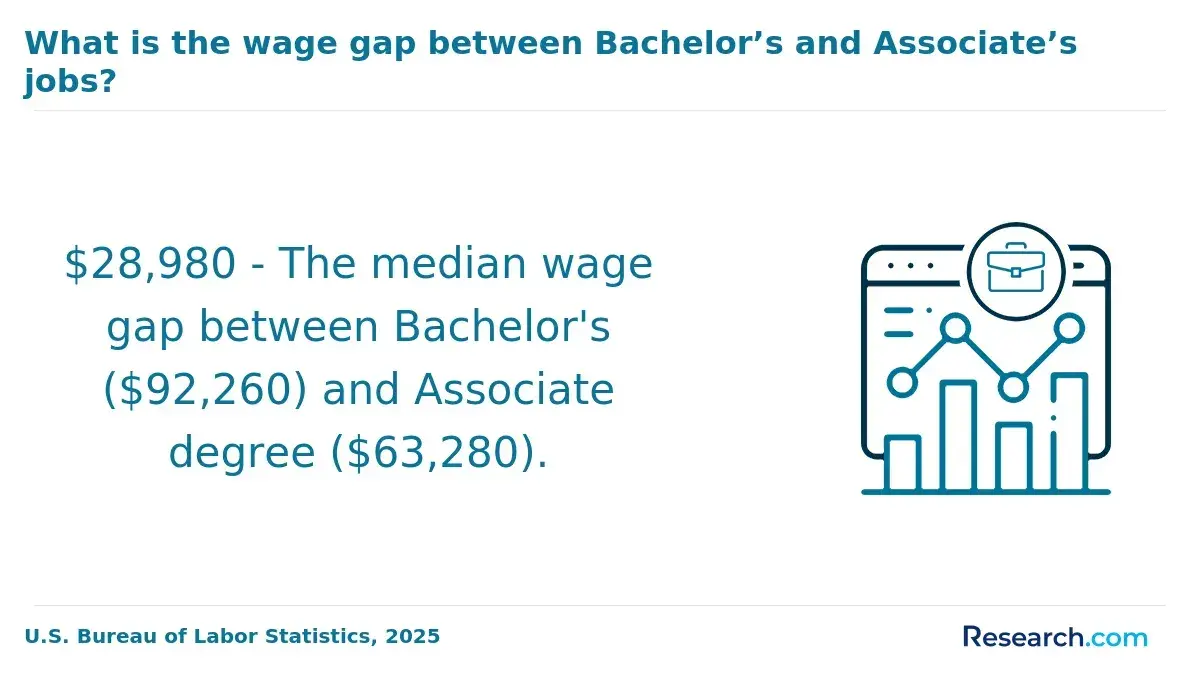
Data science students evaluating their total cost should consider these mandatory fees alongside tuition. The National Center for Education Statistics (NCES) reports that mandatory fees for STEM-related programs at U.S. public institutions generally total $800 to $1,200 annually, serving as a useful benchmark.
When comparing financial commitments across fields, prospective students might explore the best paying college majors to understand how data science fits into broader career investment strategies.
Considering mandatory fees for data science degree programs helps ensure realistic budgeting for this growing and competitive field of study, offering a transparent view of data science program fees and charges students should expect.
Students pursuing a data science degree should anticipate additional program-specific fees beyond standard tuition and general university charges. These supplementary costs reflect the specialized nature of the discipline. Below is a summary of typical extra expenses associated with data science programs.
- Specialized lab fees: Charges for access to advanced computing facilities and data analysis platforms, usually ranging between $200 and $600 per semester depending on the institution.
- Program-specific software costs: Fees for licenses of essential tools like MATLAB, SAS, or Tableau, often billed annually through the program or required for individual purchase.
- Certification preparation fees: Optional expenses related to licensing or certification exams, which can add $300 to $1,000 depending on the credential pursued.
- Required equipment: Procurement of high-performance laptops or hardware necessary for coursework, which are not included in tuition costs.
- Fieldwork and practicum expenses: Variable costs relating to travel, materials, or other resources necessary for hands-on learning components.
Accurately estimating the costs for supplies and equipment is essential when budgeting for a data science degree. These expenses vary widely based on required tools and software necessary to support coursework and projects.
Key items commonly needed include the following:
- Laptop: A high-performance laptop capable of managing complex datasets and computational tasks typically costs between $1,000 and $2,500, depending on specifications such as processor power, memory, and storage.
- Specialized software: Licenses for programs like MATLAB, SAS, or Tableau may be required; costs typically range from $100 to $1,000 per year, though some alternatives are open-source.
- External hard drives: Used for data backup and storage, these devices generally cost between $50 and $200.
- Hardware kits: Occasionally needed for hands-on machine learning or hardware projects, these kits range from $100 to $300.
- Protective gear: Rarely required unless students engage in physical lab work involving hardware components.
Living, food, and travel costs represent essential components of the total cost of attendance for data science students, often varying widely due to geographical location and individual lifestyle choices. Urban campuses typically bring higher living and dining expenses, while students' personal habits also influence budgeting needs.
These expenses can be broken down into several categories that students should consider carefully:
- Housing and Utilities: Rent usually forms the largest portion of living costs, with prices rising in metropolitan areas. Shared housing arrangements can substantially reduce monthly expenses on rent and utilities.
- Groceries and Dining: Food budgets range depending on whether students cook at home or rely on campus meal plans, which offer convenience but may come at a premium.
- Local Transportation: Daily commuting expenses include costs for public transit, ride-shares, or parking fees. Location and frequency of travel affect these totals significantly.
- Travel for Internships or Visits Home: Periodic trips can add several hundred to over a thousand dollars yearly, especially for those requiring flights or long-distance travel.
Data science programs often include internships or residencies as key practical experiences, but requirements vary widely. Some programs mandate these components, extending program duration or increasing expenses, while others offer them as optional opportunities.
Typically, such placements occur with technology firms, research institutions, or government agencies and may be unpaid or accompanied by a stipend. These experiential elements help students apply theoretical knowledge to real-world challenges and develop professional skills, making them an important part of many curricula, especially in STEM fields.
Additional costs associated with internships or residencies can encompass travel and commuting expenses, temporary housing or relocation fees, necessary professional attire and equipment, insurance coverage such as health or liability policies, and service charges for placement assistance.
Prospective students should inquire about these potential expenses early in the application process to budget appropriately. Exploring programs that offer local assignments or remote options may help reduce costs, enabling better financial planning and minimizing unexpected financial burdens during the degree journey.
Students can often switch between part-time and full-time enrollment in data science programs, though the option depends on institutional policies. Most schools require students to meet certain criteria, such as maintaining good academic standing and securing approval from academic advisors.
The availability of courses also plays a significant role, as full-time students typically enroll in 12 to 15 credit hours each semester, while part-time students take fewer credits. Before making a switch, students should carefully consider how the change might affect their academic progress, financial aid eligibility, and personal schedules.
Key requirements usually include satisfying minimum GPA standards and consulting with program coordinators to adjust enrollment status. Switching can impact financial aid since many scholarships and loans mandate full-time status.
Additionally, course registration deadlines and available class sections may limit options, potentially extending graduation timelines when studying part-time. Coordination with personal and professional commitments is also essential to ensure the new enrollment format aligns with one's circumstances.
Choosing between a full-time and part-time data science program often comes down to cost, schedule, and long-term career goals. Understanding how their tuition and overall expenses compare can help you decide which path fits your budget and lifestyle.
Full-time Data Science Program Costs
- Tuition structure: Full-time programs usually require 12-15 credits per semester, resulting in a higher upfront cost each term. However, tuition per credit may be lower due to flat-rate pricing models at some institutions.
- Total program cost: Annual tuition ranges from $15,000 to $30,000 depending on the school, with overall costs affected by the shorter time to completion compared to part-time formats.
- Mandatory fees: Fees such as technology, library, and lab charges tend to be consistent per semester regardless of enrollment status, making full-time fees more cost-effective on a per-credit basis.
- Supply and equipment costs: Costs for software licenses and hardware are similar regardless of enrollment status, so these expenses remain relatively constant.
- Living and travel expenses: Full-time students often relocate or reduce work hours, which can increase living and travel costs during the program period.
Part-time Data Science Program Costs
- Tuition structure: Part-time students pay tuition per credit, usually between $600 and $1,200, which can be higher per credit than full-time rates but helps spread payments over time.
- Total program cost: Because part-time study can take two to three times longer to complete, total academic expenses may increase despite lower short-term financial pressure.
- Mandatory fees: These fees remain similar to full-time programs per semester but are incurred over a longer period, potentially increasing total fee costs.
- Supply and equipment costs: Comparable to full-time learners, these costs do not significantly differ with part-time enrollment.
- Living and travel expenses: Part-time students often maintain employment and avoid relocation, potentially reducing additional living and travel expenses during study.
Comparing full-time versus part-time data science program costs reveals that tuition structure and program duration are key factors influencing total expenses. This cost comparison of full-time and part-time data science degrees highlights how credit load and scheduling impact financial planning for prospective students.
For those seeking affordable options, exploring accredited colleges online no cost to apply may provide opportunities to reduce initial application fees while pursuing a degree.
What Graduates Say About the Cost of Their Data Science Degree
- Maricel: "Pursuing a data science degree was a significant financial commitment, especially considering the average annual cost of attendance. However, the hands-on learning experiences and real-world projects made every dollar worthwhile. Balancing living expenses while studying was challenging, but the skills I gained have quickly translated into a lucrative career, proving the degree's strong ROI."
- Cassy: "Reflecting on my time in a data science program, I remember grappling with the high cost and the stress of managing rent and daily expenses simultaneously. Despite these hardships, the comprehensive curriculum and supportive faculty made the learning process engaging and manageable. The career opportunities post-graduation far surpass the initial investment, confirming the degree's value."
- Mayen: "From a professional standpoint, the tuition fees for a data science degree were steep, but the quality of education and networking opportunities justified the expense. Juggling living costs was a real concern, but scholarships and part-time work helped ease the burden. Ultimately, the return on investment is clear, with data science roles offering competitive salaries and career growth."
Other Things You Should Know About Data Science Degrees
Most data science degree programs use per-credit tuition for undergraduate and online degrees, with flat-rate tuition more common at some on-campus universities. A typical bachelor’s program requires about 120 credit hours, so the billing method directly affects the total published cost and mandatory fee total.
Living costs significantly vary based on university location. In 2027, urban universities may present higher living costs due to elevated housing and transportation expenses, whereas rural universities might offer lower expenses. Prospective students should investigate regional differences to budget effectively for their data science degree.
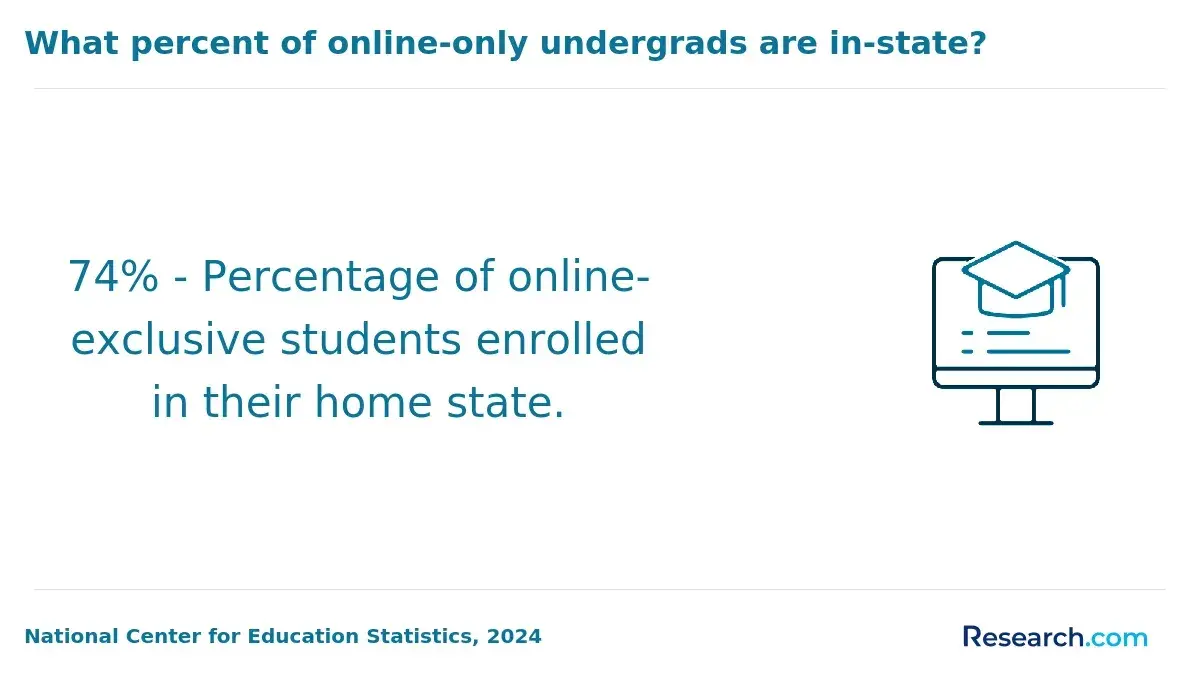
Online data science degree programs generally offer a more affordable option compared to traditional, in-person programs. The savings primarily stem from reduced commuting and accommodation expenses. However, tuition fees can vary widely, making it essential to analyze specific program costs in 2027.
Yes, attending a public university usually results in lower tuition fees for in-state students compared to private institutions. Out-of-state students often pay higher rates at public universities that can approach private school tuition. This difference can substantially impact the total cost of a data science degree program.
- Study Data Science in Germany in 2025/2026 https://www.expatrio.com/about-germany/data-science-in-germany
- Master of Science in Data Science (MSDS) Fees and Financing - Asian Institute of Management https://aim.edu/data-science-fulltime-fees-and-financing/
- Full Time v Part Time Chart Data Science & AI Course https://www.institutedata.com/blog/full-time-vs-part-time-data-science-course-full-comparison-chart/
- 8 Things You Must Consider Before Committing to a Data Science Master’s Degree https://medium.com/data-science/8-things-you-must-consider-before-committing-to-a-data-science-masters-degree-d7b22f6ee455
- Program Fees | Master of Science in Data Science https://masters.datascience.uconn.edu/program-fees/
- Best Data Science Programs Online in 2024 https://www.turingcollege.com/blog/best-data-science-programs-online
- Complete Cost Breakdown of Studying In Europe https://gradright.com/complete-cost-breakdown-of-studying-in-europe/
- Tuition fees and costs - Master Data Science (Information Studies) https://www.uva.nl/shared-content/programmas/en/masters/information-studies-data-science/tuition-fee-and-costs/tuition-fees-and-costs.html
- The Surprising Cost of Online Education: Why 83% of Online Degrees Aren’t More Affordable https://www.nexford.edu/insights/the-surprising-cost-of-online-education-why-83-of-online-degrees-arent-more-affordable