2027 Accelerated vs. Traditional Data Science Degrees: Pros & Cons

Co-Founder and Chief Data Scientist
Choosing between accelerated and traditional data science degrees involves weighing speed against depth. Accelerated programs attract working adults and career changers who want to complete their studies quickly, sometimes in under a year. In contrast, traditional degrees offer a slower pace, allowing students to explore concepts more thoroughly and engage deeply with academic research and projects.
Data shows that over 30% of U.S. data science learners now opt for accelerated formats, reflecting rising demand for fast, flexible education. This article will compare the time commitment, learning experience, and career outcomes of both paths, helping students identify crucial factors to consider when selecting a program that fits their goals and lifestyle.
Key Points About Accelerated vs. Traditional Data Science Degrees
- Accelerated data science degrees offer flexible scheduling, ideal for working students or career changers aiming to advance rapidly within 12 to 18 months.
- Traditional programs foster deeper academic engagement and robust peer networks, supporting comprehensive understanding and collaborative learning over a longer period.
- Accelerated paths often reduce tuition costs and time, while traditional degrees provide a balanced pace for mastering complex analytical skills.
What Are the Differences Between Accelerated vs. Traditional Data Science Programs?
Accelerated and traditional data science degree formats differ significantly in their structure, pacing, scheduling, and learning intensity. These variations shape how students experience their academic programs and manage their study commitments. Below is a comparison highlighting the core differences between the two types, emphasizing their impact on the student journey.
Understanding the structural differences between accelerated and traditional data science degrees helps prospective students choose the format best suited to their needs and goals.
- Course Intensity: Accelerated programs condense coursework into shorter terms, often six or seven weeks, requiring a heavier workload within a limited timeframe. Traditional programs use standard-length semesters, allowing a steadier and less intense pacing throughout the academic year.
- Flexibility and Scheduling: Accelerated degrees provide multiple start dates and may include year-round study options, facilitating continuous progress without long breaks. Traditional programs usually stick to a fixed academic calendar with defined semesters and scheduled breaks, offering a more predictable but less flexible timeline.
- Transfer and Prior Learning Credits: Accelerated programs tend to accept more transfer credits and recognize prior learning, enabling faster advancement by bypassing introductory courses. Traditional formats have stricter credit transfer policies, requiring students to complete more standard coursework.
- Student Support and Interaction: Due to the fast pace, accelerated studies might limit opportunities for networking and mentoring since students move quickly through materials. Traditional programs generally offer more time for building relationships, engaging in campus activities, and accessing faculty support.
- Specialization Opportunities: Some accelerated programs offer focused specializations within a rapid framework, appealing to students with specific career interests. Traditional programs often allow broader exploration across electives before committing to a specialization.
Those researching the accelerated vs traditional data science program duration and coursework comparison may also explore colleges with accelerated programs to see which options align best with their academic goals and lifestyles.
How Fast Can You Finish an Accelerated vs. Traditional Data Science Program?
Program length varies significantly between accelerated and traditional data science degrees. Accelerated formats condense coursework into shorter terms, allowing students to complete their studies faster, while traditional paths follow a standard academic pace over several years. Comparing the timelines for both reveals distinct advantages and drawbacks depending on individual circumstances.
When evaluating accelerated data science degree completion time versus traditional data science program duration, several factors influence how quickly students can finish their degrees:
- Transfer Credits: Accepting prior coursework or test-based credits can reduce time to graduation by months or even years. Accelerated programs often maximize this benefit, whereas traditional programs may be less flexible.
- Full-Time vs. Part-Time Enrollment: Full-time students typically complete degrees faster, especially in accelerated formats. Part-time enrollment extends duration in both traditional and accelerated paths due to reduced course loads per term.
- Course Intensity and Pacing: Accelerated programs use compressed terms or allow self-paced, competency-based progress, enabling motivated students to finish sooner. Traditional programs usually follow fixed semester schedules, lengthening total time.
- Program Structure: Combined "4+1" bachelor's and master's pathways allow double-counting credits, decreasing overall time needed for both degrees compared to traditional sequential study.
- Thesis or Capstone Requirements: Research-based master's tracks may require additional time to complete a thesis or capstone project, even within accelerated frameworks.
For students considering options, reviewing the best colleges offering open enrollment can provide flexible entry points into both accelerated and traditional data science degree paths.
What Are the Admission Requirements for Accelerated vs. Traditional Data Science Programs?
Admission requirements for accelerated and traditional data science programs often share common standards such as GPA thresholds, test scores, and prerequisite coursework. However, they differ in how they assess academic readiness and professional experience, reflecting the varying demands of each pathway. Below is a comparison of key distinctions in admissions expectations between these two program types.
- Academic Performance: Accelerated data science program admission requirements typically demand a higher cumulative GPA, often 3.3 or above, and sometimes a strong major-specific GPA. Traditional data science degree prerequisites are generally more flexible, accepting GPAs as low as 3.0 for many master's programs, appealing to a broader range of academic backgrounds.
- Timing and Progression: Accelerated programs usually admit students during their junior or senior undergraduate years, often after completing 60 credit hours or key courses. In contrast, traditional programs accept applicants after the completion of a bachelor's degree, with no strict timing requirements, accommodating students at various stages of their career.
- Testing Requirements: Many accelerated tracks may waive GRE or GMAT exams for qualified candidates, emphasizing proven academic ability and readiness. Traditional programs often maintain standardized testing requirements, which can be an additional hurdle for some applicants.
- Prerequisite Courses: Accelerated data science program admission requirements often insist on completion of specific math, statistics, and programming courses before application. Traditional programs assess readiness upon application and may accept candidates with more varied academic preparations.
- Early Planning and Advisement: Students in accelerated programs must engage in early academic planning, often submitting formal study plans and obtaining program director approval. This contrasts with traditional programs, which typically require less formalized pre-admission planning.
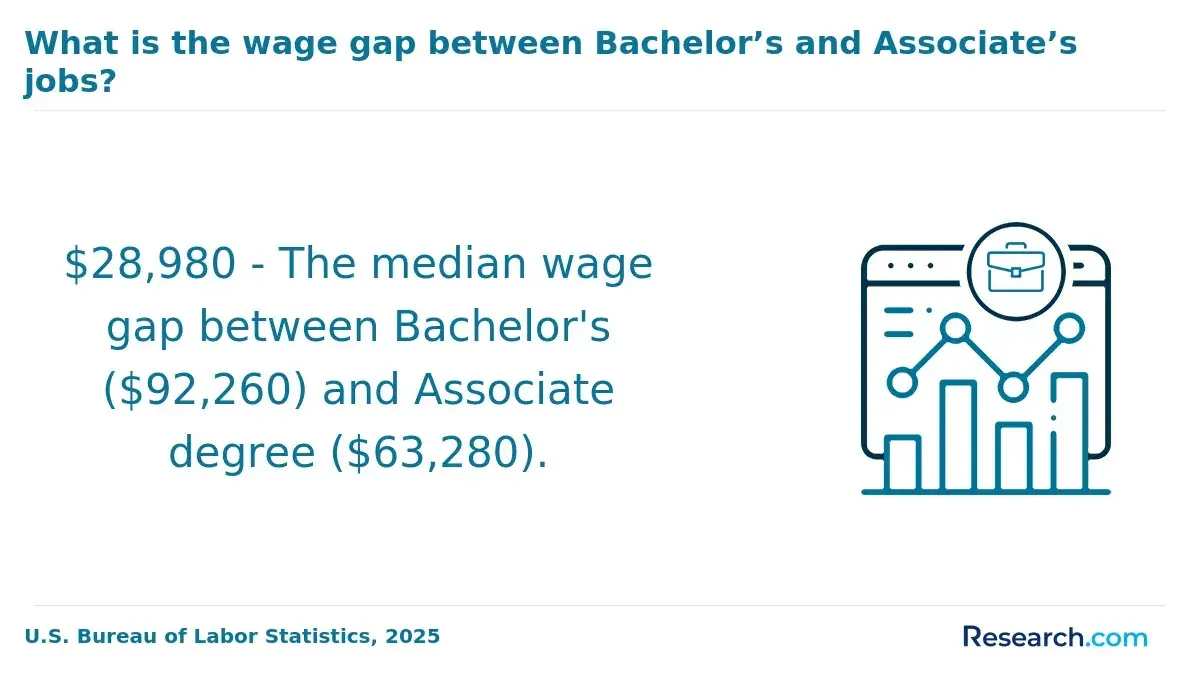
The accelerated format suits highly prepared students aiming to fast-track their education, while traditional paths may better fit those seeking flexibility or career changes. Applicants interested in related fields might also explore best paying bachelor degrees to strategize their academic and professional trajectory.
Accelerated data science programs are designed to deliver the same curriculum as traditional degrees but within a shorter period. These programs differ significantly in pace, workload, and teaching methods, offering more flexibility while maintaining academic standards. Understanding these distinctions can help students choose the format that best fits their needs.
Key structural differences include:
- Course Length: Accelerated programs typically compress courses into 5-10 week terms, compared to the traditional 15-16 week semesters. This allows students to complete a bachelor's degree in 2 to 3 years, benefiting those with prior credits or limited time.
- Weekly Workload: Students in accelerated tracks take fewer courses simultaneously but face more demanding weekly assignments requiring strong self-motivation. In contrast, traditional students have a steadier pace with less weekly pressure, suitable for those who prefer gradual learning.
- Instruction Style: Accelerated courses are often delivered online and asynchronously, providing greater scheduling flexibility but less direct interaction with peers and instructors. Traditional programs more frequently offer in-person classes that foster campus engagement and networking opportunities.
- Ideal Candidates: Accelerated degrees fit working professionals and career changers needing speed and flexibility, while traditional formats serve students seeking immersive campus experiences and a slower pace.
Tuition and overall costs vary notably between accelerated and traditional data science programs, mainly due to differences in program length and credit requirements. While the price per credit may be similar, the total amount paid often depends on how quickly students complete their degrees.
Below is a comparison of key cost factors affecting affordability in both formats:
- Tuition Rate per Credit: Accelerated programs typically charge between $300 and $650 per credit, comparable to traditional programs where tuition ranges from $626 to $1,500 per credit at top-tier universities. The variation largely depends on the institution and delivery mode.
- Program Duration and Total Cost: Accelerated degrees often finish within 10 to 12 months, costing approximately $10,000 to $20,000 in total. In contrast, traditional programs usually take around two years, resulting in costs from $30,000 up to $60,000, especially at prestigious schools.
- Living and Incidental Expenses: Shorter timelines in accelerated formats reduce housing and other living expenses, while traditional students incur higher overall costs due to more semesters spent enrolled.
- Opportunity Cost: Graduates of accelerated programs enter the workforce sooner, potentially starting data science careers with an average annual salary of about $103,500 earlier, which may offset tuition expenses.
- Financial Aid Availability: Both program types generally offer financial aid; however, accelerated students need to ensure aid eligibility within condensed schedules and plan accordingly.
Students pursuing accelerated and traditional data science degrees in the U.S. can both qualify for financial aid, though eligibility criteria and funding schedules often vary with program duration and enrollment type. Accelerated programs, known for their faster pace, may require more frequent reapplications or shorter aid renewal periods compared to traditional formats.
Below is a comparison of how financial aid options differ between accelerated and traditional data science degrees:
- Federal Aid Eligibility: Both program types start with FAFSA applications, granting access to federal loans and grants. However, accelerated students might face tighter timelines due to condensed semesters affecting disbursement schedules.
- Scholarship Timelines: Institutional and external scholarships-including tech company awards up to $10,000-are available to both, but accelerated students should monitor deadlines closely since awards may be timed to shorter academic terms.
- Employer Tuition Assistance: Available to students in both formats, but accelerated programs often attract working professionals seeking minimal disruption to their job commitments.
- Aid Renewal and Disbursement: Traditional programs usually have longer aid cycles and more graduate assistantship opportunities tied to research, whereas accelerated students often navigate quicker renewal processes.
Student support is essential for success in data science degree programs. Accelerated and traditional formats often differ significantly in the type, timing, and delivery of these services, impacting the overall student experience. The following points compare key support systems commonly found in both program types.
- Academic Advising: Traditional programs typically provide regular, in-person advising sessions that foster sustained relationships with faculty over time. Accelerated programs usually rely on virtual advising with quicker response times but may offer less personalized and ongoing guidance.
- Tutoring Services: In traditional formats, students have access to campus-based tutoring centers and peer networks throughout the semester, encouraging continuous support. Accelerated courses tend to offer online or on-demand tutoring, which matches the fast pace but might limit chances for tutor-student rapport.
- Career Counseling: Traditional programs often integrate extensive career resources like resume workshops, fairs, and mentorship benefiting from longer study periods. Accelerated programs focus on fast-tracked job placement support and condensed career events, suitable for students aiming for swift employment but potentially feeling rushed.
- Peer Interaction: Traditional degrees allow more time for building peer connections through ongoing group work and campus activities. Accelerated formats emphasize virtual collaboration and brief intensive group projects, which may reduce long-term peer bonding.
Employment outcomes are a major factor for many when choosing between accelerated and traditional data science programs. Both formats often lead to strong career opportunities, yet the time it takes for graduates to secure jobs can vary depending on several considerations. Below is a comparison of key hiring trends and factors shaping job placement for graduates of each program type.
Some insights into these dynamics include:
- Employer perception: Traditional data science degrees are sometimes regarded as more comprehensive, but accelerated programs offered by reputable schools are gaining recognition, helping graduates appear competitive in hiring pools.
- Career readiness: Accelerated graduates typically enter the workforce sooner but may encounter questions about depth, while traditional program alumni benefit from extensive project portfolios that can impress employers.
- Industry demand: With data science jobs expected to grow by around 15% to 16% by 2029, both groups generally enjoy favorable placement rates, although targeted skill development in accelerated paths can speed hires.
- Job placement speed: Graduates of online accelerated programs often leverage flexible learning and current training, which may help them find roles 3-6 months faster in competitive markets.
Accreditation ensures academic quality and legitimacy for both accelerated and traditional data science programs, regardless of pacing or delivery format. This process affects key factors such as eligibility for federal financial aid, credit transferability between institutions, and employer recognition of the degree.
Institutions offering data science degrees must meet rigorous criteria set by recognized accrediting agencies like ABET or the Data Science Council of America (DASCA). These accreditations confirm that programs maintain consistent educational standards, assuring students and employers of the validity of their credentials.
The accreditation process typically applies equally to both traditional and accelerated formats, with no distinction in standards. However, institutions may design accelerated coursework differently to fit compressed timeframes, potentially affecting pacing and student workload while still adhering to accreditation requirements. Regional and programmatic accrediting bodies focus on curriculum quality, faculty qualifications, and institutional resources when evaluating programs.
Prospective students should verify that their chosen school holds recognized institutional accreditation to ensure their degree is widely accepted. For those interested in shortened paths in academia, it may also be useful to explore what is the shortest doctorate program through reliable sources. Understanding the variations in ABET accreditation for accelerated vs traditional data science degrees and the overall data science program accreditation standards and differences is essential for making an informed decision.
Choosing between an accelerated and a traditional data science degree depends largely on your career goals, schedule flexibility, and preferred learning pace. Both options offer distinct advantages suited to different personal circumstances and lifestyles. To help you decide on the best data science degree program for career goals, consider the following key factors when comparing accelerated and traditional data science degrees.
Key decision factors include:
- Time Commitment: Accelerated programs typically take 1-3 years to complete by using transfer credits and intensive coursework, ideal for students eager to enter the workforce quickly. Traditional degrees usually span 4+ years, providing a more extended timeline to absorb material and balance other life commitments.
- Learning Style: Accelerated formats demand a self-driven, intensive approach, demanding strong discipline and time management to handle fast-paced, year-round classes. Traditional programs are more paced and guided, better suited to learners who prefer gradual instruction and more campus engagement.
- Career Goals: Those who want rapid workforce entry or are pivoting careers may benefit from accelerated degrees, while students seeking deeper exploration, internships, and networking opportunities often favor traditional paths.
Both formats maintain rigor but cater to different priorities. For those focused on affordability without compromising quality, exploring a cheap bachelor's degree in data science can also be a strategic choice to manage costs effectively.
What Students of Accelerated vs. Traditional Data Science Programs Say About Their Degree
- Karen: "Enrolling in a traditional data science degree gave me a thorough understanding of both theoretical foundations and practical applications, though the pace was sometimes slow and the program stretched over four years, which added to the total cost. Overall, the experience has been invaluable for advancing my career, especially in securing roles that value deep technical expertise. I appreciate the balance of time and depth, even if it meant a longer commitment. "
- Casen: "My traditional data science degree program was steady and comprehensive, but I found the high cost of attendance challenging to manage alongside my personal expenses. While I felt well-prepared for industry demands upon graduation, the slower pace sometimes made keeping motivation difficult. Despite that, the career impact has been substantial, allowing me to transition confidently into data analytics roles. "
- Trisha: "Choosing an accelerated data science program was intense but rewarding; the fast pace pushed me to absorb a lot of material quickly, which isn't for everyone. The reduced time commitment helped lower the overall cost and enabled me to enter the workforce sooner, a huge plus in today's competitive job market. Although the learning curve was steep, the career benefits I've seen already make the effort worthwhile. "
Other Things You Should Know About Traditional vs. Accelerated Data Science Degrees
Employers generally recognize both accelerated and traditional data science degrees, as long as they are from accredited institutions. The key difference lies in the skills and competencies acquired. Candidates should demonstrate practical expertise, regardless of the program’s format, to gain employers' confidence.
Accelerated data science programs often offer fewer networking opportunities because of their compressed schedules. Traditional programs usually provide more time for building relationships with professors, peers, and industry contacts. Despite this, many accelerated programs incorporate virtual events and career services to support professional connections. Students may need to be more proactive to maximize networking in accelerated formats.
For entry-level hiring, employers usually focus on accreditation, coursework, and projects more than program length. A regionally accredited bachelor’s in data science or a related field is the key baseline, whether completed in 3 years or 4. Internships, GitHub portfolios, and capstone work often matter more.
- Scholarships and Financial Aid for Data Science Programs https://moldstud.com/articles/p-scholarships-and-financial-aid-for-data-science-programs
- Data Science Course Fees vs. Earning Potential | ROI Explained https://imarticus.org/blog/data-science-course-fees-vs-earning-potential-is-it-a-wise-investment/
- Data Science Bootcamps vs. Traditional Degrees: Which Path Will You Choose https://medium.com/majordigest/data-science-bootcamps-vs-traditional-degrees-which-path-will-you-choose-4440bf2af773
- Data Science Degrees vs. Courses: The Value Verdict - KDnuggets https://www.kdnuggets.com/data-science-degrees-vs-courses-the-value-verdict
- Data Science vs Computer Science: Best Degree for a Data Scientist 2025 – 365 Data Science https://365datascience.com/career-advice/career-guides/data-science-vs-computer-science/
- Comparison of NCLEX-RN Pass Rates between Accelerated and Traditional Prelicensure BSN Programs https://www.gavinpublishers.com/article/view/comparison-of-nclex-rn-pass-rates-between-accelerated-and-traditional-prelicensure-bsn-programs
- Master of Data Science Programs Cost and Flexibility https://www.fanruan.com/en/blog/master-of-data-science-programs
- Accelerated 3+2 B.S. in Computer Science with MS in Data Science https://catalogue.shu.edu/undergraduate/college-arts-sciences/department-mathematics-computer-science/accelerated-32-bs-in-computer-science-with-ms-in-data-science20/
- 11 Data Science Careers That Are Shaping the Future https://graduate.northeastern.edu/knowledge-hub/data-science-careers-shaping-our-future/
- Data Science Bootcamps vs Traditional University Programs https://ashokveda.com/data-science-bootcamps-vs-traditional-university-programs