2027 Self-Paced Online Emergency Management Bachelor's Degree Programs

Co-Founder and Chief Data Scientist
Imagine a professional juggling a full-time job and family commitments who wants to shift careers into emergency management but cannot attend traditional classes. This scenario reflects the growing demand for self-paced online emergency management bachelor's degree programs that offer the flexibility necessary for adult learners. According to the U. S. Bureau of Labor Statistics, employment in emergency management is projected to grow 8% from 2022 to 2032, faster than the average for all occupations.
This article explores key features of self-paced online programs, helping readers identify options that balance flexibility with quality education for successful career transitions.
Key Benefits of Self-Paced Online Emergency Management Bachelor's Degree Programs
- Self-paced online emergency management programs offer unparalleled flexibility, allowing working professionals and non-traditional students to balance education with career and personal commitments.
- These programs enable accelerated skill acquisition through competency-based models, letting students progress as soon as they demonstrate mastery, often reducing time to degree completion.
- They provide cost-effective pathways-leveraging transfer credits, prior learning assessments, and financial aid-to earn an accredited bachelor's degree without the typical expenses of on-campus programs.
What Are Self-Paced Online Emergency Management Bachelor's Degree Programs, and How Do They Differ From Traditional Online Formats?
Self-paced online emergency management bachelor's programs stand apart by allowing students to progress at their own speed, without the constraints of cohort-based enrollment or fixed schedules common in asynchronous online formats. These programs offer open enrollment and flexible timelines, enabling learners to start anytime and adjust their pace to fit personal and professional demands. This flexibility makes them highly suitable for working adults and individuals balancing unpredictable schedules.
Key structural features include milestone-based progression, which requires students to reach specific competencies instead of following rigid weekly deadlines or semester calendars. Many self-paced programs utilize competency-based education models, allowing students to prove mastery before advancing. Transfer credit policies and prior learning assessments help shorten degree completion times by recognizing previous education or experience. Financial aid eligibility typically aligns with traditional online degrees, though students should verify specifics with institutions.
Comparing the differences between self-paced and traditional emergency management online degrees highlights several aspects:
- Time Management: Self-paced learning grants full control over study hours, accommodating varying personal and work demands, whereas traditional online courses follow strict schedules.
- Faculty Interaction: While both modes offer instructor support, self-paced learners may have less real-time engagement and need to communicate proactively.
- Student Accountability: Without fixed deadlines, self-paced students must maintain strong self-discipline to avoid procrastination, unlike traditional formats with structured pacing.
- Open Enrollment: Students can begin at any time without waiting for semester start dates, ensuring immediate access to education.
- Flexible Timelines: Learners tailor their study pace to fit work, family, or other obligations, enhancing accessibility.
- Milestone-Based Progression: Advancement depends on mastering content or completing assessments rather than following a calendar.
- Ideal Candidates: Working professionals, returning students, and first-time learners seeking flexibility benefit most from this model.
- Growing Popularity: The increasing demand for adaptable education in emergency management reflects workforce needs and personalized learning preferences.
Prospective students interested in broadening their educational options might also explore related fields, such as online slp master's programs, which similarly offer flexible structures to accommodate diverse schedules.
Which Accredited Institutions Offer Self-Paced Online Emergency Management Bachelor's Degree Programs?
Several regionally accredited institutions offer self-paced online emergency management bachelor's degree programs that suit working professionals and non-traditional students. These often use competency-based education models, enabling students to advance by demonstrating mastery instead of following fixed academic calendars, which aids in faster completion and greater scheduling flexibility. Choosing programs with robust transfer credit policies and prior learning assessments can further shorten study time and reduce costs, important factors when seeking one of the top accredited universities offering self-paced emergency management bachelor's degrees.
- Western Governors University: Accredited by the Northwest Commission on Colleges and Universities (NWCCU), WGU's emergency management program uses a six-month flat subscription tuition model, permitting unlimited courses in that timeframe. Students often complete it in 2 to 3 years by leveraging prior knowledge and transfer credits.
- Capella University: Capella, accredited by the Higher Learning Commission (HLC), offers a competency-based FlexPath option where students pay a flat fee every 12 weeks and can complete as many courses as they manage in that period. The program typically takes 2 to 4 years with generous transfer and prior learning options.
- Southern New Hampshire University: SNHU's Bachelor of Science in Emergency Management follows a credit-hour pricing model with some self-paced features. Accredited by the New England Commission of Higher Education (NECHE), it allows for over 90 transferable credits, averaging a 3-year completion but potentially less with transfer credits.
- University of Wisconsin-Superior: UW-Superior, also accredited by the HLC, offers a subscription-based, competency-driven emergency management degree. Students usually finish in 2 to 3 years, encouraged to use prior learning assessments to accelerate graduation.
- Colorado Technical University: CTU is regionally accredited by the HLC and provides a self-paced Bachelor of Science in Homeland Security and Emergency Management. It charges tuition per credit, supports transfer credits, and offers military tuition discounts to aid accelerated completion.
When comparing these flexible self-paced programs, it's vital to consider accreditation, tuition models-subscription versus per-credit-and policies on prior learning evaluations. These factors greatly influence affordability and time to degree. Those interested in flexible degree pathways may also explore related options in mental health fields with carefully vetted credentials by visiting best online mft programs.
2026 Update: Verifying Hands-On Preparedness in a Self-Paced Format
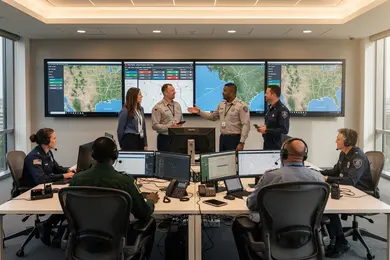
This 2026 refresh adds a practical review angle: how self-paced online emergency management programs help students build applied readiness, not just complete coursework on a flexible schedule.
- Whether courses include scenario-based assignments, tabletop exercises, or disaster response simulations.
- How the program teaches incident command, risk assessment, continuity planning, and interagency coordination.
- Whether students complete a capstone, portfolio, or applied project tied to real emergency management problems.
- How instructors provide feedback when students move through courses at different speeds.
- Whether learners can connect assignments to their current workplace, military experience, public safety role, or local community.
- What technology is required for simulations, mapping tools, collaboration, or emergency planning exercises.
Checking these elements helps students choose a flexible program that still develops the practical judgment needed for emergency planning, response, and recovery roles.
How Long Does It Take to Complete a Self-Paced Online Emergency Management Bachelor's Degree?
Completion times for self-paced online emergency management bachelor's degrees range significantly. While some students finish in less than two years, many typically require three to six years. Data from the U.S. Department of Education's National Center for Education Statistics shows that on average, bachelor's degrees take about six years to complete, which provides useful context for comparing program lengths.
- Prior Credits: Transferring applicable college credits or associate degrees can greatly shorten program duration by bypassing introductory courses.
- Transfer Coursework: Schools with flexible transfer policies help students apply prior credits from other accredited institutions, accelerating degree progress.
- Weekly Time Commitment: Students investing more study hours weekly advance more quickly, often completing program components in months rather than years.
- Prior Learning Assessments: Demonstrating professional skills and knowledge through competency exams can grant academic credit without traditional classes, reducing time to graduation.
- Program Structure: Competency-based education models measure progression by mastery, not seat time, benefiting motivated learners who can move rapidly.
- Realistic Scheduling: Setting achievable weekly goals that align with work and personal life helps maintain consistent momentum and prevent burnout or delays.
- Support Services: Academic advising, tutoring, and technical assistance are vital in keeping students on track and resolving challenges promptly.
When I spoke with a professional pursuing his self-paced online emergency management degree, he noted the initial overwhelm of balancing coursework with full-time work and family responsibilities. He shared, "The flexibility was essential-I could accelerate through sections where I already had experience, but I had to be disciplined about setting weekly study targets." He also valued how prior learning assessments rewarded his years of fieldwork, allowing him to bypass redundant classes. Despite the challenges, he described the process as empowering, saying, "Completing courses at my own pace gave me control over my education, which made all the difference."
What Are the Admission Requirements for Self-Paced Online Emergency Management Bachelor's Degree Programs?
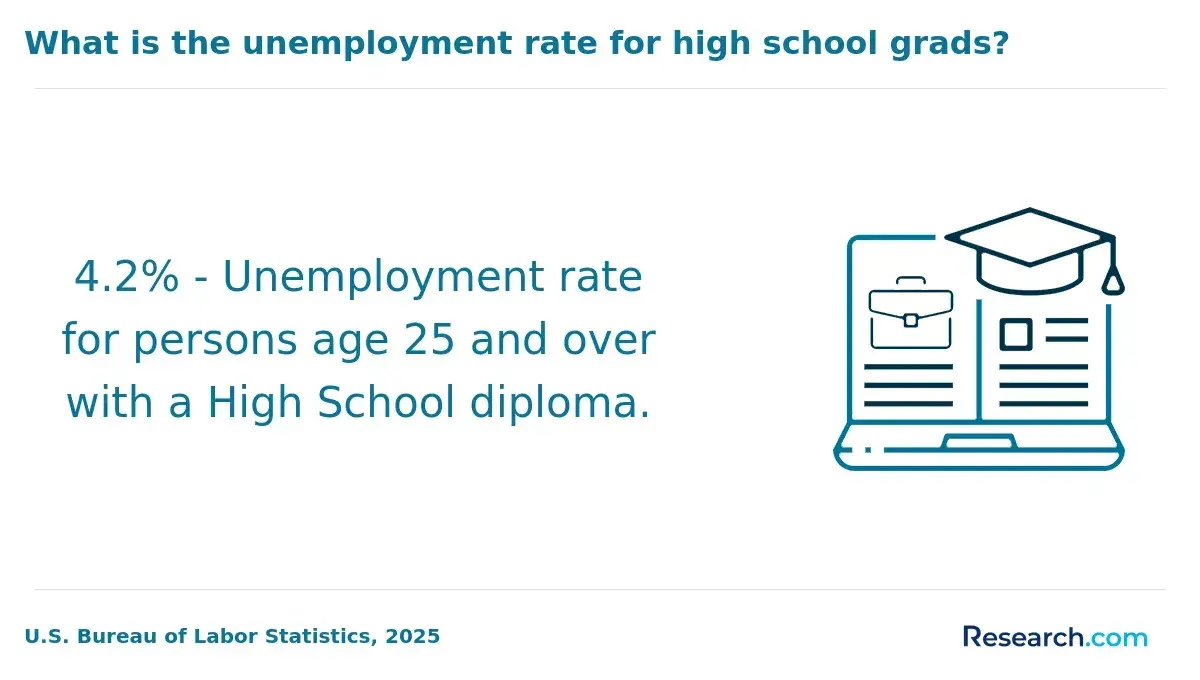
High School Diploma or GED: Applicants typically must hold a recognized high school diploma or GED certificate, which serves as a baseline credential for entry into self-paced online emergency management bachelor's programs. This ensures applicants have foundational skills for college-level work.
Minimum GPA Expectations: Most programs require a minimum GPA between 2.0 and 2.5 on a 4.0 scale, though standards vary. Selective programs often demand higher academic achievement, whereas more accessible programs adopt flexible thresholds to widen participation.
Prerequisite Coursework: While extensive prerequisites are uncommon, some programs recommend foundational courses in subjects like English, math, or social sciences. These preparatory classes build critical thinking and communication skills essential for success.
Open-Enrollment and Rolling Admissions: Many self-paced online emergency management degree admission criteria include open-enrollment or rolling admissions, which allow students to start at multiple points during the year. This flexibility reduces barriers for non-traditional or returning students seeking to balance education with other responsibilities.
Selective vs. Open-Access Programs: Selective programs impose stricter admission requirements and often provide targeted academic advising and enhanced support services. In contrast, open-access programs prioritize accessibility but may offer less personalized guidance, making it important for students to evaluate their support needs when deciding.
Strengthening an Application: Candidates who fall short of minimum requirements can boost their eligibility by submitting standardized test scores, highlighting relevant professional or volunteer experience, or completing additional college coursework. Demonstrating motivation and preparedness can help offset lower academic indicators.
For students exploring related fields, options like the cheapest online criminal justice degrees may also provide flexible educational pathways.
How Much Does a Self-Paced Online Emergency Management Bachelor's Degree Cost, and What Affects Tuition?
Tuition for self-paced online Emergency Management bachelor's programs usually ranges from $300 to $600 per credit hour, resulting in a total base cost between $36,000 and $72,000 for approximately 120 credits. Some schools adopt a flat-rate subscription model, charging a fixed fee per term or month that covers unlimited courses, which can reduce costs if you complete credits faster. Others combine tuition with fees for technology, course materials, and support services into a single bundled rate, simplifying payments but potentially increasing upfront expenses.
- Per-Credit Tuition: Students pay for each credit hour taken, offering clarity but potentially raising total costs if courses are repeated or progress is slow.
- Flat-Rate Subscription: Fixed fees allow unlimited course access during a set period, favoring motivated learners who can accelerate their studies.
- Bundled Fees: Some programs package tuition with mandatory fees for tools and services, which streamlines billing but may lead to higher initial costs.
- Hidden Expenses: Additional charges can include technology fees, online exam proctoring, required software subscriptions, and textbooks, sometimes adding hundreds to over a thousand dollars.
- Pacing and Total Cost: While the lowest tuition per credit seems cheapest upfront, slower progress increases expenses over time; subscription models may cost more monthly but lower overall spending by enabling faster graduation.
One professional who completed such a program shared that managing finances was a constant consideration. She appreciated the flexibility to tailor her study pace around work but found unexpected fees-like proctoring charges and software subscriptions-added up and required careful budgeting. Despite these challenges, the ability to accelerate coursework meant she finished ahead of schedule, reducing both time invested and total cost. Her experience confirmed that balancing pace, hidden fees, and payment models is key to maximizing value in self-paced emergency management studies.
What Financial Aid Options Are Available for Self-Paced Online Emergency Management Bachelor's Programs?
Financial assistance for self-paced online emergency management bachelor's programs comes from federal, state, and institutional sources, each with specific considerations. Competency-based education (CBE) models often have unique FAFSA eligibility tied to credit-hour equivalents, differing from traditional programs. According to the College Board's Trends in Student Aid, online learners generally access Pell Grants and federal loans at rates similar to on-campus students, although aid disbursement may vary due to flexible pacing.
State funding options fluctuate significantly and can be limited for online or self-paced programs, especially in states restricting aid to public institutions or fixed-term schedules. Students should explore residency-based state grants or scholarships carefully. Many schools offer institutional scholarships or tuition reductions aimed at online or non-traditional learners, often requiring portfolio reviews or proof of prior learning to qualify.
Professional organizations in the Emergency Management field also provide targeted scholarships and grants designed to support students advancing their careers in this discipline. Entities such as the International Association of Emergency Managers promote workforce development through these financial awards.
It is essential for prospective students to confirm their eligibility and the timing of aid disbursements directly with financial aid offices since self-paced program formats can alter funding schedules. Staying proactive helps prevent gaps in financial support during enrollment. Notably, recent data shows that about 54% of undergraduates in online programs receive some form of federal aid, highlighting the broad accessibility of aid in flexible learning environments.
- Federal Aid Eligibility: CBE programs have FAFSA rules based on credit equivalencies, impacting availability and timing of Pell Grants and federal loans.
- State Financial Support: State grants vary widely and may not apply to flexible online programs, so students should verify options based on residency.
- Institutional Scholarships: Many universities provide awards for adult or online learners, often requiring prior learning assessments or emergency management commitment.
- Professional Association Grants: Industry groups offer scholarships and fellowships tailored to emergency management students pursuing career growth.
- Disbursement Timing: Flexible program structures may delay or stagger aid payments; confirming schedules with aid offices ensures consistent funding.
How Do Competency-Based Education (CBE) Models Work in Self-Paced Online Emergency Management Programs?
Competency-based education (CBE) models in self-paced online Emergency Management bachelor's degree programs emphasize mastery over traditional seat time. Students progress by demonstrating competencies through assessments-such as projects, simulations, and timed exams-rather than accumulating credit hours by attending classes. This method allows learners to advance at their own pace, speeding through familiar content or spending additional time mastering new skills.
For financial aid, CBE programs convert demonstrated competencies into credit hours under frameworks similar to traditional education. However, distinctions exist: direct assessment programs grant credit solely based on skill proficiency without adhering to a set credit-hour schedule, while credit-hour-equivalent CBE programs align mastery with standard credit hours, aiding transparency for students and financial aid officials.
Institutions like Western Governors University, Southern New Hampshire University, and Capella University offer notable self-paced online Emergency Management degrees using CBE models. These programs combine rigorous assessments with dedicated faculty mentorship-coaches and advisors help students navigate personalized study plans and stay motivated. Employers increasingly value graduates of these programs for their practical, job-ready skills tailored to Emergency Management roles.
Success in CBE requires strong self-discipline and motivation, as learners manage their education independently without fixed schedules or traditional classroom settings. Prospective students should carefully assess their learning preferences before enrolling.
According to the U.S. Department of Education, enrollment in competency-based education programs grew by over 30% from 2018 to 2023, highlighting growing demand for flexible, skills-focused higher education.
- Mastery-Based Progression: Students advance by demonstrating competencies through assessments instead of traditional exams, allowing personalized pacing aligned with individual skill levels.
- Financial Aid Alignment: Competency achievements are converted into credit hours, enabling eligibility for federal financial aid while distinguishing between direct assessment and credit-hour-equivalent programs.
- Assessment Methods: Practical evaluations such as projects, simulations, and timed tests ensure students acquire job-relevant Emergency Management skills effectively.
- Faculty and Support: Dedicated mentors and coaches provide personalized guidance, essential for navigating the self-paced nature of CBE programs.
- Self-Discipline Required: Learners must be highly motivated and organized to succeed without regular class schedules or peer-driven deadlines.
What Accreditation Should a Self-Paced Online Emergency Management Bachelor's Program Hold?
When evaluating accreditation for self-paced online emergency management bachelor's programs, regional accreditation holds the highest value with employers and graduate schools. It confirms that institutions meet rigorous academic and operational standards recognized throughout the United States. This standard of regional accreditation is particularly important for advancing careers and ensuring credit transferability in emergency management fields.
The U.S. Department of Education recognizes six regional accrediting bodies: the Middle States Commission on Higher Education (MSCHE), the New England Commission of Higher Education (NECHE), the Higher Learning Commission (HLC), the Northwest Commission on Colleges and Universities (NWCCU), the Southern Association of Colleges and Schools Commission on Colleges (SACSCOC), and the WASC Senior College and University Commission (WSCUC). Most reputable self-paced emergency management programs maintain accreditation from one of these organizations to meet regional accreditation standards for online emergency management degrees.
Some programs also offer programmatic accreditation that focuses on emergency management or related disciplines, adding professional credibility-but regional accreditation remains the dominant quality marker. Enrolling in a nationally accredited or non-accredited program poses risks, including limited credit transfer options and reduced employer confidence, which may hinder career advancement.
Before applying, students should verify any program's accreditation status using the U.S. Department of Education's official accreditation database and the Council for Higher Education Accreditation (CHEA) directory. Proper verification ensures the chosen program offers legitimately recognized credentials. Those interested in flexible degree programs may also consider exploring options such as an online masters in clinical mental health counseling for broader career goals.
- Regional Accreditation: Recognized nationwide as the top standard, it ensures educational quality and acceptance for credit transfer and employment in emergency management.
- National Accreditation Risks: These accreditations are less widely accepted, which can limit credit transfer options and reduce employer confidence in graduates' qualifications.
- Six Regional Accrediting Bodies: MSCHE, NECHE, HLC, NWCCU, SACSCOC, and WSCUC govern regional accreditation and set high standards for institutions offering online emergency management degrees.
- Programmatic Accreditation: Some emergency management programs have specialized accreditation, which adds professional credibility but is secondary to regional accreditation.
- Credit Transferability: Attending a regionally accredited program increases the likelihood that credits will transfer, facilitating continued education or professional advancement.
- Verification Resources: Use the U.S. Department of Education's database and CHEA's directory to confirm accreditation status before enrollment decisions.
How Many Transfer Credits Can Be Applied Toward a Self-Paced Online Emergency Management Bachelor's Degree?
Transfer credit policies for online emergency management degrees vary by institution but often play a critical role in how quickly students complete their programs. Many schools allow a generous amount of transfer credits-sometimes up to 90 credit hours-letting students with prior college work significantly reduce remaining requirements. Maximizing these credits can accelerate degree completion, which is especially valuable for working professionals and non-traditional students.
Evaluation for transfer credits typically considers course equivalency, program relevance, and institutional accreditation. Many programs accept military training and professional certifications through the American Council on Education (ACE) recommendations, benefiting veterans and active service members by converting training into academic credit. Additionally, articulation agreements with community colleges simplify credit transfers, ensuring students from partner institutions can apply specific credits toward their emergency management bachelor programs.
Prospective students should request a detailed transfer credit evaluation prior to enrollment. Understanding transfer credit policies for online emergency management degrees and the maximum transfer credits accepted in emergency management bachelor programs allows students to better estimate their true remaining course load and tuition costs, helping them avoid unexpected delays or expenses. For cost-conscious students, researching the cheapest online college options can also provide financial relief.
- Generous Credit Limits: Many programs accept up to 90 transfer credits, enabling accelerated progress toward degree completion for students with prior coursework.
- Military Credit Acceptance: Military training and certifications may be converted into academic credit through ACE recommendations, supporting military-affiliated students.
- Articulation Agreements: Partnerships with community colleges facilitate smoother credit transfers, simplifying the pathway for transfer students.
- Evaluation Importance: Early transfer credit assessments clarify remaining credit requirements and associated costs, aiding informed enrollment decisions.
Can Students Earn Credit Through Prior Learning Assessment in Self-Paced Online Emergency Management Programs?
Self-paced online emergency management bachelor's programs often grant credit for knowledge gained outside traditional classrooms through Prior Learning Assessment (PLA). This process evaluates professional experience, military training, certifications, and self-study via portfolio submissions, challenge exams, or standardized tests such as CLEP and DSST. Affordable programs with flexible PLA policies allow students to apply credits by documenting work history, training, and skills, though many cap credit awards between 30 and 45 credit hours to maintain academic balance. Submission procedures usually include detailed portfolio reviews, interviews, and possibly proctored exams to validate prior learning rigorously.
The American Council on Education (ACE) plays a pivotal role by recommending credit equivalencies for military and corporate training, greatly benefiting veterans and working professionals seeking streamlined credit transfers. To optimize PLA outcomes, students should carefully prepare supporting materials like comprehensive job descriptions, certificates, and evidence linking experience to course competencies. Recent data from 2023 highlights a 15% rise in online degree enrollment, underscoring increased demand for flexible credit options like PLA.
- Portfolio Review: Students compile portfolios showcasing career experience, relevant training, and certifications tied to course objectives, providing a tailored credit-earning pathway.
- Standardized Exams: Tests such as CLEP and DSST offer affordable ways to prove college-level knowledge and secure credit without traditional coursework.
- ACE Credit Recommendations: ACE evaluates military and workplace learning, enabling smoother credit transfer in many self-paced programs.
- Credit Limits: Programs typically restrict PLA credits to 30-45 hours to ensure comprehensive academic preparation.
- Submission Process: A structured approach involving portfolio assessment, interviews, and examinations validates prior learning thoroughly.
What Concentrations or Specializations Are Available in Self-Paced Online Emergency Management Bachelor's Programs?
Self-paced online emergency management bachelor's degrees often offer varied concentration options that align with specific career goals and labor market needs. Selecting the right focus area can affect program length, as some tracks demand more rigorous coursework or practical experience.
- Disaster Preparedness and Response: Concentrates on disaster mitigation, emergency planning, and response coordination. Careers typically include government and NGO roles with median salaries near $75,000. Additional credentials like Certified Emergency Manager (CEM) may be required for some jobs.
- Homeland Security: Focuses on terrorism prevention and national security policy development. Graduates often find opportunities in federal agencies or private security firms, earning between $70,000 and $90,000. Background checks and internships might be prerequisites.
- Public Health Emergency Management: Addresses health crises and epidemiology, well-suited for employment at agencies such as the CDC. Salary ranges span $65,000 to $85,000, with certain positions mandating licensure or clinical hours.
- Business Continuity and Risk Management: Trains students to create plans ensuring operations sustain through crises, leading to corporate roles offering around $80,000 annually. Risk management certification is often recommended but not always mandatory.
- Environmental Hazards and Climate Resilience: Covers natural hazard assessment and climate adaptation strategies. Employment typically involves environmental agencies with median pay between $60,000 and $78,000, sometimes requiring fieldwork or specialized training.
When choosing a concentration, consider both personal interests and employment trends. More technical or certification-heavy options may lengthen program duration, so assessing workload intensity and prerequisites helps optimize your educational timeline in these flexible, self-directed programs.
What Graduates Say About Self-Paced Online Emergency Management Bachelor's Degree Programs
- Pierce: "Choosing a self-paced online emergency management program was crucial for me due to my unpredictable work schedule. The affordable tuition made it accessible without straining my finances, which allowed me to focus on learning rather than debt. Since graduating, I've seen tangible growth in my responsibilities and confidence in disaster response coordination."
- Arianne: "Reflecting on my journey, the flexibility of the self-paced format was a game-changer, letting me balance family commitments and studies seamlessly. The cost effectiveness compared to traditional programs was a major factor in my decision, providing excellent value for quality education. Professionally, it opened doors to leadership roles within my agency that I hadn't anticipated."
- Jonathan: "I approached the emergency management degree program with a strategic mindset-seeking an affordable route to gain critical skills while working full-time. The online self-paced structure allowed me to deepen my knowledge at my own speed, which was essential. Now, I apply what I learned daily in my career, contributing to more effective disaster preparedness strategies."
Other Things You Should Know About Emergency Management Degrees
Students typically need a reliable computer with updated software, high-speed internet, and sometimes specific software programs for simulations or data analysis. Confirm with the program for any specialized technology needs or platform requirements before enrolling.
Most programs cap transfer credit at 90 semester hours, leaving at least 30 of the 120 credits for coursework completed at the school. Credits usually must come from regionally accredited colleges, and many schools require official transcripts and course-by-course evaluation before approval.
Typical admission requirements include a high school diploma or equivalent, transcripts, and a minimum GPA, often around 2.5. Some programs might also require personal statements or letters of recommendation to assess program fit. No standardized tests are usually needed.
References
- Emergency and Disaster Management, Post-Baccalaureate Certificate University of North Carolina - Wilmington https://www.hotcourseslatinoamerica.com/study/course/us-usa/emergency-and-disaster-management-post-baccalaureate-certificate/58020658/program.html
- Online Bachelor's in Emergency and Disaster Management https://www.monroeu.edu/academics/undergraduate-programs/school-criminal-justice/online-bachelors-emergency-and-disaster
- Assessing Credibility Of Emergency Preparedness Certifications For Financial Independence - Society 1776 https://society1776.com/shtf/preparedness-training-individuals/assessing-emergency-preparedness-certifications-credibility/
- Credit for Prior Learning | UMGC https://www.umgc.edu/transfers-and-credits/fast-paths-to-credit/prior-learning
- World's Largest platform as University Common Application https://www.planstudyabroad.uniagents.com/course-details.php
- Homeland Security and Emergency Management https://www.uaf.edu/academics/programs/bachelors/security-emergency-management-online.php
- Course Introduction and Application Information https://ois.istinye.edu.tr/bilgipaketi/eobsakts/ders/ders_id/11859/program_kodu/0609001/h/1063/s//st/U/ln/en/print/1/
- CBE Crash Course Lesson 1: What is Competency-Based Education? https://www.wgulabs.org/posts/lesson-1-what-is-competency-based-education
- Emergency Management, B.S. Saint Louis University – Globally Recruit https://www.hotcoursesabroad.com/india/course/us-usa/emergency-management-b-s/56751960/program.html
- Online Prior Learning Assessment (PLA) Programs | Colorado State University Global https://csuglobal.edu/admissions/transfer-students/alternative-credit-options/online-prior-learning-assessment-pla-programs