2027 Online Emergency Management Bachelor's Degree Completion Programs for Working Adults

Co-Founder and Chief Data Scientist
Balancing full-time work and completing a bachelor's degree in emergency management can feel overwhelming, especially for adults returning after a break. With 63% of online emergency management degree students relying on accelerated or flexible course options, many seek programs designed to accommodate professional and personal responsibilities. Challenges include navigating transfer credits, maintaining financial viability, and ensuring program accreditation meets industry standards.
This article examines how top-ranked online emergency management bachelor's degree completion programs structure their curricula, handle tuition and credit policies, and support mid-career students. The goal is to help working adults select the ideal program that aligns with their career goals and lifestyle demands.
Key Benefits of Online Emergency Management Bachelor's Degree Completion Programs for Working Adults
- Online emergency management bachelor's degree completion programs offer flexible scheduling, allowing working adults to balance professional responsibilities with academic progress effectively.
- Fully asynchronous coursework enables students to study at their convenience, avoiding income disruption by fitting education around demanding work hours.
- These programs typically accelerate graduation timelines by recognizing prior college credits, reducing total time compared to starting a traditional four-year degree from scratch.
What Are Online Emergency Management Bachelor's Degree Completion Programs, and Who Are They Designed For?
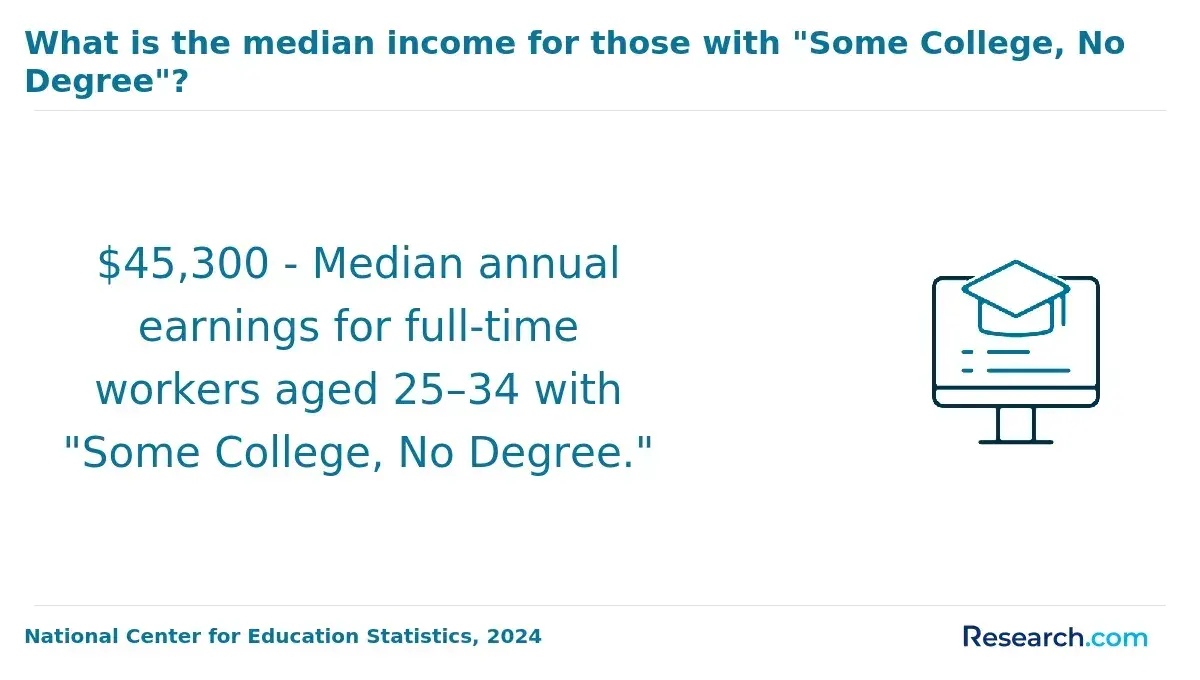
Online emergency management bachelor's degree completion programs cater to adults who have already earned some college credits but have yet to obtain a bachelor's degree. Unlike traditional four-year bachelor's programs that begin from the freshman year, degree completion programs focus on finishing the final half or fewer of the required credits. The National Center for Education Statistics (NCES) reports nearly 36 million Americans have some college experience without a degree, highlighting the large audience these programs serve.
Designed for working adults balancing professional and personal demands, these programs often feature accelerated formats, high acceptance of transfer credits-including community college and military training-and are delivered fully online or through hybrid models. This flexible structure supports students aiming to complete an online emergency management degree completion program for working adults without attending full-time campus sessions.
These programs have gained traction as employers increasingly expect bachelor's degrees for roles that previously required lower credentials. Choosing among the best online bachelor's degree programs in emergency management for adult learners involves assessing factors such as transfer credit policies, tuition, and program delivery formats. The appeal of flexibility and practical career outcomes drives enrollment growth. For those comparing options, exploring the cheapest MBA online programs may also provide useful insights for affordable online education paths.
How Do Online Emergency Management Degree Completion Programs Differ From Traditional Four-Year Emergency Management Bachelor's Degrees?
Online emergency management degree completion programs offer distinct advantages over traditional four-year bachelor's degrees, especially for working adults with 60 or more transferable credits. These completion programs focus on the last 60 credits, allowing students to bypass repeating general education courses already completed elsewhere. Traditional programs require about 120 credits, starting from scratch.
- Credit Requirements: Completion programs allow large transfer blocks, reducing redundancy and accelerating degree progress.
- Curriculum Sequencing: They replace many general education classes with competency-based or life-experience credits, which acknowledge professional or military experience. Core emergency management coursework is streamlined and delivered in accelerated formats, minimizing unnecessary prerequisites.
- Time to Completion: Most completion programs enable transfer students to graduate within 1 to 2 years, compared to the traditional four-year timeline. This suits busy adults balancing family and work.
- Cost Efficiency: According to IPEDS data, per-credit costs for completion programs tend to be comparable or slightly lower than traditional pathways, reflecting optimized campus resource use and focused curriculum offerings.
- Curriculum Adaptation for Adult Learners: These programs emphasize practical application, flexible scheduling, and asynchronous learning to accommodate working professionals' needs.
- Transfer Credit Policies: Generous transfer credit acceptance allows many prior credits to count, unlike traditional degrees which may require more in-residence credits.
Whether opting for an online emergency management degree completion program or a traditional on-campus bachelor's degree depends on your educational background. Completion programs cater well to those with earned credits seeking an accelerated path, while traditional degrees serve freshmen or individuals wanting a full four-year immersion experience. Students planning their career paths should also consider that emergency management is among the fields identified with most profitable degrees, making the choice especially impactful.
Understanding the differences between online and on-campus emergency management bachelor's degrees helps prospective students weigh flexibility, cost, and time investment to find the program that best aligns with their professional ambitions.
2026 Update: Applied Experience Requirements for Working Adults
For 2026, this section reviews how online emergency management completion programs handle practical learning requirements that may affect students who already work full time or hold public safety, military, healthcare, or government roles.
- Whether the program requires an internship, practicum, field exercise, simulation, or senior capstone.
- If current employment can satisfy applied experience requirements with supervisor approval.
- How much on-site participation is required, especially for drills, tabletop exercises, or community risk projects.
- Whether students can complete projects with local agencies near their home instead of traveling to campus.
- What documentation is needed, such as signed learning agreements, site approvals, or supervisor evaluations.
- How applied projects connect to emergency planning, disaster response, mitigation, continuity, or recovery work.
Checking these details early helps working adults avoid schedule conflicts and choose a program that turns professional experience into meaningful academic progress.
Which Accredited Universities Offer the Most Affordable Online Emergency Management Bachelor's Degree Completion Programs?
University of Central Florida: UCF offers a uniform online tuition rate of about $219 per credit hour regardless of residency. The university is accredited by the Southern Association of Colleges and Schools Commission on Colleges (SACSCOC). Its program enjoys recognition from the International Association of Emergency Managers (IAEM), ensuring an industry-respected curriculum.
Fort Hays State University: Accredited by the Higher Learning Commission (HLC), Fort Hays charges $226 per credit hour for all online students. The emergency management completion program is designed to be flexible, allows substantial transfer credits, and has special support for working adults and veterans.
University of North Carolina at Pembroke: UNC Pembroke's tuition is $220.64 for in-state students and $594 for out-of-state learners, accredited by SACSCOC. The curriculum is FEMA-aligned and offers robust resources for military-affiliated students.
Northern Arizona University: NAU has a flat rate of $416 per credit for online learners, with no differentiation in residency. Accredited by HLC, its program holds recognition from the Emergency Management Accreditation Program (EMAP), lending strong professional credibility.
California State University, San Bernardino: CSU San Bernardino charges $396 per credit for in-state and $600 for out-of-state students. Accredited by the WASC Senior College and University Commission (WSCUC), it combines homeland security and emergency management coursework and supports streamlined transfer processes.
Commonly, the most affordable programs use flat online tuition rates and approve generous transfer or prior learning credits. Their regional accreditation is paired with specific programmatic endorsements, which enhances credibility and ensures relevance for busy professionals aiming to complete their degrees efficiently.
One professional who enrolled in an online emergency management bachelor's degree completion program shared that balancing coursework with full-time work was a major challenge. "Managing deadlines while working irregular hours required real discipline," he explained. He valued programs with flexible credit transfer policies, which helped shorten the path to graduation. He also noted the importance of programmatic recognition, saying it gave him confidence when entering the job market. Overall, proximity to campus wasn't as critical as the quality of the online support and the program's ability to accommodate his pace and prior experience.
How Many Transfer Credits Can Working Adults Apply Toward an Online Emergency Management Degree Completion Program?
Universities typically cap transfer credits at 60 to 90 semester hours for online emergency management bachelor's completion programs, ensuring students complete a substantial portion of their degree at the awarding institution. This limit safeguards academic rigor while recognizing prior learning, an important factor for working adults aiming to understand how many transfer credits they can apply toward an online emergency management degree.
Credit equivalency evaluations are essential in verifying that transferred courses meet program standards and degree requirements. Institutions conduct thorough assessments of transcripts, course content, and credit hours. Articulation agreements between community colleges and four-year universities play a key role by predefining transfer pathways, which reduces credit loss and smooths the transition.
Data from the U.S. Department of Education's transfer summit reveals students often lose around 40% of their credits when transferring. Selecting programs with structured pathways or guaranteed transfer options can minimize this loss. Many transfer-friendly emergency management programs also accept ACE-recommended military training credits and relevant professional certifications, benefiting veterans and working professionals.
Before committing, prospective students should request an official transcript evaluation to clarify credit transferability and remaining degree requirements. This proactive step supports informed decision-making and efficient degree completion timelines, especially for those balancing work and study commitments.
- Transfer Credit Caps: Limits of 60-90 semester hours ensure students complete core coursework at the degree-granting university.
- Credit Equivalency: Detailed reviews verify that transferred credits fulfill academic and program standards.
- Articulation Agreements: Formal partnerships between community colleges and universities streamline credit transfer and reduce loss.
- Credit Loss Risk: Up to 40% of credits may be lost in transfers, highlighting the value of programs with guaranteed pathways.
- Military and Certification Credits: Many accept ACE-recommended military training and professional certifications to accelerate degree progress.
- Transcript Evaluation: Requesting an official evaluation before enrollment helps clarify transferable credits and graduation timelines.
Working adults interested in degree completion might also explore a paralegal accelerated program for comparative transfer credit policies across disciplines.
What Are the Typical Admission Requirements for Online Emergency Management Bachelor's Degree Completion Programs?
Most programs expect applicants to have between 24 and 60 transferable college credits, including general education courses to provide a solid academic foundation before focusing on specialized studies. A minimum cumulative GPA of 2.5 is common, though some programs may require 3.0 or higher. More selective programs enforce stricter GPA criteria, while open-admission options tend to be more lenient but may have less academic support.
Applicants typically must submit official transcripts from all prior colleges attended. Additionally, some programs request letters of recommendation, resumes, or personal statements to evaluate readiness and motivation to complete the degree. Completion of introductory courses in emergency management or related fields is often mandatory or highly recommended. Students lacking this background might need to take prerequisite classes before or during the program.
Open admission programs offer easier access but may provide a less rigorous curriculum and lower credential recognition. Selective programs require higher achievements but frequently offer stronger academic resources and improved career prospects. Some institutions allow provisional entry for candidates who narrowly miss requirements, giving them a chance to demonstrate their capability through extra coursework or maintaining certain grades early on. Taking prerequisite emergency management classes at a community college before applying can boost acceptance odds by fulfilling credit and subject requirements, especially for those without prior field experience.
Reflecting on the admission process, a professional who completed an online emergency management bachelor's degree noted it was both challenging and encouraging. She recalled feeling uncertain about meeting all the criteria at first, especially balancing work and required courses. However, flexible options like conditional admission and clear prerequisite paths helped her navigate enrollment. She emphasized how advancing through prerequisite coursework early made the transition smoother and built her confidence, ultimately supporting her successful completion and career growth.
How Long Does It Take to Complete an Online Emergency Management Bachelor's Degree Completion Program as a Working Adult?
Completion times for an online emergency management bachelor's degree vary widely based on transfer credits, enrollment pace, and program setup. Students transferring with about 30 credits usually face around 60 more credits to finish, often requiring two to three years of part-time study. Those with 60 credits to transfer may need approximately 30 credits, which can be completed in one to two years depending on their course load. Transfer learners with 90 credits or an associate degree have the option to finish in as little as one year through accelerated paths.
- Transfer Credit Impact: More transferred credits reduce required coursework and shorten time to graduation. Accreditation often demands a minimum of 30 credits completed at the enrollment institution.
- Part-Time Enrollment: Taking six credits per semester suits many working adults balancing jobs and family, typically extending completion to three or four years if starting with fewer credits.
- Accelerated Full-Time Study: Enrolling in 12 or more credits per term, frequently via eight-week courses, can cut completion time by half, enabling some students to graduate within 12 to 18 months.
- Accelerated Terms and Competency-Based Learning: Shorter terms allow for concentrated study and multiple start dates annually. Competency-based models let learners advance as they demonstrate mastery, potentially reducing time further.
- Summer Enrollment: Adding summer courses supplements traditional semesters and can accelerate degree completion.
- Realistic Scenario: A professional working full-time and taking two courses (six credits) each semester, plus one summer course, might finish a 30-credit remaining program in about two years.
- Life and Employer Factors: Job demands, family responsibilities, and the level of employer support significantly influence one's ability to maintain steady progress.
- Industry Growth: The Bureau of Labor Statistics projects an 8% increase in emergency management jobs from 2022 to 2032, heightening the benefit of timely degree completion.
What Financial Aid, Grants, and Employer Tuition Assistance Options Are Available for Online Emergency Management Completion Students?
Working adults completing an online emergency management bachelor's degree have access to a variety of financial aid options tailored to non-traditional students. Federal Pell Grants and Direct Loans remain crucial for eligible learners, offering need-based aid and low-interest student loans. Many states provide grants specifically for adult returners, which can greatly reduce tuition expenses. Numerous colleges also award institutional scholarships aimed at students resuming or finishing their degrees later in life.
Employer tuition assistance programs represent an essential funding source for many adult learners. Under IRS Section 127, employers can provide up to $5,250 annually in tax-free educational benefits toward undergraduate programs like emergency management. This benefit allows working adults to lower out-of-pocket costs without increasing taxable income, making employer support highly advantageous.
Several scholarships and fellowships specifically target adult learners pursuing emergency management degrees, often emphasizing professional experience and dedication to public safety. These awards may be available from professional organizations, universities, or foundations focused on emergency preparedness and response careers.
Before enrollment, prospective students should complete the following steps to maximize financial aid opportunities:
- File the FAFSA: Submit the Free Application for Federal Student Aid to determine eligibility for federal grants and loans, an essential first step.
- Explore State Grants: Research your state's financial aid programs designed to support adult learners returning to school.
- Request Employer Assistance: Contact your human resources department about tuition benefit programs and the application process under IRS Section 127.
- Seek Adult Learner Scholarships: Identify scholarships and fellowships aimed at non-traditional emergency management students to supplement funding.
How Does Per-Credit-Hour Tuition for Online Emergency Management Completion Programs Compare Across Accredited Institutions?
National data from the National Center for Education Statistics (NCES) and the Integrated Postsecondary Education Data System (IPEDS) indicate that the average per-credit tuition for accredited online emergency management bachelor's degree completion programs is roughly $450. This benchmark varies widely depending on whether the institution is public or private and its geographic location, impacting overall affordability for working adults.
Ancillary Fees Impact: Beyond tuition, expenses such as technology fees, graduation fees, exam proctoring charges, and required textbooks can add hundreds to thousands of dollars, increasing the total cost beyond the per-credit tuition rate.
Credit Hour Requirements: Some programs mandate more than 120 credits or restrict transfer credit acceptance, which can heighten the total tuition cost, making it crucial to review each program's policies.
Cost vs. Value: The lowest per-credit tuition rate does not guarantee the lowest overall tuition, especially if the program entails extra credits or hidden fees. Evaluating full program expenses ensures better financial planning.
Transfer Credits Matter: Programs with flexible transfer credit policies allow students to leverage prior coursework effectively, reducing both time and total tuition required to complete the degree.
For working professionals exploring per-credit tuition rates for online emergency management completion programs, weighing these factors is vital. Additionally, comparing accredited online emergency management degree cost comparison data across institutions helps identify the best fit.
Those interested in expanding their knowledge of operations management might also explore MBA programs in operations management for relevant career advancement opportunities.
What Prior Learning Assessment and Credit-by-Exam Options Exist in Online Emergency Management Degree Completion Programs?
Prior learning assessment (PLA) options enable working adults to convert existing knowledge into academic credit, accelerating completion of online emergency management degree completion programs. These assessments often include CLEP and DSST credit-by-exam policies for emergency management bachelor's programs, portfolio evaluations, and credits earned through military training verified by the American Council on Education (ACE).
Many top-ranked programs have expansive and flexible PLA policies, accepting up to 30-60 credits depending on the institution. They evaluate various types of evidence for portfolio review, including professional certifications, training manuals, and documented work experience, which aligns well with adult learners' diverse backgrounds.
ACE credit recommendations play a pivotal role, especially for military service members and professionals who have completed corporate training programs. Institutions typically accept ACE-verified military and professional training translated into appropriate academic credits, significantly reducing time and tuition costs.
To maximize benefits from PLA, students should meticulously document course syllabi, training records, certification details, and work samples. Preparing a clear portfolio that highlights learning outcomes and submitting it according to the institution's guidelines improves the chances of successful credit award. Institutions vary in their evaluation timelines and fees, so early consultation with academic advisors is advisable.
- CLEP and DSST Exams: These nationally recognized exams allow learners to demonstrate college-level knowledge in specific subjects, providing a fast track to earn credit.
- Portfolio Assessment: Portfolio reviews accept diverse materials demonstrating competencies beyond traditional coursework, with some programs having well-defined submission criteria.
- ACE Credit System: The American Council on Education evaluates military and corporate training, offering an official credit recommendation widely accepted by emergency management completion programs.
- Documentation Tips: Detailed records of previous learning, including course descriptions and certifications, are crucial for smooth credit transfer and portfolio approval.
Working adults exploring online options should consider institutions with flexible PLA policies to optimize degree completion time and cost. For more insight on available pathways, discover accredited speech pathology programs, illustrating how professional training can translate into academic credit across fields.
How Do Asynchronous Schedules in Online Emergency Management Programs Accommodate Full-Time Working Professionals?
Fully asynchronous programs allow students to access lectures, assignments, and discussions anytime, making them ideal for those balancing irregular work hours or caregiving responsibilities. This format eliminates the need to log in at specific times, supporting learners in any time zone.
Assignment Structure: Coursework is designed to be self-paced within set deadlines, often including recorded lectures, written tasks, and forum discussions that students complete independently. Deadlines help maintain progress while accommodating varied schedules.
Comparison With Other Formats: Unlike synchronous courses requiring real-time participation, asynchronous programs offer greater flexibility but less immediate interaction. Hybrid models blend live sessions with asynchronous materials, offering some real-time engagement but less convenience for frequent travelers or shift workers.
Eight-Week Terms: Many top institutions use accelerated, eight-week courses focusing on fewer subjects per term. This condensed timeline helps learners concentrate deeply on material while effectively managing professional and personal obligations.
Time Management Techniques: Successful students often use digital calendars, task management apps, and prioritized to-do lists. Breaking assignments into smaller steps and setting dedicated daily study times help maintain momentum without overwhelming busy schedules.
Digital Tools: Tools like calendar reminders, note-taking apps, and online study groups increase accountability and engagement. These resources support staying organized and connected despite the primarily independent nature of asynchronous learning.
What Concentrations and Career Tracks Are Available Within Online Emergency Management Degree Completion Programs?
Online emergency management bachelor's degree completion programs commonly feature several specializations integrated within the standard 120-credit curriculum, avoiding extra coursework that could increase both cost and time to graduate. Choosing a concentration that aligns with career objectives and labor market data from the U.S. Bureau of Labor Statistics supports informed decisions about future opportunities.
- Disaster Preparedness and Response: This track centers on managing natural and human-made disasters, preparing graduates for roles such as emergency response coordinators and disaster recovery specialists. Median salaries around $76,000 reflect strong demand as climate-related risks rise.
- Homeland Security and Terrorism: Focused on counterterrorism and infrastructure protection, this concentration leads to careers in government and private security sectors. Graduates often earn between $80,000 and $85,000 and gain eligibility for certifications like the Certified Emergency Manager (CEM).
- Health and Public Safety: Emphasizing crisis communication and public health emergencies, this specialization suits those targeting healthcare emergency planners or public safety administrators, with median salaries of $70,000 to $75,000.
- Risk Assessment and Mitigation: Concentrating on hazard analysis and vulnerability, graduates enter risk management and insurance fields and may prepare for credentials such as the Associate Emergency Manager (AEM).
These embedded concentrations support timely degree completion, especially for working adults. Military veterans and professionals can often reduce credits via transfer or prior learning assessments. Align your choice with both personal passion and projected job market strength to maximize educational ROI.
What Graduates Say About Online Emergency Management Bachelor's Degree Completion Programs for Working Adults
- Pierce: "The program's structured curriculum and clear accreditation standards gave me confidence that my degree would be respected by employers nationwide. I appreciated how seamlessly my previous college credits transferred, making the tuition costs more manageable. This degree truly elevated my career prospects, opening doors I hadn't anticipated."
- Yves: "Reflecting on my experience, the emphasis on transfer credit policies allowed me to complete the program swiftly without redundant coursework. I valued the availability of prior learning assessments, which acknowledged my professional background and saved both time and money. The online format balanced flexibility with rigor, preparing me effectively for leadership roles in emergency management."
- Jonathan: "From a professional standpoint, the program's accreditation reassured my employer of its quality, and the tuition model was straightforward, avoiding surprises. The ability to leverage prior college credits and work experience helped me finish the degree without unnecessary delays. Thanks to this degree, I now lead critical response initiatives with greater expertise and authority."
Other Things You Should Know About Emergency Management Degrees
Employers and graduate schools generally recognize online emergency management bachelor's degrees earned through accredited degree completion programs as equivalent to traditional degrees. Accreditation by agencies recognized by the U.S. Department of Education is crucial, as it ensures academic quality and transferability. Many employers value the practical experience gained by working adults during their studies as an added asset in emergency management roles.
Online emergency management bachelor's completion programs typically offer tailored academic support such as dedicated advisors familiar with adult learners' needs. These programs often include access to virtual tutoring, technical help, and career counseling focused on emergency management sectors. Career services may also provide job placement assistance, resume reviews, and connections to professional networks in emergency response and public safety.
Completing an online emergency management bachelor's degree in 2027 offers improved job opportunities, potentially higher salaries, and enhanced professional skills critical for advancement compared to having partial college education. It allows working adults to finish their education flexibly, balancing their career and personal commitments.
References
- 10 Most Affordable Online Emergency Management Bachelor's Degrees - BestMedicalDegrees.com https://www.bestmedicaldegrees.com/cheapest-online-emergency-management-bachelors-degree-programs/
- Find a Center https://www.brighthorizons.com/employers/benefits/employer-tuition-assistance
- Asynchronous Education vs Fixed Schedule Online Classes: Which Works for Working Professionals https://puie.ac/asynchronous-education-vs-fixed-schedule-online-classes-which-works-for-working-professionals/
- EMI: Save on Tuition & Shorten Your Path to a Degree https://www.umgc.edu/business-partners/corporate-learning-solutions/emi
- Online Bachelor's in Emergency and Disaster Management https://www.monroeu.edu/academics/undergraduate-programs/school-criminal-justice/online-bachelors-emergency-and-disaster
- MSc Emergency Management & Resilience (Distance Learning) https://www.wlv.ac.uk/schools-and-institutes/faculty-of-arts-business-and-social-sciences/school-of-social-science-and-humanities/emergency-management-and-resilience-centre/msc-emergency-management--resilience-distance-learning/
- Compare Programs https://europe.umgc.edu/online-degrees/program-comparison-tool/results.europe-program-mgmt-emerg-ms.europe-program-digital-forensics-masters.europe-program-it-homelandsec-masters
- Earn Your Emergency Management Degree Online https://waldorf.edu/online-emergency-management-degree
- Cost of Online Education vs. Traditional Education [2025]: Comparison https://educationdata.org/cost-of-online-education-vs-traditional-education
- What methods of Prior Learning Assessment (PLA) qualify for additional credits? https://online.wpunj.edu/faq/what-methods-of-prior-learning-assessment-pla-qualify-for-additional-credits/