2027 Online Emergency Management Bachelor's Degree Programs With Weekly Start Dates

Co-Founder and Chief Data Scientist
Professionals seeking to enter the emergency management field often face challenges balancing work and education-especially when traditional academic calendars limit enrollment options. Online emergency management bachelor's degree programs with weekly start dates offer a flexible solution, enabling students to begin coursework without waiting for semester start times.
This flexibility is crucial as the Bureau of Labor Statistics projects a 6% growth in emergency management employment through 2031, reflecting increased demand for qualified professionals. This article explores these programs' structure, benefits, and how their accessibility supports career changers aiming to enter emergency management efficiently and effectively.
Key Benefits of Online Emergency Management Bachelor's Degree Programs With Weekly Start Dates
- Weekly start dates offer immediate enrollment within days of acceptance, eliminating semester wait times and enabling faster progress for working professionals and career changers.
- Flexible scheduling allows students to balance coursework with full-time jobs, family, and other commitments while earning a regionally accredited emergency management degree.
- Accelerated start options reduce barriers to returning to school, with many programs accepting transfer credits and prior learning assessments to shorten degree completion time.
What Are Weekly Start Dates in Online Emergency Management Bachelor's Programs, and How Do They Differ From Traditional Term-Based Enrollment?
Weekly start dates in online Emergency Management bachelor's programs allow students to begin coursework every week rather than waiting for traditional semester start times. This rolling enrollment model differs from the term-based system, where students typically start only in fall, spring, or summer semesters. By offering weekly enrollment windows, programs reduce long delays between application approval and the first day of classes, giving students more control over their academic timeline.
Institutions like Western Governors University and Purdue Global exemplify continuous enrollment models in practice. These schools combine competency-based education with frequent start dates, allowing students to advance at their own pace instead of adhering to fixed academic calendars. This flexibility is ideal for those interested in weekly start dates in online emergency management programs because it supports immediate enrollment options-students can apply, get admitted, and begin classes the following week if they choose.
The differences between rolling enrollment and traditional term-based admission are especially relevant for adult learners balancing careers and family commitments. This enrollment style offers greater flexibility and helps maximize savings and time through prior learning assessments and generous transfer credit acceptance policies. Moreover, prospective students may want to explore related fields, such as the cheapest MSN to DNP programs, which similarly accommodate working professionals with flexible start options.
- Flexible Enrollment: Weekly start dates prevent long waits before beginning classes, increasing access for those who need immediate educational advancement.
- Continuous Learning: Steady academic progress is supported year-round rather than in discrete semesters, fitting diverse schedules.
- Career Focused: Designed for working adults, frequent start opportunities help balance education with employment and family obligations.
- Maximized Savings: Quick enrollment combined with generous transfer credit policies reduces tuition costs and accelerates degree completion.
Which Accredited Institutions Offer Online Emergency Management Bachelor's Degree Programs With Weekly or Rolling Start Dates?
Online emergency management bachelor's degree programs that offer rolling or weekly start dates provide essential flexibility for adult learners balancing education with work or personal responsibilities. These regionally accredited institutions support continuous enrollment to help students begin their studies without waiting for traditional semester schedules, a key advantage for working professionals seeking to accelerate their academic progress.
- Columbia Southern University: Offers a Bachelor of Science in emergency management at approximately $230 per credit hour. Their rolling admissions and weekly class starts provide frequent flexibility. CSU is accredited by the Southern Association of Colleges and Schools Commission on Colleges (SACSCOC).
- Northwestern State University of Louisiana: Features a Bachelor of Science in emergency management with tuition near $268 per credit. Classes begin every eight weeks, slightly less frequent than weekly but still offering rolling start options. NSU holds SACSCOC regional accreditation.
- American Public University System: Provides a Bachelor of Science in emergency and disaster management at $285 per credit. With new courses starting every Monday, the program maximizes flexible scheduling. The university is accredited by the Higher Learning Commission (HLC).
- Southern Arkansas University: Delivers a Bachelor's degree in emergency management costing around $290 per credit, with six or more start dates annually, roughly monthly but often near weekly starts. It is regionally accredited by the Higher Learning Commission.
- Granite State College: Offers a Bachelor of Science in emergency management with a tuition rate of about $320 per credit. Weekly enrollment windows empower students to begin as soon as they're ready. Granite State is accredited by the New England Commission of Higher Education (NECHE).
These accredited online emergency management bachelor's programs with rolling start dates cater to students who require flexible enrollment schedules while maintaining rigorous academic standards. Prospective students should carefully examine tuition costs, transfer credit policies, and financial aid options, leveraging prior learning assessments to shorten time to degree and reduce expenses.
Accreditation from recognized regional bodies assures program quality and career relevance in this growing field. For those interested in advancing in healthcare or related sectors while studying, exploring the most affordable BSN to DNP programs online can offer complementary pathways. This approach aligns with workforce needs and Bureau of Labor Statistics data, emphasizing continuous skill development through flexible learning options.
How Do Weekly Start Dates in Online Emergency Management Programs Benefit Working Adults and Non-Traditional Students?
Weekly start dates in online emergency management bachelor's programs eliminate the rigid enrollment deadlines of traditional semesters, allowing students to begin coursework promptly after acceptance. This immediacy helps close the gap between the decision to pursue a degree and actual enrollment, reducing the risk of waning motivation-a common hurdle for working adults balancing education with other responsibilities.
- Immediate Enrollment: Students can start courses as soon as they are ready, avoiding long wait times and keeping momentum strong during the transition back to school.
- Flexible Scheduling: Multiple start dates throughout the year enable learners to tailor their education around fluctuating work hours and family commitments without having to delay or pause their studies.
- Increased Persistence and Graduation: Research by the NCES and Lumina Foundation indicates that adult learners with flexible enrollment options are more likely to stay enrolled and complete their degrees, as barriers to entry and progress are minimized.
- Financial Advantages: Beginning studies earlier allows quicker entry or advancement in the emergency management field, accelerating earning potential and reducing extra costs tied to missed semesters or extended timelines.
When asked about his experience, a professional who enrolled in an online emergency management bachelor's program with weekly starts shared the impact of such flexibility. He recounted the challenge of juggling unpredictable work shifts and family duties that would have made traditional semester deadlines impossible.
"Being able to start whenever I was ready meant I didn't have to put my plans on hold," he explained. The online format and rolling start dates allowed him to maintain steady progress without the pressure of waiting months to enroll. This approach eased his anxiety about returning to school and helped him stay focused on building a career in emergency management without unnecessary delays.
What Is the Total Tuition Cost for Online Emergency Management Bachelor's Programs That Allow Weekly Enrollment?
Tuition rates for online emergency management bachelor's programs with weekly enrollment generally range from $250 to $400 per credit hour. Given the typical 120-credit requirement to graduate, total tuition costs often fall between $30,000 and $48,000, though exact figures vary by institution and pricing structure. Some schools employ flat-rate or block tuition models, allowing students to take unlimited credits per term for a fixed price-potentially lowering overall expenses for self-paced learners.
- Per-Credit Rates: Average tuition reflects cost-per-credit models, which when multiplied by the 120 credits, provide a baseline for cost comparison across emergency management degrees with rolling start dates.
- Flat-Rate Tuition: Fewer programs use flat or block tuition, but these can offer savings when students accelerate their coursework, especially with weekly enrollment convenience.
- Uniform In-State Tuition: Some universities charge all online students the in-state tuition rate regardless of residency, offering a major cost advantage for out-of-state enrollees.
- Additional Fees: Beyond tuition, mandatory fees for technology and course materials may add several hundred to thousands of dollars, so budgeting should include these expenses.
- Transfer Credit Benefits: Programs that accept abundant transfer credits or offer prior learning assessments allow faster completion and reduced total costs, a key factor for adult learners.
Prospective students should carefully assess financial aid options and accreditation status to ensure quality and affordability. Comparing these factors alongside tuition structures helps identify the best value programs. For similar cost-conscious choices in healthcare education, consider exploring the cheapest PhD nursing programs.
How Quickly Can Students Complete an Online Emergency Management Bachelor's Degree When Enrolling Through a Weekly Start Option?
Typically, full-time students enrolling in weekly start emergency management programs take between 12 and 15 credits each term, potentially finishing their degree in around four years. Part-time students, with lighter course loads, generally take longer. These programs often let students enroll in several classes simultaneously, accelerating credit accumulation and reducing time to graduation.
Many institutions grant transfer credits or award credits for prior learning assessments, sometimes up to 90 credits. This can dramatically decrease the number of required courses, shortening the overall time needed for degree completion for students with relevant college or professional experience.
Certain online emergency management degrees offer self-paced or competency-based formats, allowing students to progress by demonstrating mastery rather than adhering to fixed schedules. This flexibility particularly benefits adult learners balancing work and family obligations.
Motivated adults may complete their degree in 18 months to about 3 years, varying based on transfer credits, course load, and program structure. Schools like Western Governors University and Southern New Hampshire University provide accelerated pathways using weekly starts and flexible course formats.
Weekly start dates enable students to begin courses promptly after acceptance, eliminating delays common to traditional semester cycles. This permits learners to enter the workforce or advance their skills without waiting months for a new term.
A professional who completed a self-paced online emergency management bachelor's program described her experience as both challenging and empowering. "Juggling work, family, and studies wasn't easy, but the ability to set my own pace was crucial," she reflected. "I appreciated not having to wait for traditional start dates-starting each week let me maintain momentum and handle setbacks without falling behind."
She also highlighted how prior learning credits shortened her journey, allowing her to focus on new knowledge and skills. "It felt rewarding to see progress measured by what I could do, not just time spent in class." Overall, her story illustrates how weekly start programs can offer both flexibility and speed for dedicated students.
What Admission Requirements Must Students Meet to Enroll in an Online Emergency Management Bachelor's Program With a Weekly Start Date?
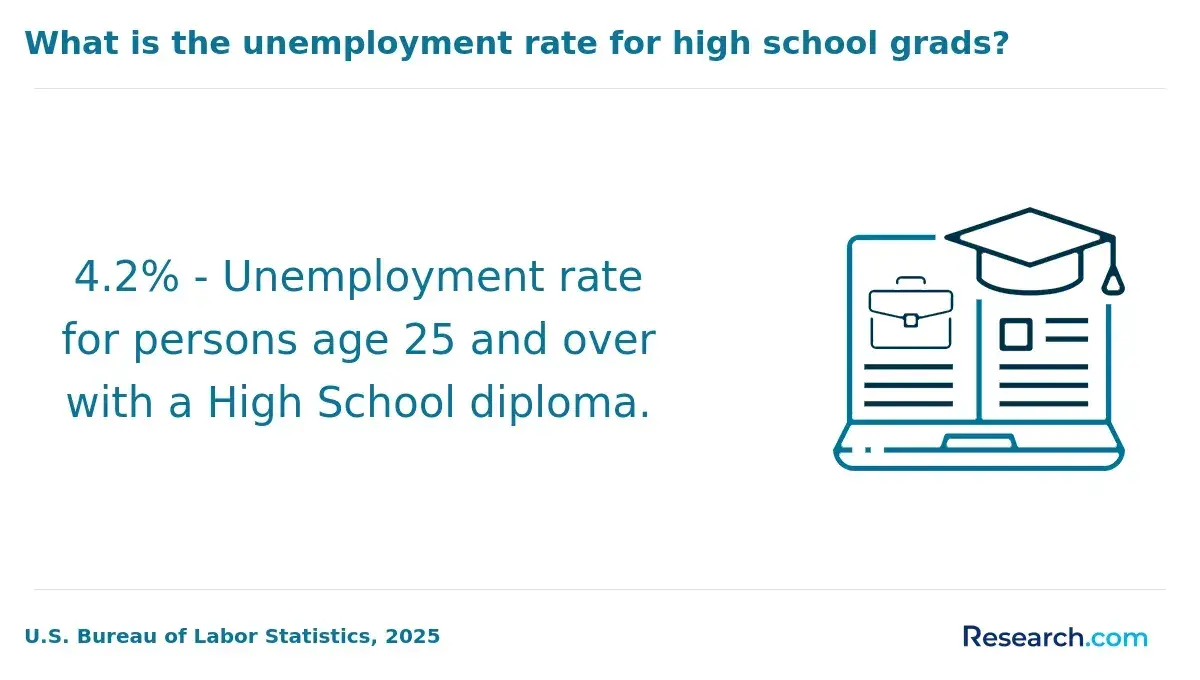
Programs offering weekly start dates for online emergency management bachelor's degrees often utilize open or rolling admissions, allowing students to apply and begin courses without waiting for fixed semester schedules. Typically, candidates must have at least a high school diploma or GED, while GPA requirements tend to be minimal or waived, easing access for a wide range of learners.
Standardized tests like the SAT or ACT are frequently not required, which supports non-traditional students and working adults seeking flexible pathways back into higher education. This flexible admission approach increases accessibility but may affect the academic experience.
Less selective programs might provide more comprehensive support services, such as tutoring, advising, and skill-building workshops, to help students succeed. Conversely, more selective programs often maintain stricter admission standards but may offer a different level of faculty engagement and curriculum rigor.
Applicants with unconventional educational backgrounds or interruptions in their academic history should leverage personal statements and application essays to highlight relevant work experience, motivation, and dedication. This can significantly enhance their enrollment prospects.
Additionally, transfer credits and prior learning assessments offer valuable opportunities to shorten the time to degree completion and reduce costs. According to a recent NCES report, approximately 45% of adult learners prefer programs with rolling admissions for the increased flexibility and expedited start options they provide.
- Flexible Entry: Weekly-start programs generally rely on open or rolling admissions, removing common barriers like strict GPA cutoffs and standardized testing.
- Basic Requirements: Most require a high school diploma or GED, keeping the process straightforward and accessible.
- Academic Support: Open-admission institutions often compensate for less selective entry by offering robust tutoring and advising services.
- Application Tips: Use personal statements to explain gaps or limited academic history and emphasize relevant experience and commitment.
- Enrollment Trends: Nearly half of adult students favor rolling admission policies for their flexibility and quicker enrollment possibilities.
How Do Online Emergency Management Programs With Weekly Starts Handle Transfer Credits From Previous College Coursework?
Online emergency management bachelor's degree programs with weekly start dates often provide flexible transfer credit policies to help students accelerate their education and reduce costs. Many schools accept credits from accredited community colleges, military service, employer-sponsored training, and other alternative learning sources.
The American Council on Education (ACE) plays a pivotal role in this process by evaluating military and workplace training programs and recommending credits that institutions recognize, making it easier for students with prior experience to apply their learning toward their degree. Notably, Southern New Hampshire University and American Public University System allow students to transfer up to 90 credit hours, enabling significant time and tuition savings. American Public University System specifically highlights its acceptance of ACE-reviewed credits and military transcripts.
Students are encouraged to request a transcript evaluation early, before enrolling, to clarify how many credits transfer and how many remain required to graduate. This step helps with academic planning and budgeting. According to recent data, over 40% of adult learners use transfer credits or prior learning assessments to finish their degrees faster and more affordably nationwide. Generous transfer credit policies remain a critical strategy for reducing both time and expense while advancing professional goals.
- Transfer Credit Flexibility: Many programs accept credits from community colleges, military training, and employer learning, providing multiple pathways to shorten degree length and lower costs.
- ACE Credit Recommendations: The American Council on Education evaluates corporate and military training for credit, promoting standardized transfer policies across institutions.
- Top Programs for Transfer: Schools like Southern New Hampshire University and American Public University System allow up to 90 transferable credits, maximizing prior learning investments.
- Transcript Evaluation Importance: Early credit assessment ensures students know their remaining requirements, enabling informed academic and financial planning.
- Growing Trend: Nearly half of adult students use transfer credits or prior assessments to complete degrees more quickly and affordably nationwide.
What Financial Aid and Scholarship Options Are Available for Students Enrolling in Weekly-Start Online Emergency Management Programs?
Students enrolled in weekly-start online emergency management bachelor's degree programs can access a variety of federal financial aid options similar to those in traditional semester-based formats. Eligible individuals may qualify for Pell Grants, which are need-based and do not require repayment.
Subsidized Stafford loans provide interest benefits during enrollment, while unsubsidized Stafford loans accrue interest immediately. Although work-study programs are less common for fully online formats, some institutions may still offer them depending on eligibility and program structure.
The rolling enrollment schedule typical in weekly-start programs means financial aid is often divided into shorter award periods aligned with each term or module. This approach allows aid to renew multiple times throughout the year but demands students carefully track deadlines and maintain satisfactory academic progress to preserve eligibility.
According to College Board's Trends in Student Aid, average aid packages combine federal grants, loans, and institutional scholarships, often totaling several thousand dollars yearly. Applicants should manage expectations knowing individual awards vary by financial need and enrollment status. Submitting the FAFSA (Free Application for Federal Student Aid) early is crucial because many grants and scholarships are awarded on a first-come, first-served basis.
Students pursuing an emergency management degree may find specialized scholarships from professional groups like the International Association of Emergency Managers or nonprofits supporting first responders. Institutions often offer exclusive aid or discounted tuition for distance learners, so contacting program financial aid offices directly is advisable.
Completing the FAFSA accurately and early ensures access to federal, state, and institutional aid that can significantly offset costs. Those interested in similar flexible online health-related degrees may also consider an online dietitian degree that offers rolling enrollment and robust aid opportunities.
- Federal Aid: Pell Grants, subsidized and unsubsidized Stafford loans, and work-study remain key federal options, providing a foundation of financial support for eligible online emergency management students.
- Rolling Enrollment Impact: Weekly-start programs align financial aid disbursements with shorter terms, requiring careful planning to maintain continuous eligibility and meet deadlines.
- Scholarship Opportunities: Targeted scholarships from emergency management organizations and schools reduce costs; applying early boosts the chances of receiving funds.
- FAFSA Importance: Submitting the FAFSA early is essential-it opens access to grants, loans, and work-study programs necessary for funding.
- Average Aid Context: Data from the College Board shows typical aid packages combine grants and loans, but amounts vary widely; exploring all funding sources is recommended.
What Accreditation Standards Should a Weekly-Start Online Emergency Management Bachelor's Program Meet to Ensure Employer and Transfer Recognition?
When selecting an accredited online emergency management bachelor's program with weekly start dates, accreditation standards play a crucial role in degree recognition by employers and other educational institutions. Accreditation provides a quality assurance benchmark that a program meets established academic standards. In the U.S., there are two primary types: regional and national accreditation.
Regional accreditation, issued by one of seven agencies recognized by the U.S. Department of Education, is considered the gold standard due to its stronger employer recognition and broader transfer credit acceptance, especially important for those planning graduate studies or transferring.
SACSCOC, HLC, and MSCHE most commonly accredit weekly-start online programs in emergency management. Prospective students should always verify a program's accreditation status directly through the U.S. Department of Education's database before enrolling to ensure legitimacy. Attending nationally accredited-only schools may limit credit transfer options and create challenges for employment or further education in the emergency management field.
- Regional vs. National: Regional accreditation is regarded for higher quality, offering better credit transferability than national accreditation, which typically focuses on vocational or specialized programs.
- Employer Recognition: Degrees from regionally accredited institutions are usually viewed as more credible and rigorous by emergency management employers.
- Transferability: Credits earned through regionally accredited programs have broader acceptance among colleges, benefiting students aiming for graduate studies or mobility.
- Key Accrediting Bodies: Seven regional agencies oversee accreditation; among them, SACSCOC, HLC, and MSCHE play a significant role in accrediting weekly enrollment emergency management programs.
- Verification Needed: Always confirm accreditation status via the U.S. Department of Education's database before committing to a program to avoid issues with transfer credit acceptance standards for weekly start emergency management degrees.
In addition to accreditation, students should consider transfer credit policies and financial aid options to optimize their speed and savings. Taking advantage of prior learning assessments and generous transfer acceptance can shorten degree completion time. For comprehensive cost comparisons related to health and science fields, exploring an online dietitian degree resource offers useful insights applicable across disciplines.
How Is Coursework Structured in Online Emergency Management Bachelor's Programs With Weekly Starts Compared to Semester-Based Formats?
Weekly-start emergency management bachelor's programs organize courses into accelerated modules, usually lasting five to eight weeks, rather than traditional 15-week semesters. They primarily use asynchronous video lectures, allowing learners to study when convenient.
Weekly deadlines for assignments and active participation in discussion boards create a consistent schedule, while digital collaboration tools support group projects. This format demands strong time management and self-discipline, as students must stay focused amid a faster pace and heavier weekly workload.
While semester-based formats allow deeper exploration of concepts and extended faculty interaction, accelerated courses help learners quickly develop practical skills like rapid decision-making, risk assessment, and effective communication-critical areas in emergency management. However, shorter terms offer fewer chances for in-depth research or internships.
To excel in these programs, students should establish detailed study plans and ensure reliable access to online resources and technology. According to NCES data, enrollment in online programs with flexible start dates has grown by more than 15% over the past five years, reflecting broader demand for adaptable learning.
- Flexible Course Structure: Asynchronous videos and weekly deadlines balance convenience with consistent engagement, suiting working adults and busy learners.
- Accelerated Pacing: Condensed courses require steady focus, enhancing time management and study discipline essential for success.
- Core Skills Development: Rapid completion cycles reinforce critical skills in problem-solving, risk analysis, and communication relevant to emergency management.
- Less Long-Term Immersion: Compared to semester programs, these formats limit opportunities for extensive projects and prolonged mentoring.
- Preparation Essentials: Organized routines and technological readiness are key to managing the demands of accelerated coursework.
Can Students Earn Credit Through CLEP, DSST, or Prior Learning Assessment in Weekly-Start Online Emergency Management Programs?
Online emergency management bachelor's programs with weekly start dates offer valuable opportunities to earn credit for prior knowledge through Credit by Examination options such as CLEP (College Level Examination Program) and DSST (DANTES Subject Standardized Tests). These exams are managed by the College Board and the American Council on Education's (ACE) credit recommendation service, providing trusted, standardized pathways that many accredited schools accept.
Utilizing these tests can help students bypass general education requirements, saving both time and tuition. Many weekly-start programs also feature flexible Prior Learning Assessment (PLA) policies. PLA often allows students to submit portfolios, work samples, or military training transcripts as proof of learning that occurred outside traditional classrooms. Some institutions permit students to earn up to 30 credits or more via PLA, significantly accelerating degree completion.
Properly documenting prior learning-such as course descriptions, certificates, or official transcripts-is essential for smooth credit transfer. Understanding each school's limits on PLA credits and the types of accepted exams ensures students can optimize their educational pathway.
- Standardized Exam Credits: CLEP and DSST exams assess knowledge in foundational subjects and are widely recognized to reduce required coursework in emergency management degrees.
- Extensive PLA Options: Portfolio assessments and military transcripts often qualify for substantial credit, with some schools awarding up to 30 credits or more.
- Flexible Weekly Start Policies: Schools with rolling enrollments tend to offer the most generous PLA limits to support accelerated progression.
- Detailed Documentation: Maintaining thorough evidence of prior learning-such as official syllabi and certificates-is critical for credit approval.
- Credible Credit Sources: The College Board's CLEP program and the ACE recommendations provide trusted frameworks relied upon by many online emergency management programs.
What Graduates Say About Online Emergency Management Bachelor's Degree Programs With Weekly Start Dates
- Pierce: "I chose the online emergency management bachelor's degree with weekly start dates because it offered the flexibility I needed to balance work and school without waiting for traditional semester cycles. The program's affordability made it accessible, which was a huge relief as I managed my finances independently. Completing this degree has propelled my career forward-I've already secured a position in a disaster response agency, which I credit to the practical knowledge I gained."
- Aryan: "Reflecting on my decision, the weekly start dates were a game-changer-they allowed me to begin right when I was ready, rather than delaying my plans. I appreciated how cost-effective the program was, especially compared to other institutions offering similar degrees. Since graduating, I've found that the skills I developed online have directly enhanced my ability to lead crisis operations more confidently and efficiently."
- Jonathan: "As a working professional, I valued the online emergency management bachelor's program's weekly start dates because it gave me control over my learning schedule-no waiting periods or missed opportunities. The cost was reasonable for the quality of education, which made investing in my future easier to justify. Earning this degree has broadened my career prospects significantly, opening doors to advanced roles in public safety and emergency planning."
Other Things You Should Know About Emergency Management Degrees
In 2027, many online emergency management programs utilize platforms like Canvas and Blackboard, which offer comprehensive tools for virtual classrooms. Additionally, Zoom and Microsoft Teams are frequently used for live interactions. Programs typically require a reliable internet connection, a computer with up-to-date software, and sometimes specific browsers or apps for accessing course materials.
Graduates with a bachelor's degree in emergency management commonly pursue roles in government agencies, non-profits, healthcare, and private sector organizations focused on disaster preparedness and response. Positions such as emergency management coordinators, disaster recovery specialists, and public safety officers are typical career paths. According to labor data, median annual salaries for emergency management professionals range from $50,000 to $75,000, depending on experience, location, and employer type.
Programs with weekly start dates often provide robust student support to accommodate flexible schedules. Services include academic advising, tutoring, technical support, and career counseling. Many institutions also offer virtual writing centers and access to digital libraries, ensuring students receive consistent assistance despite the lack of in-person interaction. These resources help maintain progress and improve completion rates for online learners.
In 2027, students will typically need a reliable internet connection, a computer with updated operating systems, and access to learning platforms like Canvas or Blackboard for weekly-start online emergency management bachelor's programs. Some programs might also require specific software for interactive simulations and virtual labs.
References
- Credit for Prior Learning | Western Technical College | La Crosse, WI https://www.westerntc.edu/credit-prior-learning
- CLEP and DSST Exams https://www.frontrange.edu/student-experience/academic-support/testing-centers/clep-dsst.html
- AMiner - GLM-AI https://aminer.org/pub/623006aa5aee126c0fa26b04
- Online Bachelor's in Emergency and Disaster Management https://www.monroeu.edu/academics/undergraduate-programs/school-criminal-justice/online-bachelors-emergency-and-disaster
- Online Students - Eastern Kentucky University https://www.eku.edu/info-for/online-students/
- Search Lee University https://catalog.leeuniversity.edu/preview_program.php
- World's Largest platform as University Common Application https://www.planstudyabroad.uniagents.com/course-details.php
- Credit for Life & Work https://sopa.tulane.edu/admissions/academic-credit-life-work-experience-clep-dsst
- Scholarships - Aspiring Emergency Managers Online https://www.aemo.us/scholarships
- CLEP vs. DSST vs. ECE: Which Credit-by-Exam Option Is Right for You? https://straighterline.com/blog/test-comparison-clep-vs-dsst-vs-ece