2027 Return on Investment of an Online Emergency Management Bachelor's Degree: Salary vs Cost

Co-Founder and Chief Data Scientist
Imagine a professional with an unrelated bachelor's degree considering an online emergency management degree to shift careers amid rising natural disasters and public safety needs. The upfront cost and time investment challenge the decision—especially when the median annual salary for emergency management directors is $78,000, reflecting promising earning potential.
However, varied tuition rates and job markets complicate assessing true financial gain. This article evaluates salary offsets against degree costs to clarify the return on investment for an online emergency management bachelor's degree. It aims to guide readers toward informed choices about education and career transitions in this field.
Key Things to Know About the Return on Investment of an Online Emergency Management Bachelor's Degree
- Real tuition for online emergency management bachelor's programs typically ranges from $15,000 to $40,000, offering more affordable options than traditional on-campus degrees.
- Graduates earn median salaries near $75,000 annually, with 10% growth projected over the next decade, reflecting strong salary outcomes for the field.
- Beyond salary, non-financial returns include enhanced job security, career advancement potential, and valuable professional development through specialized emergency preparedness training.
What Is the True Cost of Earning an Online Emergency Management Bachelor's Degree From Enrollment to Graduation?
The true cost of earning an online emergency management bachelor's degree goes beyond published tuition rates. The sticker price usually ranges between $15,000 and $40,000 for four years at public and private institutions, according to the National Center for Education Statistics.
However, many students benefit from financial aid, scholarships, or grants that lower this cost significantly. Net price calculators from universities commonly show net costs between $10,000 and $25,000, varying by residency, program, and financial need.
- Tuition Fees: This is the largest expense and is charged per credit hour. Programs typically require 120 to 130 credits, with tuition rates differing greatly by school and in-state versus out-of-state status.
- Technology Fees: Additional fees for online platform access range from $100 to $600 per semester, covering software, support services, and virtual learning tools essential for course delivery.
- Course Materials and Textbooks: While some programs use open educational resources, most students spend $800 to $1,500 on textbooks, supplemental materials, and software subscriptions over their degree.
- Proctoring and Examination Fees: Online testing often requires third-party proctoring services costing $25 to $50 per exam, adding several hundred dollars during the program.
Indirect costs such as a reliable computer, high-speed internet, and lost wages if studying full-time also influence the return on investment for online emergency management bachelor's degree.
Total expected expenses after aid generally fall between $12,000 and $30,000-an important baseline for evaluating tuition costs and salary outcomes for emergency management degrees.
For individuals exploring advanced degrees, comparing costs and career benefits is critical. Resources like MSW programs online provide useful information on affordable online education pathways that can complement emergency management career goals.
How Does the Starting Salary for Emergency Management Bachelor's Degree Graduates Compare to the Total Cost of the Degree?
Graduates starting with an online emergency management bachelor's degree typically earn a median annual salary of about $50,000 in entry-level roles such as emergency management specialists, according to the Bureau of Labor Statistics (BLS). When assessing the cost versus salary for emergency management bachelor's graduates, this figure provides a practical baseline to measure how quickly the total cost of the degree can be recovered.
The Integrated Postsecondary Education Data System (IPEDS) shows that tuition costs vary substantially, ranging from $15,000 in low-cost programs with significant financial aid to $45,000 in higher-priced programs with minimal aid.
In a best-case scenario, where tuition is around $15,000, graduates could recoup their investment in approximately 3.6 months based on starting salary earnings. Conversely, the worst-case scenario with tuition at $45,000 means it might take closer to 10.8 months of gross income to cover these costs.
These timelines are crucial for first-generation college students on tight budgets and working professionals seeking advancement who must plan carefully around their post-graduation finances. Beyond initial salary, projected salary growth over time improves the long-term return on investment (ROI) by increasing lifetime earnings and shortening the payback period.
The return on investment for an online emergency management degree extends beyond salary. Career advancement, job stability, and specialized skills development complement financial gains. For a broader context on earnings potential, consult studies on the most profitable degrees.
What Is the Average Return on Investment (ROI) for an Online Emergency Management Bachelor's Degree Over a 10-Year Career?
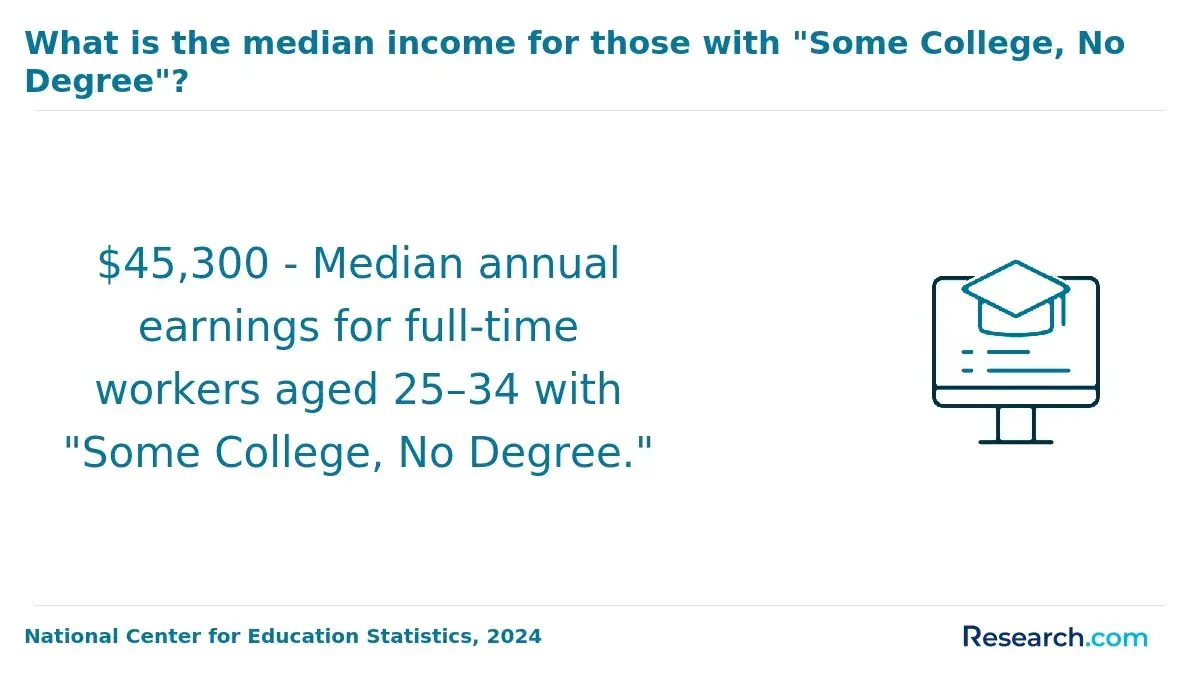
Return on investment (ROI) in higher education evaluates the financial benefits of earning a degree by subtracting the total cost of education from the additional earnings over time compared to those with only a high school diploma or associate degree in the same field.
Data from Georgetown University Center on Education and the Workforce, along with PayScale's College ROI Report, provide benchmarks for understanding this metric. For example, the median annual salary for emergency management professionals was approximately $78,000 in 2023 according to the Bureau of Labor Statistics.
Using a typical online bachelor's program cost of $40,000 and assuming an average annual raise of 3%, graduates can expect their earnings to outpace those without a bachelor's degree.
In practice, if a high school graduate starts at around $50,000 annually, a bachelor's degree holder in emergency management may start near $65,000. Over a decade, compounded raises increase cumulative earnings for degree holders by nearly $250,000 more than non-degree holders.
After subtracting the education cost, this results in a net gain of about $210,000, making the degree a sound financial investment. When compared nationally, the ROI for an emergency management degree typically meets or slightly exceeds the average return seen for all bachelor's degrees.
A professional who enrolled in an online emergency management bachelor's program after carefully weighing its cost against expected earnings shared that navigating tuition affordability alongside family responsibilities was challenging but manageable with careful budgeting. He described feeling uncertain initially about whether the financial sacrifice would pay off but found that the flexibility of the online format allowed him to maintain full-time work.
"I often asked myself if the time and money were worth it," he recalled, "but as I saw pay increases and new opportunities open up after graduation, I grew more confident that I made the right choice." His experience underscores the importance of assessing both monetary and personal factors when considering such an investment.
How Do Online Emergency Management Program Tuition Rates Compare Across Public, Private, and For-Profit Institutions?
- Public Institutions: These schools typically offer the most budget-friendly tuition for online emergency management programs, especially for in-state students. Many public universities have adopted flat-rate tuition models for online learners, making costs predictable regardless of residency. Tuition usually ranges from $7,000 to $15,000 per year, while preserving quality education standards and student support services that contribute to better graduation rates and career placement outcomes.
- Private Nonprofit Colleges: Tuition at private nonprofit universities tends to be higher, often between $20,000 and $40,000 annually. These schools commonly provide smaller class sizes, established reputations, and strong alumni connections-all factors that may enhance professional growth and justify the greater expense over time.
- For-Profit Colleges: For-profit institutions often have lower upfront tuition, starting around $10,000 per year. However, data from IPEDS and related research highlight challenges such as reduced graduation rates and employer doubts about credential value, which can negatively impact long-term ROI despite initial affordability.
Considering cost alone can be misleading for prospective students comparing online emergency management degree tuition. Balancing immediate affordability against career advancement and job security is crucial.
More details about affordability and program offerings can be found through resources like bachelors construction management, which provides similar cost analyses useful for making informed choices.
What Long-Term Salary Growth Can Emergency Management Bachelor's Degree Holders Expect Over a 20- to 30-Year Career?
Graduates with an online emergency management bachelor's degree typically begin their careers earning between $40,000 and $50,000, influenced by geographic location and employer type. As they gain experience, their salaries steadily increase, reflecting growing expertise and responsibilities over time.
- Early Career Growth: In the first five years, salary increments are moderate but reliable, often reaching $55,000 to $65,000. This reflects improved skills in emergency response and foundational planning tasks, along with initial promotions.
- Mid-Career Acceleration: Around the 10-year mark, earnings rise more quickly, frequently hitting $70,000 to $85,000. This surge aligns with advancement into supervisory roles or specialized positions, supported by certifications like the Certified Emergency Manager (CEM).
- Senior-Level Peaks: At 15 to 20 years, professionals often occupy senior management roles such as directors or lead planners, with salaries exceeding $90,000. Responsibilities include overseeing budgets, strategic decision-making, and managing large-scale incidents.
- Lifelong Earnings Premium: Compared to peers without a degree, those holding an emergency management bachelor's degree can expect a lifetime earnings advantage of $500,000 to $750,000, thanks to higher starting pay and cumulative raises tied to career milestones.
A professional who built her career through an online emergency management program shared that the journey was demanding, balancing work and study while adapting to evolving industry challenges. She mentioned, "The real value came from gradually applying what I learned to actual emergencies and leadership situations."
The steady salary growth over decades reinforced her decision, and she emphasized how the degree opened doors to advancement that might otherwise have been unreachable. Reflecting on her experience, she described the process as both challenging and rewarding, highlighting the importance of perseverance and continuous learning in achieving long-term success.
How Does the ROI of an Online Emergency Management Bachelor's Degree Compare to an Associate Degree or a Professional Certificate?
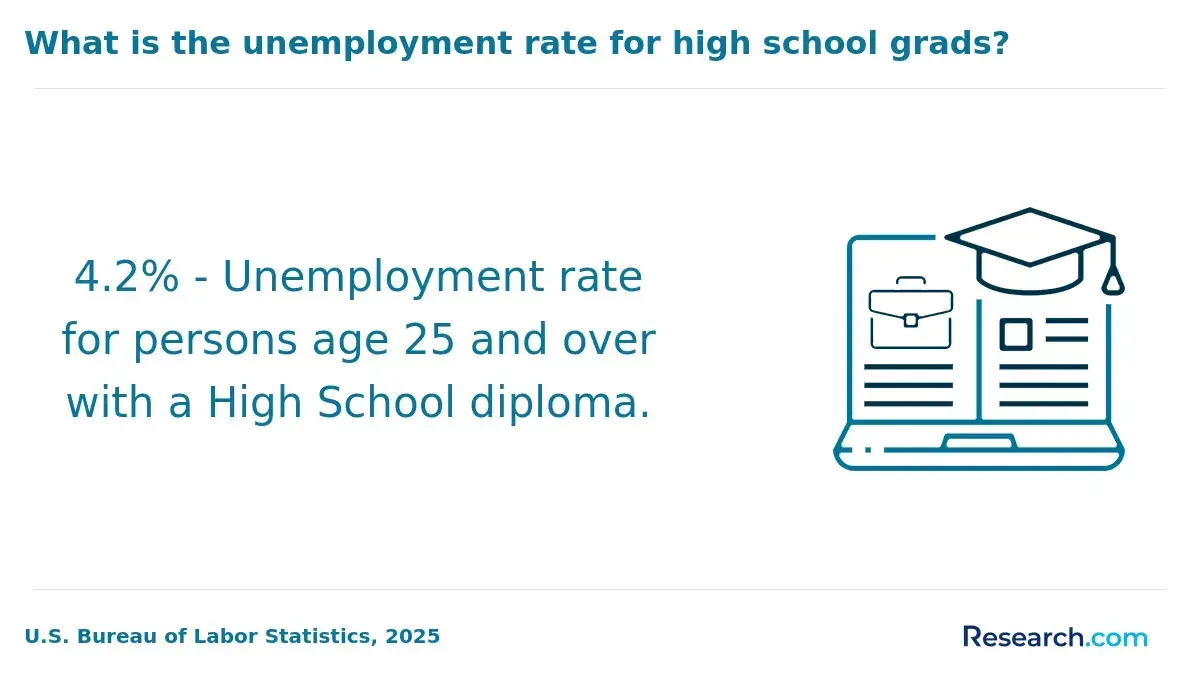
- Cost Difference: Earning an online emergency management bachelor's degree typically involves tuition between $25,000 and $60,000, depending on the institution. In contrast, associate degrees generally cost between $10,000 and $20,000, while industry-recognized certificates are available for less than $5,000.
- Median Salary: Data from the Bureau of Labor Statistics reveal that holders of a bachelor's degree in emergency management earn an average salary near $75,000 annually. Those with an associate degree have median wages closer to $45,000, and certificate holders often start around $35,000, with potential for growth as experience and credentials accumulate.
- Short-Term Investment Benefits: Certificates and associate degrees require less time and financial commitment, appealing to individuals seeking rapid workforce entry or balancing education with existing job responsibilities. These credentials allow for quicker completion, beneficial for career changers or adults aiming to enhance skills promptly.
- Long-Term Financial Returns: Obtaining a bachelor's degree often leads to higher lifetime earnings and stronger job stability, particularly in leadership roles within emergency management. This credential opens doors to advanced positions in management, policy development, and federal agencies that typically demand a four-year degree.
- Non-Financial Benefits: Beyond salary, a bachelor's degree deepens theoretical knowledge and professional skills, equipping graduates to handle complex crises effectively. It also fosters networking opportunities and professional growth not commonly accessed through shorter programs.
- Decision Framework: For first-generation students or those facing tight budgets, certificates or associate degrees can reduce upfront debt, but pursuing further education later may optimize long-term outcomes. Working professionals should carefully assess the time and cost of a bachelor's degree against potential career progression and salary increases. Career changers who need comprehensive training and better wage prospects may find investing in a bachelor's degree the most strategic choice despite higher initial costs.
Which Online Emergency Management Specializations or Concentrations Yield the Highest Earning Potential After Graduation?
Choosing a specialization within an online emergency management bachelor's degree can meaningfully boost your earnings potential after graduation. According to the Bureau of Labor Statistics (BLS) and education research data, certain concentration tracks command higher median salaries than generalist roles, reflecting industry demand and specialized skill requirements.
- Homeland Security: Graduates entering federal agencies or private security firms often see median salaries 10% to 20% above general emergency management positions. This track may require certifications like the Certified Protection Professional (CPP), increasing upfront costs but enhancing long-term earnings.
- Disaster Recovery and Business Continuity: Ideal for leadership roles in corporate risk management and public sector coordination, this specialization offers salaries 5% to 15% higher than standard emergency managers. Certifications such as Certified Business Continuity Professional (CBCP) may be necessary for career advancement.
- Environmental Risk and Hazard Mitigation: While starting salaries align with general roles, professionals working with government and environmental organizations can expect greater income growth over time through licensure and continuing education.
- Public Health Emergency Management: Specialists collaborating with healthcare systems and agencies like the CDC earn about 10% more than general emergency managers, especially when holding additional public health credentials.
Though certification and licensure requirements increase total educational expenses, these investments tend to accelerate salary growth and job security.
For working professionals or career changers, aligning your specialization with your prior experience or local employer demand enhances your return on investment. Balancing tuition costs against verified salary outcomes from sources like the BLS and IPEDS is essential to selecting a program that supports both financial and professional goals.
How Do Employer Tuition Reimbursement and Financial Aid Reduce the Net Cost of an Online Emergency Management Bachelor's Degree?
Employer tuition reimbursement programs offer a powerful way to lower the net cost of an online emergency management bachelor's degree. Under IRS Section 127, employees may receive up to $5,250 per year in tax-free educational assistance covering tuition, fees, and related expenses.
According to the Society for Human Resource Management (SHRM), nearly 50% of U.S. employers provide some form of tuition aid, making employer benefits a widely accessible resource for working students seeking to advance their careers.
Beyond employer reimbursement, financial aid options further reduce out-of-pocket expenses for students pursuing online emergency management bachelor's programs in the US. Federal grants and scholarships, such as the Pell Grant or institutional aid, do not require repayment and can substantially lower tuition costs.
Subsidized federal student loans also present manageable borrowing terms with lower interest rates compared to private loans, easing financial strain throughout the educational journey.
Consider a working professional aiming to earn an online emergency management degree with a sticker price of $30,000 over four years. If their employer covers the full $5,250 annually via tuition reimbursement, that amounts to $21,000. Add a $6,000 Pell Grant and $3,000 in institutional scholarships, and the student could effectively bring their net cost to zero.
Even partial assistance from these sources can make a degree far more affordable than sticker price figures suggest. For those researching similar educational value, exploring social media marketing courses online may also offer valuable insights into cost-effective online degrees.
What Hidden Costs Should Students Factor Into the Total Investment of an Online Emergency Management Bachelor's Degree?
When evaluating the return on investment for an online emergency management bachelor's degree, it's crucial to consider more than just tuition. Many students overlook hidden costs that can add hundreds or even thousands of dollars annually to their total expenses.
Data from institutional cost-of-attendance disclosures and the College Board reveal that these additional fees often include technology charges, proctoring, graduation, software licenses, and professional memberships. These costs directly influence the overall financial investment and extend the break-even timeline-when increased earnings offset education costs.
Technology fees, typically ranging from $100 to $400 per year, fund access to online learning platforms and technical support. Proctoring services required for secure remote exams often charge $25 to $50 per test, which accumulates quickly across multiple semesters. Graduation fees between $100 and $200 cover administrative costs for diploma processing.
Some courses demand specialized software licenses costing $50 to more than $300 each, essential for coursework completion. Furthermore, joining professional organizations related to emergency management incurs annual fees of $50 to $150 but offers valuable networking and career resources.
Students must request a full cost-of-attendance breakdown, including all mandatory fees, not just tuition rates, to avoid unexpected financial burdens. Understanding these hidden costs is especially important for those budgeting tightly or balancing work and study. Evaluating the additional expenses in total investment of emergency management bachelor's programs helps make informed decisions about value and ROI.
For those comparing programs, exploring rankings like the best online electrical engineering programs USA can provide insight into reputable online education options and cost structures that might apply similarly to emergency management degrees.
How Does the Accreditation Status of an Online Emergency Management Program Affect Graduate Salary and Employability?
Regional accreditation evaluates the overall quality of a college or university, ensuring that the entire institution meets rigorous academic and administrative standards.
Programmatic accreditation, on the other hand, focuses specifically on the quality and content of a particular field of study such as emergency management. This distinction is important because employers and licensing bodies often prioritize degrees from regionally accredited institutions due to their recognized academic rigor.
According to data from the National Association of Colleges and Employers (NACE), hiring managers show a strong preference for candidates holding degrees from institutionally accredited programs. Degrees from non-accredited or only nationally accredited schools are frequently viewed as less credible, which can hinder salary negotiations and reduce opportunities for career advancement.
The Society for Human Resource Management (SHRM) further supports that many employers hesitate to offer competitive salaries or promotions to individuals whose qualifications come from unauthorized institutions.
Lack of appropriate accreditation can also restrict eligibility for crucial licensure exams and block admissions to graduate programs. It may limit access to employment in government agencies and healthcare organizations where accreditation is often mandatory.
Prospective students should consult the U.S. Department of Education and the Council for Higher Education Accreditation (CHEA) databases to confirm any program's legitimacy before committing financially.
What Entry-Level Job Titles and Salary Ranges Are Available to Graduates of Online Emergency Management Bachelor's Programs?
Graduates with online emergency management bachelor's degrees often enter fields with varied starting salaries and industry settings, influencing how quickly they recoup educational expenses. Several roles are common after graduation:
- Emergency Management Specialist: Median entry salaries span $45,000 to $58,000. Government agencies generally offer higher pay, with experience in federal or state emergency systems adding value.
- Disaster Recovery Coordinator: Starting pay ranges from $42,000 to $55,000, especially competitive in healthcare and nonprofit sectors. Internships and certifications such as Certified Emergency Manager (CEM) boost earnings.
- Public Safety Officer: Typical salaries are between $40,000 and $52,000, with municipal and state government roles enabling faster wage growth.
- Risk Management Analyst: Beginning pay lies in the $48,000 to $60,000 range, particularly lucrative in finance and insurance industries. Focused risk assessment concentrations improve prospects.
- Environmental Health and Safety Specialist: Initial earnings usually fall between $44,000 and $57,000. Technology and manufacturing sectors tend to pay a premium for these positions.
- Continuity Planner: Entry salaries commonly range from $46,000 to $59,000, with large finance and technology firms providing higher wages for graduates specializing in business continuity.
- Fire Prevention Specialist: Entry compensation is about $41,000 to $53,000. Government fire services and educational institutions offer stable starting salaries.
- Training and Development Coordinator: Median pay typically runs from $40,000 to $50,000. Growth opportunities exist in both nonprofit and government sectors.
Internship involvement and industry-recognized certifications such as CEM or FEMA credentials can elevate starting salaries considerably. Concentrations in areas like cybersecurity or public health emergency management further increase earning potential, helping graduates achieve a faster financial return on their degree investment.
What Graduates Say About the Return on Investment of Their Online Emergency Management Bachelor's Degree
- Pierce: "Choosing the online emergency management bachelor's degree was a strategic decision for me after considering the ROI carefully-the program's affordability combined with its flexible schedule allowed me to balance work and studies without sacrificing income. Beyond the financial benefits, I've gained confidence in crisis response skills that have opened doors for promotions and leadership roles. This degree truly enhanced my job security in a competitive field, making every investment worthwhile."
- Aryan: "Reflecting on my journey through the online emergency management bachelor's degree, the non-financial returns stand out the most-my expanded professional network and practical expertise have propelled my career to new heights. Though the tuition was a commitment, the long-term career advancement opportunities far outweighed the costs. This program has empowered me to contribute meaningfully to disaster preparedness, which feels invaluable beyond monetary ROI."
- Jonathan: "The impact of earning my online emergency management bachelor's degree on my career trajectory has been significant-I moved from entry-level roles into specialized positions that offer higher pay and more responsibility. Initially, I was cautious about the program's cost but soon realized that the knowledge gained and credential earned greatly accelerated my professional development. The combination of flexible learning and applicable skills made the return on investment highly rewarding both financially and professionally."
Other Things You Should Know About Emergency Management Degrees
On average, graduates of online emergency management bachelor's degree programs can expect to recoup their tuition investment within 3 to 7 years. This timeline depends largely on factors such as the program's cost, the graduate's starting salary, and salary growth over time. Given that many emergency management professionals begin working in government or private sector roles shortly after graduation, increased earnings typically offset education expenses reasonably quickly compared to other fields.
Salary outcomes for emergency management graduates vary significantly depending on geographic location and industry sector. For example, metropolitan areas with high demand for emergency preparedness, like Washington D.C. or California, tend to offer higher salaries. Additionally, those working for federal agencies or private contractors usually earn more than counterparts in local government or nonprofit organizations. This variability means prospective students should consider regional job markets and sectors when estimating returns on investment.
Employer surveys consistently show strong demand for candidates with a bachelor's degree in emergency management, highlighting its relevance for roles that require planning, response coordination, and risk analysis. Labor market data from sources such as the Bureau of Labor Statistics confirm steady job growth in emergency management, with competitive salaries compared to related public safety and disaster response fields. These findings underscore the degree's solid value in a market that increasingly prioritizes disaster resilience and crisis management expertise.
References
- Online Emergency Management Degrees: Review Top Programs https://www.publicservicedegrees.org/online-degrees/emergency-management-programs/
- 2025 Most Affordable Online Emergency Management Degrees https://www.onlineu.com/most-affordable-colleges/emergency-management-degrees
- Emergency Management Directors: Salary, career path, job outlook, education and more - RaiseMe https://www.raise.me/careers/management/emergency-management-directors/
- What Are the Hidden Costs for International Students and How to Be Ready? - EMLV Business School Paris https://www.emlv.fr/en/what-are-the-hidden-costs-for-international-students-and-how-to-be-ready/
- Is an Emergency Management Degree Worth It? https://www.columbiasouthern.edu/blog/blog-articles/2021/april/emergency-management-degree-worth-it/
- College Pricing in the U.S. https://livehandbook.org/higher-education/college-finance-resources/the-cost-and-price-of-college/