2027 Online Emergency Management Bachelor's Degree Programs With Open Enrollment

Co-Founder and Chief Data Scientist
Imagine a working adult aiming to shift careers but hindered by rigid admission deadlines and limited program availability. Online emergency management bachelor's degree programs with open enrollment address this challenge by offering flexible entry points year-round. Recent data shows that enrollment in these online programs has increased by 35% over the past five years, reflecting growing demand among nontraditional students balancing work and study.
This article explores a range of fully online emergency management bachelor's programs featuring open enrollment, helping prospective students identify options that accommodate diverse schedules and facilitate timely degree completion.
Key Benefits of Online Emergency Management Bachelor's Degree Programs With Open Enrollment
- Flexible start dates allow students to begin their studies throughout the year, accommodating varying personal and professional schedules without waiting for traditional semester cycles.
- Open enrollment policies reduce barriers by minimizing strict admission criteria, making bachelor's programs more accessible to nontraditional and working students.
- Online formats provide convenience for full-time employees and those with family commitments, enabling study from any location and often at personalized paces.
Who Qualifies for an Online Emergency Management Bachelor's Degree With Open Enrollment?
Open enrollment policies for online emergency management bachelor's degree programs are intended to make higher education more accessible to a broader range of applicants. Nearly 40% of undergraduates in the U.S. are nontraditional students, which reflects the growing need for flexible enrollment options. These programs accommodate diverse educational and professional backgrounds, ensuring more learners can pursue their goals without facing significant barriers.
Several groups typically meet the eligibility requirements for open enrollment emergency management bachelor's programs, including:
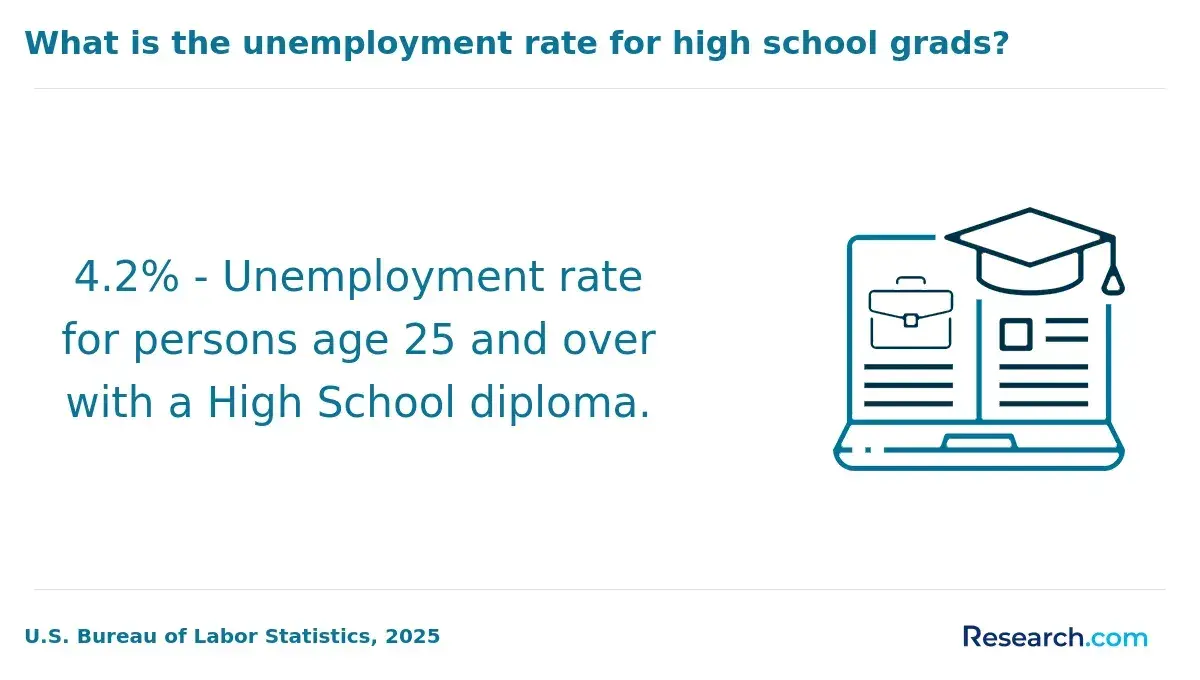
- Recent High School Graduates: Students who have completed high school or received a GED often qualify to enroll directly without extensive academic records or standardized test scores.
- Working Adults: Individuals currently employed in emergency services or related sectors may seek these degrees to further their careers or transition into new roles within the field.
- Nontraditional Students: Learners returning to education after a break, military veterans, parents, or those balancing family responsibilities are frequently welcomed through open enrollment policies.
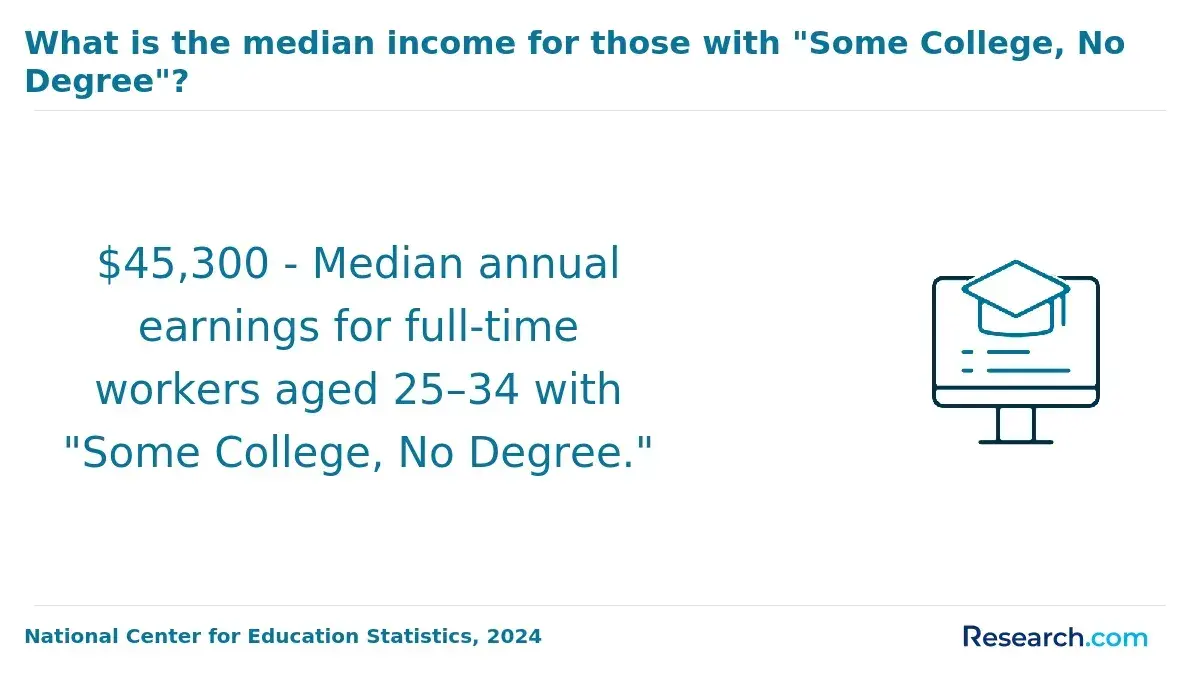
- Individuals with Prior College Experience: Students who have attended some college but did not finish a degree can often re-enter the academic pathway with fewer obstacles.
The flexibility and accessibility of these programs create an inclusive environment that supports the development of a skilled emergency management workforce. Prospective students interested in broadening their options might explore online college degrees to identify programs fitting their unique needs.
What Is the Difference Between Open Enrollment and Rolling Admission in an Online Emergency Management Bachelor's Degree?
Open enrollment and rolling admission are frequently confused but represent distinct strategies for student admissions and enrollment timing. Over 30% of online programs in the U.S. have adopted open enrollment to increase access for diverse learners. These flexible models cater especially to students pursuing an online emergency management bachelor's degree, offering alternatives to traditional fixed deadlines. Below, the key differences between the two approaches are outlined.
Open Enrollment
- Admission Flexibility: Open enrollment allows almost any applicant who meets basic eligibility criteria to enroll, without a competitive review process.
- Application Timing: Students can apply and start courses throughout the year, providing year-round access without strict deadlines.
- Evaluation Process: Typically bypasses selective assessment, focusing on broad accessibility rather than competition.
- Enrollment Structure: Multiple start dates are common, allowing nontraditional students to begin their studies immediately or at various times.
- Student Appeal: This approach benefits flexible learners seeking the advantages and benefits of open enrollment programs in online emergency management bachelor's degrees.
Rolling Admission
- Admission Flexibility: Applications are accepted continuously but reviewed individually on a first-come, first-served basis, with decisions depending on available seats.
- Application Timing: The window spans an extended period but may close once program capacity is reached for a given term.
- Evaluation Process: Each application undergoes progressive assessment rather than an immediate acceptance if criteria are met.
- Enrollment Structure: Enrollment is tied to specific start dates, differing from the ongoing entry points in open enrollment.
- Capacity Limits: Programs may stop accepting applications after filling seats, which can affect admission chances for later applicants.
Prospective students aiming for an online emergency management bachelor's degree can weigh these differences to align admissions options with their schedule and learning style preferences. Those interested in broader educational opportunities may also explore related fields like engineering online programs for additional flexible learning paths.
2026 Update: Field Experience and Career Readiness Checks
For 2026, this section adds a practical review of career-readiness details that can matter in online emergency management programs, especially when open enrollment lets students begin outside a traditional academic calendar.
- Whether the program includes simulations, tabletop exercises, or scenario-based disaster response projects.
- How internships, practicums, or capstone projects are arranged for fully online students.
- Whether coursework covers incident command, hazard mitigation, continuity planning, and recovery operations.
- If students can connect assignments to their local community, workplace, or public safety agency.
- Whether faculty have professional experience in emergency management, homeland security, or public administration.
- How the program supports career preparation, such as resume help, networking, or portfolio development.
Checking these details helps students choose an open enrollment program that is not only flexible, but also connected to the real skills expected in emergency management roles.
What Are the Admission Requirements for an Online Emergency Management Bachelor's Degree With Open Enrollment?
Online emergency management bachelor's degree programs with open enrollment typically feature more flexible admission standards than traditional programs. Nearly one-third of U.S. colleges use nonselective admissions, reflecting a growing trend toward accessible higher education. These programs retain essential requirements to ensure students are ready for successful online study. Key admission components often include:
- Proof of Education: Applicants generally must provide a high school diploma or an equivalent credential like a GED to demonstrate foundational academic readiness.
- Application Materials: A completed application form is required, and some programs may ask for a brief personal statement or résumé to understand the student's background.
- Identity Verification: Institutions commonly verify identity to comply with federal regulations and confirm eligibility for enrollment.
- Readiness for Online Learning: Schools often assess whether candidates have the technical skills and self-motivation needed to engage effectively with virtual coursework.
- Prior Credit or Placement Tests: While less frequent, some programs may require placement exams or a review of prior learning to place students appropriately.
One current student of an online emergency management bachelor's degree with open enrollment shared that navigating the admissions process was surprisingly straightforward but still required careful attention. While he appreciated not having to provide standardized test scores, the identity checks and readiness assessments felt thorough, ensuring he was genuinely prepared for online study. He noted, "It wasn't just about submitting forms; there was a real emphasis on making sure I could handle the course load and the unique challenges of learning remotely." This balance between accessibility and preparedness was reassuring during his transition back to school as a working adult.
Which Online Emergency Management Bachelor's Degree Programs Have Open Enrollment?
Open enrollment programs are expanding across various academic fields to improve access for a wide range of learners, including those balancing work or other commitments. Over 40% of undergraduate distance education students now participate in at least one fully online program, highlighting the rise in demand for flexible options. Within emergency management, such accessibility allows more students to pursue degree paths without traditional admission hurdles.
Common specializations available through online bachelor programs in emergency management with open enrollment include:
- Disaster Preparedness: Focuses on strategies and planning to mitigate effects of natural and man-made emergencies, providing students with practical response skills.
- Homeland Security: Addresses protection against terrorism and national safety concerns, emphasizing policy development and threat assessment.
- Public Safety Administration: Covers management and organizational practices relevant to emergency services and first responder coordination.
- Environmental Risk Assessment: Examines hazards posed by environmental factors and the methods used to reduce related risks.
- Health Emergency Management: Concentrates on public health emergencies, including crisis medical response and healthcare coordination.
These open enrollment options make emergency management degrees more accessible to diverse students. Those exploring online options might also consider related fields, such as an accelerated business degree, to complement management skills in emergency contexts.
How Do I Apply to an Online Emergency Management Bachelor's Degree With Open Enrollment?
The application process for an online emergency management bachelor's degree with open enrollment is designed to be efficient and easy to navigate. It removes common barriers, enabling candidates to apply at any time without strict deadlines. The following steps outline what you can expect when submitting your application:
- Create an Online Account: Set up a personal profile through the school's admissions portal. This account allows you to manage your application and receive timely updates throughout the process.
- Complete Application Form: Fill out a straightforward online form requesting personal details, education history, and contact information. Many fields may be pre-populated or include dropdowns to save time.
- Submit Required Documents: Upload essential paperwork such as your high school diploma or GED, college transcripts, and sometimes identification. While some schools ask for recommendation letters or personal statements, open enrollment programs usually limit these demands.
- Confirm Enrollment Details: Review and verify your course selections and payment options. This step might involve consultation with an academic advisor to ensure your plan fits prerequisite and scheduling needs.
- Receive Next Steps: After verification, you'll get instructions on orientation, technical setup, and class registration to prepare for your studies.
When discussing her experience, a graduate of an online emergency management bachelor's degree with open enrollment recounted the convenience of the process despite initial apprehension. She emphasized how the system's simplicity helped reduce stress, allowing her to focus on planning her coursework while working full time. "I appreciated that I didn't have to prepare lengthy essays or track down multiple recommendation letters," she noted. The clear guidance at each stage made the entire application feel manageable and welcoming, especially for someone balancing career and studies.
Can I Start an Online Emergency Management Bachelor's Degree at Any Time?
Many online emergency management bachelor's degree programs with open enrollment provide flexible start options, allowing students to begin their studies throughout the year. Around 60% of such programs offer multiple or rolling start dates, which helps accommodate the diverse needs of nontraditional students. However, the exact availability often depends on the specific program's format and administrative procedures.
Key points to consider include:
- Continuous Enrollment: Some programs permit students to enroll at any time, bypassing traditional semester constraints for a truly flexible start.
- Multiple Start Dates: Frequent intake periods, such as monthly or quarterly, enable learners to begin their coursework without long delays.
- Program Pacing: The presence of self-paced courses in some programs allows students to control their progress speed, which may influence when it's best to start.
- Administrative Processing: Even in open enrollment models, there can be brief delays for application approval, orientation, or account setup before classes commence.
- Course Availability: Since not every course is offered every term, some required classes might not be immediately accessible following enrollment.
Is It Easier to Get Into an Online Emergency Management Bachelor's Degree With Open Enrollment?
Open enrollment policies generally reduce traditional barriers such as minimum GPA requirements, standardized test scores, and competitive selection processes, making it easier to gain admission to online emergency management bachelor's degree programs. This approach broadens access, allowing a wider range of applicants, including nontraditional students, working adults, and those returning to education after a break, to pursue their degrees. About 40% of U.S. degree-granting institutions have adopted open admission policies, demonstrating a significant trend toward inclusivity and flexibility in higher education. Institutions with open enrollment prioritize accessibility and support diverse student populations seeking online emergency management education.
While open enrollment eases acceptance criteria, it does not eliminate the need for basic readiness standards. Applicants typically must hold a high school diploma or equivalent and may need to complete placement tests or submit documentation proving their preparedness for college-level work. The application process remains structured, requiring timely submission of necessary forms and materials. Programs often pair this accessibility with supportive resources-such as academic advising and tutoring-to ensure students are prepared to succeed in their online emergency management studies.
How Much Does an Online Emergency Management Bachelor's Degree With Open Enrollment Cost?
Costs for an online emergency management bachelor's degree with open enrollment vary widely depending on program structure and institutional policies. Tuition is usually the largest expense, with many programs charging between $300 and $600 per credit hour. Students seeking affordable bachelor's degree programs in emergency management should weigh these costs carefully before enrollment.
Key cost factors include:
- Tuition Per Credit: Most online emergency management degrees require 120 to 130 credit hours. Tuition rates, often charged per credit, represent the biggest portion of total expenses, and rates differ by public, private, in-state, and out-of-state institutions.
- Technology Fees: These fees support online learning platforms, virtual classrooms, and technical support. They are typically billed per semester or per credit and can add to the overall cost.
- Course Materials: Textbooks, software subscriptions, and access to databases are necessary for coursework. While some programs use open educational resources to reduce expenses, materials costs can remain significant depending on the curriculum.
- Administrative Fees: Application, registration, and graduation fees vary by institution but usually amount to a smaller part of total costs compared to tuition and materials.
- Additional Charges: Some programs may require exam proctoring fees or charge for services like tutoring and career counseling, further impacting the total price.
Prospective students aiming for flexible learning options might also explore organizational leadership master's programs that can complement an online emergency management degree tuition costs focus.
Are There Disadvantages to Open Enrollment Online Emergency Management Bachelor's Degrees?
Open enrollment online emergency management bachelor's degree programs significantly broaden access for many students, especially nontraditional learners balancing multiple commitments. However, this flexibility may introduce limitations, including varied student readiness and retention challenges-first-year retention rates hover around 50-60% in some open enrollment online settings. These factors highlight important considerations for prospective students. Below are some potential disadvantages to weigh when exploring open enrollment opportunities.
- Varying Preparedness: Open enrollment programs often admit students without stringent academic requirements, leading to a wide range of skill levels and readiness. This disparity can affect the overall classroom dynamic and individual academic success, making consistent progress more difficult for some.
- Less Selective Environment: The absence of competitive admissions may reduce peer academic motivation and engagement, which can be critical in maintaining a rigorous learning atmosphere.
- Limited Peer Interaction: Flexible scheduling and self-paced coursework in such programs can result in fewer opportunities for cohort bonding and group collaboration, potentially causing feelings of isolation among students.
- Self-Discipline Demands: Students must exhibit strong time-management and self-motivation skills to succeed, as direct faculty support and real-time guidance may be minimal in open enrollment models.
Prospective students should carefully evaluate these open enrollment challenges for online emergency management degrees in relation to their own preparedness and support systems. Those seeking broader educational options might also consider exploring other fields, such as an online architecture degree, which may offer different program structures and admission criteria.
How Do I Manage Time in an Open Enrollment Online Emergency Management Bachelor's Degree?
Success in flexible, self-paced online emergency management bachelor's degree programs relies heavily on effective time management. Research from the Online Learning Consortium in 2022 shows that students who create regular study schedules are 30% more likely to complete their courses on time. Applying consistent strategies can help maintain steady progress throughout the program.
Consider these helpful approaches:
- Set a Consistent Study Schedule: Allocate specific times daily or weekly for coursework to establish a routine and reduce procrastination, making it easier to stay on track.
- Prioritize Tasks: Tackle assignments or readings with imminent deadlines or greater impact on grades first to ensure consistent advancement.
- Minimize Distractions: Find a quiet, dedicated study environment, and limit interruptions from phones or social media during sessions to improve focus.
- Track Progress: Utilize checklists or digital planners to monitor completed tasks and upcoming deadlines, which boosts motivation and accountability.
What Graduates Say About Online Emergency Management Bachelor's Degree Programs With Open Enrollment
- Pierce: "Choosing an online emergency management bachelor's degree program with open enrollment was essential for me since I needed flexibility alongside my full-time job. The self-paced structure presented challenges in staying disciplined, but the accessible resources and supportive instructors made it manageable. Earning this degree has significantly boosted my confidence and opened doors to leadership roles in disaster response teams."
- Arianne: "The open enrollment aspect of the online emergency management program allowed me to start my studies without the usual delays or complicated admissions processes, which was a major relief. I found balancing coursework and family obligations demanding, yet the program's practical approach to real-world crises kept me motivated. Professionally, this degree has enhanced my ability to analyze risk and coordinate rescue efforts more effectively."
- Jonathan: "What stood out to me about the emergency management bachelor's program was its accessibility through open enrollment, enabling me to pursue education without traditional barriers. While adapting to a fully online environment was initially daunting, the collaborative projects and timely feedback helped me overcome those hurdles. Since graduating, I've applied the strategic planning skills I gained to improve community preparedness initiatives in my role."
Other Things You Should Know About Emergency Management Degrees
The time to complete an online emergency management bachelor's degree with open enrollment generally ranges from three to six years. This variation depends on factors such as whether the student attends full-time or part-time, prior credits, and the specific program's structure. Many programs offer flexible pacing to accommodate working professionals.
Most online emergency management bachelor's degree programs include some form of experiential learning, such as internships, practicums, or project-based work. These requirements help students apply theoretical knowledge in real-world settings, often coordinated with local agencies or organizations near the student's location. Some programs may offer virtual simulations as alternatives.
Many online emergency management programs with open enrollment accept transfer credits from accredited colleges, especially for general education requirements. Transfer policies vary, but students typically need transcripts and course descriptions for evaluation. Transferring credits can shorten the time and cost needed to earn the degree.
Application requirements generally include a high school diploma or equivalent, submission of transcripts, and completion of an application form. Some programs may require a personal statement or letters of recommendation. Open enrollment programs allow students to enroll without specific start dates, offering greater flexibility.
References
- Online Degree Programs from GMC Online https://online.gmc.edu/programs/bachelor-of-applied-science-in-homeland-security-emergency-management/
- Earn Your Emergency Management Degree Online https://waldorf.edu/lp/online-emergency-management-degree/
- World's Largest platform as University Common Application https://www.planstudyabroad.uniagents.com/course-details.php
- Homeland Security and Emergency Management https://www.uaf.edu/academics/programs/bachelors/security-emergency-management-online.php
- Emergency Management Degrees: Associate, Bachelor's & Online Class Info https://learningpath.org/articles/Emergency_Management_Degrees_Associate_Bachelors_Online_Class_Info.html
- Can I Get an Emergency Management Degree Online? - Best Choice Schools https://www.bestchoiceschools.com/faq/can-i-get-an-emergency-management-degree-online/
- Bachelor of Science in Emergency Management University of Nebraska at Omaha https://www.hotcoursesabroad.com/study/course/us-usa/bachelor-of-science-emergency-management/58421672/program.html
- Search Lee University https://catalog.leeuniversity.edu/preview_program.php
- What is the process for applying for emergency management training certification as an ITET? https://www.umu.com/ask/q11122301573854515998
- How can I apply for emergency management courses in Houston? https://m.umu.com/ask/a11122301573853282843