2027 How to Verify Accreditation for Data Science Degree Programs

Co-Founder and Chief Data Scientist
Imagine enrolling in a data science degree program only to discover it lacks recognized accreditation, jeopardizing eligibility for federal financial aid and raising doubts about the program's credibility. This scenario affects many prospective students, as approximately 60% of data science graduates secure employment within six months, highlighting the field's competitive nature.
Verifying accreditation ensures the program meets rigorous academic standards and supports career advancement. This article examines methods to confirm accreditation status for data science degree programs, guiding readers to make informed decisions that protect their investment and professional future.
Key Benefits of Accredited Data Science Degree Programs
- Accreditation ensures programs meet rigorous academic standards, promoting high-quality data science education aligned with current industry practices.
- Only accredited data science degrees qualify students for federal financial aid, broadening access to affordable education.
- Employers and licensure bodies prefer graduates from accredited programs, enhancing job prospects and professional credibility in data science careers.
What Does Accreditation Mean for Data Science Degree Programs?
Accreditation is a formal process through which higher education institutions and specific programs demonstrate adherence to established quality standards set by recognized accrediting agencies, such as those endorsed by the Council for Higher Education Accreditation. This validation is particularly important for students evaluating data science programs because it confirms that the curriculum, faculty qualifications, and educational resources meet rigorous academic criteria.
Regional accreditation plays a crucial role in ensuring consistency and trust in these programs, with over 7,000 accredited postsecondary institutions nationwide highlighting the widespread emphasis on quality education. Students researching affordable and credible options can explore resources like AI degree online offerings to find programs that maintain high standards.
Enrolling in a regionally accredited data science degree program signifies that the institution is committed to continuous improvement and accountability. Accreditation guarantees program quality and enhances career readiness by confirming that students are exposed to current methodologies in statistical analysis, machine learning, and data management. It also ensures that the curricula remain relevant to evolving industry and academic expectations.
What Types of Accreditation Should a Data Science Degree Program Have?
Accreditation confirms that a data science degree program meets established educational and professional standards, which is crucial for ensuring the program's legitimacy, quality, and recognition. Several types of accreditation play key roles in determining a program's value, influencing everything from credit transfer to employer acceptance.
Below are the primary accreditation types to consider:
- Institutional Accreditation: This evaluates the entire college or university, ensuring it meets broad academic standards. Institutional accreditation affects financial aid eligibility and the ability to transfer credits between institutions, making it essential for students seeking flexibility in their education path.
- Programmatic or Specialized Accreditation: Focused on the specific field or department, this accreditation verifies that the data science curriculum is rigorously aligned with industry and academic benchmarks. It helps confirm that graduates are prepared for current technical and analytical challenges in the field.
- Regional versus National Accreditation: Regional accreditation is generally preferred over national accreditation because it tends to be more widely accepted by employers and other academic institutions. When researching regional and national accreditation for data science programs, students should prioritize regionally accredited schools for better credit portability and recognition.
- Accreditation Related to Licensure or Professional Practice: Some data science programs are accredited to prepare students for certifications or roles requiring approved training. This type of accreditation ensures the program meets standards tied to professional licensure or recognized credentials within the data science industry.
Choosing data science programs with proper accreditation impacts academic quality, potential credit transfers, and long-term career success. Those interested in exploring specialized program types may find valuable information through CACREP-accredited programs, which exemplify certification-focused accreditation models.
How Can You Verify If a Data Science Degree Program Is Accredited?
Confirming accreditation for a data science degree program is vital to guarantee educational quality, qualify for federal financial aid, and support career or licensure goals. Proper verification protects your investment and helps ensure the program meets recognized standards.
Several effective methods exist to verify accreditation status.
- U.S. Department of Education Database: Access the official government database listing accredited institutions and programs. This tool identifies schools and accreditation agencies recognized under federal guidelines, ensuring programs comply with nationally accepted criteria.
- Council for Higher Education Accreditation (CHEA): Consult CHEA's comprehensive directory of legitimate accrediting organizations. Reviewing these listings helps confirm whether a data science program holds reputable accreditation.
- Direct School Inquiry: Reach out to the institution's admissions or registrar office to request written proof of accreditation. Ask for details about the accrediting body and accreditation scope to confirm the program's legitimacy.
- Programmatic Accreditation Validation: For specialized data science degree programs, verify if professional organizations provide specific accreditation. This ensures the curriculum aligns with industry standards and is recognized by employers.
- Related Degree Research: Comparing accreditation methods used for similar degrees, such as an MLIS degree, can provide additional verification perspectives.
Spotting signs that a data science program may not be properly accredited is vital to protecting your academic reputation, eligibility for financial aid, and future career opportunities. Below are common indicators to watch out for when assessing such programs:
- Lifetime Accreditation Claims: Legitimate accrediting agencies conduct periodic reviews to ensure ongoing quality. Programs boasting "lifetime" accreditation without updates often signal misleading information or potential scams.
- Unrecognized Accrediting Bodies: Accreditation should come from agencies acknowledged by the U.S. Department of Education or the Council for Higher Education Accreditation (CHEA). Programs citing unknown or dubious organizations likely lack valid accreditation.
- Suspiciously Low Tuition: Extremely affordable tuition compared to similar programs may reflect insufficient resources, inexperienced faculty, or inferior curricula, which can jeopardize the value of your degree.
- Vague Program Descriptions: Ambiguous or inconsistent details about course content, faculty credentials, or graduation requirements often indicate a lack of transparency and academic rigor.
Students should confirm accreditation status via official government or accrediting agency websites, evaluate costs against established institutions, and seek comprehensive program information to avoid these red flags.
Online data science degree programs can indeed be accredited, which is crucial for confirming academic quality, financial aid qualification, and recognition by employers and licensing authorities. Accreditation is awarded by official agencies that assess elements such as teaching standards, measurable learning results, and institutional governance, ensuring that online programs maintain the same rigorous criteria as traditional on-campus degrees.
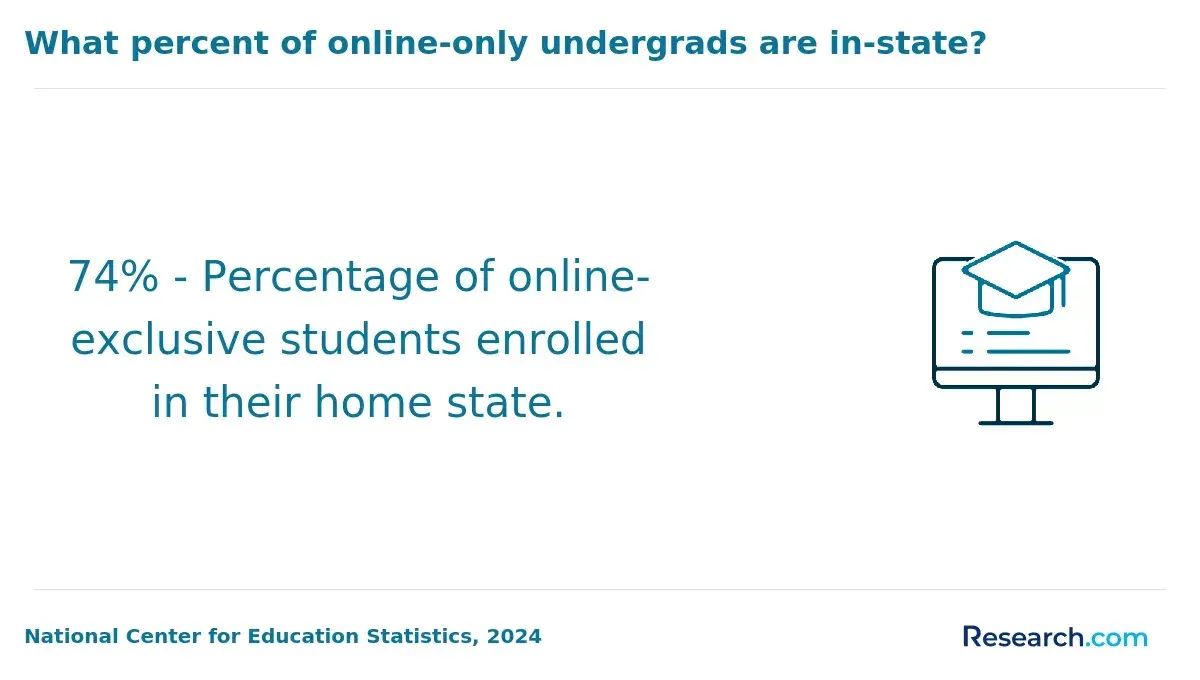
According to data from the National Center for Education Statistics, about 75% of postsecondary students in the U.S. have engaged in at least one distance learning course, illustrating the importance of verified accreditation in this growing educational format. Both online and in-person data science programs undergo equivalent evaluations involving curriculum review, faculty expertise, and student support services, providing assurance of consistent educational value across delivery formats.
When I spoke with a graduate of an online data science degree program about accreditation, he shared that verifying the program's accredited status was a significant factor in choosing where to enroll. He described the initial uncertainty about how employers would view his online credential but found reassurance through the program's transparent accreditation documentation.
The process of balancing coursework with a full-time job was challenging, yet knowing the degree met established academic standards helped him stay motivated. He emphasized that this validation was pivotal not only for his career prospects but also for gaining confidence in the legitimacy of his learning experience.
Accreditation is an important factor for students aiming to enter licensed or regulated roles within data science, as it influences eligibility for certification and compliance with industry standards. The following points highlight how accreditation shapes licensure prospects and career advancement:
- Licensure Exam Eligibility: Graduating from an accredited program is often required to qualify for professional exams in specialized data science fields, confirming that candidates have met essential educational standards.
- Licensing Board Requirements: Many state or regional boards mandate that applicants hold degrees from accredited institutions to ensure the legitimacy and rigor of their academic preparation before granting licensure.
- Employer and Regulatory Recognition: Accreditation serves as a mark of quality, increasing the likelihood that employers and regulatory bodies will acknowledge the candidate's credentials as credible and trustworthy.
- Limitations Without Accreditation: Students from non-accredited programs may face challenges such as being barred from professional certifications, encountering difficulties in securing employment, losing access to financial aid, and having restricted options for advanced licensure or graduate training.
Verifying the accreditation status of a data science degree ensures that students can meet professional requirements and maintain flexibility in their career pathways within regulated sectors.
Credit transferability is a significant concern for students who may switch schools, pursue advanced degrees, or relocate, as it influences their time to graduate and overall educational expenses. Several factors determine whether credits earned from an accredited data science program will be accepted by another institution.
- Institutional Accreditation Type: Credits from regionally or nationally accredited schools tend to be accepted more widely since accreditation certifies that an institution meets recognized quality standards, which reassures receiving schools about the validity of prior coursework.
- Course Equivalency and Curriculum Alignment: Transfer acceptance often depends on how closely the original courses match in content, rigor, and learning outcomes to those offered by the new school, ensuring that transferred credits fit seamlessly within the new program's requirements.
- Receiving School Transfer Policies: Each institution enforces unique transfer rules that might restrict credit acceptance through residency requirements or articulation agreements, which can influence how many previously earned credits apply to a new degree plan.
- Limits on Transfer Credits: Many schools set caps on the number or percentage of credits that can be transferred, often requiring students to complete a certain minimum number of credits on-site, which impacts the overall transferability of credits.
When I spoke with a graduate of a data science degree program about her experience transferring credits, she explained how navigating this process was both challenging and enlightening. Although her original institution was accredited, the new school scrutinized each course's syllabus and learning outcomes carefully. "It wasn't just a simple transfer; I had to provide detailed coursework descriptions and sometimes even sit for placement exams," she recalled.
This thorough evaluation delayed her program slightly but ultimately ensured that her transferred credits genuinely aligned with her new curriculum. She emphasized the importance of being proactive: "Reaching out to advisors early and keeping all documentation helped me avoid surprises." Her story illustrates that while credits from an accredited data science program often transfer, students must anticipate institutional differences and prepare for detailed credit evaluations when changing schools.
Accreditation is a critical determinant of eligibility for federal, state, and institutional financial aid, with about 85% of students receiving federal assistance enrolled in accredited programs. This highlights the importance of accreditation in securing financial support.
Key factors influencing aid access include:
- Federal Aid Eligibility: Accreditation is required to access Title IV programs such as Pell Grants and federal loans. Without recognized accreditation, students are typically ineligible for these substantial funding sources, increasing reliance on private loans or self-funding.
- State and Military Benefits: Many state education benefits and military tuition assistance programs mandate enrollment in accredited institutions, ensuring that government funds are directed toward verified, reputable programs.
- Institutional Scholarships: Colleges and universities generally reserve institutional grants and scholarships for students in accredited programs, limiting financial aid opportunities when accreditation is absent.
- Financial Impact on Students: Lack of accreditation often results in higher out-of-pocket expenses, as non-accredited program attendees may face restricted funding options and fewer protections related to educational quality and credit transferability.
Accreditation is a crucial factor for students evaluating their career prospects and job market credibility in data science fields. Studies show that graduates from accredited programs experience about a 20% higher employment rate within six months after graduation than those from non-accredited institutions.
This advantage reflects the significant impact of accreditation on employability, which can be explained through several key factors.
- Employer Recognition: Accreditation ensures that the program curriculum aligns with current industry standards, giving employers confidence in the quality of education graduates have received. This validation makes hiring managers more likely to consider candidates from accredited programs, positively affecting job placement prospects.
- Professional Credibility: Graduates holding degrees from nationally recognized accredited data science programs are perceived as having mastered essential skills and knowledge. This professional credibility enhances their chances of landing interviews and receiving job offers in competitive markets.
- Certification Eligibility: Many advanced certifications and licensure programs require candidates to have completed degrees from accredited institutions. Accreditation often serves as a prerequisite for certifications like Certified Data Scientist credentials, opening doors for career advancement and specialized roles.
- Market Competitiveness: Accredited programs typically offer stronger connections with employers and more comprehensive career support, including internships and job placement services. This network effect makes graduates more competitive and better prepared for the evolving demands of the data science job market.
Awareness of these benefits helps prospective students make informed decisions when choosing among data science programs. It also highlights the importance of confirming accreditation status to ensure academic credibility, eligibility for financial aid, and alignment with long-term career goals.
For those interested in exploring the impact of education choices, resources such as the highest paying bachelor degrees can provide valuable insights into career outcomes associated with accredited programs.
Accreditation significantly influences earnings potential for data science graduates by validating the quality of education received. Recent labor market data indicate that graduates from accredited data science degrees earn an average starting salary between $85,000 and $110,000 annually, compared to $65,000 to $80,000 for those from non-accredited programs.
Several critical factors explain this wage gap:
- Employer Preference: Many employers prioritize candidates from accredited programs as accreditation confirms that the curriculum meets rigorous academic and industry standards, ensuring a well-rounded education.
- Eligibility for Advanced Roles: Accreditation often affects graduates' eligibility for higher-level positions or specialized certifications, which come with increased compensation and responsibility.
- Industry Recognition: Accredited programs carry stronger reputational weight within the field, making their graduates more competitive and sought-after in the job market.
- Long-Term Advancement: Graduates from accredited data science degrees tend to experience better career growth prospects, as employers value the credibility and assurance that come with accreditation.
Understanding the average salary increase for graduates of accredited data science degrees helps prospective students gauge the return on investment. Those considering where to enroll should also consider financial aid opportunities available at an accredited institution, especially by exploring options at the cheapest online college that accepts FAFSA.
For students researching whether graduates from accredited data science programs earn higher salaries in the US, these factors underscore the practical importance of verifying accreditation before enrolling.
What Graduates Say About Their Accredited Data Science Degree
- Meredith: "Learning about the significance of accreditation completely changed how I approached choosing my data science degree. I carefully checked the accrediting bodies and confirmed that my program met all the rigorous standards, which gave me confidence in the education I was receiving. Thanks to that accredited degree, I secured a role in a leading analytics firm where I'm continuously growing my skills. "
- Robin: "When I first started looking at data science degree programs, I underestimated the importance of accreditation. After some research, I realized how crucial it was to verify the legitimacy of the accreditor to avoid wasting time and resources. Completing an accredited program not only enhanced my knowledge but also greatly improved my credibility with employers. "
- Blythe: "Obtaining my accredited data science degree was a strategic decision that involved carefully verifying each program's accreditation status through official channels. This diligence ensured that my education was recognized and respected in the professional community. As a result, my degree has opened doors to advanced career opportunities and allowed me to contribute confidently to complex projects. "
Other Things You Should Know About Data Science Degrees
Data science degree programs maintain accreditation in 2027 by undergoing regular evaluations by accrediting bodies. These evaluations ensure programs meet curriculum standards, faculty qualifications, and resource adequacy. Programs must demonstrate continuous improvement and adherence to evolving industry standards to retain their accreditation status.
Yes, accrediting bodies typically require data science programs to include coursework covering key areas such as statistics, machine learning, data management, programming, and ethical considerations. The curriculum must balance theoretical knowledge with practical skills relevant to data analysis and interpretation. Programs must also provide opportunities for experiential learning through projects, internships, or research.
Check the institution in the U.S. Department of Education’s database and the program against the recognized institutional accreditor named by CHEA. For specialized review, verify whether the data science program is included under a board such as ABET or another field-specific accreditor listed on the school’s official accreditation page.
Yes, some data science degree programs hold regional accreditation, which validates the institution's overall quality but may not specifically assess the data science curriculum. Specialized accreditation focuses on the program's content, faculty, and outcomes particular to data science education. Prospective students benefit from programs that have both regional and specialized accreditation for the strongest assurance of program quality.
- Accreditation & Recognition | Data Science Institute https://www.datascienceinstitute.net/accreditation
- Bridging the Skills Gap with Data Science Certification https://bhrighu.in/blog/addressing-the-skills-gap-the-demand-for-data-science-certification-in-the-job-market
- Benefits Of Data Science Programs: Know The Details 2025 Guide| Timespro Blog https://timespro.com/blog/exploring-the-benefits-of-data-science-programs
- 15 Recruiters Reveal If Data Science Certificates Are Worth It https://www.dataquest.io/blog/data-science-certificate/
- Will credits from courses transfer to another school? - Statistics.com: Data Science, Analytics & Statistics Courses https://www.statistics.com/knowledge-base/will-credits-from-courses-transfer-to-another-school/
- The Benefits of Accredited Online Data Science Courses https://www.digitalregenesys.com/blog/the-benefits-of-accredited-online-data-science-courses
- Highest Paying Industries for Data Science | Careers & Salary https://www.discoverdatascience.org/a-salary-guide-to-careers-in-data-science/