2027 Different Types of Substance Abuse Counseling Degrees and Their Salaries

Co-Founder and Chief Data Scientist
The demand for skilled professionals in substance abuse counseling is rising rapidly as communities seek effective solutions to address addiction and behavioral health challenges. Employment in this field is projected to grow significantly over the next decade, reflecting an urgent need for trained counselors who can provide critical support and rehabilitation services. Choosing the right educational path is essential for those aspiring to build a rewarding career and maximize their earning potential within this expanding market. This article offers a detailed overview of the various types of substance abuse counseling degrees available and outlines the salary expectations that graduates can anticipate in this evolving profession.
Key Points About Different Types of Substance Abuse Counseling Degrees and Their Salaries
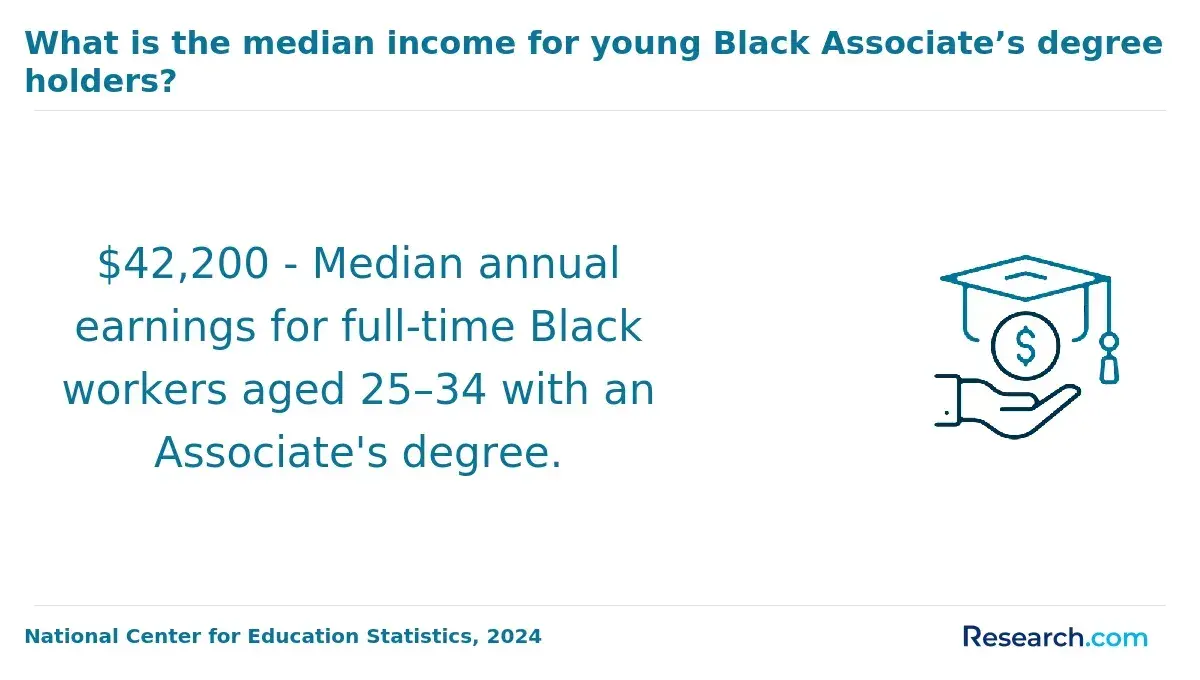
- Individuals with an associate degree in substance abuse counseling often qualify for entry-level positions such as case managers or behavioral health technicians, with median salaries around $35,000 to $40,000 annually, but advancement typically requires further education.
- Bachelor's degree holders tend to access a broader range of roles including licensed addiction counselors, where salaries rise to approximately $40,000 to $50,000 per year, reflecting greater responsibilities and the potential for state certification eligibility.
- Master's degree graduates, especially those obtaining licenses like Licensed Clinical Social Worker (LCSW) or Licensed Professional Counselor (LPC), see significantly higher earning potential with average salaries between $50,000 and $70,000 and more opportunities for supervisory or clinical roles with long-term career growth.
What are the different types of substance abuse counseling degrees available?
Understanding the various types and levels of substance abuse counseling degrees is crucial for students before selecting a program, as each degree caters to different career objectives and educational backgrounds. Knowing these distinctions helps students align their studies with their long-term professional goals and state licensing requirements.
Here is an overview of the main substance abuse counseling degrees and what sets each apart:
- Certificate in Substance Abuse Counseling: This program offers foundational knowledge about addiction, treatment approaches, and basic counseling techniques. It suits those looking for an introduction to the field or seeking to add credentials to an existing degree.
- Associate Degree in Substance Abuse Counseling: The curriculum covers counseling theories, addiction studies, and general education. Coursework includes assessment methods, case management, and group counseling essentials, preparing students for entry-level roles. Many students pursue this degree through an online accelerated associate's degree program to expedite their education.
- Bachelor's Degree in Substance Abuse Counseling: This broader curriculum incorporates psychology, behavioral sciences, counseling methods, and ethics. It enhances understanding of addiction and develops communication and critical thinking skills essential for effective counseling.
- Master's Degree in Substance Abuse Counseling: Graduate-level focus includes advanced counseling theories, clinical assessment, ethical practice, and supervised practicum experiences. This degree prepares students for professional licensure and independent clinical work.
- Graduate Certificate in Substance Abuse Counseling: Designed for individuals holding a prior degree in counseling or related fields, this certificate emphasizes advanced addiction counseling skills and knowledge necessary to serve substance use disorder populations.
- Doctoral Degree in Substance Abuse Counseling: These programs concentrate on research, clinical leadership, and high-level theory. Coursework typically includes research methodologies, supervision practices, and policy development aimed at preparing graduates as experts and leaders.
What specializations are available in substance abuse counseling degrees?
Specialization is a key factor when choosing a substance abuse counseling degree because it shapes your educational focus and aligns your skills with specific professional roles. Tailoring your studies to a particular area within the field helps ensure your training matches your career goals and licensure requirements.
Several common specializations exist within substance abuse counseling, each offering distinct training and career opportunities:
- Substance Abuse Counseling in Mental Health Settings: This specialization concentrates on treating co-occurring substance use and mental health disorders. Students develop integrated treatment planning and crisis intervention skills, preparing for work in hospitals, community mental health centers, and integrated care teams.
- Substance Abuse Counseling in Adolescent and Family Therapy: Focused on youth and family dynamics, this track emphasizes early intervention, prevention, and family systems strategies. Graduates often find roles in schools, juvenile justice programs, and family services organizations.
- Substance Abuse Counseling in Prevention and Recovery: Training includes designing community-based prevention initiatives and supporting long-term recovery. Career paths include prevention specialist, recovery coach, or program coordinator within public health agencies.
- Substance Abuse Counseling in Clinical Supervision and Leadership: Advanced coursework prepares students for supervisory and administrative roles, covering ethics and program management. This path is essential for clinical supervisor credentials and leadership positions.
- Substance Abuse Counseling in Research and Higher Education: Emphasizing research methods and evidence-based practice, this specialization suits those seeking academic, policy, or research careers and typically requires pursuing the easiest doctorate to get.
How long does it take to complete each type of substance abuse counseling degree?
Understanding the duration of substance abuse counseling degree programs is crucial for students planning their education and career paths. Knowing how long each program typically takes helps in setting realistic timelines and balancing other responsibilities. Below is an overview of the main substance abuse counseling degree types and their usual completion times.
- Associate Degree in Substance Abuse Counseling: This program generally takes about two years of full-time study to complete. Some students may finish faster by transferring credits from previous coursework or attending accelerated programs. Part-time and online options are widely available, allowing for greater flexibility in scheduling.
- Bachelor's Degree in Substance Abuse Counseling: Typically requiring four years of full-time study, a bachelor's degree offers more comprehensive training. Students balancing work or family commitments often extend this timeline by studying part-time. Many schools provide online or hybrid formats and accelerated tracks to help reduce the total study time.
- Master's Degree in Substance Abuse Counseling: A master's degree usually takes two to three years depending on the program structure and prior academic credits. Some programs offer accelerated paths lasting about 18 months. Online and evening courses are common, enabling students to complete their studies without pausing their careers.
- Doctoral Degree in Substance Abuse Counseling: Doctoral programs vary widely, often requiring four to six years to finish due to extensive research and clinical components. Part-time enrollment and dissertation progress influence the duration. Some universities provide hybrid models, but online options are limited due to the program's rigorous nature.
Breakdown of Private Fully Online Nonprofit Schools

Accelerated substance abuse counseling degree programs are designed to significantly reduce the time needed to achieve certification or graduation compared to traditional paths. Many institutions offer fast-track certificate programs that condense the required coursework and supervised practicum hours into a shorter period, sometimes as brief as six to seven months for entry-level certification.
While associate and bachelor's degrees in substance abuse counseling generally require two to four years, some programs allow students to finish more quickly by accepting transfer credits, offering condensed courses, or running year-round terms without the usual academic breaks.
Common formats for these accelerated programs include condensed courses, where students complete multiple intensive sessions often finishing one course per month; year-round terms that eliminate semester-long pauses; transfer credits that reduce total required coursework based on prior education or relevant experience; and concurrent practicum hours, enabling students to gain hands-on experience alongside classroom studies, further shortening overall duration.
Key considerations for those pursuing accelerated substance abuse counseling programs involve managing the heightened workload and meeting eligibility requirements. The fast pace demands strong time-management skills and motivation, as students juggle multiple assignments, active online participation, and practical training simultaneously.
Eligibility typically requires at least a high school diploma or equivalent for certificate programs, while transfer credit acceptance varies widely for associate and bachelor's degrees. Although accelerated options provide quicker entry into the workforce-where the average annual salary for substance abuse counselors is approximately $49,710-prospective students should carefully assess the stress and sustained effort necessary to maintain progress throughout these intensive programs.
When asked about his own journey, a graduate of an accelerated substance abuse counseling degree program reflected on the challenges and rewards of his experience. He described how managing a full course load with simultaneous practicum hours demanded a disciplined daily routine and frequent prioritization of tasks. "There were times when the workload felt overwhelming, but knowing I was moving toward my goal kept me focused," he shared.
The continuous, year-round study schedule left little downtime, but it also helped him stay engaged and quickly apply what he learned in real-world settings. He emphasized that strong support from instructors and peers was crucial to navigating the fast pace. Looking back, he appreciated how the program's structure pushed him to develop resilience and effective time-management skills, making him feel well-prepared for the demands of his counseling career.
Online substance abuse counseling degree programs maintain academic standards equivalent to traditional, campus-based programs due to rigorous accreditation requirements. Both online and in-person programs cover the same core curriculum, including substance use disorders, counseling methods, and behavioral health.
Additionally, they require significant in-person practicum or internship hours to provide essential hands-on experience. For instance, associate's degrees typically demand 324-650 hours of supervised practicum, while bachelor's programs may require over 1,000 hours.
Online programs often deliver coursework asynchronously, offering greater flexibility for working adults, but students may need to arrange their own local practicum placements. Accreditation by recognized bodies ensures that both formats meet professional and educational standards, and most states accept online degrees from accredited institutions for licensure, provided practicum requirements are met.
Employer acceptance of online substance abuse counseling degrees has grown significantly in recent years due to the rise of reputable universities offering online options and the increasing demand for qualified counselors. The National Center for Education Statistics reports that the average annual cost for online counseling degrees is about $22,500, compared to nearly $34,000 for in-person programs, making online education an attractive and practical choice. Leading programs are specifically designed to align with national credentialing standards and prepare graduates for certification exams.
Ultimately, the credibility of a substance abuse counseling degree depends more on the reputation and accreditation of the institution than on whether the coursework was completed online or in-person. Employers primarily focus on whether candidates graduated from an accredited program and completed required practicum hours rather than on the delivery method.
Understanding the tuition differences across substance abuse counseling degree levels is crucial for effective budgeting and long-term financial planning. Knowing the typical costs associated with each degree helps students make informed decisions about their education investments. Below is an outline of the typical tuition ranges for each type of Substance Abuse Counseling degree.
- Associate Degree in Substance Abuse Counseling: Tuition for associate programs usually ranges from $3,000 to $10,000 per year at public community colleges, with private colleges potentially charging higher rates. These programs take about two years to complete and are often the most affordable route for entering the field. Many students can access federal Pell Grants, state aid, or local scholarships that help reduce the financial burden.
- Bachelor's Degree in Substance Abuse Counseling: Annual tuition for bachelor's programs varies widely, averaging around $34,000 for traditional in-person programs and approximately $22,500 for online options. Some fully online schools offer tuition as low as $8,000 per year, while private institutions may charge upwards of $30,000 annually. Financial aid, including scholarships specifically related to behavioral health, is commonly available, especially through federal and state programs.
- Master's in Substance Abuse Counseling: Master's programs generally cost between $8,000 and $32,000 per year, influenced by factors like public versus private institutions and delivery format (online or on-campus). Some high-ranking public universities provide in-state tuition under $10,000, whereas private schools often exceed $30,000. Graduate students may also have access to assistantships, fellowships, and scholarships such as the NBCCF Minority Master's Fellowship, which awards up to $8,000.
- Graduate Certificates in Substance Abuse Counseling: Post-bachelor's certificate programs typically cost between $4,000 and $15,000 total, depending on program length and school. Many of these certificates are offered online and can be eligible for employer tuition reimbursement or state workforce development grants, making them a flexible and cost-effective option for career advancement.
When asked about managing the cost of her degree, a graduate of a substance abuse counseling degree program reflected on her journey with thoughtful insight. She shared that combining scholarships with a part-time job was key to making tuition manageable, noting, "It wasn't easy, but planning ahead helped me avoid significant debt."
She also emphasized the value of choosing a program that offered flexible online courses, which allowed her to work while studying. Her experience affirmed that careful financial planning and exploring all aid options can make these degrees accessible. Ultimately, she felt that the investment in her education opened doors to fulfilling opportunities in counseling, making the cost worthwhile in both personal and professional terms.
The level of education you achieve in substance abuse counseling significantly influences the career opportunities available and the types of roles you can qualify for. Higher degrees open doors to advanced clinical positions and supervisory roles, while entry-level degrees prepare graduates for supportive and paraprofessional work.
Below is a breakdown of common job options for each substance abuse counseling degree type.
- Associate Degree in Substance Abuse Counseling: Graduates with an associate degree typically qualify for entry-level roles such as substance abuse counseling assistant or peer recovery specialist. These jobs involve supporting licensed counselors, facilitating group activities, and providing community outreach in treatment centers, correctional facilities, or nonprofit agencies. Salaries for peer recovery specialists generally start around $40,000 annually. For those looking to start quickly, this is often the fastest way to get an associate's degree online and enter the field.
- Bachelor's Degree in Substance Abuse Counseling: A bachelor's degree allows graduates to work as substance abuse counselors under supervision, case managers, or adolescent addiction counselors. Responsibilities include individual and group counseling, treatment planning, and coordinating care in outpatient clinics, schools, or residential programs. Median salaries range from $40,000 to $50,000, depending on experience and location.
- Master's Degree in Substance Abuse Counseling: Master's degree holders can become licensed clinical substance use disorder counselors, with the ability to diagnose, develop treatment plans, and work independently or supervise others. Employment settings include hospitals, private practices, and specialized treatment centers. Salaries often reach $58,000 to $61,000 or higher, particularly in hospital environments.
- Doctoral Degree (PhD) in Addiction Counseling: Doctoral graduates pursue roles in academia, research, or policy advising as university professors, clinical supervisors, or analysts in government and research organizations. These positions involve teaching, clinical research, and advancing best practices in substance abuse treatment.
Degree level often influences earning potential in the field of substance abuse counseling, making it a critical factor for students to consider when planning their careers. Understanding how salaries differ by degree type can help students make informed educational and career decisions. Below is an overview of typical salary ranges by degree, highlighting how various factors impact pay and long-term growth opportunities.
Here are typical salary ranges for substance abuse counselors based on their academic qualifications:
- Associate Degree in Substance Abuse Counseling: Entry-level counselors with an associate degree usually earn between $44,000 and $47,000 per year, primarily working in community health centers or outpatient facilities. Salaries may increase to $59,000-$65,000 for those advancing into supervisory or specialized roles, but overall growth and earning potential are often limited compared to higher degree holders.
- Bachelor's Degree in Substance Abuse Counseling: Those holding a bachelor's degree typically start with higher average salaries around $53,710, commonly employed in hospitals, government agencies, or private practice. With 5-10 years of experience, earnings can rise to $70,000-$95,000, especially in management or specialized treatment positions, reflecting broader job opportunities and growth than the associate level.
- Master's Degree in Substance Abuse Counseling: Counselors with a master's degree often earn between $80,000 and $108,000, particularly when filling clinical or leadership roles. The advanced degree can yield approximately $12,000 more annually compared to a bachelor's degree and qualifies graduates for treating co-occurring mental health disorders, contributing to higher pay and greater career advancement.
- Doctoral Degree or Advanced Certifications: Although less common, substance abuse counselors with doctoral degrees or certifications such as LAADC command salaries frequently exceeding $100,000, depending on factors like location and employer. These positions typically encompass research, administrative, or advanced clinical responsibilities, offering the highest earning potential in the field.
Salaries also differ based on region, employer type, and the demand for substance abuse services. Those seeking financial assistance for further education and wanting to compare schools may find it helpful to explore options for online classes financial aid 2025 as part of their planning to maximize both educational outcomes and earning potential.
There is an exceptionally high demand for substance abuse counseling degree holders in the current U.S. job market, driven by multiple factors including emerging technologies, workforce needs, and regional disparities. Technologies such as telehealth have expanded access to counseling services, especially in rural and underserved areas, creating new opportunities for professionals skilled in remote care.
Workforce challenges like high turnover rates and retirements have intensified the need for well-trained counselors, particularly those with specialized knowledge in co-occurring mental health disorders. Additionally, areas with high rates of substance use-both urban centers and remote regions-are experiencing significant shortages of qualified counselors.
Military and veteran support programs also contribute to this demand due to the prevalence of substance use disorders among service members. For students exploring their educational options, it is helpful to consider enrolling in programs recognized in top trade colleges online to gain relevant skills and credentials.
The consistent growth in federal and state funding for addiction treatment, combined with a societal shift toward reducing stigma around recovery, continues to expand employment settings.
Counselors today find opportunities not only in traditional hospitals and outpatient clinics but also in harm reduction centers and telehealth platforms. This broad range of career options supports a positive outlook for graduates holding degrees in substance abuse counseling, particularly those with bachelor's or master's level education.
As demand outpaces the available workforce, new professionals can expect strong job prospects and a supportive labor market that values their expertise and training.
Choosing the right degree level in substance abuse counseling is a critical decision that directly impacts your career path, earning potential, and ability to practice independently. Aligning your education with your professional goals and personal circumstances ensures you make the most of your time and financial investment. Below are key factors to consider when selecting the appropriate degree type.
- Career Goals and Independence: Your desired role in the substance abuse counseling field determines the minimum degree you need. While a bachelor's degree usually meets certification requirements and prepares you for standard counselor positions, advanced roles such as clinical leadership or private practice often require a master's degree, which qualifies you for professional licensure like CADC or LADC credentials.
- Time Commitment and Financial Investment: Bachelor's programs typically take around four years, whereas master's programs require two to three years of study. Consider how much time you can dedicate and your financial situation, as this affects whether you pursue education full-time or alongside work.
- State Licensure Requirements: Credentialing standards differ widely across states. Some accept a bachelor's degree for certification, while others mandate a master's degree for advanced licensure. Researching your state's specific rules helps ensure your degree aligns with local regulations and practice opportunities.
- Supervised Experience Hours: Licenses demand varying supervised experience, ranging from 2,000 to 6,000 hours. Understanding these requirements allows you to plan your career timeline effectively and decide if you can meet these while working or studying.
What Substance Abuse Counseling Graduates Say About Their Degree and Salary
- Jasmine: "Completing my bachelor's degree in substance abuse counseling was a transformative experience that equipped me with a deep understanding of addiction and recovery processes. The program's blend of theory and hands-on internships allowed me to confidently step into a community outreach role immediately after graduation. What I love most is seeing the tangible impact our support has on youth, helping them reclaim their lives and build brighter futures. This degree opened doors I hadn't imagined and gave me a purpose-driven career that I cherish every day."
- Miguel: "As someone who pursued a master's degree in substance abuse counseling, I found the opportunity to specialize in trauma-informed care particularly rewarding. The advanced coursework challenged me intellectually and enhanced my ability to address complex client needs. Starting my career with this credential meant gaining rapid trust from employers and clients alike, paving the way for leadership roles in clinical settings. It's empowering to apply what I've learned while continuously growing professionally in a field that demands compassion and dedication."
- Ayesha: "After earning my associate degree in substance abuse counseling, I was pleasantly surprised by the job stability and community respect that followed. The program was intense but practical, preparing me to work in diverse environments from rehabilitation centers to schools. Personally, it sparked a profound sense of responsibility toward my community's well-being, motivating me to volunteer beyond my job. This degree has been a stepping stone to ongoing education and meaningful connections with those I serve."
Other Things You Should Know About Substance Abuse Counseling Degree Programs & Salaries
To enroll in a substance abuse counseling degree program in 2027, you typically need a high school diploma or GED. Some programs may require prerequisite coursework in psychology or sociology, as well as letters of recommendation and a personal statement.
In 2027, substance abuse counselors typically need to pass a state-approved exam, such as the National Counselor Examination. A specified number of supervised clinical hours is often required as well, which varies by state.
- Addictions Counseling | Special Programs https://www.monroecc.edu/special-programs/addictions-counseling/
- Evaluation of Online Counseling through the Working Experiences of Mental Health Therapists Amidst the COVID-19 Pandemic https://pmc.ncbi.nlm.nih.gov/articles/PMC10888081/
- 2025 Best Online Substance Abuse Counseling Degrees https://www.onlineu.com/degrees/substance-abuse-counseling
- Online Courses for Substance Abuse Counselors | All Psychology Schools https://www.allpsychologyschools.com/online-degrees/counseling/
- Online Substance Abuse Degree Concentration https://www.snhu.edu/online-degrees/bachelors/ba-in-human-services/substance-abuse
- Bachelor of Science in Addiction Counseling | Substance Abuse Counseling Degree https://www.ottawa.edu/academics/school-of-arts-and-sciences/degree-programs/undergraduate/addiction-counseling
- Substance Abuse, Behavioral Disorder, and Mental Health Counselors https://www.bls.gov/ooh/community-and-social-service/substance-abuse-behavioral-disorder-and-mental-health-counselors.htm
- Alcohol and Drug Abuse Counseling | UCLA Extension https://www.uclaextension.edu/health-care-counseling/health-care-counseling-general/certificate/alcohol-and-drug-abuse-counseling
- How To Choose The Best Addiction Counseling Degree Program https://sobercollege.com/addiction-blog/how-to-choose-the-best-addiction-counseling-degree-program/
- Substance Abuse Counselor Degrees - Education, License and Certification | AddictionCounselor https://addiction-counselor.org/degrees/