
2027 Return on Investment (ROI) of a Substance Abuse Counseling Degree Program

Co-Founder and Chief Data Scientist
A prospective student faces uncertainty about whether investing time and money in a substance abuse counseling degree will yield meaningful career advancement and financial stability. The U. S. Bureau of Labor Statistics projects a 22% growth in employment for substance abuse, behavioral disorder, and mental health counselors from 2022 to 2032, indicating strong demand in the field. However, concerns about student debt and job placement rates persist. This article examines the return on investment of a substance abuse counseling degree by analyzing costs, salary expectations, and industry trends, equipping readers to make informed decisions about their educational and professional futures.
Key Things to Know About Substance Abuse Counseling Degree ROI
- Graduates can expect a median annual wage of approximately $47,660, with potential for increases as they gain experience and certifications.
- Substance abuse counseling offers strong job stability due to growing demand in healthcare and social services sectors, projected at 18% growth through 2032.
- Flexibility in employment settings allows professionals to work in hospitals, private practice, or community outreach, enhancing long-term career advancement opportunities.
How Is ROI Calculated for a Substance Abuse Counseling Degree Program?
Return on investment (ROI) in higher education evaluates the financial benefits gained from completing a degree relative to its total cost and time commitment. This metric helps prospective students compare the value of various programs by considering if their investments will lead to worthwhile career and salary advancements.
Several key factors come into play when calculating return on investment for substance abuse counseling degrees. These help form a realistic picture of the overall value of the program:
- Tuition and fees: This includes all direct expenses like tuition, mandatory fees, and course materials. Precisely accounting for these costs provides the baseline investment required.
- Opportunity cost: Time spent studying often means lost income from not working, which is an important part of calculating total investment during the program.
- Time to completion: The length of the program affects both tuition and how long graduation is delayed, impacting the student's earning potential and overall ROI.
- Post-graduation salary outcomes: Expected earnings as a licensed substance abuse counselor after completing the degree represent the primary financial return and the speed at which initial costs may be recovered.
- Career advancement and long-term earnings: Over time, increased qualifications and experience can lead to higher salaries and better job opportunities, further improving ROI.
For prospective students interested in calculating return on investment for substance abuse counseling degrees, considering these factors is essential to make an informed decision. Additionally, exploring affordable options and related fields such as AI degrees may also be worthwhile for career flexibility and diversification.
How Much Does a Substance Abuse Counseling Degree Program Cost?
Accurately assessing the return on investment (ROI) of a substance abuse counseling degree requires a clear picture of all associated costs. Notably, graduate tuition and fees in the U.S. have surged nearly 30% over the last ten years, intensifying student debt concerns. Considering every financial aspect is vital when planning this educational path.
Several cost factors influence the overall investment required:
- Tuition and fees: These are the main expenses and differ depending on whether the program is online, in-person, or hybrid, as well as the institution's type.
- Books and materials: Students should budget for required textbooks, software, and other supplies, which can total several hundred dollars annually.
- Living or relocation expenses: Those who move or attend full-time programs away from home face added costs for housing, food, and transportation, significantly elevating total outlays.
- Opportunity cost: Time dedicated to classes and studying often means less time available for paid work or career progression, representing an indirect but meaningful expense.
- Hidden or indirect costs: Additional fees may include licensure exam payments, background checks, or post-graduation certification expenses that are sometimes overlooked.
When I discussed these financial realities with a recent substance abuse counseling graduate, he recalled feeling overwhelmed during the application and funding process. "I didn't expect how much juggling was needed-not just balancing classes and work, but also managing unexpected expenses with limited savings," he shared. He emphasized that while the education was rewarding, the journey involved managing stress from both financial and time commitments, underscoring that costs extend beyond tuition alone.
What Financial Aid Is Available for Substance Abuse Counseling Degree Programs?
Financial aid significantly reduces upfront education costs, enhancing the long-term return on investment for students pursuing a substance abuse counseling degree. By minimizing the need for large loans, it helps graduates avoid excessive debt and financial strain after graduation.
Recent studies indicate that approximately 85% of U.S. graduate students have accessed some form of financial aid, reflecting broad availability of funding opportunities that improve affordability and value.
Common financial aid options that support substance abuse counseling students include:
- Scholarships: Awarded based on merit or financial need, scholarships lower overall expenses without requiring repayment, directly decreasing student debt and improving ROI.
- Grants: Typically government-funded, grants offer free money to cover tuition or related costs, easing financial burdens and increasing affordability.
- Fellowships: Often granted to graduate students, these provide stipends or tuition coverage in exchange for research or teaching, offsetting costs while adding professional experience.
- Employer tuition assistance: Some employers subsidize educational expenses for employees advancing in their careers, reducing personal out-of-pocket costs and debt accumulation.
- Federal student loans: Although loans require repayment with interest, federal options usually have lower rates and flexible terms, making debt more manageable than private loans.
The duration needed to finish a substance abuse counseling degree plays a significant role in its ROI by influencing opportunity costs, earlier income possibilities, and overall education expenses. How long a program takes directly affects when graduates can start earning and how much they pay in tuition and related costs.
Several important factors shape how quickly students complete their degree and subsequently impact financial returns:
- Full-time vs part-time: Full-time enrollment generally leads to faster graduation, allowing individuals to enter the workforce sooner and start earning earlier. Part-time study may extend program length but offers flexibility for working students, which can balance income and education expenses.
- Online and accelerated programs: These formats can significantly reduce completion time by offering greater flexibility and condensed course schedules, lowering costs and enabling quicker entry into careers.
- Transfer credits: Students who bring credits from prior education can shorten the time required by skipping foundational courses, which reduces tuition expenses and speeds up workforce entry.
- Practical requirements: Internships, practicums, or thesis components add valuable hands-on experience but may lengthen program duration depending on the program's design.
- Scheduling flexibility: Programs accommodating varied schedules help students balance other commitments, though pacing progress may slow, affecting overall completion time and costs.
When I asked a graduate of a substance abuse counseling degree about her experience with program duration, she reflected on the blend of challenges and benefits. She mentioned, "Balancing part-time work alongside coursework was tough, but the flexibility meant I wasn't forced to sacrifice income." She also noted that completing required internships added an extra semester but "gave me confidence and real-world skills that I'm relying on daily." Her story highlights how finishing the degree timeline isn't just about the clock but involves navigating personal circumstances and gaining essential experience-showing the complex ways time to completion can affect both ROI and career readiness.
The delivery format of substance abuse counseling programs can significantly affect their return on investment (ROI) through differences in cost, flexibility, and career outcomes. In recent years, 45% of U.S. higher education students took at least one online course, reflecting the growing acceptance of virtual learning environments that often reduce expenses and time commitments. Evaluating online vs on-campus substance abuse counseling ROI reveals important distinctions for prospective students and working professionals.
Key factors influencing the ROI comparison include:
- Tuition and fees: Online programs generally charge lower tuition and fees, making the initial financial investment more affordable than many on-campus options.
- Opportunity cost: Flexible scheduling in online programs allows students to maintain employment, reducing lost income and minimizing overall opportunity costs.
- Time to completion: Online formats often accelerate degree completion, which can shorten the period before career advancement or salary increases.
- Networking and career services: On-campus programs tend to offer stronger direct access to career resources and peer networks that may enhance job placement rates and long-term connections.
- Employer perception and earning potential: While earning potential and employer perception are generally comparable, regional and industry variations can influence outcomes for graduates from either format.
For those interested in accelerated options, exploring 1 year MSW programs online no BSW can provide insights into fast-track pathways that complement substance abuse counseling specializations.
When assessing substance abuse counseling program ROI comparison, it is crucial to balance cost savings and flexibility against networking and career advancement opportunities tied to each delivery method.
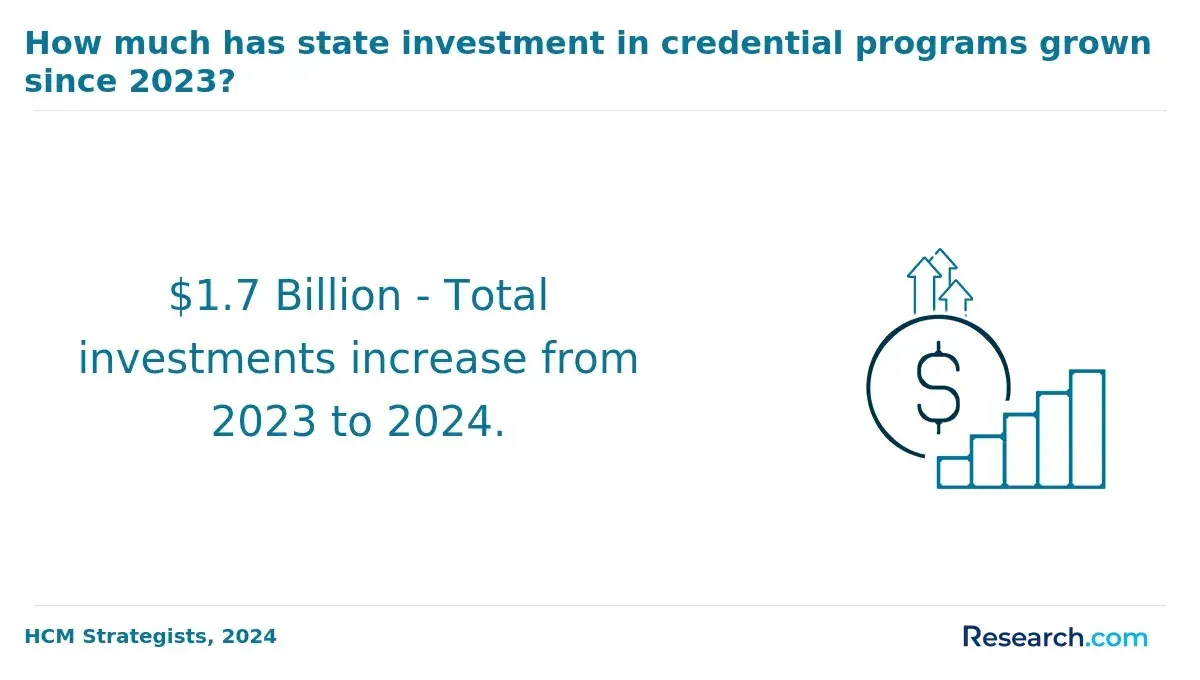
Post-graduation salary plays a crucial role in assessing the return on investment (ROI) of a substance abuse counseling degree, as it largely determines how quickly graduates can offset their educational costs. The average salary for substance abuse counselors in the US typically ranges from $35,000 to $60,000 annually. Entry-level counselors usually earn between $30,000 and $40,000, while those with experience or advanced credentials may see salaries from $50,000 to $60,000 or more.
Several factors influence typical earnings after substance abuse counseling degree completion and, by extension, affect financial ROI:
- Industry: Salaries tend to be higher in private clinics or healthcare settings compared to non-profit organizations, offering better financial returns.
- Geographic Location: Urban regions or areas with a higher cost of living often provide elevated wages, improving salary prospects for graduates.
- Prior Experience: Candidates with healthcare or social services backgrounds may command higher starting salaries, accelerating ROI.
- Specialization: Counselors working with niche populations, such as adolescents or veterans, might access premium-paying roles that enhance earnings.
- Career Level: Advancement into supervisory or administrative roles significantly boosts income potential and long-term financial gains.
These dynamics help prospective students evaluate whether the investment in a substance abuse counseling degree aligns with their financial and career objectives. Those interested in similar areas might explore accredited marriage and family therapy programs online for additional career paths and potential earnings via accredited marriage and family therapy programs online.
Promotions contribute significantly to the return on investment (ROI) of earning a substance abuse counseling degree by bringing higher salaries, broader responsibilities, and increased career mobility. These advances help offset the time and cost involved in obtaining the degree. A notable workforce trend is the growing emphasis on credential-based promotion, where many employers require advanced degrees for supervisory and management roles.
Key ways this degree enhances promotion opportunities and ROI include:
- Credential Requirements: Many higher-level positions mandate formal education credentials, so earning a substance abuse counseling degree fulfills essential criteria for advancement.
- Leadership Preparation: The degree equips candidates with the leadership and clinical expertise needed to manage teams and oversee programs effectively, making them strong candidates for supervisory roles.
- Employer Tuition Support: Employees often receive tuition assistance when pursuing the degree, which, combined with subsequent promotions, increases the overall financial benefit of the investment.
- Internal Promotion Policies: Organizations that prioritize career advancement from within frequently support employees obtaining advanced credentials, accelerating promotional opportunities for degree holders.
- Experience and Education Synergy: Combining hands-on experience with formal education is highly valued by employers during promotion reviews, improving eligibility for higher positions.
For career changers and those seeking career advancement with a substance abuse counseling degree, these factors collectively enhance the path to stronger promotional opportunities after counseling degree completion. Additionally, those interested in optimizing educational timelines might explore accelerated online bachelor degree programs that can further shorten the time to career benefit.
Return on investment (ROI) for substance abuse counseling graduates varies notably by industry due to differences in salary levels, career progression pathways, and the demand for specialized skills in mental health services. Industries that combine competitive compensation with clear career advancement offer the best financial returns over time. Below are key sectors delivering strong ROI for graduates.
Industries commonly providing high ROI for substance abuse counseling graduates include:
- Healthcare Facilities: Hospitals and outpatient clinics typically offer higher starting salaries and comprehensive benefits. These settings also provide opportunities for specialization and promotion, enhancing both earnings and career growth.
- Government and Public Sector: Federal, state, and local government roles deliver stable employment and excellent benefits. Clear career ladders in these agencies contribute to steady compensation increases and job security.
- Private Rehabilitation Centers: Centers focused on addiction treatment often reward specialized counseling skills with performance incentives. This fosters upward mobility and income growth as professionals gain experience.
- Nonprofit Organizations: While initial salaries may be moderate, nonprofits offer unique skill-building opportunities and potential advancement into leadership or program management, supporting long-term career development.
- Corporate Employee Assistance Programs (EAPs): These programs blend clinical counseling with workplace wellness initiatives. Competitive salaries and diverse client exposure support strong career trajectories in this sector.
Graduates considering the best career paths ROI substance abuse counselors should also evaluate educational options carefully, including cost and financial aid. Exploring cheapest online colleges that accept FAFSA can help minimize education expenses while maximizing potential returns.
Accreditation in substance abuse counseling degree programs signifies validation by an official body that the program adheres to established educational standards. This recognition plays a vital role in determining the program's return on investment because employers frequently prefer graduates from accredited programs, improving their employment prospects and earning capacity. Additionally, many states mandate graduation from accredited programs to qualify for licensure or certification, a crucial step for professional practice. Such requirements shape career opportunities by setting a baseline for eligibility and acceptance in the workforce.
Beyond immediate job market advantages, accreditation enhances long-term ROI by fostering employer confidence through assurance of curriculum quality and program rigor. Accredited programs often allow students to access federal financial aid, which reduces the financial burden and increases affordability. Transferability of earned credits toward advanced degrees is another benefit, promoting academic progression and career development. Furthermore, accreditation supports eligibility for professional licensure and facilitates mobility across different regions and workplace settings, ensuring career flexibility and sustained growth.
Evaluating the return on investment for a substance abuse counseling degree involves considering several financial and career factors. The cost and length of the program, often ranging from two to four years, directly influence the overall investment. Graduates typically earn between $35,000 and $50,000 annually, which is moderate compared to other healthcare roles. Career growth is possible through experience and additional certifications, potentially leading to higher-paying supervisory or specialized positions. Employment outlook for this field is positive, reflecting increasing awareness of mental health and addiction treatment needs.
The degree's value depends on individual circumstances and market conditions. Strong industry demand and flexible program options, including online formats, can enhance affordability and access. Financial aid and employer tuition reimbursement play important roles in reducing initial costs. Ultimately, the return on investment is highest for those motivated by personal goals and a commitment to supporting others, while weighing geographic job availability and opportunity costs is essential for making an informed decision.
What Graduates Say About The ROI of Their Substance Abuse Counseling Degree
- Ramon: "Choosing to pursue a substance abuse counseling degree was one of the best investments I've made. The average cost of attendance was reasonable compared to other healthcare fields, and knowing I'm prepared to make a real difference in people's lives makes every dollar worth it. This traditional program gave me the hands-on experience and confidence to excel in my career. "
- Marcos: "I opted for the online substance abuse counseling degree because balancing work and study was essential for me. Although the cost was a bit higher than I initially expected, the flexibility and quality education promised a strong ROI by opening doors to new career opportunities and certifications. Earning my degree online truly transformed my professional path in ways I hadn't envisioned."
- Silas: "As a part-time student, I was wary about the financial commitment since the average program cost can add up, but I viewed it as a long-term investment in my career growth. Completing the substance abuse counseling degree at my own pace allowed me to continue working and apply what I learned in real time, enhancing my expertise and professionalism in the field. It's been a rewarding journey that proved invaluable both personally and professionally."
Other Things You Should Know About Substance Abuse Counseling Degrees
Many substance abuse counseling programs require 200 to 600 supervised practicum hours before graduation. These hours can improve ROI by helping students meet state licensure or certification standards faster and by building clinical experience that employers often expect for entry-level counseling jobs.
In 2027, work experience prior to enrolling in a substance abuse counseling degree program can enhance the ROI by equipping students with practical skills and possibly accelerating career advancement, leading to higher earnings and a quicker return on educational investment.
Yes, regional demand for substance abuse counselors varies across the U.S., affecting salary levels and job availability. Graduates in urban areas or states with higher addiction treatment funding may experience better financial returns compared to those in rural or underfunded regions.
- What Do Substance Abuse & Addictions Counselors Do? https://www.psychology.org/careers/substance-abuse-addiction-counseling/
- Substance Abuse Counseling – Nationally Accredited https://www.mohave.edu/academics/certificates/substance-abuse-counseling/
- Online Substance Abuse Degree Concentration https://www.snhu.edu/online-degrees/bachelors/ba-in-human-services/substance-abuse
- Addiction Studies: Comparing Online Vs. In-Person Programs https://sobercollege.com/addiction-blog/addiction-studies-comparing-online-vs-in-person-programs/
- CARF vs. Joint Commission: Behavioral Health Accreditation — Behavehealth.com https://behavehealth.com/blog/2025/2/16/introduction-to-accreditation-in-behavioral-healthcare
- Substance Abuse Counseling AA Degree Program | FVCC https://www.fvcc.edu/program/substance-abuse-counseling-aa
- Chair's Message: CACREP is a sound investment - CACREP https://www.cacrep.org/articles/chairs-message-cacrep-is-a-sound-investment/
- How To Become A Substance Abuse Counselor https://www.learnhowtobecome.org/substance-abuse-counselor/
- How Much Does an Addiction Counselor Make - ACI Rehab https://www.acirehab.org/how-much-does-an-addiction-counselor-make-66c77/


