2027 Best Online Master's in Environmental Science Degree Programs Ranking in Alabama

Co-Founder and Chief Data Scientist
Choosing the right online master's program in environmental science can be challenging, especially for Alabama students eager to make a positive impact.
This article features the 2027 Best Online Master's in Environmental Science Degree Programs Ranking in Alabama, developed by the Research.com team of data scientists.
It aims to guide you in making an informed choice by highlighting top programs worth considering.
Whether you want to advance your career or contribute to environmental solutions, earning this degree offers rewarding opportunities and personal growth.
Explore your options with confidence and take the next step toward a meaningful future.
Key benefits of getting online environmental science degree in Alabama
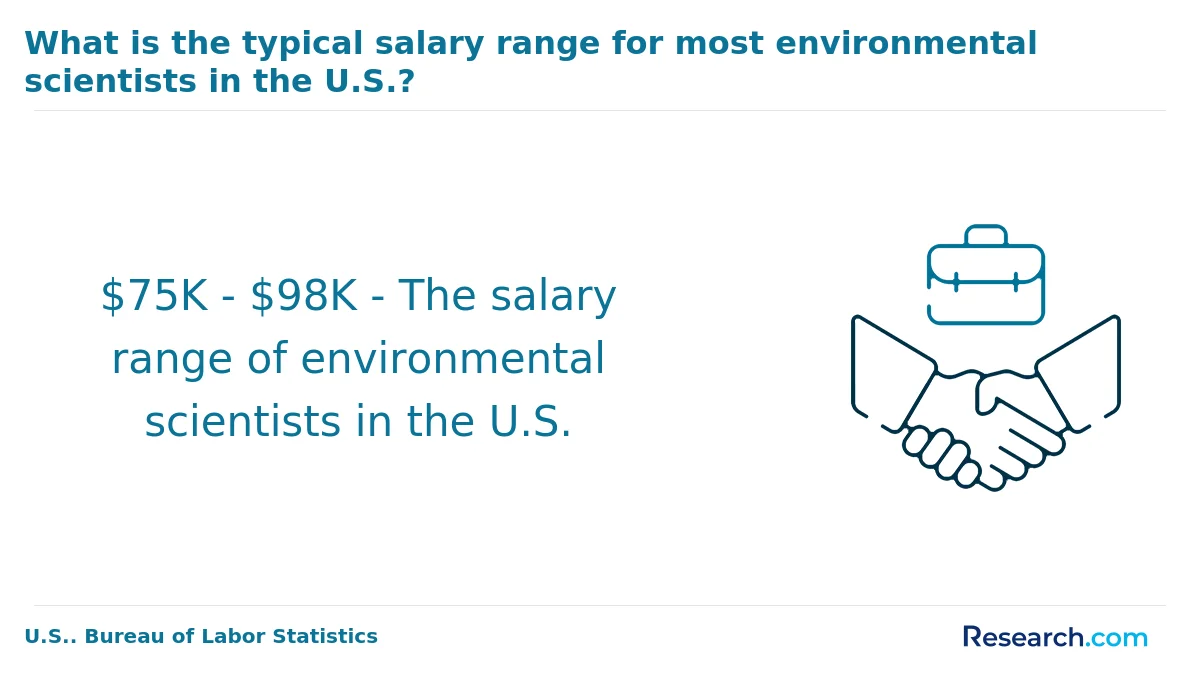
- The average salary for environmental science-related jobs in the US typically ranges from $50,000 to $70,000 per year, offering a rewarding income for graduates eager to make a difference.
- Graduates from the University of Alabama often find careers in conservation, environmental consulting, or government agencies, opening doors to diverse and impactful roles.
- Online degrees from institutions like Auburn University provide flexible learning schedules, allowing students to balance work while gaining valuable skills without relocating.
- 2027 Best Online Master's in Environmental Science Degree Programs Ranking in Alabama
- What can I expect from online environmental science degree in Alabama?
- Where can I work with online environmental science degree in Alabama?
What can I expect from online environmental science degree in Alabama?
The average cost of an online environmental science degree in Alabama generally ranges between $15,000 and $25,000 for the entire program, depending on the institution and number of credit hours. Graduates from universities like Auburn University and the University of Alabama share how investing in these programs was worth every dollar, as they gained comprehensive knowledge tailored to Alabama's unique ecosystems.
Many students find the tuition affordable compared to the rich educational experience they receive, which includes coursework on local environmental challenges such as water quality and habitat conservation. Imagine studying Environmental Impact Assessment or GIS from home while connecting virtually with local experts and applying real-world knowledge through Alabama-based case studies.
This combination of practical learning and reasonable cost makes pursuing an online degree in Alabama both accessible and rewarding. Graduates often describe a strong sense of purpose and excitement, knowing their education directly supports preserving Alabama's natural beauty and advancing their careers in a growing, meaningful field.
Where can I work with online environmental science degree in Alabama?
Graduates with an online environmental science degree from Alabama's respected universities find inspiring career paths across the state. Many step into roles at the Alabama Department of Environmental Management, where they actively protect air and water quality, helping ensure communities thrive in healthy environments. Others join federal agencies like the EPA or USGS, engaging in impactful research and conservation projects that shape policies affecting Alabama's unique ecosystems.
Private sector jobs at local consulting firms and energy companies offer fresh challenges, allowing graduates to create sustainable solutions that benefit both businesses and nature. Nonprofit organizations such as the Cahaba River Society provide rewarding opportunities for meaningful community outreach and ecological preservation-work that graduates often describe as deeply fulfilling.
University-affiliated research also attracts many alumni, who contribute to studies on Alabama's wetlands or coastal areas, applying their knowledge to real-world environmental issues. This dynamic blend of workplaces ensures graduates from Alabama's online programs can launch purpose-driven careers making a genuine difference in the state they love.
Graduates with an online environmental science degree in Alabama can look forward to rewarding career opportunities with competitive earnings. While specific salary data from official sources is limited, graduates from institutions such as the University of Alabama and Auburn University commonly report starting salaries ranging from $45,000 to $50,000. These entry-level roles often include exciting hands-on positions like field technicians or environmental compliance assistants, providing a valuable foundation in real-world environmental work.
As you gain experience and possibly earn advanced credentials, your earning potential grows significantly. Many mid-career professionals, especially those who combine their degree with internships or professional experience, earn between $65,000 and $75,000 annually. Some with specialized skills or working in private consulting can even surpass $80,000, particularly around urban hubs like Birmingham or Huntsville.
Graduates often share inspiring stories of contributing to local conservation projects or influencing sustainability policy, affirming that an environmental science degree in Alabama unlocks both economic and personal fulfillment.
- Tuition for online environmental science master's degrees in Alabama ranges from $15,000 to $30,000, with public universities generally offering lower costs for in-state students.
- Entry-level salaries for environmental science graduates in Alabama average around $47,000 per year, increasing to $65,000-$75,000 with experience.
- Job opportunities are common in government agencies, consulting firms, and organizations focused on conservation, sustainability, and clean energy.
- Programs often provide flexible schedules and focus on practical skills for local challenges like water quality, coastal conservation, and air pollution control.
- Accreditation by bodies such as the Southern Association of Colleges and Schools Commission on Colleges (SACSCOC) is important to ensure quality and eligibility for certifications.
- The lower cost of living in Alabama compared to the national average can make pursuing an online degree more affordable overall.
Completing an online environmental science degree in Alabama is an achievable and rewarding journey that typically takes about four years for full-time bachelor's students. Many graduates from institutions like the University of Alabama or Auburn University share how balancing studies with work and family commitments became smoother thanks to the flexibility of these programs.
Part-time students often embrace a pace that fits their busy lives, extending completion to five or six years-turning each semester's success into a personal milestone. Graduate students pursuing a master's degree can expect around two years of full-time study, though accelerated options let some finish in as little as 18 months, demonstrating the program's adaptability to individual ambition.
Whether driven by passion or career goals, students find encouragement in knowing they can tailor their studies, supported by Alabama's accredited institutions. The path might vary, but every step leads to meaningful progress and the exciting opportunity to contribute to our environment's future.
Choosing between an online or on-campus environmental science degree in Alabama opens exciting paths tailored to your lifestyle and goals. Online programs bring incredible flexibility, letting you study from home or anywhere in the state, perfect for balancing work, family, or other commitments. Graduates describe how asynchronous classes and virtual labs enhanced their self-discipline and time management, empowering them to learn at their own pace.
On the other hand, on-campus degrees at universities like the University of Alabama and Auburn University offer immersive experiences. Being physically present means access to cutting-edge labs, research centers, and hands-on fieldwork that spark collaboration and immediate feedback. Many on-campus students cherish the vibrant community atmosphere, where forming connections fuels both academic growth and lasting friendships.
Both options embrace rigorous accreditation standards and deliver the same respected credentials. By choosing what fits your life, you step confidently toward a rewarding career protecting Alabama's natural environment.
The average cost of an online environmental science degree in Alabama is approximately $12,060, making it a financially accessible option for many students eager to advance their careers. Graduates from well-known public institutions, such as the University of Alabama and Auburn University, often share how the manageable tuition fees allowed them to focus more on their studies and passion for environmental issues without the heavy burden of excessive debt. This affordability reflects Alabama's commitment to providing quality education in environmental science while supporting students' dreams of making a positive impact on the planet.
Many students pursuing an Alabama online environmental science degree total tuition fees find that the investment unlocks numerous professional opportunities in sustainability and conservation. Beyond tuition, these programs typically include reasonable additional costs for course materials and technology, which remain comparatively lower than those at private universities. This financial balance encourages learners to dedicate themselves fully to their studies, often leading to inspiring success stories of graduates passionately applying their knowledge to real-world environmental challenges.
For those thinking about the future, understanding the costs involved is crucial. Fortunately, Alabama's online programs sometimes offer in-state tuition rates to out-of-state students, providing even greater value. Students looking to further explore the benefits and outcomes may find it helpful to learn more about what can a master's in sustainability do for you, which showcases the exciting career possibilities unlocked by these degrees.
Students pursuing their online environmental science degree in Alabama often find encouraging financial aid options that make their academic dreams achievable. Graduates from institutions like the University of Alabama at Birmingham and Auburn University have leveraged federal financial aid by filling out the FAFSA to secure Federal Direct Loans and Graduate PLUS Loans, easing tuition concerns with manageable repayment plans.
State-based support from the Alabama Student Assistance Program (ASAP) provides need-based grants, which many online learners have utilized to help cover costs while balancing work and study. Numerous students have also benefited from merit scholarships awarded by Alabama universities when they maintain strong academic performance, fueling their drive to excel further.
Professional organizations, such as the Alabama Environmental Council, offer scholarships and fellowships that alumni have successfully obtained to support research projects, making education rewarding beyond the classroom. Many working professionals share how employer tuition reimbursement programs have transformed the possibility of continuing education, empowering them to grow in their careers without financial stress.
Enrolling in an online environmental science degree program in Alabama is an exciting journey that begins with a few clear prerequisites designed to set you up for success. Most programs, including those at well-regarded universities like the University of Alabama and Auburn University, expect applicants to hold a bachelor's degree, often in fields such as biology, chemistry, or environmental studies. This foundation helps you build confidence as you explore complex natural systems and innovative sustainability solutions.
Many graduates recall how prerequisites like coursework in general biology, chemistry, and mathematics prepared them for hands-on projects and data analysis in their online classes. Meeting a GPA benchmark around 3.0 showcases your dedication and readiness, while personal statements let you share your unique passion for protecting Alabama's rich natural heritage, from the Appalachian foothills to the Gulf Coast wetlands.
Providing letters of recommendation from mentors who understand your commitment to science gives your application a personal touch. Plus, having reliable internet and a capable computer ensures you stay connected and engaged, no matter where you study across Alabama. These steps open the door to making a real impact on the environment through your academic journey.
Students pursuing an online environmental science degree in Alabama typically immerse themselves in a diverse array of courses that build a strong foundation and practical expertise. Graduates from leading Alabama institutions often reflect on how classes like Ecology and Ecosystem Dynamics opened their eyes to the delicate balance of local wildlife and habitats, making conservation feel both urgent and achievable.
Courses in Environmental Chemistry and Soil Science help students understand the invisible forces shaping Alabama's rivers and farmlands, empowering them to tackle real environmental challenges. Many students find Environmental Policy and Regulation particularly inspiring, as it connects classroom learning to state and federal laws that protect Alabama's air and water quality.
Hands-on learning is enriched by studies in Geographic Information Systems (GIS), where students map Alabama's landscapes, revealing patterns that inform sustainable decisions. With Environmental Impact Assessment and Natural Resource Management courses, students feel confident contributing to projects that support their communities.
- Ecology and Ecosystem Dynamics
- Environmental Chemistry
- Soil Science and Conservation
- Geographic Information Systems (GIS) and Remote Sensing
- Environmental Policy and Regulation
- Natural Resource Management
- Environmental Impact Assessment
- Environmental Health and Toxicology
- Sustainability and Renewable Energy
- Research Methods and Data Analysis
This robust curriculum, combined with internships at Alabama's environmental agencies, ignites a passion to protect the state's natural beauty and resources, readying students for meaningful careers in sustainability and environmental stewardship.
Students pursuing online environmental science specializations Alabama find an inspiring variety of paths tailored to their passions and goals. Graduates from well-known universities in Alabama often share how focusing on Environmental Policy and Management empowered them to influence sustainable regulations that protect precious ecosystems. Others who chose Conservation Biology and Ecology cherish their work preserving Alabama's unique wetlands and river habitats.
The diverse programs also include Environmental Chemistry and Toxicology, where students learn to address pollution challenges directly impacting local communities. Natural Resource Management graduates feel fulfilled managing forestry and agricultural practices critical to Alabama's natural heritage. Meanwhile, specializations like Geospatial Analysis and Environmental Modeling use cutting-edge GIS tools to craft data-driven solutions for environmental stewardship.
This vibrant mix of options allows every student in Alabama to align their studies with real-world impact, much like those at top state universities. Many explore further growth by pairing their degrees with an inspiring online mba with concentration in sustainability, creating a powerful platform for leadership in environmental fields.
Choosing the best online environmental science degree in Alabama means focusing on accredited programs that connect you to the state's unique ecosystems. Graduates from universities like Alabama State and the University of Alabama praise how their courses integrate real-world environmental issues such as coastal management and the Tennessee Valley watershed, making their learning truly relevant and inspiring.
Look for programs that offer flexible, asynchronous schedules so you can balance work and study while gaining hands-on experience through project-based learning. Many students appreciate how access to faculty involved with local agencies, like the Alabama Department of Environmental Management, enriches their education and builds confidence in tackling environmental challenges.
Considering affordable accredited environmental science programs Alabama wide, don't overlook residency benefits and financial aid options to ease costs. Remember, graduates often highlight the value of career support services that open doors to internships and job placement suited to environmental roles. For insight into the rewarding career paths this field unlocks, explore details like sustainability degree salary to stay motivated on your journey.
Graduates of online environmental science careers Alabama programs often find themselves stepping into rewarding roles that make a real difference. Many take on environmental consulting positions, helping Alabama businesses navigate regulations while protecting natural resources. Others join state agencies like the Alabama Department of Environmental Management, where they monitor pollution and promote sustainability projects that safeguard the state's diverse ecosystems.
From forests nurtured by natural resource managers to coastal conservation efforts, careers in Alabama's environmental science job opportunities allow alumni from universities and colleges in the state to blend hands-on fieldwork with policy expertise. Some graduates contribute to educational programs that inspire communities about environmental stewardship, fostering a deeper connection to Alabama's unique habitats.
Through these varied paths, students from institutions known for strong online programs have shared how their skills like GIS, data analysis, and environmental policy, all vital areas included in the skills required for environmental scientist, have launched fulfilling careers dedicated to protecting Alabama's environment while building brighter futures.
The job market for graduates with an online environmental science degree in Alabama is encouraging and full of potential. Many graduates from popular institutions like the University of Alabama and Auburn University find rewarding opportunities in sectors such as state and local government, environmental consulting, and renewable energy companies. These roles often involve real-world challenges like managing natural resources or supporting sustainability initiatives, making each day impactful and inspiring.
For those exploring online environmental science jobs in Alabama, the state's robust agricultural and manufacturing industries create steady demand for skilled professionals. Graduates often share stories of integrating their knowledge into projects that protect Alabama's unique ecosystems while supporting economic growth, demonstrating how this degree opens doors to meaningful careers.
Moreover, alumni frequently highlight the advantages of attending Alabama colleges that offer competitive tuition, making advanced learning affordable. By gaining interdisciplinary skills and building connections, many find themselves prepared to thrive in diverse roles, enhancing their earning potential and career growth. Prospective students can also explore career insights on mba sustainability salary to see related opportunities in environmental fields.
2027 Best Online Master's in Environmental Science Degree Programs Ranking in Alabama
Investing in your education is a significant decision that can shape your future, and the Research.com team understands the importance of making informed choices. To assist prospective students in Alabama, we have meticulously crafted the "2027 Best Online Master's in Environmental Science Degree Programs Ranking in Alabama." Our commitment to quality, credibility, and accuracy is reflected in the extensive research and analysis conducted to compile this ranking.
We utilized the following reputable data sources to ensure a comprehensive evaluation of environmental science programs:
By exploring this ranking, readers will gain valuable insights into the best online master's programs in environmental science available in Alabama, helping them make well-informed decisions about their educational paths. For more details on our methodology, please visit our Research.com methodology page.

# 2 position
Columbia Southern University
Master of Occupational Safety and Health/Environmental Management

Frequently Asked Questions About environmental science
Online environmental science degree students in Alabama can enhance their learning by actively engaging with digital resources and local environmental issues. Utilizing virtual labs and simulations featured in many programs improves practical understanding of complex ecological systems. Alabama's diverse ecosystems, including the Mobile-Tensaw Delta and Appalachian foothills, offer valuable case studies for research and assignments.
Connecting with local environmental organizations, such as the Cahaba River Society or Alabama Forestry Association, provides networking and internship opportunities. Additionally, staying current with state environmental policies through the Alabama Department of Environmental Management supports academic relevance.
Participating in online discussion forums and group projects enriches collaborative skills and deepens topic insight.
Emerging niches in the environmental science field reflect growing concerns about climate change and sustainable development. In Alabama, professionals are increasingly focusing on coastal resilience, given the state's vulnerability to hurricanes and rising sea levels. The Alabama Coastal Foundation and universities emphasize research in habitat restoration and water quality monitoring.
Another expanding area is renewable energy, especially solar and biomass, which have shown steady growth in Alabama's energy portfolio. According to the U.S. Department of Energy, solar jobs in Alabama grew over 15% in recent years, creating new opportunities for environmental scientists.
Environmental data analysis using geographic information systems (GIS) and remote sensing technologies is also critical for monitoring ecosystems and urban development impacts.
Preparing for the job market after completing an online environmental science degree in Alabama involves several key steps. Gaining relevant experience through internships or volunteer roles with organizations like the Alabama Department of Environmental Management can strengthen a resume. According to the U.S. Bureau of Labor Statistics, Alabama's environmental science employment is expected to grow moderately, emphasizing the importance of practical skills.
Networking through professional associations and attending local environmental conferences can open doors to job opportunities. Certifications, such as the Certified Environmental Professional (CEP), also enhance employability. Strong communication and data analysis skills remain essential in this competitive field.
Employers in Alabama seek specific skills in graduates holding environmental science degrees, especially those from online programs. Analytical skills top the list, allowing graduates to assess environmental data accurately. Communication is equally important, as professionals must clearly present findings to diverse audiences, including regulatory agencies and local communities.
Technical proficiency with geographic information systems (GIS) and other environmental software is highly valued. According to Alabama's Department of Environmental Management, knowledge of state regulations and environmental policies is essential for compliance roles. Problem-solving abilities also play a crucial role, helping graduates address complex environmental challenges unique to Alabama's diverse ecosystems.
Lastly, teamwork and project management skills are vital, given the collaborative nature of many environmental projects within the state.
Finding internships in Alabama relevant to an environmental science degree involves several strategic steps. Start by exploring opportunities with state agencies like the Alabama Department of Environmental Management, which offers internships focused on environmental regulation and conservation. Many universities in Alabama maintain partnerships with local organizations and companies, providing students with access to internships in fields such as water resource management and ecological research.
Online students should also utilize platforms like Handshake or the Alabama Environmental Council's job board. Networking at virtual and in-person environmental conferences in Alabama can lead to valuable contacts. According to the U.S. Bureau of Labor Statistics, Alabama's environment-related fields are expected to grow, increasing internship availability.
Obtaining an online environmental science degree in Alabama can significantly enhance career mobility and advancement opportunities. Employers in the state increasingly value formal education that demonstrates both scientific knowledge and practical skills relevant to environmental challenges. According to the U.S. Bureau of Labor Statistics, Alabama's environmental science-related occupations are projected to grow by 5% through 2031, highlighting a steady demand for qualified professionals.
Online programs enable working professionals to continue their education without relocating, helping them qualify for higher-level positions such as environmental consultants, compliance officers, or resource managers. Additionally, graduates often gain access to Alabama's state environmental agencies and private sector roles focused on industries like forestry, water resources, and land management. Credential recognition in Alabama aligns with national standards, supporting broader career fluidity within the U.S.
Studying for an environmental science degree in Alabama equips students with interdisciplinary knowledge crucial for diverse roles. Alabama's programs emphasize integrating biology, chemistry, and geology with policy, management, and social sciences. This combination is essential for addressing complex environmental challenges.
Many Alabama universities offer online courses focusing on real-world issues such as water resource management and biodiversity conservation, which are important for the state's ecosystems. According to the Alabama Department of Environmental Management, these areas require professionals skilled in science and regulation.
The coursework often includes practical training in data analysis and environmental impact assessment, preparing graduates for roles in government, industry, and nonprofits. This broad foundation supports careers that demand collaboration across scientific and policy fields.
When choosing between a thesis and a non-thesis environmental science degree in Alabama, consider your career goals and learning style. A thesis program requires original research and a written dissertation, ideal for students interested in scientific research or pursuing a PhD later. Non-thesis options focus on coursework and practical skills, fitting those aiming for immediate roles in environmental consulting, policy, or management.
In Alabama, universities like the University of Alabama offer both paths, aligning with U.S. graduate education standards. According to the Alabama Department of Environmental Management, expertise in data analysis and fieldwork is highly valued, which both program types support differently.
Consider also time commitment-thesis programs often take longer due to research demands. Financial resources and faculty availability can influence your decision as well.
Students in Alabama interested in studying environmental science abroad through online programs have growing opportunities. Many U.S. universities with strong environmental science departments offer fully online degrees that incorporate global perspectives, allowing Alabama students to access international content without leaving home.
While direct enrollment in foreign universities may be limited by visa and residency requirements, programs affiliated with international research, or partnerships between U.S. and overseas institutions, provide global case studies and topics. These enhance understanding of worldwide environmental issues relevant to Alabama's unique ecology, such as coastal resilience and biodiversity conservation.
The Alabama Commission on Higher Education highlights the increasing demand for graduates skilled in climate science and resource management, underscoring the value of global education components in online environmental degrees. Additionally, Alabama universities often encourage study-abroad exchanges or summer fieldwork abroad to complement online coursework for interested students.
Students pursuing an online environmental science degree in Alabama can enhance their education through part-time jobs relevant to their field. Positions such as environmental technician assistants or research aides with state agencies like the Alabama Department of Environmental Management offer practical exposure to water and air quality monitoring.
Many local nonprofits, including the Cahaba River Society, often seek interns or part-time workers to assist in conservation projects, providing hands-on experience in habitat restoration. Additionally, university laboratories sometimes hire students for data collection and analysis, strengthening research skills crucial in environmental science.
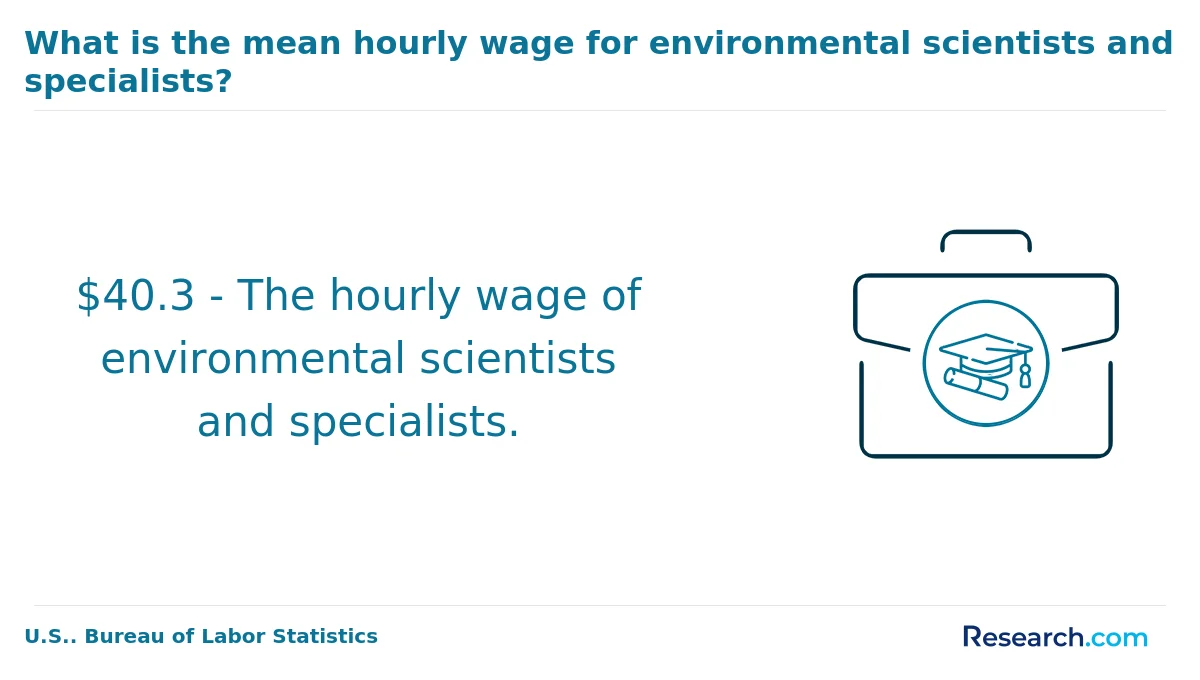
According to the U.S. Bureau of Labor Statistics, Alabama's environmental scientist roles pay a median wage of around $58,000 annually, making these job experiences valuable for future employment.
Online environmental science students in Alabama have access to various networking opportunities that support professional growth. Many Alabama universities offering online degrees encourage students to join local chapters of national organizations, such as the Alabama Environmental Council and the Alabama Stormwater Association. These groups often host meetings, workshops, and conferences in the state.
Additionally, universities frequently provide virtual networking events and career fairs tailored to environmental fields. Students can connect with practicing professionals and alumni working in Alabama's environmental agencies and private firms.
The Alabama Department of Environmental Management also offers internships and events that online students may leverage to build valuable contacts in the state's environmental sector.
Alumni networks play a vital role for students pursuing online environmental science degrees in Alabama. These networks connect current students with graduates working in local and national environmental fields, fostering mentorship and career guidance.
In Alabama, where environmental concerns like water quality and ecosystem management are significant, alumni networks offer insights into state-specific challenges and job opportunities. According to the Alabama Department of Environmental Management, the state has growing demand for professionals skilled in environmental protection and compliance.
Graduates often share job leads and internship openings through alumni platforms, increasing students' access to practical experience. Networking events and online forums also help build professional relationships, enhancing employment prospects after graduation.
Students pursuing an online environmental science degree in Alabama can often customize their programs to align with their specific career goals. Many Alabama universities offer elective courses and concentrations allowing students to focus on areas like water resource management, sustainability, or environmental policy. This flexibility helps learners gain relevant skills for local industries and agencies.
Some programs also provide opportunities for internships or research projects connected to Alabama's unique ecosystems, such as the Mobile-Tensaw Delta or the Tennessee River Basin. According to the Alabama Department of Environmental Management, careers in environmental science are expected to grow 8% through 2030, highlighting the importance of tailored education.
Consulting academic advisors and reviewing course offerings carefully can help students create a curriculum that supports their long-term professional goals.
Online environmental science students in Alabama face several notable challenges. One common issue is limited access to local, hands-on research opportunities. Since environmental science often requires fieldwork, remote students may struggle to gain practical experience compared to on-campus peers.
Another challenge is balancing coursework with work or family responsibilities, especially since many online learners in Alabama are adults returning to education. Additionally, some students encounter difficulties with internet connectivity in rural areas, which can disrupt access to lectures and resources.
Students also report that navigating the variety of program requirements across institutions can be confusing. According to the Alabama Commission on Higher Education, online programs often vary in lab components and internship options, impacting completion time and experience quality.
With an online environmental science degree in Alabama, graduates can pursue several professional certifications that enhance career opportunities. One key certification is the Certified Environmental Scientist (CES) offered by the National Association of Environmental Professionals. This credential is widely recognized and validates expertise in environmental regulations and best practices.
Another valuable certification is the Registered Environmental Manager (REM), which focuses on environmental management and sustainability principles. Professionals in Alabama's growing environmental sector, especially in industries like forestry and water resources, benefit from holding such credentials.
Additionally, certifications like the HAZWOPER (Hazardous Waste Operations and Emergency Response) are important for those working in hazardous materials management, a relevant area due to Alabama's industrial activities. These certifications help demonstrate specialized knowledge and commitment to environmental standards.
Applying to an online environmental science program in Alabama requires a clear, focused approach. Start by researching accredited universities in Alabama offering online degrees, such as the University of Alabama or Auburn University. Their programs emphasize practical skills in conservation, water resources, and ecological assessments-areas critical to Alabama's diverse environments.
Highlight your relevant academic background and professional experience. Alabama faces unique environmental challenges, like coastal erosion and water quality issues, so showcasing any related work or volunteer experience can strengthen your application.
Include a well-crafted personal statement that explains your goals and how the degree aligns with Alabama's environmental priorities. Strong letters of recommendation and a concise, error-free resume are also essential components.
The field of environmental science offers a broad global perspective, focusing on solving critical ecological issues that transcend national borders.
Professionals in this area often collaborate internationally to address challenges like climate change, pollution, and resource management.
According to the U.S. Bureau of Labor Statistics, environmental scientists and specialists are expected to grow by 8% from 2022 to 2032, emphasizing steady demand in the U.S., including Alabama.
Alabama's diverse ecosystems-from coastal wetlands to forests-provide unique opportunities for applied research and conservation efforts.
This regional diversity aligns well with global trends emphasizing sustainability and environmental protection.
Studying online in Alabama connects students to these larger global networks while offering localized expertise applicable worldwide.
Gaining practical experience while pursuing an online environmental science degree in Alabama is essential. Many programs encourage internships with local agencies such as the Alabama Department of Environmental Management, which offers hands-on projects related to water quality and pollution control. Students can also engage in research collaborations with Alabama universities that support remote participants.
Fieldwork opportunities exist through partnerships with state parks and conservation organizations, allowing students to apply theoretical knowledge in real-world settings. Additionally, virtual labs and simulation software are commonly integrated into courses to provide experiential learning. According to the Alabama Higher Education System, about 60% of environmental science programs incorporate these practical components to enhance job readiness.
Choosing the right concentration within an online environmental science degree in Alabama begins with evaluating your career goals and interests. Popular concentrations include natural resource management, environmental policy, and sustainable development. Each focuses on different aspects of environmental challenges relevant to Alabama's ecosystems, such as the Gulf Coast wetlands and Appalachian Mountains.
Consider Alabama's economic drivers like agriculture, forestry, and manufacturing, which often shape demand for specific skills. Data from the Alabama Department of Environmental Management highlight growing opportunities in water quality and air pollution control.
Research program curricula carefully to ensure they align with your desired concentration and offer practical skills applicable to regional environmental issues.
- Environment in the classroom - Southern Science https://southern-science.com/2024/02/14/environment-in-the-classroom/
- NETWORKING FOR SUCCESS: HOW TO SHINE IN ENVIRONMENTAL JOBS - Step(h) into Nature https://stephintonature.com/all-environmental-conservation-travel-blogs/environmental-jobs-networking
- Environmental Sciences Abroad https://uceap.universityofcalifornia.edu/environmental-sciences-abroad
- Guide to Environmental Internships | Higherin https://higherin.com/career-guides/science-research/environmental-internships
- Alumni Put Environmental Science Degrees to Work at Chesapeake Watershed Initiative https://www.fandm.edu/stories/alumni-put-environmental-science-degrees-to-work.html
- Explore Environmental Career Profiles | ECO Canada https://eco.ca/career-profiles-index/
- Sustainability Degrees in Alabama https://www.sustainabilitydegrees.com/degrees/alabama/
- Top Trending Research Topics in Environmental Science - Agriculture Journal IJOEAR Blog https://ijoear.com/blog/top-trending-research-topics-in-environmental-science
- Strong Programs in Environmental Studies https://toptieradmissions.com/strong-programs-in-environmental-studies/
- How to Find Entry Level Jobs with an Environmental Science Degree https://facs.com/blog/how-to-find-entry-level-jobs-with-an-environmental-science-degree/