2027 Best Online Bachelor's in Environmental Science Degree Programs Ranking in the Midwest

Co-Founder and Chief Data Scientist
Choosing the right online environmental science degree is an important step toward a fulfilling career that makes a positive impact. This article presents the 2027 Best Online Bachelor's in Environmental Science Degree Programs Ranking in the Midwest, created by the Research.com team of data scientists to guide you in making an informed choice.
By exploring this ranking, you'll discover programs that balance quality, flexibility, and value. Earning a degree in environmental science opens doors to meaningful opportunities and helps you contribute to a healthier planet.
Key benefits of getting online environmental science degree in the Midwest
- Environmental science graduates in the Midwest can expect competitive salaries, with median annual wages in related environmental technician roles around $53,000, offering a solid income foundation.
- Career paths for environmental science graduates often include roles in conservation, environmental consulting, and natural resource management, as seen in alumni from popular Midwestern universities like the University of Michigan.
- Online environmental science degrees offer flexible schedules and the ability to balance work and study, which many graduates from institutions such as Iowa State University find empowers them to advance their careers without relocating.
- 2027 Best Online Bachelor's in Environmental Science Degree Programs Ranking in the Midwest
- What can I expect from online environmental science degree in the Midwest?
- Where can I work with online environmental science degree in the Midwest?
What can I expect from online environmental science degree in the Midwest?
The average cost of an online environmental science degree in the Midwest tends to be notably more affordable compared to coastal alternatives, often ranging between $10,000 and $25,000 for a full bachelor's program. Graduates from universities like those in Illinois or Michigan often reflect on how the lower tuition fees combined with in-state residency discounts made pursuing their degrees financially manageable without sacrificing quality.
Many students appreciate that this affordability does not come at the expense of practical learning. For instance, graduates recall online courses incorporating regional topics such as Great Lakes conservation and sustainable agriculture, all supported by virtual labs and GIS exercises that connect theory with local environmental realities.
The reasonable cost encourages working professionals to balance employment and education, creating a rewarding pathway to careers in environmental consulting or government roles within the region. This financial accessibility, paired with regionally accredited programs, has helped many feel confident in investing time and resources into their future.
Where can I work with online environmental science degree in the Midwest?
Graduates from online environmental science programs at Midwestern universities often find rewarding careers across public agencies and private sectors that deeply connect to the region's unique ecosystems. For example, many who studied at institutions with strong programs like the University of Illinois or Ohio State find themselves working with state environmental agencies. They take pride in roles that involve monitoring pollution in the Great Lakes or helping enforce regulations that protect prairie lands.
Others discover fulfilling paths within private companies focused on agriculture or manufacturing, where their expertise helps balance industry demands with sustainable practices. Graduates describe satisfaction from contributing to cleaner water initiatives or supporting farms in reducing soil degradation.
Environmental consulting also attracts recent graduates eager to apply their knowledge in bustling cities like Chicago or Minneapolis. They often share how hands-on projects assessing construction impacts or managing site cleanups bring a tangible sense of accomplishment.
Many also feel inspired working with nonprofits or research centers, blending science with community outreach to restore habitats or drive local environmental education. These varied opportunities highlight the diverse and meaningful career paths awaiting those who study environmental science in the Midwest.
Graduates from Midwestern schools offering online environmental science degrees, such as the University of Illinois Urbana-Champaign or Michigan State University, report starting salaries typically ranging from $56,000 to $75,000 annually. This range reflects diverse roles that graduates often step into, such as environmental consultants or conservation scientists, balancing entry-level enthusiasm with gaining hands-on experience in the region's robust agricultural and manufacturing sectors.
Many graduates quickly appreciate how working in states like Ohio or Minnesota provides opportunities to engage in meaningful projects addressing water quality or pollution control, which tend to offer competitive wages. For example, early-career environmental specialists might earn closer to $50,000, but those who invest in professional certifications or advanced degrees can see their salaries rise well past $80,000, especially in consulting or engineering roles.
One common reflection among those who studied online at Midwestern institutions is the flexibility to combine work with further education, a factor that significantly improves earning potential in this evolving field. The sense of contributing to sustainability efforts, combined with respectable compensation, often fuels a deep professional satisfaction for graduates navigating these regional opportunities.
- The cost of an online bachelor's degree in environmental science in the Midwest ranges from $20,000 to $35,000, with public universities generally offering lower tuition for in-state students.
- Starting salaries for graduates average between $45,000 and $55,000 annually, increasing to $65,000 to $80,000 for mid-career professionals.
- Job opportunities are growing in states like Illinois, Ohio, and Michigan, especially in government, nonprofit, agriculture, and consulting sectors.
- Programs often include state-specific coursework on water quality, air pollution, and land use, with options for internships or practicum experiences.
- Regional accreditation, such as from the Higher Learning Commission, is crucial for ensuring academic quality and credit transferability.
Completing an online environmental science degree in the Midwest typically requires around four years for full-time students, similar to traditional campus programs. Graduates from institutions like the University of Illinois Springfield and Michigan State University often reflect on how flexibility played a crucial role in their journey, especially when balancing work or family commitments.
Many students choose part-time enrollment, extending their studies to five or six years. This option has proven valuable for those managing careers or personal responsibilities, allowing a steady pace without overwhelming pressure. One graduate recalls how taking evening courses while working full-time helped maintain progress without burnout.
Some motivated learners have taken advantage of accelerated paths by enrolling in extra summer classes or transferring credits from Midwest community colleges. This approach helped them shorten their timeline to under four years, highlighting the importance of understanding credit transfer policies common in the region.
Ultimately, the time it takes is influenced by personal circumstances and choices, but the supportive networks and flexible structures of Midwestern universities provide an encouraging environment to tailor the experience to individual needs.
Online and on-campus environmental science degrees in the Midwest offer distinctly different experiences suited to varied lifestyles. Graduates from a Michigan State on-campus program often speak fondly of hands-on fieldwork in nearby state parks and lively classroom debates that deepen their passion for conservation. This immersive approach fosters strong connections with faculty and peers, a crucial element for those who thrive on direct interaction and practical learning.
Conversely, University of Iowa graduates of online programs highlight the freedom to balance coursework with jobs or family life. They appreciate accessing lectures whenever convenient, which helps maintain momentum without sacrificing personal responsibilities. Though some field experiences require local coordination, flexible scheduling makes the degree accessible for busy adults.
Both paths share rigorous curricula accredited across Midwestern institutions, yet the key lies in choosing what fits your rhythm: the vibrant, community-driven energy of campus life or the adaptable, self-paced nature of online study that empowers working professionals.
The average cost of an online environmental science degree in the Midwest tends to center around $30,681 in total tuition. This figure reflects a blend of various public and private university offerings, balancing more affordable in-state rates with pricier out-of-state tuition. Graduates from well-regarded programs at institutions like the University of Illinois at Urbana-Champaign and the University of Wisconsin often share how the pricing made it feasible to pursue their passion without overwhelming financial strain.
Many students appreciate that online options reduce typical campus-related expenses, such as commuting and housing, which helps manage the overall financial commitment. Though additional costs like technology fees and lab kits add between $500 and $1,500 annually, these tend to be lower than traditional programs while still ensuring hands-on experience. Understanding the average cost online environmental science degree Midwest students face clarifies why budgeting carefully at the outset is vital for long-term success and satisfaction.
Financial aid plays a vital role, with more than 85% of undergraduates receiving help through scholarships, grants, or federal programs. This support, combined with competitive tuition rates, allows many to achieve their environmental science goals. Reflecting on graduates' experiences, it becomes clear that choosing a school with transparent credit transfer policies and flexible program lengths also helps keep total costs in check. For students curious about career outcomes, exploring the master's in sustainability job salary can provide insightful motivation alongside financial planning.
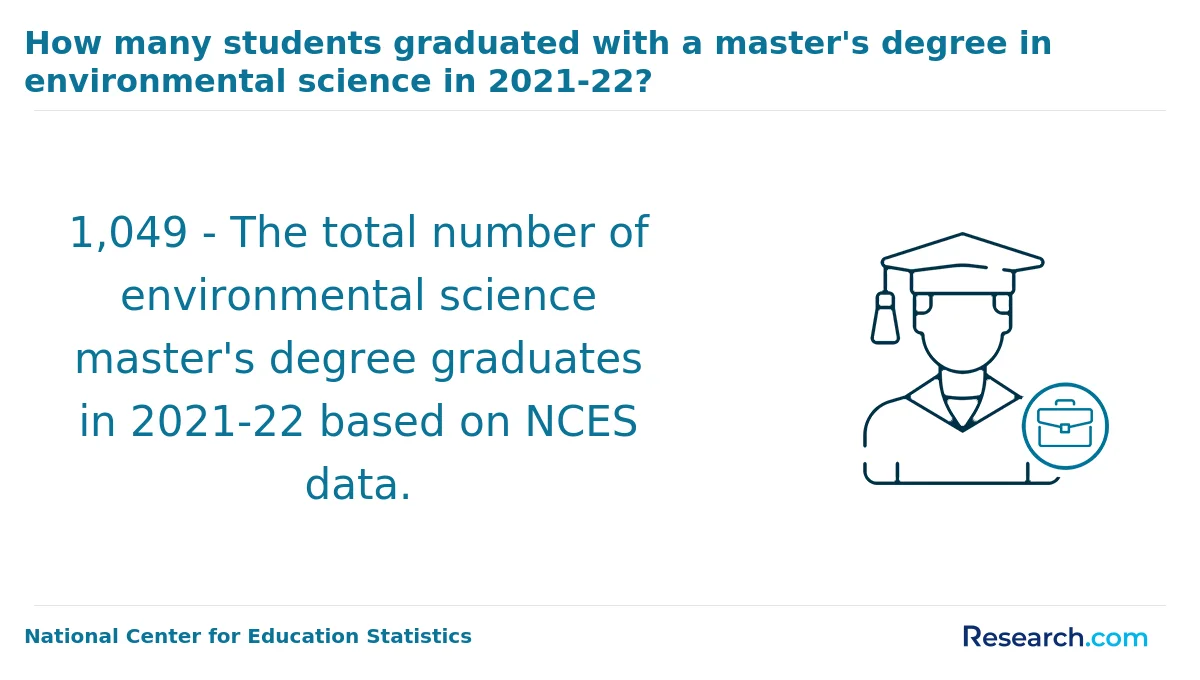
Students pursuing an online environmental science degree in the Midwest often find financial aid a crucial support during their studies. Graduates from universities like the University of Illinois or Ohio State frequently share how federal aid, especially the FAFSA process, opened doors to Pell Grants, providing up to $7,395 annually without the pressure of repayment. This made balancing coursework and life responsibilities feel less overwhelming.
Others recall benefiting from subsidized federal student loans that paused interest while enrolled half-time, easing financial stress. State programs such as Illinois' AIM HIGH Grant or Ohio's College Opportunity Grant were pivotal for many local students, offering vital scholarships just for being an in-state environmental science learner.
Institutional scholarships, sometimes merit-based or need-focused, often ease the path further-many institutions understand the unique challenges of online learning and tailor awards accordingly. External scholarships from groups like the Environmental Defense Fund add another layer of encouragement, rewarding commitment to the environment and academic excellence. This layered aid landscape in the Midwest proves that persistence meets opportunity.
Enrolling in an online environmental science degree program in the Midwest usually starts with a solid academic foundation. Graduates from well-known Midwestern universities often recall how their high school experiences in subjects like biology, chemistry, and earth sciences prepared them for the challenges ahead. Admissions generally require a high school diploma or GED, supported by a GPA of around 2.5 to 3.0, reflecting steady performance rather than perfection.
Many students find that having completed coursework in algebra, geometry, and introductory sciences creates confidence when facing university-level material. Some programs may require official transcripts and, occasionally, standardized test scores, although many Midwest institutions are test-optional today, easing barriers for diverse learners.
Those who transferred from community colleges shared how flexible transfer policies allowed their previous lab work and calculus classes to count toward degree requirements. Letters of recommendation and personal statements often give admissions teams insight into a student's passion for environmental issues, making these documents more than just formalities but opportunities to showcase genuine commitment.
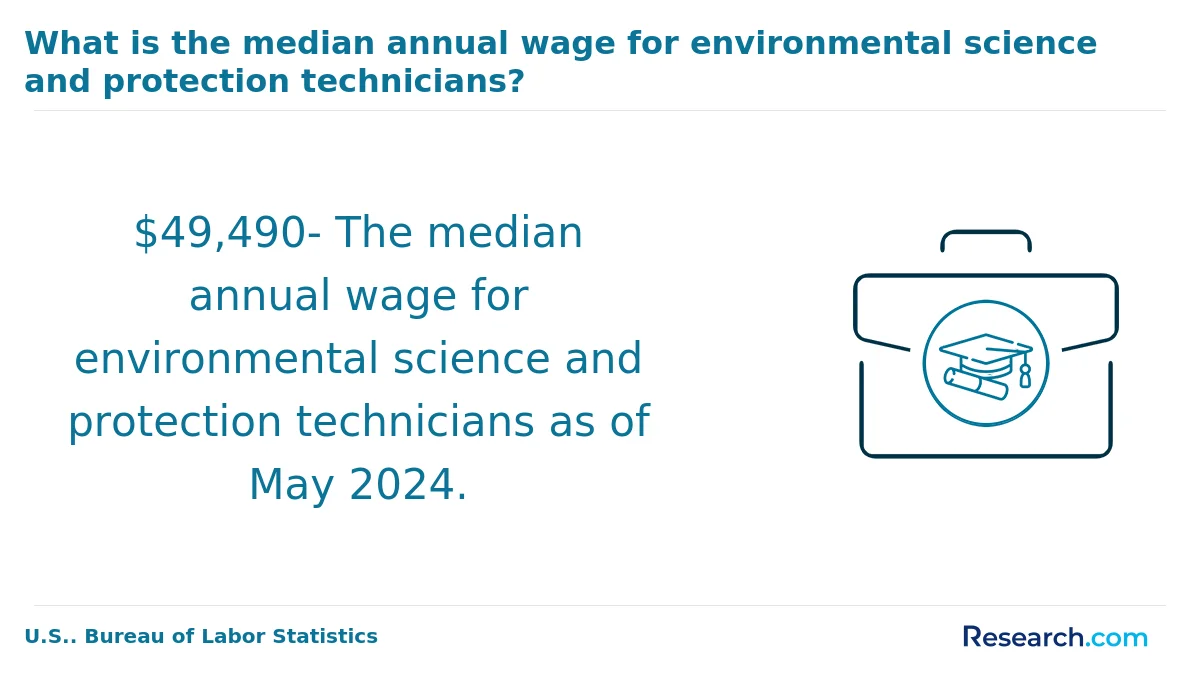
Online environmental science degree programs in the Midwest consistently include courses grounded in biology, chemistry, ecology, and geology. Graduates from well-regarded institutions recall how these foundational classes illuminated the natural processes shaping their local environments, such as the dynamics of Great Lakes ecosystems or soil chemistry affecting regional agriculture.
Environmental policy and law often play a pivotal role, especially with a focus on Midwestern regulations. Students have expressed how understanding state-specific laws around water quality and conservation efforts enriched their perspective, making the coursework feel relevant and immediately applicable to the challenges they observe in their communities.
Courses in statistics and data analysis also emerge as essential, empowering students to interpret complex environmental data and contribute meaningfully to research and policy decisions. Alumni frequently share how applying GIS software in virtual labs helped them visualize environmental trends, bridging theory and practical skills.
Specialized topics like renewable energy practices and climate change impacts on Midwestern agriculture reflect the region's unique environmental concerns, deepening students' commitment to sustainable solutions rooted in their home state.
Online environmental science specializations Midwest programs typically offer focus areas deeply connected to the region's unique environmental landscape. Graduates from popular Midwestern colleges often speak warmly of specializations like Environmental Policy and Management, which prepare them to engage with local government agencies or NGOs tackling crucial regional environmental legislation. Many also appreciate Ecology and Wildlife Conservation, a natural choice given the extensive reserves and diverse ecosystems found throughout the Midwest.
Others find meaningful purpose in Environmental Chemistry and Toxicology, which enables them to address pollution challenges common in industrial or agricultural hubs of the region. Sustainable Resource Management stands out as a practical specialization for those passionate about preserving the Midwest's rich agricultural heritage, while Geospatial Technologies and Environmental Data Analysis equips students with in-demand skills for mapping and assessing environmental change.
These specializations perfectly align with Midwest online environmental science degree options, allowing students balancing work or family to make significant impacts. Some even complement their science degrees with an online mba in sustainability to broaden their leadership potential in environmental fields.
Choosing the best online environmental science degree in the Midwest means prioritizing accredited programs that focus on regional ecosystems and issues. Graduates from well-known Midwestern universities often share how learning about Great Lakes conservation and agricultural sustainability within their courses gave real-world context that fueled their passion and career readiness. Affordability also plays a significant role; many students appreciate that Midwest schools offer competitive tuition rates, sometimes extending in-state rates to online learners, making affordable environmental science programs Midwest more accessible than they expected.
It's important to pick programs where faculty possess expertise in local environmental challenges and provide strong online support. This combination helps students navigate complex topics and feel supported during their studies. Programs that include practical experiences like GIS training tend to be highly valued, as graduates have remarked on how these skills improved their job prospects. For those considering future employment, looking at jobs related to sustainability after graduation can help align educational choices with career ambitions.
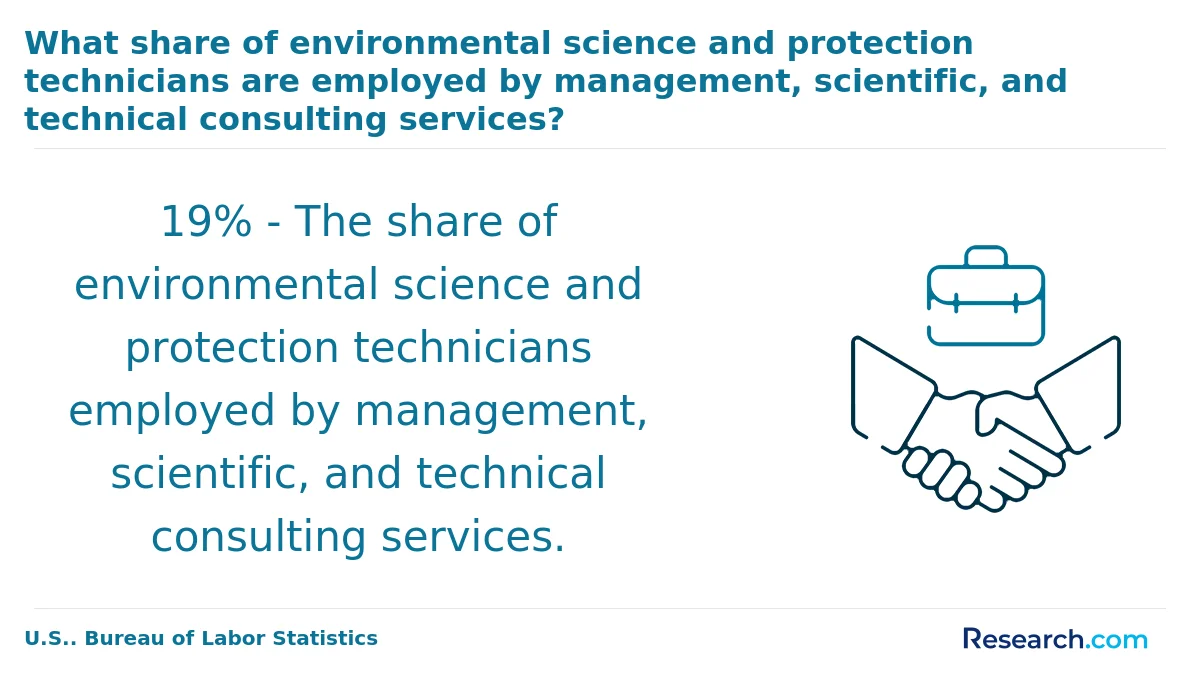
Graduates pursuing an online environmental science degree in the Midwest find themselves well-positioned for diverse careers that reflect the region's unique environmental and industrial landscape. Many become environmental scientists or specialists, roles that offer the chance to analyze pollution trends or safeguard natural resources amid the Great Lakes and thriving agricultural zones. Graduates from well-regarded programs at Midwestern colleges often reflect fondly on how practical projects enhanced their understanding of local ecosystems, fueling satisfying jobs with encouraging wages.
Others embrace environmental consulting, advising corporations and agencies on compliance and cleanup efforts in states like Illinois or Ohio. This path offers variety and the excitement of tackling different challenges, from water quality improvements to land restoration.
Conservation, natural resource management, and environmental education roles are also popular, especially for those eager to connect communities with nature. Schools and nonprofits seek passionate graduates ready to promote sustainability and stewardship.
For students weighing online environmental science job opportunities Midwest-focused, many find inspiration in policy and planning careers, shaping sustainable futures through local government initiatives. Those curious about the profession's demands often ask how long does it take to be an environmental scientist, reflecting their deep commitment.
The job market for online environmental science degree graduates in the Midwest remains promising, reflecting the region's commitment to sustainability and natural resource management. Many graduates from popular universities and colleges find rewarding work with government agencies and nonprofit organizations dedicated to environmental regulation and conservation. One graduate shared how their online degree from a Midwest institution opened doors to projects improving water quality in Illinois, blending academic knowledge with field experience. This blend of practical skills and theory is a valuable asset in this competitive market.
Employers in the Midwest's diverse economic landscape, including manufacturing and agriculture sectors, increasingly value professionals who understand environmental impact and compliance. For students seeking online environmental science jobs Midwest-wide, the steady growth in related positions offers both stability and meaningful career paths. Median wages vary by state and experience but typically range between $55,000 and $70,000, a respectable return considering many programs offer competitive tuition. For those interested in broadening their options, exploring jobs with an mba in sustainability can complement an environmental science background and enhance career prospects.
2027 Best Online Bachelor's in Environmental Science Degree Programs Ranking in the Midwest
Investing in your education is a significant decision that can shape your future, and the Research.com team understands the importance of making informed choices. To assist prospective students interested in environmental science, we have meticulously created the "2027 Best Online Bachelor's in Environmental Science Degree Programs Ranking in the Midwest." Our dedication to quality, credibility, and accuracy is demonstrated through thorough research and analysis conducted to develop this ranking.
We utilized the following reputable data sources to ensure a comprehensive evaluation of environmental science programs:
By exploring this ranking, readers will gain valuable insights into the top online environmental science bachelor's programs in the Midwest, enabling them to make confident and well-informed decisions about their educational journey. For more details on how this ranking was created, please visit our Research.com methodology page.


Frequently Asked Questions About environmental science
Students pursuing online environmental science degrees in the Midwest can maximize their learning by actively engaging with local environmental issues. The region's diverse ecosystems, such as the Great Lakes and vast agricultural areas, provide unique case studies. Accessing data from sources like the EPA's Great Lakes National Program Office enhances practical understanding.
Joining virtual study groups or local environmental organizations connects students to regional experts and internships.
Utilizing university resources such as online labs, GIS software, and research databases ensures hands-on experience despite remote learning.
Additionally, students should monitor state-level environmental policies in Midwestern states, as familiarity with local regulations strengthens their applied knowledge and career readiness.
The environmental science field is rapidly evolving with several emerging niches gaining importance, especially for students pursuing online degrees in the Midwest. One key area is climate resilience and adaptation, which focuses on preparing communities for impacts like flooding and extreme weather, critical given the Midwest's vulnerability to such events, according to the U.S. Environmental Protection Agency.
Another growing niche is sustainable agriculture, vital for the Midwest's large farming industry. This field studies ways to reduce chemical use and enhance soil health while maintaining crop yields.
Additionally, environmental data science is expanding, combining big data and technology to monitor ecosystems and pollution. The integration of geographic information systems (GIS) and remote sensing offers strong job prospects in regional planning and conservation.
These niches reflect the changing demands for expertise addressing Midwestern environmental challenges through online education.
Preparing for the job market after earning an online environmental science degree in the Midwest involves strategic steps. Start by gaining practical experience through internships or volunteer work with local environmental agencies or nonprofits. According to the U.S. Bureau of Labor Statistics, environmental science jobs are expected to grow by 8% nationally by 2031, with the Midwest showing steady demand due to agriculture and manufacturing sectors.
Networking is crucial; joining regional professional groups like the Midwest Environmental Education Association can provide valuable contacts. Additionally, acquiring certifications such as the Certified Environmental Scientist (CES) can enhance job prospects. Finally, focus on building skills in GIS technology and data analysis, highly sought after in regional job listings.
Employers in the Midwest value a mix of technical and soft skills in environmental science graduates. Analytical skills top the list, as professionals must interpret complex data related to water quality, soil health, and pollution. According to the U.S. Bureau of Labor Statistics, proficiency in data analysis software is increasingly essential.
Strong knowledge of local environmental regulations and policies is also crucial, especially given the Midwest's focus on agriculture and industry. Communication skills, both written and verbal, help graduates effectively share findings with diverse audiences.
Additionally, problem-solving abilities and project management are highly sought after, reflecting the need to address regional challenges like watershed protection and sustainable farming practices.
Finding internships in the Midwest for environmental science students involves targeting organizations focused on conservation, sustainability, and natural resource management. Major states like Illinois, Michigan, and Ohio offer numerous opportunities through state environmental agencies and nonprofit groups.
The Environmental Protection Agency has regional offices in these states that often provide internship programs tailored for environmental science students. Additionally, the Midwest has a high concentration of agricultural and manufacturing industries seeking environmental interns to support compliance and innovation, especially in water quality and soil health projects.
Students should explore university career centers and platforms like Handshake to find listings specific to their region. Networking through professional groups such as the Midwest Environmental Education Association can also provide leads. According to the National Association of Environmental Professionals, internships in the Midwest increasingly focus on climate resilience, reflecting regional priorities.
An online environmental science degree provides significant career mobility in the Midwest by offering flexible education aligned with regional industry needs. According to the U.S. Bureau of Labor Statistics, environmental science jobs in the Midwest are expected to grow 8% through 2032, faster than the average for all occupations. This growth creates opportunities in sectors like natural resource management, environmental consulting, and government agencies.
Online programs allow working professionals to upskill without relocating, a key advantage in a region spanning many rural and urban areas. Employers often value the technical skills gained from accredited online degrees, which can lead to promotions or salary increases.
Furthermore, Midwest states such as Illinois and Minnesota have numerous environmental initiatives, increasing demand for qualified graduates who understand local ecosystems and regulations. The National Environmental Education Foundation highlights that graduates with environmental science expertise see a 10-15% higher chance of advancing within regional organizations.
Studying for an environmental science degree in the Midwest equips students with a strong interdisciplinary foundation. Programs often combine biology, chemistry, geology, and social sciences, reflecting the complex nature of environmental challenges in the region. According to the Environmental Protection Agency, Midwest states face unique issues such as agricultural runoff and freshwater ecosystem management, encouraging curricula that integrate science with policy and economics.
Online degrees in the Midwest offer access to experts familiar with local environmental concerns, preparing graduates for diverse roles in government, industry, and non-profits. This multidisciplinary preparation boosts employability in sectors requiring collaboration across scientific and regulatory fields.
Choosing between a thesis and a non-thesis environmental science degree program in the Midwest depends on your career goals and learning preferences. Thesis programs typically involve conducting original research and writing a detailed study, which suits students aiming for research roles or graduate school.
Non-thesis options often focus on coursework and practical skills, ideal for those seeking immediate employment in environmental consulting, policy, or management. According to the Environmental Protection Agency (EPA), the Midwest has a strong demand for skilled environmental professionals in agriculture and water resource sectors, influencing program choice.
Costs and time commitments also differ; thesis paths may require more time for research. Many Midwestern universities offer both tracks online, letting students balance work and study efficiently.
Midwest students interested in studying environmental science abroad have several options through partnerships offered by regional universities. Many institutions in the Midwest, such as the University of Illinois and Michigan State University, participate in exchange programs with universities in Canada and Europe, allowing students to gain international experience while earning credits toward their degree.
Additionally, some Midwestern schools provide fully online environmental science degrees with opportunities for international field studies. The Midwest's focus on freshwater ecosystems, particularly related to the Great Lakes, aligns well with global environmental priorities. According to the Environmental Protection Agency, the Great Lakes region supports a significant amount of environmental research resources.
Furthermore, organizations like ISEP facilitate study abroad options for environmental science students, giving access to programs in countries renowned for sustainability, such as Sweden and New Zealand. Students should explore university-specific advising offices to identify programs that best fit their academic and career goals.
Students pursuing an online environmental science degree in the Midwest can benefit from various part-time jobs that enhance their education and professional skills. Common opportunities include working as environmental technicians, assisting with water quality testing or soil sampling, which are vital in this region's agricultural and industrial sectors. According to the U.S. Bureau of Labor Statistics, these roles often require practical knowledge that complements academic coursework.
Other options include internships or assistantships with state environmental agencies and nonprofit organizations focused on conservation and sustainability. These positions provide hands-on experience with regulatory compliance and environmental impact assessments, essential competencies for advancing in this field. Participation in community-based projects or local research initiatives also helps build networks and practical insights into Midwest environmental challenges.
Online environmental science students in the Midwest have access to a variety of networking opportunities designed to connect them with professionals and peers. Many regional universities offer virtual career fairs, webinars, and alumni networks that focus on Midwest environmental issues. For example, the Midwest Environmental Education Association hosts annual conferences accessible online, providing a platform to meet experts and peers.
Students can also join professional organizations like the Society of Environmental Toxicology and Chemistry (SETAC) Midwest Chapter. These groups often offer local events and online discussion forums. Research from the National Center for Education Statistics indicates that over 60% of online students engage in such activities, enhancing career prospects.
Alumni networks provide critical support for online environmental science degree students in the Midwest by fostering professional connections and mentorship opportunities. Graduates often share job leads within regional industries like agriculture, conservation, and renewable energy, sectors that employ over 50,000 environmental professionals in states such as Illinois and Ohio (Bureau of Labor Statistics, 2023).
These networks also facilitate access to internships and research projects, enhancing practical experience vital for career advancement. Furthermore, alumni gatherings and online forums help students stay informed about emerging environmental policies affecting the Midwest.
Through such connections, students gain valuable insights and opportunities beyond their virtual classrooms.
Customizing your online environmental science degree in the Midwest often involves selecting electives and concentrations that align with your career goals. Many programs allow students to focus on areas such as natural resource management, sustainability, or environmental policy. According to the National Center for Education Statistics, online programs increasingly offer flexible coursework to meet specific interests.
Midwestern states frequently emphasize agricultural and water resource management due to their local economies. Students might engage in remote internships or research projects with regional agencies to gain practical skills. This hands-on experience can improve job prospects in government or private sectors, where environmental monitoring and compliance roles are growing.
Additionally, some universities provide tailored career advising and mentorship to help students connect their studies with emerging industry trends, such as renewable energy or environmental consulting. Utilizing these resources can make the degree more relevant to your professional ambitions.
Online environmental science students in the Midwest often encounter unique challenges related to both academics and regional factors. Access to reliable high-speed internet can be limited in rural areas, impacting participation in live lectures and timely submission of assignments. According to the Pew Research Center, approximately 23% of rural Americans lack home broadband, which can hinder online learning.
Another challenge is gaining hands-on experience. Environmental science relies heavily on fieldwork, which can be difficult to replicate in an online format. Some programs offer local fieldwork options, but students may have to independently identify suitable sites.
Finally, balancing coursework with professional or personal responsibilities is demanding, as many students pursue degrees part-time. Academic advising and peer networking can also be less accessible online, creating feelings of isolation.
With an online environmental science degree, graduates in the Midwest can pursue several professional certifications to enhance their careers. One widely recognized certification is the Certified Environmental Professional (CEP), offered by the Academy of Board Certified Environmental Professionals. This credential demonstrates expertise in environmental regulations and practices.
Another option includes becoming a Registered Environmental Manager (REM), which focuses on environmental management and compliance. Additionally, the Certified Hazardous Materials Manager (CHMM) is valuable for those interested in waste management and environmental safety.
These certifications often require a combination of education, work experience, and passing an exam. Earning one can open doors to higher salaries and advanced roles in environmental science fields across the Midwest.
To write a winning application for an online environmental science program in the Midwest, start by clearly demonstrating your passion for environmental issues, especially those relevant to the region, such as water management and agricultural sustainability. Highlight any relevant coursework or work experience in fields like ecology, conservation, or environmental policy.
Strong letters of recommendation from professionals or academics familiar with your dedication and skills can boost your application. Midwest universities often value community involvement, so mention volunteer or internship experiences related to local environmental projects.
Finally, craft a concise personal statement explaining your career goals and how the program aligns with your ambition to address Midwestern environmental challenges.
Environmental science careers are increasingly viewed through a global lens, driven by worldwide challenges such as climate change, biodiversity loss, and sustainable resource management. Professionals trained in the Midwest can expect their skills to be relevant internationally, as issues like water quality and air pollution cross borders. According to the U.S. Bureau of Labor Statistics, environmental science jobs are projected to grow 8% from 2022 to 2032, reflecting demand tied to global initiatives and U.S. policies.
Midwestern universities provide training with a strong regional focus, addressing Great Lakes conservation and agricultural impacts, yet the science and solutions apply globally. Collaboration with international research bodies enhances career opportunities.
Gaining practical experience while pursuing an online environmental science degree in the Midwest is essential for career readiness. Many programs encourage internships with local agencies such as the Environmental Protection Agency's regional offices or state Departments of Natural Resources. These internships often provide valuable fieldwork and data analysis experience.
Students can also engage in research projects remotely, collaborating with faculty on regional environmental studies focused on issues like Great Lakes water quality or agricultural impacts.
Additionally, some universities offer virtual labs and project-based coursework that simulate real-world environmental challenges common in Midwest ecosystems.
According to the National Environmental Education Foundation, nearly 70% of Midwest environmental science graduates found internships crucial to securing employment within six months of graduation.
Choosing the right concentration within an online environmental science degree in the Midwest starts with understanding your career goals. Common concentrations include sustainability, natural resource management, and environmental policy, each leading to different job opportunities.
Consider regional environmental challenges, such as agriculture runoff in Iowa or Great Lakes conservation in Michigan, which can guide your choice toward practical and in-demand fields. The U.S. Bureau of Labor Statistics projects a 8% growth in environmental science jobs by 2030, especially in the Midwest's energy and agricultural sectors.
Review program curricula carefully. Ensure the concentration offers relevant coursework, internships, or research opportunities aligned with industry needs in the region.
Lastly, check if the program connects you with Midwest-based environmental organizations for networking and job placement.
- Environmental Education Programs in Higher Education | eePRO https://eepro.naaee.org/learning/higher-education-database
- 14 Entry Level Environmental Science Cover Letter Examples: Plus Recruiter Insights (Updated for 2025) https://resumeworded.com/cover-letter-samples/entry-level-environmental-science
- Environmental Science - Majors & Minors - Knox College https://www.knox.edu/academics/majors-and-minors/environmental-science
- Strong Programs in Environmental Studies https://toptieradmissions.com/strong-programs-in-environmental-studies/
- Alumni Put Environmental Science Degrees to Work at Chesapeake Watershed Initiative https://www.fandm.edu/stories/alumni-put-environmental-science-degrees-to-work.html
- Environmental Science (M.S.) Non-Thesis Track https://www.towson.edu/fcsm/departments/environsci/grad/science/non-thesis-track.html
- How To Get Environmental Science Work Experience https://www.savemyexams.com/learning-hub/careers/environmental-science-work-experience/
- Environmental Certifications for entry-level and career changers https://www.theenvironmentalcareercoach.com/certification-links
- SEEDS Summer 2026 Internships | TREES DLA https://www.trees-dla.ac.uk/seeds-summer-2026-internships
- How to Find Entry Level Jobs with an Environmental Science Degree https://facs.com/blog/how-to-find-entry-level-jobs-with-an-environmental-science-degree/