2027 Fastest Online Environmental Science Degree Programs Ranking in the Northeast

Co-Founder and Chief Data Scientist
Exploring online environmental science degrees can feel overwhelming, especially when choosing the right program quickly. That's why the article presents the 2027 Fastest Online Environmental Science Degree Programs Ranking in the Northeast, carefully developed by the Research.com team of data scientists.
This ranking aims to help you identify quality programs that fit your timeline and goals, making your decision easier and more confident.
Whether you're starting or advancing your career, earning a degree in environmental science opens doors to meaningful work that impacts the planet positively.
Key benefits of getting online environmental science degree in the Northeast
- Environmental science graduates in the Northeast often find rewarding salaries, with many starting roles in environmental consulting or protection earning an average of around $50,000 to $60,000 annually, reflecting steady growth in this sector.
- Career options include working in environmental policy, conservation, or sustainable development, as seen with graduates from schools like the University of Massachusetts who thrive in diverse, impactful roles.
- Online degrees from institutions like Northeastern University offer flexible schedules and the ability to balance work and study, making it easier to gain valuable experience while earning your degree.
- 2027 Fastest Online Environmental Science Degree Programs Ranking in the Northeast
- What can I expect from online environmental science degree in the Northeast?
- Where can I work with online environmental science degree in the Northeast?
What can I expect from online environmental science degree in the Northeast?
The average cost of an online environmental science degree in the Northeast varies widely but typically ranges between $15,000 and $40,000 for a bachelor's program, depending on whether a student attends a public university with in-state tuition discounts or a private institution. Graduates from popular colleges in the region often share how managing tuition alongside scholarships and financial aid made their ambitious educational goals feel more attainable and less daunting.
Students pursuing these degrees frequently highlight the advantage of affordable access to digital labs and virtual fieldwork, which simulate hands-on experiences without the extra travel costs. For example, many appreciate programs integrating regional case studies like the Chesapeake Bay watershed or Appalachian ecosystems, which add immense value without additional expense.
Looking ahead, rising investments in green technology partnerships by Northeastern schools could further increase scholarships and stipends, easing costs for future cohorts. Graduates express excitement about how evolving funding opportunities might make high-quality, regionally focused online environmental science degrees even more accessible and rewarding.
Where can I work with online environmental science degree in the Northeast?
Graduates with an online environmental science degree in the Northeast often find exciting opportunities in government agencies, consulting firms, and nonprofit organizations. Many from well-known schools like those in New England have shared how rewarding it feels to contribute directly to state environmental protection efforts or urban sustainability initiatives. Imagine working with a state Department of Environmental Conservation, helping enforce regulations that preserve local natural resources, or collaborating on site remediation with a consulting firm servicing New York's dense industrial areas.
Emerging trends in renewable energy are opening fresh career paths, especially in wind and solar projects expanding throughout the region. Graduates report the excitement of guiding environmentally responsible developments, balancing regulatory compliance with innovative energy solutions. Universities such as those in Massachusetts often connect students with cutting-edge research roles or renewable energy startups, blending academic discovery with real-world impact.
Environmental science alumni also thrive in nonprofit roles, advocating for climate action and community outreach. These career paths offer fulfilling, forward-thinking work that aligns well with the Northeast's ongoing environmental priorities.
Graduates with an online environmental science degree in the Northeast often find rewarding salary prospects that reflect both regional demand and expertise. While exact median salaries from the U.S. Bureau of Labor Statistics are not available, general data shows environmental scientists earn around $76,000 nationally, with Northeastern states like New York and Massachusetts typically offering between $70,000 and $85,000. Graduates from well-regarded programs at universities such as Boston University or Syracuse University report starting salaries in the $50,000 to $60,000 range, growing substantially with experience.
Many find themselves drawn to vibrant urban centers like Boston or New York City, where advanced skills in GIS or environmental policy translate to salaries exceeding $90,000. This optimistic outlook reflects a blend of strong regional demand and expanding opportunities in government and private sectors.
Students often express excitement about the financial stability that comes with loan forgiveness and comprehensive benefits through public agencies, reinforcing the appeal of Northeast-based online environmental science degrees as an investment in both career and lifestyle.
- Online environmental science degrees in the Northeast range from associate to master's levels with fully online coursework available in states like New York and Massachusetts.
- Annual tuition for bachelor's degrees averages between $12,000 and $30,000 for in-state students, while graduate programs cost between $15,000 and over $40,000 per year.
- Starting salaries for graduates typically range from $50,000 to $60,000 per year, increasing to $70,000 to $90,000 after 5 to 10 years of experience.
- Job growth in environmental science is projected at about 8% through 2030, faster than the national average, with opportunities in consulting, renewable energy, and natural resource management.
- Many programs include internships and remote labs that help develop practical skills alongside virtual learning.
Completing an online environmental science degree in the Northeast typically takes around four years for a full-time bachelor's student, reflecting the standard structure at universities such as the University of Vermont or Northeastern University. Graduates often share how balancing coursework with work or family commitments became manageable thanks to flexible pacing options these schools offer. For a part-time student at institutions like Rutgers University, the journey can extend to five or six years, allowing for steady progress without overwhelming schedules.
Master's degree seekers in the region often find programs designed to be completed in 1.5 to 3 years, which appeal to professionals eager to deepen their expertise quickly. These flexible timelines cater to diverse lifestyles, whether accelerating studies through summer courses or stretching them out to maintain balance.
Looking ahead, some students at schools with combined bachelor's and master's tracks anticipate finishing in as little as five years, demonstrating a growing trend toward efficiency and customization. This evolving approach empowers Northeastern online learners to tailor their education to their ambitions and life pace.
Online environmental science degrees in the Northeast offer unparalleled flexibility for students juggling jobs or family duties, allowing access to lectures and assignments anytime. Graduates from schools like the University of Vermont often praise how this schedule freedom let them balance summer internships with coursework without feeling overwhelmed. They highlight using discussion boards and virtual labs to stay connected, even if it lacks the immediacy of face-to-face interaction.
In contrast, on-campus students at institutions such as Cornell University benefit from hands-on experiences, including fieldwork by nearby natural reserves and intensive lab sessions. These direct connections to ecosystems create memorable moments, like tracking local wildlife or collecting soil samples, that online formats struggle to replicate fully. Graduates frequently express pride in these tangible experiences that deepen their understanding and fuel passion.
Looking ahead, hybrid models may blend these strengths, offering more immersive virtual reality field trips or live-streamed lab sessions. For Northeast students, this could mean enjoying the convenience of online learning while tapping into the region's rich natural environments, making environmental science education both adaptable and deeply engaging.
The average cost of an online environmental science degree in the Northeast varies significantly, often influenced by whether the program is offered through public or private universities. Many students pursuing this path at well-known institutions like SUNY or UMass report annual tuition for public online programs around $11,000 when benefiting from in-state tuition equivalents. Graduates often mention that this affordability makes balancing work and study achievable, enabling them to advance without overwhelming financial stress. Meanwhile, private schools in the region typically charge much higher rates, ranging from $30,000 to $50,000 per year, which can feel daunting but are sometimes balanced by scholarships or competitive online rates that students actively seek.
Based on current trends concerning the average cost of online environmental science degree Northeast programs, some institutions charge per credit hour-ranging from $300 to $600-allowing students to potentially accelerate or pace their studies strategically. For example, recent graduates from popular colleges express satisfaction in tailoring their course load and financial commitments to fit personal circumstances, boosting a sense of control and optimism.
Beyond tuition, students often appreciate programs that bundle digital resources and lab materials into fees to avoid surprise expenses. This transparency helps ease concerns about total tuition for online environmental science programs in Northeast settings, making the educational investment feel more secure.
As environmental science careers grow in relevance, the degree cost increasingly appears as a constructive investment supported by financial aid options and federal loans. Many learners in the Northeast see their education as a gateway to thriving roles in sustainability and conservation fields, often inspired by relatable stories of alumni success in these sectors.
Exploring the future, it's useful to consider perspectives on a master's in sustainability job salary, which suggests promising returns for environmental science graduates, further motivating students to invest in this field with confidence.
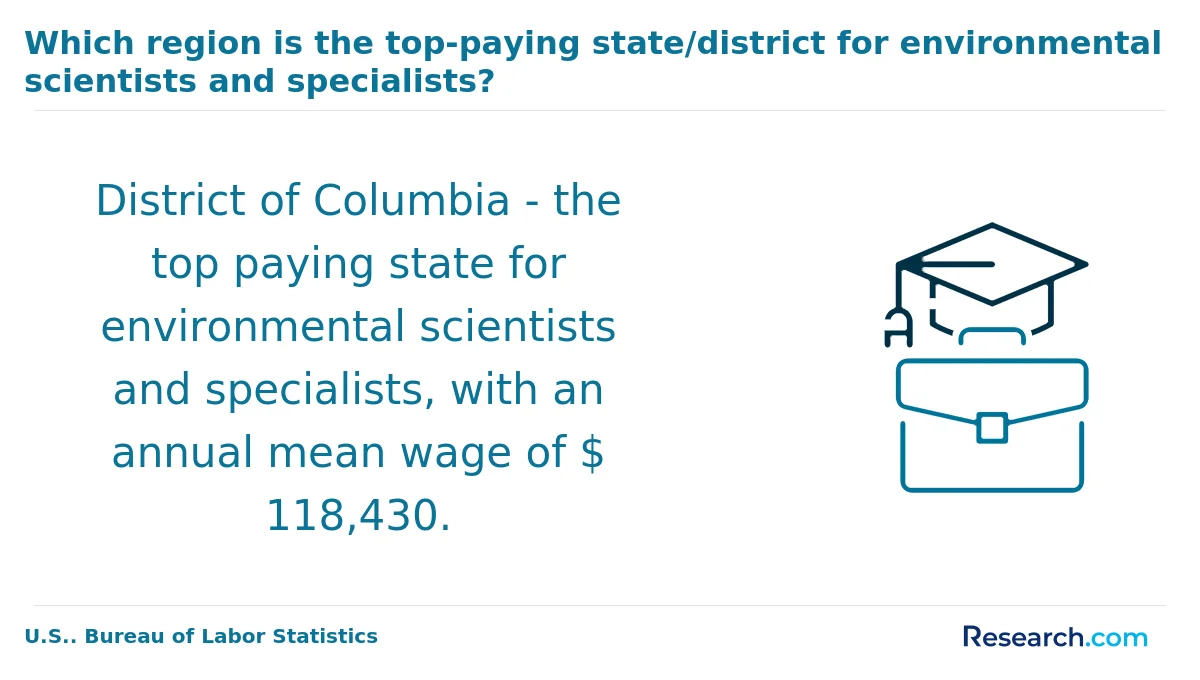
Online environmental science students in the Northeast often find that federal aid, like Pell Grants and Direct Loans accessed through FAFSA, forms the backbone of financial support. Graduates from programs at well-known schools such as the University of Massachusetts have shared how Pell Grants, averaging $4,600 annually, made a real difference in managing tuition costs around $11,750 per year for in-state students. Many also reported relief through subsidized loans, which offered flexible repayment as they started careers in sustainability.
State-specific grants like New York's Tuition Assistance Program (TAP) provide up to $5,665 annually and are particularly helpful for residents studying online at institutions such as SUNY College of Environmental Science and Forestry. These students often experience a sense of security knowing local investment backs their education.
Institutional scholarships at Northeastern colleges frequently range from $1,000 to $10,000 and reward academic achievement or financial need, easing costs for STEM-focused learners. Some working professionals pursuing degrees have benefited emotionally and financially from employer tuition reimbursements linked to green job growth.
Looking forward, the rise of specialized environmental scholarships from agencies like the EPA creates promising new avenues for students eager to align their education with conservation efforts. Graduates describe this evolving landscape as a source of optimism and motivation in pursuing their online studies.
To enroll in online environmental science programs in the Northeast, students typically need a high school diploma or GED as their first stepping stone. Graduates from popular regional colleges recall how meeting this basic requirement opened doors to flexible learning paths tailored for busy lifestyles. Many programs expect a minimum GPA around 2.5 to 3.0, reflecting a solid academic foundation. Prospective students often find that submitting SAT or ACT scores is optional, reflecting evolving admission trends that make the process less stressful and more accessible.
Completing prerequisite courses such as biology, chemistry, and math is common. A graduate from a well-known Northeast university shares how mastering these basics gave confidence for tackling advanced online labs and research projects. Some schools also require introductory environmental or earth science classes, ensuring students are ready to engage deeply with complex topics.
Looking ahead, technical readiness-including reliable internet and computer skills-is becoming an increasingly emphasized prerequisite. Fieldwork components often encourage students to connect with local ecosystems, making the learning experience both practical and inspiring in real-world settings throughout the Northeast.
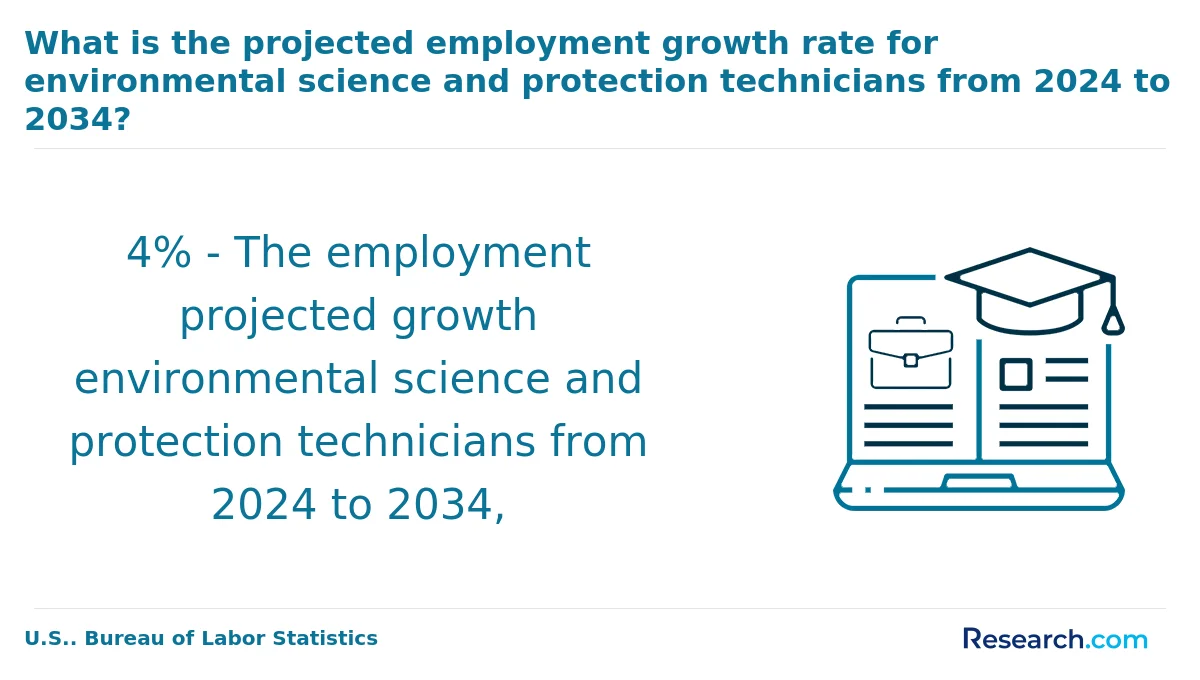
Online environmental science degrees in the Northeast often include courses like Introduction to Environmental Science, Environmental Chemistry and Biology, and Geographic Information Systems (GIS), all tailored to address regional ecosystems and challenges. Graduates frequently share how studying Environmental Policy and Management deepened their understanding of regulations unique to Northeastern states, empowering them to engage effectively in local sustainability efforts.
Courses such as Ecology and Conservation Biology come alive through virtual labs simulating habitat restoration in nearby forests or urban green spaces, helping students connect theory with tangible community impact. Environmental Toxicology and Climate Change Science stand out for their relevance, particularly as students examine coastal vulnerabilities and pollution issues firsthand from their online coursework tied to well-known Northeast colleges.
Many students express excitement about Statistics and Data Analysis, appreciating its role in interpreting real environmental data, preparing them for dynamic careers. This blend of scientific rigor and regional focus fosters a sense of purpose and readiness among those pursuing these degrees online in the Northeast.
Online environmental science degree specializations in the Northeast are evolving to meet both regional needs and global sustainability goals. Graduates from popular universities in this area often highlight concentrations like Environmental Policy and Management, which prepares them to navigate complex regulations protecting the coastal and urban ecosystems unique to this region. Others have found passion in Conservation Biology, engaging in hands-on projects to restore local habitats impacted by urbanization.
Many students appreciate Sustainability Studies for its emphasis on renewable resources and green technology, which feels especially relevant where policies are increasingly climate-focused. Environmental Chemistry and Geospatial Analysis are also gaining traction, offering practical skills in pollution control and advanced data mapping-key tools for addressing Northeast-specific challenges like forest management and urban sprawl. These specializations inspire hopeful, future-focused careers tailored not just to existing environmental issues but anticipating new ones.
Those seeking to expand beyond traditional paths may also explore programs integrating business and environmental goals, such as through an online mba in sustainability. The blend of science, policy, and innovative strategy equips them to make a meaningful impact locally and beyond.
Choosing the best online environmental science degree in the Northeast means imagining your future in a region rich with ecological diversity and policy innovation. Graduates from popular colleges often describe how flexible online formats let them balance family commitments while engaging deeply with courses featuring local climate case studies or urban sustainability projects. The practical integration of biology, chemistry, and environmental policy reflects a real-world approach that prepares students for pressing challenges.
Affordable environmental science programs Northeast frequently offer credit for prior learning or internships tied to nearby conservation efforts, making education both accessible and relevant. Students appreciate how programs connected to regional agencies provide immersive experiences that ignite passion and confidence. This connection extends into career readiness, where strong alumni networks and jobs related to sustainability help graduates envision meaningful roles as environmental analysts or policy advisors.
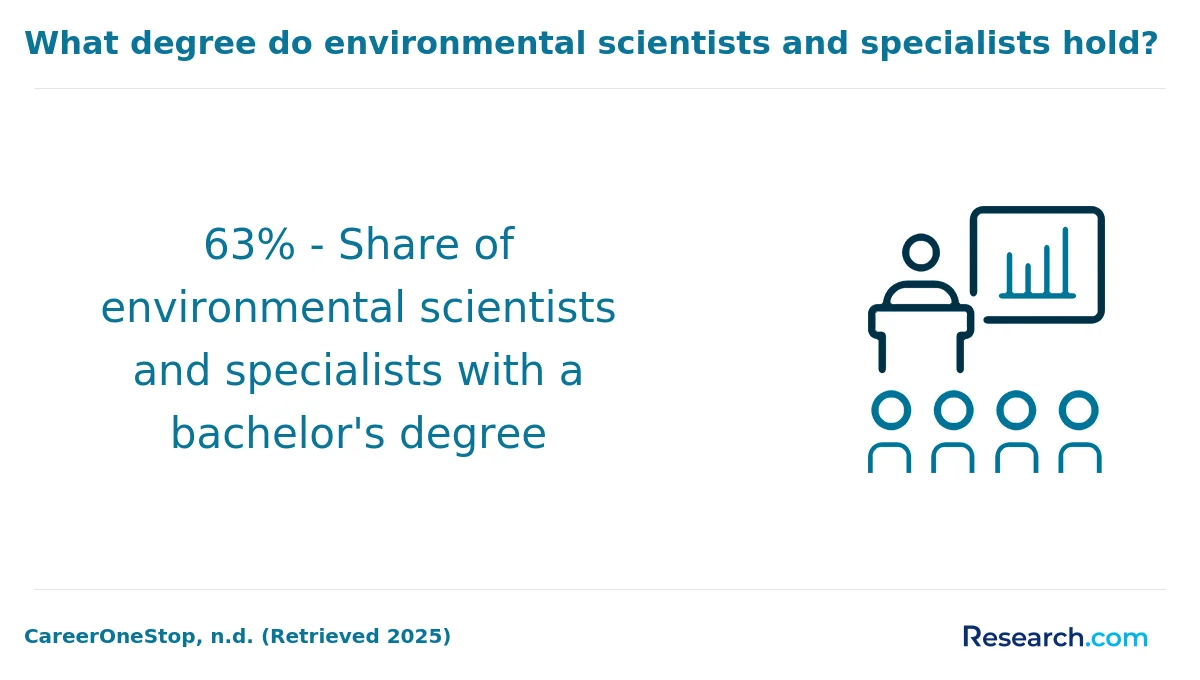
Graduates with an online environmental science degree in the Northeast find diverse career paths shaped by the region's unique environmental challenges and opportunities. Many pursue roles as Environmental Scientists or Specialists, analyzing data to combat urban pollution or restore ecosystems, often inspired by real projects undertaken during studies at well-known colleges in the area. These graduates express excitement about applying their skills to local conservation efforts and feel empowered by the demand for such experts.
Environmental Consultants also remain in high demand, helping Northeast companies navigate regulations tied to climate resilience and sustainable development. Alumni from various universities appreciate how flexible online programs prepared them for this practical consulting work. Those interested in shaping policy enjoy roles in Environmental Policy and Planning, collaborating with state agencies to safeguard natural habitats, a path that many find deeply fulfilling.
Additionally, careers focusing on wildlife conservation in states like Vermont and Maine attract graduates driven by passion for biodiversity. For students wondering how long does it take to be an environmental scientist, these programs provide both strong foundational knowledge and a forward-looking platform for career growth in the Northeast's expanding environmental sectors.
Such online environmental science careers Northeast continue to evolve with emerging trends in technology and sustainability, inspiring hopeful graduates ready to make a tangible impact.
Graduates of online environmental science programs in the Northeast find themselves at the forefront of a dynamic job market shaped by growing regional demands. Many alumni from respected colleges around Boston or New York report meaningful careers as environmental analysts or sustainability managers, helping urban centers tackle climate challenges. These opportunities stem from a regional economy eager for experts in conservation and green technologies, making the journey from online coursework to impactful work highly rewarding and accessible.
Employment projections suggest promising growth for those entering environmental science careers Northeast, with an 8% increase anticipated through 2032. Graduates experience fulfilling roles in government agencies, consulting firms, and non-profits, often influenced by landmark initiatives like New York's Climate Leadership and Community Protection Act. The flexibility of online programs allows professionals balancing work and study to thrive, positioning them well for advancement and higher salary brackets in metropolitan hubs.
For students considering long-term career development, combining an online environmental science degree with broader skills can open doors. Exploring jobs with an mba in sustainability alongside their core training equips graduates to lead interdisciplinary projects and influence policy toward a sustainable future.
2027 Fastest Online Environmental Science Degree Programs Ranking in the Northeast
Investing in your education is a significant decision that can shape your future, and the Research.com team understands the importance of making informed choices. To assist prospective students in the Northeast, we have meticulously crafted the "2027 Fastest Online Environmental Science Degree Programs Ranking in the Northeast." Our commitment to quality, credibility, and accuracy is reflected in the extensive research and analysis conducted to compile this ranking.
We utilized the following reputable data sources to ensure a comprehensive evaluation of environmental science programs:
By exploring this ranking, readers will gain valuable insights into the fastest online environmental science degree programs available in the Northeast, empowering them to make well-informed decisions about their educational paths. For more details on our methodology, please visit our Research.com methodology page.
# 1 position
Thomas Edison State University
Bachelor of Environmental Studies

# 2 position
Antioch University New England
Doctor of Environmental Studies

Frequently Asked Questions About environmental science
Online environmental science students in the Northeast can enhance their learning by engaging with regional research and policies. Connecting with local organizations, such as the Environmental Protection Agency's New England office, offers real-world context. Participating in virtual internships or volunteer opportunities with Northeast environmental groups strengthens practical skills. Utilizing resources from institutions like the Woods Hole Oceanographic Institution provides access to cutting-edge science and data. Students should also join online forums or local chapters of environmental societies to network and exchange knowledge. Staying informed on regional environmental issues, including climate change impacts in coastal areas, helps apply course concepts effectively.
The environmental science field is rapidly evolving, with several emerging niches gaining prominence, especially in the Northeast. One key area is climate resilience and adaptation, focusing on strategies to mitigate climate change impacts in coastal and urban regions. According to the Northeast Climate Adaptation Science Center, demand for experts in this niche is growing due to increasing extreme weather events.
Another important niche involves renewable energy technologies, such as offshore wind development, which is booming in states like Massachusetts and New York. The U.S. Energy Information Administration highlights significant investments in this sector.
Environmental data analytics also offers new opportunities, merging science with technology to analyze large datasets for sustainability planning. These niches align well with online degree programs offering specialized coursework tailored to these evolving fields.
Graduates with an online environmental science degree in the Northeast can boost their job prospects by gaining practical experience through internships or volunteer work with regional organizations. The Northeast hosts many environmental agencies and nonprofits focused on sustainability and conservation, offering valuable on-the-ground exposure. Networking is also crucial; joining professional groups such as the New England Environmental Business Council helps connect with industry leaders.
Understanding local regulations and policies by reviewing reports from the EPA Region 1 office can give candidates an edge. According to the U.S. Bureau of Labor Statistics, the Northeast states show steady growth in environmental science roles, especially in urban hubs like Boston and New York City.
Building strong skills in GIS, data analysis, and environmental impact assessment is often requested by employers in the region.
Employers in the Northeast prioritize strong analytical and critical thinking skills in environmental science graduates. These skills enable graduates to interpret complex environmental data effectively, which is essential when addressing regional issues like coastal erosion and urban pollution. According to the Bureau of Labor Statistics, problem-solving abilities rank highly for environmental scientists nationally, including the Northeast.
Technical competencies, such as Geographic Information Systems (GIS) and data modeling, are also in high demand. Studies from the Environmental Careers Organization highlight that over 60% of environmental jobs in the Northeast require proficiency in these tools.
Communication skills, both written and verbal, are crucial. Graduates must effectively convey scientific findings to policymakers and the public. Collaboration and project management abilities are valued as well, reflecting the interdisciplinary nature of environmental work in this region.
To find internships in the Northeast relevant to an environmental science degree, begin by exploring university career centers connected to your online program. Many schools maintain partnerships with local organizations and government agencies, offering exclusive internship opportunities.
The region hosts numerous environmental research institutions, nonprofits, and state agencies. For example, the New England states report growing internship availability in conservation and climate research sectors, according to the Environmental Protection Agency's Regional Office.
Utilizing platforms like Handshake and Indeed with filters for Northeast locations and environmental keywords can also help. Networking through professional associations such as the Northeastern Environmental Science Society often leads to internships not widely advertised.
Lastly, contact offices like the New York State Department of Environmental Conservation or the Massachusetts Executive Office of Energy and Environmental Affairs directly for programs focused on environmental internships.
Obtaining an online environmental science degree can significantly improve career mobility and advancement opportunities in the Northeast, a region with growing demand for environmental professionals. According to the U.S. Bureau of Labor Statistics, jobs in environmental science and protection fields in states like New York and Massachusetts are projected to grow by 8% from 2022 to 2032, faster than average. Online degrees from accredited Northeast institutions allow working adults to gain relevant skills without relocating, making them attractive for employers seeking qualified candidates. Enhanced credentials often lead to higher positions in government agencies, consulting, and non-profit sectors focused on sustainability and climate change.
Additionally, many programs include partnerships with regional employers, providing networking and internship opportunities critical for career growth. The flexibility of online learning also allows students to continue working while earning their degree, preserving professional experience that employers highly value. This combination of education and ongoing work experience enhances the likelihood of promotion and salary increases in the competitive Northeast environmental sector.
Studying for an environmental science degree online in the Northeast uniquely prepares students for interdisciplinary roles by integrating knowledge from biology, chemistry, policy, and technology. Many programs emphasize real-world applications, reflecting the region's diverse ecosystems from coastal wetlands to urban environments. This approach equips students to address complex issues like climate change, conservation, and sustainable development with a holistic perspective.
According to the U.S. Bureau of Labor Statistics, environmental scientist roles grew by 8% nationally from 2020 to 2030, with the Northeast showing strong demand for professionals skilled in policy and technical analysis.
Through collaborations with local agencies and research institutions, online programs often provide case studies and projects relevant to regional challenges, fostering skills needed for teamwork across multiple disciplines.
Choosing between a thesis and a non-thesis environmental science degree program in the Northeast depends on your career goals and learning style. Thesis programs typically require original research, appealing to those aiming for scientific careers or doctoral studies. Non-thesis options focus more on coursework, suited for professionals seeking practical skills or immediate workforce entry.
The Northeast hosts numerous accredited online programs, many aligned with regional environmental priorities, like coastal management. According to the Association of Environmental Science Programs (AESP), about 60% of students in Northeast programs choose non-thesis paths, reflecting local job market demands.
Consider the time commitment too: thesis degrees often take longer due to research requirements, which can affect your study schedule.
Students in the Northeast interested in studying environmental science abroad while enrolled in online programs have several pathways. Many US universities partner with international institutions, enabling students to access global course materials and research remotely. Additionally, some programs offer study-abroad opportunities or international internships integrated into their online curriculum.
According to the Association of Environmental Studies and Sciences, cross-border collaborations are increasing, providing Northeast students access to ecosystems and environmental challenges beyond the US.
Furthermore, online degrees often include virtual labs and projects focused on global environmental issues, allowing students to study international case studies without leaving their homes.
These options make international environmental science education more accessible to Northeast-based learners balancing work or other commitments.
Part-time job opportunities in the Northeast that complement an environmental science degree include roles such as environmental technician, research assistant, and conservation worker. According to the U.S. Bureau of Labor Statistics, the Northeast holds a strong demand for environmental technicians, with employment projected to grow 8% from 2022 to 2032.
Universities and research centers throughout states like New York, Massachusetts, and New Jersey often offer internships or assistantships, providing valuable hands-on experience in data collection and environmental monitoring.
Local government agencies and non-profits also hire part-time field staff for projects related to wildlife preservation and pollution control, which align well with degree coursework.
Online environmental science students in the Northeast have access to several valuable networking opportunities despite remote learning. Many universities offer virtual career fairs and alumni meetups tailored to the region's strong environmental sectors, such as renewable energy and coastal conservation. For instance, New York and New Jersey host online events sponsored by organizations like the Environmental Business Council of New England.
Students can join LinkedIn groups focused on Northeast environmental issues or participate in regional webinars featuring local experts. According to the U.S. Bureau of Labor Statistics, the Northeast houses over 15% of the country's environmental science jobs, making local networking critical for internships and employment. These connections often lead to mentorships and project collaborations, enriching students' educational experiences.
Alumni networks significantly support online environmental science degree students in the Northeast by providing professional connections and career resources. These networks often include graduates from well-established Northeast institutions, offering access to local job markets in fields like conservation, renewable energy, and urban planning.
According to the National Association of Colleges and Employers, alumni referrals can boost employment chances by 20%, an advantage for students targeting competitive Northeast environmental agencies and nonprofits. Alumni events and mentoring programs help students understand regional environmental challenges, such as coastal preservation and climate resilience.
Connections through these networks also offer internship opportunities and guidance on certifications relevant in the Northeast, ensuring students gain practical experience alongside academic knowledge.
Many online environmental science degree programs in the Northeast offer flexible curricula that allow students to tailor their studies to specific career goals. For example, you can choose from concentrations such as sustainability, environmental policy, or conservation biology. This customization lets you focus on areas that align with job markets in the region, like renewable energy or urban environmental planning.
Elective courses often include practical skills, such as geographic information systems (GIS) and environmental data analysis, which are highly valued by employers. Additionally, some programs in the Northeast partner with local agencies, providing opportunities for internships and research projects that enhance career readiness.
According to the Bureau of Labor Statistics, environmental science jobs in the Northeast are projected to grow by 6% through 2031, underscoring the importance of choosing relevant specializations.
Online environmental science students in the Northeast face several unique challenges. One common issue is balancing rigorous coursework with work or family duties, as many students study part-time. Technical difficulties can also hinder learning, especially in rural areas with limited high-speed internet access. According to the National Center for Education Statistics, about 15% of Northeastern households face broadband issues, which affects virtual lab participation and research. Additionally, students often struggle to gain hands-on experience remotely, an essential part of environmental science education. Finally, navigating varying state licensure and certification requirements adds complexity for those seeking professional advancement.
Graduates with an online environmental science degree in the Northeast can pursue several professional certifications that enhance career opportunities. Common certifications include the Certified Environmental Scientist (CES) credential offered by the National Association of Environmental Professionals, which validates expertise in environmental regulations and practices. Another option is the Registered Environmental Manager (REM), recognized nationwide and valuable in government and private sectors.
Many professionals also seek certification in Hazardous Waste Operations and Emergency Response (HAZWOPER), required for handling dangerous materials. In the Northeast, where environmental regulation is stringent, these certifications help graduates meet state and federal standards effectively. According to the U.S. Bureau of Labor Statistics, certified specialists often see higher salaries and more job options.
Applying to an online environmental science program in the Northeast requires careful preparation to make your application stand out. Start with a strong personal statement that highlights your passion for regional environmental issues such as coastal conservation or urban sustainability, topics highly relevant to the Northeast.
Include specific examples of any relevant experience, such as internships with New England environmental agencies or volunteer work with local conservation groups. Academic records matter; aim to showcase strong coursework in biology, chemistry, and earth sciences. Many Northeastern programs also value letters of recommendation from professionals familiar with your environmental commitment.
Demonstrate awareness of current environmental challenges in the region, such as climate change impacts documented by the Northeast Climate Science Center. Present clear career goals aligned with addressing these matters through your studies. Follow application instructions carefully and submit all required documents before deadlines to improve your chances.
Environmental science careers have gained a global focus due to the increasing urgency of climate change and sustainability. In the United States, particularly the Northeast, the demand for environmental science professionals is expected to grow by 8% from 2021 to 2031, according to the U.S. Bureau of Labor Statistics. This growth is driven by government agencies, private sectors, and nonprofits aiming to address environmental challenges worldwide.
Professionals in this field often engage with international policies and conservation efforts. Global collaboration is crucial as environmental issues cross borders, making knowledge of international regulations and agreements valuable. Online degrees from Northeastern institutions often emphasize these global perspectives, preparing students to work in diverse, interconnected environments.
Gaining practical experience during an online environmental science degree in the Northeast is achievable through multiple avenues. Many universities in the region partner with local organizations and government agencies to offer virtual internships and research projects. For example, students can engage with the Environmental Protection Agency's New England office or local conservation groups.
Fieldwork opportunities are often available during summer or semester breaks, allowing hands-on learning in nearby natural habitats. Additionally, students benefit from citizen science programs, contributing to real data collection efforts.
According to the Northeast Environmental Science Association, over 60% of programs emphasize applied learning components for career readiness.
Choosing the right concentration within an online environmental science degree in the Northeast begins with identifying your career goals. Concentrations typically range from ecology and conservation to environmental policy and sustainability management. According to the U.S. Bureau of Labor Statistics, jobs in environmental science and protection are projected to grow 8% from 2022 to 2032, emphasizing specialties with strong demand locally.
Consider the regional environmental challenges in the Northeast, such as coastal erosion and urban air quality, when selecting a focus. Schools like the University of Vermont and SUNY offer concentrations aligned with these issues. Reviewing course offerings and faculty expertise can also guide your decision.
Finally, evaluate if the concentration's curriculum meets certification or licensing requirements you may pursue post-graduation.
- Environmental Science Internships | Intern Abroad HQ https://www.internhq.com/industries/environmental-sciences/
- 2025 Most Affordable Online Environmental Science Degrees https://www.onlineu.com/most-affordable-colleges/environmental-science-degrees
- The Biggest Environmental Problems Of 2021 https://earth.org/the-biggest-environmental-problems-of-our-lifetime/
- What Can You Do With an Environmental Science Degree? https://willamette.edu/academics/college/environmental-science/career-options
- Environmental Science (M.S.) Non-Thesis Track https://www.towson.edu/fcsm/departments/environsci/grad/science/non-thesis-track.html
- CES - Certified Environmental Scientist https://www.nrep.org/certifications/certified-environmental-scientist-ces
- 16 Best Colleges for Environmental Science | HelloCollege https://sayhellocollege.com/blog/best-colleges-for-environmental-science/
- Environmental Science Technology (A.S.) https://www.fscj.edu/program
- Strong Programs in Environmental Studies https://toptieradmissions.com/strong-programs-in-environmental-studies/
- MESPOM Alumni Association https://mespom.eu/mespom-alumni-association