2027 Most Affordable Online Environmental Science Degree Programs Ranking in the West

Co-Founder and Chief Data Scientist
Choosing the right environmental science degree can shape your future and impact the world. This article presents the 2027 Most Affordable Online Environmental Science Degree Programs Ranking in the West, carefully created by the Research.com team of data scientists.
Designed to guide you through cost-effective options, it helps you find programs that fit your goals and budget. Pursuing an environmental science degree opens doors to meaningful careers and positive change. Reading this ranking empowers you to make a confident and informed decision on your educational journey.
Key benefits of getting online environmental science degree in the West
- Environmental science graduates in the West can expect rewarding careers, with median salaries around $71,000 per year in related environmental specialist roles, reflecting strong demand for sustainability experts.
- A graduate from a leading Western university often pursues diverse careers, such as conservation, environmental consulting, or policy development, offering exciting opportunities to impact real-world environmental challenges.
- Completing an online environmental science degree provides flexibility to balance work and study, as shown by graduates from popular Western programs who feel empowered by learning at their own pace while gaining practical skills.
- 2027 Most Affordable Online Environmental Science Degree Programs Ranking in the West
- What can I expect from online environmental science degree in the West?
- Where can I work with online environmental science degree in the West?
What can I expect from online environmental science degree in the West?
The average cost of an online environmental science degree in the Western United States is often more accessible than many expect, especially when considering in-state tuition rates offered by public universities like Oregon State University or Colorado State University. Graduates frequently reflect on how these rates made a meaningful difference, allowing them to pursue their passion without overwhelming debt. Financial aid packages and scholarships tailored to environmental studies, such as those from professional groups linked to sustainability, often ease the financial burden further.
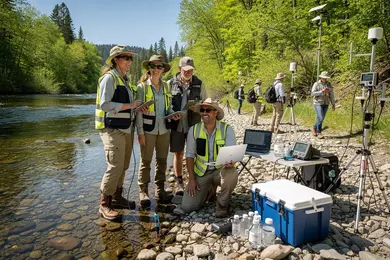
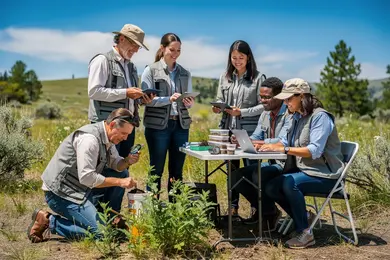
Many students appreciate the flexibility of online programs, which allows them to maintain jobs or family responsibilities while studying. This balance not only lightens economic pressure but enriches their learning experience through practical application in their local environments. For instance, completing a capstone project or internship close to home at a regional conservation agency makes the investment feel tangible and worthwhile.
The commitment to acquiring both theoretical knowledge and applicable skills, supported by reasonably priced tuition, encourages numerous Western online learners to embark on these programs with confidence and hope for a fulfilling career.
Where can I work with online environmental science degree in the West?
Graduates with an online environmental science degree in the Western United States often find rewarding careers within both government agencies and the private sector. Many draw upon their education to secure positions at federal bodies like the EPA or state departments in California, where they actively contribute to air and water quality monitoring or wildlife conservation. For example, graduates from the University of Washington frequently share how their hands-on research experiences helped them thrive in these roles, feeling a strong sense of purpose in protecting Western landscapes.
Others have discovered fulfilling work in environmental consulting firms across cities like Seattle or San Francisco, applying their skills to sustainability projects or restoration efforts. Alumni from Arizona State University often mention how their degree opened doors to renewable energy companies in Nevada and California, where they assess impacts of solar or wind installations, blending science with practical problem-solving.
Academia and research institutions also welcome these graduates, offering opportunities to engage in climate study projects that address regional concerns such as wildfire management. Overall, earning an online environmental science degree in the West equips students with diverse paths to make meaningful environmental impacts close to home.
Graduates holding an online environmental science degree from well-regarded Western institutions often discover promising salary opportunities reflective of the region's dynamic sustainability sectors. Many find starting salaries in the range of $50,000 to $60,000, particularly in entry-level roles involving environmental compliance or field research. For example, those completing their studies at prominent Western universities frequently secure positions supporting water quality initiatives or forestry management, roles vital to Oregon and Washington's local ecosystems.
With experience, salaries typically rise. Professionals in California report average earnings near $88,000, boosted by active renewable energy markets and climate programs. Graduates working near metropolitan hubs like San Francisco or Seattle often see compensation exceed $100,000 when consulting for environmental firms or engaging in advanced ecological analysis.
Many alumni reflect on the rewarding blend of meaningful work and financial success, especially those who pursued additional certifications or advanced degrees. The thriving federal presence through agencies like the EPA also provides stable, well-compensated career pathways across the West's diverse environmental landscape.
- Online environmental science bachelor's degrees in the Western US typically cost between $10,000 and $25,000, with public universities offering lower tuition for in-state students.
- Graduates earn starting salaries around $50,000 to $55,000 per year, with potential increases to $75,000 or more after five to ten years in relevant roles.
- Employment growth in environmental science jobs is projected at about 8% nationally from 2022 to 2032, reflecting steady demand.
- Leading states for job opportunities include California, Oregon, and Washington due to strong focus on water management, renewable energy, and climate initiatives.
- Most programs are regionally accredited and offer flexible, asynchronous formats with practical fieldwork or virtual labs to fit working students' needs.
Completing an online environmental science degree in the West usually spans several years, shaped by the level pursued and personal circumstances. Graduates from institutions like the University of Washington or Colorado State University often share how a full-time bachelor's degree typically takes around four years. Yet, many find value in part-time options, extending their journey to five or six years while balancing work and family commitments.
Associate degrees can be more flexible, generally completed in about two years through schools such as Portland Community College. Graduates appreciate these programs for their transferability, helping them move seamlessly into four-year universities without losing progress.
For master's degrees at universities like UC Berkeley or the University of Oregon, full-time students usually finish in two years. Those who choose part-time or accelerated formats may complete their studies anywhere from two to four years, finding joy in customizing their pace to life's demands.
Many graduates note the empowering feeling of managing their time effectively, especially when schools offer credit for prior experience or accept transfer credits. These factors lighten the path and reduce stress, making an online environmental science degree in the West both achievable and rewarding.
The most striking difference between online and on-campus environmental science degrees in the West lies in the learning environment. Graduates from University of California campuses often speak warmly of the hands-on lab sessions and fieldwork that shaped their practical skills. Being physically present means immediate access to equipment and faculty, which deepens understanding through direct interaction and real-world experience.
Conversely, students pursuing online degrees treasure the flexibility of studying from home or remote areas like Montana or Wyoming. They share stories of balancing jobs and family while engaging with coursework through digital platforms designed to accommodate busy lifestyles. This format removes geographic barriers, allowing learners to tap into programs they otherwise couldn't attend.
Cost considerations also affect their choices. While on-campus tuition in Western public universities ranges roughly from $8,000 to $15,000 annually, online students appreciate savings in commuting and housing, even if tuition costs sometimes parallel traditional rates. Both paths demand determination, but the blend of hands-on experience versus flexible access defines each journey uniquely for Western environmental science aspirants.
The average cost of an online environmental science degree in the West often reflects a balance between quality education and regional affordability. Graduates from well-known public universities like the University of Washington and Oregon State University typically report total tuition expenses in the range of $58,500, aligning closely with the median total cost reported for online environmental science degree programs in the West. This figure can seem substantial, but many students find that the investment brings rewarding career opportunities and personal growth in environmental stewardship.
Out-of-state students usually face higher costs, with median expenses rising to about $72,432. However, options like the Western Undergraduate Exchange help ease this burden by offering reduced tuition that's often around 150% of in-state rates, making affordable online environmental science degrees in the western region more accessible. Stories from graduates convey a sense of accomplishment alongside relief from manageable tuition fees and financial aid.
Aside from tuition, various fees for technology and materials can add to the overall price but remain modest compared to program value. Students who carefully explore residency policies and scholarship opportunities save significantly, enabling them to focus on learning and contributing meaningfully to the environment. Prospective students interested in an environmental sustainability major will find these cost considerations essential to planning a successful educational journey.
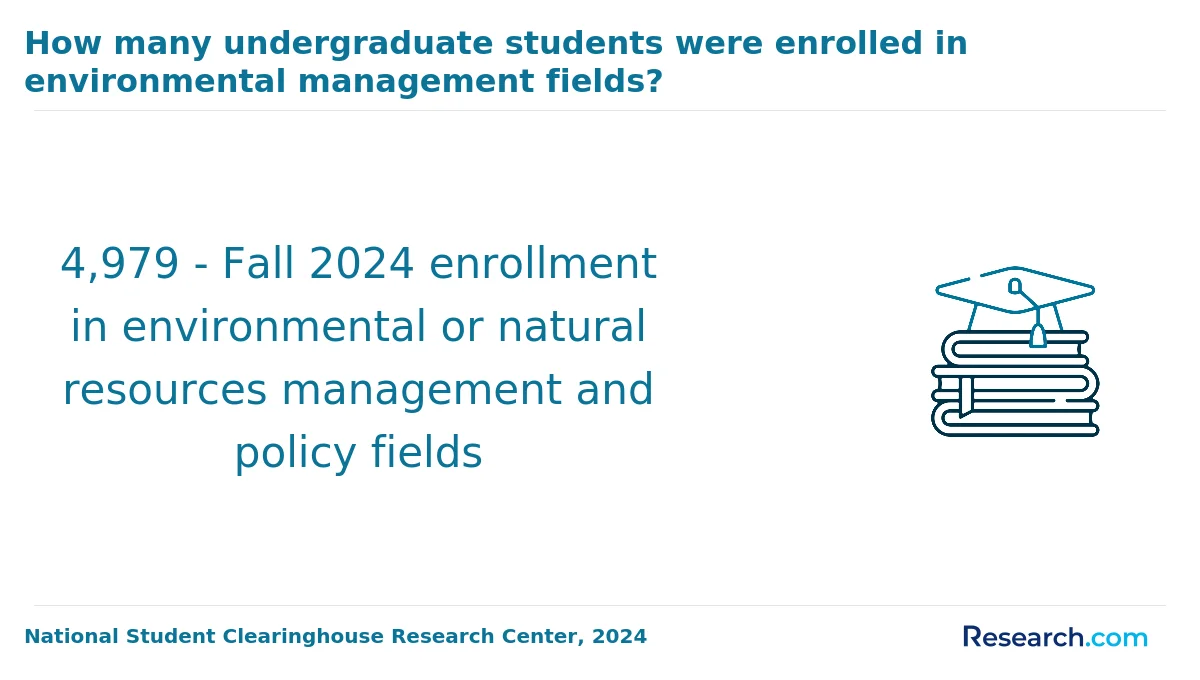
Many students pursuing an online environmental science degree in the West find federal financial aid to be a lifeline. By completing the FAFSA, they unlock access to Pell Grants-which, in 2023-2024, can cover up to $7,395 of tuition without need for repayment-and federal loans or work-study opportunities. Graduates from universities like Oregon State or the University of Washington often recall how this aid lightened their financial burden significantly.
State grants also play a crucial role. For example, California's Cal Grant program offers up to $12,570 for tuition to eligible undergraduates attending public schools. Students studying at institutions such as California State University remotely have shared how this made continuing their education attainable despite financial challenges.
Institutional scholarships further enhance affordability. Universities in the West frequently award merit- or need-based scholarships aimed at environmental science students, especially those focused on sustainability careers. Many alumni advise reaching out early to the financial aid offices to discover these tailored opportunities.
Private scholarships from environmental foundations and employer tuition assistance programs round out this support. Graduates who balanced work and study have often highlighted how employer tuition reimbursement enabled steady progress toward their degrees.
Students aiming to enroll in online environmental science degrees in the Western US often find that a strong foundation in science and math is essential. Graduates from well-regarded state universities in California and Oregon recall how completing high school courses in biology, chemistry, physics, and algebra prepared them not only academically but also mentally for the challenges ahead.
Many institutions still request SAT or ACT scores, though test-optional policies have eased this barrier, especially after recent shifts in admissions caused by the pandemic. These policies offer hope to students who excel through consistent coursework and passion rather than standardized testing alone.
For those pursuing a master's degree, a bachelor's in a related discipline such as biology or geology is typically required, often alongside a minimum 3.0 GPA. Graduates reflect on how securing meaningful letters of recommendation and crafting clear statements of purpose helped them stand out in competitive programs at prominent Western colleges.
Professional experience in environmental fields can boost applications markedly. For example, some applicants shared how internships with local conservation projects strengthened their readiness and confidence, making the transition to graduate study smoother.
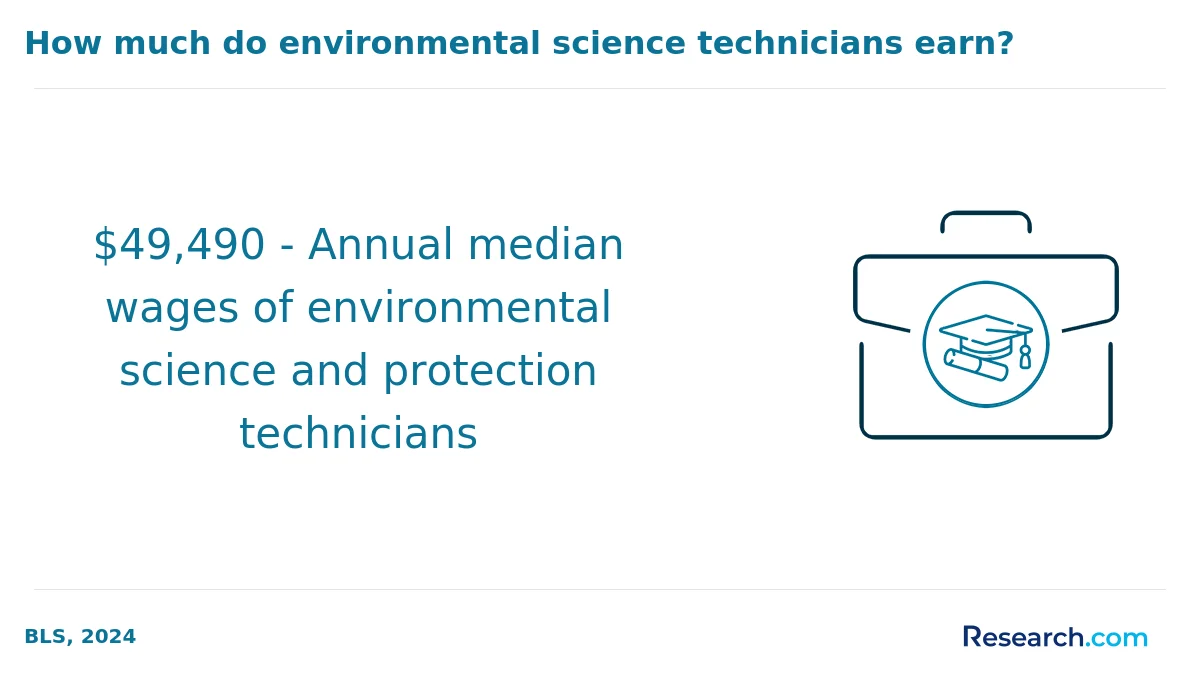
Graduates from well-known Western universities often recall how foundational courses in ecology, biology, chemistry, and geology laid the groundwork for their understanding of natural systems. These subjects are essential, as they connect directly to the landscapes and ecosystems distinctive to the Western US, from arid deserts to coastal forests. Building on this base, students encounter courses tailored to regional environmental challenges, such as Environmental Chemistry, which dives into pollution issues relevant to cities like Los Angeles or Portland.
Environmental Policy and Regulation courses bring theory to life by exploring real-world laws impacting local water rights and land use, a vital area for those studying at institutions known for strong public policy programs. Natural Resource Management and Environmental Impact Assessment encourage students to think practically about conserving resources, often with projects centered around wildfire mitigation or drought resilience practices, common challenges in the West.
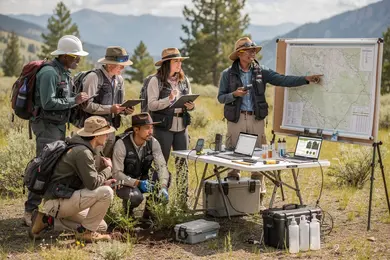
Technical courses like GIS and Remote Sensing equip learners with skills to analyze spatial data, empowering graduates to make meaningful contributions to environmental planning. Many also appreciate climate science classes focusing on mitigation strategies, fostering a hopeful mindset as they prepare to tackle global and regional issues.
Students pursuing an online environmental science degree in the West commonly explore specializations that resonate deeply with the region's unique environmental challenges. Graduates from universities known for their strong programs in this area often highlight tracks like Environmental Policy and Management, which equips them to navigate the complex laws and ethics surrounding natural resource use. This specialization appeals particularly to those envisioning careers in government or nonprofits.
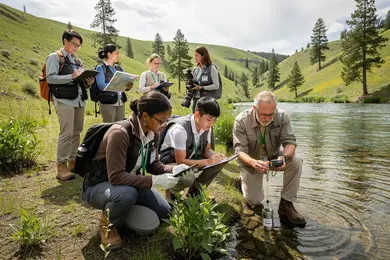
Ecology and Conservation Biology is another favored path, especially for students who appreciate hands-on studies of diverse ecosystems despite the remote format. Graduates frequently mention their ability to connect field observations with online coursework, reflecting the practical demands of land management and wildlife protection in the West. Those choosing Natural Resource Management learn directly applicable skills to tackle drought and deforestation, concerns especially pressing to Western communities.
Many students also find Environmental Health and Safety rewarding, given its focus on pollution control and human well-being-a fitting specialization in industrial and public health sectors. Additionally, emerging fields like Climate Change Science offer critical expertise relevant to climate vulnerabilities such as wildfires. For those mindful of cost, reviewing options such as the cheapest bachelor degree sustainability programs can provide valuable guidance when selecting an online environmental science degree specializations West that matches their goals.
Choosing the best online environmental science degree in the West means focusing on programs that balance quality with affordability. Graduates from popular universities in this region often emphasize the importance of attending a school with strong regional accreditation, like those recognized by the Western Association of Schools and Colleges (WASC). This accreditation assures that employers and future institutions value your degree.
Consider curriculum flexibility; many successful students appreciate programs offering specializations such as climate science or natural resource management, which reflect the pressing ecological challenges faced in the Western US. Public institutions tend to offer more affordable online environmental science degrees West, typically ranging from $7,000 to $15,000 annually, making them attractive for students managing budgets alongside careers or families.
One insightful tip from graduates is to evaluate how well a program supports career growth through strong alumni networks linked to regional agencies like the Environmental Protection Agency or state sustainability offices. When researching options, also explore mba programs with sustainability focus to complement your environmental science training and widen career prospects.
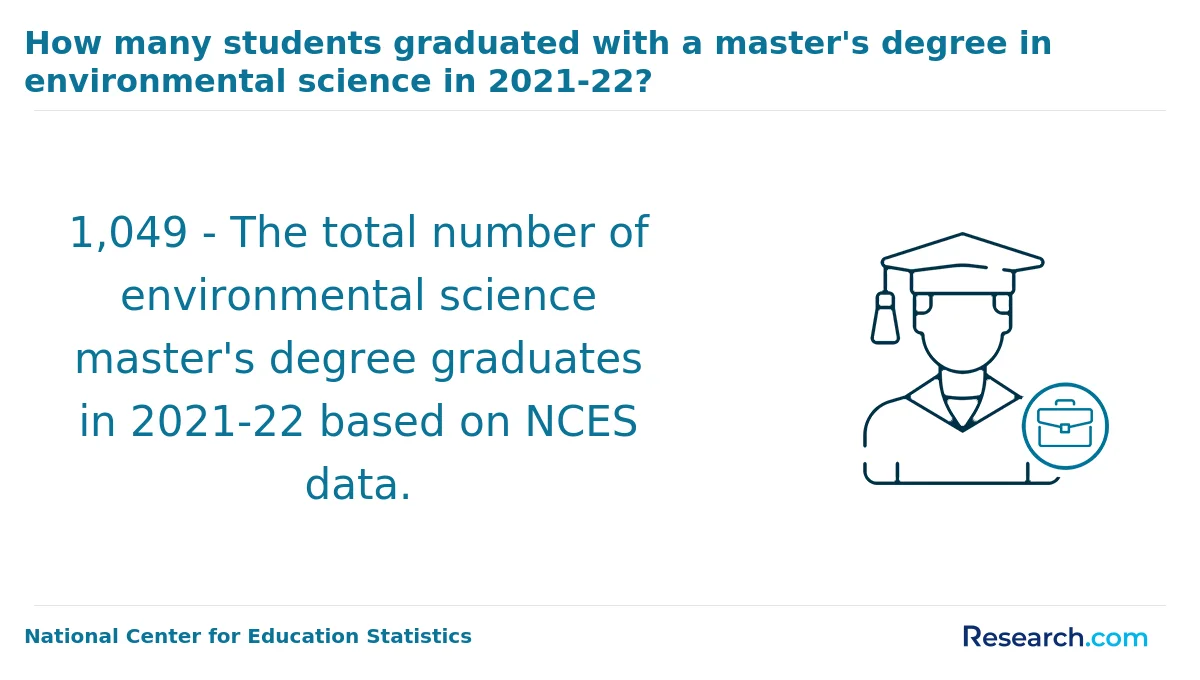
Graduates holding an online environmental science degree in the West find diverse career paths that align with the region's unique environmental landscape. Many enter environmental consulting, drawing on their knowledge from universities like the University of Washington or Arizona State University, advising local governments and businesses on sustainable practices and regulatory compliance. Others step into roles as environmental scientists or specialists, engaging deeply with natural resource management challenges common to California's forests or Oregon's watersheds.
These careers often bring a rewarding sense of purpose, reflected in the experiences of graduates who manage wildlife in national parks or work with federal agencies like the U.S. Forest Service. Their connection to vast Western ecosystems fuels a passion for conservation and policy development. Educators and communicators also thrive here, fostering community awareness around climate change-critical as public interest grows.
Students exploring online options gain flexibility and access to affordable programs. For those curious about the easiest environmental science degree online, exploring easy environmental science degree online options can make launching these exciting career opportunities in environmental science careers in the Western US more attainable.
The job market for online environmental science degree graduates in the West is robust and promising, fueled by the region's leadership in sustainable practices and green innovation. Graduates from popular institutions such as those in California and Oregon often find themselves in diverse roles across state agencies, renewable energy firms, and environmental consultancies, where their skills are highly sought after. Their ability to integrate technical expertise with environmental principles reflects well on the quality of education offered by Western universities.
Many graduates express satisfaction with entry-level positions that typically offer salaries ranging from $50,000 to $65,000 annually, demonstrating a fair alignment with the local cost of living. The job outlook for environmental science graduates Western USA continues to brighten as state and local governments emphasize conservation and clean energy initiatives, providing fertile ground for new professionals eager to make an impact.
Students often report that acquiring certifications and developing proficiency in geographic information systems (GIS) and data analysis significantly boosts employment prospects. For those wondering how long does it take to become an environmental biologist, this combination of practical skills and academic knowledge is a game changer in the competitive Western job market.
2027 Most Affordable Online Environmental Science Degree Programs Ranking in the West
Investing in your education is a significant decision that can shape your future, and the Research.com team understands the importance of making informed choices. To assist prospective students in the western United States, we have meticulously crafted the "2027 Most Affordable Online Environmental Science Degree Programs Ranking in the West." Our commitment to quality, credibility, and accuracy is reflected in the extensive research and analysis conducted to compile this ranking.
We utilized the following reputable data sources to ensure a comprehensive evaluation of environmental science programs:
By exploring this ranking, readers will gain valuable insights into affordable, high-quality online environmental science degree programs available in the West, empowering them to make informed educational decisions. For more details on our methodology, please visit our Research.com methodology page.



Frequently Asked Questions About environmental science
Students pursuing online environmental science degrees in the Western US can enhance their learning by actively engaging with regional environmental issues. Participating in virtual internships or research projects focused on the West's unique ecosystems, such as California's coastlines or the Rocky Mountains, provides practical experience.
Utilizing resources from institutions like the University of California system or Colorado State University, known for their environmental programs, strengthens understanding of local policies and conservation efforts. Online discussion forums and study groups help build a supportive community and encourage knowledge exchange.
Moreover, regularly consulting federal and state environmental data, available through agencies like the EPA and the Western Governors' Association, grounds academic concepts in real-world contexts.
Emerging niches within environmental science reflect growing regional and global concerns. In the Western US, climate resilience and wildfire management are critical, driven by increasing fire frequency and severity. According to the U.S. Forest Service, wildfires in the West consumed over 7 million acres in 2022 alone, highlighting demand for experts in this area. Another expanding niche is urban sustainability, focusing on green infrastructure and smart city planning to combat pollution and reduce carbon footprints.
Additionally, water resource management remains vital, especially in drought-prone states like California and Arizona. Professionals skilled in hydrology and water conservation technologies are increasingly sought after. Renewable energy integration, notably solar and wind, also forms a key focus.
Graduates with online environmental science degrees in the Western US should focus on building practical skills to prepare for the job market. Internships and volunteer opportunities with organizations like the California Environmental Protection Agency or Washington State Department of Ecology provide valuable experience. Networking through professional groups such as the Ecological Society of America's Western Chapter can open job doors.
According to the US Bureau of Labor Statistics, environmental science jobs in the West are growing faster than average, especially in California, Oregon, and Washington. Developing skills in Geographic Information Systems (GIS) and data analysis is essential, as these are commonly requested by employers. Certifications like the Environmental Professional (EP) credential further enhance job prospects.
Effective resume writing and interview preparation focused on environmental projects will help graduates stand out. Utilizing university career services, even after online completion, adds support in navigating Western US job markets.
Employers in the Western United States prioritize several key skills when hiring graduates with online environmental science degrees. Critical thinking and data analysis are essential, as professionals must interpret complex environmental data to inform decisions. According to the Bureau of Labor Statistics, analytical skills improve employability by over 15% in related fields. Communication abilities are equally important, with 68% of employers valuing clear reporting and collaboration skills for interdisciplinary projects. Technical proficiency, especially in Geographic Information Systems (GIS), is in high demand due to the region's focus on land use and natural resource management.
Additionally, knowledge of local environmental regulations and sustainability practices is crucial. Employers seek graduates who understand California's strict environmental laws or Washington's renewable energy initiatives. Problem-solving skills geared toward climate change adaptation are also vital, given the West's vulnerability to natural disasters. Finally, practical experience through internships or fieldwork boosts job prospects, emphasizing the value of applied learning in online programs accredited by recognized agencies.
Finding internships in the Western US relevant to an online environmental science degree involves several strategic steps. Start by exploring regional government agencies like California's EPA or Oregon's Department of Environmental Quality, which frequently offer internships focused on environmental monitoring and policy. Colleges with online programs may also provide dedicated internship portals or career services to connect students with local opportunities.
Professional associations such as the Western Section of the Air & Waste Management Association often list internships on their websites. Additionally, platforms like Handshake and USAJobs list numerous openings tailored to environmental science students in western states. Networking through LinkedIn or local environmental groups can significantly enhance your chances.
An online environmental science degree can significantly enhance career mobility and advancement opportunities in the Western United States. The region's growing focus on sustainability and natural resource management creates demand for professionals with relevant expertise.
Employers in California, Oregon, and Washington increasingly prefer candidates with formal education in environmental science, including those who earn degrees online accredited by regional bodies like WASC. According to the U.S. Bureau of Labor Statistics, environmental scientists in the West are expected to see above-average job growth of around 9% between 2020 and 2030.
Online degrees provide flexibility for working professionals and allow residents in rural or underserved areas to access quality education without relocation. This accessibility improves chances for promotions or career shifts within government agencies, environmental consulting, and tech companies focused on green innovation.
Studying for an environmental science degree in the Western United States equips students with a broad, interdisciplinary skill set essential for tackling complex ecological challenges. Programs commonly integrate biology, chemistry, geology, and policy studies, reflecting the region's diverse ecosystems and regulatory environments. According to the Western Interstate Commission for Higher Education (WICHE), almost 70% of environmental science graduates engage in roles requiring multi-disciplinary knowledge.
The West's focus on sustainable resource management and climate adaptation prepares students to collaborate across sectors, including government, industry, and non-profits. Online curricula often incorporate local case studies, enhancing practical understanding. This interdisciplinarity enables graduates to address environmental issues from scientific, economic, and social perspectives, increasing their employability in emerging green technologies and conservation efforts.
Choosing between a thesis and a non-thesis environmental science degree program in the West depends largely on your career goals and learning preferences. Thesis programs typically require original research, suited for students aiming at doctoral studies or research-based jobs. In the Western US, states like California and Washington offer strong research opportunities through universities such as University of California and University of Washington.
Non-thesis options focus on coursework and practical skills, ideal for students pursuing professional roles in environmental consulting or government agencies. According to the Western Interstate Commission for Higher Education, non-thesis degrees in environmental fields grew by 12% from 2018 to 2023, reflecting market demand.
Consider the time commitment as thesis tracks can take 6 to 12 months longer due to research and writing requirements. In contrast, non-thesis paths allow faster graduation.
Students based in the Western United States seeking to study environmental science abroad have several online options through U.S. institutions with global collaborations. Many Western universities offer accredited online programs that include international partnerships or study-abroad components, blending local education standards with global perspectives.
Public universities like the University of California system and Oregon State University provide accessible online degrees in environmental science, often integrating opportunities for virtual research projects abroad.
According to the National Center for Education Statistics, about 15% of online environmental science students in the West engage in programs with international content or study options. This reflects growing interest in global environmental issues from a regional base.
Such programs allow students to maintain residency in the West while benefiting from exposure to varied ecosystems and policy studies worldwide, equipping graduates for careers in both domestic and international environmental fields.
Students pursuing online environmental science degrees in the Western U.S. can benefit from part-time jobs aligned with their studies. Popular roles include research assistant positions at universities or environmental NGOs, often paying between $12 and $18 per hour according to the U.S. Bureau of Labor Statistics. These jobs provide practical experience in data collection and analysis, helping build critical skills.
Other opportunities include field technician roles for agencies like the California Department of Fish and Wildlife or Colorado Parks and Wildlife. These jobs involve habitat monitoring and species tracking, offering hands-on learning. Additionally, internships or part-time roles in sustainability consulting firms in cities such as Seattle and San Francisco are valuable for networking and industry exposure.
Online environmental science students in the Western US have growing opportunities to network despite geographic distances. Many universities offer virtual career fairs and alumni panels, providing valuable connections with professionals and graduates in states like California, Oregon, and Washington. Regional groups such as the Ecological Society of America's Pacific Northwest chapter also host webinars and conferences accessible online, helping students engage with local experts.
State-specific government agencies and NGOs in the West often collaborate with universities to offer internships and project partnerships remotely. Additionally, online platforms like LinkedIn host focused groups where students can share research, job openings, and advice. According to the National Center for Education Statistics, 70% of online environmental science graduates in the West reported forming at least one professional connection actively through these digital resources.
Alumni networks offer valuable support for students pursuing online environmental science degrees in the Western United States. These networks provide access to professional connections, which can be crucial in a field where job opportunities often depend on relationships. According to the National Science Foundation, environmental science job growth in the West is expected to increase by 8% through 2030, making networking beneficial for career placement.
Students gain mentorship, internship leads, and collaboration opportunities through alumni. Many Western universities host virtual events to connect current students with graduates working in agencies like the EPA or California's environmental departments.
Alumni networks also help share job market trends and regional sustainability challenges, giving students real-world insight critical for success in this evolving discipline.
Many online environmental science degree programs in the Western US allow students to tailor their studies to match career goals. Customization often includes selecting electives focused on areas such as natural resource management, sustainability, or environmental policy. For example, universities like Oregon State and the University of Arizona offer specializations within their online programs.
Students may also pursue certificates in related fields like GIS (Geographic Information Systems) or environmental compliance to enhance job prospects. According to the Western Interstate Commission for Higher Education (WICHE), over 60% of online students in the West seek programs that provide flexible options for hands-on learning or internships.
This flexibility helps align education with opportunities in sectors like conservation, government agencies, or environmental consulting in Western states, where environmental concerns are growing due to climate changes and urban development.
Online environmental science students in the West often face challenges related to hands-on learning. Fieldwork and lab experiences are crucial in this discipline, yet remote programs struggle to replicate these opportunities fully. According to the Western Interstate Commission for Higher Education, less than 40% of online environmental science programs offer virtual labs or local field placements.
Time management is another common issue, especially for students balancing work, family, and coursework. Studies show nearly 55% of online learners in western states cite scheduling conflicts as a major barrier to completion.
Additionally, limited regional networking options can affect career prospects. In-person students benefit from local environmental organizations and research partnerships more readily than their online counterparts, which may slow professional growth.
Graduates with an online environmental science degree in the Western US can pursue several professional certifications to enhance their career opportunities. Common certifications include the Certified Environmental Scientist (CES) offered by the National Association of Environmental Professionals, which requires a bachelor's degree and relevant work experience. Another option is the Registered Environmental Manager (REM) credential from the Academy of Board Certified Environmental Professionals, valued by many employers. For those interested in hazardous materials, the Hazardous Waste Operations and Emergency Response (HAZWOPER) certification is widely recognized. According to the U.S. Bureau of Labor Statistics, professionals holding certifications often earn 10-15% more than uncertified peers.
Applying to an online environmental science program in the Western US requires clear, focused preparation. Start by researching accredited universities known for environmental studies, such as those in California or Oregon. Highlight relevant experience or coursework in your statement of purpose, emphasizing how your background aligns with sustainability and regional environmental challenges.
Strong recommendation letters, ideally from science or academic professionals who understand your commitment, enhance your profile. Many programs value applicants with field experience or internships related to climate or resource management, which is crucial given the West's diverse ecosystems.
Submit transcripts reflecting strong performance in biology, chemistry, and earth science courses. Finally, proofread your application carefully to reflect professionalism and attention to detail.
Environmental science careers have a growing global importance due to increasing concerns about climate change and sustainability. In the United States, the Bureau of Labor Statistics projects a 5% job growth for environmental scientists and specialists from 2021 to 2031, faster than the average for all occupations.
Globally, many countries emphasize sustainable development goals, creating opportunities in policy, research, and conservation. For students in the West pursuing online environmental science degrees, this means their skills are in demand both domestically and internationally.
According to the National Science Foundation, the U.S. continues to lead in research funding for environmental studies, supporting career prospects in academia and applied fields.
Gaining practical experience while studying for an online environmental science degree in the West is crucial for career readiness. Many Western universities incorporate virtual labs and field simulations to complement coursework. Students can also seek internships with local environmental agencies or non-profits, which often offer remote and hybrid opportunities.
Participation in citizen science projects is another valuable option. For instance, organizations like the U.S. Geological Survey encourage contributions to ongoing environmental monitoring efforts.
Additionally, joining regional environmental groups or attending virtual conferences enhances networking and hands-on learning. According to the Bureau of Labor Statistics, practical experience increases job prospects in this competitive field.
Choosing the right concentration within an online environmental science degree in the Western US depends on your career goals and the region's ecological priorities. Common concentrations include conservation, climate science, and sustainable resource management, reflecting the West's diverse ecosystems.
Employment in environmental science in Western states is projected to grow by 8% through 2030, according to the U.S. Bureau of Labor Statistics. Selecting a concentration aligned with regional industries, such as water resource management in California or forestry in the Pacific Northwest, can improve job prospects.
Review program curricula carefully to ensure courses match your interests and local environmental challenges.
- NETWORKING FOR SUCCESS: HOW TO SHINE IN ENVIRONMENTAL JOBS - Step(h) into Nature https://stephintonature.com/all-environmental-conservation-travel-blogs/environmental-jobs-networking
- Top Trending Research Topics in Environmental Science - Agriculture Journal IJOEAR Blog https://ijoear.com/blog/top-trending-research-topics-in-environmental-science
- SEEDS Summer 2026 Internships | TREES DLA https://www.trees-dla.ac.uk/seeds-summer-2026-internships
- Explore Environmental Career Profiles | ECO Canada https://eco.ca/career-profiles-index/
- How to Become an Environmental Scientist: 8 Steps to Success - Prereqcourses https://www.prereqcourses.com/environmental-scientist/
- Environmental Sciences Abroad https://uceap.universityofcalifornia.edu/environmental-sciences-abroad
- Guide to Environmental Internships | Higherin https://higherin.com/career-guides/science-research/environmental-internships
- Environmental Science (M.S.) Non-Thesis Track https://www.towson.edu/fcsm/departments/environsci/grad/science/non-thesis-track.html
- Networking Strategies for Environmental Professionals https://www.nrep.org/blog/environmental-professional-networking-strategies
- MESPOM Alumni Association https://mespom.eu/mespom-alumni-association