2027 Fastest Online Master's in Environmental Science Degree Programs Ranking in the Midwest

Co-Founder and Chief Data Scientist
For Midwest students eager to advance their careers, finding the right online master's in environmental science can be overwhelming. That's why this article presents the 2027 Fastest Online Master's in Environmental Science Degree Programs Ranking in the Midwest, crafted by the Research.com team of data scientists.
It offers clear, data-driven insights to help you choose programs that fit your goals and pace. Pursuing an environmental science degree opens doors to impactful work protecting our planet, making this a rewarding and hopeful step forward.
Key benefits of getting online environmental science degree in the Midwest
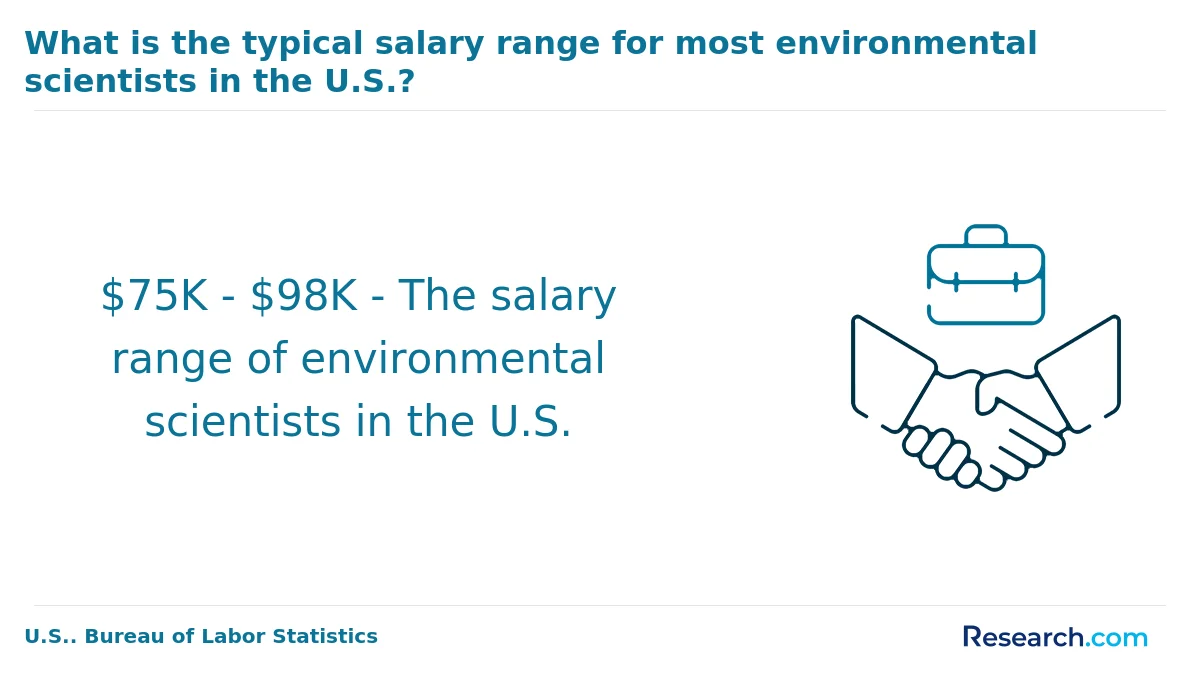
- Environmental science degree graduates in the Midwest often find rewarding careers with median annual salaries around $60,000 to $75,000 in roles like environmental specialists and scientists, offering good financial stability.
- Graduates from universities such as the University of Michigan explore diverse careers, including environmental consulting, wildlife management, and sustainability coordination, providing exciting opportunities in various sectors.
- Completing an online environmental science degree from institutions like the University of Illinois offers flexibility to balance work and study, making it easier for busy students to earn their degree without sacrificing career or family time.
- 2027 Fastest Online Master's in Environmental Science Degree Programs Ranking in the Midwest
- What can I expect from online environmental science degree in the Midwest?
- Where can I work with online environmental science degree in the Midwest?
What can I expect from online environmental science degree in the Midwest?
The average cost of an online environmental science degree in the Midwest is often more affordable than many expect, especially when compared to traditional on-campus programs. For instance, graduates from schools like the University of Illinois Springfield frequently share how their expenses remained manageable, largely due to in-state tuition benefits and various financial aid options. These programs typically cost several thousand dollars less per year than comparable degrees elsewhere, offering real value without sacrificing quality.
Many students appreciate the flexibility of these affordable programs, allowing balancing work and family responsibilities while advancing their education. One graduate recounted completing coursework late at night after a full workday, relieved by the program's reasonable price and financial support like scholarships or employer tuition assistance. This financial accessibility opens doors to impactful careers in environmental policy and conservation throughout the Midwest's unique landscapes, from the Great Lakes basin to its extensive agricultural regions.
All told, the combination of lower costs, reputable accreditation such as from the Higher Learning Commission, and practical learning formats makes these degrees a wise investment for those passionate about environmental stewardship in the Midwest.
Where can I work with online environmental science degree in the Midwest?
Graduates with an online environmental science degree from well-regarded Midwest institutions often find rewarding careers in diverse settings. Many secure roles at state and local government agencies like the Illinois Environmental Protection Agency or Michigan's Department of Environment, Great Lakes, and Energy. These positions allow them to engage directly with air and water quality monitoring and pollution control, contributing to tangible improvements in regional ecosystems.
Others join environmental consulting firms in dynamic urban centers such as Chicago or Minneapolis, where they work on sustainability strategies and compliance for various industries. Graduates frequently express satisfaction in helping businesses reduce their environmental footprint through practical, real-world projects.
The agricultural heartland, with its emphasis on soil conservation and watershed protection, also beckons many. In states like Iowa and Indiana, graduates are energized by participating in initiatives that sustain farming communities and protect natural resources, sometimes collaborating with nonprofits focused on conservation and climate advocacy.
Knowing peers from popular programs understand these paths brings confidence and a sense of shared purpose to those pursuing this degree online in the Midwest.
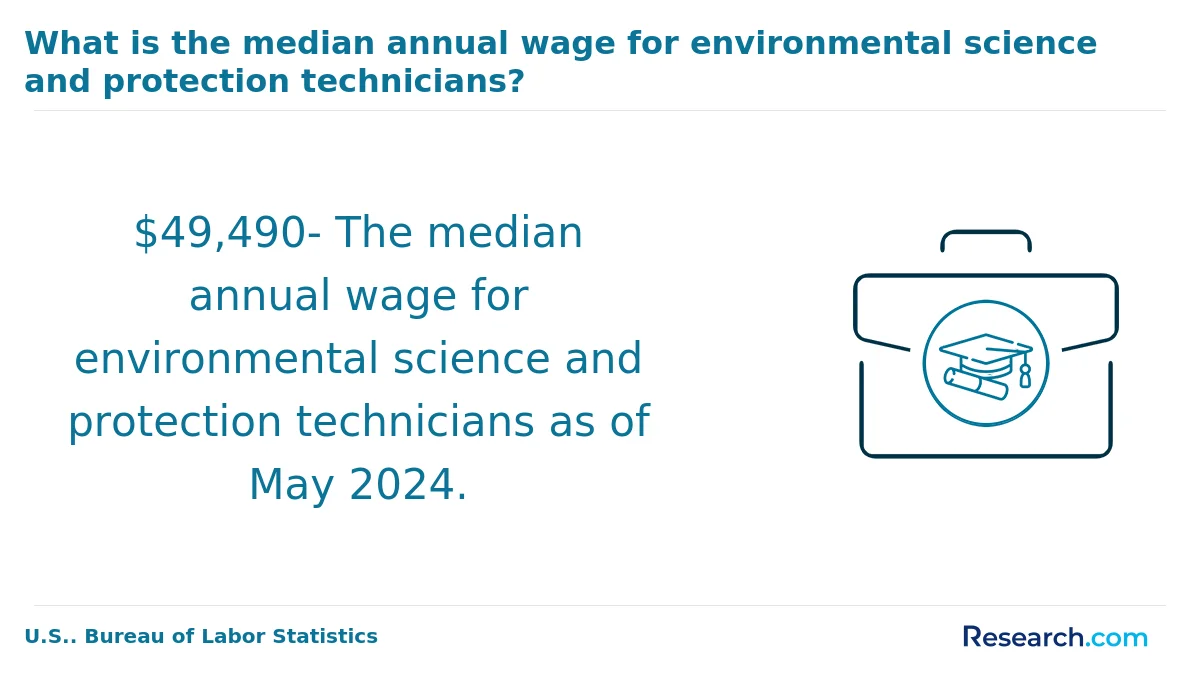
Graduates holding an online environmental science degree in the Midwest typically see starting salaries in the range of $45,000 to $55,000, especially those coming from well-regarded programs at universities such as the University of Minnesota or Michigan State. These entry-level roles often involve hands-on work with local environmental agencies or consulting firms.
As professionals gain experience, particularly in urban centers like Chicago or Minneapolis, salaries can rise significantly. Many graduates find themselves earning between $55,000 and $75,000 as environmental specialists or natural resource managers. The presence of state and federal agencies around Ohio and Wisconsin offers stable, competitive compensation, often exceeding $75,000 for mid-career positions.
Graduates who continue to enhance their qualifications through certifications like the Certified Environmental Scientist enjoy salary boosts of 10-15%, making advancement more accessible. The flexible format of online degrees enables working professionals to earn credentials without pausing their careers, often translating to faster salary growth and fulfilling roles in evolving environmental sectors across the Midwest.
- Online environmental science master's programs in the Midwest usually take two to three years to complete.
- Tuition ranges from $15,000 to $30,000, with public universities offering lower rates for in-state students.
- Early-career salaries typically range from $50,000 to $65,000 annually, increasing to $80,000 or more with experience.
- Programs often focus on regional environmental challenges like water quality in the Great Lakes and agricultural sustainability.
- Many programs offer networking opportunities with local environmental organizations and agencies.
- Regional accreditation and recognition by professional bodies are important for enhancing job prospects.
Completing an online environmental science degree in the Midwest typically takes around four years for a bachelor's program and about 12 to 24 months for a master's degree. Graduates from institutions like the University of Illinois at Urbana-Champaign often share that balancing work or family while studying part-time extends their timeline beyond the standard four years, yet flexible scheduling options make the journey manageable and even rewarding.
Many programs, such as Michigan State University's master's in environmental science, offer accelerated paths with year-round courses or asynchronous classes, allowing students to progress at their own pace. This flexibility proves invaluable for busy adults eager to advance their careers without sacrificing personal commitments.
Transfer credits and the number of classes taken each term also influence completion time. Graduates appreciate how prior coursework or associate degrees can significantly reduce required credits, turning what seems a lengthy endeavor into a realistic and inspiring goal.
The difference between online and on-campus environmental science degrees in the Midwest often comes down to the learning environment and daily experience. Graduates from programs at universities like the University of Michigan or the University of Wisconsin frequently recount how on-campus studies involved hands-on fieldwork-collecting soil samples by Lake Michigan or testing local water quality in nearby wetlands-activities that deeply enriched their understanding through real-world practice.
Conversely, online learners from institutions such as the University of Illinois Urbana-Champaign appreciate the flexibility to balance work and studies, leveraging virtual labs and simulations that mimic these practical experiences. Many share the relief and satisfaction of avoiding daily commutes and housing expenses, which is a significant advantage when living far from campus.
Both formats require dedication, yet the face-to-face interactions available on campus foster immediate peer support and mentorship, while online students often find value in scheduled virtual office hours and discussion boards. Midwestern online programs strive to keep students connected despite physical distance, cultivating a genuine sense of community.
The average cost of an online environmental science degree in the Midwest typically centers around $25,160, reflecting a balance between affordability and quality. Public institutions in this region often appeal to students because of their moderate tuition rates, which remain noticeably lower than many coastal alternatives. Graduates from universities well-known for their environmental science programs in the Midwest often express gratitude for the manageable tuition combined with strong academic support. This cost allows students to invest in their education without overwhelming financial stress, encouraging more focus on their passion for sustainability and regional environmental issues.
Many students pursuing their degrees online appreciate the flexibility in pricing, with public universities generally charging between $300 and $600 per credit hour. This range helps students feel confident in budgeting for about 30 to 36 credit hours, which most programs require. For those seeking specialized knowledge, some private colleges do offer higher tuition but compensate with smaller class sizes or unique areas of study. It's worth noting that in-state residents often benefit from reduced tuition rates, helping to further lower costs for many Midwest residents considering these programs.
When exploring affordability, it's useful to remember the variety of financial aid options available. Scholarships aimed specifically at environmental science students, especially those with sustainable concentration, can make a significant difference. Students studying in the Midwest are encouraged to research these opportunities thoroughly. For instance, those who find the financial burden daunting might also consider pathways like the fastest bachelor of sustainability online that can shorten time to degree and reduce costs. Through experienced alumni stories, it becomes clear that balancing tuition fees with program quality and scholarship aid is key to a rewarding educational journey in environmental science.
The topic of Midwest online environmental science master's tuition fees is often a focal point for prospective students weighing their options. Alumni from popular schools note that the investment feels justified given the rigorous coursework and practical experiences embedded in these programs. The relatively moderate cost helps many feel encouraged to pursue advanced degrees without the heavy debt that sometimes accompanies graduate education elsewhere. These graduates frequently highlight their satisfaction in contributing to environmental solutions relevant to their home states and communities, reinforcing the value of a wisely chosen program in this region.
Students pursuing an online environmental science degree in the Midwest often find significant financial relief through a combination of federal, state, and institutional aid. Many graduates from institutions like the University of Illinois or Ohio State University reflect on how completing the FAFSA opened doors to Pell Grants, which substantially eased tuition costs without the burden of repayment. These grants, sometimes covering up to $7,395 annually, make a tangible difference for undergraduates balancing education with daily responsibilities.
State-specific grants add another layer of support, especially in Minnesota, Illinois, and Ohio, where local scholarships prioritize residents studying science and technology fields. Graduates commonly share how these grants, combined with in-state tuition discounts, turned daunting tuition bills into manageable investments.
Merit-based scholarships from organizations like the Environmental Protection Agency also empower students to focus more on learning and less on finances. Working professionals pursuing their degrees often benefit from employer tuition assistance programs, which many credit for making online study viable without sacrificing income. This blend of aid forms a reliable safety net that encourages dedication and perseverance in these vital environmental careers.
To enroll in an online environmental science degree in the Midwest, you'll typically need a bachelor's degree, often from an accredited institution. While it doesn't always have to be in environmental science, related backgrounds such as biology, chemistry, or geology really set you up for success. Graduates from schools like the University of Illinois often reflect that having a solid grounding in these areas made complex topics more approachable and boosted their confidence when tackling advanced coursework.
Many programs have eased standardized test requirements, with universities like Michigan State University recognizing substantial professional experience or strong academic records instead of GRE scores. This flexibility has been a relief to working professionals balancing careers and family.
Other common prerequisites include a minimum GPA around 3.0, letters of recommendation, and a personal statement. Some Midwest programs might ask for prerequisite courses, such as ecology or GIS, if your undergraduate studies didn't cover these. Graduates recall that prepping with these courses ahead of time made their experience smoother and more fulfilling.
Typical courses in online environmental science degrees offered by Midwestern universities blend scientific rigor with practical relevance, reflecting the unique ecological and industrial landscape of the region. Graduates often recall how Environmental Chemistry illuminated chemical interactions affecting their own local rivers, making abstract pollution issues tangible and urgent. Ecology and Ecosystem Management courses allowed them to understand the intricate balance between native species and farmed lands, a common sight throughout the Midwest's vast agricultural areas.
Environmental Policy and Law classes stood out as eye-opening, revealing how Midwestern statutes shape conservation efforts, especially around the Great Lakes. Students valued learning GIS and Remote Sensing skills through hands-on projects mapping nearby watershed zones, enhancing their ability to analyze real data. Soil Science and Water Resource Management connected classroom concepts to the farmland and water systems familiar from youth, fostering a deep appreciation for sustainable practices.
These courses empower learners to address Midwest-specific environmental challenges while building transferable expertise, inspiring optimism about their future impact.
Online environmental science specializations Midwest programs commonly include areas like Environmental Policy and Management, Ecology and Conservation Biology, and Natural Resource Management. Graduates from well-known Midwestern colleges often reflect on how focusing on Environmental Health and Safety helped them confidently navigate real-world challenges related to pollution and workplace risks. They appreciate how Climate Science and Sustainability courses connected deep scientific concepts to urgent regional concerns like agriculture and urban planning.
These Midwest environmental science degree focus areas resonate deeply with students who want meaningful careers aligned with local environmental priorities. For instance, graduates recount field projects managing freshwater habitats in Minnesota or working on sustainable urban development in Ohio. Such experiences make abstract science tangible and reinforce the value of their education.
Prospective students searching for affordable options often explore programs highlighted among the cheapest masters in sustainability programs, balancing cost with strong specialization offerings. Embracing these tailored tracks allows learners to engage passionately with environmental issues central to the Midwest and build satisfying, impactful careers.
Choosing the best online environmental science degree in the Midwest means prioritizing programs that offer region-specific expertise and flexibility. Graduates from well-known Midwestern colleges often highlight how their curriculum addressed critical local issues-like Great Lakes preservation and sustainable agriculture-making their learning deeply relevant and motivating. Look for programs accredited by the Higher Learning Commission to ensure quality and credit transferability.
Affordability is a big concern; many students find that affordable environmental science master's Midwest options range between $12,000 and $25,000 at public institutions, while private ones can be pricier but may offer valuable scholarships. Hands-on learning with faculty engaged in active research brings an enriching dimension, often connecting students with nearby environmental projects.
Flexibility also shapes student experience. Asynchronous courses at schools known for these programs allow working professionals to study while managing other responsibilities. Exploring different paths towards roles like sustainability manager careers can help refine your goals and pick the best fit.
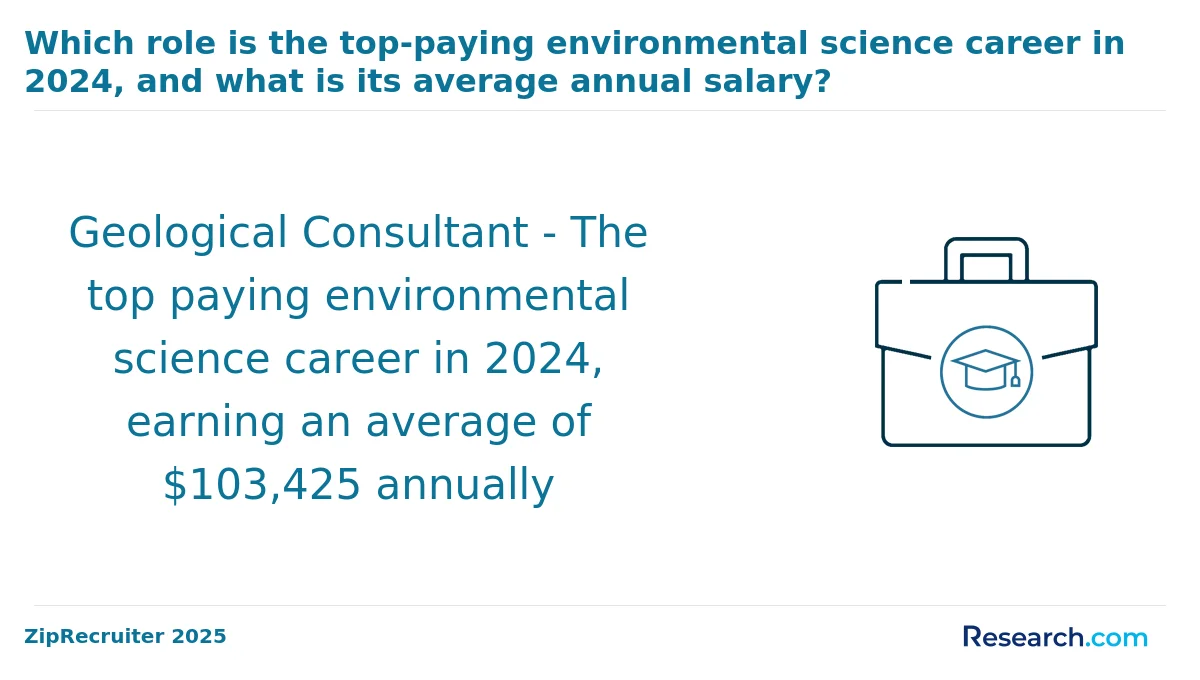
Graduates pursuing online environmental science careers Midwest often find rich opportunities tailored to the region's diverse ecosystems and industries. Many alumni from universities like the University of Illinois and Michigan State University have taken roles as environmental scientists and specialists, tackling real challenges such as pollution analysis and ensuring compliance with state regulations. Their work typically involves hands-on environmental impact assessments reflecting the unique needs of Midwestern urban and agricultural settings.
Others have embraced careers as natural resource managers or conservation scientists, positions frequently available through government agencies dedicated to the stewardship of forestry and wildlife. These professionals derive satisfaction from preserving the land while managing soil and water resources essential to the region's farming communities.
Environmental consultants and urban planners, particularly graduates who balanced their studies with practical projects at regional colleges, contribute to sustainable development and green infrastructure initiatives. For those curious about expanding their technical skills, exploring an environmental engineering online degree can open doors to renewable energy projects thriving in the Midwest's emerging clean tech sectors. These career paths combine purpose with the flexibility that many students value.
The job market for graduates with an online environmental science degree in the Midwest is robust and encouraging, reflecting the region's commitment to sustainability and resource management. Graduates from popular institutions like the University of Michigan or Ohio State University often find themselves drawn to roles within government agencies or environmental consultancies, where their knowledge directly supports local regulation and conservation efforts. These jobs fulfill a critical need in areas rich in agriculture and industry, embodying real-world impact daily.
Many online environmental science jobs Midwest offer the flexibility needed to balance education and employment. Graduates gain skills that align closely with employer demands, such as GIS and data analysis, which open doors to higher starting salaries and career growth. Those who pursued flexible programs, including the fastest environmental management mba programs, report enhanced confidence in navigating complex environmental challenges faced by Midwestern communities.
2027 Fastest Online Master's in Environmental Science Degree Programs Ranking in the Midwest
Investing in your education is a significant decision that can shape your future, and the Research.com team understands the importance of making informed choices. To assist prospective students in the Midwest, we have meticulously crafted the "2027 Fastest Online Master's in Environmental Science Degree Programs Ranking in the Midwest." Our commitment to quality, credibility, and accuracy is reflected in the extensive research and analysis conducted to compile this ranking.
We utilized the following reputable data sources to ensure a comprehensive evaluation of environmental science programs:
By exploring this ranking, readers will gain valuable insights into the fastest online master's programs in environmental science available in the Midwest, empowering them to make informed and confident decisions about their educational paths. For more details on our methodology, please visit our Research.com methodology page.
# 1 position
University of Illinois at Urbana-Champaign
Master of Natural Resources and Environmental Sciences




Frequently Asked Questions About environmental science
Online environmental science degree students in the Midwest can maximize their learning by actively engaging with regional ecological issues relevant to their studies. Midwestern states like Illinois and Michigan focus on freshwater resource management and agricultural sustainability, critical areas for environmental careers.
Connecting with local environmental organizations or governmental agencies can provide practical experience and networking opportunities. Students should also take advantage of online resources and virtual labs offered by many accredited universities, enhancing hands-on skills despite the remote format.
According to the U.S. Bureau of Labor Statistics, demand for environmental scientists in the Midwest is projected to grow by 8% from 2022 to 2032, highlighting the importance of staying updated on industry trends and certifications.
The environmental science field is rapidly evolving, with several emerging niches gaining importance. One fast-growing area is renewable energy management, especially relevant in the Midwest due to the region's wind and solar energy potentials. According to the U.S. Department of Energy, wind energy jobs in states like Iowa and Illinois are expected to grow by over 50% by 2030.
Another developing niche is climate change adaptation and resilience planning. Midwest cities face increasing flooding risks, driving demand for experts in sustainable urban infrastructure.
Environmental data analysis and GIS technology also offer expanding career opportunities as organizations invest in better natural resource management.
These evolving specializations reflect both regional needs and national environmental priorities.
Preparing for the job market after earning an online environmental science degree in the Midwest requires a strategic approach. Graduates should focus on gaining practical experience through internships or cooperative education programs, which Midwest universities often facilitate remotely. According to the U.S. Bureau of Labor Statistics, environmental science jobs in states like Illinois and Ohio are expected to grow by about 8% through 2030, highlighting regional demand.
Networking is essential; joining local chapters of professional organizations such as the Society for Environmental Toxicology and Chemistry can open doors. Additionally, acquiring certifications like the Certified Environmental Scientist (CES) can enhance employability.
Developing strong analytical and GIS skills is critical, as employers value technical proficiency in these areas. Tailoring your resume to highlight regional environmental issues, like water quality and soil conservation, can further improve job prospects.
Employers in the Midwest highly value environmental science graduates who possess strong analytical skills. These skills enable professionals to interpret complex data related to local ecosystems and environmental policies. According to the U.S. Bureau of Labor Statistics, analytical thinking is crucial for addressing regional challenges like agricultural runoff and water quality issues.
Communication skills are also essential. Graduates must effectively convey scientific findings to stakeholders, including government agencies and private companies. Additionally, proficiency in Geographic Information Systems (GIS) is frequently requested, as GIS technology supports environmental planning and conservation efforts across Midwestern states.
Understanding regulatory frameworks, such as state-specific environmental laws, further increases job prospects. Research from the Midwest Environmental Education Association highlights teamwork and problem-solving as top employer priorities, reflecting the collaborative nature of regional environmental projects.
Finding internships in the Midwest for environmental science students involves targeted research and networking. Start by exploring opportunities through university career centers, which often have partnerships with local agencies and companies focused on conservation, sustainability, and environmental policy.
State and regional organizations, such as the Illinois Environmental Protection Agency or the Minnesota Pollution Control Agency, regularly offer internships. Additionally, websites like the Environmental Internship Program from the U.S. Environmental Protection Agency provide listings specific to the region.
Connecting with professional groups such as the Midwest Environmental Education Association can also lead to local internships. Students should apply early, as competitive programs often fill fast.
Obtaining an online environmental science degree can significantly enhance career mobility and advancement opportunities in the Midwest. The region's growing focus on sustainable agriculture, renewable energy, and conservation has increased demand for qualified professionals. According to the U.S. Bureau of Labor Statistics, environmental science jobs in Midwest states like Illinois, Ohio, and Minnesota are expected to grow by about 8% from 2022 to 2032.
This degree offers flexibility for working professionals to specialize while maintaining employment. Graduates have better access to roles in environmental consulting, policy, and resource management, where advanced credentials are often required. Employers value the technical skills and regional knowledge online programs provide, supporting upward career movement in both private and public sectors.
Studying for an environmental science degree in the Midwest equips students with skills to thrive in interdisciplinary roles by combining knowledge of natural sciences, policy, and technology. Midwest programs often emphasize real-world applications, such as managing the region's extensive freshwater resources, agriculture, and industrial impacts. According to the EPA, the Midwest faces unique environmental challenges that require collaborative solutions, encouraging programs to include coursework in environmental policy, data analysis, and sustainable practices.
The region's universities frequently partner with local industries and government agencies, offering students practical experience and networking opportunities. This approach prepares graduates to work seamlessly across sectors, including environmental consulting, resource management, and regulatory affairs.
When choosing between a thesis and a non-thesis environmental science degree program in the Midwest, consider your career goals. Thesis programs focus on research, requiring a formal written project, which suits students aiming for PhD studies or research-intensive roles. Non-thesis programs emphasize coursework and practical skills, ideal for professionals seeking advancement in industry or government agencies.
The U.S. Department of Education notes that 60% of Midwest environmental science graduates work in applied roles. Schools like the University of Michigan and Iowa State offer both options online, reflecting regional demand for flexibility. Assess workload, faculty mentorship, and whether you prefer independent research or hands-on experience before deciding.
Students in the Midwest seeking to study environmental science abroad through online degrees have several options. Many Midwestern universities partner with international institutions, offering exchange programs and joint research projects that can supplement online coursework.
Additionally, some U.S. schools provide online environmental science master's programs with global case studies and fieldwork components that include travel opportunities abroad. These programs often emphasize issues relevant to Midwestern ecology, such as Great Lakes conservation and sustainable agriculture.
According to the National Center for Education Statistics, over 15% of environmental science graduate students in the Midwest participate in study-abroad-related activities, enhancing their global perspective while maintaining flexible online schedules.
Such programs enable students to build international networks without relocating, vital for careers in global environmental consultancy or policy development.
Part-time job opportunities in the Midwest that complement an online environmental science degree are diverse and practical. Many students find work as field technicians or environmental assistants with state conservation departments or nonprofit organizations. These roles offer hands-on experience monitoring wildlife, collecting data, and assisting in sustainability projects.
Internships with agencies like the Illinois Environmental Protection Agency or the Minnesota Pollution Control Agency provide valuable exposure to regulatory processes. According to the U.S. Bureau of Labor Statistics, environmental science jobs are growing by 8% in the Midwest, highlighting increasing demand for related skills.
Additionally, research assistant positions at regional universities enhance analytical expertise and scientific communication. These opportunities help students build relevant skills while pursuing their degree.
Online environmental science students in the Midwest benefit from diverse networking opportunities despite remote study. Many universities offer virtual events, webinars, and discussion groups focused on regional environmental issues, fostering connections with faculty and peers. Professional organizations such as the Midwest Environmental Education Association and local chapters of the Society for Environmental Toxicology and Chemistry provide accessible memberships and online mixers.
Additionally, students can participate in virtual internships and collaborative research projects affiliated with Midwestern institutions. According to the National Center for Education Statistics, nearly 60% of graduate students in the Midwest engage in at least one online professional event annually, boosting career prospects.
Regional conferences frequently offer hybrid attendance options, enabling online learners to network directly with industry leaders in states like Illinois, Ohio, and Minnesota.
Alumni networks provide valuable benefits to online environmental science degree students in the Midwest by offering access to professional connections and job opportunities. Many universities in this region maintain active alumni groups that facilitate mentorship and networking events, which are crucial for career development in environmental fields.
According to the Environmental Careers Organization, over 70% of environmental science graduates find jobs through networking, showing the importance of alumni contacts. Midwest alumni often work in regional agencies like the EPA's Great Lakes office or state conservation departments, providing relevant industry insights and local job leads.
These networks also help students stay updated on industry trends and research developments. Participating in alumni forums and webinars offers continuous learning opportunities, which are especially important in a rapidly evolving field like environmental science.
Customizing an online environmental science degree in the Midwest allows students to align their education with specific career goals in this diverse region. Many programs offer electives focusing on Midwestern ecosystems, agriculture, water resources, and renewable energy technologies.
Students can often choose concentrations such as environmental policy, sustainable agriculture, or GIS (Geographic Information Systems), enhancing job prospects in government, consulting, or conservation organizations. For example, graduates with GIS skills have seen employment growth of over 10% nationwide per the U.S. Bureau of Labor Statistics.
Internships and research projects with local agencies or universities provide practical experience tailored to regional challenges like Lake Michigan water quality or Midwest prairie restoration.
Flexibility in course scheduling and part-time options also support working professionals aiming for career advancement in fields related to environmental compliance or resource management.
Online environmental science students in the Midwest commonly face challenges related to fieldwork requirements. Many programs require hands-on experience, which can be difficult to complete remotely in rural or less populated areas. According to the Environmental Protection Agency (EPA), the Midwest has a diverse range of ecosystems, making localized field experience essential but sometimes inaccessible online.
Another challenge is balancing coursework with work and personal responsibilities, especially since many students in this region are non-traditional learners or working professionals. A 2023 survey by the National Center for Education Statistics found that 58% of online graduate students in environmental fields juggle multiple commitments.
Technical limitations, such as unreliable internet in rural areas, can also hinder participation in synchronous classes or virtual labs.
With an online environmental science degree from the Midwest, graduates can pursue several respected professional certifications to boost their careers. Popular options include the Certified Environmental Scientist (CES) credential awarded by the National Association of Environmental Professionals (NAEP), which verifies expertise in environmental principles and regulations.
Many students also seek the Registered Environmental Manager (REM) certification from the American Academy of Environmental Engineers and Scientists, valued in industries across the Midwest such as agriculture and manufacturing.
Additionally, the Certified Hazardous Materials Manager (CHMM) credential supports roles involving waste management and pollution control, crucial in states like Illinois and Ohio with extensive industrial sectors.
When applying to an online environmental science program in the Midwest, start by highlighting your passion for regional environmental issues such as water quality in the Great Lakes or sustainable agriculture. Admissions committees value applicants who demonstrate local awareness. Include specific experiences like internships or volunteer work related to Midwestern ecosystems. According to the Environmental Protection Agency, the Midwest faces unique challenges, so showcasing relevant knowledge can strengthen your application.
Emphasize your quantitative skills, as many programs require proficiency in statistics and data analysis. Detail any research or projects demonstrating these abilities. Finally, tailor your statement of purpose to show how the program aligns with your career goals in environmental science within the Midwest context.
The environmental science field is increasingly global in scope, as environmental challenges such as climate change, resource depletion, and pollution affect all countries. Careers in this area often involve international collaboration and understanding policies from different regions.
For students in the Midwest pursuing online environmental science degrees, knowledge of global frameworks like the United Nations Sustainable Development Goals can be an asset. According to the U.S. Bureau of Labor Statistics, environmental scientists and specialists in the Midwest are expected to see growth around 8% through 2031, reflecting rising demand for expertise in both local and global contexts.
Understanding global environmental issues enhances job competitiveness in government, non-profits, and private sectors that operate beyond the U.S. borders. Programs in the Midwest increasingly integrate these global perspectives into their curricula to prepare graduates for diverse career paths.
Gaining practical experience during an online environmental science degree in the Midwest is essential for career readiness. Many programs encourage internships with local agencies such as the Environmental Protection Agency's regional offices or state departments of natural resources. These opportunities provide hands-on experience in areas like water quality, soil conservation, and wildlife management.
Additionally, Midwestern universities often partner with environmental organizations and industry leaders to offer remote research projects. According to the Great Lakes Commission, over 70% of environmental science graduates who completed internships found employment within six months.
Students can also engage in virtual labs and fieldwork simulations, which complement their online coursework. Such experiences help build skills in data analysis and environmental monitoring important to the region's unique ecosystems.
Choosing the right concentration within an online environmental science degree in the Midwest depends on your career goals and regional environmental challenges. Concentrations often include areas like natural resource management, environmental policy, or sustainable agriculture, all relevant to Midwestern ecosystems.
The Midwest faces unique issues such as water quality in the Great Lakes and soil health for agriculture, making practical knowledge in these areas valuable. According to the Environmental Protection Agency (EPA), water resource management is a critical concern regionally, influencing job demand.
Research the curriculum to ensure it aligns with your interests and check if the program offers opportunities for hands-on projects or internships, even remotely.
Finally, consider accreditation and faculty expertise, as strong ties to regional environmental agencies can enhance learning and employment prospects.
- 5 Powerful Skills That Make Switching to a Green Career Surprisingly Easy https://www.jobsinecology.co.uk/resources/blog/2025/08/5-powerful-skills-that-make-switching-to-a-green-career-surprisingly-easy/
- The Biggest Environmental Problems Of 2021 https://earth.org/the-biggest-environmental-problems-of-our-lifetime/
- Online Environmental Science Degrees: Compare Schools https://www.degreesforgood.org/online-degrees/environmental-science/
- How Study Abroad Benefits Environmental Science Majors | Maximo Nivel https://maximonivel.com/study-abroad-environmental-science/
- MESPOM Alumni Association https://mespom.eu/mespom-alumni-association
- Environmental Education Programs in Higher Education | eePRO https://eepro.naaee.org/learning/higher-education-database
- How To Get Environmental Science Work Experience https://www.savemyexams.com/learning-hub/careers/environmental-science-work-experience/
- Networking Strategies for Environmental Professionals https://www.nrep.org/blog/environmental-professional-networking-strategies
- SEEDS Summer 2026 Internships | TREES DLA https://www.trees-dla.ac.uk/seeds-summer-2026-internships
- Environmental Certifications for entry-level and career changers https://www.theenvironmentalcareercoach.com/certification-links