2027 Most Affordable Online Master's in Environmental Science Degree Programs Ranking in Alabama

Co-Founder and Chief Data Scientist
Thinking about advancing your career in environmental science without leaving Alabama? This article introduces the 2027 Most Affordable Online Master's in Environmental Science Degree Programs Ranking in Alabama, carefully developed by the Research.com team of data scientists.
Designed to help you make informed decisions, this ranking highlights top programs that balance quality and cost. Earning an environmental science degree opens doors to meaningful work that can impact communities and the planet. Explore your options confidently and discover opportunities that fit your goals and budget.
Key benefits of getting online environmental science degree in Alabama
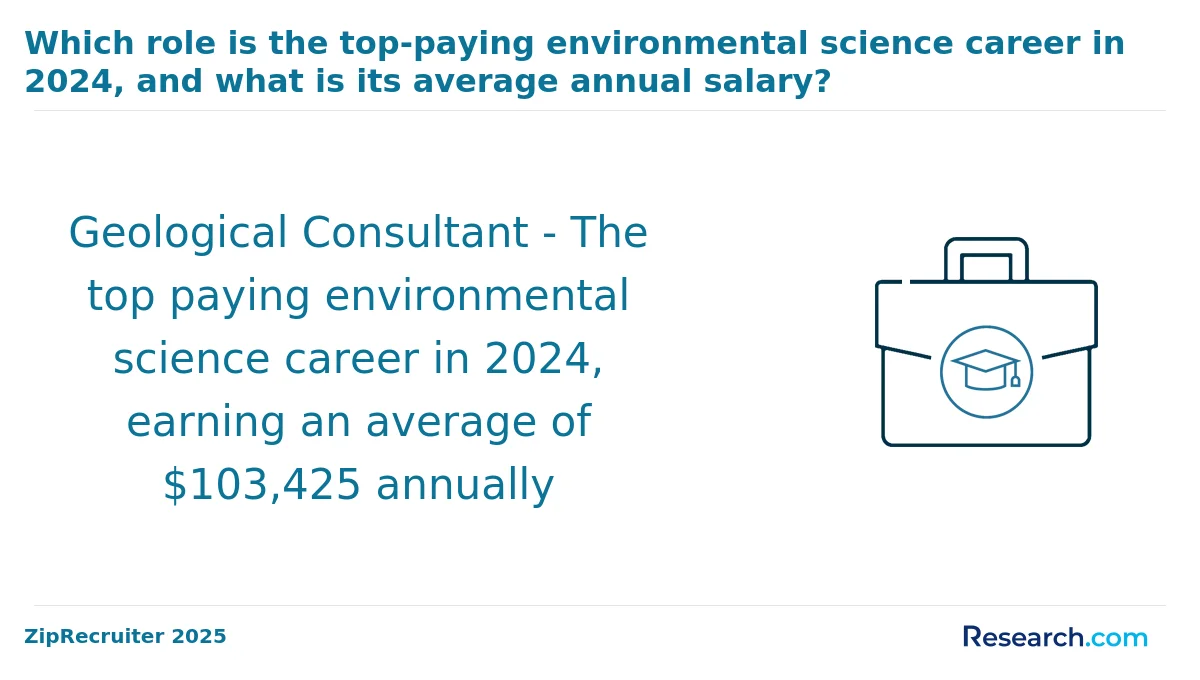
- Environmental science graduates in Alabama can expect an average annual salary around $50,000 to $60,000, reflecting national trends for related careers such as environmental specialists and scientists.
- Graduates often find diverse career options including environmental consulting, natural resource management, and sustainability coordination, as demonstrated by alumni from the University of Alabama.
- Completing an online environmental science degree provides flexibility for working students in Alabama, allowing them to balance studies with personal responsibilities while still gaining valuable hands-on experience.
- 2027 Most Affordable Online Master's in Environmental Science Degree Programs Ranking in Alabama
- What can I expect from online environmental science degree in Alabama?
- Where can I work with online environmental science degree in Alabama?
What can I expect from online environmental science degree in Alabama?
The average cost of pursuing an online environmental science degree in Alabama is quite reasonable, especially when you consider the quality of education offered by institutions like the University of Alabama and Auburn University. Graduate tuition for in-state students typically falls between $300 and $500 per credit hour, making it accessible for most learners who want to balance work, family, and school commitments.
Graduates often share how the affordability paired with strong academic support made a huge difference in their journey. One recalls managing their studies alongside a full-time job, appreciating the flexible asynchronous classes designed for busy professionals.
Choosing programs accredited by organizations such as the Southern Association of Colleges and Schools Commission on Colleges (SACSCOC) ensures the investment is worthwhile, unlocking access to federal financial aid and maintaining high educational standards.
Investing in an Alabama-based online degree not only saves money but also connects you deeply with the state's unique environmental challenges-from the Tennessee River Basin to the Gulf Coast-preparing you to make meaningful change right where it matters most.
Where can I work with online environmental science degree in Alabama?
Graduates with an online environmental science degree in Alabama find rewarding roles across government, private, nonprofit, and academic sectors that truly make a difference. Many alumni from the University of Alabama and Auburn University share how their studies prepared them to join the Alabama Department of Environmental Management (ADEM), where they work as environmental analysts or water resource specialists, tackling real-world challenges like pollution control and resource conservation.
Others have thrived in private consulting firms around Birmingham or Mobile, helping industries manage environmental impact and sustainability planning. Imagine being the expert guiding a local company through preserving Alabama's unique ecosystems while supporting industrial growth-it's a balance that requires both knowledge and passion.
Nonprofit organizations such as the Alabama Coastal Foundation also offer inspiring opportunities for graduates to engage in on-the-ground habitat preservation and water quality monitoring. Many have told me how fulfilling it feels to contribute directly to protecting Alabama's natural beauty.
Academic and research positions at local universities provide additional pathways, where graduates assist in studies on climate impact in the Gulf Coast region, turning classroom learning into meaningful community action.
These diverse career paths empower you to support Alabama's environment while building a career filled with purpose and impact.
Graduates with an online environmental science degree in Alabama can expect starting salaries around $40,000 to $45,000, reflecting entry-level positions within state agencies or environmental consulting firms based in cities like Birmingham or Huntsville. Many alumni from popular programs at the University of Alabama at Birmingham and Auburn University have shared how their early roles in natural resource management steadily grew into rewarding careers paying $60,000 to $70,000 as they gained certifications such as Certified Environmental Scientist or mastered Geographic Information Systems (GIS).
Experienced professionals in Montgomery or Tuscaloosa often command salaries surpassing $80,000, particularly in specialized roles involving environmental policy or project leadership. These figures highlight how investing in advanced degrees or professional credentials directly impacts earning potential. Knowing that agencies like the Alabama Department of Environmental Management align their salaries closely with these benchmarks encourages graduates to pursue continuous development and seize opportunities across both public and private sectors in the state.
- Alabama offers accredited online environmental science programs that include coursework in biology, chemistry, geology, and environmental policy.
- In-state tuition for online environmental science degrees generally ranges from $8,000 to $15,000 per year, with some schools offering flat rates for online students.
- Entry-level salaries for graduates average around $45,000 annually, rising to about $65,000 with mid-career experience depending on specialization.
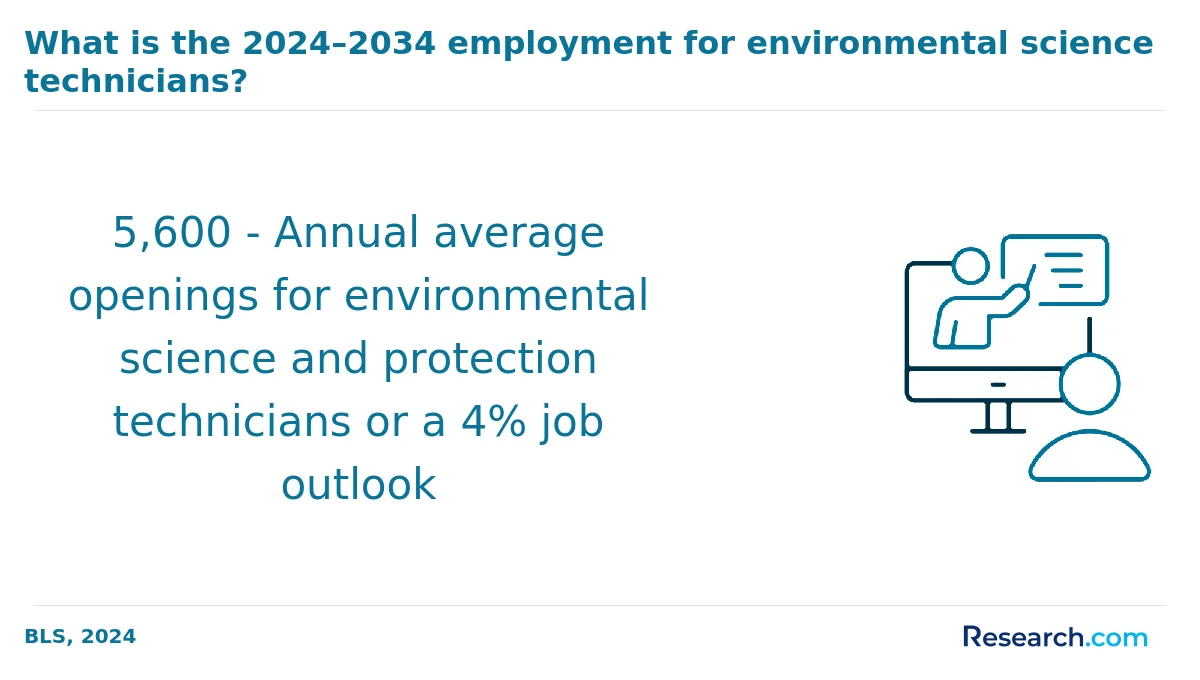
- Employment in environmental science fields in Alabama is projected to grow by 5-7% over the next decade, driven by demand in sectors like agriculture, forestry, and manufacturing.
- Skills in water quality management, habitat conservation, GIS, and environmental law improve job prospects in government, consultancies, and nonprofits within Alabama.
Completing an online environmental science degree in Alabama typically takes between two and four years, depending on whether you're pursuing undergraduate or graduate studies and how you balance your schedule. Many graduates from Auburn University or the University of Alabama at Birmingham share that full-time bachelor's students usually finish within four years, while part-timers might take five or six due to work and family commitments.
Graduate students appreciate the flexibility of online master's programs, which often wrap up in about two years. Some even take accelerated tracks, finishing in as little as 12 to 18 months, especially when transferring credits or focusing intensively on coursework. This approach helps working professionals stay motivated and move quickly toward their goals.
Keep in mind, hands-on experiences such as internships or capstone projects can extend the timeline but add invaluable real-world skills. Many Alabama universities structure their programs to support your journey, helping you grow while managing your personal life. With strategic planning, you can create a path that fits both your ambitions and lifestyle.
The key difference between online and on-campus environmental science degrees in Alabama lies in how you experience learning. Online programs, like those available to residents far from Auburn University or the University of Alabama, offer flexibility that lets you juggle work or family while studying. Many graduates appreciate being able to sync their coursework with life's demands, especially when managing rural living challenges.
On-campus degrees, such as at the University of South Alabama, immerse you in hands-on labs and fieldwork - essential for mastering practical skills. Graduates recall moments analyzing real soil samples or participating in campus-led environmental research, experiences that virtual labs strive to replicate but can't fully match.
Networking also varies. Campus students thrive on spontaneous interactions in study groups or career fairs, while online learners build connections through virtual forums, growing part of a strong digital community. Both paths maintain respected regional accreditation, ensuring quality education and eligibility for financial aid in Alabama.
The average cost of an online environmental science degree in Alabama typically centers around $12,060, making it an accessible option for many who live in the state. Graduates from popular universities like the University of Alabama and Auburn University often share how affordable tuition, especially for in-state students, helped make their academic dreams possible without overwhelming debt. These schools tend to maintain competitive tuition rates that stand out as some of the most reasonable among public institutions nationwide.
Those seeking affordable online master's environmental science programs Alabama residents often find value in the overall package that includes tuition, fees, and additional expenses. While public universities keep costs lower, other expenses-like textbooks or technology fees-are important to consider. However, many students feel the savings on commuting and housing costs with online programs offset these fees, making the pursuit both practical and financially smart.
Private institutions in Alabama, though less common for this field, usually come with higher price tags, often around $20,000 or more for a full master's program. Still, those who pursue degrees here often find scholarships and financial aid options helpful to reduce the financial strain. For students comparing options or considering a broader sustainability focus, exploring a sustainability bachelor degree can also be a strategic choice.
Students pursuing an online environmental science degree in Alabama can tap into a variety of financial aid opportunities that make education more attainable. Many graduates from schools like the University of Alabama at Birmingham and Auburn University have benefited from federal Pell Grants, which provide up to $7,395 annually to those with demonstrated need, significantly lowering tuition costs. Applying through FAFSA is the essential first step to unlock these benefits.
State aid also plays a vital role. The Alabama Student Assistance Program offers grants between $500 and $1,500 for residents enrolled at in-state colleges, helping online learners manage expenses without overwhelming debt. Institutional scholarships at these universities reward students for academic excellence and community involvement, with awards often starting at $1,000.
Beyond traditional aid, many Alabama students leverage employer tuition reimbursement or secure scholarships from environmental and STEM-focused organizations. These options empower online learners to pursue their passion for sustainability confidently and affordably.
To enroll in an online environmental science degree in Alabama, you'll need a solid academic foundation that aligns with the state's growing focus on sustainability. Most undergraduate programs require a high school diploma or GED, with coursework in biology, chemistry, math, and geography forming the essential base. Imagine tackling your first environmental data analysis assignment at the University of Alabama, where a grasp of algebra and statistics smooths the learning curve significantly.
For those aiming for a master's degree online, Alabama universities often expect a completed bachelor's degree from an accredited school. Graduates from these programs share how having prior courses in biology, chemistry, or physics truly helped them engage deeply with complex environmental challenges. Many programs ask for a minimum GPA around 3.0 and may waive standardized tests like the GRE, making your prior dedication and academics more important.
Some programs encourage showing real-world passion through internships or work in environmental policy or natural resource management, connecting study with practice. This blend of science and experience prepares you to make meaningful contributions to Alabama's environmental future.
When pursuing an online environmental science degree in Alabama, you'll dive into courses carefully designed to reflect both scientific foundations and the unique environmental landscape of the state. Graduates from popular programs at universities like the University of Alabama often recall how studying Environmental Policy and Regulation helped them understand how local industries balance growth with conservation.
You'll also encounter Environmental Chemistry, where you'll analyze pollution effects on Alabama's rivers and air quality, making abstract chemical processes feel immediate and relevant. Many students find Ecology and Conservation Biology particularly inspiring as it connects classroom lessons with Alabama's rich biodiversity, from coastal wetlands to forest habitats.
Hands-on skills come alive in Geographic Information Systems (GIS) classes, preparing you to map and manage natural resources effectively-essential for careers in state agencies or environmental consulting. Courses like Sustainable Resource Management and Environmental Impact Assessment tie it all together, equipping you to make impactful decisions that protect Alabama's environment while supporting its economy.
When exploring online environmental science specializations in Alabama, students often find pathways that connect deeply with the state's unique environmental and economic landscape. Graduates from universities like the University of Alabama and Auburn University praise the specialization in Environmental Policy and Management, where they learned how to shape sustainable regulations impacting local communities. Others who focused on Ecology and Conservation Biology share rewarding experiences working on projects to preserve Alabama's rich biodiversity and natural habitats.
For those drawn to practical and technical roles, the Geospatial and Environmental Data Analysis track offers cutting-edge skills in GIS technology - a vital tool for Alabama's expanding environmental monitoring programs. Many students at Alabama's online programs also choose Environmental Health and Toxicology, gaining expertise essential to tackling industrial pollution and water quality issues critical in the region.
Considering Alabama online environmental degree focus areas means also appreciating options like Natural Resource Management, especially valuable in the state's agricultural sectors. Prospective students worried about cost can discover affordable programs with strong reputations by exploring the cheapest online environmental science offerings, ensuring their education fits their budget without sacrificing quality.
To choose the best online environmental science degree in Alabama, start by ensuring the program is properly accredited, ideally by SACSCOC. Graduates from universities like the University of Alabama often share how accreditation impacted their confidence and career opportunities. Look closely at the curriculum - focus on programs offering core courses in ecology, conservation, and environmental policy, while also providing practical skills like GIS or environmental impact assessment. These elements helped many Alabama students thrive in local environmental projects.
Affordability plays a major role. Alabama's public universities typically provide more competitive tuition for residents, making an affordable environmental science master's Alabama option feasible without sacrificing quality. Consider total costs and financial aid options carefully. Flexibility is key for working students or parents balancing life commitments. Programs offering asynchronous classes with strong academic support stand out, as shared by recent alumni who value the balance these programs provide.
Faculty expertise related to Alabama's unique ecosystems gives students a real-world edge. Schools connected to research on the Mobile-Tensaw River Delta, for example, open doors to internships and regional networks. Check graduation and job placement rates to ensure the degree leads to meaningful employment in environmental consulting or conservation fields. For a detailed look at online options, explore online environmental science degree programs to find the perfect fit for your goals.
Graduates with an online environmental science degree in Alabama step into a variety of rewarding roles that impact both the environment and local communities. Many find work as environmental consultants or natural resource managers, often collaborating with agencies like the Alabama Department of Environmental Management to shape policies and ensure compliance. Others have successfully pursued careers as wildlife or conservation scientists, taking advantage of Alabama's rich biodiversity. Students from institutions such as the University of Alabama or Auburn University share how hands-on projects during their studies prepared them for these fulfilling positions.
Interest in sustainability is booming, opening doors to roles in renewable energy and climate change mitigation-fields where Alabama's diverse ecosystems offer unique challenges and opportunities. Graduates often thrive in water resource management or environmental education, making a real difference while advancing their careers. If you dream of leadership, exploring how to become chief sustainability officer can inspire your next steps. These online environmental science careers in Alabama offer a blend of practical experience and meaningful impact.
Alabama environmental science degree job opportunities are especially accessible thanks to flexible online programs, allowing you to balance studies with local internships or research, fueling long-term success.
Graduates with an online environmental science degree in Alabama find a steadily growing job market reflecting the state's unique environmental challenges and local industries. Popular universities such as the University of Alabama and Auburn University provide graduates with practical skills that align with regional needs, from managing coastal ecosystems to supporting manufacturing compliance. Many online environmental science jobs in Alabama involve working with state agencies like the Alabama Department of Environmental Management or consulting firms focused on pollution control and sustainability.
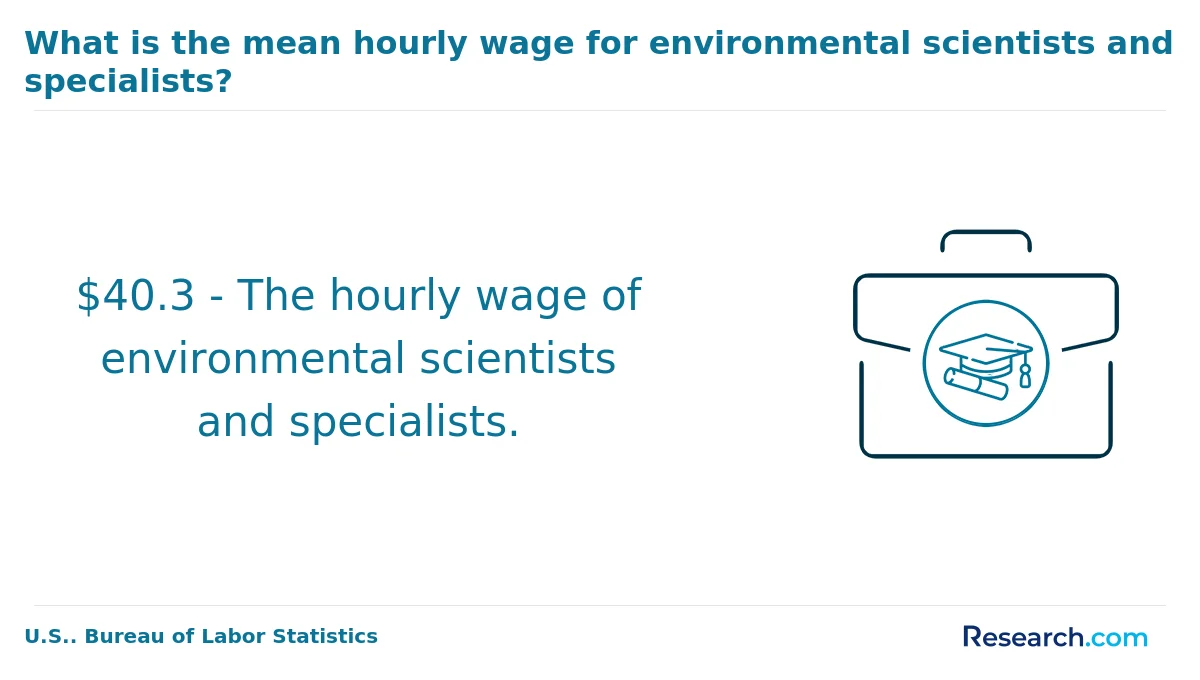
Alumni often share how flexible online programs allowed them to balance work and study while connecting with local employers. The average annual wage of around $61,000 in Alabama is competitive and rises in urban hubs like Birmingham and Huntsville, where demand intensifies. If you're ready to contribute to meaningful environmental initiatives, you might also explore careers linked to sustainability mba salary trends to enhance your prospects in this dynamic field.
2027 Most Affordable Online Master's in Environmental Science Degree Programs Ranking in Alabama
Investing in your education is a significant decision that can shape your future, and the Research.com team understands the importance of making informed choices. To assist prospective students in Alabama, we have meticulously crafted the "2027 Most Affordable Online Master's in Environmental Science Degree Programs Ranking in Alabama." Our commitment to quality, credibility, and accuracy is reflected in the extensive research and analysis conducted to compile this ranking.
We utilized the following reputable data sources to ensure a comprehensive evaluation of environmental science programs:
By exploring this ranking, readers will gain valuable insights into affordable and high-quality online environmental science master's programs in Alabama, helping them make confident and well-informed decisions about their educational paths. For more details on our methodology, please visit our Research.com methodology page.
# 1 position
Columbia Southern University
Master of Occupational Safety and Health/Environmental Management


Frequently Asked Questions About environmental science
Students pursuing online environmental science degrees in Alabama can maximize their learning by actively engaging with local environmental organizations and agencies. Alabama hosts several notable groups like the Alabama Department of Environmental Management, which provide valuable internship and volunteer opportunities. These experiences complement online coursework with real-world applications.
Participating in virtual seminars and webinars offered by universities and professional environmental societies also enhances understanding of current regional issues, such as coastal erosion and biodiversity conservation, which are prominent in Alabama's ecological landscape.
Utilizing Alabama's state-specific resources and data sets, available through entities like the Geological Survey of Alabama, helps students deepen their research skills with relevant and localized information.
Strong communication with professors and peers through online forums enables collaborative learning and networking, both essential for future career prospects.
The environmental science field is rapidly evolving, with several emerging niches gaining attention among professionals and students. In Alabama, areas such as renewable energy management, particularly solar and wind power, are expanding due to state incentives aimed at reducing carbon emissions. Another growing niche is climate resilience planning, critical for Alabama's vulnerable coastal and inland communities.
Urban ecology is also rising in importance as Alabama cities seek sustainable development strategies. Additionally, environmental data analytics is booming, driven by advancements in geographic information systems (GIS) and remote sensing technologies, key tools used in statewide environmental monitoring.
According to the Alabama Department of Environmental Management, jobs related to these niches are expected to grow by over 10% by 2030, reflecting increasing demand for specialized skills.
Preparing for the job market after earning an online environmental science degree in Alabama involves practical experience and networking. Many employers in Alabama seek candidates with hands-on skills in environmental assessment, data analysis, and compliance with state regulations.
Internships or volunteer work with organizations like the Alabama Department of Environmental Management can improve job prospects. According to the U.S. Bureau of Labor Statistics, Alabama's environmental scientist roles are expected to grow by 7% from 2022 to 2032, signaling steady opportunities.
Joining professional groups such as the Alabama Environmental Council also helps build local connections and stay informed about job openings.
Strengthening technical skills in Geographic Information Systems (GIS) and familiarity with ADA regulations improves employability in Alabama's environmental sector.
Employers in Alabama highly value environmental science graduates with strong analytical and problem-solving skills. These abilities help graduates assess complex environmental data and develop effective solutions, crucial in a state with diverse ecosystems and industrial activities. Communication skills, both written and verbal, are essential for presenting findings and collaborating across disciplines.
Practical knowledge of environmental regulations, such as those enforced by the Alabama Department of Environmental Management, is also important. Familiarity with geographic information systems (GIS) and data modeling software is increasingly requested, supporting work in land use and resource management.
According to recent labor reports, teamwork and project management abilities improve employment prospects in sectors like forestry, water quality, and pollution control.
Finding internships in Alabama related to an online environmental science degree involves leveraging state resources and local organizations. Many environmental agencies, such as the Alabama Department of Environmental Management (ADEM), offer internship programs focused on natural resource management and pollution control. Universities in Alabama, including the University of Alabama and Auburn University, often provide internship listings accessible to online students. Additionally, non-profits like the Cahaba River Society and The Nature Conservancy Alabama chapter frequently seek interns for conservation projects.
Students should also explore federal opportunities through the Environmental Protection Agency (EPA) Region 4 office in Atlanta, which covers Alabama and offers environmental internships. Networking through professional organizations such as the Alabama Water Institute or attending local environmental conferences can help connect students with internship opportunities. Checking online platforms such as Handshake or internships.com specifically filtered for Alabama increases the chances of finding relevant placements.
Obtaining an online environmental science degree can significantly improve career mobility and advancement opportunities for professionals in Alabama. The state's growing focus on natural resource management and environmental protection creates demand for skilled experts. According to the Alabama Department of Labor, environmental scientists in Alabama earn an average annual wage of $68,000, which rises with advanced education and experience.
Online programs provide flexibility, allowing students to continue working while earning credentials recognized by local employers. Graduates often access roles in government agencies, consulting firms, and conservation organizations.
Additionally, specialized courses in Alabama's ecosystems and regulatory policies enhance graduate qualifications for leadership positions in the environmental sector.
Online environmental science degrees in Alabama equip students for interdisciplinary roles by integrating coursework from biology, chemistry, geology, and policy studies. Alabama's universities emphasize applied learning, preparing graduates to address complex environmental challenges involving ecosystems, public health, and resource management.
The state's environmental concerns, like water quality in the Mobile Bay area and land use in the Appalachian region, require professionals who can work across disciplines. Programs often include training in GIS technology, environmental law, and sustainable development, reflecting workforce needs highlighted by Alabama's Department of Environmental Management.
Students gain skills vital for roles in research, government, and industry, making them versatile in collaborative settings.
Choosing between a thesis and a non-thesis online environmental science degree program in Alabama depends largely on your career goals and interests. A thesis option often suits students targeting research positions or doctoral studies, as it requires conducting original research and writing a comprehensive paper.
In contrast, a non-thesis program typically focuses on practical skills through additional coursework or projects, which can be advantageous for professionals seeking advancement in industry or government roles. According to the Alabama Commission on Higher Education, about 60% of environmental science graduates in the state enter applied roles rather than academia.
Consider your learning style, time commitment, and professional ambitions before deciding. Thesis programs may take longer to complete but offer deep research experience, while non-thesis tracks allow for quicker graduation with broader skill sets.
Students based in Alabama interested in studying environmental science abroad have several pathways, primarily through partnerships between Alabama universities and international institutions. While fully online environmental science degrees with an international focus are limited, some programs offer study-abroad opportunities or exchange options within the U.S. higher education framework.
Many Alabama public universities, like the University of Alabama and Auburn University, participate in global research projects and internships, providing students practical experience in environmental science worldwide. According to the Institute of International Education, about 12% of Alabama's study-abroad participants engage in science and engineering fields, including environmental disciplines.
Additionally, federal programs such as Gilman Scholarships support students from Alabama studying environmental science internationally, making overseas education more affordable and accessible.
Students pursuing an online environmental science degree in Alabama can benefit from part-time jobs that enhance their academic learning and professional skills. Roles such as environmental technician assistants or lab aides in local universities and agencies provide hands-on experience with data collection and analysis. Alabama's Department of Environmental Management often offers internships or temporary positions aiding in pollution monitoring and compliance.
Additionally, working with nonprofit organizations focused on conservation, such as the Cahaba River Society, helps students understand local ecosystems and advocacy. These opportunities can offer valuable networking and practical exposure, which are crucial for future employment in Alabama's growing environmental sector.
Online environmental science students in Alabama benefit from several networking opportunities designed to enhance their professional connections. Many universities offering online programs facilitate access to virtual seminars, workshops, and career fairs, often partnering with local environmental organizations. For example, the Alabama Environmental Council and the Alabama Water Watch program provide platforms for students to connect with professionals engaged in state environmental issues.
Additionally, students can join national groups like the National Association of Environmental Professionals (NAEP), which has regional chapters promoting networking events and conferences in the Southeast. Alabama's growing focus on sustainable development and natural resource management also means students often find internship and volunteer openings through university career services.
Alumni networks provide valuable support for online environmental science degree students in Alabama by connecting them with professionals actively working in the state's growing environmental sector. These networks often offer mentorship programs, career advice, and access to job opportunities, which are essential in a competitive job market.
Many environmental organizations and government agencies in Alabama prioritize candidates with strong professional connections. For instance, the Alabama Department of Environmental Management frequently recruits from local university alumni networks. Additionally, networking through alumni groups can help students stay informed about regional environmental challenges, such as water quality and forestry management.
Customizing an online environmental science degree program in Alabama allows students to align their studies with specific career goals. Many Alabama universities offer elective courses in areas such as water resource management, conservation biology, or environmental policy. Students can select these electives to gain expertise in fields with local demand, reflecting Alabama's focus on natural resource sustainability.
Additionally, some programs allow for research projects or internships with state agencies like the Alabama Department of Environmental Management, providing practical experience. Tailoring your program this way enhances job readiness in sectors like environmental consulting or regulatory compliance.
According to the U.S. Bureau of Labor Statistics, environmental science jobs in Alabama are projected to grow 5% over the next decade, emphasizing the value of targeted education in this sector.
Online environmental science students in Alabama often face challenges related to limited fieldwork opportunities, which are crucial for hands-on learning in this discipline. Many programs require in-person labs or internships, and finding local placements that align with online coursework can be difficult. Connectivity issues, especially in rural areas of Alabama, may also hinder consistent access to live lectures and research resources. Additionally, balancing coursework with professional or personal responsibilities is a common struggle, as many online students in Alabama are working adults.
With an online environmental science degree, graduates in Alabama can pursue several professional certifications to enhance their careers. One widely recognized certification is the Certified Environmental Professional (CEP), which validates expertise in environmental regulations and practices. Another option is the Registered Environmental Manager (REM), focusing on environmental compliance and management.
For those interested in hazardous materials, the Certified Hazardous Materials Manager (CHMM) credential is valuable. Additionally, the state supports certifications related to water quality through the Alabama Department of Environmental Management (ADEM), which offers licenses for water and wastewater operators.
These certifications can improve job prospects in Alabama's growing environmental sector, which as of recent reports, is expanding due to increased state environmental initiatives.
To write a winning application for an online environmental science program in Alabama, begin by clearly demonstrating your passion for environmental issues. Alabama's unique ecosystems, such as the Mobile-Tensaw Delta, emphasize the importance of local environmental knowledge. Highlight any relevant experience or coursework related to Alabama's environment or conservation efforts.
Strong academic records matter; aim for a GPA of 3.0 or higher, which aligns with many program requirements. Include letters of recommendation from professors or professionals familiar with your work.
Finally, craft a tailored personal statement explaining why Alabama's online programs suit your goals, referencing specific faculty or resources when possible.
Environmental science careers are increasingly important worldwide due to growing concerns about climate change, pollution, and natural resource management. In the United States, including Alabama, demand for environmental scientists is expected to grow by 8% from 2022 to 2032, according to the U.S. Bureau of Labor Statistics. This growth reflects global priorities on sustainable development and environmental protection.
Professionals in this field collaborate internationally on issues like ecosystem conservation and renewable energy. Alabama's focus on biodiversity and coastal ecosystems provides unique opportunities for practical experience and research.
Online environmental science degrees in Alabama equip students to engage with global challenges while benefiting from state-specific expertise.
Gaining practical experience while studying for an online environmental science degree in Alabama is essential for career readiness. Many programs encourage internships with local agencies such as the Alabama Department of Environmental Management and the U.S. Fish and Wildlife Service's regional offices. These opportunities often align with students' schedules and provide hands-on work in environmental monitoring and conservation.
Additionally, some universities partner with state parks and non-profits to offer volunteer and research roles that count toward course credits. Using these partnerships, students can engage in projects related to water quality, wildlife management, and pollution control.
Fieldwork is often supplemented by remote lab simulations and data analysis activities shared through online platforms, helping students apply theoretical knowledge effectively.
Choosing the right concentration within an online environmental science degree in Alabama involves considering your career goals and local environmental priorities. Alabama's diverse ecosystems, including the Mobile-Tensaw River Delta and Gulf Coast, create demand for expertise in areas like conservation, water resource management, and environmental policy. According to the Alabama Department of Environmental Management, specialists in water quality and air pollution control are particularly needed statewide.
Assess program curricula to ensure courses align with these priorities. For example, a concentration in environmental policy might suit those interested in regulatory roles, while conservation biology focuses on ecosystem management. Review faculty expertise and research opportunities, as these will impact your learning experience and job prospects.
Consider online program accreditation and partnerships with Alabama agencies, which can enhance practical learning. Finally, evaluate how the concentration's skills translate to job markets within Alabama, where environmental science roles have shown steady growth per the U.S. Bureau of Labor Statistics.
- Alumni Put Environmental Science Degrees to Work at Chesapeake Watershed Initiative https://www.fandm.edu/stories/alumni-put-environmental-science-degrees-to-work.html
- 2025 Most Affordable Online Environmental Science Degrees https://www.onlineu.com/most-affordable-colleges/environmental-science-degrees
- Strong Programs in Environmental Studies https://toptieradmissions.com/strong-programs-in-environmental-studies/
- How to Find Entry Level Jobs with an Environmental Science Degree https://facs.com/blog/how-to-find-entry-level-jobs-with-an-environmental-science-degree/
- Networking Strategies for Environmental Professionals https://www.nrep.org/blog/environmental-professional-networking-strategies
- Sustainability Degrees in Alabama https://www.sustainabilitydegrees.com/degrees/alabama/
- Environmental Scientist Cover Letter Examples https://www.careerfaqs.com.au/careers/resumes-cover-letters/environmental-scientist-cover-letter-example
- Environmental Certifications for entry-level and career changers https://www.theenvironmentalcareercoach.com/certification-links
- SEEDS Summer 2026 Internships | TREES DLA https://www.trees-dla.ac.uk/seeds-summer-2026-internships
- Top Trending Research Topics in Environmental Science - Agriculture Journal IJOEAR Blog https://ijoear.com/blog/top-trending-research-topics-in-environmental-science