2027 Best Online Environmental Science Degree Programs Ranking in the Northeast

Co-Founder and Chief Data Scientist
Choosing the right environmental science degree can shape your future and impact the world around you. For students in the Northeast, finding quality online options that fit your needs is key.
This article presents the 2027 Best Online Environmental Science Degree Programs Ranking in the Northeast, developed by the Research.com team of data scientists. Their careful analysis helps you discover programs that combine strong academics with flexible learning.
Exploring these programs opens doors to meaningful careers focused on sustainability and conservation. Your path to making a difference starts here.
Key benefits of getting online environmental science degree in the Northeast
- Environmental science graduates in the Northeast often pursue careers such as environmental scientists or specialists, with an average U.S. salary around $76,530 per year, offering a rewarding and stable income.
- A graduate from a popular northeastern university might explore diverse paths including conservation, environmental consulting, or policy work, providing exciting opportunities to make a real-world impact.
- Completing your environmental science degree online allows flexibility to balance work and study, as seen in graduates from well-known regional schools, making education more accessible and convenient without compromising quality.
- 2027 Best Online Environmental Science Degree Programs Ranking in the Northeast
- What can I expect from online environmental science degree in the Northeast?
- Where can I work with online environmental science degree in the Northeast?
What can I expect from online environmental science degree in the Northeast?
Online environmental science degrees in the Northeast typically come with a price tag that feels both ambitious and achievable, especially at public universities in New York, Pennsylvania, and Massachusetts. Graduates from these institutions often recall balancing their studies with real-world environmental challenges, all while appreciating the competitive in-state tuition rates that made their academic journeys less stressful financially.
Many students discover that their total costs hover around moderate tuition fees, often supplemented by scholarships targeted at environmental science majors. These financial aids, sometimes offered by regional environmental organizations, add a welcomed sense of support, making the dream of studying climate change, renewable energy, or water quality management more accessible.
Imagine a graduate eagerly engaging in virtual labs from their home in Hartford or Philadelphia, while knowing their education investment remains reasonable compared to out-of-state alternatives. This affordability combined with hands-on learning and strong local connections often sparks excitement and confidence among students eager to launch careers in environmental consulting or government roles right here in the Northeast.
Where can I work with online environmental science degree in the Northeast?
Graduates with an online environmental science degree in the Northeast find themselves stepping into vibrant career landscapes filled with discovery and meaningful impact. Imagine working for a state environmental agency in Massachusetts, where you help safeguard the air and waterways of bustling cities like Boston. This is a common path for many alumni from programs at institutions such as the University of Vermont, who feel energized by directly shaping policies that protect natural resources.
Others dive into private consulting firms, tackling real-world challenges like contamination cleanups near industrial hubs in Pennsylvania. These roles, popular among graduates from schools like SUNY College of Environmental Science and Forestry, offer the thrill of navigating complex projects while ensuring communities thrive sustainably.
Nonprofit organizations also call to adventurous spirits, welcoming those eager to contribute to conservation efforts or lead community education, often employing grads from Northeastern University's online programs. With hands-on GIS skills and data expertise gained through coursework, students feel empowered stepping into these roles that blend science with advocacy.
Many embrace academic research opportunities at colleges or become environmental managers, charting new paths that reflect their passions and drive for positive change in the dynamic ecosystems of the Northeast.
Graduates with an online environmental science degree in the Northeast often step into a landscape where opportunities and salaries spark excitement. While exact salary figures for specific roles may vary, many find themselves earning around $77,000 annually, according to national averages, with the Northeast typically offering a boost. Imagine a recent graduate from a well-known program in Massachusetts landing a role earning between $80,000 and $85,000, energized by the region's booming environmental consulting and biotech industries.
Others starting out in states like New York might begin at $50,000 to $60,000 but quickly grow as they dive into urban projects tied to government agencies or nonprofits. Graduates often share stories of moving up to senior or management roles that break the $100,000 mark, driven by the Northeast's emphasis on sustainability and innovation.
Studying online from a top Northeast college makes it possible to tap into this vibrant market, blending flexibility with access to diverse career paths that spark curiosity and passion in every graduate's journey.
- Tuition for online environmental science bachelor's degrees in the Northeast ranges from $15,000 to $40,000, with public universities generally offering lower costs for in-state students.
- Entry-level salaries for graduates average between $50,000 and $60,000 annually, while mid-career professionals can earn from $70,000 to over $90,000.
- The job market in states like New York, Massachusetts, and Pennsylvania is strong due to policies supporting climate change mitigation and renewable energy projects.
- Many programs are accredited by the Middle States Commission on Higher Education and offer specializations such as environmental policy, conservation, or GIS.
- Internship or fieldwork requirements may need to be completed locally to gain practical experience and build professional networks.
- Financial aid and scholarships focused on environmental studies are available through regional universities and organizations.
Associate degrees offer a quicker two-year gateway, especially at community colleges sprinkled across the region, while master's programs invite curious minds on a 1.5 to 3-year journey, sometimes stretching to four for working professionals craving flexibility. Imagine earning credits transferred from earlier studies in biology or geology, speeding your quest toward graduation, and feeling a rush of accomplishment as you unlock new opportunities in vibrant Northeastern landscapes.
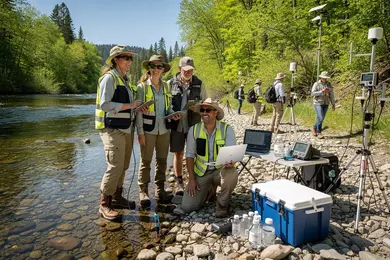
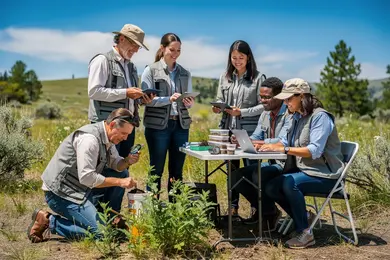
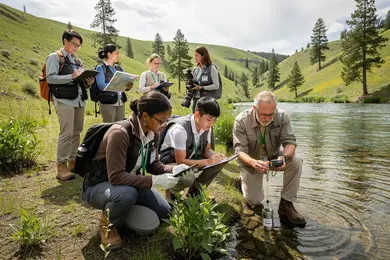
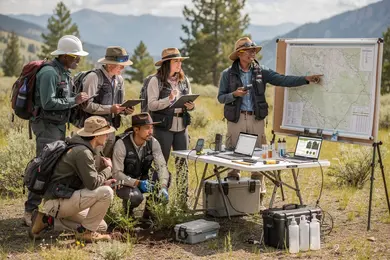
On-campus environmental science students in the Northeast often find themselves knee-deep in vibrant forests or alongside urban waterways, collecting water samples or observing wildlife firsthand. Imagine walking through ecological preserves in Massachusetts or participating in hands-on projects at Pennsylvania's rich estuaries-these immersive experiences are cornerstones of traditional programs. Graduates recount how direct access to labs and face-to-face discussions with passionate professors fueled their curiosity and honed their practical skills.
Conversely, online students, such as those enrolled at the University of Massachusetts Amherst or Drexel University, embark on a different kind of adventure. They navigate virtual labs and interactive simulations that creatively model environmental phenomena. While they might miss the immediate immersion, many appreciate the freedom to balance studies with work or family life without leaving their hometowns. Some even travel occasionally to partner sites for field experiences, blending digital learning with real-world moments.
Both paths open doors to fascinating careers, with online programs offering flexibility and on-campus programs delivering hands-on exploration rooted deeply in the Northeastern landscape.
When exploring the average cost of an online environmental science degree in the Northeast, it's clear that tuition can be quite the adventure in itself. Graduates from popular institutions like the University of Massachusetts Amherst often share that their tuition, averaging around $750 per credit for online graduate courses, feels like a worthwhile investment in their future. For many, pursuing this degree online means balancing tuition fees that for public universities can hover near $11,300 annually for in-state students but climb significantly if you're out-of-state, sometimes close to private university rates which average $38,000 or more per year.
For those navigating the total tuition and fees for Northeast online environmental science programs, the cost is usually a broad but manageable range-bachelor's degrees tend to fall between $40,000 and $70,000, while master's programs range from $20,000 to $40,000 in total cost. Many students find themselves relieved by the savings on living expenses and other on-campus fees, which often offsets the costs of technology fees and course materials that add a few hundred dollars per semester.
Prospective explorers of this green frontier should remember that financial aid, scholarships, and employer tuition reimbursement programs frequently open unexpected doors. Plus, the practical insights gained through these programs help fuel dreams of thriving careers, which, if you wish to learn more about, can be found in the best careers to pursue with a sustainability management degree.
Imagine studying environmental science online from a vibrant university like the University of Vermont or Northeastern University, where financial aid is more than just a safety net-it's a launchpad for your academic adventure. Many students dive headfirst into their passion thanks to federal support like Pell Grants, which can ease the burden by offering up to $7,395 annually without needing repayment. Graduates often recall how completing the FAFSA opened doors to these essential resources, making the dream feel tangible.
Beyond federal aid, vibrant state programs in the Northeast add extra layers of support. For instance, New York's TAP or Massachusetts' MassGrant have been lifelines for many, fueling their journeys with grants tailored to online learners like you. Some graduates share how tapping into New Jersey's Educational Opportunity Fund sparked their academic progress when traditional funding felt out of reach.
Merit scholarships from your college can also be a golden ticket, rewarding your commitment to environmental advocacy or stellar grades. Many Northeastern institutions creatively combine aid options, letting students weave together grants, loans, and scholarships into a personalized financial tapestry. Employers sometimes pitch in too, transforming jobs into stepping-stones with tuition reimbursements.
Diving into an online environmental science degree in the Northeast means gearing up with a few essential prerequisites that set the stage for success. Many graduates share how starting with a solid high school diploma or GED felt like unlocking the first door on their educational adventure. Imagine enrolling at a university where your background in biology, chemistry, and algebra isn't just appreciated but celebrated, preparing you for the exciting challenges ahead.
At popular Northeastern colleges, students often speak of the thrill in meeting technology skills requirements-mastering online platforms and specialized software that make virtual labs and data analysis feel like real-world discoveries. For those stepping into graduate programs, holding a bachelor's degree in a related field becomes your trusty map. GRE scores, letters of recommendation, and personal statements then bring your ambitions to life, crafting your unique journey.
Hands-on experience remains part of the exploration too, with some programs requiring background checks or placement tests to ensure you're ready for fieldwork or internships. This blend of academic foundation and practical readiness opens doors to exciting environmental careers right from your own home in the Northeast.
Diving into an online environmental science degree in the Northeast means exploring courses that capture the region's rich and varied landscapes-from bustling cities to serene forests and rugged coastlines. Graduates from well-known Northeastern schools often recall their excitement in courses like Introduction to Environmental Science, where they first learned how human activity intertwines with local ecosystems. Imagine analyzing air quality while thinking about urban pollution in Boston or tracking biodiversity in Adirondack forests.
Environmental Chemistry classes bring a hands-on feel, even online, by connecting chemical processes to real problems like water contamination in the Delaware River. Meanwhile, Environmental Policy and Law brings the dynamics of state and federal regulations to life, often referencing Northeast-specific rules that shape conservation efforts.
- Ecology and Biodiversity deepens knowledge about native species, sparking a sense of stewardship for local flora and fauna.
- Geographic Information Systems (GIS) let students map and analyze environmental data, turning theory into action that influences regional planning decisions.
Courses on Climate Science and Sustainable Resource Management challenge learners to tackle urgent issues like coastal erosion and renewable energy adoption in places like Rhode Island and New York. Graduates describe these classes as eye-opening adventures, blending scientific curiosity with practical solutions tailored to the Northeast's unique challenges.
Online environmental science specializations in the Northeast offer exciting paths to explore the region's unique environmental challenges and opportunities. Graduates from popular universities often recount their immersive experiences studying Environmental Policy and Management, shaping innovative solutions for urban centers like Boston and New York. Others dive into Sustainability Studies, discovering how cities in the Northeast are pioneering green infrastructure and redefining resource use. Ecology and Conservation enthusiasts find themselves captivated by the lush forests and coastal ecosystems, applying their knowledge in local conservation projects that bring real-world impact. The field of Environmental Health draws students fascinated by how industrial and urban environments affect wellbeing in states such as Massachusetts. Meanwhile, Geographic Information Systems (GIS) and Remote Sensing open doors to mastering cutting-edge spatial data tools, beloved by those eager to analyze the region's diverse landscapes.
Many students find these environmental science degree focus areas Northeast inspiring, tailoring their education to both academic passions and career goals. Prospective learners can also explore best environmental policy degree programs online to align their journey with leading expertise and emerging trends.
Choosing the best online environmental science degree in the Northeast starts with exploring accredited programs recognized by agencies like the Middle States Commission on Higher Education. Graduates from well-regarded universities often praise how their curriculum balanced core topics with specialized tracks, such as conservation biology, that sparked their passion and shaped their careers.
Many students find that affordability plays a huge role when selecting from affordable environmental science programs Northeast. Public institutions offer vibrant learning experiences with annual tuition between $7,000 and $15,000, making it easier to pursue your dreams without overwhelming debt. One graduate shared how financial aid options significantly lightened their financial load while studying remotely.
Flexibility is the heartbeat of online learning-graduates admire programs that provide asynchronous courses letting them manage work and study seamlessly. Schools connected to local environmental agencies create exciting chances for internships, blending theory with real-world adventure. For those curious about potential career paths, checking out the best jobs for environmental science majors offers incredible insight into life after graduation.
Graduates who earn an online environmental science degree in the Northeast find themselves stepping into a world rich with diverse environmental science careers in the Northeast. From bustling urban centers like Boston to the forested landscapes of Vermont, graduates enthusiastically take on roles as environmental consultants, helping businesses navigate complex regulations, or as natural resource managers protecting vital ecosystems. A popular college in the region often shares stories of alumni relishing hands-on experiences with local conservation projects, deepening their connection to the land and communities they serve.
For those drawn to policy, working as an environmental policy analyst or planner offers the thrill of shaping forward-thinking climate strategies embraced by Northeast cities. Graduates report feeling inspired developing initiatives that promote urban sustainability or renewable energy, blending science and civic engagement. The region's growing demand for environmental expertise creates encouraging job opportunities, making this an exciting time for anyone considering online environmental science degree job opportunities Northeast. Many find that educational programs at prominent colleges help prepare them for varied paths, from water resource management to environmental education.
Curious students keen on exploring career options can discover more about thriving paths by visiting careers with an environmental science master's degree. The blend of rigorous academics with real-world impact makes each career path feel like an adventure waiting to unfold.
The job market for graduates with an online environmental science degree in the Northeast sparkles with opportunity, fueled by the region's passion for sustainability and urban innovation. Graduates from institutions like Boston University and the University of Massachusetts share stories of landing roles in government agencies and nonprofit groups, tackling real-world challenges from pollution control to climate advocacy. Those seeking online environmental science jobs in the Northeast find the region's metropolitan hubs buzzing with work in renewable energy firms and environmental consulting companies.
These graduates often describe exciting experiences like collaborating on sustainable planning projects or contributing to research at local universities, making their online education feel deeply connected to the community. The positive momentum is backed by steady job growth and salaries typically ranging from $50,000 to $80,000. Students eager to explore different environmental jobs find clean energy initiatives and immersive internships rich with hands-on adventure and meaningful impact.
2027 Best Online Environmental Science Degree Programs Ranking in the Northeast
Investing in your education is a significant decision that can shape your future, and the Research.com team understands the importance of making informed choices. To assist prospective students, we have meticulously crafted the "2027 Best Online Environmental Science Degree Programs Ranking in the Northeast." Our commitment to quality, credibility, and accuracy is reflected in the extensive research and analysis conducted to compile this ranking.
We utilized the following reputable data sources to ensure a comprehensive evaluation of environmental science programs:
By exploring this ranking, readers will gain valuable insights into the best online environmental science degree programs available in the Northeast, helping them make well-informed decisions about their educational paths. For more details on our methodology, please visit our Research.com methodology page.
# 1 position
Thomas Edison State University
Bachelor of Environmental Studies

# 2 position
Antioch University New England
Doctor of Environmental Studies

Frequently Asked Questions About environmental science
Students pursuing online environmental science degrees in the Northeast can enhance their learning by actively engaging with local environmental issues. The region's diverse ecosystems-from coastal wetlands in New Jersey to forested areas in New England-offer valuable real-world study opportunities. Many universities encourage experiential learning through virtual labs and partnerships with regional conservation groups.
Joining professional organizations such as the Northeastern Environmental Education Alliance can provide networking and internship opportunities. According to the U.S. Bureau of Labor Statistics, environmental science jobs in the Northeast are projected to grow by 8% through 2031, highlighting the importance of building practical skills.
Additionally, students should leverage online forums and faculty office hours to deepen understanding and stay updated on region-specific environmental policies and research.
Emerging niches within the environmental science field reflect growing concerns about climate change, sustainability, and technological innovation. In the Northeast, professionals are increasingly focusing on coastal resilience and urban environmental planning due to the region's vulnerability to rising sea levels and extreme weather events. According to the Northeast Climate Adaptation Science Center, research and career opportunities in these areas are expanding rapidly.
Another important niche is environmental data science, which integrates big data analytics to monitor ecosystems and pollution levels. The demand for experts in renewable energy systems and environmental policy is also on the rise, supported by regional commitments to reduce carbon emissions.
After earning an online environmental science degree in the Northeast, preparing for the job market involves strategic steps. First, gaining practical experience through internships or volunteer work with local environmental agencies or nonprofits is crucial. Many state governments in the Northeast, including New York and Massachusetts, offer internships supporting clean energy and conservation efforts, which enhance employability.
Networking is also essential. Joining professional organizations such as the New England Environmental Business Council or local chapters of the National Association of Environmental Professionals can open job opportunities.
Additionally, graduates should develop technical skills in geographic information systems (GIS) and data analysis, which are highly valued in regional environmental roles. According to the U.S. Bureau of Labor Statistics, these skills contribute to a projected 8% job growth in environmental science fields nationwide through 2031.
Employers in the Northeast value environmental science graduates who combine strong scientific knowledge with practical skills. Analytical thinking and data interpretation are essential, as professionals must assess environmental data accurately. Proficiency in Geographic Information Systems (GIS) is highly sought after, with Massachusetts and New York ranking among the top states using GIS technology in environmental roles, according to the Environmental System Research Institute.
Communication skills are equally important. Graduates must effectively present complex findings to diverse audiences, including policymakers and community groups. Familiarity with environmental regulations, especially those in the Northeast like the Clean Water Act, is critical for compliance roles.
Additionally, teamwork and project management capabilities are in demand to handle collaborative initiatives aimed at sustainability and conservation efforts.
Finding internships in the Northeast for environmental science students involves leveraging regional resources and networking channels. Many universities partnered with local agencies, such as the New England Interstate Water Pollution Control Commission, offer internship listings tailored to environmental fields. According to the U.S. Bureau of Labor Statistics, Northeast states including New York and Massachusetts have a strong demand for environmental technicians and specialists, increasing internship opportunities.
Students should explore state environmental departments, nonprofit organizations, and private firms focused on sustainability and conservation. Using platforms like Handshake or the National Environmental Health Association's job board can also connect students to regional internships. Early outreach to professors and attending local environmental conferences helps build valuable contacts.
Online environmental science degrees in the Northeast significantly enhance career mobility by offering flexible access to accredited programs from reputable regional institutions. These degrees help professionals pivot into growing fields like environmental consulting, natural resource management, and sustainability planning, which are expanding due to state policies emphasizing climate action.
According to the U.S. Bureau of Labor Statistics, the Northeast expects a 7% growth in environmental science jobs through 2030, surpassing the national average. Graduates with online degrees can leverage this trend, gaining skills recognized by employers across state lines without relocating.
Additionally, online programs often include internships and networking opportunities with local agencies, increasing advancement prospects in government and private sectors. This combination of flexibility and regional focus makes online environmental science degrees valuable for career progression in the Northeast.
Studying for an environmental science degree in the Northeast offers unique preparation for interdisciplinary roles due to the region's diverse ecosystems and strong emphasis on collaborative research. Many programs integrate coursework in biology, geology, policy, and data analysis, reflecting the complexity of environmental issues. For example, the Northeast hosts various federal and state research centers that foster partnerships between universities and agencies like the EPA.
Students gain experience working on real-world problems affecting urban and coastal areas, enhancing skills valued across different sectors. According to a 2023 report from the Northeast Environmental Education Alliance, over 70% of graduates find roles combining science with policy or technology, demonstrating the degree's adaptability.
Choosing between a thesis and a non-thesis online environmental science degree in the Northeast depends on your career goals and learning preferences. Thesis programs typically require original research and a detailed project, which suits students interested in scientific careers or doctoral studies. Non-thesis programs focus more on coursework and practical skills, ideal for professionals aiming to enter or advance in industry or government roles.
The Northeast hosts several universities offering both options, and according to the U.S. Department of Education, thesis tracks may take longer but provide deeper research experience. Consider if you prefer hands-on research or applied knowledge when deciding.
Students based in the Northeast interested in studying environmental science abroad through online programs have limited direct options since most U.S. institutions focus on domestic delivery. However, some universities offer partnerships with international organizations, facilitating virtual internships or research collaborations with global environmental agencies.
The Northeast houses numerous accredited schools like the University of Vermont and Rutgers University that provide online environmental science degrees with opportunities to engage in international case studies and projects remotely. According to the U.S. Department of Education, about 15% of students in the region's environmental science programs participate in study abroad or global exchange programs, often complemented by online coursework.
While physical study abroad may require travel, virtual alternatives are expanding, helping students gain worldwide perspectives without leaving home.
Part-time job opportunities that complement an environmental science degree in the Northeast include roles such as environmental technician, lab assistant, and sustainability coordinator. According to the U.S. Bureau of Labor Statistics, environmental science jobs in this region are expected to grow 8% through 2030, offering numerous entry-level opportunities.
Internships or part-time work with state environmental agencies like the New York State Department of Environmental Conservation provide practical field experience. Additionally, non-profits focusing on conservation, such as the Appalachian Mountain Club, often seek part-time help for research and outreach.
Urban areas offer data analysis jobs tied to environmental monitoring, helping students apply GIS and statistical skills gained in courses.
Online environmental science students in the Northeast have access to various networking opportunities that enhance their educational experience. Many universities offer virtual career fairs, webinars, and alumni networking events specifically tailored to environmental disciplines. For example, Northeastern University and the University of Vermont provide online platforms connecting students with regional environmental organizations and industry professionals.
Additionally, students can join regional chapters of national groups such as the Association of Environmental Professionals (AEP) or the Northeast Environmental Science Society. These memberships provide access to monthly meetings, volunteer projects, and conferences, fostering connections with experts and peers.
Through these networks, students often find internships or job leads in the Northeast's growing green economy, supported by environmental policies and funding from states like New York and Massachusetts, which have invested billions in clean energy initiatives.
Alumni networks serve as a valuable resource for students pursuing online environmental science degrees in the Northeast. These networks connect current students with graduates who have relevant experience in regional environmental sectors such as conservation, climate policy, and renewable energy. According to the Environmental Careers Organization, 72% of graduates find their first job through networking, underscoring the importance of alumni connections.
Through alumni events, mentorship programs, and online platforms, students gain insights into local job markets and internship opportunities. Such access is particularly crucial in the Northeast where environmental initiatives are rapidly evolving with support from state programs in Massachusetts and New York. Engagement with alumni can enhance career prospects and professional growth.
Online environmental science degrees in the Northeast offer flexibility to tailor your education toward specific career goals. Many programs allow you to choose concentrations such as sustainability management, environmental policy, or wildlife conservation. Selecting relevant electives can deepen expertise in areas like climate change or renewable energy, which are critical industries in this region.
Internships and research opportunities often integrate with local agencies and organizations, providing practical experience. According to the Bureau of Labor Statistics, jobs in environmental science are growing 8% nationally, with Northeastern states investing heavily in green infrastructure.
Advising services help align coursework with your professional ambitions, ensuring skill-building that supports roles in government, consulting, or nonprofit sectors.
Online environmental science students in the Northeast often face unique challenges related to hands-on learning. Many programs require fieldwork or laboratory experience, which can be difficult to complete remotely. Some universities offer local partnerships or virtual simulations, but access varies significantly. According to the National Center for Education Statistics, about 35% of science students in this region report difficulties in fulfilling practical components online.
Connectivity issues also affect students in rural parts of the Northeast, limiting reliable access to course materials and live sessions. Furthermore, balancing studies with professional or family commitments remains a common struggle among adult learners pursuing these degrees.
With an online environmental science degree, students in the Northeast can pursue several valuable professional certifications to enhance their careers. Common certifications include the Certified Environmental Scientist (CES) offered by the National Association of Environmental Professionals and the Certified Hazardous Materials Manager (CHMM) credential, which is widely recognized in industries dealing with pollution control and waste management.
Obtaining these certifications typically requires a combination of education, work experience, and passing a rigorous exam. For instance, the CES requires at least five years of professional experience, with an emphasis on environmental science skills.
Additional options include GIS Professional (GISP) certification, especially relevant due to the Northeast's focus on geographic data for environmental planning. According to the U.S. Bureau of Labor Statistics, certification can increase job prospects and earning potential in this competitive region.
To write a winning application for an online environmental science program in the Northeast, start by highlighting your passion for regional environmental issues such as coastal erosion, climate change impacts, or urban pollution. Admissions committees often value applicants who demonstrate knowledge of local challenges. Include any relevant experience, like internships with Northeast environmental organizations or volunteer work in conservation projects.
Quantify your accomplishments when possible; for example, the New England region has seen a 20% increase in jobs related to environmental science over the past decade, according to the U.S. Bureau of Labor Statistics. Also, tailor your personal statement to reflect how the program aligns with your career goals.
Strong letters of recommendation from professionals familiar with your scientific aptitude or community involvement can significantly boost your application. Finally, ensure your transcripts and test scores meet the specific requirements outlined by the schools, as some Northeast institutions may prefer applicants with strong STEM backgrounds.
Environmental science careers are increasingly recognized worldwide for their vital role in addressing climate change, conservation, and sustainable development. In the United States, especially in the Northeast, demand for professionals with environmental science degrees is projected to grow by 8% through 2031, according to the U.S. Bureau of Labor Statistics.
Globally, environmental challenges require professionals who understand diverse ecosystems and international policies. Students pursuing online environmental science degrees benefit from this trend, gaining skills applicable both locally and internationally. Academic programs often include global perspectives on issues like pollution control and renewable energy.
For Northeastern students, the strong regional focus on green technologies and regulatory frameworks makes this field promising. States like New York and Massachusetts invest heavily in clean energy, creating job opportunities backed by regional governments and environmental agencies.
Gaining practical experience while pursuing an online environmental science degree in the Northeast can be achieved through several key opportunities. Many universities partner with local environmental agencies and nonprofits, offering virtual internships that allow students to contribute remotely. For instance, organizations like the New England Botanical Club and New York State Department of Environmental Conservation often provide internship programs suited for remote learners.
Additionally, students can engage in citizen science projects specific to the region, such as water quality monitoring in the Chesapeake Bay watershed. These activities offer hands-on experience and strengthen resumes. Fieldwork may also be arranged locally in partnership with schools. According to the U.S. Bureau of Labor Statistics, practical experience increases employability by up to 30% in environmental fields.
Choosing the right concentration within an online environmental science degree in the Northeast involves evaluating your career goals and local environmental priorities. For example, concentrations like coastal ecology or marine conservation are especially relevant in states with extensive coastlines such as Massachusetts and New Jersey. According to the U.S. Bureau of Labor Statistics, jobs in environmental science are expected to grow 8% from 2022 to 2032, emphasizing demand for expertise in sustainable resource management and pollution control.
Consider programs accredited by recognized bodies like the Society for Environmental Toxicology and Chemistry, which ensures curriculum rigor. Also, review courses that align with regional challenges, including urban sustainability and climate resilience.
Research the availability of internships or partnerships with local agencies, which can enhance practical experience and job prospects after graduation.
- What Can You Do With an Environmental Science Degree? https://willamette.edu/academics/college/environmental-science/career-options
- Guide to Environmental Internships | Higherin https://higherin.com/career-guides/science-research/environmental-internships
- Bachelor of Arts in Environmental Studies | Batten University Online https://online.batten.edu/undergraduate/bachelor-of-arts-environmental-studies
- 16 Best Colleges for Environmental Science | HelloCollege https://sayhellocollege.com/blog/best-colleges-for-environmental-science/
- Dr. Zubair Khalid | Veterinary Virologist & Bioinformatician https://www.zubairkhalid.com/blog/careers/environmental-science-fields-a-guide-to-specializations-and-careers
- The Biggest Environmental Problems Of 2021 https://earth.org/the-biggest-environmental-problems-of-our-lifetime/
- MESPOM Alumni Association https://mespom.eu/mespom-alumni-association
- Strong Programs in Environmental Studies https://toptieradmissions.com/strong-programs-in-environmental-studies/
- Alumni Put Environmental Science Degrees to Work at Chesapeake Watershed Initiative https://www.fandm.edu/stories/alumni-put-environmental-science-degrees-to-work.html
- Environmental Science (M.S.) Non-Thesis Track https://www.towson.edu/fcsm/departments/environsci/grad/science/non-thesis-track.html