2027 Best Online Environmental Science Degree Programs Ranking in the West

Co-Founder and Chief Data Scientist
Choosing the right environmental science degree can shape your future and impact the world. This article introduces the 2027 Best Online Environmental Science Degree Programs Ranking in the West, developed by the Research.com team of data scientists.
It's designed to help you make an informed decision by highlighting programs that truly stand out. Pursuing an environmental science degree opens doors to exciting careers focused on sustainability and conservation.
Whether you're starting or continuing your education, this guide offers valuable insights to support your journey toward making a positive difference.
Key benefits of getting online environmental science degree in the West
- Environmental science graduates in the US can expect competitive salaries, with environmental scientists earning a median annual wage of around $73,230, showcasing strong financial potential in this growing field.
- A graduate from a well-known Western university might explore diverse careers such as natural resource management, environmental consulting, or sustainability planning, offering rewarding roles that contribute positively to the planet.
- Completing an online environmental science degree from a respected Western institution provides flexibility to balance work and study, often allowing students to gain practical experience while earning their degree, which enhances career readiness.
- 2027 Best Online Environmental Science Degree Programs Ranking in the West
- What can I expect from online environmental science degree in the West?
- Where can I work with online environmental science degree in the West?
What can I expect from online environmental science degree in the West?
The average cost of an online environmental science degree in the Western United States typically ranges between $15,000 and $40,000 for undergraduate programs, depending on the university and residency status. Graduates from well-known institutions in California and Washington often recall how this investment opened doors to exciting careers in sustainability and conservation. Many highlight the value of interactive virtual labs and remote internships with local environmental agencies, which provide hands-on experience without the added expense of relocation.
Students appreciate how their learning is deeply connected to critical regional challenges like wildfire management and water conservation, making their education feel purposeful and relevant. For committed learners balancing work and family, the flexibility of online programs at public universities in the West offers an affordable path to advancing their passion for protecting diverse ecosystems without compromising financial stability.
With scholarships and financial aid options readily available at these institutions, pursuing an online environmental science degree is a realistic and rewarding journey, empowering students to become leaders in preserving the West's natural beauty and resources.
Where can I work with online environmental science degree in the West?
Graduates with an online environmental science degree in the West find exciting opportunities across government agencies, private companies, and nonprofits that passionately protect the region's unique landscapes. Many alumni from prominent Western universities dive into roles at the California Air Resources Board or Washington State Department of Ecology, contributing directly to clean air and water projects that benefit their communities every day.
Others embrace the booming clean energy scene in states like Colorado or Oregon, fueling solar and wind projects that power a sustainable future. Imagine working alongside innovative teams assessing environmental impacts or guiding companies to eco-friendly practices-this is the reality for many grads eager to make a difference.
Nonprofit organizations focused on wildlife and climate action also welcome graduates who bring fresh perspectives to conservation efforts and community outreach. Alumni often share how their field research assignments in national parks or coastal habitats deepen their passion and broaden their skills, creating meaningful connections that inspire lifelong commitment.
With strong support from universities known for their environmental programs, such as those in California and Washington, many graduates confidently step into rewarding careers where their work uplifts both nature and society.
Graduates with an online environmental science degree in the Western United States often find themselves stepping into rewarding careers with competitive salaries that reflect both their dedication and the region's growing commitment to sustainability. Many graduates from well-known institutions like the University of Washington or California State University report starting salaries between $70,000 and $90,000, a range that offers financial confidence early in their professional journeys.
With experience, especially in roles based in dynamic cities such as Seattle or San Francisco, earnings frequently rise beyond $100,000, particularly for those who specialize in environmental consultancy or renewable energy sectors. These graduates feel a genuine sense of accomplishment, knowing their skills help shape policies and practices promoting a healthier environment.
Advanced degrees further boost earning potential, with some professionals enjoying salaries in the $85,000 to $110,000 range while making meaningful contributions at state agencies or leading private firms. This upward trajectory highlights how an online degree can truly unlock attractive opportunities in the West's vibrant environmental landscape.
- The cost of online environmental science bachelor's degrees in the Western US typically ranges from $10,000 to $25,000, with private schools sometimes charging over $30,000.
- Public universities in California, Oregon, and Washington usually offer lower tuition, especially for in-state students.
- Entry-level environmental scientists in the West earn about $55,000 per year, while mid-career salaries range from $85,000 to $90,000 annually.
- Job growth in environmental science in the Western states is projected at about 8% over the next decade, faster than the national average.
- Graduates find employment in government, private consulting, non-profits, and the renewable energy sector.
- Most online programs include practical training like virtual labs and local internships to provide field experience.
Completing an online environmental science degree in the West can fit seamlessly into your life, whether you want to finish in two years or spread your learning over four. Graduates from universities like Oregon State University and the University of Montana Western often share how flexible pacing options empowered them to balance work, family, and study. Many choose accelerated courses or leverage transfer credits, allowing them to fast-track their goals without sacrificing quality.
For those pursuing a bachelor's degree, four years is typical, mirroring traditional on-campus timelines but with the freedom of online learning. Associate degrees offer a quicker, two-year path to jumpstart a career or transfer into a bachelor's program. Self-paced and competency-based models at Western schools inspire students to take control, turning challenges into achievements at a rhythm that suits their lifestyle.
Every step forward in your environmental science journey reflects your dedication and ambition, making the timeframe as unique as your path toward making a positive impact on our planet.
Students pursuing environmental science degrees in the West often find that online programs offer incredible flexibility, allowing them to study from places as diverse as Seattle's urban neighborhoods or rural parts of Idaho. Graduates from popular Western universities appreciate how online courses let them balance work, family, and learning without sacrificing quality. Imagine completing coursework asynchronously while living near the Cascade Mountains, gaining knowledge that fits your lifestyle.
On-campus paths at renowned institutions like those in California or Colorado deliver hands-on experiences that online programs creatively complement with virtual labs and simulations. Graduates praise the chance to engage in real fieldwork, whether walking through national parks or working in research labs, which deepens their understanding and builds confidence.
Both options immerse learners in accredited curricula designed for success, yet online students relish the freedom to connect with peers and faculty remotely. Prospective environmental scientists in the West can confidently choose what suits their ambitions, knowing each route nurtures passion and expertise for a rewarding future.
The average cost of an online environmental science degree in the West reflects a balanced investment in quality education and future impact. Graduates from well-regarded universities across California, Oregon, Washington, and Colorado often share stories of how their degree opened doors to meaningful careers in sustainability and ecological research, despite the financial commitment. In these states, the total tuition and fees for environmental science degrees west region typically average around $58,500, offering a realistic figure for planning your educational journey.
For many students, especially those who qualify as in-state residents, the median in-state total cost of about $64,980 makes attending public universities a compelling option. These institutions combine affordability with strong, regionally relevant programs that prepare students to tackle pressing environmental challenges. Out-of-state learners may expect a median total cost near $72,432, an invitation to weigh the exciting possibilities of expanding horizons beyond state borders while investing in one of the best environmental sustainability degree online options.
Beyond tuition, graduates appreciate the support systems available, such as scholarships, financial aid, and employer tuition assistance, which ease the financial path and empower students to focus on making a positive environmental impact. Exploring programs that align closely with your goals will make the cost an inspiring milestone rather than a barrier. Prospective students should explore each university's offerings to find the best fit for their ambitions and budget, tapping into the vibrant community of learners dedicated to preserving our natural world.
Many students resonate with the experience of adapting to dynamic online learning platforms while engaging in community projects across the West, enriching their studies with hands-on application. This blend of technology and fieldwork exemplifies the fulfilling journey toward becoming environmental science professionals ready to create change.
To discover more about the best programs available and their costs, consider researching the best environmental sustainability degree online as a starting point to identify ideal matches for your educational goals.
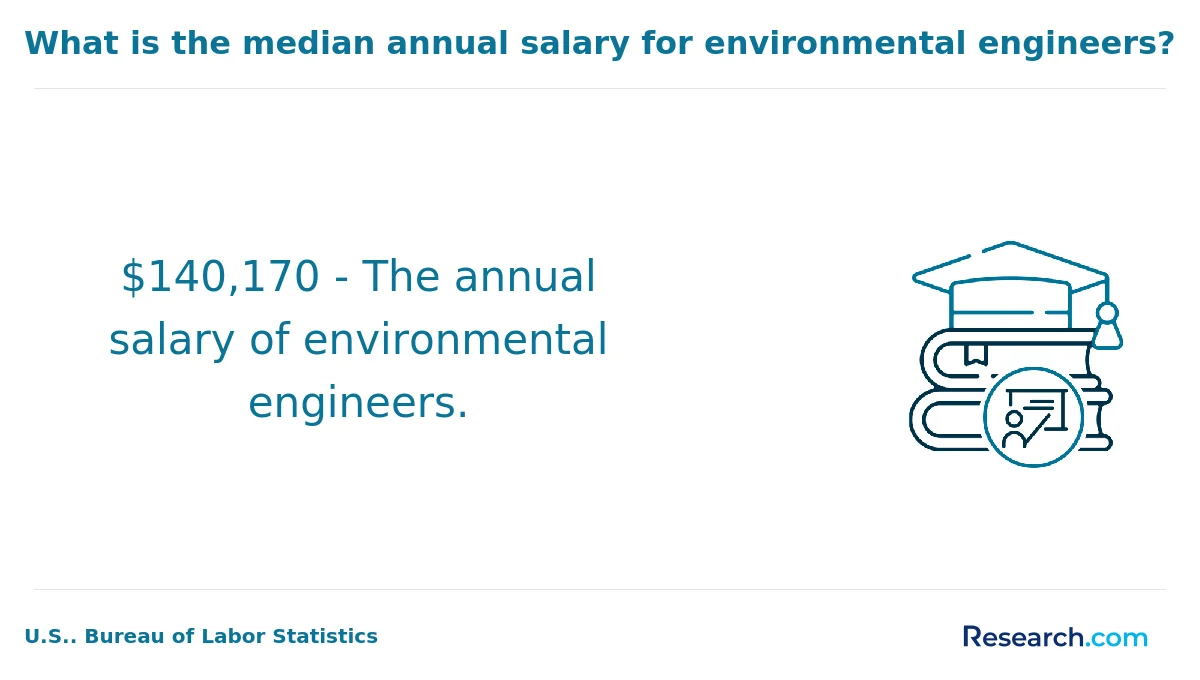
Students pursuing an online environmental science degree in the West find a wealth of financial aid that brightens their educational journey. Many take full advantage of federal Pell Grants, which can provide up to $7,395 annually, making studies at institutions like Oregon State University and University of Washington more affordable. Graduates often recall how early FAFSA applications unlocked these crucial resources, allowing them to focus more on their passion for sustainability.
State-specific grants are a true blessing in the West. For example, California's Cal Grant and STEM scholarships from Washington empower students to thrive without undue financial stress. Alumni from University of California campuses share how these awards lifted the burden, encouraging them to innovate in fields like renewable energy.
Generous merit-based scholarships from Western universities support environmental majors with $1,000 to $5,000 annually, fueling dreams of environmental advocacy. Many working professionals benefit from employer tuition reimbursements, especially those involved in conservation and green energy sectors across the region.
Additionally, federal work-study programs create opportunities to earn while learning, often in roles aligned with environmental goals-making every step toward your degree feel purposeful and rewarding.
Standardized tests like the SAT or ACT are becoming optional at many institutions, easing pressure and opening doors for diverse learners. At the graduate level, applicants shine by holding bachelor's degrees in related fields and maintaining a competitive GPA, frequently above 3.0. Many find that submitting letters of recommendation and a statement of purpose reflects their passion and professional aspirations, often aligning with the sustainability efforts seen at California or Oregon colleges.
Students enthusiastic about protecting the environment feel empowered knowing these prerequisites are designed not as hurdles, but as stepping stones toward impactful careers in the vibrant Western environmental science community.
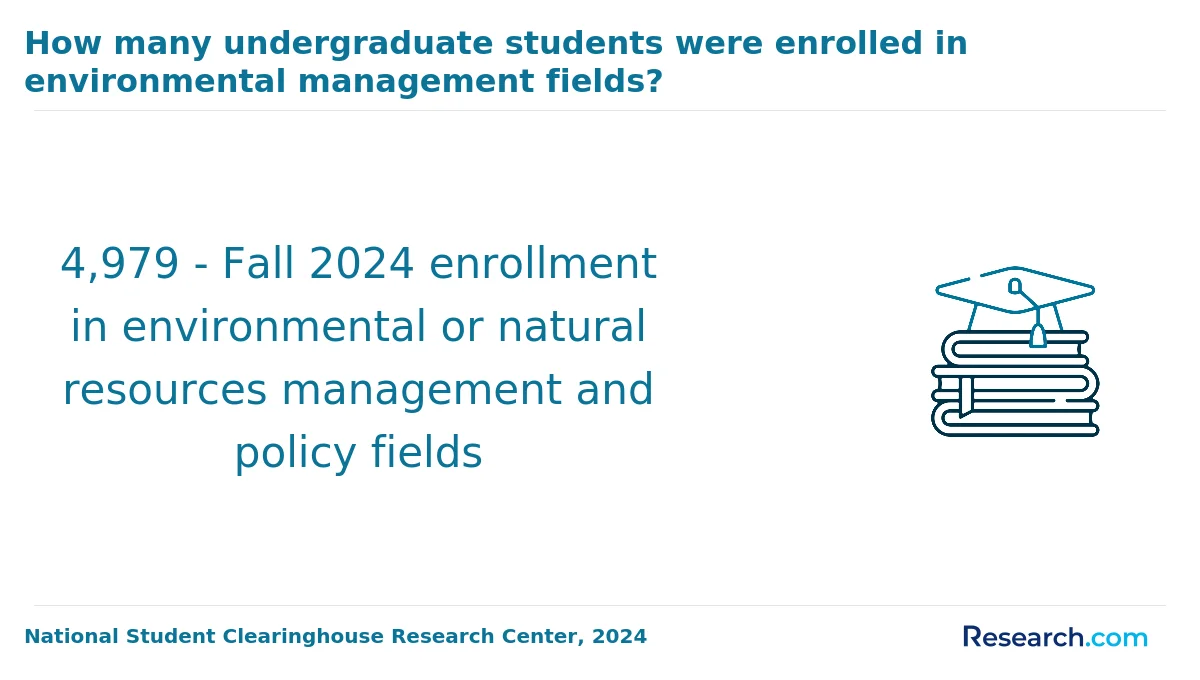
Online environmental science degrees in the West offer exciting courses that awaken your passion for protecting nature and shaping a sustainable future. Graduates from universities like those in California and the Pacific Northwest often recall how courses like Environmental Chemistry brought real-world air and water quality issues to life, inspiring their commitment to clean ecosystems.
Core classes cover essential topics such as Introduction to Environmental Science, where you explore ecosystems and sustainability, and Ecology and Biodiversity, giving you tools to understand and conserve wildlife in your own backyard. Geographic Information Systems (GIS) courses empower you to analyze spatial data, turning mountains and rivers into powerful stories for decision-making.
Environmental Policy and Regulation classes connect you with the laws that protect your community, while Climate Change Science prepares you to tackle warming trends affecting Western landscapes. Many students find joy discovering how their studies relate directly to regional challenges, like wildfire ecology or water management, making their education deeply relevant and motivating.
Others find their passion in Climate Science and Impact Studies, tackling real challenges like wildfires and droughts that affect communities across the West. Environmental Health and Safety programs prepare students to protect human well-being amid evolving environmental risks. Graduates from leading universities in California or Washington often share how these specializations helped them thrive in dynamic careers, blending science and regional relevance.
Exploring these pathways within online environmental science specializations in the West opens rewarding opportunities. For those seeking an accessible path to sustainable futures, checking out an affordable bachelor degree sustainability can be a great first step.
Choosing the best online environmental science degree in the West means finding a program that truly reflects the unique environmental challenges and opportunities of the region. Graduates from Western universities often share how immersive coursework on topics like climate change, sustainability, and environmental justice shaped their ability to make real-world impacts. Imagine studying remotely while engaging with issues that matter deeply to communities in California, Washington, or Oregon.
Affordability is key, especially when seeking affordable environmental science degrees online Western states offer competitive tuition rates that make quality education accessible. Flexibility also empowers students balancing work, family, or other commitments to thrive without sacrificing their ambitions. Many programs emphasize strong career support, connecting students with internships and networks linked to regional organizations like the EPA's Western offices.
Explore programs that combine rigorous academics, practical skills, and meaningful connections. For those interested in blending environmental science with sustainability leadership, consider reviewing the best mba for sustainability as part of your educational journey.
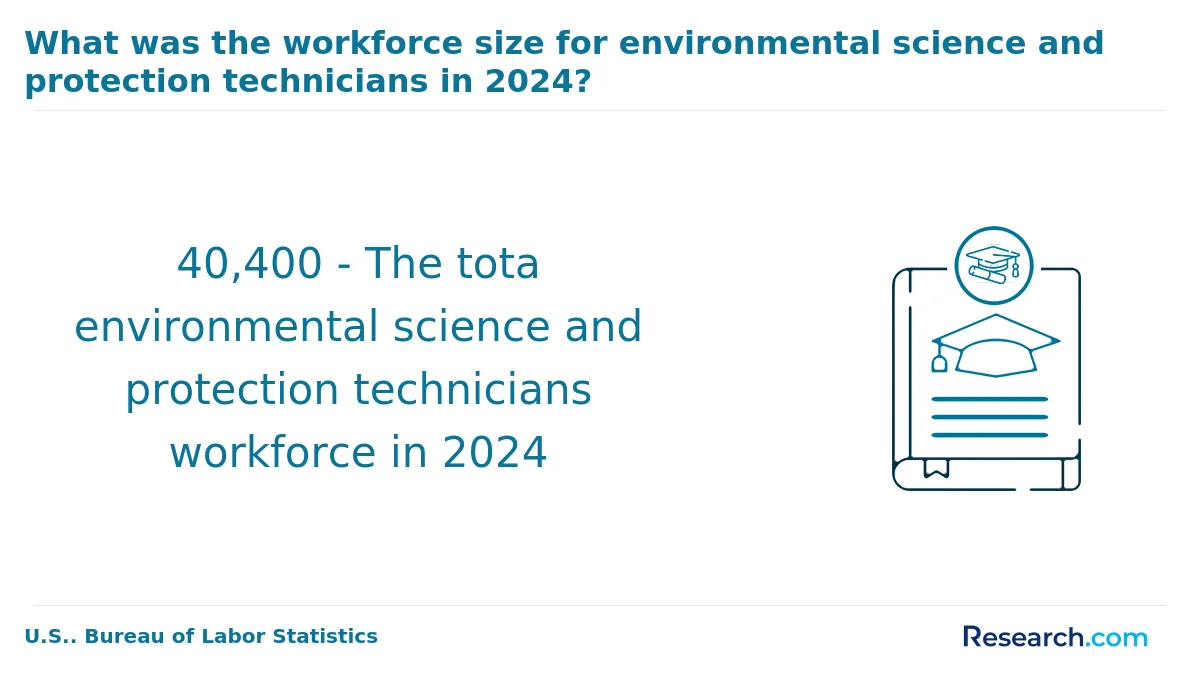
Graduates with an online environmental science degree in the West find themselves launching into vibrant careers that make a real difference. Whether working as environmental consultants helping California businesses comply with sustainability laws or managing natural resources in Oregon's lush forests, opportunities are abundant. Many graduates from universities in Washington and California have stepped into roles that protect vital ecosystems or develop renewable energy projects, inspired by the region's leadership in clean energy.
Environmental policy roles offer pathways to shape impactful local and state decisions, with planners crafting strategies that balance growth and conservation. These careers perfectly suit graduates eager to combine scientific insight with meaningful community engagement. Others embark on rewarding journeys in education and research, contributing fresh knowledge while mentoring the next wave of environmentally conscious leaders.
For students exploring options, the easiest environmental science degree online programs in the West provide access to these diverse roles with flexibility and affordability, igniting passion for positive change through smart learning and real-world experience.
Graduates with an online environmental science degree in the Western US find a vibrant job market fueled by the region's commitment to sustainability and ecological preservation. Universities such as the University of Washington attract students who later thrive in dynamic roles at environmental consulting firms, government agencies, and nonprofit organizations. These graduates witness firsthand how their education opens doors to impactful careers, whether they're advancing climate change initiatives or managing natural resources in urban settings. The environmental science career outlook in the West is especially bright because of strong state policies and green technology investments, which continuously spur demand for knowledgeable professionals.
Many graduates share stories of contributing to renewable energy projects or shaping urban planning strategies that protect natural habitats while supporting community growth. For those aspiring to elevate their expertise, exploring an accelerated environmental management mba can offer a fast track to leadership positions. Ultimately, the combination of quality online programs and diverse job opportunities in the West creates an inspiring path for students passionate about making a positive environmental impact.
2027 Best Online Environmental Science Degree Programs Ranking in the West
Investing in your education is a significant decision that can shape your future, and the Research.com team understands the importance of making informed choices. To assist prospective students interested in environmental science in the western United States, we have meticulously developed the "2027 Best Online Environmental Science Degree Programs Ranking in the West." Our commitment to quality, credibility, and accuracy is reflected in the thorough research and analysis behind this ranking.
We utilized the following reputable data sources to ensure a comprehensive evaluation of environmental science programs:
By exploring this ranking, readers will gain valuable insights into the best online environmental science degree programs available in the West, empowering them to make well-informed decisions about their academic and professional futures. For more details on our methodology, please visit our Research.com methodology page.



Frequently Asked Questions About environmental science
Online environmental science students in the West can maximize their learning by actively participating in virtual labs and fieldwork simulations, which many accredited universities offer. Research from the Environmental Protection Agency highlights that hands-on experience increases knowledge retention by up to 40%. Students should also engage with local environmental organizations through internships or volunteer work, gaining real-world insights relevant to Western ecosystems.
Utilizing regional data sets from institutions like the Western Regional Climate Center enables learners to apply theoretical knowledge to local environmental challenges. Connecting regularly with professors and peers in discussion forums enhances understanding and motivation. According to the National Center for Education Statistics, collaboration improves academic success in online programs by 25%.
Emerging niches within the environmental science field reflect growing concerns and innovations, especially in the Western United States. One key area is climate resilience planning, focusing on adapting urban and rural communities to increasing climate impacts. According to the U.S. Bureau of Labor Statistics, environmental scientists specializing in climate adaptation are projected to grow by 8% through 2031, with strong demand in states like California and Washington.
Another expanding niche is renewable energy management, where professionals design and evaluate sustainable energy systems. Research from the National Renewable Energy Laboratory highlights the West's leadership in solar and wind projects, driving job growth in environmental monitoring and policy development.
Additionally, environmental data science is gaining traction, as agencies seek experts skilled in big data to analyze climate models and ecosystem changes. Universities in the West are increasingly offering online courses to meet this demand, equipping students with advanced technological skills.
Preparing for the job market after completing an online environmental science degree in the West involves strategic steps. Graduates should seek internships or part-time roles with local environmental agencies or nonprofits to gain practical experience. According to the Bureau of Labor Statistics, environmental scientists in the Western US earn a median annual wage of about $75,000, highlighting the importance of competitive skills.
Networking is essential; joining regional professional organizations like the California Environmental Association can connect graduates with potential employers. Additionally, polishing technical skills such as GIS and data analysis increases employability.
Finally, leveraging university career services and attending virtual job fairs tailored to environmental fields enhances job prospects significantly.
Employers in the Western US highly value environmental science graduates who possess strong analytical and critical thinking skills. According to the Bureau of Labor Statistics, the demand for environmental scientists in the West is expected to grow by 8% through 2030, emphasizing the need for problem-solving abilities related to climate and sustainability challenges.
Proficiency in Geographic Information Systems (GIS) and data analysis software is especially important, as many Western companies and agencies rely on spatial data to address environmental issues. Communication skills are also key, enabling graduates to translate complex findings into actionable recommendations.
Knowledge of local environmental laws and policies, such as California's strict emissions regulations, can give graduates a competitive edge in this region.
Finding internships relevant to an online environmental science degree in the Western US involves targeted research and networking. Start by exploring internship databases such as the Environmental Protection Agency's (EPA) internships page, which offers opportunities nationwide, including in states like California, Oregon, and Washington.
Local universities and colleges often list internships with regional environmental organizations, state agencies, and private firms. For instance, California's Department of Fish and Wildlife frequently posts internships focused on conservation and research.
Professional groups such as the Society for Conservation Biology's Western Section can also connect students with internships tailored to environmental fields.
Additionally, virtual career fairs hosted by institutions or environmental nonprofits provide remote internship options suited to online students based in the West.
An online environmental science degree can significantly enhance career mobility and advancement in the Western United States. Employers in states like California, Oregon, and Washington increasingly value graduates with flexible, tech-savvy training that matches evolving environmental challenges. According to the U.S. Bureau of Labor Statistics (2023), environmental science jobs in the West are projected to grow by 12% over the decade, outpacing many other regions.
Many online programs offer specialized coursework aligned with local issues such as water resource management and wildfire mitigation. This regional focus improves graduates' employability in government agencies, nonprofits, and private firms.
Furthermore, the convenience of online degrees allows professionals to gain credentials without relocating, facilitating smoother career transitions and promotions while continuing to work.
Studying for an environmental science degree in the West prepares students for interdisciplinary roles by integrating diverse fields such as biology, chemistry, geography, and policy analysis. Many Western universities emphasize practical skills alongside theory, addressing complex environmental challenges through a broad curriculum. For example, institutions often include coursework in data science and sustainability, equipping graduates to work in government agencies, NGOs, or private sectors.
According to the U.S. Bureau of Labor Statistics, employment for environmental scientists in the Western states is projected to grow by 8% through 2030, reflecting increasing demand for versatile professionals.
This educational approach enables graduates to collaborate effectively across disciplines, a critical ability for tackling issues like climate change and resource management.
When choosing between a thesis and a non-thesis environmental science degree program in the Western US, consider your career goals carefully. A thesis option requires original research and is ideal for students aiming for doctoral studies or research roles. According to the Western Regional Graduate Education Board, about 40% of Western environmental science graduates pursue further study, making thesis programs valuable for academic careers.
Non-thesis programs focus more on coursework and practical skills, often including internships. These are suited for professionals targeting industry roles or government positions in the rapidly growing Western environmental sector, which has seen a 12% job increase since 2019 (Bureau of Labor Statistics).
Time commitment is also crucial: thesis options generally take longer to complete, often around 2-3 years, while non-thesis degrees may finish sooner.
Students in the Western United States seeking online environmental science degrees have various options to study abroad virtually. Several accredited universities offer fully online programs, allowing learners to access expertise from global faculty without relocating. For instance, institutions from the UK, Canada, and Australia provide online environmental science degrees that meet international accreditation standards recognized in the US.
According to recent data from the National Center for Education Statistics, over 40% of US environmental science students consider international programs for specialized research opportunities. These programs often include interactive fieldwork components adapted to local environments, enhancing practical knowledge.
West-based students benefit from flexible schedules and cross-cultural curricula, supporting diverse professional goals in environmental policy, conservation, and sustainability.
Part-time job opportunities in the Western US can significantly enhance the education of students pursuing online environmental science degrees. Positions such as research assistants at local universities or environmental nonprofits provide practical experience in data collection and analysis. According to the Bureau of Labor Statistics, the Western region has a growing demand for environmental sciences roles due to increased sustainability efforts. Jobs with state parks or conservation agencies offer fieldwork opportunities, allowing students to apply ecological concepts learned in class. Additionally, internships with government agencies like the EPA's regional offices in the West can provide valuable hands-on knowledge to supplement academic studies.
Online environmental science students in the Western United States have access to varied networking opportunities through regional professional organizations such as the California Native Plant Society and the Northwest Environmental Business Council. These groups often offer virtual events, workshops, and conferences that help students connect with professionals and other students.
Many universities in the West partner with local agencies and non-profits, facilitating internships and collaborative projects, which enhance practical experience and networking. According to the Environmental Careers Organization, about 40% of environmental science graduates find jobs through networking in their region.
Additionally, online students can join national environmental associations with strong Western chapters, expanding their reach beyond campus. Social media and LinkedIn groups tailored to environmental fields also play a significant role in career development for distance learners.
Alumni networks play a crucial role for students pursuing online environmental science degrees in the Western US. These networks offer valuable connections for internships, research opportunities, and job placements in fields like conservation, renewable energy, and policy. According to the National Association of Colleges and Employers, 70% of jobs are found through networking, making alumni relationships vital.
The Western region hosts numerous environmental organizations, and alumni networks often provide access to these, helping graduates bridge the gap between online study and local industry.
Additionally, many universities facilitate mentorship programs within alumni groups, supporting student career development and professional growth.
Online environmental science degree programs in the Western US often allow significant customization to align with career goals. Students can typically choose electives in areas like natural resource management, environmental policy, or sustainability. Many universities in states such as California, Oregon, and Washington provide specialized tracks focusing on regional environmental challenges like wildfire management or marine ecosystems.
Internships and fieldwork components can frequently be tailored or completed locally, enhancing practical experience without relocating. According to the Western Interstate Commission for Higher Education (WICHE), over 60% of Western institutions offering online environmental degrees include options for certification preparation or research projects related to state and federal environmental regulations.
This flexibility helps students prepare for roles in government agencies, consulting firms, or non-profits specific to Western ecosystems and policies.
Online environmental science students in the Western United States face several common challenges. One major issue is limited hands-on experience. Many degree programs require fieldwork, which can be difficult to complete remotely, especially in the diverse ecosystems found in states like California and Oregon.
Access to reliable internet also remains a concern. Rural areas in the West often have less connectivity, impacting students' ability to participate fully in live lectures and research collaborations.
Additionally, students must manage time effectively, balancing coursework with jobs or family responsibilities. According to a 2023 Western Academic Consortium report, 62% of online science students struggle with time management.
Lastly, some learners find it challenging to engage with faculty and peers, which affects networking and academic support.
With an online environmental science degree, graduates in the Western US can pursue several respected professional certifications. These credentials often enhance employability and demonstrate expertise. One common certification is the Certified Environmental Scientist (CES) offered by the National Association of Environmental Professionals (NAEP).
Another valuable option is the Registered Environmental Manager (REM) credential from the American Academy of Environmental Engineers and Scientists (AAEES). This certification emphasizes practical management skills necessary for roles in industry and government.
In states like California and Washington, professionals also consider certifications such as the Certified Hazardous Materials Manager (CHMM), which is highly relevant due to regional environmental regulations and industries. According to the Bureau of Labor Statistics, environmental science jobs in the West are projected to grow by 8% through 2030.
To write a winning application for an online environmental science program in the West, start by emphasizing your passion for environmental issues relevant to the region, such as wildfire management or water conservation. Highlight any related academic coursework or professional experience that aligns with regional challenges. Use clear, concise language to describe your goals and how the program will support them.
Include strong letters of recommendation from professors or employers familiar with your commitment and skills in environmental science. According to the Western Regional Environmental Education Council, practical experience significantly improves admission chances.
Lastly, tailor your personal statement to demonstrate knowledge of local environmental policies and initiatives, showcasing your eagerness to contribute to sustainable solutions in the Western US.
The global perspective on a career in environmental science is increasingly favorable, reflecting growing awareness of climate change and sustainability challenges. In the United States, especially in Western states like California and Washington, demand for environmental science professionals is projected to grow about 8% from 2022 to 2032, according to the U.S. Bureau of Labor Statistics. This growth rate is faster than the average for all occupations.
Graduates with online environmental science degrees have opportunities not only locally but also in international organizations focused on environmental policy, conservation, and renewable energy.
Western universities often emphasize global environmental issues, preparing students to work on transnational projects involving climate adaptation, ecosystem management, and resource conservation. Many programs partner with global research initiatives, expanding career options beyond regional work.
Overall, an environmental science career offers a promising path aligned with worldwide efforts toward sustainability and environmental protection.
Gaining practical experience while studying for an online environmental science degree in the West requires proactive engagement beyond coursework. Many programs partner with local agencies and nonprofits, allowing students to complete fieldwork or internships near their residence. For example, California and Oregon rank among the top states offering environmental internships through the EPA and regional conservation groups.
Students can also participate in virtual labs and simulations that mimic real-world environmental challenges. According to the Environmental Protection Agency, nearly 40% of environmental science students in Western states have secured internships related to water quality, wildlife conservation, or sustainable agriculture during their studies.
Volunteering for citizen science projects is another effective way to build hands-on skills while contributing to key regional efforts such as wildfire monitoring or habitat restoration.
Choosing the right concentration within an online environmental science degree program in the West requires considering your career goals and regional environmental priorities. Common concentrations include ecology, environmental policy, natural resource management, and sustainability. For example, California and Washington emphasize sustainable agriculture and clean energy due to local industry demands, according to the U.S. Bureau of Labor Statistics.
Review the faculty expertise and research opportunities available online, focusing on areas with strong local ties. Programs in the West often highlight wildfire management and water resource protection, reflecting regional challenges reported by the Environmental Protection Agency.
Additionally, check if internships or partnerships with Western organizations are offered, enhancing practical experience relevant to your concentration choice.
- MESPOM Alumni Association https://mespom.eu/mespom-alumni-association
- Graduate Schemes and Internships - Green Jobs for Nature https://greenjobsfornature.org/get-that-green-job/graduate-schemes-and-internships/
- How To Get Environmental Science Work Experience https://www.savemyexams.com/learning-hub/careers/environmental-science-work-experience/
- NETWORKING FOR SUCCESS: HOW TO SHINE IN ENVIRONMENTAL JOBS - Step(h) into Nature https://stephintonature.com/all-environmental-conservation-travel-blogs/environmental-jobs-networking
- Alumni Put Environmental Science Degrees to Work at Chesapeake Watershed Initiative https://www.fandm.edu/stories/alumni-put-environmental-science-degrees-to-work.html
- How Study Abroad Benefits Environmental Science Majors | Maximo Nivel https://maximonivel.com/study-abroad-environmental-science/
- Most Popular Online Environmental Science Degrees 2025 https://www.onlineu.com/degrees/environmental-science
- What Can You Do With an Environmental Science Degree? https://willamette.edu/academics/college/environmental-science/career-options
- Environmental Science (M.S.) Non-Thesis Track https://www.towson.edu/fcsm/departments/environsci/grad/science/non-thesis-track.html
- SEEDS Summer 2026 Internships | TREES DLA https://www.trees-dla.ac.uk/seeds-summer-2026-internships