2027 Easiest Online Environmental Science Degree Programs Ranking in the Northeast

Co-Founder and Chief Data Scientist
Choosing the right environmental science degree program can feel overwhelming, especially with so many options available online. That's why this article is here to help you navigate your choices with confidence. The 2027 Easiest Online Environmental Science Degree Programs Ranking in the Northeast, created by the Research.com team of data scientists, offers clear insights based on thorough data analysis.
By exploring this ranking, you'll discover programs that balance quality and flexibility, helping you find the best fit for your goals. Earning an environmental science degree opens doors to a meaningful career focused on protecting our planet. Let's make this important step easier together.
Key benefits of getting online environmental science degree in the Northeast
- Environmental science graduates in the Northeast often pursue roles like environmental scientists, earning a mean annual wage of about $73,000 in the U.S., reflecting promising financial stability.
- A graduate from a well-known Northeast university might explore careers in conservation, policy advising, or environmental consulting, offering diverse and rewarding opportunities.
- Completing an environmental science degree online can provide flexibility and convenience, as shown by graduates from popular programs in the region, making it easier to balance studies with personal and professional commitments.
- 2027 Easiest Online Environmental Science Degree Programs Ranking in the Northeast
- What can I expect from online environmental science degree in the Northeast?
- Where can I work with online environmental science degree in the Northeast?
What can I expect from online environmental science degree in the Northeast?
The average cost of an online environmental science degree in the Northeast typically reflects a balance of quality and accessibility, with tuition often ranging from $10,000 to $25,000 per year depending on the institution and residency. Graduates from well-known universities in this region recall how affordable tuition matched the extraordinary value of flexible schedules and interactive coursework. One graduate described managing a full-time job while engaging in virtual labs and GIS projects tailored to vibrant ecosystems like the Appalachian Mountains and coastal wetlands - all without compromising their budget or career goals.
Many programs in states like New York and Pennsylvania also offer financial aid or scholarships that make these degrees even more attainable. The Excelsior Scholarship in New York and state grants in Pennsylvania exemplify how regional support empowers learners. These opportunities ease the financial journey, allowing students to focus on mastering environmental science fundamentals tied to impactful research and regional challenges.
For aspiring environmental champions, investing in an online degree here means joining a community dedicated to sustainability and innovation without the burden of overwhelming costs. The potential for growth and real-world application offers an inspiring return on investment.
Where can I work with online environmental science degree in the Northeast?
Graduates with an online environmental science degree from institutions like Boston University or the University of Vermont often find themselves stepping into impactful careers across the Northeast's vibrant environmental sector. Many begin their journeys working with government agencies such as the EPA or state departments in New York and Pennsylvania, where their skills directly influence conservation and public health initiatives.
Others join nonprofit organizations like local land trusts or the Nature Conservancy, tackling real-world challenges like urban pollution or coastal erosion, turning passion into purpose every day. Private consulting firms in cities such as Philadelphia and Albany eagerly hire these graduates to conduct environmental assessments that shape sustainable development projects.
Renewable energy companies also present exciting opportunities for graduates to contribute to clean energy growth, applying their knowledge to solar and wind projects expanding across the Northeast.
By pursuing an environmental science degree online while living in the region, students connect classroom learning with the unique ecosystems around them, empowering them to make meaningful change in communities they deeply care about.
Graduates with an online environmental science degree in the Northeast can expect promising career earnings that reflect the region's dynamic environmental sector. Entry-level roles, like environmental technician or research assistant, typically start between $45,000 and $55,000 per year, providing a great foundation for recent graduates from institutions such as the University of Massachusetts or Syracuse University. These early positions often involve hands-on work in ecological assessment or environmental monitoring, which builds valuable skills and boosts confidence.
As experience grows, so do opportunities and earnings. Mid-career professionals often earn between $70,000 and $90,000, taking on roles in project management or specialized consulting around bustling centers like Boston or New York City. Graduates report feeling inspired by their ability to impact local sustainability and renewable energy projects.
Senior positions, especially within government or private consulting, can reach over $100,000 annually. Graduates from Northeastern universities proudly share how their degrees opened doors to leadership roles influencing policy and environmental strategy, fueling their passion to create meaningful change.
- Tuition for online environmental science degrees in the Northeast ranges from $300 to $600 per credit hour, with total costs between $15,000 and $35,000 depending on the school and degree level.
- Public universities generally offer lower tuition rates compared to private institutions, and financial aid options vary by school.
- Starting salaries for graduates in the region average between $50,000 and $60,000 annually, with potential growth to $70,000-$90,000 or higher over time.
- The job market remains steady with strong demand in urban centers like Massachusetts and New York, especially for roles in consulting, policy, and research.
- Many programs offer flexible, asynchronous classes and local internships or research opportunities, and accreditations ensure quality and employer recognition.
Completing an online environmental science degree in the Northeast is an exciting journey that usually takes between two to four years, depending on how you choose to study. Many students from well-known universities like those in Boston or upstate New York find that pursuing an associate degree full-time allows them to graduate in about two years, opening the door to impactful careers sooner than they expected. Bachelor's degree seekers typically embrace a four-year path, fitting their studies around work and life commitments with flexible online programs.
Graduates often share how transferring credits from previous studies or choosing accelerated tracks helped them step confidently toward their goals faster. Some find that practical experiences like internships add valuable depth, enriching their journey even if it extends their timeline a bit. Whether studying full-time or part-time, the Northeast's vibrant educational options empower students to craft a fulfilling experience, balancing ambition with real-world needs and emerging stronger with every step.
Online environmental science degrees in the Northeast offer remarkable flexibility, empowering students to learn from anywhere while balancing work and family life. Graduates from programs at universities like the University of Massachusetts have praised the ability to access lectures and labs digitally, allowing them to explore concepts deeply without leaving home. This approach suits those eager to advance their careers without relocating or pausing their daily routines.
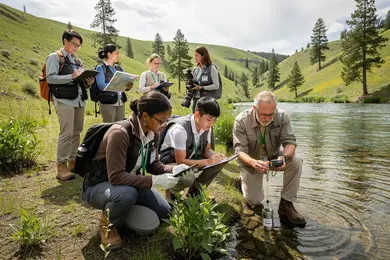
On-campus degrees, such as those at Cornell University, immerse students in rich, hands-on experiences-from sampling water in Adirondack lakes to conducting soil tests in Massachusetts' coastal environments. These moments foster a vibrant community spirit, with peers and faculty collaborating closely, which many graduates found inspiring and motivating.
Both paths share a commitment to rigorous academics and practical skills, but online programs shine in accessibility, while on-campus studies thrive on direct interaction with nature and research facilities. Choosing either means stepping confidently toward a meaningful career protecting the environment.
Students pursuing an online environmental science degree in the Northeast can expect tuition costs to vary depending on the institution and degree level, but many find these investments worthwhile for their future careers. Public universities often offer affordable options, with yearly tuition ranging between $8,000 and $15,000 for in-state students. Graduates from these programs share stories of balancing quality education with manageable expenses, empowering them to contribute meaningfully to environmental solutions while maintaining financial responsibility.
Private colleges in the Northeast typically charge higher tuition, usually between $20,000 and $35,000 annually, but they frequently provide attractive financial aid packages to ease the financial burden. Many students appreciate how access to scholarships and aid transforms what seems like a costly investment into an attainable goal. Graduate degrees, such as online master's programs, come with tuition that ranges from $15,000 to $30,000 per year, reflecting the advanced coursework and specialized expertise graduates obtain.
Credit hour costs, generally between $300 and $700 per credit, also influence overall expenses. Since most bachelor's degrees require around 120 credits, the total tuition can range from $36,000 to $84,000. Master's programs typically require fewer credits, making them attractive to students seeking efficient pathways to career advancement. Many graduates from well-known Northeastern schools emphasize the flexibility and value that online environmental science degree programs offer, especially when paired with financial aid, scholarships, or employer tuition assistance.
For anyone exploring affordable environmental science degree programs Northeast options provide a balance between prestige and cost. Aspiring students may benefit from researching specific programs or exploring options for online environmental sustainability degrees to find pathways that resonate with their goals and budgets.
Pursuing an online environmental science degree in the Northeast opens gateways to numerous financial aid options designed to ease your journey. Graduates from renowned institutions like the University of Vermont and Rutgers University often share how federal aid through FAFSA made their dreams attainable, with Pell Grants providing up to $7,395 to help cover costs. Imagine the relief of gaining federal student loans that support your studies without overwhelming interest, paired with work-study opportunities that connect you to real environmental projects while earning.
State-specific programs, such as New York's TAP grant offering up to $6,695 annually, have empowered many to thrive at institutions like SUNY's online environmental science programs. Massachusetts residents benefit from the MASSGrant, encouraging students enrolled in top schools like UMass Amherst. Universities also award scholarships recognizing your passion and merit, sometimes covering entire tuition, fueling graduates' confidence and success.
Beyond schools, nonprofit scholarships like those from the Environmental Research & Education Foundation inspire commitment to environmental careers. Whether you're balancing work, family, or military service, financial aid is there to lift you closer to your goals in the vibrant Northeast.
Enrolling in an online environmental science degree in the Northeast opens exciting doors for those passionate about protecting our planet. Many students at renowned institutions like the University of Vermont or Boston College recall how their strong foundation in biology, chemistry, and algebra empowered them to excel from day one. These programs usually ask for a high school diploma or GED, along with transcripts showing coursework in general sciences and math.
For those aiming at graduate studies or transferring credits, holding a bachelor's degree in related fields such as environmental studies or chemistry often sets a confident tone. Graduates from Northeastern University have shared how maintaining a competitive GPA and demonstrating technological readiness-like reliable internet and familiarity with virtual platforms-helped them engage deeply with interactive simulations and data modeling.
This practical preparation not only ensures success but also instills a sense of readiness and excitement for tackling real-world ecological challenges right from your own home in the Northeast.
Online environmental science degree programs in the Northeast immerse students in dynamic courses that spark a genuine passion for protecting our planet. Graduates from well-known universities often share how exploring environmental biology and ecology deepened their understanding of natural ecosystems and inspired hands-on conservation efforts, even from a distance.
Courses like environmental chemistry reveal the fascinating chemical interactions that keep our air and water clean, while geology introduces the powerful forces shaping our earth's landscapes. Students find these subjects come alive as they relate directly to the lush forests, urban centers, and coastlines so prominent across states like New York and Massachusetts.
Environmental policy and management courses resonate strongly with learners who appreciate how regional regulations shape practical solutions for sustainability. Many alumni recall how studying GIS and data analysis empowered them to create real-world maps and models, vital tools for tackling today's environmental challenges in the Northeast's bustling metropolitan areas.
Online environmental science specializations Northeast programs offer engaging pathways that inspire students to make a real difference in their communities. Graduates from renowned colleges in the region often share how focusing on Conservation Biology empowered them to protect the diverse Appalachian forests and Atlantic coastlines. Others find passion in Environmental Policy and Management, shaping sustainable regulations that improve urban quality of life in cities like Boston and New York. These environmental science degree concentrations Northeast also include cutting-edge fields like Climate Science and Adaptation, helping learners design resilience plans against changing weather patterns impacting local habitats.
Many students highlight the excitement of Renewable Energy and Sustainability tracks, where they explore clean technologies and contribute to the Northeast's green energy revolution. Environmental Chemistry provides another dynamic route, allowing graduates to analyze pollution levels and promote cleaner water and air. For those balancing budgets, programs often recommend researching the cheapest sustainability bachelor degree options to pursue dreams without financial stress.
Choosing the best online environmental science degree Northeast means focusing on programs that offer strong regional accreditation and connect theory with the unique ecosystems around you. Graduates from popular colleges in the Northeast often reflect on how courses blending coastal ecology with urban sustainability gave them a real sense of purpose and readiness for local challenges.
Look for affordable online environmental science programs Northeast that consider tuition value alongside curriculum depth. Many students share how affordable public university options helped them manage costs while still receiving excellent instruction and meaningful internship opportunities tied to local agencies.
Faculty expertise can truly elevate your learning experience; imagine working alongside professors engaged in active research or securing internships that bring labs and fieldwork directly to life. Online students also benefit greatly from programs emphasizing flexibility and robust support, empowering them to balance studies and life seamlessly.
For a forward-thinking approach, consider integrating your environmental studies with complementary fields like sustainability through sustainability mba programs, opening doors to broader career paths.
Graduates pursuing online environmental science careers Northeast enjoy diverse and rewarding opportunities that tap into the region's rich ecosystems and urban challenges. Many find themselves thriving as environmental consultants, helping New York or Massachusetts businesses navigate strict regulations and champion sustainable growth. Others embrace roles as natural resource managers or conservation scientists, working within state parks or agencies dedicated to preserving forests and waterways. Graduates from popular universities in the area share inspiring stories of partnering with local governments to protect precious wildlife habitats, bringing science directly into community impact.
Environmental health specialists are another growing path, especially in bustling northeastern cities like Boston and Philadelphia, where monitoring air and water quality can directly improve public health. Students completing an online environmental science degree often celebrate how their education combines practical skills with real-world policy knowledge, empowering them to contribute meaningfully. For those interested in academic research, institutions in the Northeast offer plentiful grants focused on climate change, opening doors to impactful careers beyond the bachelor's level.
For motivated students aiming to unlock these pathways, programs offering an easy online degree environmental science can be an accessible start. The region's environmental science job opportunities in Northeast reflect not only current needs but inspiring futures where graduates lead positive change at the intersection of science, policy, and community.
The job market for graduates holding an online environmental science degree in the Northeast is vibrant and full of opportunity. Graduates from well-known universities and colleges in the region often find rewarding roles in state environmental agencies, private consulting firms, and renewable energy companies. Many have shared how their flexible online studies allowed them to balance work and family while preparing to enter a workforce focused on impactful climate policy and sustainability.
With locations like Boston and New York City leading the charge, the Northeast offers some of the highest employment levels for environmental scientists nationwide. Salary expectations are encouraging, with averages above the national norm, reflecting both specialized industry needs and regional living costs. For those exploring online environmental science careers Northeast, the path is both accessible and promising.
As you consider your future, explore the diverse list of environmental jobs available in this thriving region, where your passion can translate into real-world change and professional fulfillment.
2027 Easiest Online Environmental Science Degree Programs Ranking in the Northeast
Investing in your education is a significant decision that can influence your career and future opportunities, and the Research.com team recognizes the importance of providing trustworthy guidance. To help prospective students in the Northeast region, we have carefully developed the "2027 Easiest Online Environmental Science Degree Programs Ranking." Our dedication to quality, credibility, and accuracy is demonstrated through thorough research and data analysis.
We utilized the following reputable data sources to ensure a comprehensive evaluation of environmental science programs:
By consulting this ranking, readers will gain valuable insights into accessible and high-quality online environmental science degrees in the Northeast, empowering them to make well-informed educational choices. For more information on how this ranking was created, please visit our Research.com methodology page.
# 1 position
Thomas Edison State University
Bachelor of Environmental Studies

# 2 position
Antioch University New England
Doctor of Environmental Studies

Frequently Asked Questions About environmental science
Online environmental science students in the Northeast can maximize their learning by actively engaging with regional environmental issues. Incorporating local case studies, such as coastal erosion in New England or urban sustainability efforts in New York, enhances practical understanding. Leveraging partnerships with nearby organizations for virtual internships or research projects provides real-world experience. According to the EPA, the Northeast faces unique challenges like acid rain and climate change impacts, so students should focus on these areas.
Utilizing university-provided virtual labs and interactive tools also helps deepen knowledge. Joining online study groups tailored to Northeast-specific environmental topics can foster collaboration and networking.
Emerging niches within the environmental science field reflect growing regional and global challenges. In the Northeast, coastal resilience and climate adaptation have become critical due to rising sea levels and increased storm activity. According to the Northeast Climate Adaptation Science Center, professionals skilled in ecosystem restoration and urban sustainability are in high demand.
Another expanding area is environmental data science, which combines environmental knowledge with big data analytics to improve decision-making. This niche supports smart resource management and conservation efforts, essential for densely populated Northeastern cities.
Additionally, green infrastructure design, focusing on sustainable urban development, is gaining attention. These specialties offer practical career paths for students pursuing online environmental science degrees from the Northeast.
Graduates with online environmental science degrees in the Northeast should focus on building practical skills to enhance employability. Internships and volunteer opportunities with local environmental agencies or nonprofit organizations provide valuable hands-on experience. Networking through regional groups like the New England Environmental Business Council can open doors to job leads and mentorship.
Acquiring relevant certifications, such as the Certified Environmental Professional (CEP), can boost a candidate's profile. According to the U.S. Bureau of Labor Statistics, the Northeast states, including New York and Massachusetts, are expected to see steady growth in environmental science jobs through 2030.
Staying informed about state-specific environmental regulations and funding opportunities from agencies like the EPA's New England office is crucial for targeted job applications.
Employers in the Northeast highly value environmental science graduates who demonstrate strong analytical and technical skills. Proficiency in Geographic Information Systems (GIS) and data analysis tools is essential, reflecting the region's emphasis on urban planning and natural resource management. According to the U.S. Bureau of Labor Statistics, environmental scientists in the Northeast use these skills to support policy development and environmental impact assessments.
Communication skills are also critical, as graduates must clearly explain complex scientific findings to diverse audiences. Collaboration is valued due to the interdisciplinary nature of environmental projects involving government agencies and private organizations.
Additionally, knowledge of regional regulations, such as New England's stringent environmental standards, is increasingly important. Problem-solving abilities and adaptability to emerging environmental technologies round out the top skills employers seek in this competitive market.
Finding internships in the Northeast for environmental science students often begins with university career centers, which connect online students to local employers. Many colleges partnered with regional organizations such as the New England Environmental Finance Center provide specific internship listings. Additionally, platforms like Handshake and the EPA's Student Internship Program are valuable resources, offering opportunities tied directly to environmental fields. According to the U.S. Bureau of Labor Statistics, environmental scientists in the Northeast see steady job growth, supporting an active internship market. Networking through local chapters of professional groups such as the Environmental Careers Organization can also enhance prospects.
An online environmental science degree significantly enhances career mobility and advancement for professionals in the Northeast. This region, home to numerous federal and state environmental agencies, research institutes, and green technology firms, increasingly values candidates with specialized knowledge and flexible learning backgrounds. According to the U.S. Bureau of Labor Statistics, employment in environmental science and protection roles in the Northeast is expected to grow by 8% from 2022 to 2032, faster than the national average.
Employers in states like New York, Massachusetts, and Pennsylvania often seek graduates who combine technical expertise with practical skills obtained through accredited online programs. Many online degrees include internships or partnerships with local organizations, helping students gain relevant experience and connections. This blend of education and applied learning supports upward movement within environmental consulting, policy-making, and conservation roles.
Online degrees also offer flexibility, allowing working professionals to continue employment while upgrading their credentials. This capacity to balance work and education is key in dynamic Northeast job markets, where advancing to senior positions frequently requires advanced degrees or certifications.
Studying for an environmental science degree online in the Northeast equips students for interdisciplinary roles by emphasizing collaboration across fields like biology, chemistry, policy, and economics. Many programs integrate regional environmental challenges, such as coastal conservation and urban sustainability, providing relevant, place-based experience. According to the U.S. Bureau of Labor Statistics, interdisciplinary skills increase employability in areas like environmental consulting and resource management.
Institutions leverage the Northeast's strong network of research centers and government agencies to offer practical case studies and projects. This approach helps students connect scientific knowledge with real-world decision-making, crucial for careers requiring coordination between scientists, policymakers, and community leaders.
Choosing between a thesis and a non-thesis online environmental science degree in the Northeast depends on your career goals and learning preferences. A thesis program typically requires original research, which suits students aiming for careers in academia, research, or advanced graduate study. These programs may demand more time, often including close faculty mentorship and deeper specialization.
Non-thesis programs focus on coursework and practical skills, ideal for professionals seeking to enter or advance in government, industry, or environmental consulting. According to the U.S. Department of Education, many accredited Northeast universities offer flexible non-thesis options tailored for working students.
Consider program format, faculty expertise, and alignment with your desired job market when deciding between these paths.
Students in the Northeast interested in studying environmental science abroad through online programs have multiple pathways. Many universities in this region, such as the University of Vermont and SUNY College of Environmental Science and Forestry, offer online degrees with global fieldwork options or exchange partnerships. These programs blend remote coursework with study-abroad experiences, allowing students to gain international exposure without relocating permanently.
Additionally, some programs participate in consortia like the Western Regional Environmental Science Exchange, which includes virtual seminars with global experts. According to recent data from the National Center for Education Statistics, about 15% of environmental science undergraduates in the Northeast engage in study-abroad or international internships. This reflects growing opportunities to integrate global perspectives while studying locally online.
Part-time job opportunities that complement an online environmental science degree in the Northeast often involve roles in conservation, research assistance, and sustainability consulting. Many students find positions with local environmental nonprofits or state agencies like the New York State Department of Environmental Conservation. These jobs provide practical experience in field data collection and environmental monitoring, crucial for applying classroom knowledge.
Internships or assistant positions at regional research institutions such as the Woods Hole Oceanographic Institution in Massachusetts offer exposure to marine and coastal science. Additionally, urban sustainability roles in cities like Boston focus on green building initiatives and waste management, reflecting regional environmental priorities.
According to the U.S. Bureau of Labor Statistics, demand for environmental scientists and specialists in the Northeast is projected to grow by 7% through 2031, highlighting expanding part-time and entry-level opportunities.
Online environmental science students in the Northeast have several valuable networking opportunities through regional organizations and university resources. Many schools offer virtual events, webinars, and career fairs connecting students with professionals in fields like conservation, climate policy, and sustainable development.
The Northeast is home to key environmental groups such as the New England Environmental Business Council and the Mid-Atlantic Regional Council on the Ocean, which host online forums and workshops. These platforms help students engage with industry leaders and potential employers.
Additionally, universities often provide access to alumni networks and internships with local agencies, enhancing professional connections.
Alumni networks provide valuable support for online environmental science degree students in the Northeast. These connections often lead to job referrals and internships in the region's growing green industries. According to the National Environmental Education Foundation, 70% of environmental science graduates find employment through networking channels. Alumni can offer mentorship based on real-world experience in local ecosystems like the New England forests or the Chesapeake Bay.
Engaging with alumni helps students stay updated on regional environmental trends and policy changes, which are critical in this field. Many Northeast universities maintain active online alumni groups that facilitate knowledge sharing and career advice. These networks enhance professional growth by linking students to conferences, research projects, and local sustainability initiatives.
Customizing an online environmental science degree program in the Northeast involves selecting electives and concentrations that align with your career goals. Many universities in this region offer specializations such as conservation biology, environmental policy, or sustainable resource management. For example, programs accredited by the Environmental Science Accreditation Commission emphasize practical skills relevant to regional industries.
Students can also tailor capstone projects or internships to focus on local environmental issues, such as coastal management or urban sustainability. According to the U.S. Bureau of Labor Statistics, customized expertise can improve job prospects in growing Northeast sectors like renewable energy and environmental consulting.
Advising services at regional schools assist students in mapping coursework to career objectives, ensuring a relevant and flexible education.
Online environmental science students in the Northeast often face the challenge of balancing rigorous coursework with personal and professional responsibilities. Many programs require hands-on fieldwork or lab components, which can be difficult to complete remotely. According to the U.S. Department of Education, approximately 35% of environmental science courses include some form of experiential learning, posing barriers for fully online students.
Another common difficulty is limited access to local research opportunities. The Northeast's unique ecosystems demand region-specific study, yet online students may struggle to engage meaningfully without nearby resources. Technical issues, such as unreliable internet in rural areas, also impact learning.
Finally, maintaining motivation and engagement in a virtual setting is a notable obstacle, with around 40% of online students nationally citing this as a key challenge, per the National Center for Education Statistics.
With an online environmental science degree, you can pursue several professional certifications that enhance your career prospects in the Northeast. Common certifications include the Certified Environmental Scientist (CES) and the Certified Environmental Professional (CEP), both recognized by the National Association of Environmental Professionals. These credentials validate expertise and improve job opportunities in fields like environmental consulting and regulation.
The Northeast's robust environmental sector, driven by state policies and organizations such as the New York State Department of Environmental Conservation, encourages professionals to obtain certifications for roles in water quality, hazardous waste management, and sustainability.
Additionally, certifications in Geographic Information Systems (GIS) are valuable, given the region's emphasis on environmental mapping and analysis.
To write a winning application for an online environmental science program in the Northeast, start by highlighting your passion for sustainability and regional environmental issues. Admissions committees value applicants who understand local challenges, such as coastal erosion in New England or urban pollution in New York City, as noted by the Environmental Protection Agency (EPA).
Include relevant academic achievements, especially in biology, chemistry, and geography, demonstrating your preparedness for scientific coursework. Strong letters of recommendation from professors or professionals in environmental fields strengthen credibility.
Articulate clear career goals aligned with Northeast environmental priorities, like renewable energy or conservation. Finally, tailor your personal statement to reflect knowledge of the program's unique offerings, ensuring your application stands out in this competitive region.
Environmental science careers are increasingly shaped by global challenges such as climate change, pollution, and resource management. Experts agree that professionals with environmental science degrees play critical roles in addressing these worldwide issues. The U.S. Bureau of Labor Statistics projects an 8% growth in environmental science jobs through 2031, driven by demand for sustainable practices.
For students in the Northeast, states like New York and Massachusetts are hubs for environmental research and policy development, offering many online degree opportunities. Institutions often emphasize global perspectives, preparing graduates to work on international projects.
Understanding global environmental policies and international regulations is vital. Many careers involve collaboration with agencies like the United Nations or NGOs focused on global sustainability goals. As a result, possessing cultural competence alongside scientific knowledge is highly valued across the industry.
Gaining practical experience while studying for an online environmental science degree in the Northeast is essential. Many programs incorporate virtual labs and simulations that reflect real-world environmental challenges specific to regions like New England and the mid-Atlantic. Additionally, students can pursue internships with local government agencies, such as the EPA's regional offices, which frequently offer remote or hybrid opportunities.
Collaborating with nonprofit organizations like the New England Environmental Finance Center can also provide hands-on project experience. According to the U.S. Bureau of Labor Statistics, internships increase employment chances by 15% in this field. Lastly, participating in citizen science projects related to regional climate or water quality helps build skills relevant to Northeast ecosystems.
Choosing the right concentration within an online environmental science degree in the Northeast requires understanding your career goals and regional environmental issues. Popular concentrations include sustainability, conservation biology, and environmental policy. The U.S. Bureau of Labor Statistics projects a 15% growth for environmental scientists through 2032, highlighting increasing job opportunities in these fields.
Consider local industry demands; for example, the Northeast focuses heavily on renewable energy and urban environmental management. Schools like the University of Massachusetts and Rutgers offer tailored concentrations reflecting these trends. Reviewing curricula and internship options helps identify programs aligned with your interests.
Regional organizations such as the Environmental Protection Agency's Northeast office provide useful data and networking connections to support your educational focus.
- Environmental Science Technology (A.S.) http://www.fscj.edu/program
- Environmental Science Internships | Intern Abroad HQ https://www.internhq.com/industries/environmental-sciences/
- Environmental Scientist Cover Letter Examples https://www.careerfaqs.com.au/careers/resumes-cover-letters/environmental-scientist-cover-letter-example
- Strong Programs in Environmental Studies https://toptieradmissions.com/strong-programs-in-environmental-studies/
- Benefits of Environmental Education https://www.neefusa.org/what-we-do/k-12-education/benefits-environmental-education
- Environmental Sciences Abroad https://uceap.universityofcalifornia.edu/environmental-sciences-abroad
- Environmental Certifications for entry-level and career changers https://www.theenvironmentalcareercoach.com/certification-links
- Graduate Schemes and Internships - Green Jobs for Nature https://greenjobsfornature.org/get-that-green-job/graduate-schemes-and-internships/
- Application Letter to Master's Program in Environmental Science in Germany https://essayforum.com/letters/application-master-program-environmental-86188/
- MESPOM Alumni Association https://mespom.eu/mespom-alumni-association