2027 Most Valuable Online Master's in Environmental Science Degree Programs Ranking in Alabama

Co-Founder and Chief Data Scientist
Choosing the right online master's degree in environmental science can feel overwhelming, especially in Alabama's diverse educational landscape. This article presents the 2027 Most Valuable Online Master's in Environmental Science Degree Programs Ranking in Alabama, carefully developed by the Research.com team of data scientists.
Our goal is to help you find programs that offer the best value and quality, making your decision easier and more confident.
Investing in an environmental science degree opens doors to meaningful careers focused on protecting our planet, and this guide will support you every step of the way.
Key benefits of getting online environmental science degree in Alabama
- Environmental science degree graduates in Alabama can expect competitive salaries, with typical US environmental scientists earning around $73,230 annually, offering promising financial stability.
- Graduates from the University of Alabama's environmental science program often pursue careers in conservation, environmental consulting, and sustainability management, opening diverse job opportunities.
- Online degrees from schools like Auburn University allow flexible learning schedules, enabling students to balance work and study while gaining the same respected credentials as traditional programs.
- 2027 Most Valuable Online Master's in Environmental Science Degree Programs Ranking in Alabama
- What can I expect from online environmental science degree in Alabama?
- Where can I work with online environmental science degree in Alabama?
What can I expect from online environmental science degree in Alabama?
The average cost of an online environmental science degree in Alabama typically ranges between $15,000 and $30,000 for the entire program. Graduates from institutions like the University of Alabama or Auburn University often remark that this investment feels well justified given the blend of rigorous coursework and real-world application opportunities they experienced. Many students appreciate how the tuition balances affordability with access to quality education tailored to Alabama's unique environmental challenges, such as coastal management and water resource conservation.
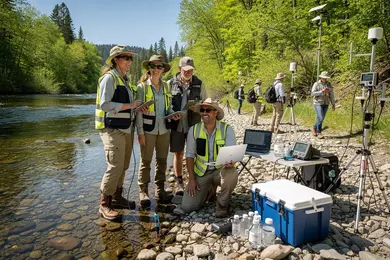
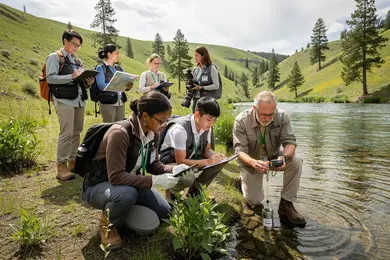
For example, some graduates recall remote lab simulations combined with occasional, hands-on fieldwork near the Gulf Coast, which enhanced their understanding without inflating costs. This hybrid learning model offers flexibility for working professionals but sometimes requires modest travel expenses for internships or local projects. Overall, alumni view the financial commitment as an opportunity to launch careers in environmental consulting or regulatory affairs within Alabama's growing green sector, making the cost feel like a worthwhile step toward meaningful work in their communities.
Where can I work with online environmental science degree in Alabama?
Graduates of online environmental science programs from universities like the University of Alabama or Auburn University often find themselves stepping confidently into diverse career paths right here in Alabama. Many secure positions within state and local government agencies such as the Alabama Department of Environmental Management, where they engage in monitoring air and water quality or enforcing environmental policies. This hands-on work connects theory learned online with real-world impact, fostering a deep sense of purpose.
Others choose the private sector, joining industries like manufacturing or agriculture to ensure compliance with environmental regulations and drive sustainability initiatives. Alumni often recount the satisfaction of advising businesses on reducing their ecological footprints and developing remediation plans, a rewarding blend of science and strategy.
Nonprofit organizations and research centers also draw graduates excited to work on conservation projects or study Alabama's unique ecosystems, like those in the Mobile-Tensaw Delta. These roles tap into passions for wildlife protection and community education, creating fulfilling opportunities for those who want to make a difference with their degree.
For many, the flexibility of an online degree combined with hands-on experience in Alabama's expanding environmental sector opens pathways to meaningful and stable careers.
Graduates holding an online environmental science degree from universities in Alabama often find starting salaries in the range of $45,000 to $50,000 annually. Many begin their careers in roles such as environmental technicians or assistants, engaging in hands-on fieldwork and crucial regulatory tasks that provide a solid foundation for advancement. Over time, as they gain experience and professional certifications, salaries can increase to between $70,000 and $85,000 in positions like environmental consulting or compliance management.
Several alumni from popular Alabama institutions have shared that working in Birmingham or Huntsville tends to offer higher wages compared to rural locations, reflecting the local demand and economic dynamics. Those pursuing further education or research roles within Alabama's universities also report salary potentials exceeding $80,000, especially in sustainability or environmental engineering fields.
These earnings reflect a rewarding balance of practical environmental work and intellectual growth, offering graduates the satisfaction of contributing to Alabama's environmental health while securing a stable and growing income.
- Online environmental science degrees in Alabama cost between $10,000 and $30,000, with public universities generally offering lower tuition.
- Financial aid including scholarships and grants is often available to help reduce the overall cost of these programs.
- Starting salaries for graduates range from $45,000 to $55,000 per year, increasing to $65,000 to $85,000 for experienced professionals.
- The job market in Alabama for environmental science graduates is steady with moderate growth expected, especially in natural resource and environmental management sectors.
- Programs often include coursework on Alabama-specific topics such as coastal conservation, air quality, and climate resilience to prepare students for local environmental challenges.
Completing an online environmental science degree in Alabama generally matches the pace seen nationwide but comes with a flexibility that many students appreciate. For example, graduates from the University of Alabama's online program often note that finishing the bachelor's degree, which requires about 120 credit hours, usually takes around four years if studied full-time. This timeline fits well for those eager to step into their careers promptly while balancing work or family life.
Many students at Auburn University choose a part-time approach, extending their studies to six years or more. They find this pacing less stressful and more manageable, allowing them to absorb material deeply without sacrificing other commitments.
Master's degree candidates often remark on the agility of their programs, completing 30 to 36 credit hours within 1.5 to 2 years. For those juggling jobs or family, a part-time option stretching to three years offers a rewarding, steady path without rushing.
Hearing from peers, it's clear that while the timeline varies, Alabama's online programs balance rigor and flexibility, helping students confidently progress toward their goals.
Choosing between online and on-campus environmental science degrees in Alabama often comes down to lifestyle and learning preferences. Graduates from the University of Alabama praise the on-campus experience for its hands-on labs and fieldwork in nearby forests and waterways, which deeply enhanced their practical skills and confidence in real-world settings.
In contrast, those who took online programs appreciated the flexibility that allowed them to study around jobs and family commitments, especially true for students living in rural Alabama. One graduate shared how being able to access lectures anytime made balancing work and study manageable without sacrificing quality.
On-campus programs, like those at Auburn University, offer rich networking through face-to-face interaction with professors and peers, often leading to collaborative research and job opportunities. Meanwhile, online students engage through virtual forums and events, building connections in their own adaptive way.
Both pathways offer distinct advantages, so reflecting on your personal needs-whether flexible scheduling or immersive, applied learning-is key to making the right choice for an environmental science degree in Alabama.
The average cost online environmental science degree Alabama students face typically centers around tuition rates charged by public universities such as the University of Alabama and Auburn University. Graduate students pursuing environmental science programs often find tuition for in-state residents ranges between $9,000 and $14,400 for a master's degree requiring 30 to 36 credit hours. This affordability attracts many local students who value both quality education and manageable expenses.
Graduates from these programs frequently cite a strong sense of accomplishment, knowing they invested wisely in their education without incurring overwhelming debt. Out-of-state students, however, can expect higher tuition, often 1.5 to 2 times the in-state costs, posing a more significant financial consideration. Alongside tuition, minor additional expenses like technology fees and textbooks usually add a few hundred dollars but do not substantially increase the overall investment.
Those keen on sustainability might also find value exploring an accelerated online bachelor of science in sustainability, which can complement environmental science studies and offer efficient pathways to enter the field. Universities in Alabama actively participate in financial aid and scholarship programs, making these degrees more accessible to qualified students. Considering the average cost online environmental science degree Alabama residents pursue reflects a practical balance between educational quality and cost, inspiring many to embark on this rewarding academic journey.
Tuition and fees for environmental science master's Alabama programs tend to remain economical compared to national averages, which commonly exceed $20,000. This cost advantage gives Alabama students a competitive edge and peace of mind as they prepare for careers in vital environmental fields.
Students pursuing an online environmental science degree in Alabama often find financial aid to be a crucial support. Many graduates from institutions like the University of Alabama or Auburn University recall how completing the FAFSA opened doors to federal support such as Pell Grants and low-interest student loans, easing the tuition burden significantly. These grants, especially, felt like a lifeline when balancing work and study.
State-specific scholarships offered by the Alabama Commission on Higher Education also play a meaningful role. Recipients share how programs like the Alabama Student Grant Program made attending in-state colleges more accessible, even while studying remotely.
On-campus connected but online-capable, universities often provide scholarships and assistantships, with many environmental science graduates valuing the opportunity to work as research assistants. This not only provided financial relief but also enriched their academic experience with practical skills.
Additional encouragement comes from professional groups and employer tuition reimbursement programs, which graduates credit with motivating continued education amid career demands in Alabama's growing environmental sectors.
Enrolling in an online environmental science degree in Alabama typically means preparing to meet both academic and technical prerequisites that reflect the program's interdisciplinary demands. Graduates from institutions like the University of Alabama and Auburn University often recall the importance of a solid high school foundation in biology, chemistry, physics, and algebra. These subjects aren't just coursework-they are the tools that fuel understanding of environmental systems through virtual labs and data analysis.
For those pursuing graduate degrees, the journey usually begins with holding a bachelor's degree, often paired with a GPA around 3.0 or higher. Many students have found that previous coursework in natural sciences or engineering gives them confidence when tackling advanced topics. Several Alabama programs now waive the GRE, easing entry barriers, but require a personal statement and recommendations that allow applicants to express their passion for environmental issues.
Beyond academics, reliable internet and familiarity with online learning platforms are vital. Graduates often express pride in how these requirements prepared them not just intellectually but also practically to engage with Alabama's unique ecosystems from home.
Graduates from popular Alabama universities often reflect on how foundational courses like Environmental Chemistry and Ecology enriched their understanding of the state's unique ecosystems. Picture studying the Appalachian Mountains' biodiversity or the wetlands along the Gulf Coast, where classroom lessons transform into vivid images of thriving habitats faced with real environmental challenges.
Courses in Geographic Information Systems (GIS) stand out as particularly valuable, equipping students with skills to map and analyze natural resources, which proves essential in local conservation efforts. Many alumni appreciate how Environmental Policy and Regulation classes dive into relevant state laws, providing clarity on topics like the Clean Water Act-directly affecting Alabama's waterways.
Soil Science and Hydrology courses resonate especially well with students interested in agriculture and sustainable water management, fields critical to Alabama's economy and environment. These classes often include projects inspired by regional issues like land use and pollution, making studies feel practical and deeply connected to the place they call home.
Online environmental science specializations Alabama programs often reflect the state's rich ecological diversity and environmental priorities. Graduates from popular colleges have found that focusing on Environmental Policy and Management prepares them to engage with Alabama's regulatory frameworks, equipping them to influence policies that protect vital areas like the Mobile-Tensaw River Delta.
Others gravitate toward Ecology and Conservation, drawn by hands-on opportunities studying Appalachian ecosystems, where they develop a deep connection to preserving biodiversity. Specializations such as Environmental Toxicology and Chemistry appeal to those inspired by tackling pollution challenges specific to Alabama's industrial regions, combining lab research with real-world environmental health assessments.
GIS and Remote Sensing are increasingly valuable, as spatial data use grows for managing Alabama's natural resources. Students often appreciate the practical skills gained, which directly apply to careers in environmental consulting within the state.
Renewable Energy and Sustainability also draw motivated learners eager to contribute to Alabama's developing green economy-a path that's both fulfilling and timely. Those seeking cost-effective options can explore an affordable online sustainability masters degree, which balances quality education with financial prudence.
Choosing the best online environmental science degree Alabama offers means focusing first on accreditation to ensure your credits hold value. Graduates from well-established schools report feeling confident in their education knowing programs met rigorous standards by bodies like SACSCOC. They often mention how the curriculum's emphasis on Alabama-specific issues like coastal management or forestry helped them connect theory directly with local challenges.
Cost is another crucial consideration. Many students find affordable environmental science programs Alabama universities provide relief compared to national averages, making it easier to invest in their future without overwhelming debt. Alongside pricing, look for programs that offer flexibility through asynchronous classes and strong online support-factors graduates value highly when balancing work and study.
Finally, explore career prospects and internships within Alabama's job market, where environmental consulting roles are growing. Alumni frequently highlight how connections facilitated by their schools enhanced employment chances. For those seeking guidance on career pathways after graduation, learning how to become a sustainability manager can provide valuable direction and inspiration.
Graduates pursuing an online environmental science degree in Alabama often find rewarding career paths aligned with the state's commitment to sustainable development. Many embark on roles as environmental consultants, bridging the gap between industry needs and ecological responsibility. Graduates from popular Alabama universities frequently reflect on how their practical coursework helped them confidently support local businesses in navigating environmental regulations.
Others embrace positions as natural resource managers, working closely with agencies to steward Alabama's diverse ecosystems. The hands-on experience gained through fieldwork in state parks or conservation projects gives graduates a strong foundation to thrive in these roles. This connection to Alabama's natural heritage makes the work both meaningful and impactful for those interested in environmental science careers in Alabama.
Additional opportunities abound as environmental educators raising community awareness or environmental scientists contributing to pollution control. Those seeking to advance their expertise often consider an online degree in environmental engineering to complement their skillsets and open further doors in this evolving field.
Among the various pathways, graduates also thrive as water resource specialists and environmental health and safety experts, roles equally valued across Alabama's diverse ecological sectors.
The job market for online environmental science careers in Alabama is shaped by the state's strong industrial background and growing environmental initiatives. Graduates from popular universities and colleges in Alabama often share stories of securing roles in local government agencies, consulting firms, or industrial companies that focus on compliance with environmental regulations. These positions provide fulfilling opportunities to contribute meaningfully to Alabama's natural resource management and sustainability efforts.
Many graduates find satisfaction in roles such as environmental consultants or compliance officers, where their work directly impacts pollution control and conservation projects. The Alabama Department of Environmental Management is a notable employer demanding skilled specialists, offering job seekers a stable career path. Salary ranges typically fall between $45,000 and $65,000, reflecting the state's lower living costs while still offering competitive compensation.
Enhancing employability through certifications like hazardous waste management is common among graduates. Some also explore advanced studies and have considered pursuing an accelerated mba in environmental management in usa to rise quicker within their fields, balancing flexibility with career advancement.
2027 Most Valuable Online Master's in Environmental Science Degree Programs Ranking in Alabama
Investing in your education is a significant decision that can shape your future, and the Research.com team understands the importance of making informed choices. To assist prospective students in Alabama, we have meticulously crafted the "2027 Most Valuable Online Master's in Environmental Science Degree Programs Ranking in Alabama." Our commitment to quality, credibility, and accuracy is reflected in the extensive research and analysis conducted to compile this ranking.
We utilized the following reputable data sources to ensure a comprehensive evaluation of environmental science programs:
By exploring this ranking, readers will gain valuable insights into the most valuable online master's programs in environmental science offered in Alabama, enabling them to make well-informed educational decisions. For more details on our approach and data analysis, please visit our Research.com methodology page.

# 2 position
Columbia Southern University
Master of Occupational Safety and Health/Environmental Management

Frequently Asked Questions About environmental science
Students pursuing online environmental science degrees in Alabama can maximize their learning by actively engaging with both virtual and local resources. Alabama's diverse ecosystems offer excellent opportunities for applied learning through internships and research projects, often facilitated by partnerships between universities and state agencies like the Alabama Department of Environmental Management (ADEM).
Utilizing online libraries and databases from institutions such as the University of Alabama can enhance research skills. Participating in discussion forums and study groups helps build connections and deepen understanding.
Given Alabama's focus on water resource management and forestry, students should seek specialized coursework and certifications in these areas to align their studies with regional environmental challenges.
The environmental science field is rapidly evolving, with several emerging niches gaining importance. One key area is climate adaptation and resilience, focusing on helping communities adjust to changing weather patterns. In Alabama, this is vital due to increased flooding risks and hurricanes, as indicated by the Alabama Department of Environmental Management.
Another growing niche involves renewable energy technologies. Alabama's investment in solar and wind projects creates new opportunities for environmental scientists specializing in energy impact assessments. Additionally, environmental data analytics is expanding, where professionals use big data to model ecosystems and pollution trends.
Urban sustainability and green infrastructure also attract attention as Alabama cities aim to reduce carbon footprints. These niches reflect practical responses to regional environmental challenges faced across the state.
After completing an online environmental science degree in Alabama, preparing for the job market involves targeted steps to increase employability. Alabama's environmental sector, supported by agencies like the Alabama Department of Environmental Management, offers roles in restoration, conservation, and compliance.
Students should gain practical experience by pursuing internships or volunteer opportunities with local environmental organizations. Building a professional network through Alabama-based groups such as the Alabama Environmental Council can provide valuable contacts.
Additionally, obtaining certifications like the Certified Environmental Professional (CEP) can improve job prospects. According to the U.S. Bureau of Labor Statistics, Alabama's environmental science-related occupations are projected to grow moderately, emphasizing the importance of skill development aligned with industry needs.
Employers in Alabama seek environmental science graduates who demonstrate strong analytical and problem-solving skills. Proficiency in data collection and interpretation is essential, as environmental roles often require handling complex datasets related to air, water, and soil quality. Communication skills are also vital; graduates must effectively explain technical findings to diverse audiences, including policy makers and community members.
Technical competence in Geographic Information Systems (GIS) is highly valued. According to the Alabama Department of Environmental Management, expertise in GIS supports regional planning and conservation efforts.
Additionally, practical knowledge of environmental regulations and sustainability practices is important. Familiarity with the Clean Water Act and local Alabama environmental laws strengthens a candidate's job prospects. Teamwork and adaptability also rank highly, reflecting the collaborative nature of environmental projects in Alabama's growing green economy.
Finding internships in Alabama relevant to an environmental science degree involves exploring opportunities offered by state agencies, non-profits, and private companies focused on ecological conservation and natural resource management. The Alabama Department of Environmental Management (ADEM) frequently provides internships related to water quality, waste management, and pollution control. Universities with environmental programs, such as the University of Alabama and Auburn University, often have partnerships with local organizations to help students secure internships.
Additionally, platforms like the Alabama Conservation Corps and the Alabama Forestry Commission offer programs that blend fieldwork with environmental education. Checking local job boards and university career centers is essential. According to the U.S. Bureau of Labor Statistics, Alabama's environmental science-related employment is expected to grow moderately, increasing internship opportunities in renewable energy and ecosystem management sectors.
An online environmental science degree in Alabama significantly enhances career mobility by providing flexible access to advanced knowledge without geographical constraints. Graduates report increased opportunities in sectors like natural resource management, environmental consulting, and sustainability planning, which are growing statewide.
The Alabama Department of Labor highlights a 10% projected growth in environmental science jobs through 2030, making specialized degrees valuable for advancement. Many employers prefer candidates with a master's degree, particularly those with skills in GIS, data analysis, or regulatory compliance, all emphasized in online programs.
Additionally, holding an online degree from an accredited Alabama institution can lead to higher salary potential and eligibility for leadership roles within state agencies and private firms.
Studying for an online environmental science degree in Alabama equips students with a broad understanding of natural systems, policy, and technology, essential for interdisciplinary roles. Alabama's programs emphasize collaboration across biology, chemistry, geography, and public policy, reflecting real-world environmental challenges.
The state's diverse ecosystems-from coastal wetlands to Appalachian forests-offer practical case studies integrating science and management. According to the Alabama Commission on Higher Education, graduates gain skills in data analysis, environmental law, and sustainable development, preparing them for careers in government, industry, and non-profits.
Furthermore, Alabama's universities partner with agencies like the Alabama Department of Environmental Management, providing students with applied projects that bridge science and community needs. This combination fosters versatility for roles requiring scientific expertise and cross-sector communication.
Choosing between a thesis and a non-thesis environmental science degree program in Alabama depends largely on your career goals. A thesis option typically requires original research and a written document, suited for those interested in scientific research or pursuing a PhD. It develops skills in critical thinking and data analysis.
Non-thesis programs often focus more on coursework and practical skills, ideal for professionals aiming to work directly in environmental management or policy fields. According to the Alabama Commission on Higher Education, many state universities offer both options with flexible online formats.
Consider your future plans and consult specific program requirements when deciding.
Students based in Alabama seeking to study environmental science abroad have several pathways through partnerships and exchange programs offered by U.S. universities. Many Alabama institutions participate in international agreements allowing students to take online courses or complete internships with foreign research centers specializing in environmental science.
These opportunities often include access to global environmental data and collaborative projects focusing on climate change, conservation, and sustainability, which are critical issues both globally and in Alabama's own ecosystems. According to the Alabama Commission on Higher Education, such programs can enrich learning while maintaining affordability.
Students interested should explore universities with strong global ties and accredited online offerings to ensure credits transfer smoothly.
In Alabama, part-time job opportunities that complement an online environmental science degree often involve roles in conservation, research, and environmental monitoring. Students can seek positions with state agencies such as the Alabama Department of Environmental Management, which hires part-time interns to assist in data collection and compliance monitoring.
Local nonprofits focused on wildlife preservation and water quality, like the Cahaba River Society, also offer valuable experience through volunteer or paid internships. Additionally, roles in environmental education at nature centers and park services provide practical skills relevant to the field.
The U.S. Bureau of Labor Statistics indicates growing demand for environmental scientists in the Southeast, supporting part-time job availability aligned with academic studies.
Online environmental science students in Alabama have several opportunities to build professional networks despite studying remotely. Many universities encourage participation in virtual events, webinars, and discussion forums tailored specifically to environmental fields. These platforms connect students with faculty, alumni, and local environmental professionals.
Alabama is home to organizations like the Alabama Association of Environmental Professionals (AAEP), which hosts conferences and workshops offering networking chances. Students can also engage with chapters of national groups such as the National Association of Environmental Management.
Internships and fieldwork placements coordinated by Alabama institutions often lead to valuable local contacts. Additionally, Alabama's growing environmental sector-with initiatives in water conservation and sustainable forestry-provides regional career fairs and volunteer opportunities.
Alumni networks offer significant benefits to students pursuing online environmental science degrees in Alabama. These networks provide valuable professional connections that can help graduates find internships and job opportunities within the state's growing environmental sector.
In Alabama, organizations like the Alabama Environmental Council highlight the importance of local expertise and collaboration, which alumni networks help nurture. Graduates can access mentorship from experienced professionals who understand regional challenges such as coastal management and conservation efforts unique to Alabama's diverse ecosystems.
Furthermore, alumni often share job openings at respected agencies and private firms, increasing employment prospects for recent graduates. A strong alumni network also offers ongoing learning opportunities through webinars and networking events, which help students stay current with the latest environmental regulations and technologies relevant to Alabama.
Students pursuing online environmental science degrees in Alabama can tailor their studies by selecting electives aligned with their career goals. Many programs offer concentrations in areas like natural resource management, environmental policy, or sustainability, allowing for focused expertise.
Advisors often help customize course plans based on interests such as ecological restoration or environmental compliance, critical for Alabama's growing industries. Alabama's Department of Environmental Management reports increasing demand for specialists in water quality and pollution control, highlighting valuable career paths.
Internships and research projects through partnerships with Alabama organizations provide practical experience, enhancing job readiness.
Flexible scheduling and asynchronous classes support working professionals aiming to balance career advancement and education.
Online environmental science students in Alabama commonly face difficulties related to limited hands-on fieldwork opportunities. Environmental science relies heavily on practical experience, which can be challenging to replicate in a virtual setting. Additionally, students often encounter issues balancing coursework with work or family responsibilities, a challenge noted in broader U.S. online education studies by the National Center for Education Statistics.
Another challenge involves accessing local research resources specific to Alabama's ecosystems, such as the Mobile-Tensaw Delta or Appalachian regions. Many programs require students to independently seek local internships or field projects, which can be difficult without institutional support. Technical issues and limited peer interaction also affect student engagement and success, as highlighted in recent studies on remote STEM education.
With an online environmental science degree in Alabama, graduates can pursue several valuable professional certifications to enhance their careers. Common options include the Certified Environmental Scientist (CES) credential offered by the National Association of Environmental Professionals (NAEP). This certification demonstrates expertise in environmental regulations and practices.
Alabama professionals may also consider the Registered Environmental Manager (REM) credential from the National Registry of Environmental Professionals, which focuses on environmental compliance and management skills. Additionally, certifications such as the Certified Hazardous Materials Manager (CHMM) are relevant for those working with waste management and pollution control.
Obtaining certifications can improve job prospects in industries such as energy, government, and consulting within Alabama, where environmental jobs have grown 7% from 2018 to 2023 according to the U.S. Bureau of Labor Statistics.
To write a winning application for an online environmental science program in Alabama, start by clearly demonstrating your passion for environmental issues relevant to the state. Alabama faces challenges like coastal erosion and water quality concerns, so mentioning these in your statement can show informed commitment.
Highlight any academic or professional experience related to biology, ecology, or environmental policy. Alabama's environmental agencies, such as the Alabama Department of Environmental Management, often seek graduates familiar with regional ecosystems, so experience with local projects can strengthen your profile.
Strong letters of recommendation are also crucial. Choose referees who can speak directly to your skills and interest in environmental science. Additionally, maintain a competitive GPA, ideally above 3.0, as many programs consider this as a key factor.
Environmental science careers are increasingly viewed through a global lens, reflecting urgent concerns like climate change and sustainability. Professionals in this field often address worldwide challenges, including pollution control and natural resource management. According to the U.S. Bureau of Labor Statistics, jobs related to environmental science are expected to grow 8% nationwide by 2032, indicating robust demand.
Alabama, rich in biodiversity and natural resources, contributes to this global effort by focusing on issues like water quality and coastal ecosystem preservation. The Alabama Department of Environmental Management reports ongoing initiatives that often require skilled environmental scientists to support compliance with federal regulations. This local expertise supports international environmental agreements and goals.
Globally, environmental science careers often involve collaboration across borders. Graduates from Alabama's online programs can engage in international projects, leveraging strong scientific foundations to meet the worldwide demand for sustainability experts.
Students pursuing an online environmental science degree in Alabama can gain practical experience through several avenues. Many universities encourage internships with local agencies like the Alabama Department of Environmental Management, which oversees statewide environmental programs. These opportunities often provide hands-on skills in water quality testing, pollution control, and environmental compliance.
Some programs also include field-based courses or require capstone projects involving real-world problem solving. Participation in community-based environmental organizations or research partnerships with Alabama universities can further enhance practical knowledge.
Additionally, virtual labs and simulation tools are increasingly used to complement physical experience, helping students develop critical analytical skills remotely.
Choosing the right concentration within an online environmental science degree in Alabama depends on your career goals and interests. Alabama's economy includes strong agriculture, forestry, and energy sectors, which influence program options. Common concentrations include natural resource management, environmental policy, and sustainable development.
Review each concentration's curriculum to ensure it aligns with your professional objectives. For example, natural resource management focuses on Alabama's extensive forests and water resources, supported by data from the Alabama Department of Conservation and Natural Resources.
Also consider job growth projections; the U.S. Bureau of Labor Statistics notes an increasing demand for environmental scientists in the southeastern U.S.
Finally, verify if the program offers internship or research opportunities related to Alabama-specific environmental challenges, which can enhance practical skills and employability.
- Bachelor of Science in Environmental Science https://www.aamu.edu/academics/undergraduate-studies/bachelor-science-environmental-science.html
- How to Find Entry Level Jobs with an Environmental Science Degree https://facs.com/blog/how-to-find-entry-level-jobs-with-an-environmental-science-degree/
- Environmental Scientist Cover Letter Examples https://www.careerfaqs.com.au/careers/resumes-cover-letters/environmental-scientist-cover-letter-example
- Environmental Science Internships | Intern Abroad HQ https://www.internhq.com/industries/environmental-sciences/
- 14 Entry Level Environmental Science Cover Letter Examples: Plus Recruiter Insights (Updated for 2025) https://resumeworded.com/cover-letter-samples/entry-level-environmental-science
- Alumni Put Environmental Science Degrees to Work at Chesapeake Watershed Initiative https://www.fandm.edu/stories/alumni-put-environmental-science-degrees-to-work.html
- Top Trending Research Topics in Environmental Science - Agriculture Journal IJOEAR Blog https://ijoear.com/blog/top-trending-research-topics-in-environmental-science
- The Biggest Environmental Problems Of 2021 https://earth.org/the-biggest-environmental-problems-of-our-lifetime/
- What Can You Do With an Environmental Science Degree? https://willamette.edu/academics/college/environmental-science/career-options
- Environmental Science Courses & Degrees https://www.open.edu.au/study-online/science/environmental-science