2027 Most Valuable Online Environmental Science Degree Programs Ranking in the Northeast

Co-Founder and Chief Data Scientist
If you're a student in the Northeast considering a future in environmental science, choosing the right online degree program can feel overwhelming. Our article introduces the 2027 Most Valuable Online Environmental Science Degree Programs Ranking in the Northeast, carefully crafted by the Research.com team of data scientists to guide you in making an informed decision.
Exploring this ranking will help you discover programs that offer real value, opening doors to rewarding careers. Pursuing an environmental science degree not only supports a vital cause but also builds skills that can make a lasting impact.
Key benefits of getting online environmental science degree in the Northeast
- Environmental science graduates in the Northeast typically enter roles such as environmental specialists or conservation scientists, with US-wide average salaries around $73,000 per year, offering a promising income potential.
- Graduates from well-known universities in the region often pursue careers in environmental consulting, policy making, and research, reflecting a diverse range of impactful job opportunities.
- Online environmental science degrees from reputable Northeast universities provide flexibility for balancing work and study, often with updated curricula that keep pace with current environmental issues, making education more accessible and practical.
- 2027 Most Valuable Online Environmental Science Degree Programs Ranking in the Northeast
- What can I expect from online environmental science degree in the Northeast?
- Where can I work with online environmental science degree in the Northeast?
What can I expect from online environmental science degree in the Northeast?
The average cost of an online environmental science degree in the Northeast can feel approachable, especially compared to the hefty price tags often associated with traditional on-campus programs. Many graduates from well-known state universities share how paying in-state tuition-even as online students-helped ease financial pressures. For example, those attending public institutions in states like New York or Massachusetts often find tuition rates aligning closely with national averages, making quality education achievable without overwhelming debt.
Private colleges may ask for higher tuition, but students often find that the flexibility and tailored support justify the investment. Graduates frequently express relief that their programs offered options such as financial aid, scholarships, or payment plans, which softened the financial burden while allowing them to balance studies alongside work or family commitments.
These nuanced tuition experiences reflect the broader reality that selecting a program in the Northeast means balancing cost with the rich opportunities of regional environmental agencies, internships, and specialized coursework-all accessible at many price points.
Where can I work with online environmental science degree in the Northeast?
Graduates from online environmental science programs at renowned Northeastern institutions often find themselves immersed in meaningful work within government agencies like the EPA's regional offices in Boston or state environmental departments throughout New York and Massachusetts. One graduate shared how her role in environmental compliance allowed her to connect daily with policies that directly protect local habitats, turning academic theories into practical impact.
Nonprofit organizations also beckon many, where positions in field research and advocacy bring powerful satisfaction. Another graduate from a popular New England college described collaborating with watershed associations, emphasizing how hands-on work in these groups fosters a genuine sense of community stewardship and purpose.
Private sector roles in consultancy for environmental assessments or sustainability planning offer exciting challenges, especially near growing urban centers. Graduates often reflect on learning to navigate complex regulations while working alongside energy companies focused on renewable initiatives, inspired by legislation like New York's Climate Leadership Act.
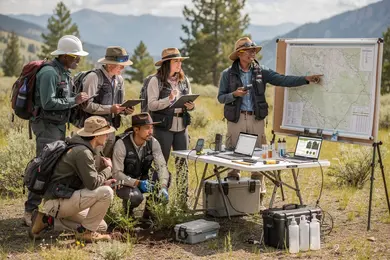
Academic and research roles further appeal to those driven by discovery and education, with universities in the region serving as vibrant hubs. Graduates recall the thrill of using GIS technologies and data analysis to influence policy and conservation strategies, reinforcing the Northeast's reputation as a leader in environmental innovation.
Graduates with online environmental science degrees from institutions in the Northeast often find encouraging salary prospects that reflect both regional demand and the practical experience gained during their studies. For example, alumni from respected schools like the University of Massachusetts or Pennsylvania State University have shared that starting salaries typically range from $55,000 to $65,000 in nearby states such as Massachusetts and Pennsylvania. This aligns well with broader regional trends, where entry-level positions in environmental consulting or resource management begin around $50,000 but can quickly rise beyond $80,000 as professionals gain experience.
Many report that working in urban centers like Boston or New York City amplifies earning potential. Median wages in New York City, for instance, often exceed $90,000 annually, fueled by roles in environmental policy or sustainability-focused organizations. Graduates note that pursuing additional certifications or specializing in GIS technology significantly enhances their market value, sometimes boosting salaries by up to 20%.
The shared experience of Northeast online degree holders underscores a rewarding career path where passion for the environment meets tangible financial growth, especially when combined with regional expertise and strategic career steps.
- Tuition for online environmental science degrees in the Northeast typically ranges from $15,000 to $30,000 per year at public schools, with private institutions charging more.
- States like New York, Massachusetts, and New Jersey have strong demand for environmental science graduates due to state investments in green energy and conservation.
- Environmental scientists in the Northeast earn mean annual wages between $65,000 and $95,000, increasing with experience and advanced qualifications.
- Job growth in environmental science is expected to be around 8% over the next decade, outpacing many other STEM fields.
- Many online programs in the region hold regional accreditation, such as from the Middle States Commission on Higher Education, ensuring credit transfer and employer recognition.
- Online programs with local internships or partnerships can help students connect to government, consulting, nonprofit, and renewable energy employers.
Completing an online environmental science degree in the Northeast typically requires a thoughtful approach to time management and program choice. Graduates from well-regarded institutions often speak to a four-year commitment for full-time Bachelor's studies, as seen in many programs at popular colleges like SUNY or UMass. Yet, these students also appreciate the flexibility offered by part-time options, which can stretch their journey to six years or more-allowing them to balance work, family, and coursework without feeling overwhelmed.
Associate degree holders from regional community colleges mention how their two-year full-time programs provided a solid foundation and sometimes even accelerated their transfer to four-year schools. Meanwhile, those pursuing Master's degrees value the ability to extend their studies over two to four years, fitting advanced coursework around professional and personal responsibilities.
Real-life experiences highlight that credit transfer policies and accelerated summer classes make a tangible difference. Students who leverage these often find themselves closer to their goals, grateful for the program structures that acknowledge their busy lives and aspirations.
Online and on-campus environmental science degrees in the Northeast differ mainly in delivery and experience, yet both hold value for dedicated learners. Graduates from well-known institutions like the University of Vermont or SUNY College of Environmental Science and Forestry often recall the convenience of online programs allowing them to study around work and family. They appreciated accessing lectures and resources remotely, which was crucial when living outside urban centers like Boston or Albany.
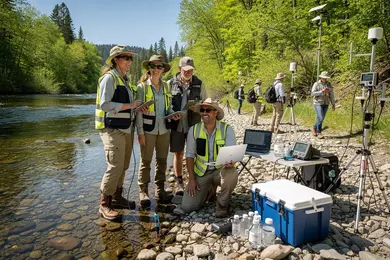
On the other hand, those who chose traditional on-campus routes highlight the immersive nature of hands-on labs and field trips. Imagine spending a crisp morning in the Adirondacks collecting soil samples or collaborating face-to-face in labs-experiences that reinforce theory with practice. Many Northeastern schools ensure online students meet similar practical requirements, often through intensive in-person sessions.
Costs also shape these paths. While tuition stays comparable, online students often save on housing and travel, an important factor when balancing budgets. Networking feels more spontaneous on campus, but online learners connect through virtual mentors and peer groups, finding community in unexpected ways that mirror in-person bonds.
Ultimately, both paths reflect credible, regionally accredited education tailored to a student's lifestyle and goals in environmental science.
Prospective students looking into the average cost of online environmental science degree northeast often find a wide range influenced by various factors. Public universities in the Northeast, such as those in New York or Massachusetts, generally offer more affordable tuition, frequently ranging from $300 to $600 per credit hour. Graduates from these programs recall how state funding and in-state tuition benefits made completing their degrees feel financially manageable, allowing them to balance education with personal responsibilities.
On the other hand, private colleges in the region may charge between $600 and $1,200 per credit hour. While this may seem steep, many students remember the extensive financial aid and scholarship opportunities tailored for environmental majors, especially those offered in partnership with organizations like the EPA. These resources often eased the financial burden, making the higher tuition feel like a worthwhile investment in specialized knowledge and career prospects.
Additional costs, such as technology fees, textbooks, and lab kits, typically add a few hundred dollars each semester. Students pursuing accelerated or competency-based paths appreciated how these formats sometimes reduced overall expenses by letting them complete credits sooner. For those eager to dive deeper, programs often integrate real-world experiences, making the learning process not just affordable but also inspiring.
Those exploring the total tuition and fees for environmental science degree northeast should also consider that program flexibility can impact final costs significantly. To better understand financial commitments and opportunities, prospective students might explore resources like the environmental sustainability major listings for further guidance.
Students pursuing an online environmental science degree in the Northeast often find that federal aid serves as the cornerstone of their financial support. Graduates from well-known institutions like those in New York or Massachusetts recall how Pell Grants, which can reach up to $7,395, provided a crucial foundation without the worry of repayment. Complementing this, many also benefited from low-interest federal student loans, allowing manageable borrowing while focusing on their studies.
State-specific grants add another layer of relief. For example, a student attending a respected college in Pennsylvania shared how the State Grant Program supplemented their funds by up to $4,000 annually, making tuition far less daunting. Similarly, New York's Tuition Assistance Program and Massachusetts' MassGrant opened doors for residents attending local online environmental programs.
Beyond government aid, institutional scholarships targeting environmental science and online learners create meaningful opportunities. Graduates often highlight the encouragement received from employer tuition assistance, especially those working in conservation or renewable energy sectors. These real-world supports transform financial challenges into hopeful, achievable paths forward.
Enrolling in an online environmental science degree in the Northeast typically starts with solid preparation in science and math during high school, a reality that many graduates from respected institutions like the University of Vermont or Northeastern University have reflected upon. They often recall how their biology and chemistry courses laid a crucial groundwork that made advanced concepts more approachable. A high school diploma or equivalent is essential, and while some schools still request SAT or ACT scores, many programs have embraced test-optional policies, which eases stress for applicants balancing other responsibilities.
For those aiming at graduate programs, alumni from Northeastern and Boston University often emphasize the importance of a relevant bachelor's degree and maintaining a strong GPA-usually around 3.0 or higher. GRE requirements have largely relaxed, but demonstrating meaningful research or work experience in environmental science fields can make candidates stand out and feel more confident about their readiness.
Throughout their journeys, students also highlight the value of crafting a personal statement that vividly communicates their passion for environmental science and motivation for studying online, a reflection of their readiness to adapt and thrive in a virtual learning environment common in many Northeastern programs. Reliable internet and proper tech setup complete the picture, ensuring a smooth academic experience.
Graduates from online environmental science programs in the Northeast, such as those offered by popular public and private institutions, often reflect on the richness of their course selections. Core classes typically blend scientific foundations with region-specific relevance, making the learning experience both comprehensive and practical. For example, Environmental Biology or Ecology courses vividly explore the diverse ecosystems found throughout New York or Massachusetts, helping students appreciate the nearby urban and natural environments.
Many also praise the Introduction to Environmental Science courses for framing human impacts on these ecosystems, which feels especially urgent given the region's dense populations and industrial history. Environmental Chemistry deepens understanding of pollutants affecting local air and water quality, fostering a strong sense of stewardship.
GIS courses stand out as empowering tools, enabling students to analyze spatial data that influence urban planning or conservation efforts in Northeast cities. Meanwhile, Environmental Policy and Regulation classes often provide eye-opening insights into state and federal laws, making North Atlantic-specific regulations feel tangible and relevant.
This practical yet interdisciplinary approach gives students from institutions like SUNY or private colleges a genuine readiness to address the Northeast's unique environmental challenges.
Online environmental science specializations Northeast programs often reflect the distinct ecological and societal challenges unique to the region. Graduates from well-known colleges describe focusing on Environmental Policy and Management, which equips them to navigate the regulatory landscape and support sustainability efforts in urban hubs like Boston. Others gravitate toward Natural Resource Conservation, vividly appreciating the stewardship of forests and waterways prevalent across Northeastern states.
Many students find Environmental Chemistry captivating, especially given the area's industrial past, applying their knowledge to pollution remediation with palpable community impact. Climate Science and Sustainability specialization emerges as a favorite too, with learners motivated by rising coastal risks and the desire to influence resilient urban planning. The Environmental Health track resonates deeply in cities like New York, where students investigate local environmental effects on public well-being.
These focused paths integrate hands-on projects reflecting the Northeast's diverse environments, perfectly blending theory and practice. For those mindful of costs, exploring options like the cheapest bachelor degree sustainability programs can offer valuable guidance toward affordable education.
Understanding environmental science degree focus areas Northeast exposes hopeful students to meaningful career trajectories aligned with pressing regional needs, fostering both passion and purpose.
Choosing the best online environmental science degree in the Northeast means focusing on programs with strong regional accreditation, such as from NECHE or MSCHE, to ensure academic quality and financial aid eligibility. Graduates from well-known Northeast colleges often praise curricula that mix core subjects like ecology and environmental policy with specialized topics including coastal management and GIS-reflecting local environmental challenges that they found engaging and immediately relevant.
Many who pursued affordable environmental science programs Northeast appreciated options offering in-state tuition for online students, helping manage costs without sacrificing quality. Flexibility in course scheduling allowed them to balance study with daily commitments, a vital feature for working professionals and parents pursuing these degrees online. Faculty expertise tied to Northeast environmental projects created valuable internship and networking opportunities, enhancing practical learning.
Career outcomes also inform wise choices; graduates report positive employment prospects supported by robust school career services. For those interested in combining management skills with environmental focus, exploring mba programs with sustainability focus can complement an environmental science background effectively.
Graduates pursuing online environmental science careers Northeast find themselves at a unique crossroads where urban innovation meets rich natural landscapes. Many alumni from well-regarded institutions across the region report rewarding roles as environmental consultants or analysts, applying their training to assess and mitigate pollution in cities like Boston or Philadelphia. These jobs demand keen analytical skills that are refined in programs known for blending theory with practical application. Others have embraced paths as conservation scientists and wildlife biologists, dedicating their efforts to preserving iconic ecosystems such as the Appalachian Mountains or coastal wetlands.
For students at popular colleges in the Northeast, the pathway to roles like environmental policy advisors often reflects an inspiring blend of academic rigor and community engagement. These graduates contribute to shaping policies that carefully balance economic growth with ecological responsibility, a challenge deeply embedded in the region's environmental priorities. Those interested in renewable energy also find abundant opportunities given the Northeast's heavy investments in wind and solar power developments.
Many students exploring environmental science degree job opportunities Northeast also benefit from connections forged through online courses, helping them secure positions aligning with their passions. The journey is often enhanced by certifications, and programs tailored to preparing students for credentials like the Certified Environmental Scientist (CES). For those unsure where to begin, exploring options among easy environmental science degree online offerings can make the process more accessible and rewarding.
The job market for graduates with an online environmental science degree in the Northeast reflects a dynamic and growing field. Graduates from well-known universities and colleges in the region often share how their education opened doors to roles tackling real-world challenges, such as urban pollution control or renewable energy projects. The Northeast's focus on sustainability means employers actively seek professionals who understand local environmental policies and compliance requirements.
Those pursuing online environmental science jobs in the Northeast find opportunities influenced by strong state investments and numerous conservation groups. Many graduates have transitioned from coursework to rewarding positions in environmental consulting and resource management, appreciating the flexibility of online programs that fit their busy lives. Salary prospects are promising, with starting salaries frequently higher than national averages, reflecting demand and regional living costs.
Students report feeling encouraged by how their degree prepares them for diverse roles shaped by climate resilience initiatives and green technology advancements. Exploring various environmental related jobs allows graduates to align their skills with emerging trends, ensuring a meaningful and sustainable career path.
2027 Most Valuable Online Environmental Science Degree Programs Ranking in the Northeast
Investing in your education is a significant decision that can shape your future, and the Research.com team understands the importance of making informed choices. To assist prospective students seeking environmental science degrees in the Northeast, we have carefully developed the "2027 Most Valuable Online Environmental Science Degree Programs Ranking in the Northeast." Our dedication to quality, credibility, and accuracy is demonstrated through rigorous research and comprehensive analysis conducted to compile this ranking.
We utilized the following reputable data sources to ensure a thorough and reliable evaluation of online environmental science programs:
By reviewing this ranking, readers will gain valuable insights into the most valuable online environmental science programs in the Northeast, empowering them to make well-informed decisions about their education and career goals. For more details on our methodology, please visit our Research.com methodology page.
# 1 position
Thomas Edison State University
Bachelor of Environmental Studies

# 2 position
Antioch University New England
Doctor of Environmental Studies

Frequently Asked Questions About environmental science
Online environmental science students in the Northeast can enhance their learning by engaging with regional environmental issues. For example, the EPA reports that New England faces challenges like coastal erosion and acid rain, making local case studies highly relevant. Participating in virtual internships with state agencies or nonprofits such as the New York State Department of Environmental Conservation provides valuable real-world experience.
Utilizing library resources from accredited universities in the region also strengthens research skills. Joining online discussion groups with peers and professors adds depth to understanding complex topics. The Bureau of Labor Statistics projects a 7% job growth in environmental science roles by 2032, underscoring the importance of a comprehensive education.
Emerging niches within the environmental science field reflect growing regional concerns and technological advancements. In the Northeast, coastal resilience has become a critical focus due to rising sea levels and increased storm activity. Universities report a rising demand for specialists in climate adaptation strategies tailored to urban and suburban settings.
Another expanding area is environmental data science, where professionals analyze large datasets to inform sustainable policies and conservation efforts. This niche combines ecology with advanced analytics, a skill highly sought after by government agencies like the EPA's New England office.
Renewable energy integration is also gaining prominence, especially in states like Massachusetts and New York, which lead the nation in wind and solar initiatives. These trends highlight valuable career paths available through online environmental science degrees in the region.
To prepare for the job market after completing an online environmental science degree in the Northeast, students should focus on gaining practical experience alongside their studies. Internships with regional agencies such as the New England Interstate Water Pollution Control Commission offer valuable exposure to local environmental challenges. Networking through professional organizations like the Northeastern Environmental Partners can connect graduates with job opportunities.
Understanding regional environmental policies is crucial, as states in the Northeast invest heavily in clean energy and conservation efforts. According to the U.S. Bureau of Labor Statistics, environmental scientist jobs in the Northeast grew by 7% over the past decade, signaling steady demand. Enhancing skills in geographic information systems (GIS) is also recommended, as 65% of available jobs require GIS proficiency.
Employers in the Northeast highly value environmental science graduates who possess strong analytical and problem-solving skills. Data from the U.S. Bureau of Labor Statistics highlights a 10% growth in environmental science jobs in this region, underscoring the demand for professionals skilled in data interpretation and environmental impact assessment. Proficiency in Geographic Information Systems (GIS) and remote sensing is frequently requested, reflecting the technical nature of modern environmental work.
Communication skills are also essential, as graduates must explain complex findings to diverse audiences. Additionally, knowledge of regional environmental policies and regulations, specific to Northeast states like New York and Massachusetts, can greatly enhance job prospects. Team collaboration and project management round out the top competencies sought by employers.
Finding internships in the Northeast for environmental science students involves leveraging regional resources and networking opportunities. Many universities and colleges in this area partner with local government agencies, non-profits, and private firms focused on sustainability and conservation. Websites like the New England Board of Higher Education and internships.com often list regional openings. According to the Environmental Protection Agency's regional office, sectors such as renewable energy, water management, and wildlife conservation are expanding in states like New York, Massachusetts, and Pennsylvania, increasing internship availability. Contacting academic advisors and attending local environmental job fairs also enhances access to relevant placements.
Obtaining an online environmental science degree can significantly enhance career mobility and advancement in the Northeast, where environmental issues and green initiatives are increasingly prioritized. Employers in states like New York, Massachusetts, and Pennsylvania often seek graduates with specialized knowledge in sustainability, climate change, and natural resource management.
According to the U.S. Bureau of Labor Statistics, the Northeast is projected to see a 6% growth in environmental scientist roles through 2030, reflecting strong demand. Online degrees from accredited institutions provide the flexibility for current professionals to upskill without interrupting employment, improving chances for promotion.
Additionally, many programs emphasize regional ecosystems and regulatory frameworks, which is valuable for local job markets. Networking opportunities, internships, and partnerships with local agencies also bolster career prospects for graduates based in the Northeast.
The Northeast offers unique advantages for students pursuing online environmental science degrees, emphasizing interdisciplinary skills. Programs often integrate biology, chemistry, policy, and data analysis, reflecting the region's diverse ecosystems and regulatory frameworks. According to the U.S. Bureau of Labor Statistics, environmental scientists in the Northeast frequently collaborate with urban planners, engineers, and public health officials, so curricula are designed accordingly.
Many Northeastern universities incorporate case studies on coastal management and urban sustainability, key regional challenges. This approach equips students to navigate complex environmental problems using multiple disciplines. Additionally, partnerships with local agencies provide practical experience despite the online format. As a result, graduates are prepared for roles that require cross-sector collaboration and effective communication across scientific and regulatory fields.
Choosing between a thesis and a non-thesis environmental science degree program in the Northeast depends on your career goals and learning preferences. A thesis option involves original research, ideal for students aiming to pursue doctoral studies or scientific careers. It typically requires close faculty mentorship and strong research skills.
Non-thesis programs focus more on coursework and practical applications, beneficial for those targeting immediate employment in industry, government, or non-profits. These programs may include internships or capstone projects instead of a research thesis.
According to the Environmental Careers Organization of New England, jobs requiring advanced research skills are growing by about 8% annually, supporting the value of thesis work for research careers in the region.
Students in the Northeast interested in studying environmental science abroad through online programs have several options. Many colleges in the region partner with international institutions to offer joint online courses, providing global perspectives without the need to relocate. For example, some programs include virtual fieldwork in unique ecosystems, such as coastal areas of Northern Europe.
The Northeast is home to universities with strong study-abroad frameworks that adapt for online learners, allowing credit transfers from recognized international environmental science programs. According to the National Center for Education Statistics, nearly 20% of Northeast environmental science students engage in international study experiences, which now often include virtual components.
Resources like the State University of New York system offer support for students to explore global environmental challenges via online coursework, enhancing learning through diverse ecosystems. These partnerships ensure the curriculum remains rigorous and internationally relevant, reflecting current global environmental priorities.
In the Northeast, part-time job opportunities that complement an online environmental science degree often include roles like environmental technician, laboratory assistant, and natural resource surveyor. These positions provide practical experience in field data collection, lab analysis, and environmental monitoring, which align well with academic studies. According to the U.S. Bureau of Labor Statistics, the Northeast region has a higher concentration of environmental consulting firms and government agencies, creating more job openings in environmental compliance and sustainability sectors.
Additionally, internships or part-time roles at state environmental protection departments or nonprofit conservation organizations can enhance skills and networking. These roles help students apply classroom learning to real-world environmental challenges.
Online environmental science students in the Northeast have several networking opportunities through their institutions and regional organizations. Many universities offer virtual networking events, webinars, and online career fairs specifically for environmental science disciplines. Additionally, students can join professional groups like the Northeast Environmental Science Association (NESA), which hosts annual conferences and workshops.
Participation in regional chapters of national groups such as the Association of Environmental Professionals (AEP) also provides connections to local employers and researchers. According to the Bureau of Labor Statistics, environmental science jobs in the Northeast are expected to grow faster than the national average, making these networks vital for career advancement.
Alumni networks provide valuable support for online environmental science degree students in the Northeast. These connections offer mentorship opportunities, helping students navigate careers in a region with diverse ecosystems and environmental challenges. For instance, graduates often share insights about local regulations and job openings in states like New York and Massachusetts.
Moreover, alumni can facilitate internships and research collaborations with organizations such as the Environmental Protection Agency's regional offices or local conservation groups. According to the Northeast Environmental Science Association, strong networks improve job placement rates by up to 30% within the first year after graduation.
By joining these networks, students gain access to professional events and workshops, which enhance their skills and industry knowledge specifically tailored to the Northeast's environmental sector.
Customizing an online environmental science degree in the Northeast allows students to tailor coursework and experiences toward specific career paths. Many universities offer concentrations such as environmental policy, sustainability, or conservation biology. Choosing electives aligned with your goals can deepen expertise in areas like water resources, renewable energy, or urban ecology.
Additionally, online programs often include options for independent research projects or internships with regional agencies. This practical experience is valuable since the Northeast features unique environmental challenges, including coastal management and urban pollution, addressed by institutions like the Environmental Protection Agency's New England office.
Students should review each program's flexibility and available specializations to ensure it matches their professional ambitions.
Online environmental science students in the Northeast often face challenges related to limited access to local fieldwork opportunities. Environmental science relies heavily on hands-on experience, but remote learners may struggle to find nearby sites for research and internships. According to the Environmental Protection Agency (EPA), many Northeast states emphasize coastal and urban ecosystem studies, which require specialized sites that may not be accessible to all students.
Another common issue is the variability in internet connectivity across rural and suburban areas, which can hinder participation in live sessions or access to large data sets. The U.S. Census Bureau notes that around 10% of households in parts of the Northeast still lack broadband access, impacting consistent learning.
Finally, navigating state licensure and certification requirements specific to environmental careers in the Northeast can be complex for online students enrolled in out-of-state programs.
With an online environmental science degree, professionals in the Northeast can pursue several key certifications to boost their career prospects. One popular option is the Certified Environmental Scientist (CES) credential offered by the National Association of Environmental Professionals (NAEP). This certification recognizes expertise in environmental regulations, science, and management. Another valuable certification is the Registered Environmental Manager (REM), provided by the National Registry of Environmental Professionals, which highlights practical environmental management skills.
Additionally, many graduates consider the Certified Hazardous Materials Manager (CHMM) certification, which is relevant given the Northeast's industrial history. Obtaining these credentials often requires a combination of education, experience, and passing an exam.
Writing a successful application for an online environmental science program in the Northeast requires clear demonstration of your interest and preparedness. Focus on highlighting relevant academic background, such as coursework in biology, chemistry, or geography, which are foundational for this field.
Be sure to include any practical experience, like internships or volunteer work with local environmental organizations. According to the U.S. Bureau of Labor Statistics, environmental science jobs in the Northeast are expected to grow by 8% from 2022 to 2032, reflecting increasing regional opportunities.
Strong letters of recommendation from academic or professional contacts who can attest to your commitment and skills are essential. Finally, write a concise personal statement that connects your goals with the specific program's strengths, emphasizing your readiness for online learning.
Environmental science careers are increasingly viewed through a global lens, reflecting worldwide concerns about climate change, resource management, and sustainability. Professionals in this field collaborate internationally to address large-scale issues like pollution and biodiversity loss. In the Northeast U.S., online environmental science programs often emphasize these global challenges while providing localized knowledge relevant to coastal and urban ecosystems.
The U.S. Bureau of Labor Statistics projects a 5% growth in environmental science jobs through 2031, with demand driven by both local and international environmental policies. This indicates strong opportunities for graduates to work in global organizations or government agencies.
Many programs integrate global case studies, helping students understand how environmental problems are interconnected across borders. This international perspective prepares students for diverse roles, from research to policy advising, that have impact beyond the U.S.
Gaining practical experience while studying online for an environmental science degree in the Northeast is achievable through internships, research projects, and local partnerships. Many universities collaborate with regional agencies like the New England Environmental Finance Center, offering remote or in-person roles.
Students can participate in virtual labs and citizen science programs that gather real-time environmental data. According to the National Environmental Services Center, such opportunities increase job readiness by 30%.
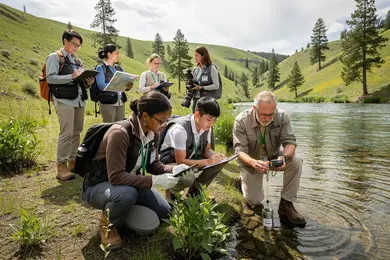
Additionally, several Northeastern states encourage students to engage in fieldwork monitoring local ecosystems under faculty supervision, bridging theory and practice effectively.
Choosing the right concentration within an online environmental science degree in the Northeast begins with understanding regional environmental challenges. The Northeast faces specific issues like coastal erosion, air quality, and urban green space development, which shape local job markets. Concentrations such as Marine Ecology, Environmental Policy, or Urban Sustainability can align well with these challenges.
Review program curricula to ensure they offer specialized courses matching your career goals. According to the Bureau of Labor Statistics, environmental scientists in the Northeast see a 5% employment growth through 2030, with strong demand in climate adaptation and policy sectors.
Consider accreditation and faculty expertise too, as these affect program quality and reputation. Many Northeast schools collaborate with local agencies, providing valuable networking opportunities.
- CES - Certified Environmental Scientist https://www.nrep.org/certifications/certified-environmental-scientist-ces
- Best Colleges for Environmental Science and Sustainability https://www.collegeflightpath.com/cfp-blog/colleges-for-environmental-science-and-sustainability
- 14 Entry Level Environmental Science Cover Letter Examples: Plus Recruiter Insights (Updated for 2025) https://resumeworded.com/cover-letter-samples/entry-level-environmental-science
- Environmental Science (M.S.) Non-Thesis Track https://www.towson.edu/fcsm/departments/environsci/grad/science/non-thesis-track.html
- NETWORKING FOR SUCCESS: HOW TO SHINE IN ENVIRONMENTAL JOBS - Step(h) into Nature https://stephintonature.com/all-environmental-conservation-travel-blogs/environmental-jobs-networking
- Explore Environmental Career Profiles | ECO Canada https://eco.ca/career-profiles-index/
- Environmental Science https://www.une.edu/cas/schools/marine-environment/programs/bs-environmental-science
- Most Popular Online Environmental Science Degrees 2025 https://www.onlineu.com/degrees/environmental-science
- Environmental Science Courses & Degrees https://www.open.edu.au/study-online/science/environmental-science
- Strong Programs in Environmental Studies https://toptieradmissions.com/strong-programs-in-environmental-studies/