2027 Most Affordable Online Bachelor's in Environmental Science Degree Programs Ranking in the West

Co-Founder and Chief Data Scientist
Choosing the right online bachelor's program in environmental science can feel overwhelming, especially when seeking affordability and quality. Our 2027 Most Affordable Online Bachelor's in Environmental Science Degree Programs Ranking in the West was created by the Research.com team of data scientists to guide students through this important decision.
This article highlights programs that balance cost and academic value, helping you invest wisely in your future. Pursuing a degree in environmental science opens doors to meaningful careers focused on sustainability and conservation-making a real difference in the world around you.
Explore your options with confidence and take the next step toward a rewarding educational journey.
Key benefits of getting online environmental science degree in the West
- Environmental science graduates in the West can enjoy rewarding salaries, with entry-level positions often starting around $50,000 annually and experienced professionals earning higher wages, reflecting strong job market demand.
- Career paths include roles in conservation, environmental consulting, and regulatory agencies, as seen with graduates from universities like the University of California, who find diverse opportunities that match their passions for sustainability.
- Obtaining an environmental science degree online from institutions such as Colorado State University offers flexibility and accessibility, allowing students to balance work and study while gaining a respected credential without relocating.
- 2027 Most Affordable Online Bachelor's in Environmental Science Degree Programs Ranking in the West
- What can I expect from online environmental science degree in the West?
- Where can I work with online environmental science degree in the West?
What can I expect from online environmental science degree in the West?
The average cost of an online environmental science degree in the Western United States varies but generally remains competitive compared to on-campus options. Many public universities in states like California, Oregon, and Washington offer in-state tuition rates for online students living in the region, which often range from $8,000 to $15,000 per year. This affordability makes pursuing an accredited degree from institutions approved by the Western Association of Schools and Colleges (WASC) accessible and appealing for regional learners.
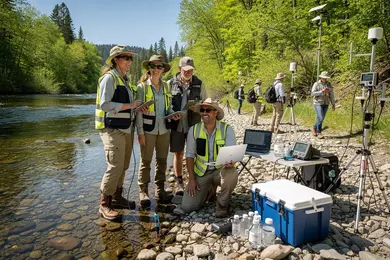
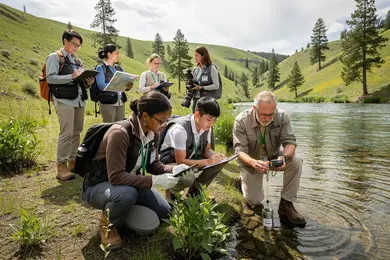
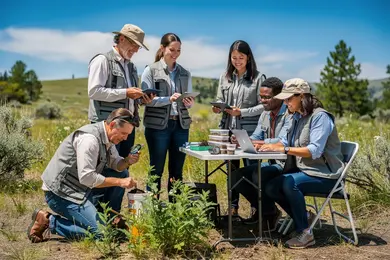
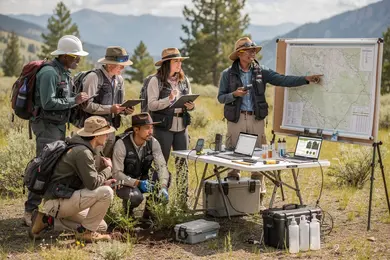
Graduates frequently highlight the value they found in programs blending theoretical learning with practical virtual labs and internships, often facilitated through partnerships with local agencies such as CalEPA. These real-world experiences contribute significantly to their confidence entering professions in environmental consulting and resource management under challenging Western conditions like wildfire and drought.
Those completing degrees from universities known for strong environmental science curricula report satisfaction with the balance of cost, flexibility, and hands-on projects that replicate fieldwork, aiding in job preparation.
Where can I work with online environmental science degree in the West?
Graduates with an online environmental science degree in the Western United States find diverse opportunities across government, private, and nonprofit sectors. Many secure roles with federal agencies like the U.S. Forest Service and EPA, as well as state Departments of Environmental Quality, working on policy enforcement and natural resource management. These positions often involve hands-on environmental assessment in unique Western landscapes, a reality familiar to graduates from universities such as the University of Washington and University of California campuses.
In the private sector, consulting firms in California, Oregon, and Washington hire environmental scientists for impact assessments and sustainability projects, buoyed by rapid growth in renewable energy industries. Graduates often express satisfaction working on solar and wind energy evaluations, directly contributing to the region's clean energy transition.
NGOs and research institutions also provide roles focused on habitat restoration and climate research, with Western universities like Colorado State offering pathways to these careers.
Median salaries exceed $77,000 annually in the West, reflecting both demand and cost of living, making this degree a promising investment for those passionate about environmental stewardship in their local communities.
Graduates from well-regarded Western universities offering online environmental science degrees report entry-level salaries generally between $45,000 and $55,000. Many start as environmental technicians or research assistants, which aligns with typical regional trends. Early career professionals from institutions like the University of Washington or University of California programs find that these roles provide solid footing without overlooking the practical experience gained.
With experience, salaries rise to the $65,000-$85,000 range, especially for those who obtain certifications or pursue graduate studies. Mid-career environmental scientists in California, for example, earn around $80,000 on average, surpassing national averages due to the state's robust environmental policies and job market size.
Students often share excitement about opportunities in sustainability coordination or consulting, where seasoned experts in Washington or Oregon can earn beyond $90,000. Metropolitan hubs such as Seattle and Los Angeles provide pathways to project management and policy advising roles exceeding $100,000 annually, encouraging graduates to envision impactful careers with rewarding compensation.
- Tuition for online environmental science degrees in the Western US ranges from $8,000 to $25,000, with public universities offering lower costs, especially for in-state students.
- The median annual wage for environmental scientists was about $76,530 in 2023, with Western states often paying slightly higher salaries.
- Entry-level salaries start around $50,000 to $60,000, while experienced professionals can earn over $90,000, especially in cities like San Francisco, Seattle, and Denver.
- Job growth in the environmental science field is projected to increase by 8% nationwide through 2030, with strong demand in Western states.
- Online programs often include virtual labs and fieldwork adapted for remote learning, focusing on regional issues like water management and wildfire mitigation.
- Regional accreditation by bodies such as the WASC Senior College and University Commission is common and important for degree recognition.
Online environmental science degrees in the Western United States typically require about four years of full-time study, aligning with the traditional on-campus timeline. For example, graduates from well-known institutions like the University of Washington or California State University report completing their 120-credit programs within this period by taking 12 to 15 credits each semester. This pace allows most students to balance coursework with personal commitments effectively.
Some students choose part-time enrollment due to work or family responsibilities, extending their studies to six years or more. Others take advantage of accelerated options by enrolling in summer sessions, finishing in as little as three years. Credit transfer policies at universities such as Oregon State University help reduce time by recognizing prior college or AP credits, aiding motivated students in progressing faster.
Internships and capstone projects, common requirements in Western programs, may add extra months if scheduled outside regular semesters. Graduates often appreciate the flexibility of online formats that accommodate live and asynchronous classes, enabling them to thrive despite busy lifestyles.
Online environmental science degrees in the Western US offer flexibility that suits students balancing jobs or family, with coursework delivered via video lectures and virtual labs. Graduates from institutions like Arizona State University praise the ability to study on their own schedules while saving on commuting and housing costs. According to NCES data, over 30% of Western undergraduates engage in online learning, affirming this mode's popularity.
Conversely, on-campus programs at universities such as the University of California, Davis emphasize hands-on experiences like soil sampling and ecological fieldwork, critical for mastering practical skills. Graduates often highlight the value of face-to-face interactions with professors and peers, as well as spontaneous collaboration during lab and field exercises.
Cost differences are notable; public Western universities charge $7,000 to $15,000 annually for in-state campus degrees, while online options can be 10-25% cheaper due to reduced living expenses, per WICHE reports. Networking varies as well-on-campus students engage in clubs and fairs physically, whereas online students access virtual events, which may limit spontaneous connections important in environmental science careers.
For students pursuing an online environmental science degree in the West, the average total cost typically falls around $59,760. This median reflects a broad spectrum of program types and universities, from large public institutions to private colleges. Graduates from well-known Western schools often recall how managing tuition costs alongside online study flexibility made their educational journey feel achievable and worthwhile. For instance, public universities such as California State University offer in-state tuition near $15,000 to $25,000 for the full degree, but the median in-state cost across the West is closer to $64,980, reflecting a mix of state and residency variations.
Out-of-state students face higher expenses, with median total costs reaching approximately $72,432. These figures confirm that out-of-state tuition sometimes nearly doubles in-state rates, consistent with many environmental science students' experiences who have saved significantly by attending public Western universities as residents. Private universities present a wider pricing range but often charge higher tuition, contributing to the broad median cost across the region.
Prospective students considering affordable online environmental science bachelor programs Western US will find it crucial to factor in not only tuition but also fees for technology and materials, which can add up over time. Graduates often appreciate financial aid and scholarships that help reduce burden, making the pursuit of their degree feel more accessible. Moreover, understanding the pathways to jobs with a masters in sustainability enhances the value proposition of investing in an online environmental science degree.
Students pursuing an online environmental science degree in the Western United States can access multiple financial aid options to help manage tuition, which ranges from $8,000 to $12,000 annually at public four-year institutions. Federal aid serves as a primary resource, with the Federal Pell Grant offering up to $7,395 for eligible students who submit the FAFSA. Graduates from Western schools often rely on Direct Subsidized and Unsubsidized Loans, which carry manageable interest rates and income-based repayment plans, easing long-term financial pressure.
State-specific aid further supports students; for instance, California's Cal Grant provides up to $12,570 per year based on need and academic merit, substantially reducing expenses for residents. Universities like the University of Arizona also deliver targeted scholarships-up to $5,000 annually-that recognize academic achievement and promote sustainability-focused education, which past graduates attest has been instrumental in their success.
Beyond institutional aid, scholarships from professional groups such as the National Environmental Health Association bolster funding by rewarding demonstrated commitment to environmental careers. Additionally, some Western students benefit from employer tuition reimbursement and loan forgiveness programs when working in public or environmental service fields, enhancing financial viability throughout their studies and careers.
To enroll in an online environmental science degree program in the Western United States, applicants typically need a high school diploma or equivalent, such as a GED. Graduates from universities like California State University and the University of Washington often recall that strong backgrounds in biology, chemistry, physics, and algebra made the transition smoother, reflecting the common prerequisite to have completed these courses during high school or earlier studies.
Many programs require demonstration of English proficiency, particularly for non-native speakers, through coursework or standardized tests. Some universities remain test-optional, alleviating concerns for those anxious about SAT or ACT scores, which fosters a welcoming environment. Transfer students generally must have foundational college credits in general biology or chemistry, with some programs offering credit waivers based on relevant professional experience in environmental fields.
Financially, affordability plays a key role-public Western institutions average about $8,500 annually for in-state tuition. Graduates frequently highlight that investing effort in these prerequisites paid off, enabling them to engage confidently in online coursework and contribute meaningfully to environmental initiatives despite balancing work or family commitments.
Online environmental science degree programs in the Western United States typically include core courses such as ecology, biology, and chemistry. Graduates from universities in the West often recall how studying environmental biology helped them understand the delicate balance between organisms and their ecosystems, applying this knowledge when analyzing local conservation efforts. The inclusion of environmental chemistry provides essential insight into pollutants and chemical cycles impacting regional environments.
Many Western programs emphasize practical skills through classes in environmental policy, natural resource management, and sustainability practices. Graduates report that these courses empowered them to navigate real-world challenges like water resource allocation or implementing corporate sustainability initiatives in California or Washington. Quantitative coursework, including statistics, GIS (Geographic Information Systems), and environmental data analysis, is also prominent, equipping students to interpret environmental data critical for regional planning and decision-making.
Elective courses like climate change science, renewable energy, and conservation biology allow students to tailor their education to pressing Western environmental issues, such as wildfire management and coastal habitat preservation.
Online environmental science specializations in the West typically include areas such as Environmental Policy and Management, Ecology and Conservation Biology, Environmental Chemistry and Toxicology, Renewable Energy and Sustainability, and Geographic Information Systems (GIS) and Environmental Data Analysis. Graduates from institutions like California State University and the University of Washington often speak positively about the flexibility and relevance of these tracks to regional challenges, including drought and wildfire management. For example, students focusing on GIS develop practical skills in spatial data that directly support wildfire response and resource allocation-a critical need in the Western US.
Many students appreciate studying specialized topics online while balancing work or family, especially when courses are designed with regional environmental priorities in mind. Those pursuing Renewable Energy and Sustainability gain expertise sought after by the rapidly growing clean energy sector. Additionally, the availability of mba sustainability online programs complements their technical knowledge with valuable leadership skills.
The emphasis on these West region environmental science degree focus areas aligns well with projected job growth and increasing employer demand for focused skills, making such programs a practical and strategic choice for prospective students.
Choosing the best accredited online environmental science programs western US requires prioritizing accreditation, particularly by the Western Association of Schools and Colleges (WASC), to ensure your credits hold value. Graduates from universities in California and Washington often highlight how regionally focused curricula-addressing wildfire ecology or water resource management-made their learning directly applicable to local environmental challenges.
Affordability impacts many students; public four-year institutions in the West charge between $7,000 and $12,000 annually for in-state tuition, but online programs typically offer lower rates. Selecting affordable online environmental science degrees in the West means comparing tuition alongside available financial aid. Graduates report that flexible online schedules combined with expert faculty support made rigorous coursework manageable.
Alumni success stories emphasize the importance of programs connected to thriving environmental job markets in the West. Students who leveraged connections with faculty engaged in regional research gained a competitive edge. For those aiming at career growth, exploring the highest paying sustainability jobs can guide specialization choices and maximize post-graduate opportunities.
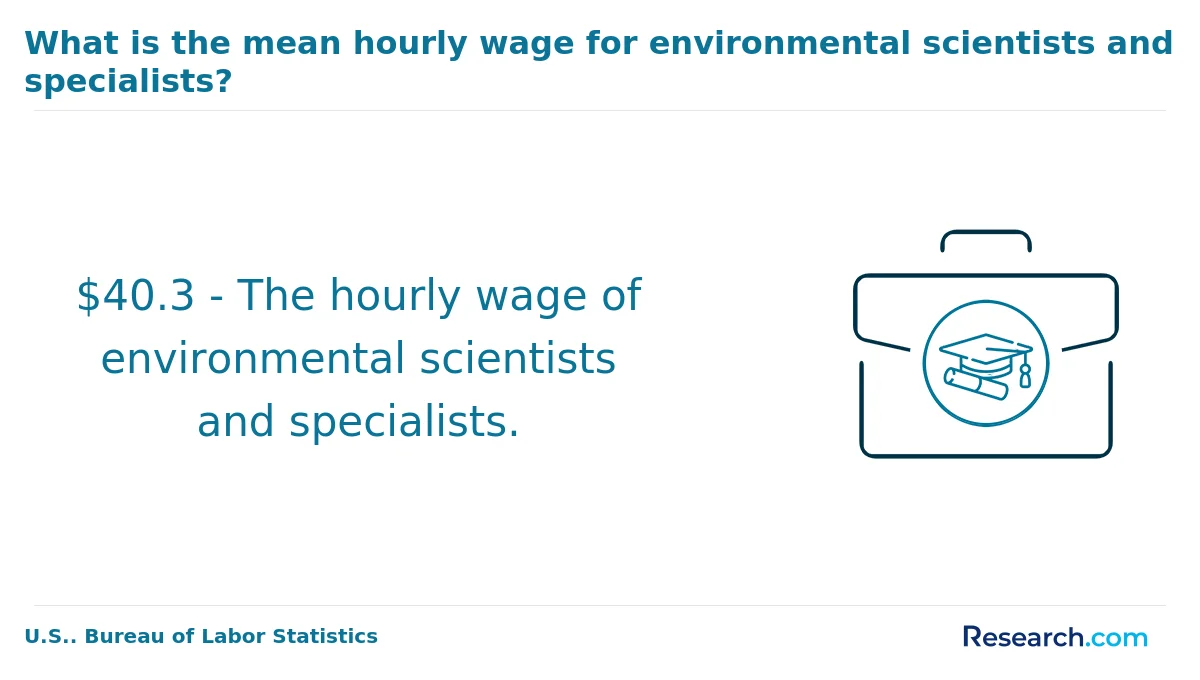
Graduates with an online environmental science degree in the West often find diverse job opportunities tailored to the region's ecosystems and industries. Many enter environmental consulting, assessing impacts of urban projects and resource use. The U.S. Bureau of Labor Statistics reports a median salary near $73,000 for environmental scientists and specialists in this area, reflecting strong demand thanks to rigorous regional regulations. Popular universities in the West prepare students with localized curricula, enhancing readiness for these roles. This practical focus resonates well with graduates who appreciate hands-on problem solving.
Another significant career path is natural resource management, frequently involving federal agencies like the U.S. Forest Service. Graduates thrive managing forests and waterways or crafting sustainable land-use plans informed by Western ecosystems. This real-world application makes the degree especially relevant and rewarding for those studying at prominent West Coast colleges known for incorporating regional case studies.
Job opportunities for environmental science graduates West region also include environmental health and safety, supporting industries in places like California and Oregon with compliance programs related to water and air quality. Entry salaries typically range from $50,000 to $65,000, with growth potential. Many graduates mention the satisfaction of helping companies meet important environmental standards.
Renewable energy offers expanding prospects, with California and Nevada leading solar and wind development. Roles here involve research, policy, and project management aligned with state clean energy goals. For students considering career steps, understanding the environmental scientist school requirements tied to such growth sectors helps clarify their academic and professional trajectory.
The job market for graduates with online environmental science degrees in the West is notably robust, with employment opportunities rising due to strong regional commitments to sustainability and climate initiatives. Key states like California, Washington, and Oregon lead this growth, offering positions in government agencies, environmental consulting, and renewable energy sectors. Graduates from popular Western universities often share positive experiences about gaining practical skills through internships on local projects, which significantly enhance employability in the region.
In real-life scenarios, a graduate from a well-known California university may secure a role as an environmental consultant or conservation scientist shortly after completing their online program, thanks to the region's demand for specialists. Salaries for these roles tend to be competitive, with environmental scientists earning median wages around $75,000 in places like California. This makes online environmental science jobs in the West a promising avenue for students balancing education with career flexibility.
Those considering this path benefit from programs that emphasize hands-on experiences alongside academic learning. Many graduates find themselves well-prepared for roles such as wildlife biologist or environmental health and safety specialist, which align with local job market needs. For a clearer understanding of career requirements, prospective students can explore environmental biologist education requirements.
The West region environmental science career outlook for online degree holders is optimistic, reflecting both the growth in green industries and the practical advantages of regionally targeted education programs.
2027 Most Affordable Online Bachelor's in Environmental Science Degree Programs Ranking in the West
Investing in your education is a significant decision that can shape your future, and the Research.com team understands the importance of making informed choices. To support prospective students interested in Environmental Science, we have carefully developed the "2027 Most Affordable Online Bachelor's in Environmental Science Degree Programs Ranking in the West." Our dedication to quality, credibility, and accuracy is demonstrated through rigorous research and analysis behind this ranking.
We utilized the following reputable data sources to ensure a comprehensive evaluation of affordable online Environmental Science programs:
By exploring this ranking, readers will gain valuable insights into affordable, high-quality programs tailored to their educational and financial needs. For more information on how this ranking was created, please visit our Research.com methodology page.



Frequently Asked Questions About environmental science
Students pursuing online environmental science degrees in the West can enhance their learning by actively engaging with regional ecological issues. Universities in Western states often focus on unique ecosystems like coastal areas, deserts, and forests, making it crucial to connect coursework with local environmental challenges.
Participating in virtual internships or research projects related to Western environmental concerns provides practical experience. According to the U.S. Bureau of Labor Statistics, environmental science jobs in the West are expected to grow by 8% through 2031, highlighting industry demand for hands-on skills.
Joining online study groups and attending webinars hosted by Western universities can also improve understanding and networking opportunities in this field.
Emerging niches in environmental science reflect growing regional and global challenges. In the Western US, water resource management is a critical focus due to prolonged droughts and changing precipitation patterns, as highlighted by the U.S. Bureau of Reclamation. Professionals skilled in hydrology and watershed restoration are increasingly in demand.
Another expanding area is renewable energy, particularly solar and wind technologies, which are vital to the West's energy transition goals set by states like California and Washington. Environmental scientists with expertise in sustainable energy impact assessments find new opportunities.
Climate adaptation strategies, including wildfire ecology and urban resilience planning, also represent vital niches, responding to frequent wildfires and urbanization trends.
Preparing for the job market after earning an online environmental science degree in the Western US involves several strategic steps. Networking is essential; joining regional professional groups like the California-Nevada Section of the American Water Resources Association can open doors. Gaining practical experience through internships or volunteer work with local agencies or nonprofits increases employability, as 65% of employers in the West prefer candidates with field experience (Bureau of Labor Statistics, 2023).
Additionally, obtaining certifications such as the Certified Environmental Professional (CEP) can enhance credibility. Many environmental science roles require strong analytical skills, so proficiency with GIS software and data analysis is advantageous. Staying informed about regional environmental policies and trends also benefits job seekers.
Employers in the Western US seek environmental science graduates with strong analytical and problem-solving skills. Proficiency in Geographic Information Systems (GIS) is highly valued, as it enables precise environmental data mapping and analysis. According to the Bureau of Labor Statistics, demand for such tech-savvy skills is growing by 8% through 2030, especially in states like California and Washington. Communication skills, both written and verbal, are critical for effectively sharing complex scientific findings with policymakers and the public. Additionally, knowledge of environmental regulations specific to the West, such as California's strict water and air quality laws, enhances employability.
Finding internships in the Western United States for environmental science students often begins with university career centers, which provide access to local employers and non-profits focused on conservation, sustainability, and resource management. States like California, Oregon, and Washington lead in environmental initiatives, offering numerous opportunities.
Many governmental agencies, including the U.S. Forest Service and EPA regional offices, frequently advertise internships online. According to the Bureau of Labor Statistics, internships in this region often emphasize climate research, ecological restoration, and renewable energy projects.
Online platforms such as Handshake and USAJOBS list paid and unpaid internships specifically in the West. Networking through professional groups like the Ecological Society of America's regional chapters can also be valuable.
Obtaining an online environmental science degree in the Western United States significantly enhances career mobility and advancement. The region's growing focus on sustainability and renewable energy creates diverse job opportunities for graduates, especially in California, Oregon, and Washington. According to the U.S. Bureau of Labor Statistics, environmental science job growth in the West is expected to increase by 12% by 2030, outpacing the national average.
Online degrees from accredited Western institutions offer flexibility for working professionals to upskill without relocating. Employers in public agencies and private sectors increasingly recognize these credentials, adding value to resumes.
Additionally, graduates gain access to regional professional networks and certification pathways that facilitate higher-level roles and salary increases.
Studying for an environmental science degree in the Western United States equips students with interdisciplinary skills sought by employers. Programs commonly blend biology, chemistry, geology, and policy studies to address complex environmental challenges.
Many Western universities emphasize hands-on experiences and collaboration across fields like resource management, sustainability, and environmental law. According to the Bureau of Labor Statistics, environmental scientists in this region often engage in cross-sector work with engineering, public health, and urban planning.
Online degrees further expand access, allowing working professionals to integrate practical knowledge with scientific theory. This flexible approach prepares graduates for diverse roles in government agencies, nonprofits, and private industries focused on conservation and climate solutions.
When choosing between a thesis and a non-thesis environmental science degree in the West, consider your career goals. Thesis programs focus on original research, ideal for students aiming at graduate school or research roles. Non-thesis options typically emphasize coursework and practical skills, suitable for those targeting immediate employment in environmental consulting or policy.
Thesis programs in Western US universities often require 6-12 months to complete research projects, while non-thesis tracks may be completed faster, sometimes within four years. The choice depends on your interest in scientific investigation versus applied knowledge.
According to the Western Association of Schools and Colleges, thesis programs foster critical thinking deeply, but non-thesis offers flexibility for working professionals.
Students in the Western United States seeking online environmental science degrees have multiple options from accredited institutions across the region. Programs offered by universities in California, Oregon, and Washington often emphasize sustainability and local ecosystems, reflecting the region's diverse environments.
Many Western schools provide fully online bachelor's programs tailored to working adults and recent graduates. For example, Oregon State University offers an online Bachelor of Science in Environmental Sciences with flexible scheduling. According to the National Center for Education Statistics, enrollment in environmental science programs in the West has increased by over 15% in the past five years.
Western-based institutions frequently incorporate research opportunities linked to local environmental issues, which benefits students interested in applying their learning to regional challenges such as wildfire management and water conservation.
Part-time jobs that complement an online environmental science degree in the Western US often focus on practical experience and local environmental efforts. Positions such as field technicians, ecological survey assistants, and conservation volunteers provide hands-on learning that supports academic knowledge. According to the U.S. Bureau of Labor Statistics, many environmental science roles in states like California, Oregon, and Washington emphasize data collection and environmental monitoring.
Internships with government agencies like the California Department of Fish and Wildlife can be part-time and allow students to work alongside professionals in resource management. Local nonprofits addressing water quality and wildlife preservation often seek part-time help, offering valuable exposure to policy application and community engagement.
In addition, GIS (Geographic Information Systems) technician roles are growing due to increasing use of spatial data in environmental planning across the West. Entry-level positions allow students to improve their technical skills while earning an income. These opportunities align well with coursework and help prepare for full-time employment after graduation.
Online environmental science students in the Western United States benefit from multiple networking opportunities tailored to remote learning. Many universities partner with regional organizations like the Western Environmental Education Council, which hosts virtual events and conferences. Additionally, students often gain access to professional platforms such as Handshake and LinkedIn, connecting them with internships and jobs in states like California, Oregon, and Washington.
Faculty frequently encourage participation in online research collaborations and local environmental projects, supporting practical experience. According to the National Environmental Education Foundation, nearly 60% of Western U.S. environmental science professionals find jobs through networking. These efforts help bridge the gap between online learning and in-person industry engagement.
Alumni networks play a crucial role in supporting online environmental science degree students in the Western United States. They provide access to a community of professionals who understand regional environmental challenges, such as water resource management and wildfire mitigation. According to research from the Western Association of Environmental Professionals, 65% of recent graduates found job opportunities through alumni connections.
These networks offer mentorship, internships, and job leads, which are valuable for students studying remotely. Engagement with alumni can also enhance professional development through webinars and local events.
Strong networks help students build contacts in key Western industries like renewable energy and conservation, improving career prospects after graduation.
Many online environmental science programs in the Western US offer flexible degree paths to match diverse career goals. Students can often choose electives in areas like conservation, environmental policy, or sustainability management, allowing a tailored education aligned with job market demands.
Advisors typically help customize course selections based on whether a student aims for roles in government agencies, non-profits, or private sectors. Some programs also provide specialization tracks or certificates in collaboration with local industries.
For example, the Western Interstate Commission for Higher Education highlights regional demand for expertise in renewable energy and natural resource management, guiding curriculum choices in that direction.
Internship opportunities and research projects integrated into programs further enhance career readiness by providing practical experience linked to Western environmental challenges.
Online environmental science students in the Western US often face unique challenges related to the field's practical nature. Many programs require hands-on lab work or field experiences, which can be difficult to complete remotely. Students need to find local opportunities or rely on alternative virtual labs, which may limit practical learning.
Access to high-speed internet is another concern, particularly in rural areas of the West where connectivity can be unreliable. According to the Federal Communications Commission, around 17% of rural residents lack broadband at threshold speeds, affecting study consistency.
Additionally, students must balance coursework with time-consuming internships or community projects essential for environmental science careers, requiring strong time management skills. Navigating financial aid and accreditation options can also be complex given the diverse institutions offering online programs.
Graduates with an online environmental science degree in the Western US can pursue various professional certifications to enhance their careers. A popular option is the Certified Environmental Scientist (CES) credential offered by the National Association of Environmental Professionals. This certification validates expertise in environmental regulations and practices. Another widely recognized certification is the Registered Environmental Manager (REM), which focuses on environmental management and sustainability skills relevant to industries in the West.
Many states in the region also support certifications like the Hazardous Waste Operations and Emergency Response (HAZWOPER), important for safety-focused roles. According to the U.S. Bureau of Labor Statistics, environmental scientists in Western states earn a median annual salary of around $71,000, with certification positively impacting job prospects.
When applying for an online environmental science program in the West, start by clearly demonstrating your passion for sustainability and environmental issues. Admissions committees value applicants who can articulate their commitment with concrete examples, such as volunteer work or internships related to conservation or climate science.
Highlight any relevant academic achievements, particularly in biology, chemistry, or geography. According to Western Interstate Commission for Higher Education, STEM-related coursework significantly strengthens your application.
Include a strong personal statement that connects your career goals with the program's unique offerings. Show familiarity with faculty research or local environmental challenges specific to the Western US, like wildfire management or water conservation.
Finally, secure letters of recommendation from professionals or professors who can attest to your suitability for rigorous, self-directed online study.
Environmental science careers offer a broad global outlook, addressing challenges such as climate change, conservation, and sustainable development. In the US West, demand for professionals in this sector is expected to grow by 8% through 2030, according to the U.S. Bureau of Labor Statistics. Online environmental science degrees from Western institutions often integrate international case studies, reflecting global environmental concerns.
Graduates find opportunities not only in local government and nonprofits but also in international organizations focused on environmental protection. This global perspective helps students understand how environmental policies vary worldwide and the importance of cross-border collaboration.
The Western US's emphasis on renewable energy and natural resource management makes it a key region for careers that have both local and global impact.
Gaining practical experience while studying for an online environmental science degree in the West is crucial for career readiness. Many programs incorporate virtual labs and simulation software, allowing students to practice data analysis and environmental modeling remotely. In addition, regional internships with agencies like the California Environmental Protection Agency or the Washington State Department of Ecology offer hands-on fieldwork, often with flexible schedules suited to online learners.
Students can also participate in citizen science projects or community-based environmental initiatives, which are prevalent across western states. According to the U.S. Bureau of Labor Statistics, internships increase employment chances by 20% in the environmental sector. Facilitating these opportunities, universities often maintain partnerships with local organizations to support practical learning outside the classroom.
Choosing the right concentration within an online environmental science degree in the Western US depends on your career goals and local environmental priorities. For example, concentrations like water resource management and sustainable agriculture are popular due to the West's arid climate and farming industries. According to the U.S. Bureau of Labor Statistics, careers in environmental science are projected to grow 8% by 2032, with California and Washington leading job opportunities in conservation and renewable energy fields.
Consider programs offering internships or partnerships with regional agencies, as real-world experience is vital. Review curriculum details closely to ensure alignment with your interests and local environmental challenges.
- CES - Certified Environmental Scientist https://www.nrep.org/certifications/certified-environmental-scientist-ces
- How To Get Environmental Science Work Experience https://www.savemyexams.com/learning-hub/careers/environmental-science-work-experience/
- Top Trending Research Topics in Environmental Science - Agriculture Journal IJOEAR Blog https://ijoear.com/blog/top-trending-research-topics-in-environmental-science
- Environmental Science Courses & Degrees https://www.open.edu.au/study-online/science/environmental-science
- Most Popular Online Environmental Science Degrees 2025 https://www.onlineu.com/degrees/environmental-science
- Strong Programs in Environmental Studies https://toptieradmissions.com/strong-programs-in-environmental-studies/
- Alumni Put Environmental Science Degrees to Work at Chesapeake Watershed Initiative https://www.fandm.edu/stories/alumni-put-environmental-science-degrees-to-work.html
- Explore Environmental Career Profiles | ECO Canada https://eco.ca/career-profiles-index/
- The Biggest Environmental Problems Of 2021 https://earth.org/the-biggest-environmental-problems-of-our-lifetime/
- Application Letter to Master's Program in Environmental Science in Germany https://essayforum.com/letters/application-master-program-environmental-86188/