2027 Most Valuable Online Environmental Science Degree Programs Ranking in the West

Co-Founder and Chief Data Scientist
Choosing the right environmental science degree can shape your future and impact the world. To help you navigate this important decision, we present the 2027 Most Valuable Online Environmental Science Degree Programs Ranking in the West. This ranking was carefully developed by the Research.com team of data scientists, offering clear guidance on programs that deliver real value.
Exploring this article will empower you to find a degree program that fits your goals and passions. A degree in environmental science opens doors to meaningful careers that contribute to sustainability and positive change.
Key benefits of getting online environmental science degree in the West
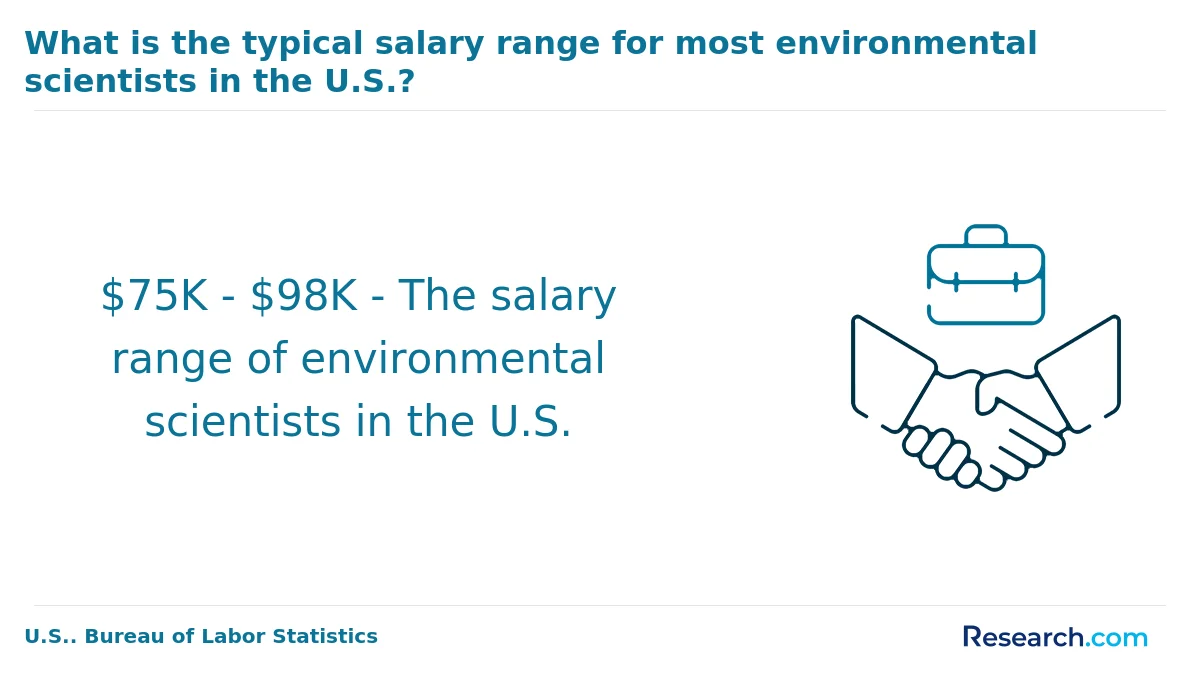
- Environmental science graduates often pursue careers such as environmental consultants or specialists, with average US salaries around $73,000 annually, offering a stable and rewarding income.
- A graduate from a well-known Western university might explore diverse roles like conservation scientist, environmental analyst, or policy advisor, showcasing a broad range of exciting career opportunities.
- Completing an online environmental science degree provides flexible learning schedules, ideal for balancing work or family, and often reduces commuting costs compared to traditional programs, making education more accessible and convenient.
- 2027 Most Valuable Online Environmental Science Degree Programs Ranking in the West
- What can I expect from online environmental science degree in the West?
- Where can I work with online environmental science degree in the West?
What can I expect from online environmental science degree in the West?
Students pursuing an online environmental science degree in the West often find the average cost ranges between $10,000 and $25,000 for a full program, depending on the university and level of study. Many graduates from well-known institutions in California and Oregon recall how their programs balanced affordability with top-tier education, making their investment feel truly worthwhile. The flexibility of these programs allowed them to work while studying, easing financial pressures and inspiring confidence in their career paths.
Graduates describe engaging coursework grounded in local ecosystems-from coastal conservation challenges in California to wildfire management studies in Oregon-that made abstract concepts come alive. The practical, real-world focus helped them see their tuition as a gateway to meaningful, impactful careers. With financial aid and scholarships tailored specifically for Western students interested in sustainability, many found the path to earning a degree both accessible and motivating.
Overall, the support systems and strong regional ties provided graduates with not just a degree, but a network and a future filled with possibility.
Where can I work with online environmental science degree in the West?
Graduates with an online environmental science degree from universities in the West often find inspiring career opportunities that directly impact their communities. Many begin their journeys working for state and federal agencies like the California Environmental Protection Agency or Washington's Department of Ecology, where they actively contribute to air and water quality projects. Imagine being part of a dynamic team in Portland or San Francisco, helping local governments implement sustainable policies and protect natural resources.
Others thrive in passionate nonprofit organizations focused on conservation and climate action. Graduates working with groups such as The Nature Conservancy's Pacific Northwest branch embrace roles that connect them with local activists and policymakers, fueling meaningful change in wildlife preservation and environmental education.
In bustling urban centers like Seattle, graduates collaborate with private companies advancing renewable energy ventures-solar and wind projects that shape a cleaner future. Their expertise enables businesses to balance growth with environmental stewardship.
Research roles at western universities and government labs offer another fulfilling path, where graduates contribute to cutting-edge studies on climate resilience and ecosystem restoration, feeling proud of their role in shaping science-driven solutions.
Graduates with an online environmental science degree in the Western United States find themselves stepping into vibrant career paths with promising earning potential. While specific salary data isn't always available for every role, those who studied at well-known institutions like the University of California system or Oregon State University often report starting salaries in the range of $50,000 to $60,000. These entry-level positions can quickly evolve as professionals gain experience and take on specialized roles such as environmental consultants or natural resource managers, with many surpassing $90,000 annually.
For those driven by passion and dedication, leadership and advanced technical roles offer the exciting possibility of earning over $100,000. Imagine working on climate impact studies in California or sustainable projects in the Pacific Northwest, where agencies and companies value your expertise and commitment highly. Environmental science graduates in the West benefit from strong regional demand, competitive wages, and the chance to make a meaningful difference in communities surrounded by stunning natural landscapes.
These careers not only offer financial stability but the rewarding experience of contributing to a healthier planet, making an online degree a valuable investment in both your future and the world's wellbeing.
- Online environmental science degrees in the Western US typically cost between $10,000 and $25,000 per year for in-state students, with graduate programs ranging from $15,000 to $35,000 annually.
- Starting salaries for graduates average around $50,000 per year, increasing to between $75,000 and $90,000 after 5 to 10 years of experience.
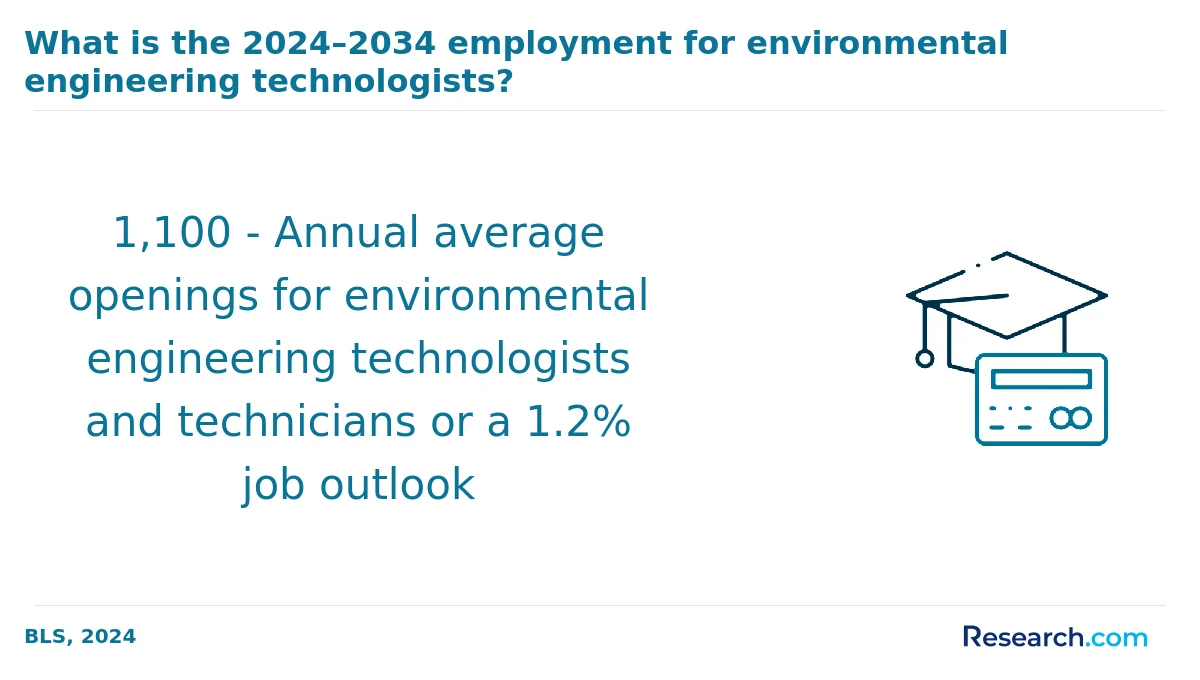
- The job market for environmental scientists in the Western states is projected to grow by about 8% over the next decade, faster than the national average.
- Graduates can find jobs in government agencies, environmental consulting, and renewable energy companies.
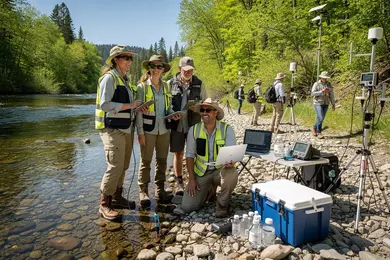
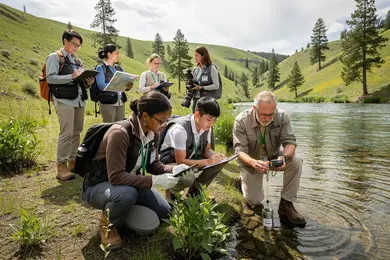
- Online programs often include local internships or fieldwork to provide practical, hands-on experience.
- Students benefit from access to leading environmental organizations for networking and job placement opportunities.
Completing an online environmental science degree in the West offers both flexibility and opportunity, allowing students to shape their educational journey around their lives. Many full-time students at well-regarded institutions like Oregon State University or Colorado State University find themselves earning their bachelor's degrees in about four years, just as with traditional on-campus programs.
For those balancing work, family, or personal commitments, part-time enrollment stretches the timeline to five or six years or more, providing a manageable pace without sacrificing quality. Graduates often share how this balance helped them stay motivated and steadily progress toward their goals.
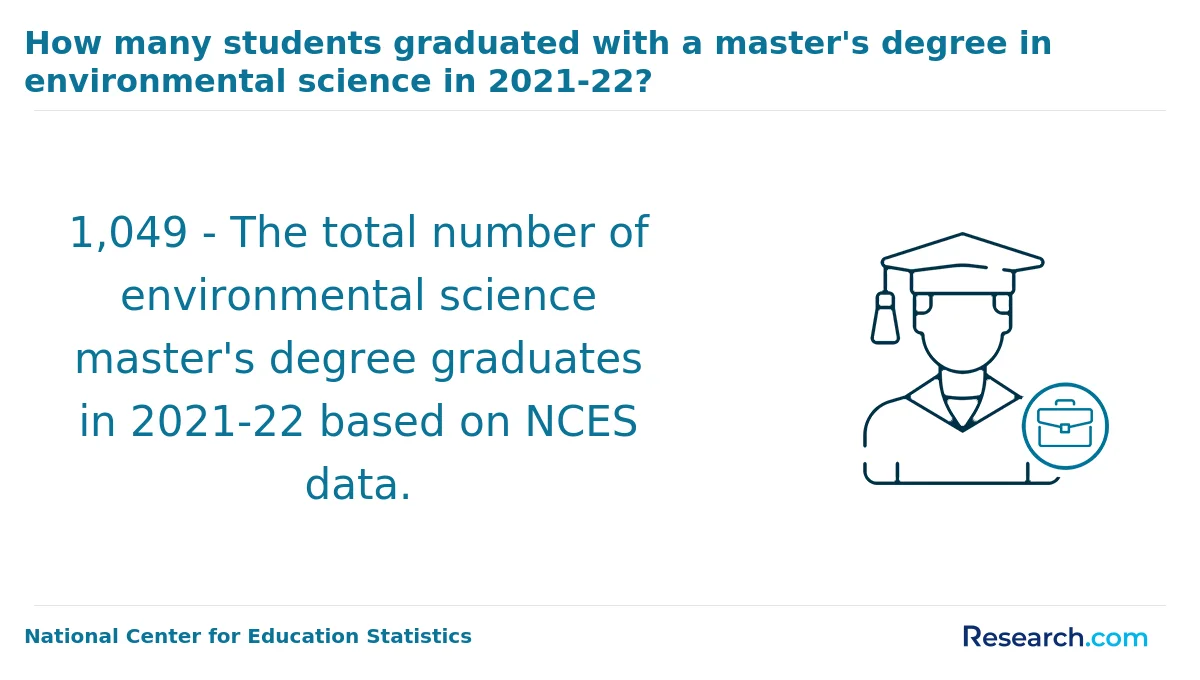
Some adventurous learners embrace accelerated paths, finishing in as little as three years by taking extra courses or summer classes. Master's degree seekers in the region typically complete their studies in around two years full-time, with part-time options giving even greater flexibility.
Certificate programs offer quick, inspiring boosts to skills in just months, perfect for those eager to make an immediate impact in environmental fields. The supportive online environment found at Western universities empowers students to thrive and succeed on their own timetables.
Choosing between online and on-campus environmental science degrees in the West opens exciting paths tailored to your life and goals. Graduates from institutions like the University of California and Oregon State University share how online programs offered them the flexibility to balance work and family, attending lectures on their own schedule while living in rural areas far from campus. This freedom brings a sense of empowerment and control over their education journey.
On the other hand, students attending on-campus programs in states like Washington embrace the vibrant community feeling, diving into hands-on fieldwork and lab experiences that bring environmental science to life. These in-person opportunities spark inspiration and deepen understanding through real-time collaboration with passionate professors and peers.
Both paths lead to valuable, respected degrees, with options suited to your lifestyle. Online learners appreciate saving on housing and commuting costs, while campus students benefit from immediate access to resources. In the dynamic West, your journey can be as adaptive and meaningful as the environment you study.
The average cost of an online environmental science degree in the West typically falls around $58,500, with variations depending on whether you are an in-state or out-of-state student. For in-state learners, total expenses average about $64,980, while out-of-state students might budget closer to $72,432. These numbers reflect the combined tuition, fees, and related costs over the course of the degree, offering a clear picture for anyone considering this exciting field in the Western United States.
Many graduates from well-regarded universities like Oregon State University and Colorado State University Global share stories of how investing in an online environmental science degree transformed their career paths and deepened their connection to sustainability. With programs designed to be flexible and accessible, students embrace learning tailored to real-world environmental challenges while managing their budgets wisely. This sense of purpose and accomplishment motivates many to advance their education despite financial considerations.
For those seeking affordable online environmental science degrees western US options often provide competitive pricing and financial aid opportunities that make these dreams achievable. Accelerated and competency-based formats allow students to save time and reduce costs by moving through courses at their own pace. As you explore your potential path, consider the value of programs highlighted in resources like the sustainability bachelor's degree online guide to align your passion with a smart, budget-conscious academic plan.
Many online environmental science students in the West find financial aid opens the door to pursuing their dreams without overwhelming debt. Graduates from schools like the University of Washington or Colorado State University recall how the Free Application for Federal Student Aid (FAFSA) was their first step to unlocking essential support, including grants, federal loans with low interest rates, and work-study opportunities that fit their busy lives.
State programs also play a key role-California's Cal Grant, for instance, helped numerous students attending online programs at San Diego State University to cover tuition costs, easing financial stress and letting them focus on their passion for the environment.
Private scholarships from organizations such as the Environmental Protection Agency and professional societies inspired students to apply, bringing not only funds but also a sense of recognition and encouragement from the wider environmental science community.
These combined resources empower students to navigate their education confidently, knowing tailored aid supports their path toward making a real difference in environmental sustainability. Payment plans further smooth financial challenges, allowing part-time learners to balance work and studies effectively.
Graduate students pursuing advanced degrees share inspiring stories about how their bachelor's degree in environmental science or a related field prepared them for real-world challenges. They emphasize coursework in biology and environmental studies, along with letters of recommendation and compelling personal statements, as keys to advancing their careers. Many Western schools encourage applicants through test-optional policies, focusing instead on your dedication and readiness.
- Relevant coursework in biology, chemistry, and environmental studies
- Minimum GPA requirements, often around 3.0 for graduate programs
- Letters of recommendation, particularly for master's or doctoral programs
- A personal statement or statement of purpose outlining academic and career goals
These prerequisites not only prepare you academically but also unlock the doors to thriving in a vibrant community committed to solving today's environmental challenges with innovation and heart.
Online environmental science degrees in the Western US offer a dynamic mix of courses that inspire students to make a real difference in their communities and beyond. Graduates from programs at renowned universities like Oregon State and the University of Arizona recall how foundational classes in biology, chemistry, geology, and ecology sparked their curiosity about the natural world and its delicate balance.
Beyond the basics, students dive into specialized courses such as Environmental Policy and Regulation, learning about laws that protect precious Western water rights and land use. Hands-on training with Geographic Information Systems (GIS) empowers them to map and analyze diverse landscapes, from arid deserts to mountainous forests.
Courses like Environmental Impact Assessment and Sustainable Resource Management prepare students to tackle challenges such as wildfire ecology and renewable energy-subjects that resonate deeply with those living in the West.
This blend of science and practical skills creates a rewarding educational journey, fueling passionate problem-solvers ready to safeguard the environment with confidence and hope.
Online environmental science degrees in the West offer exciting specializations that perfectly match the region's vibrant ecosystems and innovative industries. Students often choose areas like Environmental Policy and Management, where graduates from top Western universities report feeling empowered to shape sustainable futures through government and NGO work. Conservation Biology and Wildlife Management is another popular focus, allowing students to connect deeply with the rich biodiversity of the West while protecting wildlife and natural habitats.
Water Resources and Hydrology is especially vital here, as students learn to address drought challenges firsthand, preparing them for rewarding careers managing the West's precious water supplies. Renewable Energy and Sustainability draws many eager learners fascinated by solar and wind technologies booming in states like California. Meanwhile, Environmental Chemistry and Toxicology trains students to tackle pollution and safeguard health, equipping them for dynamic roles in research and industry.
Those seeking affordable pathways can explore the cheapest online environmental science programs, ensuring access to quality education aligned with their ambitions. This rich selection of online environmental science specializations West universities offer truly inspires students to make a lasting impact on our planet's future.
Choosing the best online environmental science degree in the West means focusing on programs that offer both quality and flexibility. Graduates from well-known Western universities often highlight how accredited programs provided them with robust knowledge in ecology and sustainability, alongside hands-on experiences through local fieldwork or virtual labs. These real-world components make learning exciting and deeply relevant to the Western landscapes and environmental challenges.
Affordability is another key, especially when seeking affordable environmental science degrees Western US. Many students find that comparing total costs, including tuition and fees, helps them pick programs that fit their budget without compromising quality. The ability to balance studying with busy lives is also essential; many online programs in the West offer asynchronous courses, perfect for working professionals aiming to advance their careers while managing personal commitments.
Faculty expertise is a powerful motivator. Graduates often recount how mentorship from professors immersed in environmental research and industry opened doors to internships with local green companies. For those ready to take the next step, study environmental science online to join a community passionate about making a real impact on the West's natural world.
Graduates with an online environmental science degree in the West find themselves empowered to pursue a range of rewarding career paths. From becoming environmental consultants helping California businesses align with strict sustainability goals, to working as wildlife and conservation scientists restoring habitats across Oregon and Washington, opportunities abound. Many graduates feel inspired knowing their work directly supports the preservation of the region's biodiversity and clean energy leadership.
Others choose to become environmental policy analysts, shaping visionary frameworks that address climate change and water quality challenges in Western states. Educational roles at national parks and community centers allow graduates to engage the public and foster a deeper understanding of environmental stewardship. These pathways demonstrate the diverse impact graduates can make with their degree, reflecting the breadth of environmental science career opportunities in the West.
Students from popular universities in the region often share excitement about how their studies translate into meaningful work that benefits both nature and communities. For those wondering what qualifications do you need to be a chief sustainability officer, these careers offer a solid foundation to grow toward leadership roles in sustainability.
The job market for graduates with an online environmental science degree in the West is flourishing, driven by the region's strong commitment to sustainability and environmental stewardship. Graduates from well-known programs at universities like the University of Washington or Oregon State University find themselves stepping into careers where their skills directly impact critical issues such as renewable energy development and conservation efforts. Many alumni share how their education prepared them to thrive in roles requiring hands-on data analysis and environmental compliance, opening doors to rewarding positions across California, Washington, and Oregon.
For those exploring online environmental science career opportunities in the West, the demand for professionals is backed by steady job growth and competitive salaries. The region's dynamic market especially values graduates who combine technical proficiency with real-world problem-solving, attributes emphasized in Western universities' programs. Those curious about what types of environmental jobs are there will find diverse paths in environmental consulting, sustainability coordination, and water resource management, among others. This variety encourages graduates to shape careers that align with their passions and regional priorities.
2027 Most Valuable Online Environmental Science Degree Programs Ranking in the West
Investing in your education is a significant decision that can shape your future, and the Research.com team understands the importance of making well-informed choices. To support prospective students interested in environmental science, we have carefully developed the "2027 Most Valuable Online Environmental Science Degree Programs Ranking in the West." Our dedication to quality, credibility, and accuracy is demonstrated through rigorous research and thorough analysis conducted to produce this ranking.
We utilized the following reputable data sources to ensure a comprehensive evaluation of online environmental science degree programs:
By exploring this ranking, readers will gain valuable insights into the most worthwhile programs available, enabling them to make confident decisions regarding their educational futures. For more details on our methodology, please visit our Research.com methodology page.



Frequently Asked Questions About environmental science
Students pursuing online environmental science degrees in the Western United States can maximize their learning by actively engaging with interactive course materials and virtual labs. Research shows that programs accredited by recognized bodies like the Western Association of Schools and Colleges (WASC) tend to offer more reliable curriculum quality and support services. Additionally, joining regional professional organizations such as the California Native Plant Society or the Oregon Environmental Council provides networking and internship opportunities relevant to local ecosystems.
Using local data sets from agencies like the U.S. Environmental Protection Agency's Pacific Southwest Office can enhance practical understanding. Furthermore, collaborating with peers through online forums or study groups improves critical thinking and problem-solving skills. Time management and regular communication with instructors also strongly correlate with higher completion rates in Western online programs, according to a 2023 EDUCAUSE report.
The field of environmental science continues to evolve, with several emerging niches gaining attention in the Western United States. One key area is climate adaptation science, focusing on strategies to mitigate impacts of climate change on local ecosystems and communities. This niche is rapidly expanding, supported by increased state and federal funding.
Another growing specialty is environmental data science, which combines big data analytics with environmental monitoring to improve decision-making. Universities like the University of California have integrated this into their online programs.
Renewable energy and sustainable urban planning are also prominent niches, reflecting the West's emphasis on clean energy goals. For instance, California aims for 100% clean electricity by 2045, creating demand for professionals trained in these areas (California Energy Commission, 2023).
After completing an online environmental science degree in the Western US, preparing for the job market involves strategic steps to enhance employability. Graduates should seek internships or volunteer opportunities with local agencies like the California Environmental Protection Agency or Washington's Department of Ecology. These experiences build practical skills and professional networks.
Developing technical proficiency in GIS, environmental data analysis, and regulatory compliance is critical, as these skills are in high demand according to the Bureau of Labor Statistics. Additionally, obtaining certifications such as the Certified Environmental Professional (CEP) can improve job prospects.
Networking through professional organizations like the American Society for Environmental Sustainability, especially regional chapters, provides access to local job openings and career resources.
Employers in the Western US prioritize several key skills when hiring environmental science graduates. Critical thinking and data analysis are essential, as professionals must interpret complex environmental data to inform policy and conservation efforts. Communication skills-both written and verbal-are crucial for explaining scientific findings to stakeholders and the public. Technical proficiency with Geographic Information Systems (GIS) is frequently requested, reflecting the region's focus on land use and resource management. According to the Bureau of Labor Statistics, job growth for environmental scientists in the West is projected at 10% through 2030, emphasizing demand for versatile graduates. Adaptability and teamwork also rank highly in employer surveys.
Finding internships in the Western United States for environmental science students involves strategic planning and utilizing regional resources. The West hosts numerous government agencies like the EPA's Pacific Southwest office and California's Department of Environmental Conservation, which offer internship programs focused on environmental research and policy.
Students should also explore partnerships offered by online degree programs with local nonprofits and private companies specializing in sustainability and renewable energy. Sites such as Handshake and the National Environmental Education Foundation list internships relevant to environmental science nationwide, including many in the West.
According to the Bureau of Labor Statistics, states like California and Washington lead in environmental science employment, increasing internship opportunities. Networking through professional organizations such as the Ecological Society of America can provide direct access to mentors and openings specific to the region.
An online environmental science degree can significantly enhance career mobility and advancement in the Western United States. Employers in California, Washington, and Oregon increasingly value degrees that combine scientific knowledge with digital proficiency, recognizing online education's rigor. According to the U.S. Bureau of Labor Statistics, environmental science jobs in the West are projected to grow by 12% through 2030, faster than the national average. This growth is fueled by strong regional investments in sustainability and clean energy sectors.
The flexibility of online programs allows professionals to upskill without interrupting their careers, helping them qualify for leadership roles in government agencies, NGOs, or private companies. Additionally, accredited online degrees from Western institutions meet regional licensure and certification requirements, facilitating smoother career transitions.
Studying for an environmental science degree in the Western United States equips students with skills essential for interdisciplinary roles. Western programs often blend natural sciences, policy, and technology, enabling graduates to address complex environmental challenges. According to the U.S. Bureau of Labor Statistics, environmental scientists in this region engage in varied tasks including data analysis, field research, and policy development.
Many Western universities incorporate coursework in ecology, geology, and environmental law. This multi-faceted education prepares students to work with professionals from diverse fields such as urban planning, public health, and engineering. Additionally, online degrees in the West often emphasize GIS and remote sensing, critical tools in modern environmental work.
National Center for Education Statistics data shows a steady rise in online environmental science enrollments in the West, reflecting employer demand for versatile, tech-savvy graduates who can collaborate across disciplines.
Choosing between a thesis and a non-thesis online environmental science degree in the West depends on your career goals and learning preferences. Thesis programs typically require original research, making them ideal for students aiming for PhD studies or research roles. These programs usually take longer, about 2-3 years, due to the extensive research component.
Non-thesis options focus on coursework and practical skills, often preferred by professionals seeking immediate job advancement in government or industry. According to the Western Association of Schools and Colleges, many online programs in states like California and Washington emphasize applied learning.
Consider your needs carefully before deciding.
Students based in the Western United States seeking to study environmental science abroad through online programs have several options within the US higher education system. Many West Coast universities offer accredited online environmental science degrees that allow for remote learning while gaining insight into global environmental issues.
For example, Oregon State University and the University of Washington provide comprehensive online bachelor's and master's programs. These programs combine ecological theory with practical skills tailored to Western ecosystems, emphasizing sustainability and climate adaptation.
According to the National Center for Education Statistics, enrollment in online environmental science degrees in the West has increased by over 20% in the past five years, reflecting growing student demand for flexible, internationally relevant education.
In the Western United States, several part-time job opportunities can enhance learning for students pursuing an online environmental science degree. Many students find internships or technician roles with local government agencies, such as the California Environmental Protection Agency, offering hands-on experience in environmental regulation. Research assistant positions at universities also provide valuable exposure to data analysis and fieldwork.
Other common jobs include environmental consulting firms, which often seek part-time staff to assist with site assessments and sustainability reporting. According to the Bureau of Labor Statistics, environmental science jobs in the West are expected to grow by 10% from 2022 to 2032, highlighting strong employment prospects.
Online environmental science students in the Western US have growing networking opportunities through virtual events, regional professional groups, and university alumni networks. Many Western universities offer access to online forums and region-specific career fairs that connect students with local environmental organizations. According to the Environmental Careers Organization of California, participation in such groups can improve job placement rates by up to 20% in the region.
Students also benefit from partnerships between online programs and agencies such as the California EPA or Washington State Department of Ecology. These collaborations often provide internships and mentorships that help build practical connections.
Regional chapters of national groups like the Sierra Club and the Ecological Society of America host digital meetups, expanding access despite geographic distance. These networks support professional growth and regional engagement essential for career development in environmental science across the West.
Alumni networks offer significant benefits to students pursuing online environmental science degrees in the Western United States. These networks provide access to a broad community of professionals working in key regional industries, including renewable energy and conservation, which are rapidly growing sectors in states like California and Oregon.
Members often share valuable job leads, internships, and research opportunities, helping students build careers in environmental policy, sustainability, and natural resource management. According to the Western Regional Environmental Education Council, alumni connections increase employment chances by up to 30% in this field.
Furthermore, alumni often mentor current students, offering guidance on navigating the complexities of environmental projects unique to Western ecosystems such as coastal and desert regions.
Customizing an online environmental science degree in the West allows students to align their studies closely with specific career ambitions. Many universities offer electives or concentrations, such as renewable energy, conservation biology, or environmental policy, enabling students to focus on areas with strong regional job growth.
For example, California and Washington lead in green technology jobs, so selecting courses in clean energy or environmental management may improve employment prospects. Additionally, some programs provide opportunities for virtual internships or research projects with local agencies, enhancing practical experience.
Advisors often assist students in tailoring their curriculum, ensuring course selections meet both graduation requirements and career goals. According to the Bureau of Labor Statistics, environmental science roles in the Western US are expected to grow by 8% through 2032, emphasizing the value of focused study.
Online environmental science students in the Western US often face challenges balancing coursework with work and family commitments. According to the National Center for Education Statistics, nearly 60% of online learners juggle multiple responsibilities, which can delay degree progress.
Another common issue is limited access to hands-on lab experiences. Environmental science relies heavily on fieldwork and lab skills, difficult to simulate fully in an online format, especially in disciplines like ecology or soil science.
Technical difficulties and varying internet quality across rural Western areas also impact students' ability to attend live sessions and complete multimedia assignments. The U.S. Department of Agriculture reports that about 22% of rural Western households lack reliable high-speed internet.
Lastly, fewer opportunities for networking with peers and faculty may affect student engagement and career development compared to traditional programs.
With an online environmental science degree, professionals in the Western U.S. can pursue several key certifications to enhance their careers. One widely respected credential is the Certified Environmental Scientist (CES) offered by the National Association of Environmental Professionals. This certification validates expertise in environmental assessment and management.
Another option is the Registered Environmental Manager (REM), awarded by the National Registry of Environmental Professionals, which focuses on practical skills in environmental regulations and compliance.
Additionally, many graduates pursue the LEED Green Associate credential, relevant for those interested in sustainable building practices. These certifications are recognized by employers throughout the Western U.S., where environmental industries are growing rapidly, according to the U.S. Bureau of Labor Statistics.
To write a winning application for an online environmental science program in the West, begin by clearly stating your passion for environmental issues relevant to the region, such as wildfire management or water conservation, which are prominent concerns in Western states according to the U.S. Environmental Protection Agency. Highlight your academic background with strong emphasis on science and math courses, as these form the program's foundation. Include any relevant work or volunteer experience, such as internships with local conservation groups or involvement in sustainability projects. Make sure to craft a personal statement that reflects your professional goals and how the program aligns with them. Finally, carefully follow application instructions and submit all required documents before deadlines to improve your chances of acceptance.
The field of environmental science offers strong global career prospects, especially for graduates from the Western United States. According to the U.S. Bureau of Labor Statistics, employment for environmental scientists and specialists is projected to grow by 8% from 2022 to 2032, faster than the average for all occupations. This growth reflects increasing worldwide attention to climate change, pollution control, and sustainable resource management.
Many Western states emphasize environmental sustainability, creating diverse job opportunities in government agencies, private firms, and nonprofits. Degrees with an online format expand access for working professionals seeking roles in global organizations focused on conservation and policy.
Gaining practical experience while pursuing an online environmental science degree in the West is essential to enhance employability. Many programs incorporate virtual labs and simulations that mimic real-world environmental analysis, offering hands-on learning remotely. Additionally, students can seek internships with local agencies such as state environmental departments or nonprofit organizations focused on conservation and climate efforts.
Fieldwork opportunities are sometimes available in partnership with regional parks or research centers, allowing students to gain valuable in-person experience near their location. According to the Western Regional Environmental Education Council, over 40% of regional environmental science graduates complete internships before graduating.
Participating in citizen science projects or joining professional groups like the Ecological Society of America can also build practical skills and networking connections relevant to the Western U.S. context.
Choosing the right concentration within an online environmental science degree in the Western United States depends on your career goals and regional job trends. Popular concentrations include conservation, sustainable agriculture, and environmental policy, reflecting the West's focus on climate resilience and natural resource management.
According to the U.S. Bureau of Labor Statistics, environmental science jobs in the West are expected to grow by 10% over the next decade, especially in renewable energy and water quality sectors. Reviewing local industry demands or connecting with alumni can help tailor your choice.
Additionally, consider programs that offer fieldwork or partnerships with local agencies to gain practical experience relevant to Western ecosystems.
- Most Popular Online Environmental Science Degrees 2025 https://www.onlineu.com/degrees/environmental-science
- Environmental Science Courses & Degrees https://www.open.edu.au/study-online/science/environmental-science
- SEEDS Summer 2026 Internships | TREES DLA https://www.trees-dla.ac.uk/seeds-summer-2026-internships
- The Biggest Environmental Problems Of 2021 https://earth.org/the-biggest-environmental-problems-of-our-lifetime/
- Top Trending Research Topics in Environmental Science - Agriculture Journal IJOEAR Blog https://ijoear.com/blog/top-trending-research-topics-in-environmental-science
- CES - Certified Environmental Scientist https://www.nrep.org/certifications/certified-environmental-scientist-ces
- Alumni Put Environmental Science Degrees to Work at Chesapeake Watershed Initiative https://www.fandm.edu/stories/alumni-put-environmental-science-degrees-to-work.html
- Explore Environmental Career Profiles | ECO Canada https://eco.ca/career-profiles-index/
- Strong Programs in Environmental Studies https://toptieradmissions.com/strong-programs-in-environmental-studies/
- 14 Entry Level Environmental Science Cover Letter Examples: Plus Recruiter Insights (Updated for 2025) https://resumeworded.com/cover-letter-samples/entry-level-environmental-science