2027 Most Valuable Online Bachelor's in Environmental Science Degree Programs Ranking in the West

Co-Founder and Chief Data Scientist
Choosing the right environmental science bachelor's degree program can feel overwhelming, especially when looking for flexible online options. This article introduces the 2027 Most Valuable Online Bachelor's in Environmental Science Degree Programs Ranking in the West, developed by the Research.com team of data scientists. It offers a clear overview to help you make informed decisions about which programs truly stand out.
By exploring this ranking, you'll discover valuable insights into schools that provide quality education and career opportunities. Pursuing an environmental science degree opens doors to meaningful work that impacts our planet's future, making your investment worthwhile.
Key benefits of getting online environmental science degree in the West
- Environmental science graduates in the West can expect competitive salaries, with many environmental specialists earning around $73,000 annually, reflecting strong demand and rewarding career prospects.
- Career paths often include roles in conservation, environmental consulting, and sustainability management, as seen in graduates from well-known Western universities who find diverse opportunities.
- Online environmental science degrees offer flexible schedules and access to expert faculty from top Western institutions, making it easier to balance work and study without sacrificing quality education.
- 2027 Most Valuable Online Bachelor's in Environmental Science Degree Programs Ranking in the West
- What can I expect from online environmental science degree in the West?
- Where can I work with online environmental science degree in the West?
What can I expect from online environmental science degree in the West?
The average cost of pursuing an online environmental science degree in the Western United States typically ranges between $15,000 and $40,000 for a bachelor's program, depending on the institution. Many graduates from well-known universities in California and Oregon have shared how investing in these flexible programs was worthwhile, especially when balancing work and study. These costs often include access to innovative virtual labs and digital resources tailored to regional ecological challenges, such as wildfire management or water conservation, making the learning experience highly relevant and engaging.
Unlike traditional on-campus degrees, online programs in the West frequently offer hybrid options, allowing students to attend occasional in-person residencies or internships at local agencies. This not only enhances practical skills but also adds value to tuition by building strong professional networks in sustainability fields thriving in states like Washington and Colorado.
Many students find financial aid, scholarships, or employer tuition assistance programs helpful in managing expenses. With smart planning, the cost transforms into an investment toward a career contributing to vital environmental solutions in your own community.
Where can I work with online environmental science degree in the West?
Graduates from online environmental science programs at institutions like Oregon State University and the University of California system find themselves stepping into vibrant careers throughout the Western United States. Many secure positions in federal agencies-such as the Environmental Protection Agency or the U.S. Forest Service-where they engage deeply in environmental assessment and land stewardship. This real-world application of knowledge often feels rewarding, knowing their work protects iconic forests or California's coastlines.
State and local governments offer impactful roles where graduates apply their skills daily. For example, working with California's Department of Toxic Substances Control allows professionals to influence policies that safeguard communities. Hearing from former students, this responsibility often inspires a strong sense of purpose.
Private sectors in cities like Seattle and San Francisco boast abundant opportunities in renewable energy firms and green tech startups. Graduates often contribute to sustainable development projects or analyze data that drives clean energy advancements. Nonprofit groups such as The Nature Conservancy also provide meaningful paths for those passionate about advocacy and conservation.
In the West's diverse ecosystems, an online degree opens doors to careers that blend science, policy, and on-the-ground action-turning passion into lasting impact.
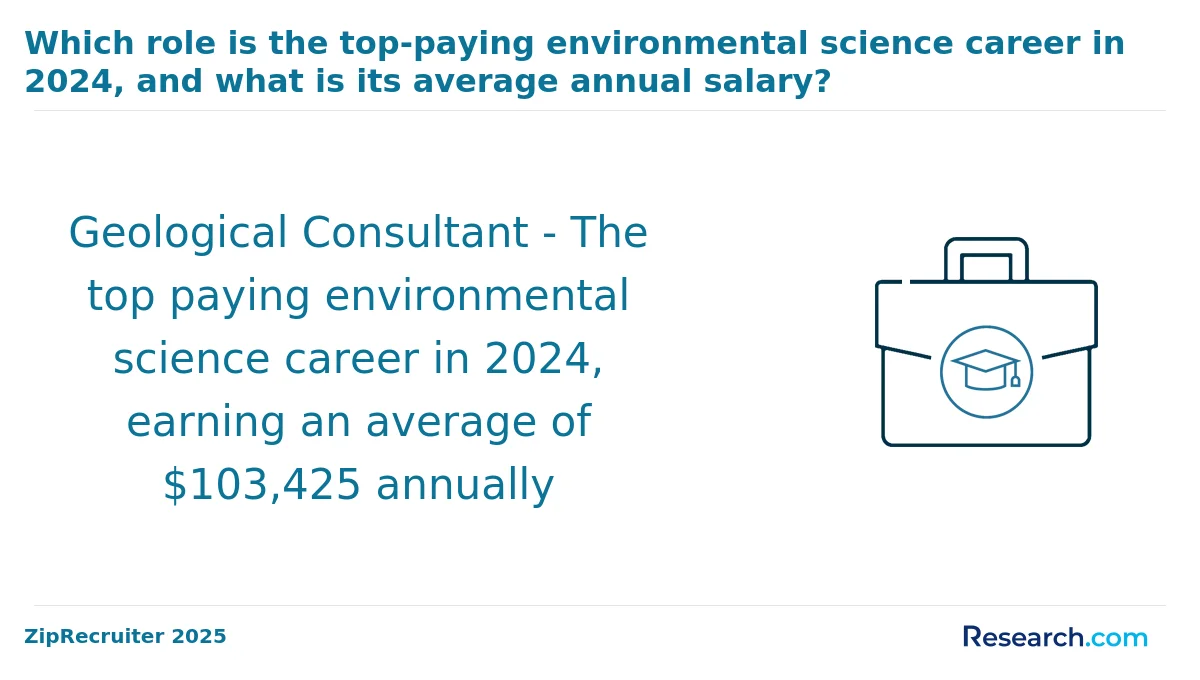
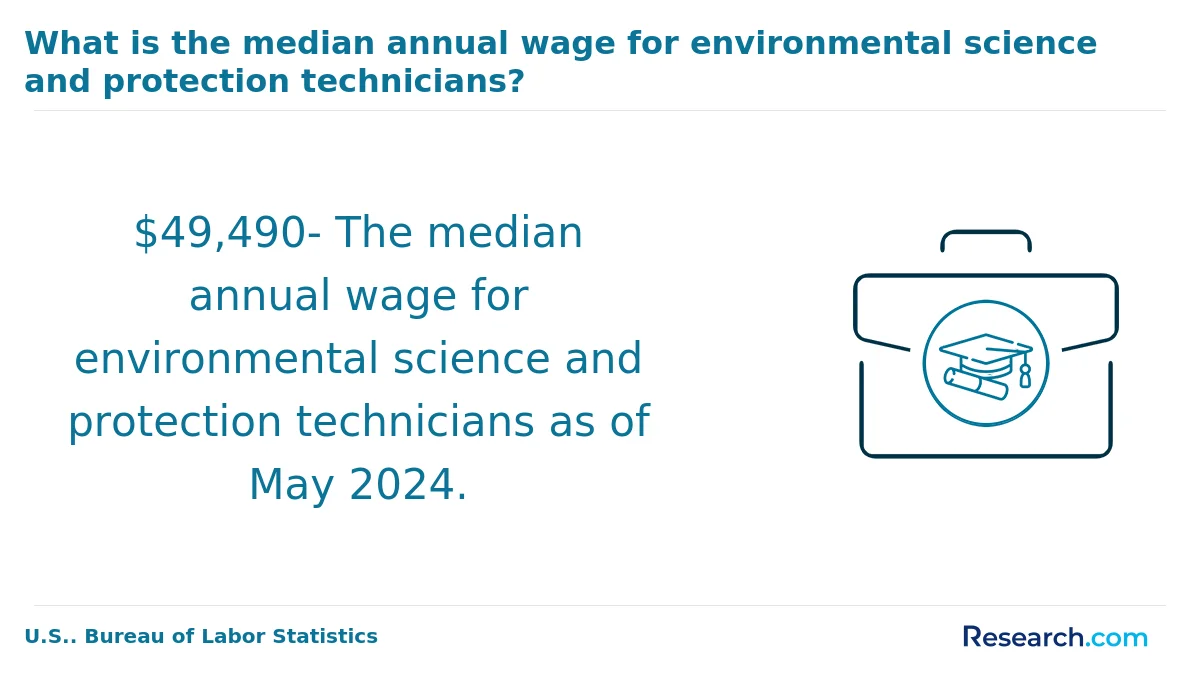
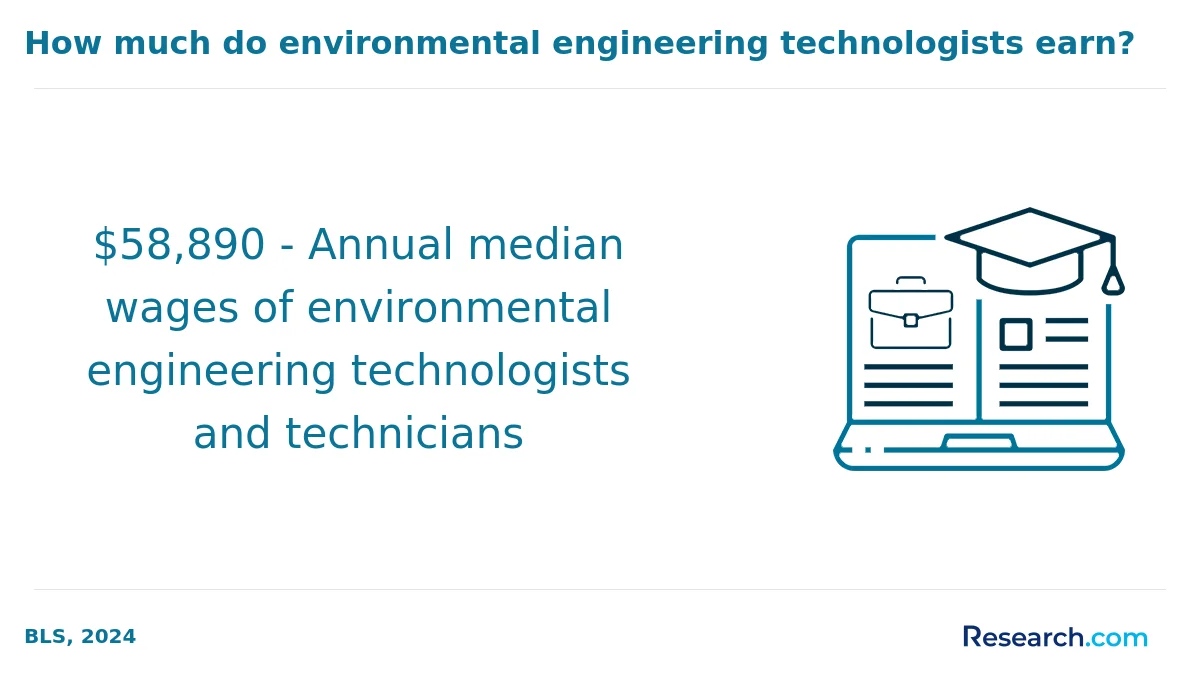
Graduates earning an online environmental science degree in the Western United States often find themselves stepping into rewarding roles with competitive salaries. While exact data from the Bureau of Labor Statistics isn't available for every position, general figures show promising earning potential. For example, starting salaries for many entry-level roles begin between $50,000 and $60,000 annually, a solid foundation for those coming from well-regarded institutions like the University of Washington or California State University system.
As graduates gain experience or specialize-say, in water resource management or renewable energy-they often see earnings increase to $70,000 or more. In California, where demand for environmental expertise is strong, salaries can average around $82,000, reflecting the state's dynamic market and commitment to sustainability.
Graduates from programs at universities such as Oregon State University frequently report that their education opened doors to internships and positions within the EPA or regional agencies, allowing them to grow into senior roles that can exceed six figures. This progress illustrates how an online degree in environmental science from the West equips you for meaningful work that supports both your career goals and the planet's future.
- Online environmental science degrees are available from universities in Western states such as California, Washington, Oregon, Colorado, and Arizona.
- The average cost for an online bachelor's degree ranges from $25,000 to $45,000 for in-state students, with public universities generally offering lower tuition than private ones.
- Entry-level salaries for environmental science graduates in the West typically range from $50,000 to $60,000 annually, with mid-career salaries between $70,000 and $90,000.
- Job growth in environmental science is expected to increase by about 8% over the next decade due to new regulations and clean energy investments.
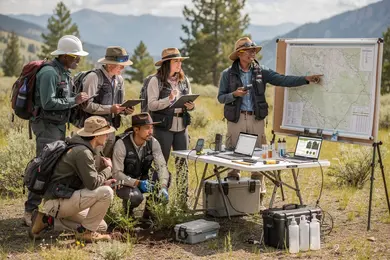
- Programs often include hybrid options with on-site labs or fieldwork to provide hands-on experience alongside online coursework.
Completing an online environmental science degree in the West typically takes around four years, mirroring the pace of traditional on-campus programs. Many graduates from well-known institutions like California State University or the University of Washington share how staying full-time with about 15 credits each semester helped them finish efficiently within eight semesters. This steady course load balances learning with life, allowing students to absorb complex topics while managing work or family commitments.
For those juggling busy schedules, part-time enrollment can extend the journey to five or six years, which is perfectly okay. Some students have taken advantage of accelerated paths or year-round terms, including summer courses, to graduate in as little as three years, turning their passion into action sooner. Others found that transferring previous college credits or military training helped shorten their time.
Each student's path is unique, shaped by personal goals and responsibilities, but the vibrant community of online learners in the West proves that with determination, your environmental science degree is within reach.
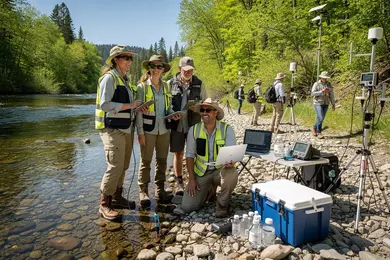
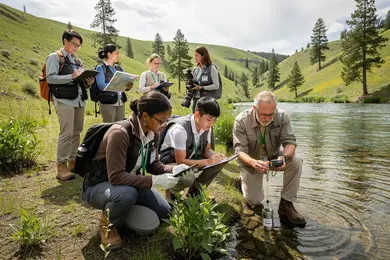
Choosing between online and on-campus environmental science degrees in the West means weighing distinct experiences that shape your learning journey. On-campus programs at universities like the University of Washington or California State University immerse you in hands-on labs and fieldwork-imagine collecting soil samples by Puget Sound or conducting water quality tests in the Sierra Nevada. Graduates often describe this as transformative, building confidence through direct interaction with ecosystems and professors.
In contrast, online degrees offer the freedom to study remotely, ideal for those balancing jobs or family in rural Western areas. Many find asynchronous classes at institutions such as Oregon State University perfectly fit their busy lives, allowing them to engage with coursework on their own schedule. While virtual labs can't fully replace fieldwork, motivated students frequently arrange local projects, turning digital lessons into real-world impact.
Cost and networking also differ. Online students save on housing and commuting but may miss spontaneous connections that on-campus peers easily find through clubs and internships. Knowing these differences helps you choose the path that aligns best with your lifestyle and goals.
When considering the average cost of an online environmental science degree in the West, you'll find that the total expenses usually vary based on whether you attend a public or private institution and your residency status. Graduates from public universities in the region often report total costs around $64,980 for in-state students, which reflects an affordable path while pursuing their passion for sustainability and environmental stewardship. Out-of-state students tend to see higher figures, around $72,432 total, yet they often find the investment worthwhile due to the quality of education and networking opportunities offered by well-regarded Western schools.
Private colleges, known for their comprehensive resources and smaller class sizes, generally come with higher tuition, contributing to a median total cost of about $59,760. However, many students share how attending these institutions was a transformative experience, offering personalized mentorships and cutting-edge environmental programs that energized their career paths. One common story among graduates is how the balance of tuition and meaningful education led them to feel empowered and ready to make real change.
If budget is a concern, exploring scholarships and financial aid is key. Many find significant relief through grants targeting environmental science majors or STEM fields. Additionally, some students choose accelerated program options which reduce time and cost. For those interest in pathways to sustainability careers, look into opportunities like a sustainability bachelor degree, which can sometimes complement your environmental science studies while broadening your expertise.
Understanding the average cost of online environmental science degrees in the West equips you to make informed decisions and find a program that fits both your ambitions and financial situation.
Many students pursuing an online environmental science degree in the West have found that federal aid through FAFSA is a lifeline. For example, graduates from universities like the University of Washington often mention how the Pell Grant, offering up to $7,395, made a significant difference in covering their tuition. This non-repayable grant, combined with federal direct loans that offer manageable income-driven repayment plans, provides flexible financial support for those balancing work and study.
State-specific grants also play a crucial role. Students attending California State University online programs benefit from Cal Grant funding, which helps ease tuition burdens for residents. Similarly, those at Oregon State University appreciate the Opportunity Grant, which supports low-income learners committed to tackling environmental challenges.
On top of this, institutional scholarships focused on environmental science and STEM fields often reward merit and promote diversity. Many environmental science students report finding encouragement and financial backing through these scholarships, as well as from private sustainability grants. Flexible work-study jobs related to environmental agencies can further enrich student experiences while supplementing income.
To step into an online environmental science degree program in the West, a high school diploma or equivalent is your essential starting point. Graduates from institutions like the University of Washington or Colorado State University often recall how foundational courses in biology, chemistry, and math gave them the confidence to tackle complex environmental challenges.
Many programs now embrace flexibility with test-optional policies, making admission more accessible without SAT or ACT scores, though some still consider them for scholarships. One graduate shared how checking their chosen school's admissions page early helped them avoid last-minute surprises.
Official transcripts play a crucial role, verifying your academic readiness. Also, expect to demonstrate comfort with technology and reliable internet access-imagine collaborating in virtual labs or team projects just as students at Arizona State University do.
If you're transferring or pursuing advanced studies, relevant college coursework is key. Western regional universities often support smooth transfers through articulation agreements, empowering students to continue their journey without losing progress. Embrace these steps with enthusiasm-your commitment today builds the foundation for tomorrow's environmental leadership.
Students pursuing online environmental science degrees in the West often find themselves immersed in courses that build both strong scientific understanding and practical skills. Graduates from respected Western universities frequently highlight how foundational classes like Introduction to Environmental Science and Biology and Ecology helped them grasp ecosystem dynamics firsthand, imagining California's diverse habitats or Oregon's forests as living classrooms.
Courses in Chemistry and Geology offer crucial insight into pollutant behavior and earth systems, connecting theories to real challenges such as wildfire impacts or water resource management in arid Western regions. Statistics and Data Analysis sharpen analytical skills, enabling students to interpret environmental data confidently-skills that graduates recall applying directly in regional field studies and virtual labs.
Specialized subjects like Environmental Policy and Law, Sustainability Practices, and GIS empower students to understand and address pressing local issues, from forest conservation to urban planning. These courses not only prepare learners for meaningful careers but inspire them to engage deeply with the unique environmental challenges their communities face.
When choosing an online environmental science degree in the West, you'll find a rich variety of specializations tailored to your passions and career goals. Graduates from top Western colleges often share how studying Environmental Policy and Management empowered them to navigate complex regulations, making real impacts in governmental or non-profit roles. Others focused on Ecology and Conservation, inspired by the vibrant ecosystems of California and Oregon, found careers preserving wildlife and natural habitats rewarding and deeply motivating.
Technologically inclined students appreciate concentrations like Geographic Information Systems (GIS) and Environmental Data Analysis, vital for modern environmental research and planning across the Western states. Many enjoy the practical aspect of mapping and interpreting spatial data, knowing these skills are in high demand. Meanwhile, those drawn to sustainable futures thrive in Renewable Energy and Sustainability programs, responding to the West's booming green energy sectors. This aligns well with the regional emphasis on combating climate change and fostering innovation.
For those fascinated by science and lab work, Environmental Chemistry and Toxicology opens doors to roles that protect public health by studying pollutant effects. Online environmental science specializations West offer such diverse pathways, ensuring students find a focus that excites them and suits their lifestyle. To explore affordable options in this field, consider checking out cheapest online environmental science programs geared to residents of this vibrant region.
Choosing the best online environmental science degree in the West starts with verifying accreditation-a critical step ensuring your degree holds value. Graduates from well-accredited Western universities often share how this verified quality boosted their confidence during job searches and graduate studies. Focus on programs with curricula that match your passion, whether it's climate resilience or sustainability, common strengths of schools in California and Oregon where students regularly engage with real climate research projects.
Affordability matters deeply. Many find that affordable environmental science bachelor's degrees Western US institutions offer not only reduce financial stress but also allow them to invest more in hands-on learning experiences. Remember to consider total costs, including fees, while exploring financial aid options designed for online learners. Hearing from graduates who balanced studies and work, you'll feel encouraged knowing it's possible to thrive without overwhelming debt.
Look also for faculty actively involved in current environmental policies and research. Such engagement often translates to mentorship and unique networking opportunities that West Coast students treasure. Equally important are robust tech supports and career resources-these services help maintain momentum from enrollment through job placement. For a comprehensive guide, explore online environmental science degree programs designed specifically for Western students seeking impactful careers in environmental science.
Graduates with an online environmental science degree in the West find themselves stepping into a diverse array of career paths tailored to the region's unique ecological landscape. Many pursue roles as environmental scientists, drawing on hands-on fieldwork from universities like Oregon State or the University of Washington, analyzing pollution and crafting conservation strategies to protect coastal and mountain ecosystems. The West's dynamic job market rewards those who blend strong GIS skills and policy knowledge with their science backgrounds.
Others become wildlife biologists focusing on threatened species native to Western habitats or environmental consultants helping businesses navigate evolving regulations. Renewable energy analysts are also in demand, supporting solar and wind projects shaped by the West's natural resources. Urban planners and environmental educators round out the options, working to embed sustainability in growing cities and public outreach.
These environmental science career opportunities West graduates unlock are fueled further by leadership roles, which some alumni prepare for by exploring resources on how to become chief sustainability officer, inspiring a commitment to positive change.
The job market for graduates holding an online environmental science degree in the West is promising and steadily growing. States like California, Oregon, and Washington are investing heavily in sustainability and climate initiatives, creating diverse opportunities for those passionate about making a real difference. Graduates from institutions such as Oregon State University and Arizona State University often report entering roles in government agencies, sustainability consulting firms, and renewable energy companies, where their skills directly contribute to shaping environmental policy and protecting natural resources.
Many graduates find that the West region environmental science degree employment landscape rewards persistence and networking, with internships and connections in cities like Seattle and San Francisco opening doors to exciting careers. Starting salaries typically range from $50,000 to $65,000, increasing with experience and specialization, which offers encouraging financial prospects alongside meaningful work.
For those seeking to accelerate their career, pursuing advanced degrees like the fastest mba in environmental management online can provide a competitive edge in the evolving green economy. Embracing this path opens doors to leadership roles in the West's dynamic environmental sector.
2027 Most Valuable Online Bachelor's in Environmental Science Degree Programs Ranking in the West
Investing in your education is a significant decision that can shape your future, and the Research.com team understands the importance of making informed choices. To assist prospective students in the western United States, we have meticulously developed the "2027 Most Valuable Online Bachelor's in Environmental Science Degree Programs Ranking in the West." Our commitment to quality, credibility, and accuracy is reflected in the extensive research and rigorous analysis conducted to compile this ranking.
We utilized the following reputable data sources to ensure a comprehensive evaluation of environmental science programs:
By exploring this ranking, readers will gain valuable insights to identify quality online environmental science degree programs that offer strong educational outcomes and return on investment. For more details on how this ranking was created, please visit our Research.com methodology page.



Frequently Asked Questions About environmental science
Online environmental science students in the West can maximize their learning by actively engaging with their coursework and instructor feedback. Participating in virtual discussion forums helps deepen understanding and builds connections with peers across the region. Many Western universities also offer fieldwork opportunities or internships, which are vital for hands-on experience in diverse ecosystems like California's coastlines or Colorado's forests. Research from the U.S. Bureau of Labor Statistics notes that practical experience greatly improves job prospects in environmental fields. Additionally, students should leverage regional resources such as local environmental organizations for networking and real-world projects.
Emerging niches in environmental science are rapidly evolving as the West faces unique ecological challenges. One key area is renewable energy management, where graduates focus on solar, wind, and geothermal solutions. According to the U.S. Bureau of Labor Statistics, jobs related to renewable energy are expected to grow 11% by 2032.
Another growing field is climate resilience and adaptation. Western states are investing in strategies to combat drought and wildfire impacts, creating demand for experts who can shape policies and community responses. Additionally, environmental data analysis is expanding with advances in GIS and remote sensing technologies, essential for managing resources in diverse Western landscapes. These niches offer promising career paths for online degree students.
Graduates of online environmental science degrees in the Western US should focus on gaining practical experience to enhance employability. Internships and volunteer projects with government agencies like the California Environmental Protection Agency or the Washington Department of Ecology provide valuable hands-on skills. Networking through professional groups such as the Ecological Society of America's regional chapters can increase job opportunities. Understanding regional environmental issues, like water scarcity in California or wildfire management in Oregon, is also essential. Additionally, many employers value certifications in GIS or environmental compliance. According to the U.S. Bureau of Labor Statistics, environmental science jobs in the West are expected to grow by 6% through 2031, reflecting steady demand.
Employers in the Western US seek environmental science graduates with a strong foundation in data analysis and Geographic Information Systems (GIS). According to the U.S. Bureau of Labor Statistics, proficiency in GIS tools boosts employment prospects by over 20% in environmental roles. Critical thinking and problem-solving skills are equally vital, as these graduates often address complex regional issues such as wildfire management and water resource conservation.
Communication skills, including the ability to write clear reports and present findings, rank high among desired abilities. Additionally, familiarity with environmental policies and regulations specific to Western states, such as California's strict emissions standards, can set candidates apart.
Finding internships in the Western United States that align with an online environmental science degree requires strategic planning. Start by exploring programs connected to universities offering online degrees, as many have partnerships with local agencies and nonprofits. California, Washington, and Oregon have numerous environmental organizations focused on conservation, climate policy, and natural resource management.
Utilize statewide internship platforms such as the California Environmental Protection Agency's internship portal and the Oregon Watershed Enhancement Board. National databases like the Environmental Protection Agency's Internships and Fellowships list can also be filtered by region.
Networking through professional groups like the Western States Environmental Network expands access to opportunities specifically tailored to the West.
Online environmental science degrees offer significant career mobility and advancement opportunities in the Western United States. With growing concerns over climate change and sustainability, industries such as renewable energy, conservation, and environmental consulting have expanded rapidly. According to the U.S. Bureau of Labor Statistics, employment for environmental scientists and specialists in the West is projected to grow 8% from 2022 to 2032.
Graduates with online degrees benefit from flexible learning schedules, allowing professionals to upskill without leaving their jobs. Many employers now recognize accredited online degrees equally, which broadens job prospects. Additionally, skills gained from coursework in GIS, data analysis, and environmental policy are especially valued by employers in states like California and Washington.
Overall, an online environmental science degree supports upward career movement by providing relevant skills and credentials aligned with regional job market demands.
Studying for an environmental science degree in the Western US equips students with skills to work across multiple disciplines. Programs emphasize integrating biology, chemistry, geology, and social sciences to address complex environmental problems.
Many Western universities collaborate with local agencies and industries, offering real-world projects that foster interdisciplinary teamwork. For example, California and Washington state universities often include coursework on policy, sustainability, and data analysis relevant to regional environmental issues.
According to the US Bureau of Labor Statistics, careers in environmental science are growing 8% faster in the West than the national average, reflecting demand for versatile professionals.
This approach ensures graduates can communicate effectively with experts in fields like public health, engineering, and urban planning, preparing them for diverse roles in government, nonprofits, and private sectors.
When choosing between thesis and non-thesis online environmental science programs in the Western US, consider your career goals. Thesis programs emphasize research, preparing students for graduate study or roles in scientific analysis. Non-thesis tracks usually focus on practical skills and coursework, suitable for immediate workforce entry in environmental management or policy.
According to the Western Interstate Commission for Higher Education, about 40% of environmental science graduates in the West enroll in thesis programs for research experience. Conversely, the majority choose non-thesis paths for broader job applicability.
Assess your learning style, interest in independent research, and long-term objectives to decide which format fits best your needs.
Students in the Western United States seeking online environmental science degrees have several strong options within the US higher education system. Universities such as Oregon State University and University of Alaska offer fully online bachelor's programs tailored to address regional environmental issues, like Pacific coastal ecosystems and Arctic climate change. These programs provide flexibility while delivering rigorous coursework recognized by employers nationwide.
Research from the Western Interstate Commission for Higher Education notes that nearly 40% of environmental science degrees awarded in the West are now available through online or hybrid formats. This facilitates access for working professionals or those living in rural areas.
Additionally, many Western schools emphasize practical training through virtual labs and remote fieldwork components, enabling hands-on experience despite distance learning.
Part-time job opportunities in the Western U.S. that complement an online environmental science degree include roles such as environmental technician, research assistant, and conservation worker. According to the U.S. Bureau of Labor Statistics, California, Oregon, and Washington have strong demand for environmental jobs tied to growing clean energy initiatives and natural resource management. These roles allow students to apply theoretical knowledge in real-world settings, often involving data collection, environmental monitoring, or public education. Internships with state agencies, non-profits, and private firms also provide practical experience and networking opportunities essential for career development in environmental science fields in the West.
Online environmental science students in the Western US benefit from diverse networking opportunities that help connect them to professionals and peers. Many universities offer virtual career fairs and alumni networking events tailored specifically to environmental fields. For example, institutions like Oregon State University and the University of Arizona provide active online forums and mentorship programs.
Additionally, students can join regional professional groups such as the Western Chapter of the Ecological Society of America, which hosts webinars and workshops. According to the Bureau of Labor Statistics, networking through these channels improves job placement rates by up to 20% for graduates in environmental science fields.
Alumni networks provide valuable support to online environmental science degree students in the West by fostering connections within the industry. These networks often offer mentorship opportunities, helping recent graduates navigate job markets that emphasize sustainable practices and regional environmental policies.
According to the Western Interstate Commission for Higher Education, alumni involvement significantly increases employment chances within state environmental agencies and nonprofits. Participation in alumni events can lead to internships and research collaborations focused on issues such as wildfire management and coastal conservation, which are critical in the Western U.S.
Moreover, alumni networks facilitate knowledge sharing about evolving technologies and regulations, giving students a competitive edge in this growing sector.
Customizing an online environmental science degree in the Western U.S. allows students to align their studies with specific career goals. Many programs offer elective courses focusing on areas like conservation, environmental policy, or renewable energy. For example, California State University and Oregon State University provide specializations relevant to industries prominent in the West, such as water resources and wildfire management.
Students can often choose research projects or internships that reflect regional environmental challenges, enhancing practical skills. Additionally, some programs allow part-time study or flexible pacing, helping working professionals balance education and employment.
According to the Bureau of Labor Statistics, environmental science jobs in the West are projected to grow 8% through 2030, emphasizing the importance of tailored education.
Online environmental science students in the Western US often face challenges related to limited access to fieldwork opportunities. Many programs require hands-on experience, which can be difficult to arrange remotely. According to the Western Interstate Commission for Higher Education, 60% of environmental science programs incorporate field components that may not fully translate online.
Another common issue is balancing coursework with professional or personal responsibilities. Many students studying online are working adults, and managing time effectively can be difficult.
Finally, technical difficulties and inconsistent internet access in rural parts of the West can disrupt learning. Reliable connectivity is essential for participating in virtual labs and interactive sessions, which are key parts of these degrees.
Graduates with an online environmental science degree can pursue several valuable professional certifications to enhance their careers. One common certification is the Certified Environmental Scientist (CES), offered by the National Association of Environmental Professionals. This certification verifies expertise in environmental issues relevant across the United States, including Western states.
Another important credential is the Registered Environmental Manager (REM), which focuses on environmental regulations and management systems, highly relevant for professionals working in California and Washington.
Additionally, the Certified Hazardous Materials Manager (CHMM) credential, provided by the Institute of Hazardous Materials Management, is recognized nationwide and highly applicable in the resource-rich Western region.
These certifications help confirm specialized skills, aiding graduates in securing roles in government, consulting, or industry sectors focused on environmental protection.
Writing a winning application for an online environmental science program in the West begins with clear demonstration of your passion and relevant experience. Admissions committees look for candidates who show commitment to environmental issues, especially those affecting the Western United States, such as water scarcity and wildfire management.
Highlight any academic achievements, including strong grades in science and math courses, as these are critical for success in environmental science programs. According to the Western Undergraduate Exchange, many Western schools value coursework related to ecology, geology, and environmental policy.
Include meaningful volunteer or work experience that involves sustainability projects or research. Western states like California and Washington offer many opportunities in conservation efforts, which can strengthen your application.
Finally, tailor your personal statement to address how an online format fits your goals and how you plan to contribute to solving regional environmental challenges.
Environmental science careers are increasingly viewed through a global lens, reflecting the interconnected nature of ecological challenges. Professionals in the United States, particularly in the Western region, engage with issues like climate change, water management, and sustainable development that have worldwide relevance.
The U.S. Bureau of Labor Statistics projects a 5% growth in environmental science jobs through 2031, highlighting steady demand. Western states such as California and Washington lead in clean energy and conservation efforts, offering diverse opportunities for graduates.
Internationally, cooperation on environmental policies and research is vital. Earning an online environmental science degree in the West prepares students to contribute to solutions recognized by global organizations like the United Nations.
Gaining practical experience while pursuing an online environmental science degree in the Western US is essential for career readiness. Many programs integrate virtual labs and fieldwork components that can be completed locally. Students often engage with regional environmental agencies, nonprofits, or government bodies such as California's Environmental Protection Agency for internships or volunteer opportunities.
Research shows that over 60% of environmental science students in the West participate in hands-on experiences outside class, boosting job prospects (Western Association of Schools and Colleges, 2023). Additionally, universities frequently facilitate connections to industry events and workshops held in environmentally focused cities like Seattle and San Francisco.
Choosing the right concentration within an online environmental science degree in the West begins with assessing regional environmental priorities. For example, students in California or Oregon might focus on water resource management or renewable energy, as these states lead in sustainability efforts. According to the U.S. Bureau of Labor Statistics, careers tied to environmental management and renewable energy are growing faster than average in the Western states. Prospective students should also consider their career goals and research concentrations that align with industries prevalent in the West, such as forestry, agriculture, or urban planning. Accreditation and faculty expertise are crucial to ensure quality education relevant to local challenges.
- 14 Entry Level Environmental Science Cover Letter Examples: Plus Recruiter Insights (Updated for 2025) https://resumeworded.com/cover-letter-samples/entry-level-environmental-science
- Environmental Scientist Cover Letter Examples https://www.careerfaqs.com.au/careers/resumes-cover-letters/environmental-scientist-cover-letter-example
- Application Letter to Master's Program in Environmental Science in Germany https://essayforum.com/letters/application-master-program-environmental-86188/
- NETWORKING FOR SUCCESS: HOW TO SHINE IN ENVIRONMENTAL JOBS - Step(h) into Nature https://stephintonature.com/all-environmental-conservation-travel-blogs/environmental-jobs-networking
- The Biggest Environmental Problems Of 2021 https://earth.org/the-biggest-environmental-problems-of-our-lifetime/
- CES - Certified Environmental Scientist https://www.nrep.org/certifications/certified-environmental-scientist-ces
- Alumni Put Environmental Science Degrees to Work at Chesapeake Watershed Initiative https://www.fandm.edu/stories/alumni-put-environmental-science-degrees-to-work.html
- How to Find Entry Level Jobs with an Environmental Science Degree https://facs.com/blog/how-to-find-entry-level-jobs-with-an-environmental-science-degree/
- 2025 Most Affordable Online Environmental Science Degrees https://www.onlineu.com/most-affordable-colleges/environmental-science-degrees
- What Can You Do With an Environmental Science Degree? https://willamette.edu/academics/college/environmental-science/career-options