2027 Environmental Science Degree Wage Advantage by Region: Where Graduates Gain the Biggest Earnings Edge

Co-Founder and Chief Data Scientist
Choosing where to launch an environmental science career can change the value of the degree as much as the degree itself. The U.S. Bureau of Labor Statistics reported a $80,060 median annual wage for environmental scientists and specialists in May 2024, well above the $49,500 median for all occupations.
This guide is for students, recent graduates, and working professionals comparing regions, industries, relocation options, and long-term ROI so they can judge where an environmental science degree is likely to deliver the strongest earnings edge.
Key Things You Should Know
- The national wage advantage is substantial: BLS May 2024 data shows environmental scientists and specialists at a $80,060 median wage versus $49,500 for all occupations, a difference of $30,560 before cost-of-living adjustments.
- The strongest nominal salaries tend to cluster in coastal, federal, energy, consulting, and technology-heavy markets, but the best real value may come from lower-cost regions with solid environmental compliance demand.
- BLS projections released in 2024 show 7% employment growth for environmental scientists and specialists from 2023 to 2033, making regional job availability, industry concentration, and skill specialization central to ROI.
- What Is the Regional Wage Advantage for Environmental Science Graduates?
- Which U.S. Regions Offer the Highest Salaries for Environmental Science Graduates?
What Is the Regional Wage Advantage for Environmental Science Graduates?
The regional wage advantage for environmental science graduates is the extra earning power a graduate may gain by working in one region instead of another, after comparing salaries, local wages, living costs, and job access. It is not just a question of which state posts the highest salary. A high-paying metro can still produce a weaker financial outcome if rent, transportation, taxes, or competition erase the premium.
A practical way to think about the wage advantage is: environmental science pay minus the typical local wage, then adjusted for cost of living and career-growth potential. This matters because environmental science roles vary widely, including environmental scientist, environmental consultant, sustainability analyst, environmental health specialist, conservation scientist, hydrologic technician, GIS analyst, and regulatory compliance specialist.
The table below gives a national baseline. Use it as a starting point before comparing specific regions, because the national figure shows the broad earnings premium but not whether a location is affordable or competitive.
| Measure | Latest U.S. Benchmark | What It Means for Students and Graduates |
| Environmental scientists and specialists median wage | $80,060, BLS May 2024 | This is the clearest national benchmark for degree-aligned environmental science roles, though individual majors may enter lower- or higher-paying jobs. |
| Median wage for all U.S. occupations | $49,500, BLS May 2024 | The national wage edge is meaningful, but it should be compared with local living costs and actual job titles. |
| Projected employment growth | 7% from 2023 to 2033, BLS projections released in 2024 | Demand is positive, but growth does not mean every region has abundant entry-level openings. |
The main limitation is that "environmental science graduate" is broader than one occupation. Graduates who add quantitative, regulatory, field, or data skills often compete for stronger-paying roles than graduates who rely only on a general science background.
Which U.S. Regions Offer the Highest Salaries for Environmental Science Graduates?
The regions with the highest salaries for environmental science graduates are usually those with dense regulation, large infrastructure projects, energy activity, coastal resilience work, federal agencies, or corporate sustainability teams. In practice, this often points to the Pacific Coast, Mid-Atlantic, New England, parts of the Mountain West, and selected Gulf and energy markets.
The following comparison focuses on regional salary opportunity rather than naming one universal "best" location. It helps separate regions that pay well because employers offer a premium from regions that look attractive mainly because they are cheaper to live in.
| U.S. Region | Typical Salary Advantage | Common High-Value Markets | Best Fit |
| Pacific Coast | Very strong nominal pay | California, Washington, Oregon metros with climate, water, permitting, consulting, and technology employers | Graduates targeting environmental consulting, ESG reporting, climate adaptation, air quality, water quality, or data-heavy roles |
| Mid-Atlantic | Strong salary and policy advantage | Washington, D.C., Maryland, Virginia, Pennsylvania, New Jersey, and New York-area markets | Graduates interested in federal contracting, regulation, environmental policy, transportation, and infrastructure |
| New England | Strong in selected metros | Massachusetts, Connecticut, Rhode Island, and coastal resilience markets | Graduates with interests in environmental health, coastal planning, renewable energy, or technical consulting |
| Mountain West | Moderate to strong, depending on specialization | Colorado, Utah, Nevada, Arizona, New Mexico, and water-stressed growth metros | Graduates focused on water resources, GIS, mining impacts, land management, energy, and wildfire resilience |
| Gulf Coast and South | Mixed, with strong industry pockets | Texas, Louisiana, Florida, Georgia, North Carolina, and major port or energy corridors | Graduates seeking oil and gas compliance, wetlands work, stormwater, emergency management, manufacturing, or coastal risk roles |
| Midwest | Often moderate salary with better affordability | Illinois, Minnesota, Michigan, Ohio, Wisconsin, Indiana, and agricultural or manufacturing centers | Graduates who want environmental compliance, remediation, water treatment, agriculture, or lower-cost urban living |
The biggest mistake is treating a state average as a career plan. A graduate in a high-paying state may still face weak prospects if the local market is saturated, while a graduate in a lower-cost metro with water, manufacturing, or energy employers may see a better early-career payoff.
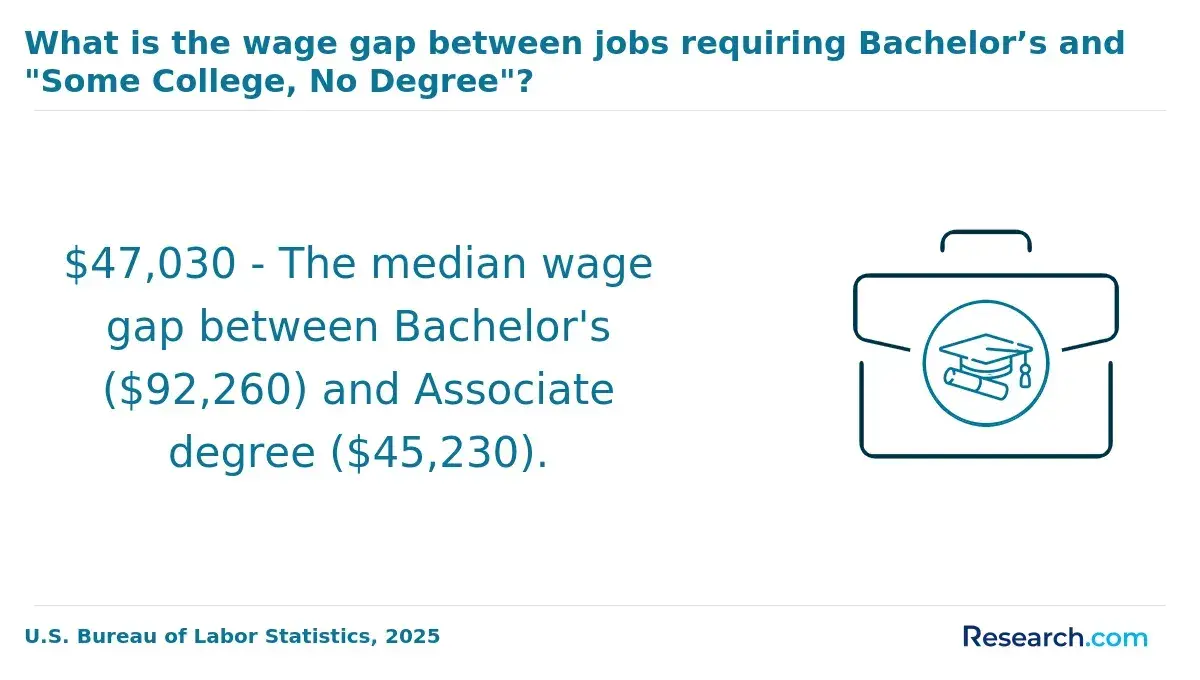
Cost of living can completely change the value of an environmental science salary. A $75,000 offer in a lower-cost Midwest or Southern metro may leave more disposable income than a higher offer in a coastal city where housing absorbs a larger share of pay.
The table below shows how to interpret salary value by region. It does not replace a city-level budget, but it gives a useful framework for comparing nominal pay with real purchasing power.
| Regional Pattern | Salary Signal | Cost-of-Living Effect | Decision Takeaway |
| High salary, high cost | Common in Pacific Coast, New England, and major Mid-Atlantic metros | Housing and transportation can reduce the real wage advantage | Worth considering if the role offers rapid advancement, specialized experience, relocation support, or strong benefits |
| Moderate salary, moderate cost | Common in Mountain West, Midwest, and growing Southern metros | Pay may stretch further, especially outside the largest cities | Often attractive for early-career graduates who want experience without extreme housing pressure |
| Industry premium in lower-cost area | Common near energy, manufacturing, logistics, agriculture, or water-infrastructure employers | Real income can be strong if local demand is steady | Best for graduates willing to work in compliance, remediation, field science, permitting, or environmental health |
| Low salary, limited advancement | Possible in small markets with few employers | Affordability may not offset weak career mobility | Riskier unless the role builds technical skills, offers tuition support, or leads to a stronger market later |
Before accepting an offer, estimate take-home value using rent, commuting costs, student loan payments, health insurance premiums, and expected raises. A common red flag is relocating for a higher headline salary without checking whether the employer is in a narrow specialty that could limit future job mobility.
Entry-level environmental science salaries vary more by role type than by degree title. A new graduate hired into a field technician role may start below the national occupational median, while a graduate with GIS, data analysis, permitting, laboratory, or compliance experience may enter a stronger salary track.
The table below compares regional career-stage patterns. It is designed to help readers judge whether a region is better for getting the first job, building specialized experience, or maximizing later-career pay.
| Region Type | Entry-Level Outlook | Experienced Professional Outlook | Best Strategy |
| Large coastal metro | Competitive, with more internships and consulting firms | High ceiling for specialists, project managers, and regulatory experts | Use internships, software skills, and networking to stand out early |
| Federal or policy hub | Strong for graduates with policy, compliance, or public-sector experience | Good long-term value for federal contractors, analysts, and program managers | Build writing, NEPA, environmental law, and data-reporting skills |
| Energy or industrial corridor | Good for graduates willing to work in compliance, fieldwork, and site monitoring | Strong for EHS managers, air specialists, and remediation leads | Add safety, hazardous materials, and regulatory reporting credentials |
| Lower-cost regional metro | Often easier to manage financially while gaining experience | Ceiling depends on employer diversity and promotion pathways | Choose roles that build transferable technical skills, not just routine sampling |
| Rural or public lands area | Good for field experience, seasonal roles, and natural resource work | May require relocation for higher salary growth | Use early experience to build a portfolio, then target agencies or consulting firms |
For new graduates, the smartest first job is usually the one that builds marketable evidence: technical reports, sampling plans, GIS maps, permitting experience, compliance documentation, or database work. For experienced professionals, the largest regional wage advantage often comes from managing projects, supervising teams, interpreting regulations, or owning client relationships.
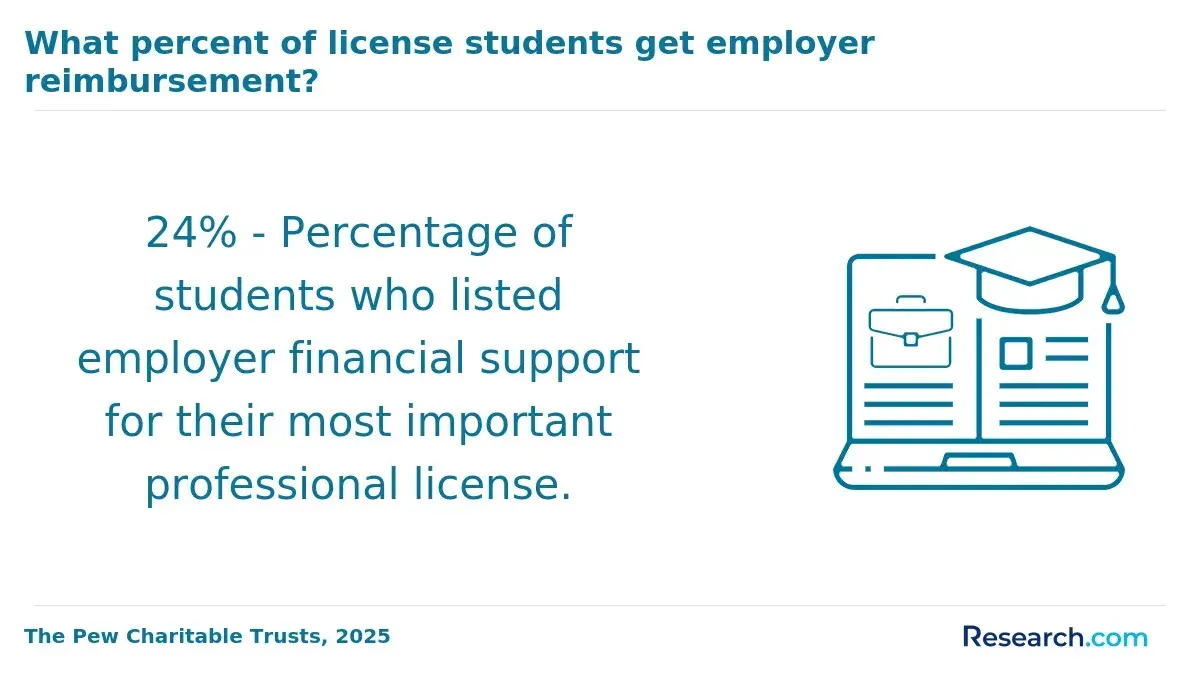
The best ROI region for an environmental science degree is not always the highest-paying region. ROI improves when salary, affordability, job density, advancement pathways, and education cost work together. This is especially important for students who borrow, attend graduate school, or move for internships.
Students comparing environmental science with other ROI-sensitive programs, such as an affordable online master's degree in communications, should use the same logic: the degree's value depends on employer demand, transferable skills, and how quickly income can offset education costs.
The table below ranks region types by practical ROI factors rather than by salary alone. It helps readers identify where the wage advantage is most likely to translate into real financial value.
| Region Type | ROI Strength | Why It Can Work | Main Risk |
| Moderate-cost metros with consulting, utilities, and government employers | Very strong | Balances job access, affordability, and transferable experience | Salary ceiling may be lower than in the most expensive coastal markets |
| High-cost coastal hubs with specialized employers | Strong for specialists | Offers high-paying roles in climate, water, sustainability, permitting, and consulting | Housing costs and competition can reduce early-career payoff |
| Energy, manufacturing, and infrastructure corridors | Strong for compliance-focused graduates | Regulatory and operational needs can create stable demand | Work may be less aligned with conservation-focused goals |
| Federal and state government centers | Moderate to strong | Provides stability, benefits, and policy experience | Hiring timelines can be slow, and pay bands may be less flexible |
| Small markets with few employers | Variable | Can be affordable and good for field experience | Limited advancement may require a future move |
To estimate your own ROI, compare total education cost, expected starting salary, required relocation costs, and the number of employers hiring for your target specialization. Avoid the common mistake of counting a high regional median as your likely starting salary if the local market mostly hires experienced candidates.
Relocating can be worthwhile when the new region offers more than a bigger paycheck. The move should improve at least one of these: specialized experience, career mobility, employer diversity, graduate-school access, or long-term advancement. If it only increases nominal salary while sharply raising rent, the wage advantage may disappear.
Relocation decisions in environmental science are different from highly licensure-structured fields such as SLP online programs, where clinical placement and state licensure pathways can strongly shape where graduates train and work. Environmental science has fewer universal licensing barriers, but employer requirements, certifications, and state regulations still vary.
Use the following steps before moving for a higher-paying environmental science role. They help separate a smart career investment from a costly move based on incomplete information.
- Compare the offer with local rent, commuting costs, taxes, insurance, and expected student loan payments.
- Check whether the region has multiple employers in your specialization, not just one attractive opening.
- Ask whether the job builds transferable skills such as GIS, permitting, environmental sampling, compliance reporting, NEPA documentation, or project management.
- Look at promotion pathways, tuition support, certification reimbursement, and whether the employer has senior environmental staff you can learn from.
- Calculate the break-even point for moving costs, including deposits, travel, licensing or certification fees, and unpaid transition time.
Staying local can make more sense if you already have a strong internship network, lower living costs, family support, or access to a role that builds technical experience. Relocation makes more sense when the new region offers a durable career platform, not just a short-term salary bump.
The skills that increase regional wage advantage are the ones employers can connect to compliance, risk reduction, data quality, project delivery, or revenue. Environmental science graduates with a broad degree and no technical evidence may face more competition, especially in popular coastal and policy markets.
Unlike a marriage and family therapist degree, where licensure requirements define much of the career pathway, environmental science rewards a more modular skill strategy. Students can raise their market value through targeted coursework, internships, certificates, field experience, and software proficiency.
The following skill groups are especially useful when comparing regions because they align with different local industry strengths.
- GIS and spatial analysis: valuable in public lands states, infrastructure planning, utilities, consulting, conservation, transportation, and climate-risk work.
- Environmental regulations and permitting: useful in the Mid-Atlantic, coastal states, energy regions, manufacturing hubs, and fast-growing metros with major development pressure.
- Water quality, hydrology, and stormwater management: strong in the West, Gulf Coast, Great Lakes, agricultural regions, and cities investing in infrastructure resilience.
- Data analysis and reporting: increasingly important for sustainability, ESG, emissions inventories, environmental monitoring, and corporate disclosure roles.
- Field sampling, safety, and hazardous materials knowledge: helpful for remediation, industrial compliance, consulting, and emergency response work.
- Technical writing and stakeholder communication: critical for reports, environmental impact documents, permit applications, client deliverables, and public-agency work.
A common mistake is collecting unrelated online certificates without a regional strategy. A better approach is to study job postings in your target region, identify repeated tools or regulations, and build proof through projects, internships, or work samples.
Regions expected to see faster salary growth for environmental science careers are likely to be those where regulation, climate risk, infrastructure spending, water stress, energy transition, and corporate reporting needs are expanding at the same time. Salary growth is usually strongest when employers compete for specialized talent rather than general applicants.
Some environmental science professionals also pursue management training, including options like the easiest online MBA programs, when they want to move from technical roles into sustainability leadership, operations, consulting management, or corporate strategy. That can be useful in regions where environmental work is tied to business risk and compliance budgets.
The table below highlights regional growth themes. Use it to think about where demand may deepen, not as a guaranteed salary forecast.
| Growth Theme | Regions Likely to Benefit | Why Salaries May Rise | Skills to Prioritize |
| Water scarcity and water infrastructure | Mountain West, Southwest, California, Texas, Great Plains cities | Population growth and drought risk increase demand for water planning and compliance | Hydrology, water quality, GIS, stormwater, data modeling |
| Coastal resilience and climate adaptation | Pacific Coast, Gulf Coast, Florida, Mid-Atlantic, New England | Flooding, sea-level risk, and infrastructure protection require technical planning | Climate risk, coastal permitting, environmental impact analysis, geospatial tools |
| Energy transition and industrial compliance | Texas, Louisiana, Pennsylvania, Colorado, Midwest manufacturing regions, California | Energy, emissions, remediation, and reporting needs create specialized roles | Air quality, EHS, hazardous materials, emissions reporting, project management |
| Federal funding and infrastructure projects | Mid-Atlantic, state capitals, major transportation corridors, urban growth markets | Public projects require environmental review, permitting, monitoring, and compliance | NEPA, permitting, technical writing, stakeholder communication |
| Corporate sustainability and ESG reporting | Large corporate metros, technology hubs, finance centers, major headquarters regions | Companies need credible environmental data and risk reporting | Data analytics, carbon accounting, reporting frameworks, communication |
Do not assume rapid growth automatically means easy hiring. Growing regions can also attract more applicants. The best protection is to pair environmental science knowledge with a clear specialization employers are already budgeting for.
Students should choose a region by matching career goal, specialization, affordability, and employer concentration. Environmental science is broad, so the "best" region for a conservation field biologist may be different from the best region for a sustainability analyst, air quality specialist, water resources consultant, or environmental compliance manager.
Use this decision framework before choosing a school, internship location, first job, or relocation target. It keeps the focus on practical outcomes instead of prestige, weather, or salary headlines alone.
- Define your target role first, such as environmental consultant, GIS analyst, sustainability analyst, EHS specialist, water resources specialist, or environmental policy analyst.
- Identify the industries that hire that role in each region, including consulting firms, agencies, utilities, manufacturers, energy employers, nonprofits, and corporate sustainability teams.
- Compare salary with cost of living using local rent, transportation, insurance, taxes, and student loan obligations.
- Review job postings for repeated skills, software, certifications, regulations, and experience levels.
- Check whether the region offers internships, graduate assistantships, field sites, research centers, or professional associations that can help you enter the market.
- Choose the region that gives you the best mix of affordability, skill growth, employer options, and long-term mobility.
Who should prioritize high-salary regions? Students with strong technical skills, internship experience, and a willingness to compete in expensive markets. Who should prioritize affordable regions? Students who need to minimize debt pressure, build experience, or enter the field through public agencies, utilities, or regional consulting firms. Who should be cautious? Students choosing a region only because it sounds environmentally active without checking job postings, cost of living, or advancement pathways.
Industry often explains regional salary differences better than geography alone. Environmental science graduates working in technical consulting, energy, utilities, infrastructure, manufacturing, and federal contracting often see stronger pay potential than those in lower-funded nonprofit or seasonal field roles.
The table below connects regions with the industries most likely to create wage premiums. This helps students choose electives, internships, and certifications that match the market they want to enter.
| Industry Driver | Regions Where It Often Matters | Why It Can Pay More | Relevant Roles |
| Environmental consulting and engineering services | Pacific Coast, Mid-Atlantic, New England, Mountain West, major Southern metros | Clients pay for technical expertise, permitting, compliance, remediation, and project delivery | Environmental consultant, permitting specialist, field scientist, remediation analyst |
| Federal, state, and local government | Mid-Atlantic, Western public lands states, coastal states, state capitals | Stable demand comes from regulation, public health, land management, and infrastructure oversight | Environmental protection specialist, environmental health specialist, natural resource analyst |
| Energy and utilities | Texas, Louisiana, Pennsylvania, Colorado, New Mexico, California, Pacific Northwest | Compliance, emissions, water use, and site management require specialized environmental staff | Environmental compliance analyst, air quality specialist, water resources specialist |
| Manufacturing, logistics, and ports | Midwest, Gulf Coast, Southeast, West Coast ports, Great Lakes | Facilities need environmental monitoring, waste management, and regulatory reporting | EHS specialist, compliance coordinator, stormwater specialist |
| Climate, sustainability, and ESG functions | Large corporate metros, technology hubs, finance centers, coastal cities | Employers value data reporting, emissions tracking, climate risk analysis, and stakeholder communication | Sustainability analyst, ESG data analyst, climate risk associate |
Graduates should not assume that passion-focused environmental work and high pay are always aligned. Conservation, education, and nonprofit roles can be mission-rich, but the largest wage premiums often come from solving regulated, technical, or financially consequential environmental problems.
Other Things You Should Know About Environmental Science
It can be, especially when paired with technical skills, internships, and a region with strong demand. BLS May 2024 data shows environmental scientists and specialists had a $80,060 median wage, but outcomes vary by role, employer, location, and experience.
Moderate-cost metros with consulting firms, utilities, state agencies, infrastructure projects, and manufacturing employers are often practical for entry-level graduates. They may offer a better balance of job access and affordability than the most expensive coastal cities.
Only if the job improves your long-term career path. Compare rent, commuting, benefits, advancement, relocation costs, and employer diversity before moving. A higher salary does not always mean higher real income.
GIS, environmental permitting, data analysis, water quality, EHS, hazardous materials, technical writing, and project management can raise earning potential. The best skills depend on the region and industry you want to enter.
- Agriculture and Environmental Science Degree Careers and Salary in Europe - StudyinEurope.eu https://www.studyineurope.eu/agriculture-environment/agriculture-environment-degree-careers-salary-europe/
- A Degree in Earth and Climate Sciences: Jobs, Salaries and Projected Job Growth https://www.bates.edu/earth-climate-sciences/about/eacs-jobs/
- How does earnings advantage from tertiary education vary ... https://www.gipuzkoa.eus/documents/7861841/8950784/OCDE_education_indicators/30fc1c1b-c74f-d53d-7296-0dd4012c052c
- Data show today's environmental science grads have more diverse job prospects https://www.onlineu.com/magazine/environmental-science-majors-career-outcomes
- Environmental Job Market Trends | ECO Canada https://eco.ca/research-and-resources/environmental-job-market-trends/