2027 Easiest Online Master's in Environmental Science Degree Programs Ranking in the Midwest

Co-Founder and Chief Data Scientist
Are you considering advancing your career with a master's degree in environmental science while staying in the Midwest? This article introduces the 2027 Easiest Online Master's in Environmental Science Degree Programs Ranking in the Midwest, carefully developed by the Research.com team of data scientists. Our goal is to help you make an informed choice about which programs fit your needs and aspirations.
By exploring this ranking, you'll uncover accessible online options that balance quality and flexibility. Earning this degree opens doors to meaningful work in protecting the environment and shaping a sustainable future.
Key benefits of getting online environmental science degree in the Midwest
- Environmental science graduates in the Midwest typically find rewarding careers with average US salaries around $70,000 annually, reflecting strong demand for environmental specialists and conservation scientists.
- Graduates from Midwest universities like the University of Michigan enter diverse fields such as environmental consulting, natural resource management, and sustainability, offering exciting and impactful career opportunities.
- Online environmental science degrees from schools like Michigan State University provide flexibility for working students, enabling them to balance life while gaining skills just as respected as traditional degrees.
- 2027 Easiest Online Master's in Environmental Science Degree Programs Ranking in the Midwest
- What can I expect from online environmental science degree in the Midwest?
- Where can I work with online environmental science degree in the Midwest?
What can I expect from online environmental science degree in the Midwest?
For many students pursuing an online environmental science degree in the Midwest, the average cost ranges from around $15,000 to $30,000 for a full bachelor's program, varying by institution and residency status. Graduates from well-known universities like those in Illinois or Ohio often reflect on the value of this investment, balancing affordability with rich academic content tailored to regional issues such as Great Lakes water quality or agricultural sustainability.
The cost can feel manageable when you consider the practical skills gained-GIS expertise, data analysis, and environmental policy knowledge-preparing graduates for a competitive job market. Many find that the price is justified by dedicated faculty and real-world projects connected to local environmental organizations, deepening their connection to the Midwest's unique ecosystems. This blend of affordability and applicability fosters a positive learning experience that many alumni describe as both empowering and highly relevant.
Where can I work with online environmental science degree in the Midwest?
Graduates with an online environmental science degree in the Midwest often find rewarding careers across various sectors, reflecting the region's rich natural resources and industrial landscape. Many turn to state and local government roles, where they contribute to vital projects like pollution control and habitat restoration. For example, graduates from universities such as the University of Illinois or Michigan State University share how their work managing clean water initiatives and enforcing environmental regulations has brought a deep sense of purpose and community impact.
Others thrive in private companies ranging from agriculture to renewable energy, especially in wind power hubs like Iowa and Wisconsin. These graduates appreciate the opportunity to directly influence sustainable development, balancing economic growth with environmental stewardship.
Research positions at Midwest institutions provide a fulfilling path for those passionate about tackling challenges like soil health and climate change - experiences commonly reported by alumni of schools like the University of Minnesota. Non-profit environmental organizations also offer meaningful roles, enabling graduates to engage in advocacy and conservation efforts that protect regional treasures such as the Great Lakes.
Graduates with an online environmental science degree in the Midwest often find starting salaries in the range of $45,000 to $55,000 annually, reflecting regional job market dynamics. For many, landing roles in cities like Chicago or Minneapolis means access to both governmental and private sector positions, where salaries can elevate to between $65,000 and $85,000 with experience. Those who graduated from respected Midwest institutions often share how the balance between rigorous coursework and hands-on regional projects prepared them for these opportunities.
For example, graduates from well-known programs frequently secure jobs in environmental consulting or state environmental agencies. These roles benefit from familiarity with local ecosystems and policies, directly influencing earning potential. Mid-career professionals, especially those with certifications such as the Certified Environmental Professional, report salaries climbing into the $70,000 to $80,000 range, a testament to the value of continuous learning.
Online degrees offer the flexibility to build expertise while managing life's other demands, positioning graduates competitively within the Midwest's steadily growing environmental sector.
- Online environmental science degrees in the Midwest are available from bachelor's to master's levels with online and hybrid formats.
- Tuition costs generally range from $12,000 to $25,000 per year for in-state students, with some variation for out-of-state learners.
- Entry-level salaries for graduates in the Midwest typically range from $45,000 to $55,000 annually, with mid-career professionals earning $70,000 to $85,000.
- The job market is growing in areas like renewable energy, agriculture, and environmental consulting due to increasing regulations and green technology adoption.
- Programs often focus on practical skills such as GIS, environmental policy, and data analysis, and may offer internships for hands-on experience.
Completing an online environmental science degree in the Midwest typically takes about four years for full-time bachelor's students, aligning with experiences shared by graduates from well-regarded institutions such as those in Ohio and Michigan. Many found the flexibility of online programs invaluable, allowing them to balance family and work commitments while steadily advancing toward their degrees.
Part-time enrollment is a common choice among professionals aiming to continue working, which often extends the duration to five or six years. Alumni from Midwest colleges often appreciate this route, highlighting how it eased financial pressures and enabled them to apply real-world experiences directly to their coursework, making their studies feel relevant and engaging.
At the master's level, students frequently complete their programs within two years when studying full-time, though part-time learners typically take longer. The ability to transfer previous credits and choose accelerated or self-paced courses has proven a significant advantage for many Midwest students, effectively tailoring the degree timeline to individual life circumstances.
Online environmental science degrees in the Midwest, such as those offered by Michigan State University or the University of Illinois at Urbana-Champaign, provide a flexible learning environment ideal for students balancing work or family. Graduates often recall appreciating the ability to study asynchronously, fitting coursework around busy schedules without the stress of commuting. This format demands strong self-discipline but offers a sense of empowerment through independence.
On the other hand, graduates from on-campus programs frequently highlight the value of direct interaction with faculty and peers, especially in hands-on labs and fieldwork. These real-world experiences, common at Midwestern universities, foster camaraderie and immediate feedback that many find deeply motivating and essential to grasping complex environmental science concepts.
Cost considerations also play a role; while tuition averages from $10,000 to $25,000 yearly across the region, on-campus students often face extra expenses like housing and commuting. Alumni emphasize that choosing between formats depends on personal circumstances, learning style, and long-term career goals in the evolving environmental sector.
The average cost of an online environmental science degree in the Midwest typically centers around $25,160 for the entire program. Graduates from popular universities such as the University of Illinois Springfield and Ohio University often reflect on how this investment, while significant, opens doors to meaningful careers in sustainability and conservation. Many students appreciate that the pricing aligns with program quality, especially when courses are tailored to address the agricultural and industrial realities of the region.
When considering the total expenses for an online environmental science degree Midwest residents should also factor in fees beyond tuition, such as materials or technology costs. However, several programs offer in-state tuition rates to online learners regardless of their actual location, making education more accessible. One commonly discussed advantage is the flexibility in tuition per credit hour, often ranging between $500 and $700, allowing students to pace their studies without overwhelming financial pressure.
Graduates frequently note the encouragement they received through federal financial aid, scholarships, or even employer tuition reimbursement, which soften the financial strain. Understanding these opportunities can make the investment feel less daunting. For those weighing options across STEM fields, the relatively moderate cost of environmental science degrees in the Midwest offers a balance between affordability and professional value.
Students pursuing this path often explore related programs, sometimes considering a sustainability bachelor degree to strengthen their expertise, finding that such cross-disciplinary knowledge enhances career prospects in an evolving job market.
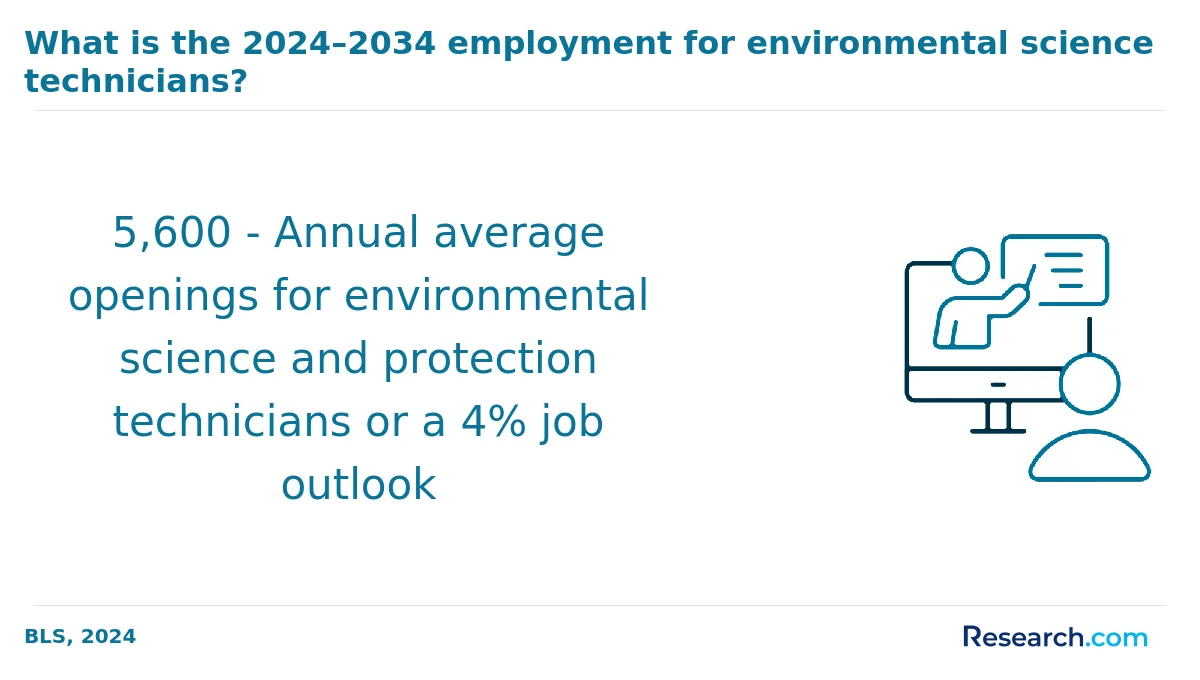
Students pursuing online environmental science degrees in the Midwest often find that financial aid can make a tangible difference in their journey. Graduates from universities like the University of Illinois and Michigan State share how completing the FAFSA opened doors to federal loans, such as Direct Unsubsidized Loans and Grad PLUS Loans, easing tuition concerns. Though Pell Grants are rare for graduate students, many Midwestern states step in with robust programs-Illinois's Monetary Award Program (MAP), for instance, has proven crucial for in-state residents attending online courses.
Institutional scholarships also shine as beacons of hope. Many environmental science students recount receiving merit-based awards tied to their research interests or professional background, offered directly by their schools' financial aid offices. Working professionals especially appreciate employer tuition assistance that aligns with their career growth, helping them balance work and study smoothly.
Professional organizations further enrich the financial landscape-grants from groups like the National Association of Environmental Management can supplement other aid, reinforcing a student's commitment to sustainability fields in the heart of the Midwest.
To enroll in an online environmental science degree in the Midwest, students must generally hold a bachelor's degree from an accredited institution. Many programs at well-regarded Midwestern universities, such as those known for their environmental focus, emphasize a background in related fields like biology or chemistry, though master's level programs often welcome diverse academic histories. Graduates recall that submitting official transcripts showing a solid academic record, usually with a GPA between 2.5 and 3.0, was critical for admission.
Foundational courses are key prerequisites. Alumni have pointed out that courses like general biology with lab, chemistry (including organic or environmental), calculus or statistics, and ecology or earth sciences formed the necessary base they needed. When missing any of these, some students appreciated conditional admission offers that allowed them to complete these prerequisites online before fully enrolling.
While GRE requirements have eased recently, some competitive programs in the Midwest still request them, though applicants with strong professional environmental experience might gain exemptions. Letters of recommendation and a thoughtful statement of purpose are essential for showing motivation and genuine interest in the field. These requirements, familiar to graduates, create a supportive structure that encourages success in this multidisciplinary discipline.
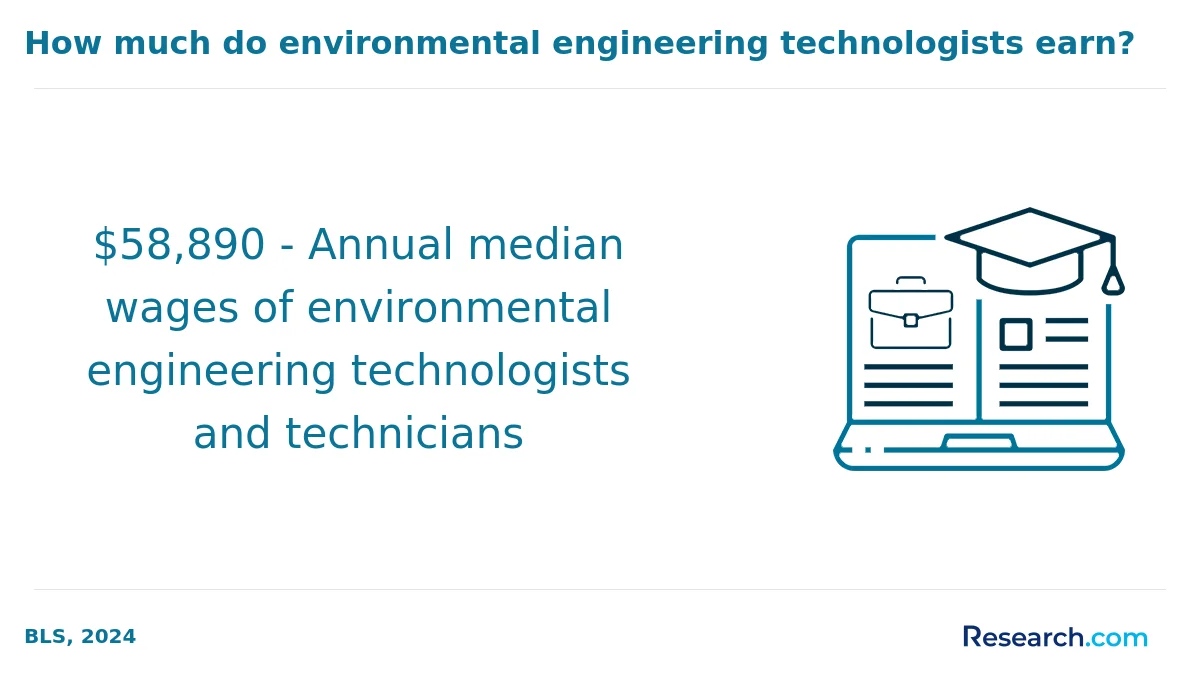
Online environmental science degree programs in the Midwest commonly feature courses that ground students in both the scientific and practical aspects of regional environmental issues. Graduates from popular Midwestern universities often speak warmly of foundational classes like Environmental Chemistry and Biology, which deepen understanding of ecosystem processes through engaging virtual labs and real-world case studies.
Courses such as Ecology and Environmental Systems help students connect with the intricate relationships between organisms and their habitats, often using examples from local ecosystems like the Great Lakes or prairie lands. Many find Environmental Policy and Regulation particularly enlightening, as it covers the nuances of both federal and state laws affecting agriculture and urban development in the Midwest.
Mapping skills gained in Geographic Information Systems (GIS) classes frequently become a favorite among students, enabling them to visually analyze land use or water resources critical to the region's environmental planning. Natural Resource Management courses complement this by focusing on sustainable stewardship of soil, forests, and water-issues very present in Midwestern communities.
This well-rounded curriculum consistently excites students by blending theory with hands-on techniques, preparing them thoughtfully to address the unique environmental challenges of the Midwest.
Online environmental science specializations Midwest programs typically offer a diverse array of focused tracks that reflect the region's unique ecological and industrial landscape. Graduates from well-known Midwest colleges often speak highly of specializations like Environmental Policy and Management, where they learn to navigate local and state regulations impacting the Great Lakes and agricultural areas. Others are drawn to Ecology and Conservation Biology, immersing themselves in the study of native ecosystems and wildlife preservation efforts important to Midwestern habitats.
Those passionate about innovation frequently choose Sustainable Energy and Technology, capitalizing on the region's wind and solar energy growth, a trend evident at leading universities. Additionally, Environmental Science and Health draws students interested in connecting environmental risks to public health challenges faced by many urban centers. GIS and Environmental Data Analysis specialization equips many with essential skills in spatial data critical for regional environmental monitoring.
Reflecting on the experiences of fellow students, the ability to align specialization with Midwestern workforce demands makes these programs rewarding. For cost-conscious learners, exploring the cheapest online environmental science options enhances access without sacrificing quality.
Choosing the best online environmental science degree in the Midwest means prioritizing programs that fit your personal and career goals while offering real value. Graduates from popular institutions in Illinois and Michigan often highlight the importance of regional accreditation, like from the Higher Learning Commission, which ensures quality education recognized by employers. Reflecting on their experiences, many emphasize specialized tracks-such as sustainable agriculture or water resource management-offered by Midwest schools that helped sharpen their expertise.
For those seeking affordable online environmental science programs Midwest options provide a balance, especially where in-state tuition benefits reduce financial strain. Flexibility also plays a key role; asynchronous courses allow working students to engage fully without sacrificing commitments. Graduates recall how programs with strong environmental research faculty brought classroom lessons to life through practical projects and connections with local organizations.
If you want to explore more possibilities and compare offerings closely, consider visiting online environmental science degree programs for detailed insights tailored to Midwest students.
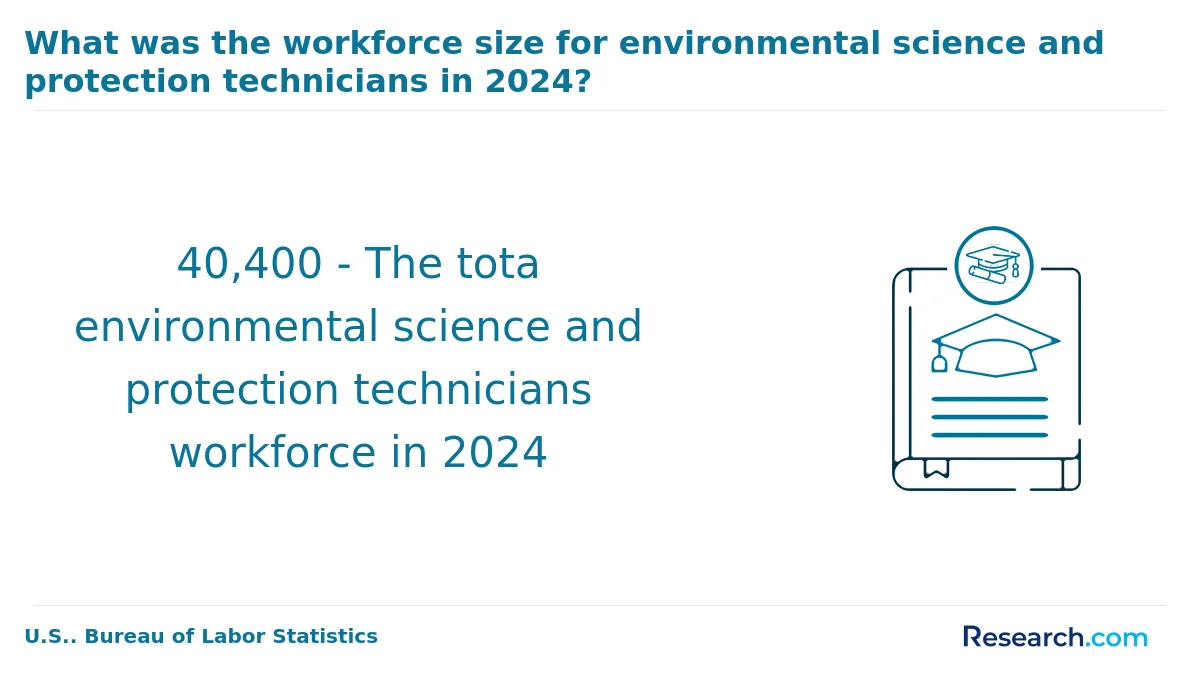
Graduates with an online environmental science degree in the Midwest discover a variety of rewarding career paths rooted in the unique challenges and opportunities of the region. Roles in government agencies, such as state departments of natural resources or the EPA, allow graduates to apply their skills in environmental analysis and compliance, making a tangible impact on public health and natural resource preservation. Many successful graduates from schools like the University of Illinois find personal satisfaction working as environmental planners or specialists, where they balance regulatory demands with sustainable development goals.
Midwest environmental science job opportunities also extend into consulting, where professionals assist industries with environmental assessments, air and water quality testing, and sustainability initiatives. Alumni of Ohio State University often praise the practical experience gained through these roles, which connect classroom learning to real-world environmental challenges in agriculture and manufacturing sectors.
Other fulfilling paths include natural resource management and environmental education, where graduates cultivate community awareness and stewardship. Those seeking to expand their influence sometimes explore leadership roles, learning how to become chief sustainability officer, a career track increasingly vital in the Midwest's evolving energy and industrial landscapes.
The job outlook for online environmental science degree Midwest graduates reflects a growing and dynamic market shaped by regional needs and national trends. Graduates from universities like the University of Illinois Urbana-Champaign and Michigan State University often share how their programs blend rigorous online coursework with practical, locally relevant case studies that prepare them for roles in government agencies and environmental consulting firms. They frequently find rewarding positions working on sustainable agriculture initiatives or pollution control projects, underscoring the diverse career opportunities environmental science degree Midwest holders can access.
Many graduates note that balancing full-time work with online studies allowed them to deepen their expertise while gaining real-world experience in states like Ohio or Illinois. This approach improves their market readiness, especially in fields such as water resources management and renewable energy. Median salaries ranging from $55,000 to $72,000 support a comfortable living, making the investment worthwhile.
For students concerned about affordability, Midwestern institutions often offer competitive tuition rates compared to coastal alternatives, which enhances the value of their degree. Those interested in combining sustainability knowledge with career growth may find the sustainability mba salary data encouraging as they evaluate their options.
2027 Easiest Online Master's in Environmental Science Degree Programs Ranking in the Midwest
Investing in your education is a significant decision that can shape your future, and the Research.com team understands the importance of making informed choices. To assist prospective students, we have meticulously crafted the "2027 Easiest Online Master's in Environmental Science Degree Programs Ranking in the Midwest." Our commitment to quality, credibility, and accuracy is reflected in the extensive research and analysis conducted to compile this ranking.
We utilized the following reputable data sources to ensure a comprehensive evaluation of environmental science programs:
By exploring this ranking, readers will gain valuable insights into the most accessible and well-designed online environmental science master's programs in the Midwest, empowering them to make informed decisions about their educational paths. For more details on our methodology, please visit our Research.com methodology page.



# 4 position
University of Illinois at Urbana-Champaign
Master of Natural Resources and Environmental Sciences

Frequently Asked Questions About environmental science
Online environmental science degree students in the Midwest can maximize their learning experience by actively engaging with regional ecological issues. The Midwest hosts diverse ecosystems, such as the Great Lakes and expansive prairies, offering unique case studies relevant to coursework. Students should leverage local research centers and virtual labs to gain practical knowledge. According to the U.S. Environmental Protection Agency, the Great Lakes region faces critical challenges like water quality and invasive species, providing real-world contexts for study.
Networking with Midwest professionals through online forums and local environmental organizations can enhance understanding and career opportunities. Additionally, choosing programs accredited by recognized bodies ensures a high-quality education aligned with industry standards.
Emerging niches within environmental science reflect growing regional and global challenges. In the Midwest, one key area is sustainable agriculture technology, vital due to the region's extensive farming operations. Innovations focus on reducing chemical runoff and improving soil health. Another rising niche is water resource management, especially given the Great Lakes' importance and increasing risks from pollution and climate change.
Environmental data analytics is also expanding, combining geography and big data to support decision-making. Renewable energy development, particularly bioenergy from Midwest crops, offers new study and career opportunities. According to the U.S. Bureau of Labor Statistics, these specialties show faster growth compared to traditional environmental roles, highlighting demand for skilled professionals.
After earning an online environmental science degree in the Midwest, building a strong professional network is essential. Joining local organizations, such as state chapters of the Environmental Federation of Midwest States, connects graduates with potential employers and industry leaders. Gaining relevant experience through internships or volunteer work at agencies like the Illinois Environmental Protection Agency enhances practical skills and resumes. According to the U.S. Bureau of Labor Statistics, environmental science jobs in the Midwest are projected to grow 8% by 2030, driven by regional demand for conservation and pollution control. Tailoring resumes to highlight technical skills and Midwest-specific environmental issues improves job prospects.
Employers in the Midwest highly value environmental science graduates who demonstrate strong analytical and problem-solving skills. Graduates must be proficient in data collection and statistical analysis, as these abilities help address regional challenges like water quality and agricultural sustainability. According to the U.S. Bureau of Labor Statistics, environmental scientists in the Midwest often engage in fieldwork and lab research, so practical skills and technical knowledge in geographic information systems (GIS) and environmental sampling are essential.
Communication skills are also critical, as professionals need to effectively convey findings to policymakers, clients, and the public. Additionally, familiarity with local environmental regulations and conservation practices specific to Midwestern ecosystems increases a candidate's employability.
Finding internships in the Midwest relevant to an environmental science degree starts with exploring local and regional organizations focused on conservation, natural resources, and environmental policy. Many state departments, such as the Illinois Environmental Protection Agency or the Michigan Department of Environment, Great Lakes, and Energy, offer internship programs for students.
Universities in the Midwest often maintain partnerships with environmental nonprofits and government agencies, providing online students with valuable connections. Websites like USAJOBS and the Environmental Protection Agency's internship listings feature opportunities nationwide, including strong Midwest representation.
Networking through professional groups like the Midwest Environmental Education Society can also lead to internship offers. According to the National Association of Colleges and Employers, 60% of successful internship placements come from networking.
Targeting internships within industries prevalent in the Midwest, such as agriculture, water management, and renewable energy, improves chances of securing a position that aligns with environmental science studies.
Online environmental science degrees offer significant career mobility and advancement opportunities in the Midwest. Many employers in states like Illinois, Michigan, and Ohio value these degrees for their flexibility and curriculum aligned with regional environmental challenges. According to the U.S. Bureau of Labor Statistics, employment of environmental scientists and specialists is projected to grow 8% from 2022 to 2032, with the Midwest showing steady demand driven by industries such as agriculture and manufacturing.
Graduates with online degrees often access roles in government agencies, consulting firms, and non-profits focused on conservation and sustainability. The ability to study while working enables professionals to upskill without interrupting their career trajectory. Additionally, online programs accredited by regional bodies like the Higher Learning Commission ensure recognition across employers in the area.
Studying for an environmental science degree in the Midwest equips students for interdisciplinary roles by integrating knowledge across biology, chemistry, geology, and policy. Online programs often emphasize partnerships with regional agencies, offering practical insights into issues like agricultural impact and Great Lakes conservation. According to the U.S. Bureau of Labor Statistics, environmental scientists in the Midwest work closely with urban planners and engineers to address regional challenges such as water quality and industrial pollution.
Midwestern universities also focus on applied research, preparing students to collaborate with professionals from various fields. This approach reflects the growing demand for specialists who understand both science and regulatory frameworks.
When choosing between a thesis and a non-thesis environmental science degree in the Midwest, consider your career goals. Thesis programs focus on research, requiring original study and a written dissertation, which is ideal for students interested in pursuing a PhD or research-based roles. Non-thesis programs emphasize coursework and practical skills, often including a capstone project, and suit those aiming for industry jobs or policy positions.
Midwestern schools like the University of Illinois and Michigan State offer both options online. According to the Bureau of Labor Statistics, environmental scientist jobs in the Midwest are expected to grow by 8% through 2032, favoring practical expertise.
Funding and time commitment also differ: thesis tracks may take longer and require faculty supervision, whereas non-thesis tracks often finish faster and focus on applied learning.
Students in the Midwest seeking to study environmental science abroad through online programs have flexible options primarily via partnerships between US universities and foreign institutions. Many Midwest schools, such as the University of Illinois and Michigan State University, offer study-abroad or exchange components integrated into their online environmental science degrees, facilitating global exposure without relocating.
Data from the Institute of International Education (IIE) shows that about 12% of US environmental science students participate in study-abroad programs, often spending a semester at partner universities in Europe, Canada, or Australia. These arrangements allow students to gain international perspectives on environmental issues while completing their degree from their home institution.
Additionally, numerous accredited online programs enable students to access global environmental research and case studies, broadening their understanding of worldwide ecological challenges relevant to Midwestern agricultural and industrial contexts.
Students pursuing online environmental science degrees in the Midwest can benefit from part-time jobs that offer relevant experience alongside their studies. Common positions include roles as environmental technicians, wildlife assistants, or conservation aides. According to the U.S. Bureau of Labor Statistics, the Midwest region supports a growing environmental sector with numerous public and private organizations focused on natural resource management.
Many state agencies and non-profits in states like Illinois, Michigan, and Wisconsin hire part-time workers for field data collection and environmental monitoring. These jobs help students develop skills in GIS mapping, water quality testing, and species identification, complementing their academic knowledge.
Internships and assistant roles with local environmental research centers or universities also provide valuable hands-on experience. This practical work often leads to networks essential for future career advancement in environmental science fields across the Midwest.
Online environmental science students in the Midwest have diverse networking opportunities despite the virtual format. Many Midwestern universities offer virtual career fairs and alumni networking events, connecting students with local employers and professionals in fields like conservation and sustainable agriculture.
Professional organizations such as the Midwest Environmental Education Association (MEEA) and the Environmental Law and Policy Center provide regional conferences, workshops, and online forums. These platforms help students build connections with industry experts and peers.
Additionally, internship placements through university partnerships with local agencies, including state departments of natural resources, enhance practical networking opportunities.
According to the National Society of Environmental Professionals, nearly 60% of Midwestern environmental science graduates find jobs through networking within their first year.
Alumni networks play a crucial role in supporting online environmental science degree students in the Midwest. These networks connect current students with graduates who have established careers in environmental fields across states like Illinois, Ohio, and Michigan. According to the Midwest Environmental Education Association, strong alumni ties can lead to internships, job referrals, and mentorship opportunities.
Such networks often host virtual events and webinars, allowing students to learn about regional environmental issues and industry trends. This engagement helps students build professional connections despite studying remotely.
Data from the National Science Foundation shows that environmental science graduates in the Midwest have about a 12% higher employment rate when they actively participate in alumni activities. This advantage is significant in competitive job markets like Chicago and Minneapolis.
Ultimately, alumni networks provide online learners with access to expertise and resources necessary for career advancement in the regional environmental sector.
Customizing an online environmental science degree in the Midwest allows students to align their education with specific career goals. Many regional universities offer specializations such as conservation biology, environmental policy, or sustainable resource management. Choosing electives relevant to your career can enhance your skills in areas like GIS mapping or environmental impact assessment.
Internship and research opportunities, often available virtually or locally, help build practical experience. According to the Environmental Protection Agency (EPA), Midwest states invest significantly in environmental innovation, offering job growth in sustainability fields. Selecting a program accredited and recognized in this region can improve employment prospects in industries like agriculture, energy, or urban planning.
Online environmental science students in the Midwest often encounter several challenges unique to their region and field. Limited local access to specialized laboratory facilities and fieldwork opportunities can hinder hands-on learning, which is essential in environmental science education. According to the Environmental Education Association of Illinois, nearly 35% of students express concerns about obtaining practical experience remotely.
Another common issue is balancing coursework with work or family commitments, a challenge exacerbated by the program's demanding scientific curriculum. Additionally, inconsistent internet connectivity in rural Midwestern areas can disrupt access to lectures and essential resources.
Finally, students sometimes face difficulty connecting with local professional networks for internships or job placements, crucial for career advancement in this field.
With an online environmental science degree, professionals in the Midwest can pursue several key certifications that enhance career opportunities. One common credential is the Certified Environmental Scientist (CES), which validates expertise in environmental regulations and sustainable practices. Another widely recognized certification is the Certified Hazardous Materials Manager (CHMM), useful for roles involving waste management and environmental safety compliance.
Additionally, the Leadership in Energy and Environmental Design (LEED) Accredited Professional certification helps graduates specialize in green building and sustainable design. According to the National Environmental Health Association, these certifications can increase job prospects in sectors like consulting, government, and manufacturing across Midwestern states such as Illinois and Ohio.
To write a winning application for an online environmental science program in the Midwest, start by emphasizing your academic background and relevant experience in environmental studies or related fields. Highlight any work or volunteer roles involving local Midwest ecosystems, conservation projects, or sustainability initiatives. Admissions committees value practical knowledge alongside strong GPA, typically above 3.0, which is common for competitive programs.
Customized personal statements are crucial; clearly explain your career goals and how the program aligns with addressing regional environmental challenges, such as Great Lakes water quality or Midwest agricultural impacts. Including references from professors or professionals familiar with your environmental work strengthens your case.
Additionally, showcase any technical skills relevant to environmental science, like GIS mapping or statistical analysis, widely used in Midwest research. According to the U.S. Bureau of Labor Statistics, environmental science jobs in the Midwest are projected to grow by 5% through 2030, underscoring the field's importance.
Environmental science careers are increasingly valued worldwide as global challenges like climate change and resource management demand skilled professionals. In the Midwest, online environmental science degrees prepare students to contribute to solutions with a local and global impact. According to the U.S. Bureau of Labor Statistics, environmental scientists saw a growth rate of 8% from 2020 to 2030, which is faster than the average for all occupations.
The global perspective emphasizes interdisciplinary knowledge, combining biology, chemistry, and policy to address environmental issues. Midwest graduates often work on regional concerns such as water quality in the Great Lakes or sustainable agriculture, which are topics of international interest.
Collaboration with international agencies and adherence to global environmental standards are common in careers stemming from these degrees. This makes online environmental science programs in the Midwest well-suited for students aiming for worldwide relevance and impact in their professional life.
Gaining practical experience while pursuing an online environmental science degree in the Midwest is essential for career readiness. Many universities incorporate virtual labs and simulation software to replicate fieldwork challenges. Students can also seek internships with regional organizations, such as the Environmental Protection Agency's Midwest Regional Office or local conservation groups, which often offer remote or hybrid positions.
Additionally, volunteering for community-based environmental projects, like watershed restoration or urban green initiatives, provides hands-on opportunities. According to the U.S. Bureau of Labor Statistics, about 20% of environmental scientists in the Midwest engage in internships before employment, highlighting its importance. Networking through professional groups like the Midwest Environmental Education Association can further increase practical exposure.
Choosing the right concentration within an online environmental science degree in the Midwest depends on your career goals and regional environmental challenges. The Midwest faces unique issues such as agricultural runoff, Great Lakes preservation, and renewable energy development. Concentrations in water resources, sustainable agriculture, or environmental policy are especially relevant here.
Consider programs that offer courses aligned with these topics. The U.S. Bureau of Labor Statistics highlights growth in environmental scientists focused on water quality and resource management, vital areas in the Midwest. Reviewing each school's faculty expertise and local partnerships can also guide your choice.
- What Can You Do With an Environmental Science Degree? https://willamette.edu/academics/college/environmental-science/career-options
- Networking Strategies for Environmental Professionals https://www.nrep.org/blog/environmental-professional-networking-strategies
- NSEE Master's in Natural Science and Environmental Education https://www.hamline.edu/academics/graduate/environmental-education-ma
- Guide to Environmental Internships | Higherin https://higherin.com/career-guides/science-research/environmental-internships
- The Biggest Environmental Problems Of 2021 https://earth.org/the-biggest-environmental-problems-of-our-lifetime/
- Alumni Put Environmental Science Degrees to Work at Chesapeake Watershed Initiative https://www.fandm.edu/stories/alumni-put-environmental-science-degrees-to-work.html
- Application Letter to Master's Program in Environmental Science in Germany https://essayforum.com/letters/application-master-program-environmental-86188/
- Environmental Education Programs in Higher Education | eePRO https://eepro.naaee.org/learning/higher-education-database
- MESPOM Alumni Association https://mespom.eu/mespom-alumni-association
- How To Get Environmental Science Work Experience https://www.savemyexams.com/learning-hub/careers/environmental-science-work-experience/