2027 Best Online Master's in Environmental Science Degree Programs Ranking in the USA

Co-Founder and Chief Data Scientist
Choosing the right online master's program in environmental science can shape your future and impact the planet. This article presents the 2027 Best Online Master's in Environmental Science Degree Programs Ranking in the USA, crafted by the Research.com team of data scientists.
Our goal is to help you make an informed decision by exploring quality programs worth considering. Earning this degree opens doors to meaningful careers in sustainability, conservation, and policy.
Discover options that align with your goals and take confident steps toward a rewarding path in environmental science.
Key benefits of getting online environmental science degree in America
- The average salary for environmental science graduates in the US varies, with many roles offering competitive pay around $50,000 to $70,000 annually depending on specialization and experience.
- Graduates often pursue diverse careers such as environmental consulting, conservation, and policy analysis, reflecting the broad opportunities available and the ability to make a real impact on sustainability.
- Completing an environmental science degree online from a respected university offers flexibility and convenience, allowing students to balance work and study while gaining skills that employers value just as highly as traditional degrees.
- 2027 Best Online Master's in Environmental Science Degree Programs Ranking in the USA
- What can I expect from online environmental science degree in America?
- Where can I work with online environmental science degree in America?
What can I expect from online environmental science degree in America?
The average cost for an online environmental science degree in America typically dances between $20,000 and $40,000 for a full master's program-an investment echoed by many graduates from popular institutions like Oregon State University or the University of Florida. These students often describe a mix of excitement and relief as they balance coursework with real-life commitments, knowing their tuition covers not just lectures but virtual labs, GIS software access, and dynamic capstone experiences.
One graduate reflected on how the price paid felt like buying a master key to understanding Earth's complex puzzles, turning abstract climate models into vivid scenarios they can influence. Others highlight financial aid and employer tuition assistance as lifelines, making the cost more manageable while they build skills that agencies like the EPA highly value.
While the sticker price may seem hefty at first, the real cost transforms into the value of career growth, meaningful internship pathways, and the unique community of remote learners passionate about our planet's future.
Where can I work with online environmental science degree in America?
With an online environmental science degree from institutions known across America, like the University of California or Oregon State University, graduates often find themselves immersed in vibrant careers that ripple through government halls, corporate boardrooms, and nature's own sanctuaries. Imagine working with the EPA in Washington D.C., crafting policies that protect our air and water, or joining a buzzing consulting firm in New York City where each day brings fresh challenges assessing environmental impact for cutting-edge urban projects.
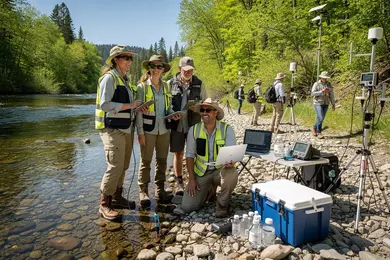
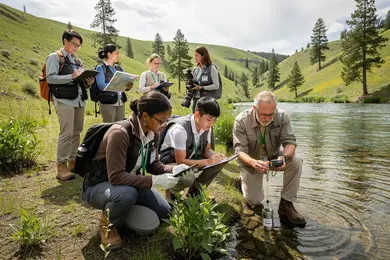
Graduates frequently describe the thrill of collaborating with nonprofit groups championing climate action or leading educational workshops that inspire whole communities to embrace sustainability. The chance to conduct hands-on research at universities or remote labs brings a sense of discovery and contribution to saving wildlife and ecosystems.
Whether analyzing field data in California's national parks or supporting renewable energy developments in the Pacific Northwest, the career paths are as diverse as America's landscapes. This dynamic blend of science, policy, and outreach fuels a rewarding journey, powered by the flexibility of an online degree and a passion for a greener future.
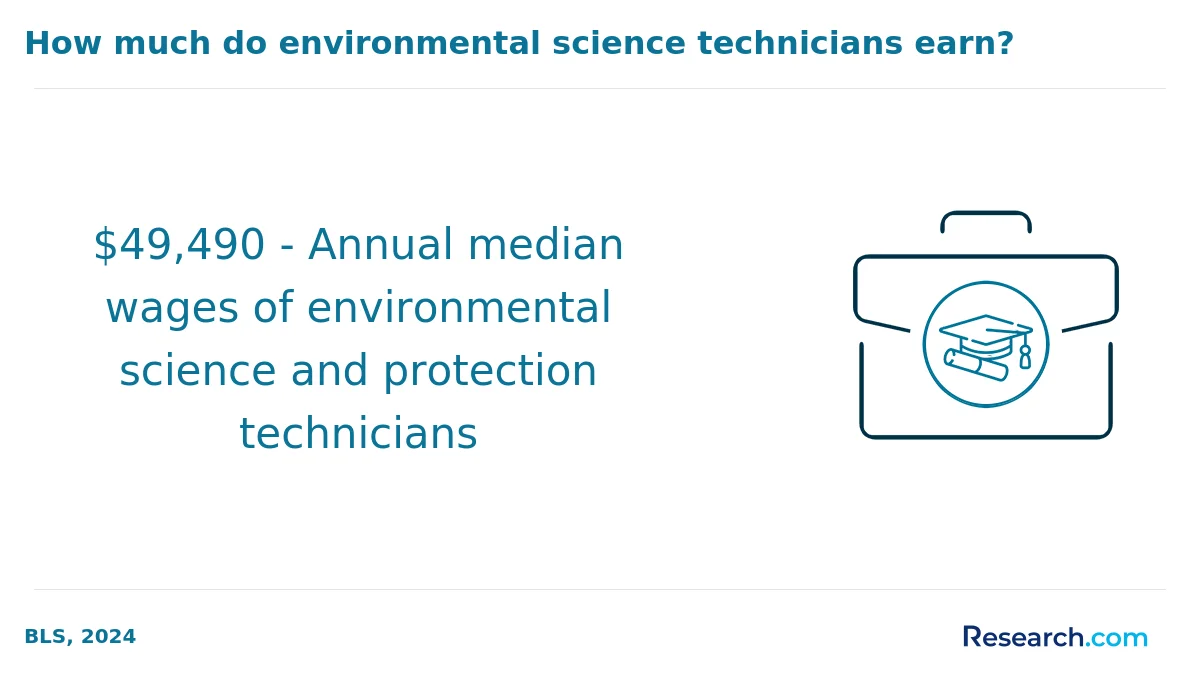
Imagine stepping out of your online environmental science program at a well-regarded American university, like Oregon State or the University of Florida, ready to make an impact-and a paycheck. While specific salary data from official sources is scarce, graduates often find themselves entering roles such as environmental technicians or junior analysts with starting salaries between $50,000 and $65,000 annually. This range isn't just numbers; it's the fuel for your first apartment, your daily coffee rituals, and weekend hikes fueled by purpose and pay.
With experience, the horizon broadens. Many alumni describe moving into consultant or project management roles where salaries climb closer to $90,000, especially in green states like California or New York, where demand and regulations pump up wages. The thrill of applying GIS skills or sustainability expertise can push your earnings north of $100,000, tapping into private sectors eager for your specialized talents.
Graduates often share how their degree opened doors not just to employment but to a career path aligned with passion and America's growing environmental focus.
- Online environmental science bachelor's degrees in the U.S. typically cost between $30,000 and $60,000, while master's programs usually range from $20,000 to $50,000.
- Financial aid, scholarships, and employer tuition assistance are commonly available and many schools offer in-state tuition rates for online students.
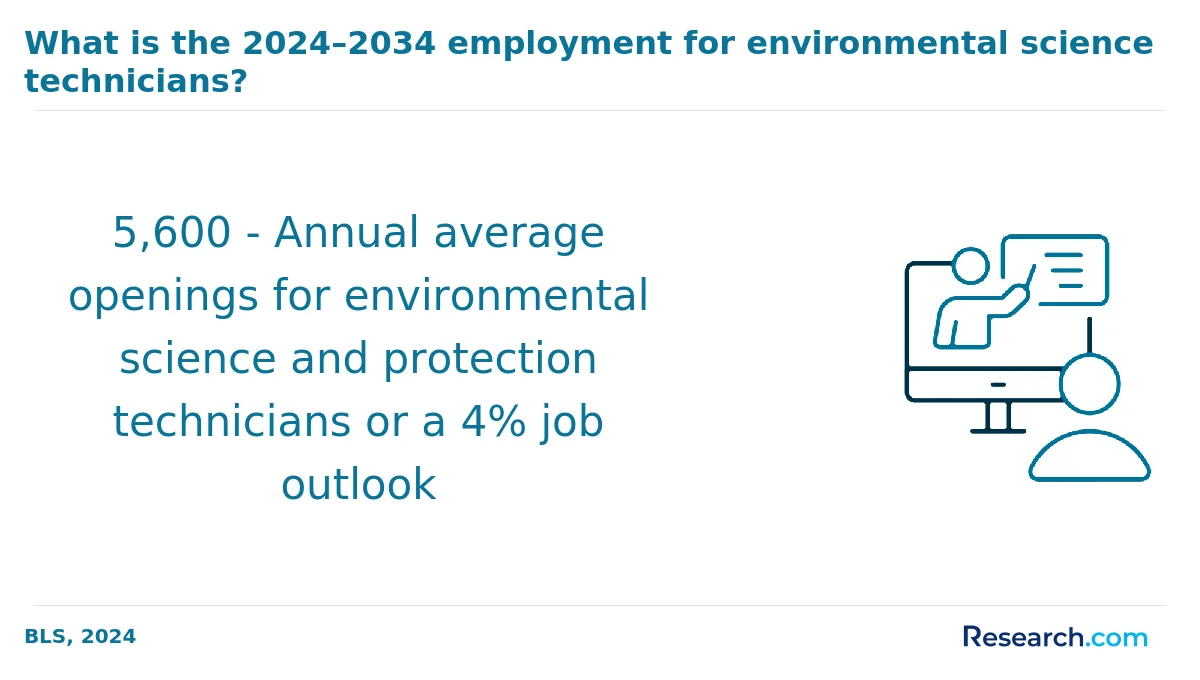
- The job market for environmental scientists is expected to grow by 5% from 2021 to 2031, matching the average for all occupations.
- Starting salaries for environmental science graduates average around $50,000 annually, with experienced professionals earning about $80,000 or more in specialized fields.
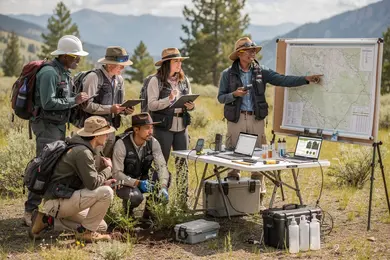
- Many programs require fieldwork or lab experience, which can often be completed locally or during short campus visits.
- Accreditation by trusted agencies like CAEP or regional bodies is important for ensuring program quality and employer acceptance.
Picture a passionate learner at a celebrated American university like Oregon State or the University of Florida, diving into an online environmental science degree. If they enroll full-time, they often breeze through the bachelor's journey in about four years, juggling ecology and climate change with vibrant digital camaraderie. But choose the part-time path, and that timeline gracefully stretches-imagine taking five to six years, syncing studies with a job or family life.
Master's students embracing online programs at places such as Colorado State University find themselves navigating 30 to 42 credit hours, typically over two full-time years. Yet, many expand this to three or four years, blending coursework with real-world environmental projects or internships.
Graduates often share how summer sessions became unexpected boosts, accelerating progress as they engage deeply with sustainability challenges. For these learners, each completed credit hour feels like a step closer to impacting America's environment, balancing ambition with life's ebbs and flows.
Imagine juggling a full-time job in Chicago while earning an environmental science degree through the University of Florida's online program. The flexibility lets you dive into lectures after dinner, but when your course calls for soil sampling, you arrange local fieldwork nearby, blending practical learning with your hectic life. In contrast, graduates from UC Davis recount vibrant days roaming campus wetlands, field labs immersing them in California's ecosystems, forging friendships that bloom into professional networks. On-campus teaches with the full sensory palette-early morning hikes to collect water samples, the buzz of laboratories, impromptu brainstorming sessions in study groups.
Online learners cherish freedom and adaptability, often working parents or career switchers in states from Texas to New York. They build resilience navigating virtual forums and digital libraries, learning to translate theory into local action. Still, tuition echoes national patterns: on-campus programs range $15,000 to $35,000 annually, while online options sometimes trim commuting costs but can match price tags at public universities.
Ultimately, it's about choosing your ecosystem of growth-whether tethered to a physical campus or roaming digital landscapes without boundaries.
Imagine a graduate from a popular American university, eagerly logging into their environmental science online portal, watching credits accumulate. The average cost of an online environmental science degree in America hovers near $22,341 for most students, with in-state learners often enjoying a sweeter deal around $19,494. Out-of-state students, however, brace for nearly double at $36,918. This range captures the reality faced by many pursuing their passion for Earth's future while balancing budgets.
One master's student, for instance, carefully calculated tuition against her goals. She knew that total tuition and fees for an online environmental science master's in America could stretch from close to $9,000 for a lean credit load to over $54,000 for comprehensive programs, depending on where she enrolled. Public universities frequently offer more affordable pathways, encouraging environmentally-minded students to dive deep into their studies without drowning in debt. Meanwhile, private schools, with their cutting-edge labs and personalized mentorship, demand a premium that some students happily invest in for that unique edge.
For anyone charting their course, scholarships and employer tuition assistance light the way, making the dream less daunting. Some graduates speak fondly of their journey, where flexibility in scheduling and real-world applications sparked joy and kept them motivated. Those seeking the swiftest route to degree completion might explore options like the fastest sustainability bachelor programs, finding a balance between time, cost, and depth of knowledge.
Imagine diving into an online environmental science degree from institutions like Oregon State University or Colorado State University, knowing federal financial aid is your sturdy raft in this educational river. Fill out the FAFSA, and suddenly, Pell Grants might flow your way-money that doesn't demand repayment, like a gift for your planet-saving dreams.
Graduate students often find solace in federal loans such as the Direct Unsubsidized Loan and Grad PLUS Loan, fixed-interest lifelines that offer manageable repayment paths once you step into your green career.
State grants add extra branches to this support tree, especially if you're a resident in states emphasizing sustainability workforce growth. Picture a scholarship from California's environmental board or a fellowship sponsored by the EPA's STAR program, specifically crafted for those researching climate solutions online.
Graduates share how employer tuition assistance programs become hidden treasures, easing financial strains while juggling work and study. Combining these avenues, your pursuit of an American environmental science degree online is not a solo climb but a supported expedition.
Diving into an online environmental science degree in America often means stepping up with a sturdy academic backpack filled with essentials. Graduates from top programs at well-known universities recall how their bachelor's degrees in biology, chemistry, or geology served as the launching pad-sometimes with a sprinkle of extra coursework to fill knowledge gaps. Picture a student juggling calculus and environmental science basics late at night, aiming to meet those foundational requirements.
Many programs set the bar at around a 3.0 GPA, creating a challenge that sparks determination rather than dread. Some alumni cherished the flexibility when schools waived GRE scores, instead valuing professional experience that turned internships and fieldwork into golden tickets.
International peers remember tackling TOEFL or IELTS to join these vibrant communities, while financial reality nudged everyone to consider the average $12,000 to $27,000 tuition ranges. These prerequisites, though rigorous, transformed aspirations into achievable journeys for passionate learners nationwide.
Diving into an online environmental science degree in America feels like unlocking a toolkit for saving the planet. Graduates from renowned universities often rave about courses like Environmental Chemistry, where they unravel the mystery of pollutants slipping silently into our air and water. Picture yourself analyzing the fingerprints of pollution, just as they do in labs from coast to coast.
Ecology and Biodiversity courses transport students into virtual forests and wetlands, exploring the delicate dance of species survival. Those studying Environmental Policy and Regulation navigate U.S. laws that shape real-world conservation efforts, empowering future leaders to craft change from their living rooms.
Popular programs at colleges known for environmental excellence also include Geographic Information Systems (GIS), transforming students into digital cartographers mapping climate impacts. Practical learning thrives with Environmental Impact Assessment classes, where you examine how human footprints form and fade in ecosystems, echoing the immersive experiences graduates cherish.
As many alumni share, it's this blend of hands-on tech and policy wisdom that makes studying environmental science online both inspiring and transformative in America today.
Diving into the world of online environmental science degree specializations USA, students discover vibrant paths that transform passion into purpose. Imagine graduates from renowned colleges juggling digital labs and virtual ecosystems, focusing on Environmental Policy and Management, where they craft policies that shape cleaner cities. Others delve into Ecology and Conservation Biology, tracking the delicate dance of species and restoring habitats from afar.
- Environmental Engineering graduates eager to design green infrastructure that withstands climate stress
- Environmental Toxicology students uncovering invisible threats lurking in everyday pollutants
- Natural Resource Management scholars balancing water rights and forest sustainability
- Climate Science enthusiasts modeling future atmospheric dramas with data-driven precision
Such specializations at popular American universities light up online programs with real-world impact, making the lessons uniquely immersive despite distance. For those curious about costs aligned with ambitions, the cheapest sustainability masters programs open doors to fulfilling these environmental dreams without breaking the bank.
Exploring these best environmental science focus areas in America allows students to craft careers that merge science with activism, technology, and stewardship, all while embracing flexible learning tailored for the digital age.
Choosing from the vast landscape of best online environmental science degrees USA feels like navigating a vibrant ecosystem full of hidden treasures. Imagine graduates from top universities balancing late-night research with morning hikes, savoring the thrill of discovering ecological data while sipping coffee at home. The key is to hunt for programs with strong accreditation-imagine a sturdy root system grounding knowledge in recognized quality-such as those anchored by the Higher Learning Commission. Curriculums vary wildly: some nurture future conservationists, others mold data wizards or policy changers. Picture a student delighting in real-time debates on climate policy while attending a well-known program in America's academic heartlands.
Cost should not choke your aspirations. Tuition across public and private institutions paints a diverse landscape from $10,000 to beyond $30,000 annually, but scholarships and financial aid act like sunlight nurturing growth. Flexibility is your secret weapon-programs that offer asynchronous classes empower many to juggle work, family, and studies seamlessly.
Stories abound of learners finding inspiration in faculty who are active environmental pioneers. One graduate found mentorship at a revered college that transformed curiosity into a flourishing career path. For those wondering what does it take to become a sustainability manager, online degrees blending theory with practical insights from seasoned experts are pivotal. When selecting, envision your future self thriving through top accredited environmental science programs America offers, forging a path uniquely yours with every course and connection.
From the laboratories that nurture innovation at major universities to the forests managed by conservation scientists and foresters, careers bloom with purpose and promise. Imagine engineers designing waste-control systems, inspired by hands-on learning at institutions famous for their online programs, balancing cutting-edge technology with ecological stewardship. The joy of turning passion into profession motivates graduates as they join research and education roles, shaping minds and policies alike.
The horizon expands further with roles in environmental science that embrace evolving demands, where one might explore online environmental engineering degrees to enhance expertise and marketability, making visionary impact a reachable reality.
The landscape of online environmental science jobs in the USA is blossoming with opportunity, especially for graduates from well-regarded programs at universities like Oregon State or Arizona State. These graduates, juggling studies alongside internships or jobs, find themselves stepping into roles where their blend of knowledge and real-world experience is eagerly sought. Imagine working as a sustainability coordinator for a fast-growing city initiative or as an environmental analyst navigating complex regulations-a common scenario for those with an online environmental science degree in America.
Many graduates from online programs report how the flexibility to work while studying enriched their career readiness, making the job market less daunting and more filled with promise. The surge in corporate sustainability efforts and robust environmental policies drives this growth, particularly in hubs such as California and Washington.
For those curious about how to expand their impact and career horizons, exploring what does an mba in sustainability get you provides exciting insights that complement an environmental science background.
2027 Best Online Master's in Environmental Science Degree Programs Ranking in the USA
Investing in your education is a significant decision that can shape your future, and the Research.com team understands the importance of making informed choices. To assist prospective students, we have meticulously crafted the "2027 Best Online Master's in Environmental Science Degree Programs Ranking in the USA." Our commitment to quality, credibility, and accuracy is reflected in the extensive research and analysis conducted to compile this ranking.
We utilized the following reputable data sources to ensure a comprehensive evaluation of environmental science programs:
By exploring this ranking, readers will gain valuable insights into the top online environmental science master's programs in the USA, empowering them to make informed decisions about their educational and professional futures. For more details on our methodology, please visit our Research.com methodology page.

# 2 position
University of Illinois at Urbana-Champaign
Master of Natural Resources and Environmental Sciences

# 3 position
Louisiana State University and Agricultural & Mechanical College
Master of Environmental Sciences


# 7 position
Western Kentucky University
Master of Social Responsibility and Sustainable Communities

# 8 position
Texas Tech University
Master of Environmental Sustainability and Natural Resource Management


Frequently Asked Questions About environmental science
Students enrolled in online environmental science degrees in America can maximize their learning by actively engaging in virtual class discussions and utilizing available digital resources. According to the National Center for Education Statistics, interactive participation correlates with higher GPA and retention rates among online learners.
Networking with peers and faculty through forums and webinars helps create professional connections valuable in the environmental sector. Supplementing coursework with real-world experience, such as internships or volunteer opportunities with U.S.-based agencies like the Environmental Protection Agency, further strengthens skills.
Using specialized software for data analysis and GIS mapping, common tools in environmental science, enhances practical knowledge essential for career success. Additionally, staying current with U.S. environmental policy updates supports informed academic research and professional awareness.
The environmental science field in America is rapidly evolving, with emerging niches reflecting current ecological and technological challenges. One notable area is climate resilience, where professionals focus on adapting communities to extreme weather events. According to the U.S. Bureau of Labor Statistics, job growth in environmental specialists related to climate adaptation is expected to rise faster than average through 2031.
Another growing specialty is environmental data analysis, which leverages big data and GIS technologies to monitor natural resources more effectively. Universities increasingly offer online courses that integrate these skills.
Renewable energy development also remains a dynamic niche, driven by federal and state initiatives targeting carbon reduction. Careers in solar and wind energy consulting are particularly in demand.
These emerging fields highlight diverse opportunities for students pursuing online environmental science degrees in the USA.
After completing an online environmental science degree in America, preparing effectively for the job market is crucial. Start by gaining relevant experience through internships or volunteering with organizations like the Environmental Protection Agency (EPA) or local conservation groups. Practical experience remains highly valued by employers.
Next, develop technical skills such as Geographic Information Systems (GIS) and data analysis, which are in high demand in environmental careers. According to the U.S. Bureau of Labor Statistics, environmental scientists' employment is projected to grow 8% from 2022 to 2032, faster than average.
Networking through professional associations like the Ecological Society of America can open doors to job opportunities and mentorship. Finally, consider obtaining relevant certifications such as the Certified Environmental Scientist (CES) credential to enhance your resume and credibility.
Employers in America highly value environmental science graduates who possess strong analytical and critical thinking skills. These abilities help professionals assess environmental data and develop practical solutions. According to the Bureau of Labor Statistics, proficiency in data interpretation and Geographic Information Systems (GIS) is increasingly essential.
Communication skills are also critical, as environmental scientists must present findings clearly to policymakers and the public. Additionally, knowledge of environmental laws and regulations is important for ensuring compliance and effective project management.
Practical experience with fieldwork and laboratory techniques further enhances a graduate's job prospects in this competitive sector.
Finding internships related to environmental science in America begins with leveraging university resources. Many online programs have career centers that connect students with opportunities approved for their degree. The U.S. Environmental Protection Agency (EPA) also offers internships annually, providing valuable hands-on experience in federal environmental work.
Students should explore platforms such as the National Environmental Health Association and the Society for Environmental Toxicology and Chemistry, which maintain internship listings specific to the field. According to the National Association of Colleges and Employers, environmental science internships show a strong pathway to employment, with nearly 60% of interns receiving job offers after completion.
Networking through LinkedIn and attending virtual career fairs facilitated by environmental organizations can further assist in finding relevant placements. Additionally, contacting local non-profits and government agencies directly can uncover unadvertised opportunities tailored to environmental science students.
An online environmental science degree significantly enhances career mobility and advancement in America by providing flexible access to quality education recognized by employers. According to the U.S. Bureau of Labor Statistics, jobs in environmental science and protection are expected to grow 8% from 2022 to 2032, faster than average for all occupations. This growth creates new opportunities for graduates to enter fields like environmental consulting, policy analysis, and natural resource management.
Employers increasingly value master's degrees combined with relevant experience, with online programs allowing working professionals to upskill without career interruption. Accredited online degrees ensure graduates meet industry standards, improving competitiveness and promotion prospects.
Furthermore, regional environmental challenges in the U.S. encourage specialization, which online programs can offer through diverse curricula. Graduates often see salary increases and expanded networking options, leveraging both academic credentials and virtual communities.
Studying for an environmental science degree in America equips students with skills essential for interdisciplinary roles. Programs often combine natural sciences, social sciences, and policy studies, reflecting the complex nature of environmental challenges. This approach prepares graduates to work with diverse teams across sectors such as government, industry, and nonprofits.
Many online degrees emphasize data analysis, GIS technology, and environmental law, which are crucial for understanding ecological systems and human impacts. According to the U.S. Bureau of Labor Statistics, environmental scientists increasingly collaborate with engineers, economists, and public health experts, highlighting the value of interdisciplinary training.
The curriculum's integration of multiple disciplines broadens career opportunities and fosters adaptable problem-solving skills needed in the evolving environmental field.
When choosing between a thesis and a non-thesis online environmental science degree in America, consider your career goals. Thesis programs often suit those aiming for research, academia, or doctoral studies, as they require original research and a formal written report. Non-thesis options typically focus on practical skills, with more coursework and a capstone project or exam instead of a thesis.
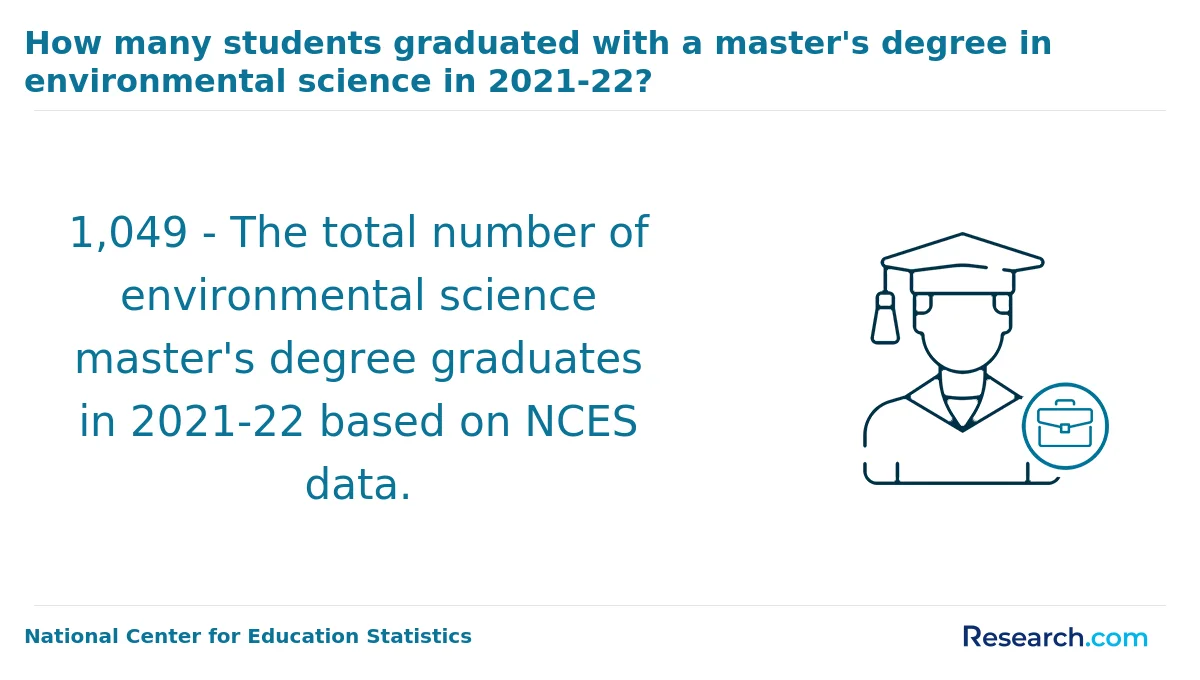
Data from the National Center for Education Statistics shows that many environmental science master's students prefer non-thesis tracks for faster completion. However, thesis programs provide deeper methodological training, useful for positions requiring analytical rigor.
Online formats offer both choices, so weigh your interest in research versus applied work carefully when deciding.
Students based in America seeking to study environmental science abroad have several online opportunities through partnerships between U.S. institutions and foreign universities. Many American universities offer joint or dual degree programs with European and Australian schools, allowing students to earn international credentials without relocating. According to the Institute of International Education, over 10,000 U.S. students engaged in remote study overseas in 2022, reflecting a growing trend.
These programs often emphasize global environmental challenges, providing perspectives beyond the U.S. context. Some programs include virtual fieldwork or remote collaborations with international scientists, enriching the learning experience. Students should verify accreditation and course transferability to ensure their online study abroad aligns with career goals and U.S. professional standards.
Part-time job opportunities that complement an online environmental science degree in America often involve roles in research support, environmental consulting, and data analysis. Many students find positions as laboratory assistants or field technicians, gaining valuable hands-on experience. According to the U.S. Bureau of Labor Statistics, environmental science technicians earned a median hourly wage of $23.19 in 2022, indicating viable income alongside education.
Internships with government agencies like the Environmental Protection Agency or local conservation groups also provide relevant experience. These roles help students apply theoretical knowledge to real-world environmental challenges. Additionally, jobs in geographic information systems (GIS) offer skill development critical to many environmental careers. These part-time options create a strong foundation for future employment in the field.
Online environmental science students in America have multiple networking opportunities to connect with peers, faculty, and professionals in the field. Many accredited programs offer virtual events, webinars, and discussion forums designed to foster interaction.
Students can join professional organizations such as the Ecological Society of America or the National Association of Environmental Professionals. These groups provide access to conferences, job boards, and mentorship programs.
Additionally, universities often facilitate alumni networks and local chapter meetings, helping students build regional connections. According to the National Center for Education Statistics, active participation in these groups positively impacts career prospects.
Overall, online students in environmental science benefit from a variety of digital and in-person networking platforms nationwide.
Alumni networks provide valuable support to students pursuing online environmental science degrees in America. These networks connect graduates with professionals working in fields such as conservation, climate policy, and sustainable development. Access to such contacts can lead to job opportunities, internships, and mentorships that enhance career growth.
Moreover, alumni associations often host events and webinars focused on industry trends and research, offering insights that complement formal education. According to the National Environmental Education Foundation, 65% of environmental science professionals find networking crucial for career advancement. For online students, tapping into these networks helps bridge the gap between remote learning and real-world environmental challenges.
Customizing an online environmental science degree in America allows students to align their studies closely with career objectives. Many programs offer flexible electives in areas like sustainable development, environmental policy, or ecological restoration. This lets learners specialize according to their professional interests. Some universities provide options to focus on data analysis or GIS technology, skills highly valued in the job market.
Students can also pursue internships or capstone projects that relate directly to their desired career paths. According to the U.S. Bureau of Labor Statistics, environmental science jobs are projected to grow 8% through 2031, emphasizing the importance of targeted skills. Choosing accredited, reputable schools ensures curriculum quality and employer recognition.
Online environmental science students in America often face challenges related to the hands-on nature of their field. Many programs require laboratory work or field research, which can be difficult to replicate remotely. Students may need to travel or find local opportunities to fulfill these requirements.
Another hurdle involves access to up-to-date software and technology necessary for environmental modeling and data analysis. Not all students have equal access to high-performance computers or specialized tools, which are essential in many courses.
Time management and self-motivation are critical, as online learners must balance coursework with professional or personal responsibilities. According to the National Center for Education Statistics, nearly 60% of online students juggle work and study, which can affect their academic performance.
Lastly, networking opportunities and direct collaboration with faculty and peers can be limited compared to on-campus programs, potentially impacting career development and knowledge exchange.
Graduates with an online environmental science degree in America have access to various professional certifications that can enhance their careers. One of the most recognized is the Certified Environmental Professional (CEP) credential, awarded by the Academy of Board Certified Environmental Professionals. This certification demonstrates advanced knowledge and professionalism in environmental science fields.
Another valuable option is the Registered Environmental Manager (REM) certification offered by the National Registry of Environmental Professionals. This credential focuses on environmental compliance and management.
For those interested in hazardous waste, the Certified Hazardous Materials Manager (CHMM) credential is well-respected and often sought by employers.
According to the U.S. Bureau of Labor Statistics, environmental science job growth is expected to increase by 8% from 2021 to 2031, reinforcing the value of such certifications. These credentials help professionals stand out in a competitive market and broaden job prospects.
Applying to an online environmental science program in America requires careful preparation. Start by researching accredited universities listed by the U.S. Department of Education or CHEA to ensure your degree holds value. Clearly highlight your academic background in relevant sciences, such as biology, chemistry, or geology, and include any professional experience related to environmental fields.
Write a compelling personal statement that explains your passion for environmental science and outlines your career goals. According to the National Center for Education Statistics, many successful applicants emphasize how their studies will contribute to solving pressing environmental challenges in the U.S.
Strong letters of recommendation from professors or employers who know your analytical and research skills can strengthen your application. Lastly, showcase any relevant certifications, such as GIS or environmental policy training, to stand out among candidates.
Environmental science careers have significant global relevance as nations confront climate change, resource depletion, and pollution challenges. In the United States, the Bureau of Labor Statistics projects a 5% growth rate for environmental scientists and specialists between 2021 and 2031, reflecting steady demand driven by environmental regulations and sustainability efforts.
Internationally, collaboration on environmental issues is common, with U.S.-trained professionals often working with agencies like the United Nations or multinational companies. American degrees emphasize practical skills in data analysis, policy, and technology, preparing graduates for diverse roles worldwide.
Global perspectives highlight the increasing value of interdisciplinary knowledge combined with technical expertise, which aligns well with the curriculum offered in many top online environmental science programs in the U.S.
Gaining practical experience while pursuing an online environmental science degree in America is essential for career readiness. Many programs encourage internships with government agencies like the Environmental Protection Agency (EPA), where students apply classroom knowledge to real-world challenges. According to the National Association of Colleges and Employers, internships increase job offers by 60%, highlighting their importance.
Students can also participate in virtual labs, citizen science projects, or remote fieldwork collaborations. Some universities offer capstone projects that partner with local organizations to address environmental issues.
Additionally, professional certifications such as GIS technician or hazardous waste management complement academic learning with hands-on skills recognized in the U.S. job market.
Choosing the right concentration within an online environmental science degree in America begins with understanding your career goals. The U.S. Bureau of Labor Statistics projects a 6% job growth in environmental science careers through 2032, so selecting a specialization aligned with in-demand fields can improve job prospects.
Common concentrations include environmental policy, sustainability, conservation, and environmental health. Consider which area matches both your interests and the skills sought by employers. For example, environmental health focuses on public safety and may appeal if you aim to work with regulatory agencies.
Review curriculum details and faculty expertise at each program, ensuring they offer relevant courses and research opportunities. Accreditation by recognized bodies like the Council on Education for Public Health (CEPH) or the Accreditation Board for Engineering and Technology (ABET) indicates program quality.
Finally, examine internship or practicum options, as practical experience is crucial for career readiness in environmental science.
- 14 Entry Level Environmental Science Cover Letter Examples: Plus Recruiter Insights (Updated for 2025) https://resumeworded.com/cover-letter-samples/entry-level-environmental-science
- How To Get Environmental Science Work Experience https://www.savemyexams.com/learning-hub/careers/environmental-science-work-experience/
- The Biggest Environmental Problems Of 2021 https://earth.org/the-biggest-environmental-problems-of-our-lifetime/
- Environmental Scientist Cover Letter Examples https://www.careerfaqs.com.au/careers/resumes-cover-letters/environmental-scientist-cover-letter-example
- Guide to Environmental Internships | Higherin https://higherin.com/career-guides/science-research/environmental-internships
- Imperative for Change: Integrating Environmental Science in Education | STEM Greenhouse https://stemgreenhouse.org/imperative-for-change-integrating-environmental-science-in-education/
- Environmental Science (M.S.) Non-Thesis Track https://www.towson.edu/fcsm/departments/environsci/grad/science/non-thesis-track.html
- SEEDS Summer 2026 Internships | TREES DLA https://www.trees-dla.ac.uk/seeds-summer-2026-internships
- Explore Environmental Career Profiles | ECO Canada https://eco.ca/career-profiles-index/
- Environmental Science Internships | Intern Abroad HQ https://www.internhq.com/industries/environmental-sciences/