2027 Evaluating an MPH Practicum in A Community-Based Research Institute

Co-Founder and Chief Data Scientist
A community-based research institute can offer an MPH student meaningful work with local partners - but a promising project is not automatically an approved practicum. The student needs a feasible assignment, qualified supervision, permission to use information, and deliverables that meet the MPH program's rules. This guide is for students comparing placements or preparing a proposal. It explains what to confirm with the institute and the school, how to judge the experience's career value, and when another site would be a better choice.
Key Things You Should Know
- Choose a project with defined responsibilities and usable deliverables, not one limited to observing researchers or waiting for data access.
- Confirm school approval, site supervision, and data permissions separately; agreement from one party does not establish the others.
- Ask whether the schedule and unpaid costs are workable before committing, especially if community meetings or field activities occur outside class hours.
What Is an MPH Practicum at a Community-Based Research Institute?
An MPH practicum - often called an applied practice experience - is supervised work in which a student applies public health competencies to a real organizational need. At a community-based research institute, that need might be an evaluation plan for a local program, an analysis of approved survey data, or a plain-language brief for community partners. The institute may conduct research, but the student's assignment must still serve a practical learning objective.
Community-based work is distinguished by its relationships, not simply its location. A strong placement gives partners a meaningful role in defining the question, interpreting findings, or deciding how an output may be shared. An institute's publication agenda and a partner's immediate needs can differ; students should know whose decision their work is intended to support.
The best fit also depends on the student's intended function. Someone interested in community program evaluation needs a different assignment from someone seeking intensive statistical research training. Choosing a public health master's specialization can help clarify that goal, but the actual practicum tasks - not the concentration name - determine what experience the student gains.
What Practicum Requirements Should MPH Students Expect?
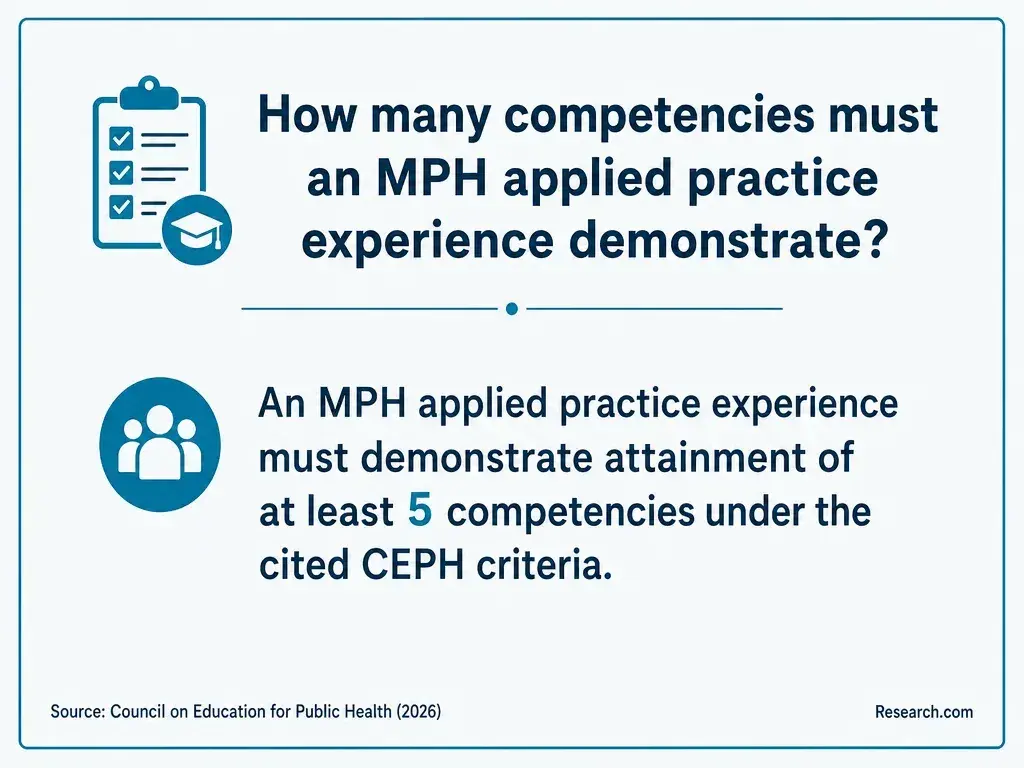
The MPH program, not the host institute, decides whether a placement earns academic credit. Its coordinator should confirm eligible sites, prerequisite coursework, required hours or credits, supervision standards, competency mapping, assessment, and deadlines. CEPH-accredited MPH programs must provide an applied practice experience with products demonstrating competency attainment, but students should obtain their own program's current instructions rather than assume every school uses the same schedule or forms.
Approval commonly involves distinct decisions: the school approves the learning plan; the institute agrees to supervise the work; and the appropriate organization authorizes access to data, participants, or materials. An existing job or volunteer role may be eligible only if the program permits it and approves clearly defined work that meets its requirements.
Before accepting an offer, ask the coordinator whether the proposed work can count and ask the site who will provide feedback on each deliverable. Students still choosing a program should compare fieldwork policies alongside admissions policies: MPH programs with broader admissions criteria do not necessarily have more flexible practicum approval rules.
How Does Community-Based Research Prepare MPH Students for Careers?
This setting can teach students to turn an organizational question into evidence a partner can use. That may mean negotiating a realistic evaluation measure, explaining uncertainty without jargon, revising a brief after community feedback, or documenting why available data cannot answer a proposed question. Those are defensible examples of professional readiness because a supervisor can review the work and describe the student's contribution.
For an early-career student, the strongest outcome is usually evidence of supervised responsibility - not a claim to have led independent research. Ask whether the role includes contact with program staff or community partners, recurring feedback, and a final product the student may describe, even if the original remains confidential. If the institute offers only data entry or observation, a health department or nonprofit placement with greater ownership may be more useful.
A practicum is also different from an advanced leadership project. Students considering later practice-focused doctoral study can examine public health doctorate pathways for advanced study, but an MPH placement does not need doctoral-level authority to be valuable.
Good competency claims identify what the student will do and what a supervisor can assess. A student might interpret descriptive findings with attention to missing responses, build an evaluation plan around feasible indicators, explain limitations to a nontechnical audience, or document how partner input changed a proposed product. Ethical handling of information and respectful community engagement should shape each task rather than appear only in a final reflection.
Match the project's methods to the student's preparation. Cleaning a dataset and producing descriptive summaries can demonstrate useful data literacy; they do not, by themselves, establish advanced biostatistical proficiency. A student aiming for a more quantitative role may need additional methods coursework or supervised analysis beyond the placement. Career-compatible online biostatistics study is one route to compare with a practicum project when technical depth is the goal.
Projects should be scoped around a decision the institute or its partners can make within the placement period. The following examples show how an assignment can produce an assessable output without assuming that a student has access to restricted data or permission to contact participants.
This comparison highlights what each project requires and where delays are most likely.
| Possible project | Practical output | Key feasibility question |
| Program evaluation planning | Logic model and measurement plan | Will program staff help define usable indicators? |
| Approved survey-data review | Descriptive brief with limitations | Is access authorized early enough to complete the work? |
| Evidence synthesis | Plain-language options brief | Who will review its relevance to community priorities? |
| Qualitative project support | Approved interview guide or coding framework | Are recruitment, consent, and oversight responsibilities settled? |
Analysis of existing information, program evaluation, and human-subjects research may trigger different review processes. The student should ask the institute and university which permissions apply before collecting information or promising publication. If the primary aim is sustained original scholarship rather than an MPH practice product, a research-oriented degree may fit better; compare its supervision and funding requirements, not just online PhD programs in public health by cost.
Students in either format may work at an approved local site, but school policies determine how placements are found, supervised, and assessed. An online course does not make community meetings asynchronous, while a campus-based program does not guarantee an institute placement. Ask whether the school identifies partners, permits a student-proposed site, requires in-person visits, and can support supervision across locations.
For working students, the decisive question is when the site's work happens. Recruitment events, partner meetings, and interviews may require daytime or evening availability regardless of lecture format. Confirm expected weekly hours, travel, meeting frequency, and what happens if a project stalls. When comparing inexpensive online MPH study pathways, include those fieldwork obligations rather than treating online tuition as the complete affordability test.
Admission to an MPH program and approval for its practicum are different decisions. Applicants should ask when students become eligible for fieldwork, which foundational courses must come first, whether a proposed institute can be reviewed before enrollment, and whether a current employer could serve as a site. An enthusiastic host cannot waive a school's sequencing or supervision rules.
Prior research or nonprofit experience can help an applicant propose a workable project, but it does not automatically replace required fieldwork. Students entering from another discipline can identify transferable skills - such as interviewing, data management, writing, or project coordination - then name the public health skills they still need to practice. For someone building that foundation earlier, online public health bachelor's curriculum and formats offers context; it is not a prerequisite shared by all MPH programs.
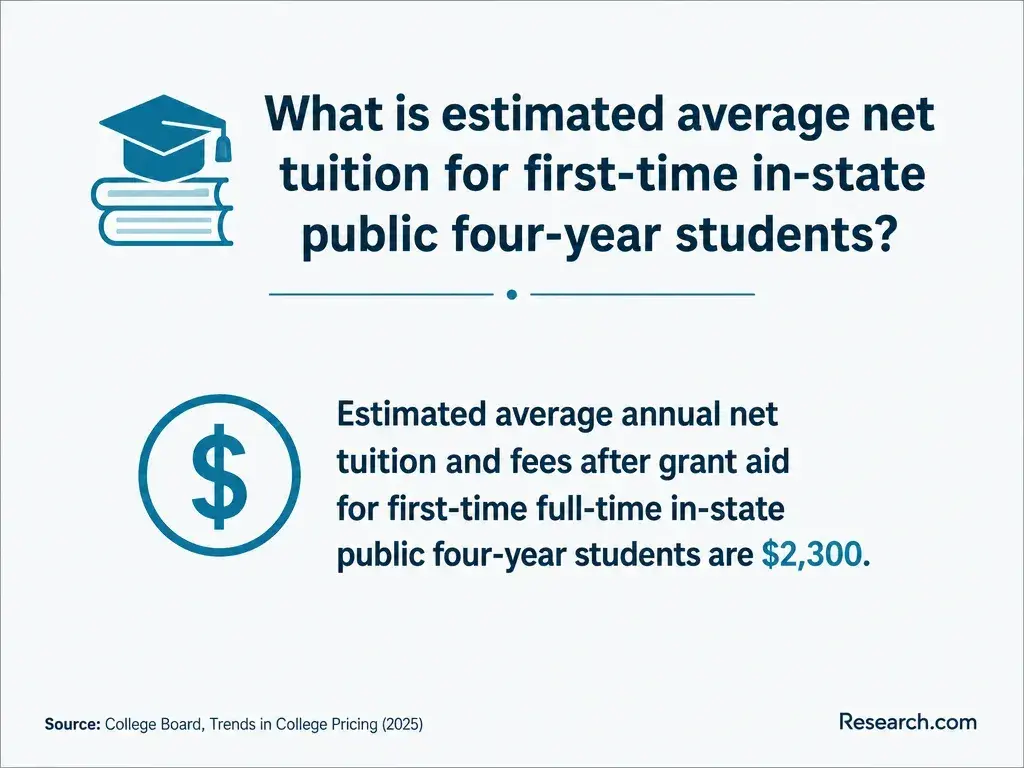
There is no reliable universal duration or price for a community-based institute placement. The school sets the required academic period and any credit charges; the site determines its schedule and whether the position is paid. Project approval, data access, and partner review can extend the practical timeline even when the assigned work appears small.
Request a written estimate covering tuition for practicum credits, required fees, commuting or travel, equipment, and time away from paid work. Then ask when the student must enroll if a project is delayed and whether that delay could create another term of charges. Public health master's fees and earning potential provides broader degree-cost context, but the placement's own budget should drive this decision.
If the assignment is unpaid, compare it with an approved paid placement on learning quality as well as expense. A prestigious institute name does not offset an unmanageable schedule or a project with no dependable deliverable.
A well-documented placement may support applications for research coordinator, program evaluator, community health program, or public health analyst roles. The connection depends on the tasks: partner communication is relevant to program coordination; an evaluation plan supports evaluation applications; supervised analysis helps substantiate entry-level analytical skills. Some jobs require additional experience, technical training, or credentials beyond an MPH.
Pay varies by occupation, employer, location, and experience. The U.S. Bureau of Labor Statistics reports wages for defined occupations, not a single salary earned by MPH practicum students; a research coordinator's duties, for example, may not match an epidemiologist's occupational category. Use a target job description and its corresponding occupation when interpreting public health master's salary outlook. The most useful career question for the site is whether its supervisor can verify the specific work the student performed.
How Can Students Evaluate a Reputable MPH Practicum Site?
Judge the institute by the placement it can actually provide, not its name or publication record. A reputable opportunity has a supervisor with time to mentor, a project tied to a partner's need, realistic access to necessary resources, a safe working arrangement, and a clear route for resolving changes. Check the school's site-approval process separately; institutional accreditation or an institute's research reputation does not establish practicum eligibility.
Before committing, put these questions to both the site supervisor and academic coordinator. Written answers make it easier to spot a mismatch while there is still time to choose another site.
- What decision will the project inform, and who will review the student's output?
- Which tasks and deliverables can be completed if data access or recruitment is delayed?
- Who supervises the student, how often will feedback occur, and who covers an absence?
- What school, partner, privacy, and research-oversight approvals are needed before work begins?
- What hours, travel, safety procedures, expenses, and restrictions on portfolio use apply?
If answers remain vague, propose a smaller approved project or seek another host. The relevant cost-benefit comparison is between feasible placements, not between an MPH practicum and a doctorate. Students contemplating later advanced study can consider public health doctoral program cost-benefit considerations separately from this immediate site decision.
Other Things You Should Know About Public Health
Yes, if you label it as ongoing and describe only work you have actually completed. Avoid claiming findings or responsibilities that have not yet been verified.
Not automatically. Discuss expected contributions and authorship practices with the supervisor early; a useful practicum product does not by itself establish publication credit.
It may. Have the school review restrictions that could affect required assessment, faculty access to deliverables, or what you may later show in a portfolio.
Tell the academic coordinator promptly. Revised tasks may need a new learning plan or approval before they can count toward the practicum.
- Master of public health community-based practicum | nih.gov https://pubmed.ncbi.nlm.nih.gov/21617409/
- Federal Policy for the Protection of Human Subjects ('Common Rule') | HHS.gov https://www.hhs.gov/ohrp/regulations-and-policy/regulations/common-rule/index.html
- Developing Community Partner Training: Regulations and Relationships - PMC https://pmc.ncbi.nlm.nih.gov/articles/PMC3319414/
- Public Health Practicum | UCLA Fielding School of Public Health https://www.mphhp.ph.ucla.edu/public-health-practicum
- Supervision & Mentoring Skills | mit.edu https://urop.mit.edu/mentors/resources/supervision-skills/
- Human Subjects Protection and Community-Engaged Research | umn.edu https://engagement.umn.edu/initiatives/human-subjects-protection
- Practicums, Internships and Projects What's the Difference? | Oregon State University https://health.oregonstate.edu/internships/types-of-experiential-learning