2027 How Much Does It Cost to Study Online at Northwestern University?

Co-Founder and Chief Data Scientist
Students eyeing online degree programs at Northwestern University often face uncertainty about the true costs involved. Tuition structures vary by program and can significantly impact affordability. Without clarity, comparing these expenses against career outcomes becomes challenging. Additionally, prospective enrollees must weigh how admissions criteria and student culture affect their experience beyond financial considerations.
A recent analysis shows that online education prices have grown 4% annually, outpacing inflation and forcing many applicants to rethink budget expectations. This trend highlights the importance of understanding Northwestern University's specific online tuition and related factors before committing. This article breaks down the cost landscape, admissions nuances, and student environment to guide informed decisions on online study at Northwestern University.
Key Points About the Cost of Studying Online at Northwestern University
- The total cost of attendance at Northwestern University is $87,804, encompassing tuition, fees, housing, and ancillary expenses. This comprehensive figure highlights the financial scope beyond just tuition that students must prepare for.
- Total tuition cost alone is $92,877, indicating tuition exceeds the overall attendance figure and suggesting variations in cost structures for different programs or payment timelines. Students should scrutinize specific program fees carefully.
- High tuition demands call for assessing financial aid options and potential return on investment. Prospective enrollees must evaluate whether anticipated career outcomes justify these substantial upfront costs.
What is the total cost of earning an online degree at Northwestern University?
Paying for an online degree at Northwestern University involves more than just tuition, which currently totals $92,877. Students must also factor in additional costs such as mandatory distance learning fees that cover technology and remote access support, as well as approximately $1,539 for books and supplies. For example, a student completing a 70-credit program at an average tuition rate between $1,200 and $1,600 per credit will see these costs compound quickly.
According to a 2024 National Center for Education Statistics study, total credit requirements for online degrees frequently range from 60 to 80 credits, making program length a key driver of overall expenses. This trend is significant because although online tuition sometimes appears lower than traditional on-campus costs, mandatory fees and materials bring the total investment close to parity.
Prospective students should carefully weigh these upfront expenditures against potential financial aid and their career prospects to determine if the long-term return justifies the cost. Affordability assessments must consider both the sticker price and hidden expenses inherent in remote programs. For working adults balancing jobs and family, these factors influence not only the budget but also the time to completion and opportunity cost.
Evaluating Northwestern University's online degree cost requires realistic budgeting for these elements alongside an analysis of the degree's market value in a competitive employment landscape.
How do tuition rates vary across online programs at Northwestern University?
Tuition rates across online programs at Northwestern University vary significantly based on program type and complexity, with Master of Science degrees often representing the highest costs, sometimes reaching $65,997. These advanced degrees require more specialized resources and longer credit hour commitments, justifying their higher tuition compared to shorter or less specialized offerings.
For example, a technical master's program may cost more due to intensive instruction and career-focused content tailored to industry demands. Differences in tuition also reflect factors such as credit requirements and delivery format. Tuition per credit hour ranges widely, from $1,800 to $2,600, depending on the field and whether courses are delivered asynchronously or in more interactive formats, according to the National Center for Education Statistics.
Programs requiring more credits or those with executive education elements tend to be priced toward the higher end. This diversity means a student enrolling in a program focused on practical skills may pay notably more per credit than one in a general education track.
Students comparing tuition cost differences by online program at Northwestern University must consider these variations carefully. Evaluating total credit load alongside per-credit tuition helps reveal the true cost scope of each program. For those targeting specific career outcomes, weighing how tuition investments align with expected employability returns is essential.
Prospective learners should consult program details and use a decision framework reflective of their budget and professional priorities. Those exploring master's degrees online at Northwestern University will find that tuition variation mirrors program length, specialization, and instructional format. Detailed comparison supports informed choice by balancing cost against the value and intensity of the chosen pathway.
What additional fees increase the cost of studying online at Northwestern University?
Additional fees significantly increase the total cost of studying online at Northwestern University beyond base tuition. For many students, these add-ons represent hidden costs that alter the financial landscape of their education. Imagine a mid-career professional pursuing an online master's degree who unexpectedly needs to upgrade their laptop and pay multiple proctoring fees per term; these expenses can accumulate quickly and affect both budgeting and program completion strategies.
Below is a summary of key additional fees that influence the overall cost of an online degree at Northwestern University.
- Books and Supplies Fee: Estimated at $1,539, this fee covers physical textbooks, e-books, software licenses, and other digital learning tools. It reflects the full range of course materials necessary to match on-campus resource availability and is charged per program or term.
- Technology Upgrades: Students often must invest in reliable high-speed internet and hardware upgrades such as webcams or compatible laptops. These expenses are not itemized in tuition bills but are essential for uninterrupted access to lectures and proctored exams.
- Administrative and Enrollment Fees: Charged per term, these fees support registration processing, student services, and access to digital learning platforms. Though relatively modest individually, they add up over multiple terms and increase the cumulative cost.
- Proctoring Fees: For courses requiring third-party assessment oversight, students pay proctoring fees per exam. The frequency of exams can lead to high additional costs, reflecting the institution's effort to maintain academic integrity comparable to onsite programs.
- Program-Specific Lab and Software Fees: Some online courses demand access to specialized software or virtual labs, especially in disciplines like engineering and data science. These tailored fees cover industry-standard tools critical for hands-on learning in those fields.
According to analysis by the National Center for Education Statistics, these supplementary fees and costs can add 15% to 25% on top of base tuition for leading online programs at Northwestern University. Recognizing these expenses is crucial for students evaluating affordability and aligning their educational investment with long-term career goals.
Those exploring easy bachelor's degrees online will find that the impact of additional online program fees imposed by Northwestern University may vary according to program rigor and resource requirements.
Are online programs at Northwestern University more affordable than campus-based programs?
Online tuition costs at Northwestern University average about $1,260 per credit hour, with a few mandatory fees beyond standard course materials. This is notably lower than the approximately $62,391 annual tuition for full-time on-campus undergraduates, which equates to roughly $1,938 per credit hour assuming a 32-credit year. Students who choose online study avoid significant campus-related expenses such as housing, meal plans, parking permits, and activity fees.
Cost variations in online programs arise from differences in delivery formats, program length, and any on-site residencies or resources required. For example, part-time pacing common in online study may extend program duration, reducing tuition savings per year but spreading out expenses more flexibly. Some financial aid programs also favor campus students, which can offset on-campus costs but often limits aid options for online learners.
When comparing the two, on-campus programs have higher sticker prices but offer a bundled college experience with access to campus resources, networking, and immersive learning that may enhance long-term career returns. Online study at Northwestern typically represents about 35% lower tuition per credit, a meaningful saving for students balancing work or living remotely. However, a recent analysis found that online students can take longer to complete degrees.
A real-world scenario highlights this tradeoff. A working professional with family obligations living outside Illinois may find the online program's flexible schedule and lower associated costs more affordable, aligning better with their personal circumstances. Conversely, a recent high school graduate seeking full immersion and immediate campus networking may prefer paying higher on-campus costs, anticipating stronger employer recognition from in-person credentials.
Such decisions embody the complexity behind the affordability of Northwestern University online programs versus campus options, going beyond tuition alone to real-world outcomes and priorities. Data from the National Center for Education Statistics underlines this nuanced affordability landscape, which prospective students must navigate alongside research into the most reputable online universities.
How do financial aid and scholarships affect the cost of an online degree at Northwestern University?
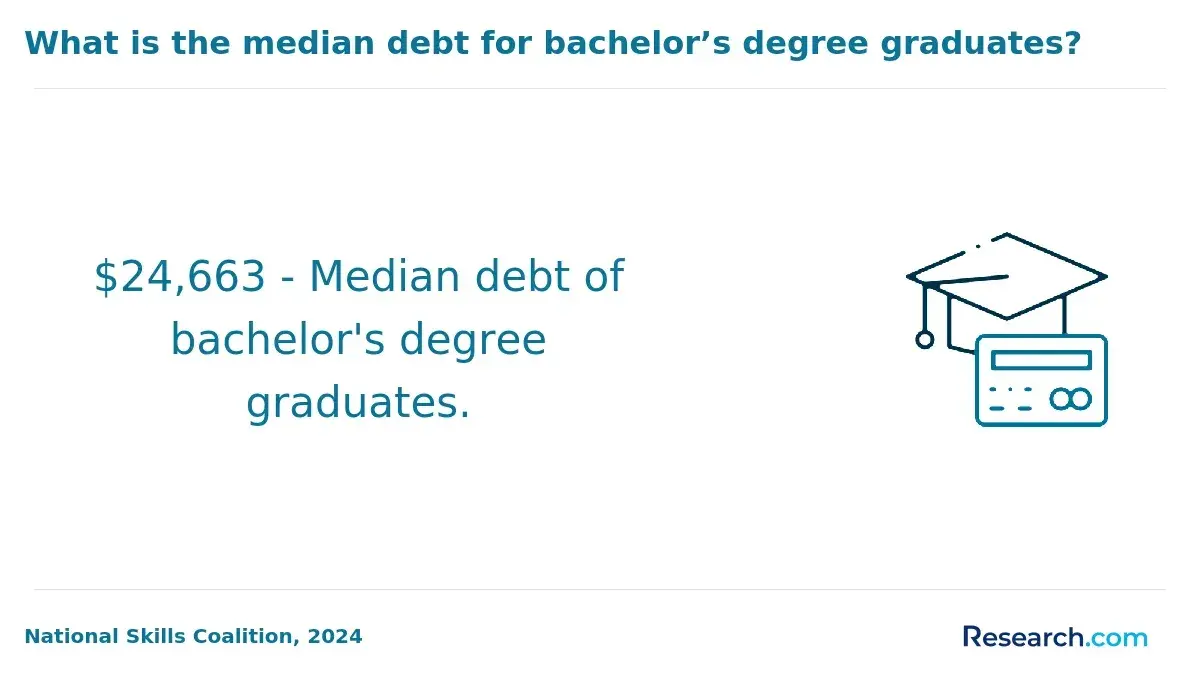
Financial aid and scholarships substantially lower the net cost of an online degree at Northwestern University, but they only partially offset sticker prices. With 61% of students receiving financial aid, the average package of $57,927 for undergraduates highlights how these resources moderate expenses. However, a median graduate debt of $15,000 signals ongoing loan reliance, making it crucial for prospective online students to scrutinize aid options relative to total costs and career outcomes.
For instance, a student in technology management may find higher scholarship availability tied to workforce demand, while a less in-demand field might offer fewer dedicated funds, prompting more borrowing despite aid. Employer tuition assistance is becoming a significant supplementary funding source in online education, shifting some financial responsibility to workplaces.
Research indicates online learners typically experience tougher access to traditional grants, increasing their dependence on loans. This trend underscores the importance of targeted scholarships and aid programs that can ease debt burdens effectively while aligning with realistic salary prospects post-graduation.
Northwestern University offers several financial aid and scholarship options that online students can pursue to reduce overall costs:
- Institutional Scholarships: Awards typically based on merit or financial need; students apply through their program's financial aid office and these can cover a substantial portion of tuition.
- Merit-Based Grants: Granted for academic excellence or professional achievements; qualifying requires maintaining certain GPA thresholds and can decrease reliance on loans.
- Department-Specific Grants: Available to students in particular disciplines with limited funding but greater impact on net price; application often coordinated through individual departments.
- Employer Tuition Assistance Programs: Partnerships or reimbursement plans that eligible employees use to pay tuition; students should verify with HR departments for program specifics and submission deadlines.
- Federal Financial Aid: Includes Pell Grants and federal loans; eligibility depends on FAFSA filings and income level, forming a baseline financial resource.
- Online Learner Scholarships: Dedicated funds for distance education; more limited than traditional scholarships but crucial for offsetting costs unique to remote students.
One graduate who completed an online master's at Northwestern recalled how a department-specific grant was instrumental in her decision to enroll. "I was hesitant about the cost, especially since I was juggling full-time work," she said. "But the grant reduced my upfront expenses enough to accept the offer and avoid immediate loans." Despite the limited scope of these funds, they provided vital breathing room to focus on balancing studies and work without excessive financial strain.
How does enrollment status affect online degree costs at Northwestern University?
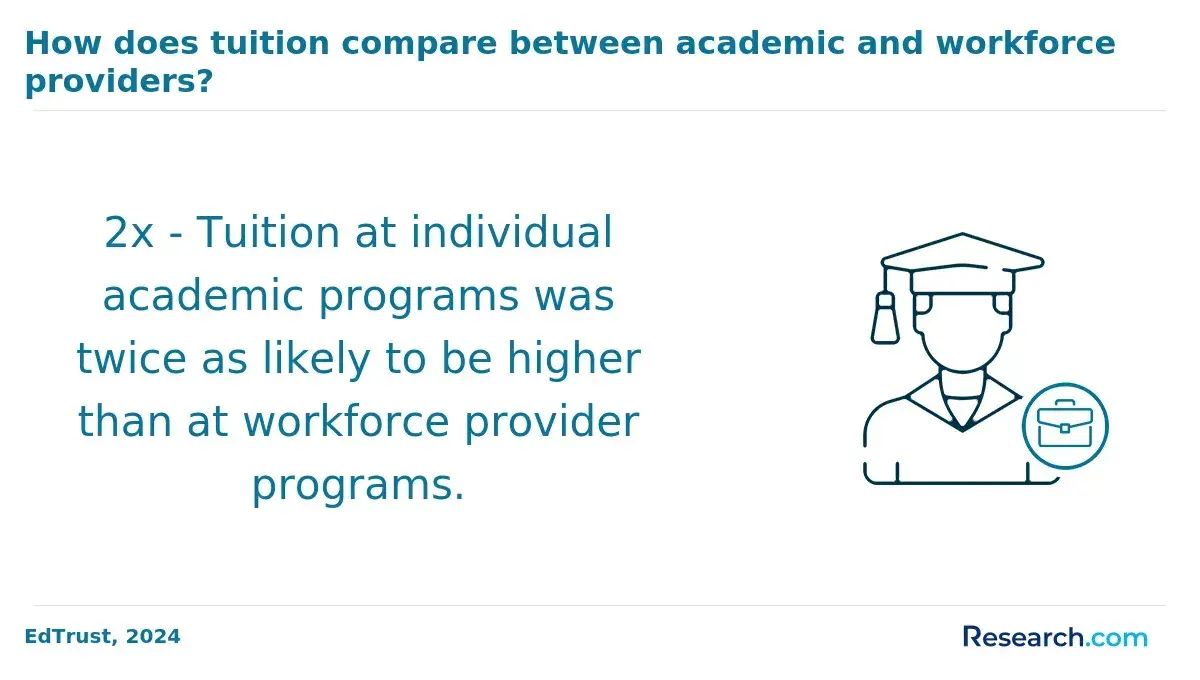
Enrollment status at Northwestern University substantially shapes the total cost of an online degree by influencing tuition rates, fees, and the duration to completion. Full-time students pay a flat-rate tuition of approximately $65,997 for the program, which covers a set credit load per term. Part-time students, conversely, pay per credit, which can increase their effective tuition costs, especially if their pace extends the time needed to graduate.
Accelerated enrollment may reduce time to degree, but often requires a heavier course load that can strain budgeting and schedule flexibility. Financial aid availability also varies with enrollment status. Around 61% of Northwestern's online enrollees receive some form of financial aid, yet full-time students generally have better access to scholarships and employer tuition assistance programs.
Part-time students might face eligibility restrictions or reduced aid amounts, making it essential to consider not just tuition but also funding opportunities when choosing an enrollment path. These funding differences can significantly impact the net price and affordability for prospective students weighing Northwestern University's online degree enrollment costs.
Additional fees, such as technology and student services fees, are often charged at a flat amount per semester rather than per credit. This model benefits full-time students who take more credits per term and raises the proportional per-credit cost for part-time enrollees. A 2024 report by the National Center for Education Statistics found that part-time online students nationally pay 15-20% more per credit hour due to these fees, a trend reflected in Northwestern's structure.
Prospective students must evaluate enrollment scenarios carefully. Balancing flexibility against total spending requires analyzing tuition, fees, time to graduation, and access to aid. For some, the option to enroll part-time suits career demands despite longer costs. Others may benefit from full-time or accelerated plans to reduce duration and improve employment outcomes. Investigating options like online schools no application fee may also reduce upfront expenses while optimizing pathway affordability and academic progress.
How much student debt do online graduates from Northwestern University typically accumulate?
Online graduates from Northwestern University generally accumulate a median student debt of around $15,000, a figure that situates them moderately compared to national averages. This level often reflects a balance between tuition costs and accessible financial aid, alongside personal funding strategies. For example, a mid-career professional pursuing a master's degree remotely might borrow conservatively, relying partly on employer tuition reimbursement.
Key factors influencing borrowing include program length, discipline, and the availability of external funding such as scholarships or employer support. Nationally, about 30% of online learners graduate debt-free, often aided by such non-loan funding, though specific data for Northwestern's online students remain limited. Importantly, Northwestern's graduates benefit from a strong earnings-to-debt ratio of 5.96x, meaning their post-graduation income nearly sextuples the debt owed.
This ratio implies that despite borrowing, the long-term financial burden tends to be manageable, especially when compared to the average U.S. borrower burden, which has remained steady or slightly increased, complicating repayment for many. Recent labor market data indicate rising starting salaries for online degree holders support faster debt repayment, making loans more of a short-term investment rather than a prolonged financial strain.
Evaluating prospective debt against anticipated income and career trajectory is critical. A prospective student working in a competitive, high-demand field may find the debt-to-earnings ratio favorable, whereas those entering lower-paying sectors require more cautious financial planning to ensure debt remains sustainable.
One Northwestern online graduate remembered hesitating before borrowing, concerned about balancing family expenses with loan payments. "I carefully calculated what I could realistically repay each month," she said, describing how employer tuition assistance trimmed her initial borrowing needs. Although she finished with some debt, the strong salary bump after graduation made monthly payments manageable without sacrificing essentials. This pragmatic evaluation shaped her decision to proceed despite initial financial worries.
Which online programs at Northwestern University offer the strongest return on investment?
Programs in Information Science/Studies, Computer Science, and Industrial Engineering at Northwestern University offer among the strongest returns on investment for online students. Graduates benefit from salaries exceeding $84,000, well above many other fields, reflecting high regional employer demand and active corporate partnerships that facilitate job placement.
The following programs highlight where students achieve optimal financial and career outcomes.
- Information Science/Studies: Graduates report average salaries of $94,536, driven by demand for data management and analytics skills. The program aligns closely with a growing technology sector, helping students secure roles with competitive pay and advancement potential.
- Computer Science: With average earnings of $84,037, this program meets strong employer demand in software development and IT. Skill sets taught are rapidly applicable, providing a fast path to employment after graduation.
- Industrial Engineering: Earning averages of $84,644 reflect the program's value in optimizing manufacturing and operations. Graduates often benefit from Northwestern's employer network, supporting smooth transitions into technical roles.
- Business-Related Programs: These programs leverage the university's market reputation and often yield favorable ROI through increased managerial opportunities and salary growth in competitive industries.
- Health Informatics and Data Analytics: Increasing demand across healthcare systems for data-driven decision-making enhances employability and starting salaries for graduates in these fields.
Majors such as Radio, Television, and Digital Communication or Biology yield lower returns with average salaries around $27,414 and $19,001, respectively, which may limit the financial viability of investing in these fields relative to tuition costs. Northwestern University's overall earnings-to-debt ratio of 5.96x signals healthy outcomes but varies widely across disciplines. Prospective students should evaluate these differences carefully when considering the best value online degrees at Northwestern University.
For working adults weighing their options, factors like program length, tuition, and alignment with industry hiring trends also matter greatly. Many employers prioritize skills from STEM and data-focused programs, which often offer faster employment and stronger salary growth, a distinction important for those seeking to recover tuition investment efficiently. Exploring accelerated online degrees can further enhance time-to-employment and reduce financial burden.
How do career outcomes influence the cost-benefit equation of an online degree at Northwestern University?
Student debt accumulation for online graduates at Northwestern University hinges largely on balancing tuition expenses with expected career outcomes. Tuition costs are high but are often weighed against post-graduation employment rates and median salaries, which for graduates hover around $89,363. This median reflects a strong starting point, but students must consider whether their chosen program aligns with industries offering robust job placement and growth within 6 to 12 months after graduation.
The variation in student debt also depends on program-specific factors such as the skills developed and how they match current labor market demands. Programs focusing on technology and business fields tend to deliver higher salary potential and faster return on investment due to their relevance in expanding job markets. By contrast, degrees less aligned with in-demand sectors may require graduates to shoulder longer debt repayment periods or face slower income growth, affecting overall financial outcomes.
A practical example involves a mid-career professional weighing an online business analytics program at Northwestern University. Although upfront costs are higher, the program's alignment with growing technology-driven roles can justify the debt, supported by employment data showing substantial salary increases within five years. Conversely, a candidate pursuing a less market-responsive field might accumulate similar debt but struggle to see proportional income gains, highlighting the importance of industry alignment.
Most prospective students assess the debt burden against comparable online credentials and alternative career pathways offering lower tuition or shorter completion times. Faced with increasing demand for Northwestern's credentials in competitive sectors, many accept the cost for stronger placement outcomes and income growth. However, those prioritizing immediate affordability may explore other programs with less upfront cost but potentially lower mid-career earnings, underscoring the tradeoff between debt size and career-driven long-term value.
How can students reduce the cost of an online degree at Northwestern University without sacrificing quality?
Online graduates from Northwestern University typically accumulate student debt levels reflecting both the institution's premium tuition rates and the individual's capacity to leverage cost reductions. While some graduates finish with manageable debt due to scholarship assistance or employer support, others face higher balances correlating with full-cost enrollment and limited financial aid usage.
For example, an online learner who transfers substantial credits and accesses employer tuition reimbursement may reduce what otherwise could be a burdensome debt load by thousands of dollars. Reducing overall debt at Northwestern University without sacrificing academic quality involves targeted strategies balancing cost control with rigorous credit and course selection.
Below are key approaches students can employ to mitigate costs effectively.
- Maximize Transfer Credits: Transferring previously earned credits to bypass introductory courses cuts tuition costs by avoiding payments for classes already mastered. According to data from the National Center for Education Statistics, transfer credit use can save students 15-20% on tuition expenses at comparable institutions. This method maintains academic standards while shortening the time to a degree, preventing extra fees and living costs tied to prolonged enrollment.
- Apply for Online-Specific Scholarships: Institutional and departmental scholarships tailored to online students reduce upfront tuition charges. Although these awards can be limited, early and proactive applications increase chances. Scholarships offset costs without requiring trade-offs in course rigor or learning outcomes.
- Utilize Employer Tuition Reimbursement: Many employers cover a significant portion, sometimes up to 80%-of tuition for approved programs. Northwestern's online degrees often qualify for such programs. Leveraging employer aid substantially reduces out-of-pocket expenses while allowing students to maintain program quality and continuity.
- Adopt Open Educational Resources: Using free or low-cost digital learning materials instead of expensive traditional textbooks lowers ancillary costs. Northwestern supports digital resource integration, ensuring no compromise in the depth or quality of course content.
- Choose Accelerated or Competency-Based Options: Accelerated or competency-based learning models enable students to complete degree requirements faster. Evidence shows graduation timelines can shrink by as much as six months, which decreases cumulative tuition and related expenses. These programs preserve academic standards through rigorous competency assessments.
- Plan Enrollment Intensity Strategically: Opting for a balanced course load can prevent overextension and additional fees associated with repeated classes or dropped courses. Careful planning facilitates steady progress without sacrificing learning quality or increasing total costs from extended study periods.
What Graduates Say About the Cost of Studying Online at Northwestern University
- Harper: "When I first considered the online program at Northwestern University, the tuition felt steep compared to some other options, but the flexibility was essential for me to balance work and family. I carefully weighed the costs against financial aid opportunities and discovered that with employer tuition assistance, I could manage the expenses without incurring heavy debt. After graduating, I noticed that the credibility of Northwestern University's diploma significantly eased my transition into a leadership role, making the investment feel justified despite the upfront cost."
- Keiko: "The cost of enrolling in Northwestern University's online degree program made me pause initially, especially with the added fees on top of tuition. I spent a lot of time researching scholarships and financial aid options that Northwestern offers, which ultimately helped me reduce the financial burden. This cautious approach allowed me to complete the program without compromising my long-term savings, and the degree gave me a competitive edge in the job market, confirming that balancing affordability and quality was key for my career advancement."
- Kylie: "I approached the decision to study online at Northwestern University with a pragmatic mindset, fully aware that the tuition and various fees were higher than at some other schools. What convinced me was the projected return on investment. Looking at alumni outcomes, I saw that despite taking on some debt, the career opportunities I gained helped me repay it faster than I expected. The financial aid I accessed and the program's flexibility allowed me to start a new career path immediately upon graduation without delaying my entry into the workforce."
Other Things You Should Know About Northwestern University Degrees
In 2027, online students at Northwestern University may face additional costs for technology and learning resources. These can include purchasing specific software, high-speed internet, and potentially upgrading hardware to meet course requirements. It's important to budget these costs alongside tuition to avoid unexpected expenses.
Programs that follow a cohort model usually limit enrollment periods, potentially extending total study time and increasing indirect costs like ongoing fees or loss of income. Self-paced options offer schedule flexibility, which can reduce opportunity costs but might lead to prolonged duration and higher overall tuition if more courses are added over time. When evaluating cost-effectiveness, students should weigh the premium for flexible pacing against their own capacity to progress steadily without extending their program duration unnecessarily.
Northwestern University's online programs often come at a premium, partly due to reputation and access to exclusive alumni and professional networks. Yet, the online format can restrict spontaneous, informal networking found on campus, which may limit return on investment for certain career fields. For those whose industries heavily depend on personal connections, investing slightly more in in-person or hybrid components may yield better career advancement than purely online tuition alone.
References
- Cost of Online Education vs. Traditional Education [2025]: Comparison https://educationdata.org/cost-of-online-education-vs-traditional-education
- Northwestern University Fees 2026: Tuition, Hostel & Total Cost for International Students https://eduportalqa.com/qa/doha/northwestern-university/fees/
- Tuition | UNOH https://www.unoh.edu/future-students/tuition.html
- Northwestern University: Rankings, Fees, Top Courses 2026 https://amberstudent.com/blog/post/northwestern-university-rankings-fees-top-courses
- Northwestern University cuts tuition benefits, changes health care starting next year to cope with financial strain https://www.cbsnews.com/chicago/news/northwestern-university-cost-cutting-measures/
- Guide to Northwestern University's Financial Aid & Student Loan Options https://collegefinance.com/plan/guide-to-northwestern-universitys-financial-aid-student-loan-options
- Northwestern U. financial aid for the 2026-2027 https://www.ivytrack.org/forum.php
- Northwestern University undertaking a variety of cost-cutting measures amid financial pressure https://chicago.suntimes.com/education/2025/06/25/northwestern-university-budget-cuts
- Does College Pay Off? A Comprehensive Return On Investment Analysis - FREOPP https://freopp.org/whitepapers/does-college-pay-off-a-comprehensive-return-on-investment-analysis/