2027 Arizona State University Online Programs: Cost, Start Dates, and Popular Degrees

Co-Founder and Chief Data Scientist
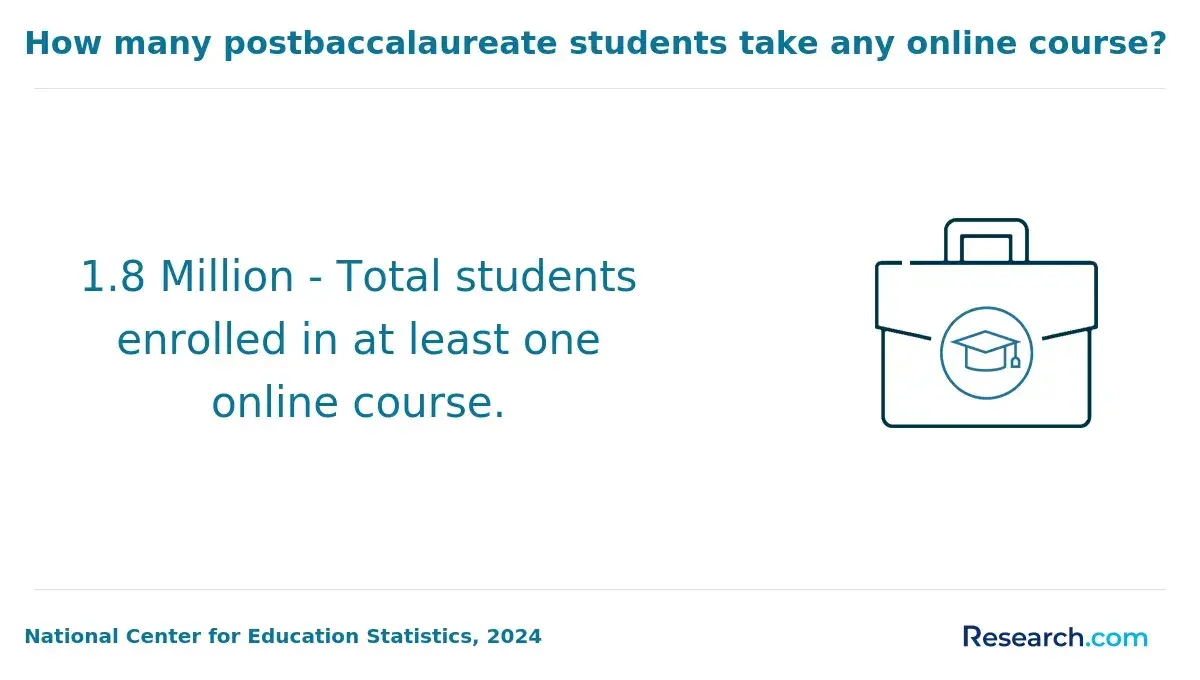
Students seeking flexibility in higher education often face challenges in identifying online programs that align with their career goals and schedule constraints. Arizona State University offers a broad range of online degrees, but understanding which programs truly fit one's academic and professional aspirations requires careful examination. According to the National Center for Education Statistics, online enrollment increased by over 5% in 2023, reflecting a growing demand for accessible and timely education options. This trend highlights the importance of start dates and cost transparency in making informed decisions about online learning pathways.
This article explores Arizona State University's online programs in depth, focusing on cost, start dates, and the most popular degrees to help prospective students navigate their options effectively.
Key Things to Know About the Online Programs at Arizona State University
- Arizona State University's 90% acceptance rate indicates relatively accessible entry, but prospective students should consider how this impacts cohort composition and competition in high-demand fields.
- Popular programs like business, engineering, education, and health align with labor market demand, suggesting strategic choices for students targeting stable or growing industries.
- With a total tuition cost of $34,845 and regional accreditation ensuring degree recognition, students must weigh long-term return on investment against career goals and alternative educational options.
Are there fully online programs at Arizona State University?
Arizona State University fully online degree options primarily cater to students who need scheduling flexibility without sacrificing access to quality coursework. Many programs are fully online, employing a blend of asynchronous and synchronous formats, which allows for adaptability based on individual needs. For example, a working professional may opt for asynchronous classes to balance study with job demands, whereas another student might prefer synchronous sessions for real-time interaction and networking opportunities.
Most courses can be completed without campus visits, which is a significant advantage for those relocating or with geographic limitations. However, certain specialized pathways, like clinical or lab-based degrees, require some limited on-site commitments to satisfy professional standards. While this hybrid aspect might pose challenges for some learners, it ensures compliance with licensure and skill acquisition expectations. Students evaluating Arizona State University online programs with flexible start dates should weigh the tradeoffs between convenience and program-specific residency requirements.
Given these variables, prospective learners should also consider the value proposition, comparing options such as a cheap online doctorate degree elsewhere if cost and full remote access are primary concerns.
What are the most popular online degrees at Arizona State University
The demand for online degrees at Arizona State University often centers on fields that align closely with labor market needs and emerging industry trends, reflecting the practical considerations students must weigh when selecting a program. For instance, business administration graduates may enter competitive markets where managerial flexibility and marketing acumen are critical, making the ability to engage with both synchronous and asynchronous learning essential to mastering real-time decision-making alongside self-paced analytical work.
Below is an overview of some of the most popular online degree programs at Arizona State University, illustrating their focus and typical instructional methods:
- Bachelor of Science in Business Administration: This program emphasizes leadership, marketing, and entrepreneurship skills. Students benefit from a blend of live discussions and flexible coursework, accommodating professional schedules while fostering practical business problem-solving.
- Computer Science: Offering a curriculum centered on software development, algorithms, and systems design, this program typically uses a combination of asynchronous lectures and synchronous labs or project collaborations to balance technical depth with peer interaction.
- Engineering: Focused on foundational principles and applied technologies, the engineering degree incorporates both on-demand content and scheduled sessions to support complex group projects and technical discussions crucial for professional readiness.
- Nursing: Given the hands-on nature of healthcare, this degree pairs theoretical asynchronous modules with synchronous clinical discussions, ensuring students develop practical competencies alongside flexible study options.
- Health Sciences: Designed to prepare students for various medical and allied health roles, this program balances independent learning with interactive online seminars to cover evolving healthcare topics effectively.
- Psychology: Addressing cognitive and behavioral studies, the psychology program often uses asynchronous lectures complemented by real-time case study sessions to deepen conceptual understanding.
Students navigating online degree programs at Arizona State University can expect versatility in delivery formats tailored to different learning preferences and career necessities. This adaptability is critical for those balancing external commitments while pursuing credentials in high-demand fields. For individuals seeking accelerated pathways with comparable rigor, comparing these options to accelerated online degrees elsewhere may provide insight into efficient alternatives without compromising educational quality.
What documents should aspiring students prepare for admission at Arizona State University
Admission to Arizona State University online programs demands careful preparation of specific documents, reflecting a mix of academic history and sometimes specialized materials, oriented by program rigor and outcomes expectations. For example, a transfer student seeking to align previously earned credits with an ASU online degree must provide a clear academic record, as this directly influences credit recognition and program fit. Below is a concise outline of core documents applicants generally need to prepare to meet Arizona State University's requirements:
- Official Transcripts: Applicants must submit official transcripts from all previously attended postsecondary institutions. These documents verify academic history and are foundational to assessing eligibility and credit transferability.
- Standardized Test Scores: While some online programs may require SAT, ACT, or GMAT scores, many waive these in favor of other metrics. When mandated, scores provide an additional academic benchmark for admissions committees.
- Letters of Recommendation: Required for specific programs, especially at the graduate level, these letters offer insight into the applicant's academic capabilities or professional experience, supplementing the transcript data.
- Additional Materials: Portfolios, resumes, or other evidence of practical experience may be necessary for specialized degrees like arts or professional fields, demonstrating applied skills beyond academic metrics.
- Transfer Credit Documentation: Transfer applicants must submit all relevant transcripts to enable Arizona State University's evaluation of previously earned credits, impacting degree progress and advising.
How competitive are admissions for online degrees at Arizona State University
Admission to Arizona State University's online degree programs tends to be accessible, reflecting a broader commitment to inclusion rather than intense competition. Unlike more selective institutions with low acceptance rates, ASU's online admissions process accepts approximately 90% of its 68,840 annual applicants, easing entry for a diverse student population. This wide accessibility suits candidates balancing work or family obligations who may not meet traditional standardized testing benchmarks.
ASU's approach omits SAT or ACT requirements, reducing common barriers that trip up many applicants. Compared to rising admissions difficulty nationally, especially at highly ranked universities, ASU's relaxed criteria for online programs provide practical routes for students aiming to quickly secure credentials without prolonged admissions hurdles. However, broader hiring trends suggest that while entry is attainable, outcomes depend heavily on individual effort, program choice, and career alignment beyond mere admission.
One ASU online alum recalls applying late in the enrollment cycle due to job uncertainty, initially unsure if missing early deadlines would derail her chances. The relatively flexible admissions timeline allowed her to submit materials without exhaustive test scores, and after a brief wait, her acceptance came as a relief that validated her decision to pursue school alongside shifting work demands.
How much does it cost to attend an online program at Arizona State University
The average base tuition and fees for an online program at Arizona State University total approximately $12,051 annually, with the overall cost of attendance-including books, supplies, room, and board-reaching around $34,845. This comprehensive figure accounts for living expenses, which prospective students must weigh carefully when budgeting for their education, especially those balancing work or family obligations.
Arizona State University applies a flat-rate tuition model for online learners regardless of location, which contrasts with many institutions that impose additional fees for remote instruction. The absence of technology fees means that tuition costs remain stable across programs, though students should consider variable expenses such as books and supplies, which typically amount to about $1,320 annually. This pricing structure can offer predictability for students comparing it to fluctuating rates elsewhere.
Financial aid plays a significant role in reducing net costs, with 93% of ASU's students receiving support. The average undergraduate aid package is roughly $12,396, which can substantially offset tuition and related expenses. Nonetheless, students should evaluate their eligibility and plan conservatively to avoid unexpected financial shortfalls during their studies.
For learners considering shorter or more specialized offerings to supplement or accelerate their education, programs like 6 week courses with certificates provide targeted skills development options that may align better with immediate employment needs or professional transitions.
When is the start date for online classes at Arizona State University?
Arizona State University's online academic calendar diverges from many traditional U.S. institutions by offering multiple entry points throughout the year, which better accommodate diverse student circumstances. While many universities start their fall and spring terms around late August and mid-January, ASU supplements these with accelerated sessions and additional online terms. This flexibility means students who need to balance work, family, or other commitments can avoid waiting months to begin coursework.
For example, a working adult seeking to upskill mid-year won't be limited to standard semester schedules. Summer sessions at ASU commence in early May and late June, providing options for shorter or full-length terms depending on the course. This arrangement can benefit students needing to complete prerequisite or refresher classes without delaying their progress into degree-relevant coursework.
Remedial and developmental classes also follow these staggered start dates, supporting continuous enrollment rather than forcing students onto rigid timelines. This contrasts with some institutions that restrict entry to select semesters, potentially interrupting skill acquisition and labor market readiness.
Overall, Arizona State University's staggered online start dates foster a more adaptive learning environment. This scheduling approach aligns well with the practical realities of adult learners and those balancing nontraditional demands, offering a degree of continuity uncommon in many traditional academic calendars.
What resources do Arizona State University offer to online degree students?
The quality and accessibility of learning resources critically shape online degree students' capacity to progress and complete their studies at Arizona State University. For instance, a working professional balancing job responsibilities and coursework needs swift access to academic support and technology troubleshooting to avoid falling behind. These resources are not just conveniences but practical enablers of student retention and success in a remote learning environment. Below are key support mechanisms that illustrate how Arizona State University addresses the distinct challenges online learners face.
- Robust Digital Infrastructure: Arizona State University offers a dedicated online portal and learning management systems designed for smooth, 24/7 access to lectures, assignments, and administrative services, which helps minimize technical barriers and ensures steady academic progress regardless of location.
- Continuous Technical Support: The university provides prompt assistance for software issues, connectivity problems, or navigation challenges, a vital resource to reduce downtime and frustration that can disrupt a student's study schedule.
- Academic Advising and Tutoring: Personalized advising helps students strategically plan their coursework and maintain degree momentum, while virtual tutoring and writing centers offer targeted help to strengthen academic skills necessary for success in diverse subject areas.
- Online Libraries and Research Tools: Access to extensive digital libraries and research databases enables students to conduct scholarly work remotely, an essential component for rigorous academic work and evidence-based assignments.
- Career Development Services: Through virtual career fairs, coaching, internship coordination, and workshops on resume writing and interviewing, Arizona State University bridges academic achievement with workforce entry, providing practical pathways for employment after graduation.
Do online degree graduates from Arizona State University command high salaries?
Graduates from Arizona State University's online programs generally command salaries that reflect both field-specific demand and practical skill applicability. For example, a Computer Science graduate with a median salary near $72,700 illustrates how certain technical disciplines yield immediate financial returns on online education investment. This suggests that employers recognize the rigor and relevance of particular ASU online degrees, especially in STEM fields.
Across the board, the average salary outcomes for Arizona State University online program alumni center around a median of $62,668, which aligns with many competitive roles requiring adaptable, industry-aligned skills. Fields outside core STEM majors also deliver tangible earnings, as seen in Business disciplines like Finance and Management Sciences, offering median salaries ranging roughly from $53,000 to $58,000. Such figures highlight the varied but generally solid short-term earning potential tied to these programs.
Those evaluating whether to pursue an online degree at ASU should consider these salary benchmarks within the context of their career goals and labor market realities. Many students looking for accessible options will find ASU included among universities that accept 2.0 GPA, expanding opportunities for those with less traditional academic profiles. This factor underscores how program affordability and entry flexibility interact with salary outcomes to shape post-graduation prospects.
How to know if the online degree programs at Arizona State University fit your goals?
Choosing the right institution for online education requires aligning program features with your academic and career objectives. Arizona State University's online degrees offer flexible scheduling, reputable faculty, and comprehensive support tailored to remote learners. To determine if ASU fits your needs, consider these critical factors:
- Flexibility Of Schedule: Assess how well the asynchronous classes and multiple start dates match your availability, especially if balancing employment or family obligations.
- Accreditation And Reputation: Verify that the program's accreditation status meets industry standards and review employer recognition to ensure your degree holds value in the job market.
- Learning Style Compatibility: Determine if ASU's use of interactive multimedia and collaborative projects suits your preferred mode of engagement to maintain motivation and improve retention.
- Student Support Services: Evaluate resources like academic advising, tutoring, and career counseling dedicated to online students, which can impact your persistence and skill development.
- Program Outcomes And Career Alignment: Research graduate employment rates, career pathways, and how the curriculum prepares you for your targeted field's demands and certifications.
- Cost Versus Return: Weigh tuition and fees against potential salary uplift and long-term career benefits to ensure the investment aligns with your financial situation.
- Institutional Culture: Consider how well ASU's commitment to inclusivity and innovation resonates with your values, as this affects your sense of belonging and engagement.
One graduate shared that starting ASU's online program after years in retail was daunting but necessary. She hesitated because juggling full-time work and coursework felt overwhelming. However, the multiple enrollment periods and asynchronous classes allowed her to begin without job disruption. She emphasized that the decision hinged on knowing her learning style suited virtual group projects and digital content, which kept her engaged.
Ultimately, confirming the program's career support and industry reputation gave her confidence it met her goal of transitioning into healthcare administration. This nuanced evaluation helped her move beyond uncertainty toward selecting an online degree aligned with both her immediate realities and future ambitions.
How can aspiring students increase the chances of getting admitted to Arizona State University?
Mastering Arizona State University's admission process requires more than meeting baseline criteria; it demands a strategic approach rooted in understanding specific institutional expectations and presenting a well-rounded application. For aspiring students, preparing before applying is crucial to avoid common pitfalls and to effectively leverage the flexibility in ASU's standards. Several targeted actions can notably improve the probability of acceptance. Here are focused strategies to consider:
- Clarify Program Fit and Goals: Tailor your application to emphasize clear academic and career objectives aligned with ASU's online program strengths. Demonstrating a coherent rationale for your chosen field signals genuine preparedness.
- Submit Complete, Accurate Materials: Ensure official transcripts and any required test scores, if applicable, are submitted promptly. Missing documentation can delay or weaken your application's evaluation.
- Highlight Relevant Experience: Augment academic credentials by showcasing certifications, work experience, or prior learning connected to your intended major, reinforcing practical readiness.
- Craft a Persuasive Personal Statement: Use your essay to communicate motivation, specific goals, and alignment with ASU's values to differentiate yourself in a large applicant pool.
- Apply Early and Strategically: Take advantage of multiple start dates by submitting applications well ahead of deadlines, enhancing your ability to navigate any additional requirements.
- Engage Admissions Counselors: Proactively seek guidance on program specifics or application components to tailor your submission and clarify uncertainties.
- Leverage Relevant Coursework: Prioritize taking or noting coursework that supports your chosen degree, which is especially important for competitive online programs like Business Administration or Nursing.
For those balancing employment, exploring options through online degree programs for working adults can present practical pathways that align studies with professional demands while navigating ASU's admission nuances. Understanding these subtleties helps fine-tune efforts to improve acceptance chances for Arizona State University online programs.
What Graduates Say About Arizona State University's Online Degree Programs
- Olivia: "Studying online at Arizona State University allowed me to balance a full-time job while advancing my education, which was essential given my family commitments. The program's flexibility meant I could tailor my schedule around work, but I quickly realized that employers in my field value hands-on experience and certifications alongside the degree itself. Entering the workforce, my ASU degree opened doors, though I had to supplement it with practical projects to compete effectively."
- Kevin: "Completing my degree online with Arizona State University was a strategic move to pivot careers without pausing my income. The coursework was rigorous and tech-focused, preparing me for remote roles that are increasingly common in my industry. While my ASU degree helped me get noticed, I found that advancement opportunities hinge on licensure or specialized credentials, meaning I have to plan for further certifications down the line to accelerate my growth."
- Kayla: "Arizona State University's online program provided a well-structured curriculum that pushed me to develop a solid portfolio, which ultimately made a bigger impact than the diploma alone when job hunting. Transitioning to the workforce, I observed that many employers prioritize demonstrable skills and internships, so I focused on gaining practical experience during my studies. The degree definitely enabled quicker entry into my chosen field, although continuous learning has been necessary to keep pace with industry changes."
Other Things You Should Know About Arizona State University Degrees
For 2027, Arizona State University's online undergraduate programs typically range from $530 to $728 per credit hour, while graduate programs range from $543 to $1,343 per credit hour. Tuition varies based on the specific program and residency status. Additional fees may apply.
While Arizona State University provides opportunities for student-faculty interaction, the online format limits spontaneous exchanges common in on-campus classrooms. Students need to actively participate in scheduled discussions and reach out to instructors, as less direct contact may impact learning depth and networking potential. Those seeking a highly collaborative environment should evaluate programs with strong interactive components or supplemental virtual meetups before enrolling.
Beyond tuition, students often encounter additional expenses such as technology fees, required software licenses, and reliable high-speed internet service, which Arizona State University mandates for smooth course participation. Prospective students should budget for these costs upfront, as financial aid and scholarships might not fully cover them. Considering these factors can prevent surprises that undermine the affordability of the program.
Although Arizona State University offers respected online degrees, certain careers-particularly those requiring labs, practicums, or clinical work-may require in-person components or supplementary experiences. Students should confirm whether their chosen program integrates these elements or if additional external arrangements are needed. Prioritizing programs with robust experiential learning opportunities will improve readiness and employer perception in practical fields.
References
- Arizona State University (ASU) https://www.princetonreview.com/college/arizona-state-university-1023376
- Is ASU's high acceptance rate hurting Sun Devils? Students weigh in - The Arizona State Press https://www.statepress.com/article/2026/01/university-acceptance-over-capacity
- Exploring Arizona State University Online: A Comprehensive Guide to ASU's Online Program | pessakmyo's Blog https://pessakmyo.exblog.jp/30682082/
- Arizona State University - Wikipedia https://en.wikipedia.org/wiki/Arizona_State_University
- Is ASU online actually worth it compared to others? https://discussions.gyandhan.com/t/is-asu-online-actually-worth-it-compared-to-others/16520
- ASU Online Student Resources https://asu.badges.parchment.com/public/badges/3g8_k6FVSuiOkDbYf619yw
- ASU Does not Consider Rigor https://talk.collegeconfidential.com/t/asu-does-not-consider-rigor/3676151
- ASU Requirements for Admission https://www.prepscholar.com/sat/s/colleges/ASU-admission-requirements
- ASU Acceptance Rate 2025 for International Students https://counsellingx.com/blog/arizona-state-university-acceptance-rate/
- High School Program https://www.asuprepdigital.org/online-high-school-program/