2027 Cybercrime Degree Popularity by Gender, Region, and Degree Level

Co-Founder and Chief Data Scientist
When a prospective cybercrime student examines enrollment figures, a stark disparity emerges: women constitute just 22% of bachelor's degree recipients nationwide in 2024, while certain Western states report a surge in regional demand tied to expanding cybersecurity industries. This uneven distribution complicates how students assess a program's rigor, peer diversity, and local hiring prospects.
For example, a high concentration of advanced degree completions in metropolitan areas contrasts with limited access in rural regions, highlighting systemic barriers and influencing workforce readiness. Interpreting these trends shapes not only educational choices but also the effectiveness of workforce development initiatives in cybercrime fields.
This article analyzes cybercrime degree popularity by gender, region, and degree level to guide sharper educational and career decisions.
Key Things to Know About Cybercrime Degree Popularity by Gender, Region, and Degree Level
- Male students outnumber females in cybercrime programs by nearly 3:1, reflecting persistent gender gaps that may limit workforce diversity and affect employer hiring strategies focused on broadening talent pools.
- Enrollment surges in the U.S. South and Midwest highlight regional demand tied to local industry growth, but students face timing and cost tradeoffs due to fewer accelerated degree options compared to coastal areas.
- Graduate-level cybercrime degrees, though less popular, align more closely with employer expectations for advanced technical roles, emphasizing practical benefits versus undergraduate programs' broader accessibility and cost efficiency.
- Key Things to Know About Cybercrime Degree Popularity by Gender, Region, and Degree Level Key Things to Know About Cybercrime Degree Popularity by Gender, Region, and Degree Level
- How Does Job Market Demand Influence Cybercrime Degree Popularity? Market Demand and Degree Popularity
- How Does Online Cybercrime Degree Enrollment Compare to Traditional Campus Programs? Online vs. Campus Enrollment
- What Degree Level Is Most Common Among Cybercrime Students? Most Common Degree Levels
- How Do Enrollment Trends Differ Between Associate, Bachelor's, Master's, and Doctoral Cybercrime Degrees? Enrollment Trends by Degree Level
- How Popular Is the Cybercrime Degree Compared to Other College Majors? Degree Popularity vs. Other Majors
- Why Is the Cybercrime Degree More Popular in Certain States and Regions? Regional Popularity Drivers
- What Demographic Groups Are Driving Growth in Cybercrime Degree Programs? Growth by Demographic Groups
- What Is the Future Outlook for Cybercrime Degree Enrollment by Gender, Region, and Degree Level? What Is the Future Outlook for Cybercrime Degree Enrollment by Gender, Region, and Degree Level?
- How Have Cybercrime Degree Enrollment Trends Changed Over the Past Decade? How Have Cybercrime Degree Enrollment Trends Changed Over the Past Decade?
- Where Is the Cybercrime Degree Most Popular Across the United States? Geographic Popularity Analysis
How Does Job Market Demand Influence Cybercrime Degree Popularity?
Employer demand for specialized skills in cybersecurity shapes how cybercrime degree programs attract students differently across regions and demographics. For example, the San Francisco Bay Area's dense technology ecosystem fuels higher enrollment rates, as employers there expect formal educational credentials alongside certifications like CISSP or CEH. This dual demand prompts some students-and notably more men, who currently dominate tech-oriented occupations-to pursue advanced degrees or combined academic and certification routes, reflecting a nuanced interplay between workforce shortages and credentialing preferences that can limit broader gender parity in enrollment.
Regional economic conditions influence enrollment patterns beyond job availability; areas with fewer tech firms see slower growth in cybercrime programs, demonstrating that labor market signals do not always translate directly into program popularity. The impact of job market trends on cybercrime degree enrollment varies further by degree level, with bachelor's degrees remaining the primary access point but graduate programs gaining traction as employers increasingly seek leadership capabilities.
Prospective students weighing educational paths should also consider that some employers prioritize experience or certifications over degrees alone, underscoring a vital tradeoff in investing in higher education versus accelerated credentialing or work experience.
Financial barriers and program accessibility also contribute to enrollment decisions, sometimes limiting the responsiveness of cybercrime degree demand to strong labor market forecasts highlighted by the U.S. Bureau of Labor Statistics projecting 35% job growth for information security analysts.
This dynamic can push some students to seek alternative credentialing or more flexible options, such as the shortest DNP program online, which illustrates the broader appeal of condensed and cost-effective educational models in related fields. Understanding these layered realities enables students across gender, regional, and educational spectra to make informed choices grounded in real-world career implications rather than surface-level demand signals.
How Does Online Cybercrime Degree Enrollment Compare to Traditional Campus Programs?
Online cybercrime degree programs have expanded notably faster than their campus-based counterparts, driven largely by the flexibility they offer to adult learners and those dispersed across rural or underserved areas. Data from the National Center for Education Statistics highlights an 18% increase in online cybersecurity enrollments over two years compared to just a 7% rise on campus, illustrating that geographic accessibility and asynchronous course formats are shifting enrollment patterns.
These online options tend to draw older students who juggle work and family, whereas traditional programs primarily serve younger, full-time students fresh from high school, shaping distinct demographic and educational dynamics. This divergence impacts not only participation rates but also the nature of peer interaction and learning styles within each modality.
The regional reach of online programs helps mitigate disparities seen in campus-centric offerings often located in urban or tech-centric hubs, thereby broadening the diversity and potential talent pool within cybersecurity education. However, completion statistics from the Department of Education's 2024 report underscore a modest gap, with about 55% of online students graduating within six years compared to 62% of campus students, reflecting challenges like self-discipline and access to immediate support.
Employers recognize these differences, and while practical, hands-on experience remains a valued component—traditionally stronger on campuses—many online programs increasingly integrate virtual labs and real-time collaboration to address this gap. Prospective students must weigh these nuances alongside their circumstances, considering how modality influences networking opportunities, learning environment, and ultimately, career readiness.
A recent graduate who pursued an online cybercrime degree from a region lacking nearby specialized institutions shared how geographic limitations heavily influenced their decision to avoid relocating for a campus program. Initially skeptical about online learning's rigor and worried about missing direct peer interaction, the student ultimately found the program's flexible schedule crucial for balancing a full-time job and family.
Though they noticed fewer spontaneous study groups than on campus, virtual labs and scheduled collaborative projects helped mitigate feelings of isolation. This experience highlighted the tradeoff between convenience and immersive campus access, reinforcing how individual circumstances dictate which format aligns best with a student's educational and professional goals.
What Degree Level Is Most Common Among Cybercrime Students?
Bachelor's degrees dominate enrollment in cybercrime studies because they balance comprehensive technical training with broad accessibility, making them the preferred credential for those targeting entry-level cybersecurity roles. According to the National Center for Education Statistics in 2024, about 65% of students pursuing cybercrime degrees are enrolled at the bachelor's level. This reflects employer expectations that often require bachelor's qualifications for analyst and technician positions, positioning the degree as crucial for workforce entry while still accommodating diverse student backgrounds through online offerings and transfer pathways.
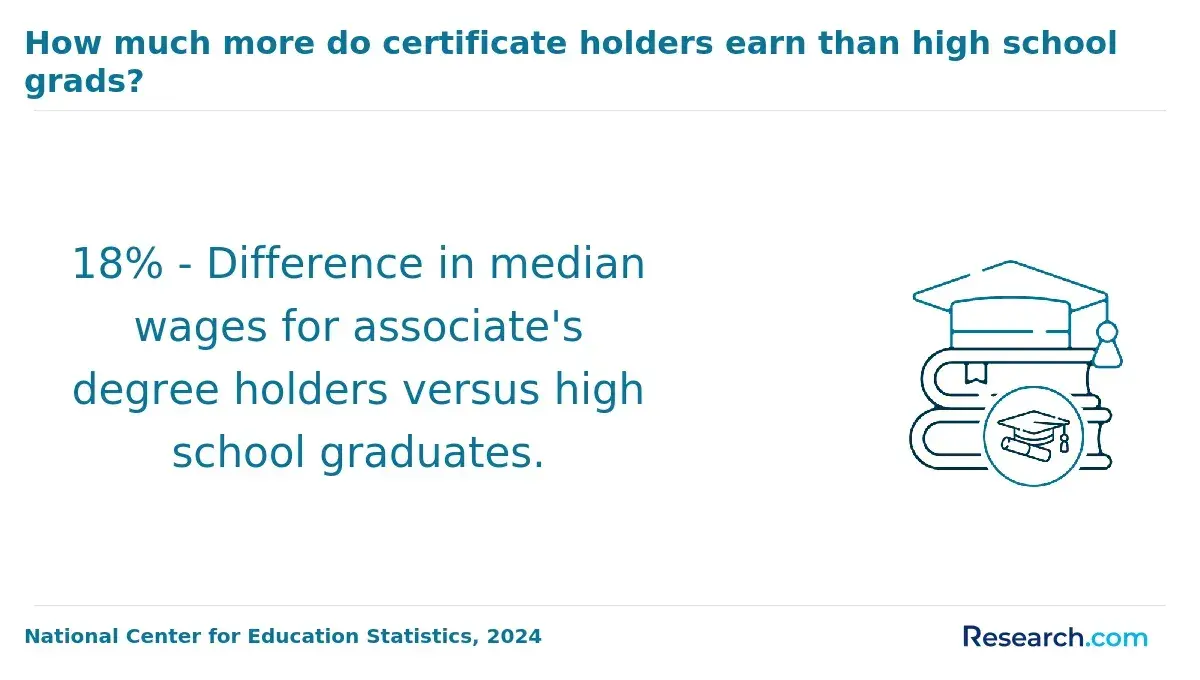
Associate degrees appeal to those seeking quicker, more affordable avenues into the field but generally limit long-term advancement due to their narrower scope. Meanwhile, master's programs attract a smaller segment—around 12-15%—of students aiming for specialized skills or leadership roles that respond to evolving cyber threats and organizational needs.
Doctoral enrollment is even more limited, primarily serving academic or research-focused careers rather than broad professional employment. These distinctions highlight how varying program levels correspond to different career trajectories and regional educational access, with bachelor's degrees serving as the central node in a landscape influenced by cost, time investment, and industry demands.
How Do Enrollment Trends Differ Between Associate, Bachelor's, Master's, and Doctoral Cybercrime Degrees?
Enrollment patterns across associate, bachelor's, master's, and doctoral cybercrime degrees reflect distinct strategic decisions driven by student objectives and employer demands. Associate programs show faster growth due to their accessibility and appeal to those seeking swift entry into cybersecurity roles, especially in regional community colleges emphasizing affordability.
In contrast, bachelor's degrees hold the largest enrollment share, aligning with broad industry requirements for technical proficiency and analytical skills, as evidenced by a 15% rise in completions reported by the National Center for Education Statistics between 2020 and 2023. These trends signal how program popularity varies regionally and by demographic factors, with bachelor's pathways broadly serving as the foundation for workforce readiness.
Master's degree programs attract working professionals aiming for niche specialization or leadership within cybercrime, often drawing increased participation from females and minorities as efforts to diversify the cybersecurity field continue. Growth here is moderate but purposeful, targeting roles requiring advanced expertise in incident response and policy, with the American Council on Education noting a 10% enrollment increase in 2023.
Doctoral programs remain limited and highly concentrated in research-intensive urban institutions, focusing on knowledge development and legislative impact, which limits accessibility and diversity at this level. Prospective students navigating these differences can benefit from comparing program scope, duration, and outcomes to align their educational pathway with realistic career trajectories, including resources like a health information technology degree for related interdisciplinary opportunities.
How Popular Is the Cybercrime Degree Compared to Other College Majors?
The relatively low enrollment in cybercrime degree programs reflects more about the field's specialized focus than a lack of opportunity or relevance. According to the National Center for Education Statistics 2024 data, cybercrime-related degrees represent only about 1-2% of all bachelor's degrees awarded annually, substantially trailing majors like business or health professions. This limited scale means fewer institutions offer dedicated cybercrime programs, which can restrict access to peer networks and specialized resources compared to broader, more established majors.
Growth in cybercrime degree completions has been steady but modest, with a 15% increase reported between 2020 and 2023 by the Integrated Postsecondary Education Data System. Despite this, female representation remains low at roughly 25%, highlighting persistent gender imbalances common in STEM fields. Enrollment tends to concentrate in urban and technology-driven regions, reflecting labor market demand but also limiting geographic dispersion. For students weighing their options, the field's niche status can mean more direct alignment with cybersecurity careers but also the necessity for ongoing skill development to keep pace with industry changes.
A recent cybercrime graduate described discovering the program through an academic advisor's suggestion, who noted its small class sizes relative to business or computer science. Initially, the modest enrollment raised questions about future career prospects and peer diversity, but the student also appreciated how the focused curriculum and regional industry connections offered clearer pathways into law enforcement and IT security roles. This experience underscored how popularity—or lack thereof—shapes not only immediate social and educational environments but also practical considerations around specialization and networking opportunities.
Why Is the Cybercrime Degree More Popular in Certain States and Regions?
Regional disparities in cybercrime degree popularity reflect the direct influence of local labor market demands and institutional capacity rather than mere student interest. States like Virginia, California, and Texas, with robust technology sectors and government contractors, show higher enrollment because employers in these areas actively recruit and incentivize graduates with cybersecurity expertise.
Such concentration of industry drives not only degree completions but also shapes student decisions regarding where to study and work, enhancing opportunities for hands-on experience and professional networking critical for job placement. This dynamic underpins the observed growth in cybercrime completions, especially in regions where defense and federal agencies prioritize cybersecurity talent.
Regional factors influencing cybercrime education demand also include demographic composition and access to educational resources. Urban centers with established universities offering focused curricula tend to attract diverse student populations, including often underrepresented groups in STEM fields. However, rural and economically challenged regions face limited program availability and fewer local career prospects, which discourages enrollment and narrows professional pipelines.
The rise of online education partially counters these limitations but cannot fully substitute for in-person learning environments and local workforce ties. Additionally, states investing in cybersecurity research and workforce development grants create more attractive, cost-effective pathways that affect program popularity and perceived degree value among prospective students.
These geographic and socioeconomic contours significantly influence how students weigh program selection, with implications for long-term career success in cybercrime-related fields. As workforce demands vary regionally, students aligning their education with local industry needs may experience smoother transitions into employment, while those outside these hubs must often rely on remote opportunities or relocation.
Evaluating degree options alongside regional employment trends and resources, including references like the PMHNP salary by state, supports informed decision-making about where and how to pursue cybercrime education most effectively.
What Demographic Groups Are Driving Growth in Cybercrime Degree Programs?
Shifts in enrollment for cybercrime degree programs reflect deeper changes driven by workforce realignment and educational accessibility rather than simple demographic growth. Adult learners over 25 now lead this expansion, motivated by the urgency to reskill amid evolving cybersecurity challenges, which influences program schedules and delivery formats to prioritize flexibility.
Meanwhile, a near 40% female representation among new entrants highlights a gradual narrowing of gender disparities in a field traditionally dominated by men, reshaping campus dynamics and peer learning environments. These trends encourage programs to adapt curricula and support services to diverse learner needs, influencing both recruitment strategies and classroom culture.
Regional patterns illustrate that technology hubs on the West Coast and Northeast maintain higher concentrations of cybercrime students, yet the rise of online and hybrid learning formats is crucial for mitigating geographic barriers. This expanded accessibility benefits first-generation college students and those outside urban centers, though it also creates tradeoffs in direct networking opportunities and hands-on experiences that vary significantly between online and in-person cohorts.
For educators and employers, these changes necessitate recalibrating expectations around candidate backgrounds and skill acquisition pathways, as the mix of traditional and nontraditional learners continues to evolve alongside cybersecurity workforce demands.
What Is the Future Outlook for Cybercrime Degree Enrollment by Gender, Region, and Degree Level?
Enrollment in cybercrime degree programs is poised to reflect evolving labor market demands and demographic shifts, with growth concentrated in regions tied closely to technology hubs and government contracts. The Northeast and West Coast, benefiting from established tech sectors, show stronger enrollment increases compared to the South and Midwest, where expanding online program options are steadily widening access beyond traditional campuses. These geographic disparities suggest that students in less urbanized areas may increasingly rely on hybrid or fully online formats to attain relevant qualifications while balancing employment or other commitments.
Gender representation is an emerging factor shaping program dynamics, as women currently make up about 25% of cybercrime enrollees but are entering undergraduate pipelines at rising rates due to targeted diversity initiatives. Despite progress, female participation remains limited at graduate and doctoral levels, indicating persistent challenges in retaining and advancing women in highly specialized or research-intensive tracks. This uneven distribution influences not only classroom environments but also long-term workforce composition, potentially affecting mentorship availability and peer networks crucial for career progression.
Degree level enrollment trends mirror employer preferences for candidates with broad technical skills, driving robust demand for bachelor's and master's credentials. Doctoral programs grow more slowly because of their specialized nature and limited offerings, which can restrict options for those targeting research careers or high-level policy roles. Practical considerations—including program accreditation, career services, and alignment with immediate employer skill requirements—are increasingly decisive for students assessing these pathways, especially as government funding priorities and sector digitalization reshape educational opportunities and the competitive landscape over the next decade, as noted in the U.S. Bureau of Labor Statistics projections.
How Have Cybercrime Degree Enrollment Trends Changed Over the Past Decade?
The marked increase in cybercrime degree enrollment over the past decade reflects deeper shifts in both workforce demands and educational access that go beyond sheer student numbers. While overall enrollment more than doubled from 2014 to 2024, this growth has been unevenly distributed, with female participation nearly doubling yet remaining significantly lower than male enrollment.
This demographic change hints at slowly expanding inclusivity driven by targeted scholarships and outreach, but it also underscores ongoing challenges in attracting and retaining diverse talent essential for addressing complex cyber threats. These gender dynamics have tangible effects on program relevance and labor market readiness, influencing how institutions and employers evaluate the strength and diversity of prospective candidates.
Regional disparities further complicate this landscape. The Northeast and Western U.S., benefiting from concentrated tech industries and investment, show stronger growth trends compared to the South and Midwest, where cybercrime degree availability and local job opportunities lag. This geographic variation shapes student decision-making and program sustainability, highlighting the importance of aligning educational pathways with regional workforce needs.
The expansion of online and hybrid program formats—central to growth in campus-based cybercrime degree programs and online learning adoption—has broadened access but also introduces tradeoffs related to ensuring hands-on, practical skill development critical for employability in this fast-evolving field.
These evolving enrollment trends influence perceptions of degree viability and student demand, especially as the cybersecurity labor market becomes more competitive. Prospective students must weigh program quality alongside location and delivery mode, while current students and graduates can better contextualize their training experiences within national shifts.
For those comparing educational routes in cybersecurity, considerations such as program rigor and continuous curriculum updates are crucial for translating degrees into meaningful workforce outcomes. For related career pathway insights, understanding how much schooling to be a pharmacist provides a useful benchmark in evaluating educational investment versus long-term career payoff.
Where Is the Cybercrime Degree Most Popular Across the United States?
Cybercrime degree popularity is unevenly distributed across the United States, largely concentrated where technology industries and government cybersecurity operations intersect with strong academic infrastructures. Top states for cybercrime degree enrollment, such as California, Virginia, and Texas, benefit from dense networks of universities and specialized programs that align closely with regional workforce demands. This clustering creates distinct opportunities for students in these areas, including access to targeted internships, employer networking events, and curriculum tailored to local cybersecurity challenges, which can enhance the practical value of the degree.
Regions with the highest cybercrime degree popularity often correspond to metropolitan hubs where economic conditions support sustained cybersecurity investments. For instance, urban centers in the Midwest and Northeast, including Chicago and Boston, have expanded cybercrime education offerings to better meet steady corporate and government demands.
Conversely, rural and less populated areas exhibit lower enrollment rates due to limited program availability and fewer local career paths in cybersecurity, which can constrain graduates' prospects and network development. These geographic differences underscore the importance of weighing program accessibility and local labor market conditions when selecting where to pursue a cybercrime degree.
Prospective students comparing degree pathways should consider regional variation not only in employer presence but also in program specialization and institutional reputation to maximize long-term employability. For those interested in fields intersecting with cybercrime or related social services, exploring options such as online DSW programs in social work may also provide complementary perspectives on workforce demands and interdisciplinary opportunities.
References
- What Degree Do I Need for a Career in Cybersecurity? | Cyber Degrees https://www.cyberdegrees.org/resources/degree-required-for-cybersecurity-career/
- UPDATE: Undergraduate enrollment increases, but drops for computer science https://edsource.org/updates/enrollment-for-undergraduates-increases-but-computer-science-drops
- Cyber Security Job Market Update – What’s Behind the Growing Demand for Mid-Level Professionals? | Barclay Simpson https://www.barclaysimpson.com/cyber-security-job-market-update-whats-behind-the-growing-demand-for-mid-level-professionals/
- IT & Cyber Security Job Market Report (UK) - Jan 2026 https://www.learningpeople.com/uk/jobs/job-market-insights/cyber-security/
- Preparing Students to be the Next Generation of Cyber Professionals - Government Events https://www.governmentevents.co.uk/ge-insights/preparing-students-to-be-the-next-generation-of-cyber-professionals/
- CERP Pulse Survey: A Snapshot of 2025 Undergraduate Computing Enrollment Patterns https://cra.org/crn/2025/10/cerp-pulse-survey-a-snapshot-of-2025-undergraduate-computing-enrollment-patterns/
- Rise of Cyber Security & Digital Forensics Degrees https://www.allcriminaljusticeschools.com/blog/rise-of-cybersecurity-and-digital-forensics-degrees/
- Only 3 Percent Of U.S. Bachelor's Degree Grads Have Cybersecurity Related Skills https://cybersecurityventures.com/only-3-percent-of-u-s-bachelors-degree-grads-have-cybersecurity-related-skills/
- 5 Graduate and Online Enrollment Trends to Watch in 2024 https://www.ruffalonl.com/blog/graduate-online-enrollment/5-graduate-and-online-enrollment-trends-to-watch-in-2024/
- STUDY: Millennials and Gen Z Say They are Bigger Victims of Cybercrime - National Cybersecurity Alliance https://www.staysafeonline.org/press/study-millennials-and-gen-z-say-they-are-bigger-victims-of-cybercrime
Other Things You Should Know About Cybercrime
Gender imbalances in cybercrime programs often reflect underlying cultural and industry biases rather than differences in ability or interest. For female students, choosing programs with strong diversity initiatives or mentorship opportunities can improve both academic experience and networking potential in a male-dominated field. Male students in regions or institutions with higher female enrollment may benefit from more collaborative, inclusive environments. Prioritizing programs that actively address gender support can mitigate workplace discomfort post-graduation and better prepare students for diverse teams.
Regional differences affect access to internships, local industry engagement, and practical training opportunities. Programs in tech hubs or regions with concentrated cybersecurity firms often provide more hands-on experiences and employer connections than isolated or less developed areas. Students must weigh the quality of regional industry partnerships against convenience and cost, as relocation might enhance job placement prospects substantially. Understanding regional workforce demands and employer expectations is critical for maximizing return on educational investment.
Associate and bachelor's degrees tend to emphasize broad foundational knowledge and entry-level technical skills, suitable for immediate employment but limited in specialization. Master's and doctoral programs usually offer deeper focus on research, advanced threat analysis, and leadership in cybercrime investigations. Students aiming for higher-responsibility roles or research careers should prioritize advanced degrees despite longer time and financial commitments. Those seeking rapid workforce entry with moderate technical complexity may find bachelor's degrees more practical.
Larger programs often provide diverse course offerings and extensive alumni networks, but may suffer from less personalized attention and broader, less focused curricula. Smaller, niche programs can offer highly specialized training and closer faculty mentorship but might limit exposure to diverse perspectives and fewer extracurricular cybersecurity activities. Prospective students should evaluate whether they need broad industry connections or targeted expertise based on their career goals, with an emphasis on how program size affects practical learning and post-graduation opportunities.