2027 Cybercrime ROI by Institution Type: Public vs Private vs Nonprofit Online Programs

Co-Founder and Chief Data Scientist
A prospective cybercrime student comparing online programs faces a complex decision: two institutions may seem alike in curriculum but differ sharply in key outcomes. For instance, public online programs reported a 12% higher graduation rate in 2023 compared to private counterparts, yet private nonprofits often carry lower average student debt. Such disparities directly affect long-term financial strain and employability.
The rising cost of education and varied institutional support create high stakes where a miscalculation can lead to years of debt or missed career opportunities. This article dissects these tradeoffs to help readers evaluate cybercrime program ROI across public, private, and nonprofit online institutions.
Key Things to Know About Cybercrime ROI by Institution Type
- Public online cybercrime programs typically offer lower tuition but longer completion times, increasing opportunity costs; this tradeoff means working adults may face extended income interruptions despite initial affordability.
- Private institutions often boast stronger employer networks and reputation, raising perceived credential value; however, higher student debt can dampen net ROI, influencing career mobility post-graduation.
- Nonprofit online programs balance moderate cost with robust learner support, aiding retention and graduation, as 2024 data links these factors to improved job placement in cybercrime fields, signaling strategic value for career changers.
- Key Things to Know About Cybercrime ROI by Institution Type Key Things to Know About Cybercrime ROI by Institution Type
- What Does ROI Mean for a Cybercrime Program and How Is It Measured? Understanding Cybercrime Program ROI
- How Do Public, Private, and Nonprofit Online Cybercrime Programs Differ in Overall Value? Value by Institution Type
- How Do Tuition Costs Affect the ROI of a Cybercrime Program Across Institution Types? Tuition Costs and ROI
- How Do Graduation Rates Influence Cybercrime Program ROI? Graduation Rates Impact ROI
- What Role Do Career Outcomes Play in the ROI of a Cybercrime Degree? Career Outcomes and ROI
- How Does Student Debt Impact the Long-Term ROI of a Cybercrime Program? Debt vs. Long-Term ROI
- How Do Flexibility and Adult Learner Support Affect Cybercrime Program Value? Flexibility and Program Value
- How Do Accreditation and Institutional Reputation Influence Cybercrime ROI? How Do Accreditation and Institutional Reputation Influence Cybercrime ROI?
- How Does Time-to-Degree Affect the ROI of Public, Private, and Nonprofit Cybercrime Programs? How Does Time-to-Degree Affect the ROI of Public, Private, and Nonprofit Cybercrime Programs?
- How Can You Choose the Best Cybercrime Program Based on Your ROI Goals? Choosing Programs by ROI
What Does ROI Mean for a Cybercrime Program and How Is It Measured?
ROI in a cybercrime program must be assessed with attention to the full spectrum of costs and potential benefits rather than a simple salary comparison. Prospective students should weigh tuition, fees, and related expenses against program attributes like graduation rates and time-to-degree, since longer completion times or lower graduation outcomes can dilute returns by increasing opportunity costs. For example, although public institutions often feature lower tuition and higher completion rates-averaging about 60% completion according to the National Center for Education Statistics-their value depends on whether accelerated or competency-based pathways align with a student's career timeline. In contrast, private programs may carry higher tuition and debt burdens, with 40% of graduates from such schools incurring unusually high debt levels, a key consideration for working professionals balancing education investment with current income.
Measuring educational ROI in cybercrime online programs goes beyond initial costs, incorporating employer recognition, job placement support, and the relevance of acquired skills to industry demands. While public institutions might offer affordability, some nonprofit or private online programs could provide stronger employer partnerships or niche credentialing that enhances long-term career flexibility. Individual goals also shape ROI: a transfer student seeking rapid credential completion to enter the workforce quickly may prioritize time-to-degree, whereas a career changer might focus more on intensive skill development and employer network access. Consequently, a low-cost option is not always the most valuable, especially if it lacks practical alignment with employer expectations or fails to deliver measurable job outcomes over time.
Given these complexities, students must adopt a nuanced approach to cybercrime program return on investment calculation, balancing quantitative data with qualitative features tailored to their circumstances. This involves critically analyzing institutional reputation and support services alongside financial and time commitments. Adult learners might also explore options like an online healthcare administration degree or related fields as part of broader portfolio planning in cybersecurity-adjacent sectors, where cross-disciplinary skills can influence long-term return. Ultimately, ROI assessment grounded in real educational and financial planning considerations helps avoid superficial comparisons and equips decision-makers to prioritize programs that align with both career goals and fiscal realities.
How Do Public, Private, and Nonprofit Online Cybercrime Programs Differ in Overall Value?
Choosing between public, private, and nonprofit online cybercrime programs hinges on balancing affordability, educational quality, and long-term outcomes. Public institutions often provide lower tuition, especially with in-district rates, reducing upfront debt but may struggle to offer personalized support or flexible pacing, factors that can affect graduation and timely employment. In contrast, private programs typically carry higher sticker prices but deliver smaller cohorts and enhanced career services, which some employers value, as reflected in a 15% higher job readiness rating for their graduates reported by the Cyber Education Consortium in 2024. Nonprofit programs blend these features by reinvesting tuition into services and technology, offering more flexibility and better career preparation resources than public options, though costs usually remain moderate rather than minimal.
This variance profoundly impacts students with different financial profiles and career goals. For instance, a budget-conscious student prioritizing minimal debt might favor a public program's cost-efficiency despite larger classes and less personalized advising, while someone targeting rapid workforce integration with industry-recognized skills might justify private program expenses to tap into stronger employer connections. The nonprofit sector serves those needing both flexible pacing and decent support without the premium price, often appealing to working adults or career changers balancing multiple commitments. Official data shows public cybercrime programs' average graduation rates hover around 68%, highlighting potential challenges in student retention that could increase overall cost due to extended enrollments or delayed employment.
A prospective student once weighed these trade-offs extensively, initially drawn to a private online cybercrime program's prestige but hesitant about the high tuition and debt load. Comparing nonprofit programs revealed options with solid student services and flexible scheduling without the steep sticker shock. Ultimately, they chose a public program that provided in-state discounts and decent career support, accepting some compromises in class size for lower debt and regional recognition. This decision was influenced heavily by the need to manage finances realistically while securing an accredited credential aligned with local employers' expectations, illustrating the nuanced considerations beyond cost that inform real-world choices in cybercrime education.
How Do Tuition Costs Affect the ROI of a Cybercrime Program Across Institution Types?
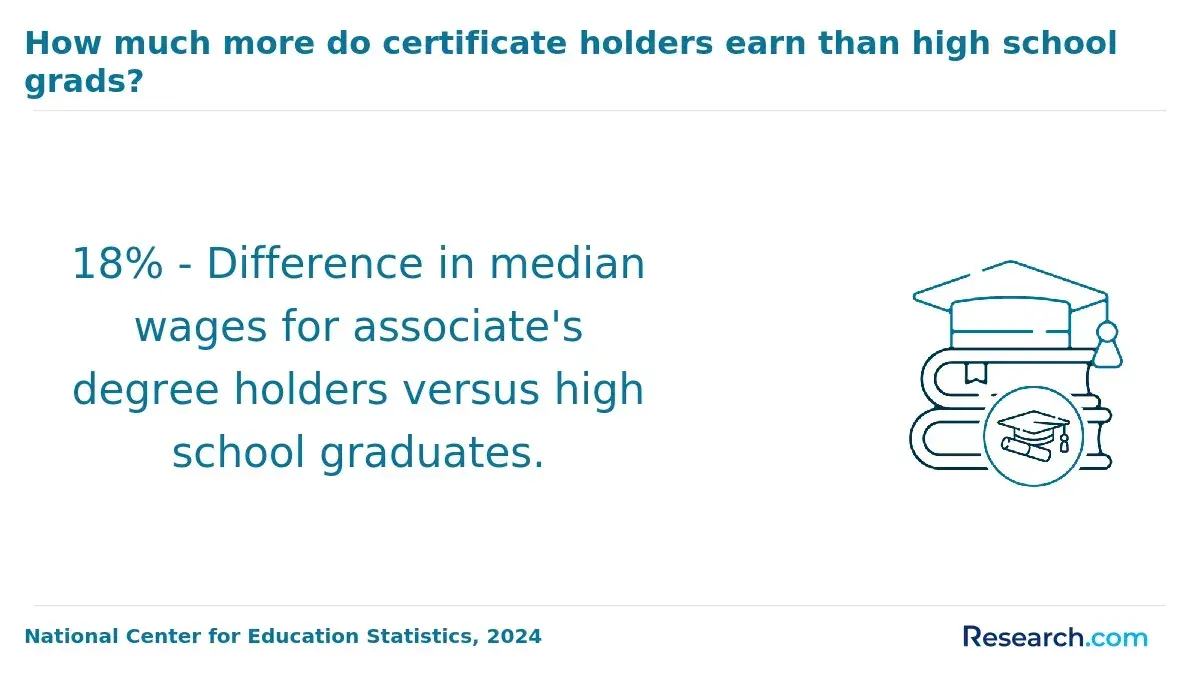
Tuition differences across public, private, and nonprofit online cybercrime programs significantly shape return on investment, but lower sticker prices do not guarantee better financial outcomes. Public programs often charge about $7,000 annually, which can reduce upfront costs and limit student debt, yet this advantage may diminish if these programs have lower graduation rates or weaker employer networks that slow job placement. For example, a working professional balancing study and income might save on tuition through a public institution but face longer time-to-degree or less robust career services, ultimately delaying salary gains and limiting early ROI.
Conversely, private nonprofit programs frequently exceed $20,000 per year but may justify higher costs through stronger reputations, more personalized career support, and tighter industry connections that enhance employability and salary potential. According to data from the National Center for Education Statistics in 2024, graduates of such programs often experience higher cybersecurity employment rates within six months, which can offset greater initial debt burdens costing upwards of $40,000. Nonetheless, the net financial benefit depends on individual circumstances, including the availability of financial aid, program flexibility for professionals, and borrower debt tolerance, highlighting that paying more upfront is only worthwhile if matched by better outcomes and efficient completion timelines.
Ultimately, assessing cybercrime program ROI requires evaluating tuition alongside graduation efficiency, career placement, and debt servicing capacity rather than cost alone. Affordable options may not deliver expected returns if educational quality or support services falter, while higher-priced programs may fail to provide value without corresponding post-graduation advantages. Adult learners must weigh these intertwined factors carefully, considering both immediate financial impact and how effectively a program positions them within the cybersecurity job market over time.
How Do Graduation Rates Influence Cybercrime Program ROI?
Graduation rates significantly shape the ROI of cybercrime programs by reflecting how effectively institutions enable students to complete credentials on time, which impacts employability and debt levels. Public online programs often report higher graduation rates, partly due to more affordable tuition and extensive academic support, which helps reduce financial strain and accelerate workforce entry. However, these rates may not fully account for part-time enrollment or job responsibilities common among adult learners, complicating straightforward ROI comparisons between public and private providers.
When comparing graduation success between public and private cybercrime programs, private institutions tend to have lower completion rates but may offer specialized training and stronger employer networks that enhance job placement regardless of graduation percentage. Nonprofit programs often strike a balance by providing flexible scheduling and targeted mentorship, which supports persistence and can mitigate attrition costs, as emphasized by a 2024 Council for Adult and Experiential Learning study. Prospective students must weigh the practical tradeoffs between graduation rates and other value factors like credential relevance and pacing suited to working professionals.
Graduation outcomes remain a useful but incomplete signal of institutional effectiveness in return on investment. Adult learners evaluating programs should consider how factors like time-to-degree, student support services, and employment outcomes integrate with graduation metrics to affect long-term value. For those seeking guidance on affordability and degree quality across fields, resources such as the best online nursing PhD programs offer comparative insights relevant to decision-making.
What Role Do Career Outcomes Play in the ROI of a Cybercrime Degree?
Career outcomes critically shape the tangible value of cybercrime degrees, especially when weighing public, private, and nonprofit online programs against their cost and time investment. Data from the National Center for Education Statistics in 2024 shows that graduates from public institutions have about a 15% higher likelihood of securing cybersecurity roles within six months than those from private schools, highlighting that employer recognition and job placement pathways heavily influence program ROI. Private institutions may offer specialized networks and curricula that appeal to niche sectors but often come with higher tuition and less consistent placement metrics, increasing the risk for students focused on measurable return. Nonprofit online options tend to offer more balanced flexibility and cost but require students to carefully assess whether the available career support aligns with their professional goals and market demands to ensure long-term value.
The interplay between tuition costs, debt burden, and career advancement potential creates significant tradeoffs for prospective learners. Quick entry into relevant roles with steady wage growth matters most for those managing financial constraints, while others might accept higher upfront costs if networks and certifications significantly improve their job mobility. Programs emphasizing hands-on experience and employer partnerships often yield better retention and wage progression, reinforcing that practical skills and recognized credentials remain crucial indicators beyond mere degree completion. Students who overlook these nuanced career metrics risk investing in credentials that poorly translate to workplace advantage or stalled progression, undermining the prospective ROI of their educational investment.
A graduate from a nonprofit online program shared that although initial doubts about the degree's impact on promotion lingered, over two years they observed growing acknowledgment of their skills by supervisors and secured expanded responsibilities within their cybersecurity team. They pointed out that the relatively moderate tuition helped mitigate financial pressure during career transitions, and while immediate salary jumps were modest, the credential unlocked internal networking opportunities and practical projects that steadily enhanced their professional standing. This experience underscored how evaluating career outcomes as part of ROI involves balancing short-term job gains with longer-term integration into evolving workplace roles and the employer's recognition of credential value.
How Does Student Debt Impact the Long-Term ROI of a Cybercrime Program?
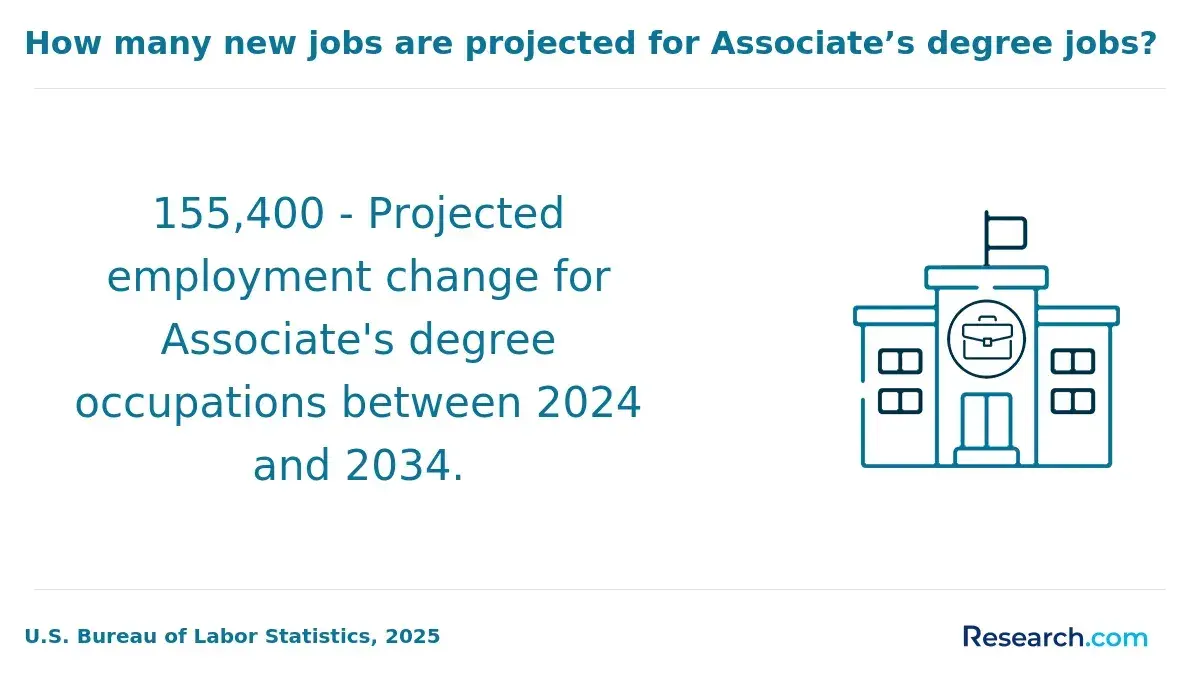
Higher debt burdens fundamentally reshape the return on investment in cybercrime programs by constraining graduates' financial flexibility and delaying wealth accumulation. For example, a student graduating from a private online program with nearly double the median debt of a public institution faces longer repayment periods that can outlast early career wage growth, limiting their ability to invest in certifications or advanced training that employers increasingly expect. This impact is especially relevant when repayment challenges slow career advancement or force graduates to prioritize debt servicing over professional development. Such realities underscore the importance of evaluating debt levels alongside program completion rates and credential relevance rather than assuming uniform value across different institutional types.
How student debt levels influence the long-term return on investment in cybercrime programs depends on a calculated balance between borrowing strategies and educational outcomes. Public programs often provide lower tuition and greater financial aid access, supporting stronger post-graduation repayment outcomes and lower default risk compared to many private and nonprofit options, which tend to accumulate moderate to heavy debt. Because labor market conditions in cybercrime fields reward recognized credentials and timely program completion, prospective students must weigh debt relative to expected salary trajectories, repayment obligations, and career flexibility. Institutional differences in cost structures and financial support significantly affect these decisions, as does an awareness of options like online medical assistant programs with financial aid that model accessible funding frameworks.
Career planning and debt management in cybercrime education are intertwined; exceeding reasonable borrowing limits can erode net economic gains despite above-average employment rates. Programs with high completion rates and industry alignment may justify moderate debt by enabling graduates to capitalize on entry-level roles that quickly elevate earning potential. Conversely, heavy borrowing for lower-completing or less recognized programs often increases default risks and delays financial independence, restricting long-term professional growth opportunities. This dynamic illustrates why impact of loan repayment on career advancement and ROI in cybercrime education must be a core consideration for cost-conscious adults and transfer students evaluating these pathways.
How Do Flexibility and Adult Learner Support Affect Cybercrime Program Value?
Program flexibility and targeted adult learner support critically shape the return on investment (ROI) for cybercrime degrees, influencing persistence rates, time-to-degree, and financial burden. For example, asynchronous coursework and part-time enrollment options allow working professionals or parents to balance education with existing obligations, increasing the likelihood of completing credentials on schedule. Data from the National Center for Education Statistics (2024) shows that adult learners engaged in such flexible formats are about 25% more likely to continue past their first year, underscoring how rigid full-time models can inadvertently raise dropout risks and extend costly timeframes.
Public institutions generally offer a broad mix of flexible learning structures and transfer-friendly policies that reduce opportunity costs and lower upfront expenses, yet often lack the intensive advising and career placement services that support job market integration. Private programs may better address adult learners' needs through personalized coaching and employer engagement but often pass higher tuition and fees onto students, increasing potential debt load and necessitating greater scrutiny of long-term ROI. Nonprofits are mission-driven with particular accommodations for underserved groups such as military members, but their typically smaller networks and career resources can limit employment pathways compared to larger institutions.
When weighing cybercrime programs, students must evaluate how flexibility, advising, and career support align with personal circumstances and workforce goals, as these directly affect persistence and post-graduation outcomes. The tradeoff between affordability and comprehensive student services demands careful prioritization; neglecting one can increase time-to-degree costs or reduce hiring prospects. Ultimately, decisions grounded in realistic assessments of institutional support structures and scheduling options better equip adult learners to optimize both immediate accessibility and lasting career value.
How Do Accreditation and Institutional Reputation Influence Cybercrime ROI?
Accreditation and institutional reputation significantly shape the return on investment (ROI) for Cybercrime degree programs, but their impact varies depending on the type of institution-public, private, or nonprofit online providers. Regionally accredited schools generally offer stronger credit transfer options and greater acceptance by employers, which can lead to smoother transitions for working adults and career changers. For example, a graduate from a regionally accredited public university may find their degree more readily recognized by employers and graduate programs, reducing barriers that often affect career mobility and further education. However, institutional prestige alone does not ensure positive ROI, especially when higher tuition costs at some well-known private institutions drive up debt without proportionate gains in job placement or salary.
Employer perceptions are increasingly tied to measurable graduate readiness rather than brand recognition alone. A 2024 survey by the National Association of Colleges and Employers found that 60% of IT and cybersecurity employers prioritize candidates from accredited programs with hands-on experience, highlighting that practical skills aligned with accreditation standards often outweigh institutional labeling. Nonprofit institutions with focused accreditation and robust student support can sometimes deliver competitive outcomes at a lower cost, though their market visibility may be limited. Adult learners must therefore balance tuition affordability, program credibility, alumni success, and transferability when evaluating Cybercrime degrees to optimize ROI over the long term.
How Does Time-to-Degree Affect the ROI of Public, Private, and Nonprofit Cybercrime Programs?
Time-to-degree directly shapes the return on investment for public, private, and nonprofit online Cybercrime programs by affecting tuition costs, opportunity costs, and debt accumulation. Public programs, often chosen by working adults, allow part-time pacing that extends time-to-degree beyond six years on average, increasing overall expenses despite lower tuition. In contrast, private institutions employ accelerated or cohort models that can shorten completion time to around four years but at higher tuition rates and often with faster-paced demands that might not suit all learners balancing employment and family responsibilities. Nonprofit programs typically offer a blend of support and flexibility with some credit transfer options, which can help students-especially transfer and returning learners-limit time and cost burdens, yet extended timelines risk skill obsolescence in the fast-evolving Cybercrime field.
Evaluating Cybercrime education across institution types requires attention to the tradeoffs between flexibility, completion rates, and career timing. Faster graduation tends to improve employability and ROI by enabling quicker workforce entry, but part-time or flexible enrollment modes can provide vital adaptability despite longer timelines. Transfer credit acceptance and structured support enhance persistence, while lower four-year completion rates at public programs compared to private nonprofit counterparts raise the stakes for student investment. For those weighing costs and outcomes in fields like Cybercrime, comparing program duration and ROI in Cybercrime education across institution types is critical-for example, a student delaying graduation in a public program might mitigate expenses short term but face delayed income and potential debt growth over time. Prospective learners can also explore accelerated options like the best 5 year speech pathology programs as models for structuring educational pathways to balance speed and affordability.
Ultimately, time-to-degree intersects with institutional design, enrollment intensity, and workforce realities to determine the practical value of Cybercrime credentials. Students must weigh not only tuition but also completion likelihood, adaptability to life commitments, and timely skills acquisition to optimize educational and career outcomes in this specialized online domain.
How Can You Choose the Best Cybercrime Program Based on Your ROI Goals?
The highest ROI in cybercrime programs typically hinges more on individual student priorities than on whether the institution is public, private, or nonprofit. Public institutions often provide lower tuition rates, reducing upfront costs and potential debt, which can be critical for working adults balancing family and finances. However, nonprofit programs frequently boast higher graduation rates, shortening the time-to-degree and accelerating entry into the workforce-an important factor for those aiming to minimize lost income. Private institutions may offer specialized programs and stronger industry ties, enhancing employability but often at higher tuition costs, requiring students to weigh immediate expenses against long-term career benefits.
Financial aid availability and program flexibility significantly influence ROI calculations based on personal circumstances such as employment status and time-to-degree expectations. Many students balancing full-time jobs or caregiving responsibilities benefit from the part-time and asynchronous options typical of public schools, while nonprofit providers frequently include tailored advising and mentoring that can improve persistence and completion rates.
The choice also depends on employer recognition and accreditation, which remain key in fields like cybercrime where credentials directly impact job prospects. For those evaluating their options, assessing these tradeoffs alongside practical career outcomes ensures a sound investment aligned with realistic work-life priorities and growth trajectories, as highlighted in studies on how to evaluate cybercrime program ROI for online public institutions. Relevant industry insights can also be gleaned from resources listing the top online PMHNP programs.
References
- Cyber Security Awareness Training Cost vs. ROI: A Business Case That Lands | Cybrary https://www.cybrary.it/blog/cyber-security-awareness-training-cost-roi
- Higher Education Cybersecurity: Key Insights, Trends and Solution https://www.bitlyft.com/resources/the-state-of-higher-education-cybersecurity-insights-trends
- How Does Student Debt Affect the Economy? https://www.pgpf.org/article/how-does-student-debt-affect-the-economy/
- What does ROI look like in Cybersecurity? https://www.coretocloud.co.uk/what-does-roi-look-like-in-cybersecurity/
- Security Awareness Training ROI Benchmarks 2026 https://www.phishskill.com/blog/security-awareness-training-roi-benchmarks
- Non-profits are increasingly being targeted for cybercrime. Here’s how your organization can help protect itself – Future of Good https://futureofgood.co/non-profits-are-increasingly-being-targeted-for-cybercrime-heres-how-your-organization-can-help-protect-itself/
- Cybersecurity ROI Calculator - Programs.com https://programs.com/resources/cybersecurity-roi-calculator/
- Discover insights from Phoenix CIOs and CISOs on innovation across the public and private sectors. https://www.evanta.com/resources/shared/session-insights/bridging-the-gap-public-and-private-sector-similarities
- Security ROI for Maximum Cybersecurity | GTT https://www.gtt.net/resources/blog/security-roi/
- Insights Into Adult Education: A Need for Flexibility and Innovation https://www.wested.org/blog/insights-impact/insights-into-adult-education-a-need-for-flexibility-and-innovation/
Other Things You Should Know About Cybercrime
Private institutions often offer more niche or cutting-edge specializations within cybercrime due to greater access to industry partnerships and funding, which can enhance practical skills relevant to evolving threats. Public programs, while sometimes broader and less specialized, frequently provide solid foundational knowledge aligned with government and compliance frameworks. Nonprofit programs may fall in between, balancing affordability with targeted training. Students prioritizing deep, industry-aligned expertise for immediate workforce readiness should lean toward private programs but weigh this against higher costs and varying credential recognition.
Public institutions generally offer more flexible pacing and extensive asynchronous coursework, beneficial for working adults managing job and family demands. Private programs may demand a higher weekly workload with synchronous classes and project deadlines tied to fast-tracked cohorts, which can decrease flexibility but accelerate completion. Nonprofit programs often adopt hybrid approaches, balancing structured deadlines with flexibility. Adults prioritizing controlled pacing and minimal disruption should favor public or nonprofit programs, while those seeking intensive, immersive experiences need to prepare for the rigors of many private cybercrime courses.
Employers in government and large enterprises often have established relationships with public institutions known for standardized, accreditation-driven curricula relevant to regulatory compliance roles. Conversely, small to mid-sized tech firms and startups frequently value private institution graduates for their exposure to emerging tech and hands-on, project-based learning. Nonprofit graduates may be viewed similarly to public cohorts but sometimes face skepticism due to less brand recognition. If your career target is a large agency or regulated sector, public programs should be prioritized; for tech-centric roles requiring rapid skills application, private institution credentials can carry more weight.
Working professionals aiming to upskill or pivot should carefully consider the relevance and applicability of curriculum to current industry standards. Public programs generally integrate well with government and corporate cybersecurity frameworks, making them reliable for steady advancement. Private programs may offer innovative content and networking opportunities that accelerate transition into specialized roles but require higher upfront commitment and financial investment. For those balancing existing job responsibilities with education, nonprofit programs might offer the best compromise of relevant skills and manageable demands. Prioritize based on your immediate career goals, current workload, and how quickly you need marketable skills.