2027 Cybercrime Transfer Credit Trends: How Schools Are Adapting for Adult Learners

Co-Founder and Chief Data Scientist
When a military-affiliated student tries to transfer 30 credits toward a cybercrime degree, discovering only half are accepted can derail both timeline and budget. This gap often means more courses, added tuition, and delayed graduation. Recent data from the National Student Clearinghouse Research Center reveals that nearly 40% of adult transfer learners face credit loss, highlighting ongoing challenges despite institutional reforms.
This shortfall reflects inconsistent evaluation criteria and varying recognition of prior learning, especially in rapidly evolving fields like cybercrime. Understanding how schools are adjusting transfer credit policies and recognizing alternate credentials is crucial for navigating degree completion efficiently. This article examines current trends in cybercrime transfer credit acceptance and offers insights for adult learners to optimize their educational investments.
Key Things to Know About Cybercrime Transfer Credit Trends for Adult Learners
- Institutions increasingly accept military and workforce training as transfer credit, reflecting employer demand for job-ready skills; however, this often excludes non-standardized experiences requiring careful evaluation, potentially delaying degree progress.
- Expanded prior learning assessments enable credit for informal and alternative coursework, but varied articulation policies create transfer unpredictability, complicating adult learners' planning and emphasizing the need for thorough transcript reviews.
- Technology-driven transcript evaluations reduce administrative barriers, accelerating credit decisions and lowering time-to-degree completion, yet reliance on automated systems can overlook nuanced learning outcomes, posing risks to credit accuracy and value.
- Key Things to Know About Cybercrime Transfer Credit Trends for Adult Learners Key Things to Know About Cybercrime Transfer Credit Trends for Adult Learners
- How Are Cybercrime Programs Changing Transfer Credit Policies for Adult Learners? Evolving Adult Transfer Policies
- Why Are More Cybercrime Schools Accepting Credit for Prior Learning and Work Experience? Prior Learning Credit Benefits
- How Do Cybercrime Colleges Evaluate and Award Transfer Credits Today? Transfer Credit Evaluation Process
- Which Alternative Credits Are Most Commonly Accepted by Cybercrime Programs? Accepted Alternative Credits
- How Are Cybercrime Schools Improving Transfer Pathways for Community College Students? Improved Community College Pathways
- How Can Transfer Credits Help Cybercrime Students Graduate Faster? Accelerating Degree Completion
- How Much Money Can Students Save Through Cybercrime Transfer Credit Opportunities? Cost Saving Through Transfers
- How Are Cybercrime Programs Supporting Military Students and Workforce Learners Through Transfer Credits? Military Credit Transfer
- What Transfer Credit Innovations Are Shaping the Future of Cybercrime Education? Transfer Credit Innovations
- How Can Adult Learners Maximize Transfer Credits in a Cybercrime Program? Maximizing Your Transfer Credits
How Are Cybercrime Programs Changing Transfer Credit Policies for Adult Learners?
Cybercrime programs are increasingly redesigning transfer credit policies to better accommodate adult learners, working professionals, and degree completers by expanding credit acceptance from community colleges and prior learning assessments. This shift is not merely administrative; it directly impacts time-to-degree and affordability by reducing redundant coursework, especially for students balancing education with employment or military obligations.
For example, a military-affiliated student transferring to a four-year institution may rely heavily on credit recommendations from the American Council on Education, but the variability in how those credits satisfy specific cybercrime degree requirements often demands careful negotiation and planning to avoid delays in course sequencing and graduation. Technological advances in transcript evaluation-and formal articulation agreements with two-year institutions-help streamline acceptance of diverse credit types, including technical certificates and industry credentials, supporting better credit mobility and practical alignment of prior learning with program outcomes.
However, many cybercrime programs still limit recognition of alternative credit providers or online certifications, which can create uneven pathways and force some students to repeat coursework. Adult learners comparing schools must weigh these institutional differences, especially when credit acceptance policies affect their ability to accelerate progress or integrate workforce experience efficiently. Those seeking more flexible degree completion strategies might also explore programs like an online health administration degree, where similar trends in credit transfer are advancing access for non-traditional students.
Why Are More Cybercrime Schools Accepting Credit for Prior Learning and Work Experience?
The increasing acceptance of credit for prior learning and work experience in cybercrime programs signals a shift in how institutions balance academic standards with real-world skills, rather than simply loosening transfer policies. Schools are responding to complex pressures including workforce needs and economic constraints by integrating military training, industry certifications, and employer-led learning into degree pathways.
This approach cuts down redundant coursework and reduces time to graduation, but it also requires rigorous evaluation frameworks to ensure that credits reflect meaningful mastery rather than generalized experience. For instance, a professional with cybersecurity certifications must undergo competency assessments aligned with program outcomes, highlighting a tension between accessibility and academic rigor that shapes enrollment strategies and persistence.
This trend is also driven by employer demand for graduates who can demonstrably apply skills in fast-evolving cybercrime roles, making experiential credit a pragmatic lever to accelerate workforce entry. According to a 2024 report from the Council for Adult and Experiential Learning, students granted prior learning credits graduate 22% faster than their peers, underscoring the impact on degree completion rates.
However, not all credits translate equally across institutions, creating decision points for students weighing the validity and transferability of experiential credits against traditional credentials. Consequently, students must navigate varying institutional policies and evaluation standards, often balancing institutional flexibility with the risk of credit denial or lower recognition from some employers.
How Do Cybercrime Colleges Evaluate and Award Transfer Credits Today?
Transfer credit evaluation in cybercrime programs has shifted from a routine administrative step to a critical strategy for enrollment and degree completion among adult learners and transfer students. Institutions carefully scrutinize prior coursework through accreditation verification and course equivalency aligned with program outcomes, balancing the need to uphold academic standards with the practical goal of minimizing redundancy.
For example, a military-affiliated student with cybersecurity operational experience may find some credits accepted if matched to course competencies, but still face limitations due to upper-division credit policies or institutional residency requirements, influencing both time-to-degree and cost considerations. Increasingly, cybercrime colleges incorporate credit for prior learning beyond traditional transcripts, including recognized industry certifications and relevant work experience, reflecting a broader understanding of skill acquisition outside academia.
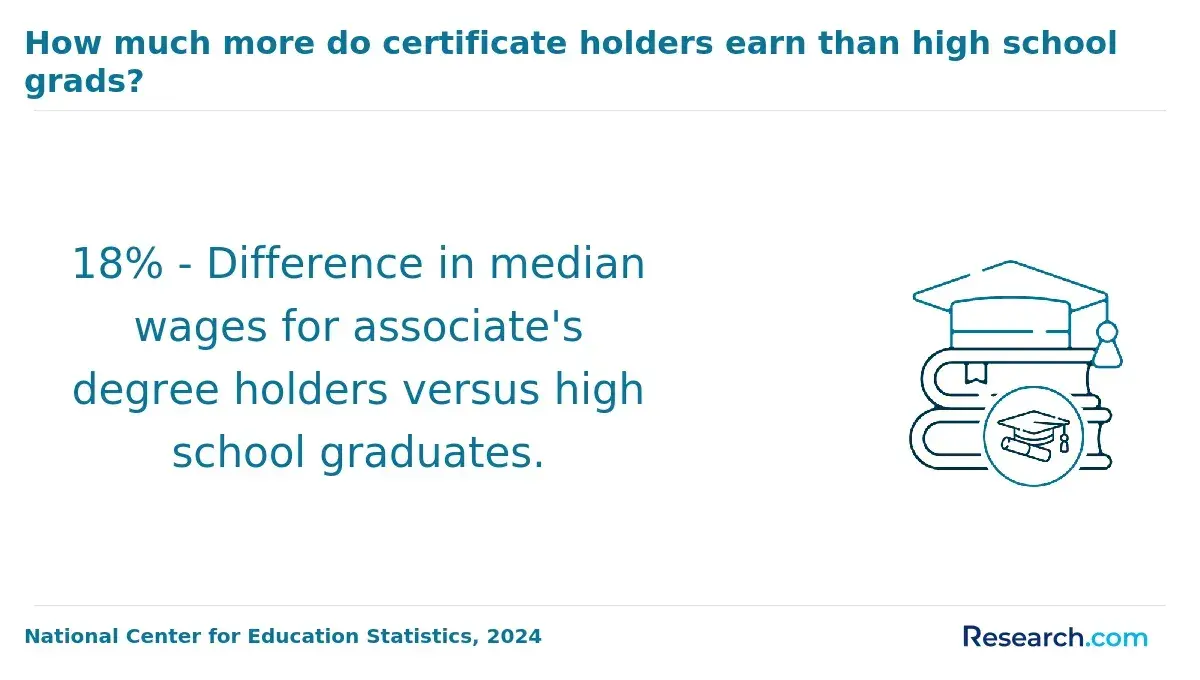
According to the National Center for Education Statistics 2024 report, over 80% of public institutions employ digital transcript evaluations, speeding decisions but often maintaining strict criteria that can exclude mismatched or outdated courses. These nuanced policies affect student mobility, especially for those transitioning from community colleges or workforce programs, requiring careful academic planning to optimize credit transfer while ensuring that degree requirements-particularly specialized technical competencies-are fully met for employer validation.
Which Alternative Credits Are Most Commonly Accepted by Cybercrime Programs?
Acceptance of alternative credits in cybercrime programs has evolved into a strategic approach to improving degree accessibility and shortening completion times for adult learners. Rather than merely adjusting transfer policies, institutions increasingly leverage credits for prior learning (CPL), military training, and recognized workforce certifications as practical tools to align educational progress with real-world experience.
For example, veterans often benefit from ACE-evaluated military coursework credit, yet students must navigate institutional limits like residency rules or upper-division credit caps, which can restrict the full transferability of these alternatives despite their relevance. Such policies require careful planning to ensure that prior learning genuinely accelerates progress without compromising degree requirements or program rigor. Programs frequently evaluate transfer credit options for cybercrime programs by balancing accreditation standards, course equivalency assessments, and competency-based evaluations, including CLEP and DSST exams.
A 2024 report from the Council for Adult and Experiential Learning found over 70% of cybercrime-related institutions grant CPL credit when supported by solid documentation, highlighting its growing role. However, acceptance of online alternative credits and workforce certifications varies widely, affecting affordability and flexibility. Working professionals and transfer students should consider these factors alongside institutional limitations to determine how well their previous credits will translate before enrolling. Adult learners seeking to reduce their time and cost burdens can benefit from resources like colleges with free application fees, which may further ease access to credit-accepting programs.
How Are Cybercrime Schools Improving Transfer Pathways for Community College Students?
Reducing credit loss has emerged as a critical priority for cybercrime programs, given that nearly 60% of specialized tech transfer credits from community colleges face partial or outright rejection due to content and credit-hour mismatches, according to the National Student Clearinghouse Research Center's 2024 report. To address this, many institutions have strengthened articulation agreements and designed transfer-friendly degree pathways that clarify course equivalencies upfront, enabling students to preserve academic momentum and minimize redundant coursework.
Proactive advising models now guide transfer students earlier in their enrollment to select courses aligned with receiving institutions' requirements, while prior learning assessments recognize relevant certifications and experience, thereby enhancing credit applicability and shortening time-to-degree completion. However, these adaptations come with tradeoffs: flexible scheduling and competency-based formats often improve accessibility for working adults and military students but may limit transferability of foundational lab-based credits if hands-on requirements differ substantially across colleges.
This variability underscores the necessity for students to engage deeply with transfer guides and institutional advisors to avoid unexpected credit denials, particularly in technically specialized cybercrime tracks demanding specific tools or experiences. Consequently, while improved transfer frameworks offer meaningful progress, students must navigate institutional policies carefully to ensure their prior coursework translates effectively into degree progress without extending their educational timelines.
How Can Transfer Credits Help Cybercrime Students Graduate Faster?
Transfer credit benefits for cybercrime degree completion depend heavily on the specifics of institutional policies and program requirements rather than simply on the volume of credits transferred. While credit recognition can reduce time to degree, students often face limits on the number of transferable credits and must secure approval for how those credits apply toward core cybercrime competencies, including upper-division courses. This necessitates careful academic planning, especially for adult learners balancing education with work or military obligations, since gaps in course sequencing or unmet residency requirements can extend timelines despite a robust credit transfer.
Accelerated graduation through cybercrime credit transfer is increasingly supported by articulation agreements and prior learning assessments that validate training from community colleges, workforce programs, and military experience. These pathways help lower tuition expenses and reduce redundancy, but not all prior credits align with the evolving curricular demands dictated by employer expectations for current, rigorous cybercrime expertise. Students navigating this landscape must weigh transfer options against program-specific graduation criteria and consult academic advisors to optimize credit use, ensuring their approach maintains educational quality and market relevance for cybersecurity and digital forensics roles.
For working professionals seeking expedited pathways, understanding these nuances informs enrollment strategies and financial decisions, paralleling considerations found in other accelerated degree tracks such as 12-month accelerated nursing programs online. Transfer-friendly policies can enhance persistence and completion rates but require a deliberate, context-aware approach to maximize benefit. Each student's planning must incorporate institutional limitations and workforce alignment to avoid surprises in degree progression and ensure transfer credits translate into real career value.
How Much Money Can Students Save Through Cybercrime Transfer Credit Opportunities?
Transfer credits can substantially decrease both the time and cost required to complete cybercrime programs, but their impact depends heavily on individual institutional policies and the nature of previously earned credits. For example, military-affiliated students or working professionals who have accumulated relevant workforce experience may apply prior learning assessments covering up to 30% of degree requirements, resulting in savings that can reach several thousand dollars. However, many programs impose caps on transferable credits-often between 50% and 75% of total credits-while requiring completion of specific technical courses onsite or through designated platforms, which limits full cost reductions.
The risk of credit loss during transfer remains a significant factor affecting overall savings and time to degree. According to the National Student Clearinghouse Research Center, about one-quarter of transfer students lose some credits, a challenge especially prevalent when moving from community colleges to four-year cybercrime programs without comprehensive articulation agreements. Prospective students must evaluate these policies carefully, assessing how well a program's credit articulation aligns with their academic history and the extent to which residency and course equivalency restrictions might extend their studies and increase expenses. This nuanced approach is crucial to realistically estimating tuition savings and educational investment when applying credits toward cybercrime degrees.
How Are Cybercrime Programs Supporting Military Students and Workforce Learners Through Transfer Credits?
Cybercrime programs increasingly rely on prior learning assessments to translate military training, professional certifications, and workforce credentials into academic credit, but this process presents practical tradeoffs for adult learners. While the American Council on Education reports that around 75% of institutions incorporate PLA for military students, the range of accepted credits varies widely, often requiring careful alignment with specific cybercrime curricula. For example, a veteran with cybersecurity certifications may find some credits accepted toward technical electives but still face substantial core coursework, underscoring that prior learning can reduce-but rarely eliminate-degree requirements.
These transfer policies impact degree progression timelines and academic advising, as students must navigate complex evaluation systems that sometimes lack transparency or consistency. Workforce learners benefit from flexible pathways and online study options, which programs pair with credit recognition strategies proven to boost retention by roughly 20%, according to recent National Center for Education Statistics data. However, schools frequently struggle to equate nontraditional learning like apprenticeships or certifications outside accredited frameworks, limiting full credit applicability. Ultimately, military-affiliated and experienced professionals must balance potential credit acceptance against remaining academic demands, ensuring that credit transfers meaningfully contribute to employability gains rather than simply accelerating course completion.
What Transfer Credit Innovations Are Shaping the Future of Cybercrime Education?
Innovations in transfer credit are notably reshaping access and degree mobility for adult learners pursuing cybercrime education, with technology-driven credit assessment methods for adult learners accelerating credit portability and degree completion. AI-assisted transcript evaluations have cut review times by approximately 30% in institutions adopting these tools, according to a 2024 NCES report, which suggests faster administrative processing but also introduces disparities as smaller schools struggle to implement such systems. This uneven adoption creates a practical challenge: students must navigate inconsistent credit acceptance policies across institutions, complicating transfer decisions and long-term planning in fields demanding rapid credentialization like cybercrime.
Simultaneously, credit for prior learning (CPL) and competency-based education expand the recognition of skills acquired outside traditional coursework, benefiting military-affiliated students and working professionals who often bring non-academic expertise. The rise of digital credentialing platforms offering micro-credentials and verified digital badges increases transparency and transferability, yet schools must balance flexibility with maintaining rigorous academic standards, which can limit universal acceptance. Formal transfer pathway agreements and efforts to credit military training provide clearer frameworks but vary widely by institution, requiring students to weigh the immediate benefit of reduced time to graduation against potential employer recognition and academic integrity concerns.
Practical decision-making for cybercrime students is further complicated by educational accessibility challenges and credit recognition variability, underlining the importance of strategic program selection and transfer articulation review. For example, professionals comparing educational options might consider accelerated pathways analogous to those seen in accelerated PharmD programs to optimize time and financial investment. In this evolving landscape, understanding how transfer credit innovations intersect with institutional capabilities and workforce expectations remains crucial for adult learners aiming to leverage their existing knowledge efficiently.
How Can Adult Learners Maximize Transfer Credits in a Cybercrime Program?
Maximizing transfer credits in a cybercrime degree program requires a strategic balance between institutional policies and academic planning that directly affects time-to-degree and cost efficiency. Adult learners often face challenges when prior coursework, certifications, or military training do not neatly align with evolving cybercrime curricula, forcing decisions on whether to prioritize foundational classes or specialized electives.
For example, a student transferring credits from a community college in criminal justice must evaluate how those credits meet core program requirements while navigating institutional caps on transferable technical credits, which frequently limits applicability despite relevant prior experience. This practical complexity underscores the need for early, course-by-course equivalency assessments to avoid redundant coursework and ensure credits translate to meaningful degree progress.
Effective strategies for credit transfer and prior learning recognition in cybercrime programs include leveraging policies for credit for prior learning (CPL) that recognize professional certifications and workforce skills portfolios. Given that some institutions apply inconsistent standards across transferred credits, collaborating closely with academic advisors who understand specific program requirements is crucial. The National Student Clearinghouse's 2024 research shows that clear articulation agreements boost transfer credit acceptance by as much as 30%, accelerating degree completion.
Adult learners should also explore alternative credit pathways, such as CLEP exams or industry certifications, but must weigh these against residency rules and sequencing demands that could restrict the timing or total credit allowance. Those navigating these tradeoffs can improve educational outcomes and alignment with employer expectations, especially when compared to less flexible options like certain easiest counseling degrees that may lack similar recognition frameworks.
References:
- Credit for Prior Learning: Why All the Controversy? https://www.higheredtoday.org/2014/06/17/credit-for-prior-learning-whyallthecontroversy/
- Types of Cyber Crimes https://www.bitsight.com/learn/cti/types-of-cyber-crimes
- Why Cybersecurity Education Matters Now More Than Ever https://www.calmu.edu/why-cybersecurity-education-matters-now-more-than-ever
- Hard up for students, more colleges are offering college credit for life experience, or ‘prior learning’ https://hechingerreport.org/to-fill-seats-more-colleges-offer-credit-for-life-experience/
- Cybersecurity for Veterans | NICCS https://niccs.cisa.gov/audience/cybersecurity-veterans
- Starting College on the Right Foot: Credit for Prior Learning https://mcacs.talentfirst.net/starting-college-on-the-right-foot-credit-for-prior-learning/
- Credit for Prior Learning - Starting with Credits: Transfer, AP & More | Ozarks Technical Community College https://ozarkstech.edu/admissions/starting-with-credits/getting-credit-for-what-you-know/
- 5 Emerging Trends in Adult Education https://www.myoneflow.com/blog/5-emerging-trends-in-adult-education
- College Credit Program | Treehouse — Earn Credits Online https://teamtreehouse.com/college-credit
- Campus Blog https://www.macomb.edu/blog/2026/02/work-experience.html
Other Things You Should Know About Cybercrime
Transfer credits often cover foundational or general education courses, which can accelerate degree completion but may limit exposure to advanced, program-specific content critical in cybercrime. Students should carefully evaluate how many specialized courses remain after transfer credits are applied, as employers expect strong hands-on skills and current knowledge of cybercrime tools and protocols. Prioritizing programs that balance transfer credit acceptance with rigorous, up-to-date coursework can better ensure readiness for real-world cybercrime challenges.
Many transfer credits focus on theoretical or introductory topics rather than practical, lab-intensive experiences vital in cybercrime education. This can reduce opportunities to develop applied skills like network forensics or penetration testing in the new program. Adult learners should weigh the value of accelerating their degree with transfer credits against the potential need for supplementary hands-on training, which employers often deem essential for cybersecurity roles.
While transferring credits can shorten time to degree, it may also reduce in-person or synchronous class participation, limiting networking and collaborative learning critical in cybercrime fields. For working professionals, balancing transfer credit benefits against opportunities to engage with peers and instructors is key. If networking and practical teamwork exposure are priorities for career advancement, accepting fewer transfer credits to participate fully in interactive courses may provide better long-term outcomes.
Employers increasingly emphasize relevant skills and certifications over credits earned from multiple institutions. However, excessive reliance on transfer credits, especially from unrelated fields, may raise concerns about the applicant's depth in core cybercrime competencies. Career changers should prioritize programs that carefully map transfer credits to ensure strategic alignment with industry standards, augmenting prior learning with recognized cybercrime qualifications that reinforce practical expertise.