2027 Cybercrime Affordability by State: Where Students Pay the Most and Least

Co-Founder and Chief Data Scientist
Choosing between a Cybercrime program in Texas charging $7,000 yearly tuition and one in California that exceeds $15,000 can seem straightforward-until in-state versus out-of-state fees, living expenses, and indirect costs like technology requirements distort the picture. According to the 2024 State Higher Education Finance report, disparities in state funding skew affordability, prompting students in underfunded regions to rely more heavily on loans. This emerging trend signals that a cheaper sticker price may not translate to lower debt or better employment outcomes. Navigating these financial nuances is critical for prospective Cybercrime students weighing long-term return on investment.
This article examines state-by-state affordability variations in Cybercrime education, helping students pinpoint where costs and value align best for informed enrollment decisions.
Key Things to Know About Cybercrime Affordability by State
- States with lower in-state tuition often feature higher living costs that offset savings, requiring prospective cybercrime students to weigh net affordability rather than sticker price alone.
- Variations in state funding for cybercrime programs influence employer recognition of degree rigor, affecting graduate competitiveness in states with underfunded institutions.
- The 2024 National Student Clearinghouse report shows rising out-of-state enrollment declines, signaling increasing preference for local or online cybercrime programs due to cost and access tradeoffs.
- Key Things to Know About Cybercrime Affordability by State Key Things to Know About Cybercrime Affordability by State
- Which States Have the Most Affordable Cybercrime Degree Programs? Most Affordable State Programs
- Which States Have the Highest Cybercrime Degree Costs? Highest State Tuition Costs
- How Much Does a Cybercrime Degree Cost by State? Degree Costs by State
- Why Does Cybercrime Affordability Vary So Much Between States? State Affordability Variations
- How Do In-State and Out-of-State Tuition Rates Affect Cybercrime Affordability? In-State vs. Out-of-State Rates
- How Does the Cost of Living Impact Overall Cybercrime Affordability by State? Living Costs and Affordability
- Which States Offer the Best Value for a Cybercrime Degree? Best Value State Degrees
- What Financial Aid and Scholarship Opportunities Can Reduce Cybercrime Costs? What Financial Aid and Scholarship Opportunities Can Reduce Cybercrime Costs?
- Are Online Cybercrime Degree Programs More Affordable Than On-Campus Options? Are Online Cybercrime Degree Programs More Affordable Than On-Campus Options?
- Is a Cybercrime Degree Worth the Cost Based on Career Outcomes and ROI? Degree ROI and Outcomes
Which States Have the Most Affordable Cybercrime Degree Programs?
States offering the most affordable cybercrime degree programs typically leverage strong public university funding and prioritize resident tuition advantages, creating meaningful cost differentials for in-state students. For example, Wyoming's public institutions charge roughly $5,000 annually for in-state tuition compared to the national average near $11,000, illustrating how residency policies and public investment shape access. However, affordability in practice hinges on individual circumstances such as residency eligibility and financial aid availability, which can dramatically alter the cost-benefit equation for students considering out-of-state options or online program alternatives.
Regional economic factors also influence overall affordability, with many top US states with low-cost cybercrime degrees located in Mountain West and Midwest areas where living expenses are comparatively lower than coastal urban centers. This can affect enrollment decisions and degree completion strategies, especially for students balancing work and study or those relying on limited budgets. Additionally, the growing inclusion of fully online cybercrime programs becomes a crucial factor, enabling students to sidestep housing and transportation costs while still tapping into quality education. Students evaluating their options might also explore the landscape of financial aid and tuition assistance programs that some states emphasize to bridge cost gaps, impacting long-term educational value and practical career alignment. Those interested in similar affordability dynamics across fields may also benefit from reviewing research on easiest DNP programs as a point of comparison in healthcare education affordability.
Which States Have the Highest Cybercrime Degree Costs?
States with the highest cybercrime degree costs often share a combination of reduced public education funding and costly urban living environments, driving tuition and related expenses beyond state averages. For example, public universities in California charge in-state students over $14,000 annually for tuition and fees, according to 2024 data from the National Center for Education Statistics and the College Board. When housing, transportation, and other living costs common to dense metropolitan areas are factored in, overall attendance expenses can surpass $35,000 per year. These financial dynamics compel students to balance program quality and employer demand against growing debt risks, especially since out-of-state or non-resident learners may face tuition rates two to three times higher than locals due to strict residency policies.
The presence of numerous private institutions with premium pricing in states like New York and Massachusetts further elevates costs, limiting affordable public or community college alternatives for cybercrime study. Budget constraints in state-funded schools amplify this trend, as diminished subsidies translate to increased fees for students. Consequently, learners must decide between paying a premium for hands-on, tech-intensive programs in high-cost regions or exploring more economical pathways potentially lacking specialized resources. These tradeoffs also influence considerations about pursuing online options or relocating, where financial aid eligibility and residency qualifications can significantly alter the net cost of a degree and its return on investment.
A cybercrime student from the Northeast recounted navigating these affordability challenges firsthand, initially drawn to a prestigious in-state program with strong local cybersecurity job connections. However, upon discovering that out-of-state tuition was nearly triple for a neighboring state's top private college, they hesitated. Intensive research into residency qualification timelines, plus a comparison with community college articulation agreements and online program affordability, shaped a cautious decision to remain local but seek supplemental scholarships. This experience highlighted how nuanced cost variables beyond headline tuition figures can influence practical enrollment decisions and financial planning for cybercrime degree candidates.
How Much Does a Cybercrime Degree Cost by State?
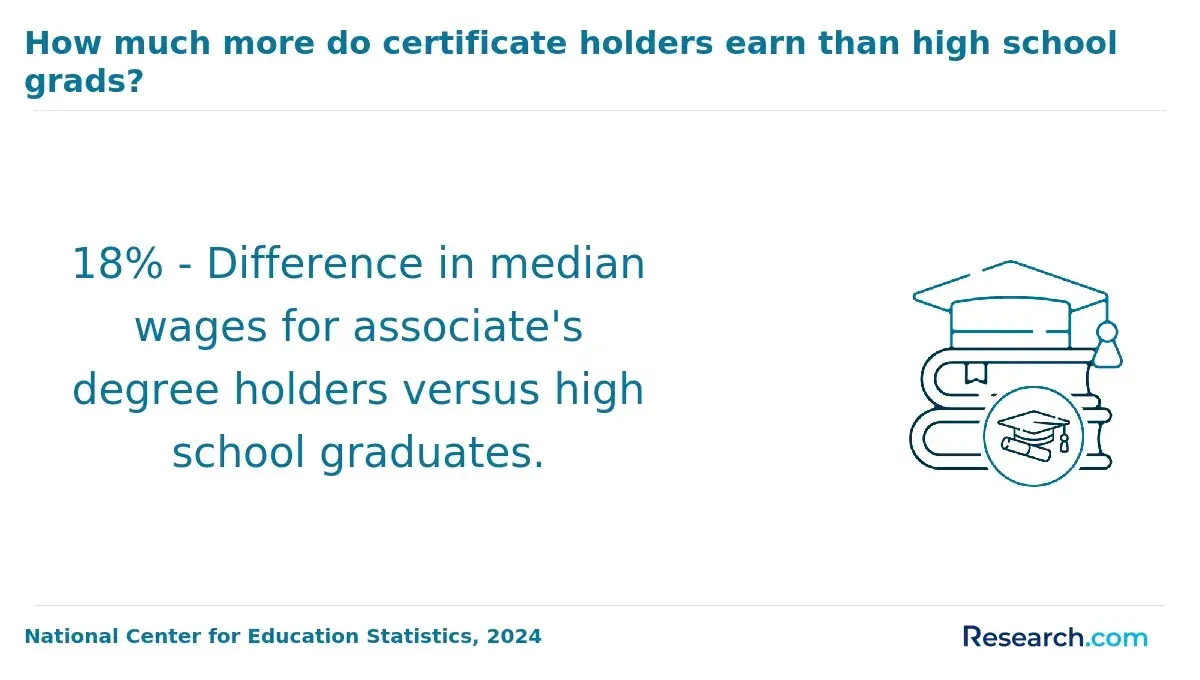
Tuition for cybercrime degrees varies sharply by state due to differences in public university funding, residency policies, and local economic conditions. For example, in 2024, average in-state tuition for public institutions ranges from around $6,000 yearly in states like Wyoming to over $15,000 in Massachusetts, according to the Integrated Postsecondary Education Data System. This gap forces students to carefully weigh whether staying in-state to qualify for lower tuition offsets higher living expenses, especially in costly regions like California or New York. Out-of-state students face even steeper costs, often paying two to three times more, which can significantly increase borrowing needs or influence decisions about relocating versus pursuing online options.
Private colleges offering specialized cybercrime programs tend to charge upwards of $30,000 annually across all states, creating a different financial calculus centered on program prestige or niche expertise. Funding incentives, such as state-sponsored scholarships focused on STEM and cybersecurity fields, vary widely and can reduce net costs substantially, but availability depends heavily on state budget priorities and institutional resources. This complex interplay means that prospective students aiming to maximize return on educational investment must consider not only tuition fees but the broader cost of attendance including housing and transportation, as well as how financial aid landscapes differ between states.
States like North Carolina and Arizona illustrate a strategic balance where moderate tuition combines with manageable living costs and robust industry connections, making them attractive options for budget-conscious cybercrime students. Such regional differences shape enrollment patterns and long-term planning: choosing a high-cost state may offer cutting-edge training but necessitate substantial debt or relocation expenses, whereas more affordable states might require students to be more selective about program offerings and networking opportunities. Understanding these factors is crucial for informed decision-making in a field where practical skills and employer connections often weigh as heavily as educational pedigree.
Why Does Cybercrime Affordability Vary So Much Between States?
Variations in cybercrime degree cost differences by state largely stem from how states allocate public funding for higher education. For example, California and New York maintain relatively lower in-state tuition by subsidizing operational expenses, whereas states like Illinois have seen tuition hikes after cuts in higher education budgets forced institutions to transfer costs to students. This funding disparity impacts not only sticker prices but also the availability of institutional aid, influencing affordability and prompting some students to consider transferring or seeking online alternatives to manage expenses effectively.
Another critical factor affecting affordability involves the mix of public versus private schools offering cybercrime programs. Private institutions usually depend almost entirely on tuition revenue, resulting in higher average costs, especially in states with larger private sector presence. Meanwhile, regional economic conditions and living costs also play a significant role; states with elevated housing prices often carry higher overall education expenses. Demand dynamics further complicate this picture, as states with robust enrollment can leverage economies of scale to reduce per-student costs, while smaller program populations may face premiums due to limited scale.
Students weighing these financial variables must navigate important tradeoffs between residency policies, program quality, and pricing strategies. Since affordability differences reflect state-specific policy decisions and market factors, some learners might benefit from options like out-of-state online programs or short-term courses such as 8 week medical billing and coding courses in related fields to optimize cost and labor market outcomes. According to 2024 NCES data, understanding these layers is essential for informed enrollment choices and long-term educational planning in cybercrime education affordability.
How Do In-State and Out-of-State Tuition Rates Affect Cybercrime Affordability?
The financial gap between in-state and out-of-state tuition often dictates student decisions about where to pursue a cybercrime degree, especially for those managing tight budgets. With average in-state tuition at public four-year institutions near $11,500 annually versus over $27,000 for out-of-state students according to 2024 National Center for Education Statistics data, the difference can shape enrollment choices dramatically. This disparity incentivizes many to seek residency reclassification or explore states with reciprocity agreements that lower out-of-state costs, while others may opt for accredited online programs offering consistent tuition regardless of location. However, these strategies come with tradeoffs; for example, out-of-state students attending a public university without such agreements face steep financial burdens that can extend beyond tuition to include living expenses and lost work opportunities, impacting overall degree affordability.
Private institutions add another layer of complexity by charging uniform tuition rates independent of residency, often higher than public counterparts, requiring students to carefully weigh these costs against potential benefits like specialized curricula or stronger employer networks. Financial aid and state-specific grants may mitigate some out-of-state expenses but rarely neutralize the gap fully, leaving many to consider program format and geographic flexibility in alignment with career goals. For prospective students analyzing cybercrime programs, focusing solely on sticker prices without factoring in these residency dynamics and available financial supports risks underestimating the true cost of earning a degree, which ultimately affects long-term planning and employability.
One student from the Midwest recounted hesitancy after discovering her chosen program charged full out-of-state tuition despite moving just months before enrollment. She weighed petitioning for in-state status, which required a year of residency and evidence of financial independence, against the possibility that online alternatives might reduce costs but lack comparable employer recognition in her region. This pushed her to adjust her budget and reconsider commuting options to avoid the full out-of-state fees, reflecting how nuanced and personal tuition classification can be when planning for a cybercrime degree.
How Does the Cost of Living Impact Overall Cybercrime Affordability by State?
The true financial burden of pursuing a cybercrime degree extends well beyond tuition fees, with cost-of-living effects on cybercrime degree affordability in states playing a pivotal role in shaping students' overall expenses. For instance, a student attending a program in California or New York-where housing and daily essentials cost substantially more-may face budget increases of thousands annually compared to peers in states like Ohio or Mississippi. These variations force students to weigh tradeoffs between location-based living expenses and the potential wage premiums or internship opportunities available locally, directly influencing decisions on enrollment, reliance on student loans, or opting for online alternatives when available.
Regional living expenses and cybercrime education costs are further complicated by factors such as transportation options and healthcare. States with robust public transit systems can significantly reduce a student's commuting costs, which otherwise can strain tight budgets in sprawling metropolitan areas lacking reliable transit. Healthcare premiums and out-of-pocket costs vary widely by state, often overlooked yet critical components of education affordability that affect students' financial planning and ability to persist. Such disparities also steer students toward considering remote or hybrid formats, like an online ASN program, as a strategic response to high local living costs, balancing education with practical cost control.
Which States Offer the Best Value for a Cybercrime Degree?
Evaluating the best value for a cybercrime degree requires looking beyond sticker tuition and considering how state residency policies, total cost of attendance, and timely degree completion shape the financial picture. For instance, Texas's in-state tuition rates for cybercrime-related computer science programs stand about 30% below the national average, which can significantly reduce debt burdens when combined with moderate living expenses and state financial support. However, students must assess whether relocating to establish residency to qualify for lower tuition is practical, since moving without a clear timeline or job prospects may offset upfront savings.
Completion rates and local labor market conditions further affect value. North Carolina's cybersecurity graduation rates near 65%, above the national average, which lowers the risk of extended time and additional costs. Meanwhile, Florida's robust demand for cybersecurity roles-projected to grow 12% over the next decade-enhances employment prospects and potential earnings post-graduation. Conversely, states with extremely low tuition might offer fewer practical training opportunities or limited access to internships due to less developed public funding or regional industry presence, making the cheapest tuition not necessarily the best economic choice for students prioritizing employability and hands-on experience.
Students should weigh these tradeoffs carefully, recognizing that affordability is a function of institutional quality, funding levels, degree completion trends, and regional workforce dynamics rather than tuition cost alone. Opting for the lowest tuition state without considering potential delays in graduation or weaker job placement networks can undermine long-term return on investment. Integrating this strategic approach is critical for budget-conscious learners deciding whether to study in-state, transfer, or pursue online options while maintaining a clear understanding of how residency rules and local economies affect both educational access and career trajectories.
What Financial Aid and Scholarship Opportunities Can Reduce Cybercrime Costs?
Federal aid programs like the Pell Grant often represent the most reliable source of financial support for students pursuing a Cybercrime degree, but their effectiveness varies significantly depending on residency, enrollment status, and timing of applications. Over 70% of STEM students leverage such aid, yet full-time enrollment is typically required to maximize benefits, creating a financial tradeoff for part-time students balancing work and study. States with robust tuition reciprocity and targeted grant programs-such as Florida and Texas-can reduce costs up to 40% more than states lacking coordinated funding, highlighting how geographic and policy frameworks directly impact affordability. This stratification means students must assess not only tuition rates but also the real-world availability and stacking possibilities of financial aid to avoid unexpected out-of-pocket expenses.
Institutional scholarships and employer-sponsored education benefits add another layer of complexity, often requiring sustained academic performance and sometimes limiting eligibility to particular workforce partnerships. Such requirements can disadvantage students managing external employment or family responsibilities despite the potential for significant cost offsets and professional integration. Meanwhile, student loans remain a widely used option but contribute to long-term debt burdens that Cybercrime graduates face amid variable local salary scales for mid-level technical roles. Strategically combining federal, state, institutional, and employer aid, while carefully navigating renewal criteria and residency rules, is crucial for controlling overall financial strain when comparing state-to-state Cybercrime education pathways.
Are Online Cybercrime Degree Programs More Affordable Than On-Campus Options?
Online cybercrime degree affordability comparison reveals a complex balance of savings and hidden costs rather than a straightforward price gap. While online tuition rates at public institutions may average 15%-30% lower than on-campus equivalents, factors such as residency restrictions can significantly affect these savings. For example, some states limit in-state tuition discounts for online nonresidents, which narrows the affordability advantage for students pursuing cybercrime degrees outside their home state. Additionally, mandatory on-site components like labs or internships may require travel expenses that erode potential cost benefits.
Cost differences between online and on-campus cybercrime programs extend beyond tuition to include technology investments and financial aid variability. Online learners often avoid housing and commuting expenses but frequently face additional costs for upgraded hardware, secure internet, and specialized software. Moreover, online students tend to have less access to institutional scholarships, affecting net costs despite parity in federal and state aid. Enrollment status and program design also influence these tradeoffs, as flexible pacing may support employment but demands greater self-management and potentially extends time to completion.
Prospective cybercrime students should weigh these dynamics carefully alongside career considerations and labor market expectations. Employer preferences for accredited on-campus credentials can impact long-term returns on investment. Those exploring accelerated pathways might find value in resources like the fastest way to become a nurse practitioner for comparative insights on credential timelines and costs across fields. Ultimately, affordability comparisons require nuanced evaluation of personal circumstances, institutional policies, and the practical realities of earning a cybercrime degree online or on campus.
Is a Cybercrime Degree Worth the Cost Based on Career Outcomes and ROI?
States with lower tuition costs for cybercrime-related degrees often provide better educational accessibility but can involve tradeoffs in living expenses and institutional resources, impacting the overall return on investment. For instance, students in Texas or Florida may pay significantly less in tuition while achieving similar employment outcomes to graduates from higher-cost states like New York or California, where higher salaries often coincide with elevated living costs. This geographic variation influences the practical value of a cybercrime degree career outcomes in the United States, especially for budget-conscious learners evaluating long-term financial viability beyond sticker price.
However, tuition alone does not define ROI, as completion rates and industry integration play critical roles. Programs in states with high dropout rates or poor remediation can result in increased debt burdens and delayed workforce entry, undermining net earnings despite strong job market demand. The U.S. Bureau of Labor Statistics projects a 35% growth in cybersecurity jobs through 2032, reinforcing that many employers prioritize candidates with hands-on experience and certifications, factors that vary widely across institutions and influence career trajectories. Students should also consider opportunity costs and geographic mobility when financing their education, a nuance illustrated in discussions around online speech pathology degree tuition and fees, which parallels concerns in cybercrime educational affordability.
Ultimately, understanding the return on investment for cybercrime degrees by state requires weighing tuition affordability against completion rates, debt load, and professional internship access. The complex intersection of these factors means prospective students must assess how program quality and local industry partnerships align with their career goals and financial limitations rather than relying solely on in-state tuition comparisons or starting salaries reported in aggregate data.
References
- Cost of Cybercrime | Old Republic Title https://www.oldrepublictitle.com/blog/cost-of-cybercrime/
- Cybercrime Cost 2026: $1.2 Trillion (& Rising) - Programs.com https://programs.com/resources/cybercrime-cost/
- Cybercrime To Cost The World $10.5 Trillion Annually By 2025 https://cybersecurityventures.com/hackerpocalypse-cybercrime-report-2016/
- Cybersecurity Scholarships: Enroll Now to Secure Your Future in Cyber Defense https://ebulux.lu/cybersecurity-scholarships-enroll-now-to-secure-your-future-in-cyber-defense/
- Most Affordable Cybersecurity Bachelor's Degrees Online https://www.itcareerfinder.com/program-rankings/most-affordable-cybersecurity-degrees-online.html
- Scholarships | Nurturing the future of cybersecurity https://www.fsisac.com/scholarships
- 205 Cybersecurity Stats and Facts for 2026 https://www.vikingcloud.com/blog/cybersecurity-statistics
- The U.S. Is Less Prepared to Fight Cybercrime Than It Could Be | U.S. GAO https://www.gao.gov/blog/u.s.-less-prepared-fight-cybercrime-it-could-be
- College Affordability Still Out of Reach for Students with Lowest Incomes, Students of Color https://www.ihep.org/college-affordability-still-out-of-reach-for-students-with-lowest-incomes-students-of-color/
- Best Cyber Crime Bachelor's Degree Programs, Jobs, and Salaries https://careerkarma.com/blog/best-cyber-crime-bachelors-degrees/
Other Things You Should Know About Cybercrime
While lower tuition in some states may seem appealing, students must consider the demand for cybercrime professionals within that state. A more affordable education paired with weak local employer demand could limit internship and job opportunities, driving graduates to relocate after completing their degree. Prioritizing states with a balance of reasonable program costs and a robust cybercrime job market-often in tech hubs or states with significant government security operations-can enhance both return on investment and long-term career stability.
States differ not only in cost but also in how cybercrime degrees are structured-some offer accelerated paths or integrate internship requirements that may extend time and cost commitments. Longer programs or those with mandatory in-person components might increase expenses beyond tuition, such as housing and transportation. Careful review of program duration, curriculum rigor, and additional requirements across states is crucial, as choosing a shorter or more flexible program in a higher-cost state might be more practical than a low-cost but lengthier one.
Some states encourage or integrate certifications like CISSP or CEH into degree programs, reflecting local employer preferences. Degrees that align closely with these workforce demands can improve employability despite higher upfront costs. Prospective students should evaluate whether state programs offer relevant credential preparation or partnerships with employers, as this alignment often justifies investing more in education that directly meets practical hiring criteria.
Relocation may reduce tuition expenses but often incurs hidden costs like moving, higher living expenses, and loss of local support networks. For budget-conscious students, it's important to compare total cost of attendance-including housing, travel, and time away from employment-against potential savings in tuition. Often, staying in-state or choosing online options that combine affordable tuition with minimal relocation costs provides a more financially sustainable path, especially when factoring in time to credential and job placement impact.