2027 Cybercrime Degree Oversupply or Undersupply? Student Volume vs Employer Demand

Co-Founder and Chief Data Scientist
A recent graduate weighing a cybercrime degree must consider whether the flood of new professionals matches actual employer demand. Though U. S. colleges produced approximately 7,200 cybercrime graduates in 2023, the Bureau of Labor Statistics projects only 5% job growth in cybersecurity roles through 2031, revealing a potential oversupply in certain regions. Employers increasingly seek specialized skills beyond general credentials, intensifying competition in saturated markets while leaving areas with skill shortages underserved. This imbalance affects underemployment risk and the degree's long-term market value, complicating career planning and hiring strategies.
This article compares cybercrime student volume with employer demand, job growth, industry needs, regional factors, and skill gaps to clarify whether opportunities are sustainable or overcrowded.
Key Things to Know About Cybercrime Graduate Supply and Employer Demand
- Rising graduate numbers outpace niche job openings, reflecting a tradeoff that inflates entry-level competition and pressures specialization choices, urging students to carefully balance focus areas against evolving employer criteria.
- Employer surveys in 2024 reveal a growing premium on candidates with hybrid skills combining threat analysis and legal compliance, indicating workforce demand concentrated in multidisciplinary roles rather than broad technical credentials.
- Regional imbalances create timing and access challenges; areas with dense tech hubs show acute talent shortages, while other regions face oversupply, meaning geographic flexibility significantly impacts employment prospects and career planning.
- Key Things to Know About Cybercrime Graduate Supply and Employer Demand Key Things to Know About Cybercrime Graduate Supply and Employer Demand
- Is There an Oversupply or Undersupply of Cybercrime Graduates? Graduate Oversupply or Shortage
- How is Cybercrime Degree Enrollment Changing? Degree Enrollment Trends
- How Many Cybercrime Graduates Enter the Workforce Each Year? Annual Graduate Workforce Entry
- Does Job Growth Support the Rising Supply of Cybercrime Graduates? Job Growth Versus Supply
- How Competitive is the Entry-Level Market for Cybercrime Graduates? Entry-Level Market Competition
- Which Industries Have the Greatest Demand for Cybercrime Graduates? Top Hiring Industries
- Where are Cybercrime Graduates Most in Demand? Top Geographic Demand
- Which Cybercrime Specializations and Degree Levels Face the Strongest Demand? Which Cybercrime Specializations and Degree Levels Face the Strongest Demand?
- Are Employer Skill Gaps Affecting Demand for Cybercrime Graduates? Are Employer Skill Gaps Affecting Demand for Cybercrime Graduates?
- What is the Future Supply-and-Demand Outlook for Cybercrime Graduates? Future Supply-Demand Outlook
Is There an Oversupply or Undersupply of Cybercrime Graduates?
The supply of cybercrime graduates in the United States does not straightforwardly exceed or match employer demand; rather, it fluctuates significantly depending on regional and specialization factors. While national data reflects an approximate 8% increase in bachelor's degrees awarded in cybercrime-related fields, this growth often outpaces job availability in less tech-focused states, creating pockets of oversupply. Urban and highly tech-centric regions like Silicon Valley continue to experience shortages, particularly for candidates with master's-level expertise or specialized skills in threat intelligence and digital forensics, where employer expectations for experience and certification further complicate hiring.
Employers in sectors such as financial services, government security, and healthcare show persistent demand that is not just about degree quantity but about aligning credentials to evolving threat landscapes and practical skills. For entry-level graduates, particularly bachelor's degree holders, competition remains intense and supplemental training or certifications frequently become necessary to stand out. This dynamic mirrors the broader reality that, despite overall degree volume growth, regional demand versus cybercrime degree graduate availability analysis reveals mismatches that can affect hiring outcomes and career progression, requiring students and professionals to assess local market conditions critically.
Adding complexity, the expansion of educational programs sometimes surpasses employer absorption capacity in smaller markets, a factor contributing to increased applicant-to-job ratios highlighted by LinkedIn Workforce Insights. Making informed decisions about education pathways may also benefit from insights into programs with accelerated timelines, such as medical assistant programs, where compressed curricula reflect a trend toward skills-focused training that could have parallels in cybercrime education sectors. Ultimately, the landscape demands nuanced interpretation beyond simple oversupply or undersupply narratives, emphasizing skill specialization, geography, and market responsiveness as key considerations.
How is Cybercrime Degree Enrollment Changing?
Graduate and certificate programs see more stable or slower enrollment changes, reflecting employer demand for advanced expertise and leadership in cyber defense. However, high attrition in associate and certificate programs signals that not all increased enrollment translates into credential completion, affecting graduate supply consistency. Additionally, demographic shifts bringing in more women and underrepresented minorities diversify the candidate pool but also underscore ongoing challenges in access and equity that institutions are only beginning to address comprehensively. Misinterpreting growing enrollment as a sign that cybercrime job markets are saturated risks overlooking nuanced gaps in skill sets and geographic distribution that still constrain effective hiring.
A current bachelor's student described a noticeable increase in cohort size compared to two years ago, with many classmates entering from nontraditional backgrounds drawn by expanded online offerings. They expressed cautious optimism about job prospects but acknowledged uncertainty about whether their larger peer group might intensify competition. The student also noted faculty efforts to emphasize hands-on labs and interdisciplinary projects, which are seen as essential to standing out, reflecting a widespread recognition within programs that volume alone does not guarantee workforce readiness or smooth transitions into employment.
How Many Cybercrime Graduates Enter the Workforce Each Year?
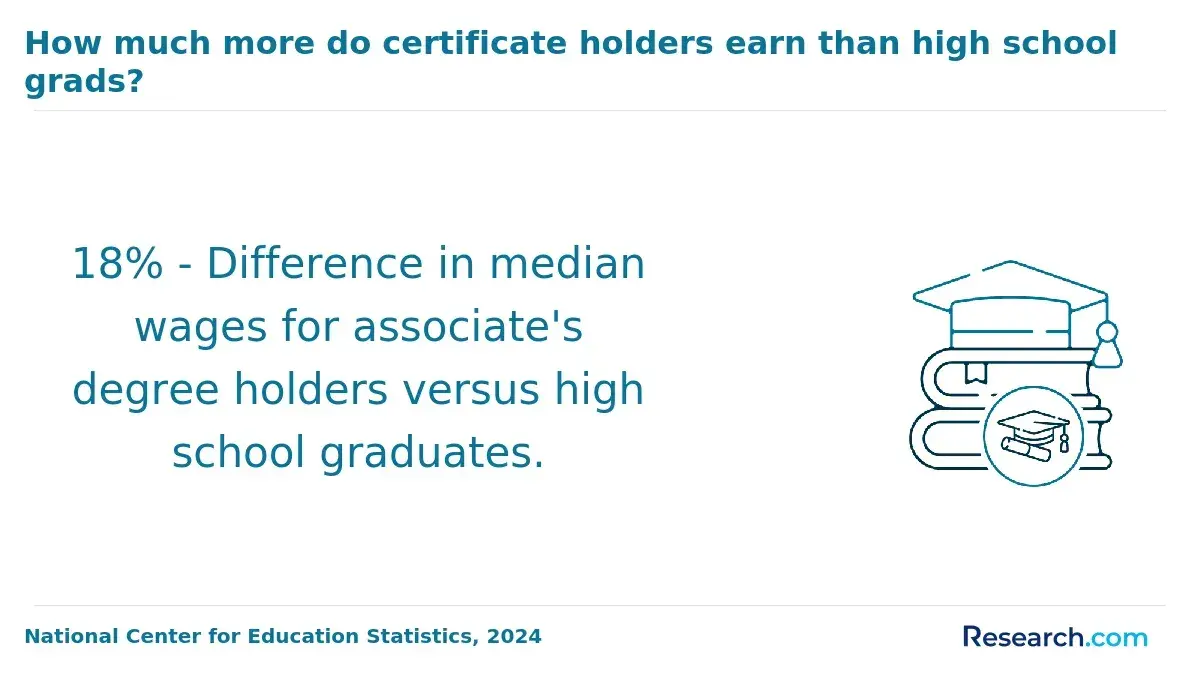
Annual graduate counts alone are insufficient to assess whether the cybercrime workforce is oversupplied or undersupplied, as these figures do not capture timing, role alignment, or employer expectations. Data from NCES and IPEDS show roughly 10,000 to 12,000 bachelor's degrees related to cybercrime fields awarded each year, yet only about 60% to 70% of these graduates enter relevant positions within a year. This gap arises because many pursue further education, settle for broader IT roles outside cybercrime, or face delays from security clearance requirements, resulting in a workforce influx closer to 6,000 to 8,000 annually. Without accounting for these factors, policymakers and educators risk misjudging labor market dynamics and workforce readiness.
Comparing graduate supply with approximately 15,000 open cybercrime roles nationwide reveals a complex mismatch influenced by regional hiring patterns, employer skill demands, and role specialization. Employers often prioritize hands-on experience and certifications beyond formal degrees, meaning not all graduates compete for or qualify for the same jobs at the same time. Furthermore, labor market studies indicate that replacement needs and varying career trajectories affect how many graduates effectively address both entry-level and advanced workforce gaps. Ignoring these nuances can lead to misguided strategies that either undervalue practical experience or overlook critical niche shortages within the cybercrime domain.
This interplay between degree output and employer demand highlights the necessity for prospective students and institutions to integrate applied training, internships, and targeted certifications to increase employability. Regional labor market variations and evolving cybercrime threats further complicate straightforward assessments of supply and demand. A nuanced interpretation based on authoritative data sources and a clear understanding of workforce entry timelines is essential to align educational pathways with real-world employment opportunities and long-term professional viability.
Does Job Growth Support the Rising Supply of Cybercrime Graduates?
Projected job growth for cybercrime-related roles suggests robust demand but does not necessarily match the rising supply of graduates, particularly at the entry level. While information security analyst positions are expected to grow substantially according to the U.S. Bureau of Labor Statistics 2024 data, many employers prioritize candidates with hands-on experience and certifications beyond academic credentials, limiting immediate access for many recent graduates.
This dynamic is especially apparent in saturated metropolitan areas where graduate volume outpaces local job openings, causing some to accept roles with narrower cybercrime duties or adjacent IT functions. Such market conditions underscore the importance of practical experience and regional flexibility for new entrants seeking to navigate entry-level cybercrime job market demand and graduate volume trends effectively.
The supply-demand balance also varies significantly by specialization and geography, with fields like digital forensics or threat intelligence experiencing uneven hiring intensity. Replacement demand driven by retirements and attrition can sustain opportunities in slower-growing sectors or underserved areas, offsetting limited new role creation. Graduates who misread these market intricacies may face underemployment or prolonged job searches despite strong overall occupational growth. Prospective students should evaluate these factors alongside evolving employer expectations, opting for programs that emphasize applicable experience rather than purely academic output.
For those seeking alternative credentials or fields with increasing demand across healthcare systems, exploring options such as online medical coding programs may also be a pragmatic choice in balancing workforce outcomes.
How Competitive is the Entry-Level Market for Cybercrime Graduates?
The entry-level job market for cybercrime graduates in 2024 illustrates a nuanced competition shaped by multiple dynamics rather than a simple surplus of degree holders. While cybersecurity-related openings have grown by about 8% year-over-year according to LinkedIn and Lightcast data, the influx of graduates and job seekers has outpaced demand, especially in major metropolitan areas. This creates a bottleneck where many candidates meet baseline qualifications but struggle to differentiate themselves due to evolving employer expectations and regional hiring disparities. Practical experience and specialized credentials increasingly influence hiring success, suggesting that supply issues intertwine with skill mismatches and location-specific demand rather than outright oversaturation.
Key factors defining entry-level competition include:
- Applicant Volume: The rapid growth in cybercrime degree graduates intensifies competition, particularly in education hubs and tech centers, necessitating strategic application targeting.
- Experience Expectations: Over 65% of openings prefer candidates with internships or hands-on experience, signaling the premium on applied skills beyond academic achievements.
- Credential Stacking: Employers often require certifications such as CISSP Associates or CompTIA Security+, compelling graduates to supplement degrees with recognized credentials to stay competitive.
- Geographic Concentration: Entry roles cluster in certain urban areas; graduates in less saturated regions may face fewer applicants but potentially limited job availability.
- Hiring Selectivity: Practical problem-solving ability demonstrated through labs or incident response experience increasingly sways employer decisions, challenging traditional curriculum-focused candidates.
- Industry Variation: Demand varies widely, with sectors like healthcare and government maintaining steady growth, while others exhibit uneven entry-level role creation.
- Remote Competition: The rise of remote roles expands opportunities but also broadens the candidate pool nationally, increasing cross-regional competitiveness.
A recent graduate shared that despite completing a well-regarded cybercrime program, the dense competition in their city led to multiple interview rejections citing insufficient hands-on experience. They shifted focus to smaller firms in neighboring states where demand was rising but applicant volume remained modest. This approach required accepting a lower entry salary and reorienting toward specialized certification paths, highlighting how nuanced market conditions force early-career compromises and adaptive strategies in navigating entry-level cybercrime employment.
Which Industries Have the Greatest Demand for Cybercrime Graduates?
Demand for cybercrime graduates focuses sharply on industries where data integrity, risk management, and regulatory pressure are intense and ongoing. This concentration stems from the inherent value and sensitivity of data these sectors handle, coupled with evolving threat landscapes that drive employer urgency. Graduates must weigh not just job volume but also competition levels, required clearances, and skill specialization.
For example, an entry-level graduate may find more numerous yet highly competitive openings in finance, while government roles often demand security clearances and offer distinct advancement routes. Balancing these tradeoffs is crucial to navigating the complex regional sector demand for entry-level cybercrime professionals and aligning career goals with realistic employment opportunities. The following industries exhibit the greatest demand for cybercrime graduates:
- Financial Services: Banks, insurance, and investment firms consistently post high volumes of cybercrime roles driven by regulatory frameworks like SOX and Gramm-Leach-Bliley. Employers prioritize skills in threat detection, vulnerability assessments, and incident response to protect large monetary assets, with entry-level to advanced positions available.
- Government Agencies: Federal, state, and local agencies increasingly recruit for intelligence, defense, and homeland security cybersecurity roles. These often require specialized knowledge and security clearances, restricting applicant pools but offering unique career pathways and stability.
- Healthcare Sector: The sensitivity of protected health information and spikes in ransomware attacks compel hospitals and insurers to seek cybercrime expertise focused on HIPAA compliance, risk management, and secure system design, creating growing job opportunities.
- Education Institutions: Though lower in volume, schools and universities require cybersecurity to protect research data and secure student information systems, seeking graduates who combine technical and organizational skills.
- Manufacturing Industry: Industrial firms demand cybersecurity to defend critical infrastructure and intellectual property, often valuing candidates who understand both IT and operational technology environments.
- Energy Sector: Utilities and energy companies face rising cyber threats targeting infrastructure, necessitating graduates skilled in industrial control system security and risk mitigation strategies.
Ultimately, prospective students and degree holders should assess these industry-specific dynamics alongside overall job availability and competition. Exploring how education paths may align with these market realities helps in making informed decisions about specialization and career focus. For those also considering adjacent or competitive programs, resources like the best online kinesiology degree highlight how workforce demands vary widely by field and underscore the importance of targeted skill alignment for employability.
Where are Cybercrime Graduates Most in Demand?
National employment data for cybercrime graduates often masks substantial variation in local labor markets driven by industry presence, government activity, and regional education outputs. For instance, while California and Virginia report high volumes of openings due to concentrated technology sectors and federal agencies, the actual ease of securing a position varies widely. Graduates entering oversaturated urban markets with many local credential holders may encounter fierce competition, diminished salary leverage, and higher living costs that reduce net benefits. Conversely, federal hubs with stringent clearance requirements typically face talent shortages despite offering fewer total postings, making relocation or skill specialization critical for those aiming to access these roles.
The practical value of job concentrations in cities like San Francisco or Austin depends heavily on the candidate's ability to build applied skills aligned with employer needs, including certifications and incident response experience. Remote work options may broaden geographic reach but can also increase competition by democratizing access to these positions beyond traditional metro boundaries. Regional discrepancies also reflect differences in sectoral demand: healthcare systems and financial firms drive growing but geographically dispersed needs compared to defense-focused clusters. Awareness of local workforce dynamics and pipeline quality is essential for current and prospective cybercrime graduates to avoid saturated areas that offer abundant job listings but limited real hiring potential.
According to 2024 data from the U.S. Bureau of Labor Statistics and Lightcast, metro areas with persistent federal activity and specialized defense contractors report ongoing talent shortages despite moderate graduate supply, signaling opportunity for candidates who can meet strict qualification standards. Students and professionals evaluating relocation or continued education must weigh these underlying labor-market complexities, including cost of living and credential relevance, rather than relying on raw job counts. Strategic targeting of high-demand corridors with balanced supply and demand can markedly improve employment likelihood and long-term career resilience in an evolving cybercrime labor market.
Which Cybercrime Specializations and Degree Levels Face the Strongest Demand?
Employer demand within the cybercrime workforce largely concentrates around specialized skill sets and credential tiers rather than the broader field's general degree holders. Graduates with targeted expertise aligned to emergent and technical roles enjoy stronger hiring prospects compared to those holding generalized degrees or certificates. For instance, a graduate with a master's degree in cloud security and hands-on malware analysis skills will frequently access a different job market than a peer holding a bachelor's in general cybercrime, where saturation and competition from certificate holders is common.
Data from the U.S. Bureau of Labor Statistics reveals that roles blending academic credentials with industry certifications hold considerable advantage, indicating the value employers place on practical, validated skills. The following list highlights key cybercrime specialization and degree-level combinations commanding the highest employer demand.
- Bachelor's with Certifications: This tier is sought after for cybersecurity analyst and incident response roles, where employers prioritize candidates possessing a bachelor's degree coupled with certifications like CISSP or CEH. These positions demand an ability to operate security operations centers efficiently while adapting to fast-evolving threats.
- Master's in Digital Forensics: Graduates skilled in forensics with legal and investigative expertise fill critical gaps in law enforcement and private-sector forensics firms, where advanced degrees reflect the complexity of evidence handling and courtroom requirements.
- Master's in Cloud Security: With growing cloud adoption, professionals adept at securing cloud architectures and managing vulnerabilities are in high demand, particularly within enterprise and government sectors requiring advanced theoretical and applied knowledge.
- Threat Intelligence Specialization: Specialists equipped to analyze adversary tactics and develop proactive defense strategies are increasingly valued, especially within cybersecurity firms and intelligence agencies focused on anticipating cyber attacks.
- Ethical Hacking Expertise: Professionals certified in penetration testing and vulnerability assessments attract attention as organizations seek to identify weaknesses before they are exploited, often requiring advanced study and practical experience.
- General Cybercrime Degrees: Individuals with non-specialized cybercrime degrees often face oversupply, leading to underemployment or roles less aligned to career ambitions, as many employers favor more narrowly skilled applicants.
Are Employer Skill Gaps Affecting Demand for Cybercrime Graduates?
Employer skill gaps in Cybercrime graduate hiring reflect a shortfall not in candidate supply but in the alignment of technical and professional competencies with evolving industry needs. Employers prioritize applied experience, certifications, and specialized skills such as advanced threat detection and incident response, often favoring candidates who complement academic degrees with internships or co-op opportunities. Consequently, some entry-level roles remain unfilled despite a high volume of graduates, since many applicants lack proficiency with AI-driven security tools or familiarity with regulatory frameworks. This mismatch can distort perceptions of an oversupply when, in reality, demand for highly qualified candidates outpaces availability by skill level.
Understanding how cybercrime graduate skill gaps impact hiring is essential for prospective students and current degree holders. Positions requiring foundational knowledge encounter more competition, whereas specialized roles demand niche certifications and proven hands-on experience, creating stratified hiring landscapes across industries and regions. Graduates must assess program curricula critically and seek practical engagement through projects and internships to improve their market readiness. A failure to bridge this gap risks prolonged unemployment or underemployment, underscoring the importance of targeted skill development aligned with employer expectations.
The evolving cybercrime job market parallels challenges seen in other fields, where misreading demand leads to inefficient job matches. This dynamic echoes patterns observed beyond cybercrime, similar to those in specialized areas such as a pharmacist accelerated program, where supply and niche qualifications must be carefully balanced. For stakeholders considering cybercrime degrees, recognizing the difference between sheer graduate numbers and meaningful employability factors is crucial for navigating workforce realities effectively.
What is the Future Supply-and-Demand Outlook for Cybercrime Graduates?
Targeted job searches generally yield better outcomes than indiscriminate applications because they allow graduates to focus effort where employer demand and candidate qualifications align most closely. A graduate flooding the market with generic resumes for broad "cybersecurity analyst" roles may overlook entry-level positions titled more specifically, such as threat intelligence or incident response technician, where demand-and competition-is different. Prioritizing industries and locations known for robust demand, such as government contracting hubs or technology centers, can significantly improve opportunities, as regional variation remains a critical factor in the future supply and demand outlook for cybercrime graduates.
Tailoring resumes to reflect employer language and demonstrating relevant skills through targeted projects or internships further distinguishes candidates in a crowded field. Employers increasingly value certifications and practical experience in addition to degrees, so candidates who allocate effort toward roles where their qualifications and hands-on readiness closely match requirements increase interview conversion rates. Market research, application timing, and strategic networking also play supporting roles but do not substitute for evidence of job readiness or appropriately focused applications-especially given the projected employer demand for cybercrime degree holders remains strong yet highly specialized.
Graduates who fail to adapt to these realities risk longer job searches or underemployment despite rising graduate volume. Learning to navigate this landscape is as important as technical expertise, as the mismatch between supply and demand often concentrates at entry levels and in less active regions. This nuanced understanding parallels challenges in related fields like healthcare information management, where resourceful targeting of best online health information management degree CAHIIM accredited programs similarly impacts job placement outcomes.
References
- Is the Cyber Workforce Shortage a Myth? https://www.afcea.org/signal-media/cyber-edge/cyber-workforce-shortage-myth
- The Cybersecurity Workforce Gap https://www.csis.org/analysis/cybersecurity-workforce-gap
- Top 5 Causes Of The Cybersecurity Skills Shortage https://cybersecurityventures.com/top-5-causes-of-the-cybersecurity-skills-shortage/
- What’s actually happening with entry-level and graduate jobs? https://www.techuk.org/resource/what-s-actually-happening-with-entry-level-and-graduate-jobs.html
- Cybercrime is Accelerating: Preparing the Next Wave of Cybersecurity Experts https://www.devry.edu/newsroom/news/2026/cybercrime-is-accelerating-preparing-the-next-wave-of-cybersecurity-experts.html
- Is there an oversupply of university graduates? - VDC https://vdc.edu.au/vdc-news/is-there-an-oversupply-of-university-graduates/
- Current Students & Recent Graduates https://ghecc.org/graduate-resources/
- 20 Coolest Cybersecurity Careers and Jobs | SANS Institute https://www.sans.org/cybersecurity-focus-areas/cybersecurity-careers/20-coolest-cyber-security-careers
- Cybersecurity Graduate Unemployment & Skills Mismatch Statistics (2026) - Programs.com https://programs.com/resources/cybersecurity-graduate-unemployment/
- Cybercrime: the Most Underestimated Risk of the Future https://executiveacademy.at/en/knowledge/digitization/cybercrime-the-most-underestimated-risk-of-the-future
Other Things You Should Know About Cybercrime
Not all cybercrime degree programs demand the same level of technical depth or practical engagement. Graduates from programs with strong hands-on components, like labs simulating real-world threats and incident response, tend to be more competitive with employers who prioritize applied skills over theoretical knowledge. Choosing a program with a balanced curriculum that includes current tools and methodologies often leads to better job preparedness and stronger initial placement outcomes. Prospective students should weigh the intensity and relevance of coursework as it directly influences employability, especially in entry-level roles.
Accreditation signals that a program meets defined quality standards and often aligns with employer expectations for baseline competency. Many organizations use program accreditation as a filtering criterion, particularly for formal cybercrime roles tied to compliance or government contracts. While accreditation does not guarantee a job, it typically enhances credibility in a crowded job market and opens doors to internships and networking opportunities. For those aiming for stable, long-term placements, prioritizing accredited programs is a practical decision that can reduce hiring friction.
Relying solely on a degree may not suffice in a field where certifications like CISSP, CEH, or Security+ validate specialized skills that employers demand. Without these industry-recognized credentials, graduates might struggle to demonstrate competence beyond academic knowledge, limiting their appeal in competitive hiring processes. Balancing degree coursework with targeted certification study can improve job prospects and salary potential, making it a recommended strategy for sustaining career momentum, especially early on.
Focused cybercrime degrees offer depth on legal, investigative, and ethical aspects, which are critical for roles in law enforcement or compliance but narrower in technical scope. Broader cybersecurity degrees tend to cover a wider range of defensive and operational skills, often preferred by employers looking for versatile practitioners. Students should align their choice with intended career paths: prioritize cybercrime degrees when targeting forensic and regulatory positions, but consider broader cybersecurity programs for roles in threat analysis or network defense. Understanding this distinction helps avoid misalignment between education and job market realities.