2027 Cybercrime Career Outcomes by Degree Level Report: Pay, Employment, and Advancement Patterns

Co-Founder and Chief Data Scientist
Choosing the right degree level in cybercrime can determine whether a professional breaks into specialized roles or remains limited to entry-level positions. For example, a 2024 study by the International Information System Security Certification Consortium (ISC)² reveals that employers increasingly favor candidates with at least a bachelor's degree for mid-to-senior cybersecurity roles, reflecting a tightening skill threshold in the field. This trend underscores a significant divide in employment access and career advancement depending on degree attainment.
Understanding these patterns equips learners to make strategic decisions about education investments aligned with realistic career progression. This article analyzes pay, employment, and advancement outcomes by degree level in cybercrime to clarify those trade-offs and opportunities.
Key Things to Know About Cybercrime Career Outcomes by Degree Level
- Associate degrees often provide quicker entry to cybercrime jobs but limit advancement, reflecting a tradeoff where faster labor-market access delays leadership roles typically requiring higher credentials.
- Employers increasingly favor bachelor's or master's credentials for investigative or managerial cybercrime tasks, indicating credential inflation that narrows advancement unless workers upskill.
- Advanced degrees entail higher costs and longer study, which can delay labor participation; this timing factor influences return on investment, especially given current rapid technological change in the field.
- Key Things to Know About Cybercrime Career Outcomes by Degree Level Key Things to Know About Cybercrime Career Outcomes by Degree Level
- What Career Outcomes Can Students Expect From Each Cybercrime Degree Level? Career Outcomes by Degree
- How Much Do Cybercrime Graduates Earn by Degree Level? Salary by Degree Level
- Which Cybercrime Degree Level Offers the Strongest Employment Prospects? Best Degrees for Employment
- What Entry-Level Jobs Can You Get With a Cybercrime Degree? Entry-Level Career Opportunities
- How Do Cybercrime Degree Levels Affect Career Advancement and Promotion Opportunities? Career Growth by Degree
- Is a Cybercrime Degree Worth It Based on Salary, Employment, and ROI? Salary, ROI, and Value
- How Do Associate, Bachelor's, Master's, and Doctoral Cybercrime Degrees Compare? Comparing Degree Levels
- Which Industries and Employers Hire Cybercrime Graduates by Degree Level? Which Industries and Employers Hire Cybercrime Graduates by Degree Level?
- What Skills, Credentials, and Experience Improve Cybercrime Career Outcomes? What Skills, Credentials, and Experience Improve Cybercrime Career Outcomes?
- Which Cybercrime Degree Level Is Best for Your Career Goals? Choosing the Right Degree
What Career Outcomes Can Students Expect From Each Cybercrime Degree Level?
Realistic career outcomes in cybercrime hinge heavily on the credential level attained, reflecting vital distinctions in job access, upskilling pathways, and advancement ceilings. Entry-level certificates and associate degrees frequently function as practical entry points, often enabling roles such as technicians or junior analysts; yet, without further education or certifications, individuals may encounter stagnant pay and limited leadership opportunities. For example, an adult learner balancing work and family might start with an associate degree to enter the field quickly but will likely need to pursue a bachelor's degree to transition into supervisory capacities or specialized roles favored by many employers.
Employment and advancement trends for Cybercrime graduates emphasize that bachelor's degrees are frequently a pivotal threshold, providing a broader theoretical foundation and critical thinking skills essential for more complex positions and ongoing upward mobility.
Master's and doctoral degrees in cybercrime open doors to strategic leadership, research, and niche expert roles, aligning with employer expectations for advanced expertise and decision-making influence. The Integrated Postsecondary Education Data System highlights higher credential holders' improved stability and earning potential, underlining the payoff of extended time investment despite longer program durations and fewer immediate openings. Military-affiliated students and transfer students often leverage prior credits to efficiently navigate this progression, positioning themselves for policy advisory or consultancy work that extends beyond operational job tasks.
In navigating these choices, prospective students may find value in programs aligned with recognized certifications or focused project components-such as capstone work-while working adults benefit from understanding the long-term tradeoffs impacting their career mobility and pay trajectories. Those seeking rapid entry might explore opportunities through a medical assistant accelerated program as an adjacent model, demonstrating how condensed credentialing can serve as a workforce strategy within related high-demand sectors.
How Much Do Cybercrime Graduates Earn by Degree Level?
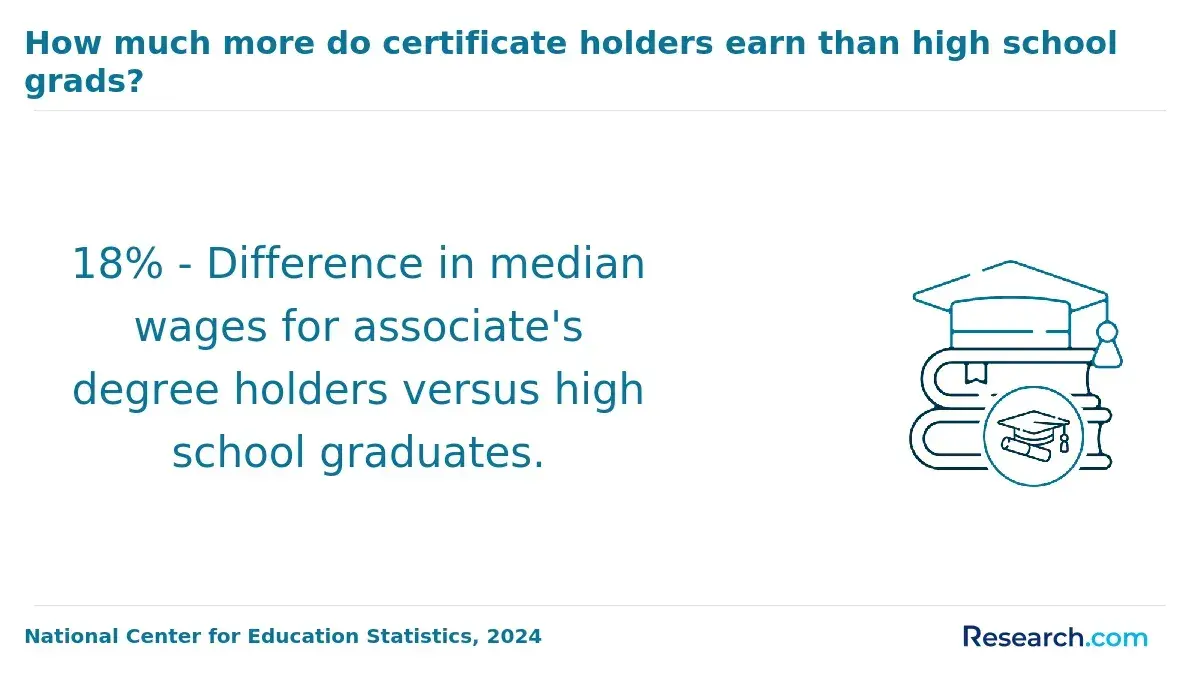
Pay for cybercrime graduates varies in ways that reflect the practical realities of credential requirements, job function, and geographic demand rather than simply rising with degree level. Associate degree holders often find roles with median wages near $55,000 but face early career ceilings unless they pursue further education or certifications. Bachelor's degree graduates typically earn around $85,000 and are more competitive for positions requiring strategic analysis or threat intelligence skills, which often also offer greater job stability as evidenced by lower unemployment rates compared to those with certificates or associate credentials. Master's degree holders command salaries closer to $115,000, benefiting from specialized technical knowledge and leadership readiness valued in higher-tier roles, though these gains must be weighed against longer completion times and the additional cost of advanced study. Geographic concentration in tech hubs can increase these figures by 20% or more, adding another layer to consider when evaluating total compensation potential alongside living costs and career mobility.
Employment outcomes align with these pay differences, suggesting that bachelor's and master's credentials not only open doors to better-paying positions but also to roles with clearer advancement pathways. Transfer pathways from associate to bachelor's programs remain crucial for those balancing early workforce entry and future growth, enabling credit stacking while reducing time and financial burdens. For adult learners and military-affiliated students, careful evaluation of employer preferences and credential recognition can prevent costly detours in career planning. The decision to invest in a higher degree should factor in not only immediate earnings but also the likelihood of fewer interruptions in employment and smoother transitions into supervisory or specialized functions that command premium pay.
One graduate recalls hesitating before committing to a bachelor's degree because entry-level jobs were readily available with an associate's credential. However, after reviewing regional job postings and discussing expectations with hiring managers, they recognized increased emphasis on bachelor's credentials for advancement and salary negotiation. The graduate ultimately chose to transfer credits efficiently and pursue the bachelor's while working part-time, balancing cost and time concerns against the visible wage and stability advantage highlighted in local industry data. This experience underscores how practical assessment of local labor market signals and credential pathways can clarify the payoff of additional education in cybercrime careers.
Which Cybercrime Degree Level Offers the Strongest Employment Prospects?
Bachelor's degrees in cybercrime consistently provide the strongest foundation for employment, balancing technical depth with critical thinking skills that employers prioritize. Data from the U.S. Bureau of Labor Statistics (2024) shows unemployment under 2.5% for bachelor's holders in cybersecurity, significantly better than rates for associate degree or certificate holders, who often encounter boundaries for roles demanding broader responsibilities. For example, an entry-level analyst position typically requires a bachelor's credential, limiting advancement opportunities for those entering with only an associate degree or specialized certificate. Candidates weighing quicker labor market entry versus comprehensive preparation must recognize these practical tradeoffs and employer preferences for well-rounded, project-based experience embedded in four-year programs.
While associate degrees and certificates can offer faster access to certain cybercrime roles, these pathways generally restrict upward mobility and salary potential compared to bachelor's and graduate degrees. Master's programs, though not necessarily improving starting salaries, accelerate growth into leadership or specialized roles like forensic experts and policy advisors over a decade, supported by their integration with advanced certifications. Students choosing to continue education while working should consider how graduate credentials, combined with industry certifications, open doors beyond operational roles into strategic or research-oriented positions. Ultimately, decisions around timing, credential stacking, and specialization must align with long-term goals, balancing immediate workforce entry against the potential for higher-tier roles that demand increased expertise and often require stronger academic qualifications.
What Entry-Level Jobs Can You Get With a Cybercrime Degree?
Entry-level cybercrime jobs with a degree vary significantly depending on the education level and the applicant's ability to demonstrate hands-on skills. Associate degree holders generally access roles focused on technical execution, such as security technician or junior analyst, which require certifications like CompTIA Security+ or CEH to offset the narrower academic scope. In contrast, bachelor's graduates are more competitive for analyst or specialist positions involving analytical responsibilities and policy support, where internship experience enhances practical understanding. According to the National Center for Education Statistics (2024), 62% of bachelor's-level cybercrime students completed internships, a key factor strengthening their readiness and employability in this expanding field.
Employers often prioritize candidates who combine technical proficiency with analytical skills and practical exposure to cybersecurity tools, making certifications important but not universally required for entry points. Remote work availability and geographic clustering in tech hubs impact job accessibility, with urban centers offering more frequent postings. Students weighing the best cybercrime degree careers for beginners should consider how employer training varies: some expect near job-readiness at hire, while others provide structured onboarding. Choosing an education path thus involves assessing not just immediate role access but also whether the degree supports long-term mobility and skill accumulation, especially for those planning graduate study or advancement in cybersecurity.
Prospective learners might also explore specific workforce pipelines and compensation benchmarks to guide decisions. For example, understanding related roles such as medical coding salary trends, documented by what is medical coding salary, underscores how specialized certifications can influence both pay and employment stability in allied fields, reinforcing the value of targeted credentials alongside degrees.
How Do Cybercrime Degree Levels Affect Career Advancement and Promotion Opportunities?
Degree attainment in cybercrime critically influences not just eligibility but the timing of advancement into supervisory and specialized roles. Many employers set a bachelor's degree as a baseline for mid- to senior-level positions, combining this with preferences for strong communication and project management skills developed in such programs. According to 2024 data from the National Center for Education Statistics and Lightcast, 68% of cybercrime analyst job postings requiring promotion potential specify at least a bachelor's credential. In practice, associate degrees often limit candidates to technical roles with less leadership responsibility, while bachelor's and graduate degrees typically accelerate readiness for management by embedding coursework on legal frameworks, risk management, and incident response coordination.
The decision to pursue advanced credentials also interacts with prior experience and transfer credits, which adult learners and military-affiliated students often leverage to shorten time-to-promotion. Research from the U.S. Department of Education suggests continuing education can speed advancement rates by 15-20%, but this varies by employer emphasis on formal education versus work history or certifications. For working professionals weighing the cost-benefit of a master's degree, the critical factor is whether the credential opens doors to roles unavailable through experience alone or fulfills licensure that some agencies require for cybersecurity leadership posts. This balance between practical skills and credential-driven opportunity shapes internal mobility and long-term career trajectory more than degree attainment by itself.
One recent graduate explained how they initially hesitated about completing a bachelor's versus an associate degree, given years of hands-on experience. After reviewing job postings at their agency, they noted leadership roles almost exclusively demanded a bachelor's, which prompted enrollment in a transfer-friendly program. Even with some frustration over coursework unrelated to their daily tasks, they found the degree indispensable in gaining promotion and greater project ownership. Their story highlights the nuance of aligning educational choices with employer standards and long-term ambitions in a field where credentials and experience must both be strategically balanced.
Is a Cybercrime Degree Worth It Based on Salary, Employment, and ROI?
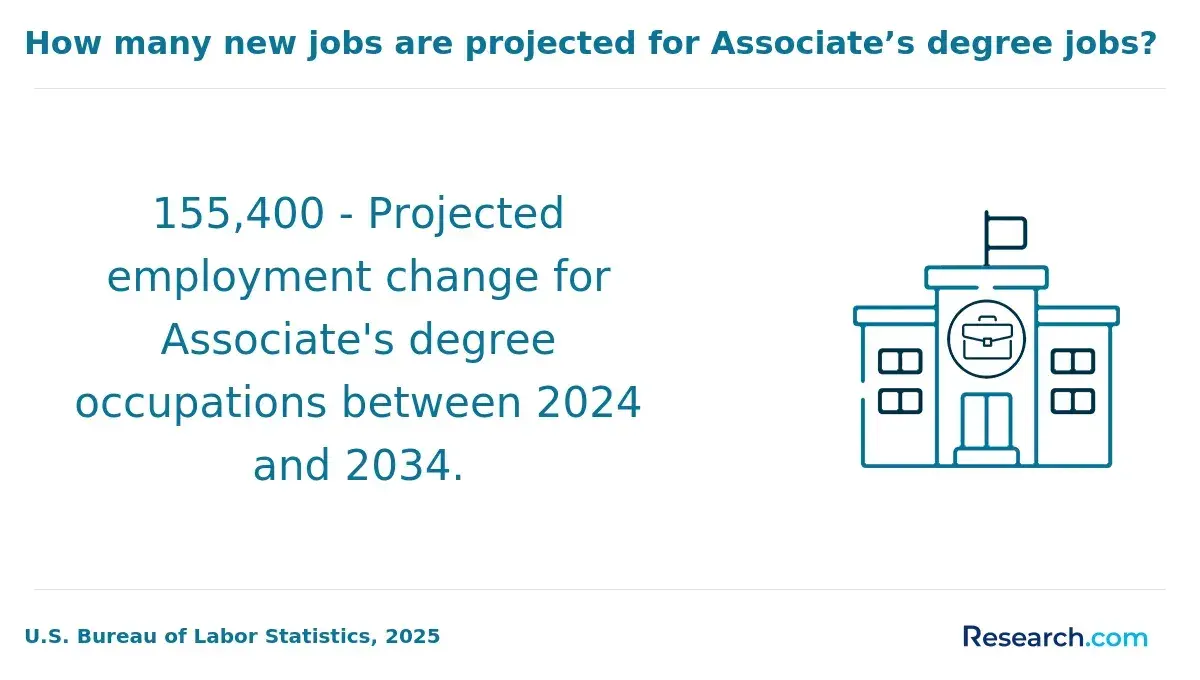
Choosing between degree levels in cybercrime involves tradeoffs shaped by salary potential, employment stability, and time-to-completion. While bachelor's degrees typically lead to higher median wages and greater access to roles requiring advanced technical expertise or leadership, they also entail longer study periods and increased educational debt. For working adults or military-affiliated students, the extended timeline and opportunity costs of a bachelor's program may delay entry into the workforce or income growth, thereby complicating the calculation of return on investment for cybercrime degrees. Conversely, associate degrees provide a faster path to employment but generally result in lower starting salaries and narrower advancement opportunities, which employers often associate with less comprehensive preparation in cybersecurity domains.
Employment projections indicate sustained demand for cybercrime professionals, though regional labor market differences can significantly affect upward mobility and earnings growth. Candidates who combine degree attainment with professional certifications-such as CISSP or CISM-tend to experience more robust career mobility, particularly in incident response and threat hunting positions favored in urban tech hubs. Prospective students should weigh how debt levels, completion time, and credential layering intersect with their specific circumstances, including prior credits or work experience. Those prioritizing rapid workforce entry without excessive disruption may find associate credentials or recognized certifications more viable, while others aiming for leadership or specialized roles justify the higher costs of a bachelor's degree.
For learners exploring alternative healthcare-related opportunities, exploring online psych NP programs exemplifies how specialized programs balance cost, duration, and career specificity even outside cybersecurity.
How Do Associate, Bachelor's, Master's, and Doctoral Cybercrime Degrees Compare?
Choosing where to stop in cybercrime education directly shapes your job prospects and long-term career trajectory. An associate degree often serves as a quick, affordable pathway into entry-level cybersecurity technician roles or digital forensics support, with employment rates around 68% according to 2024 data from the National Center for Education Statistics. However, these credentials typically limit upward mobility and specialized opportunities, making additional credentials essential for those seeking leadership or advanced technical roles. Many students find transferring credits to bachelor's programs a strategic move to expand their role eligibility and meet employer mandates, as most positions require a bachelor's degree as a baseline qualification.
Bachelor's degrees offer broader access to specialized roles such as threat intelligence analysts and compliance auditors, responding to rising industry demands documented by the Bureau of Labor Statistics. While these programs require longer study periods and have lower completion rates, the payoff includes improved job security, the ability to specialize in areas like network security or cyber law, and better salary growth potential. Master's degrees further differentiate candidates by adding leadership and strategic management skills, aligning with mid- and senior-level cybersecurity roles, but involve higher costs and extended time commitments which must be weighed against expected earnings. Doctoral degrees, though rare and investment-heavy, primarily prepare graduates for research, policy advising, and academic positions rather than mainstream industry jobs, offering niche influence but narrower employment stability and transferability.
Deciding to pursue graduate-level study in cybercrime should pivot on clear career goals around leadership or research, given that master's and doctoral programs offer diminished direct industry entry and limited stackable credit benefits. Employers increasingly value strategic and research competencies at advanced levels, yet practical career mobility often demands supplementary professional certifications across all qualifications to enhance employability. Understanding these tradeoffs enables students and working professionals to align educational investments with realistic role access, financial constraints, and long-term stability in a rapidly evolving cybercrime labor market.
Which Industries and Employers Hire Cybercrime Graduates by Degree Level?
Employers hiring cybercrime graduates distinctly segment their preferences based on degree level, reflecting varied expectations for technical proficiency, strategic responsibilities, and leadership roles. Associate degree holders typically fill operational positions such as network monitoring and compliance oversight within government agencies, small-to-medium businesses, and IT support firms. These roles emphasize hands-on technical tasks with limited advancement prospects without further education, illustrating a common tradeoff for students weighing immediate workforce entry against long-term career mobility.
Bachelor's degree graduates gain access to a wider array of industries including finance, healthcare, defense contracting, and large tech companies, where employers increasingly seek analytical capabilities combined with deep cybercrime knowledge. Approximately 60% of job listings requiring a bachelor's degree specify responsibilities extending beyond routine monitoring to policy enforcement and technical control, demonstrating a meaningful shift in role complexity. This broader applicability often justifies the additional investment in education but may require graduates to develop specialized skills or certifications to stand out in competitive sectors.
Advanced degrees notably influence role type and employer expectations. Master's holders frequently enter leadership, consulting, or forensic specialization roles within federal agencies, multinational corporations, and major financial institutions, supported by data indicating 30% of cybersecurity management postings mandate a master's or higher. Doctoral graduates usually pursue research, academic, or policy-oriented careers, often with federal labs or think tanks, where their expertise shapes cyber defense strategy rather than direct operational tasks. Certificate programs offer a targeted alternative primarily for skill enhancement or quick role entry but are less likely to provide sustained advancement without complementary experience or degrees.
What Skills, Credentials, and Experience Improve Cybercrime Career Outcomes?
Employment access and advancement in cybercrime careers hinge less on degree titles alone and more on the integration of targeted technical skills, verified credentials, and applied professional experience. For example, candidates holding associate degrees who supplement their education with internships or apprenticeships gain critical exposure to threat detection and incident response tools, thereby improving initial hiring prospects. Mid-level roles emphasize industry-recognized certifications like CompTIA Security+, CISSP, or CEH, which serve as essential filters in employer screening and mark candidates as specialists with practical competence. This dynamic illustrates a tradeoff where hands-on expertise and credential stacking frequently override mere academic attainment in competitive labor markets, a key insight for working professionals and military-affiliated learners optimizing prior experience and formal education.
Soft skills-analytical thinking, communication, and ethical judgment-remain indispensable for navigating complex threat environments and securing stable, interdisciplinary roles. Employers favor candidates who demonstrate leadership through managing security projects or cross-functional teams, a pattern particularly relevant for bachelor's and graduate degree holders aiming for promotion. The National Center for Education Statistics (2024) notes graduates who showcase applied problem-solving via capstone projects or field placements tend to experience more diverse career trajectories.
Given the limited licensure pathways, continuous skill development paired with credential accumulation is paramount, especially for transfer students and adult learners who must align degree selection with realistic advancement opportunities. For a practical sense of compensation variations across levels and regions, prospective students can review DNP salary by state data to understand how education translates into earnings in technology fields.
Which Cybercrime Degree Level Is Best for Your Career Goals?
The decision on which cybercrime degree level best aligns with career goals hinges on balancing immediate employment access against long-term advancement and specialization opportunities. Associate degrees offer a quicker, more affordable path into entry-level roles, with roughly 70% of graduates employed within six months according to the National Center for Education Statistics. However, these credentials often limit upward mobility and may necessitate further education to qualify for mid-level or specialized positions, making them more suitable for working adults or military-affiliated students prioritizing rapid workforce entry and manageable debt.
Bachelor's degrees remain critical for those targeting mid-level cybersecurity roles, especially where employers require a minimum credential. These programs support specialization in areas such as digital forensics or penetration testing and often correlate with acquiring professional certifications, which significantly enhance employability and pay. Graduate degrees further expand access to leadership, research, and niche technical roles, but require notable time and financial investments, along with careful consideration of transfer credit policies and completion risks. Aligning degree choices with employer expectations and market demands is essential for sustainable outcomes, as demonstrated by the U.S. Department of Education's IPEDS data and recent Bureau of Labor Statistics trends related to professional mobility.
For individuals weighing these tradeoffs-such as transfer students or working professionals-the risk of non-completion, opportunity costs, and long-term return on investment must guide decisions. Those unsure of commitment levels may explore the range of easiest counseling degree programs options as a comparative benchmark in educational planning. Ultimately, understanding cybercrime degree pay and employment outcomes by level ensures more informed planning that matches education pathways with realistic workforce trajectories and individual circumstances.
References
- Cyber security career guide - Canadian Centre for Cyber Security https://www.cyber.gc.ca/en/guidance/cyber-security-career-guide
- Is a Cybersecurity Degree Worth It in 2026? - tripleten.com/blog https://tripleten.com/blog/posts/is-a-cybersecurity-degree-worth-it
- Cyber Security Salary: 7 Highest-Paid Cyber Security Jobs | NEIT https://www.neit.edu/blog/cyber-security-salary
- What Degree Do I Need for a Career in the Cyber Security Industry? - GRMI https://grm.institute/blog/what-degree-do-i-need-for-a-career-in-the-cyber-security-industry/
- Rise of Cyber Security & Digital Forensics Degrees https://www.allcriminaljusticeschools.com/blog/rise-of-cybersecurity-and-digital-forensics-degrees/
- 25 Best Online Cybersecurity Bachelor’s Degree Programs https://programs.com/programs/online-bs-cybersecurity/
- What Degree Do I Need for a Career in Cybersecurity? | Cyber Degrees https://www.cyberdegrees.org/resources/degree-required-for-cybersecurity-career/
- What Can You Do with a Degree in Digital Forensics? https://www.forensicscolleges.com/blog/resources/careers-with-a-digital-forensics-degree
- Cyber Security Degrees & Careers | How To Work In Cyber Security https://www.learnhowtobecome.org/computer-careers/cyber-security/
- Cyber Security Graduate Jobs | Gradcracker - Careers for STEM Students https://www.gradcracker.com/search/computing-technology/cyber-security-graduate-jobs
Other Things You Should Know About Cybercrime
Higher degree levels in cybercrime, particularly master's and doctoral programs, typically involve more rigorous coursework, including extensive research, theory, and specialized technical skills. This increased academic intensity can significantly impact work-life balance, especially for working adults or those with family commitments. Prospective students should realistically assess their current obligations and choose a program level that aligns with their capacity for sustained time and effort, as struggling with workload demands can lead to burnout and affect career progression.
While advanced degrees often promise better roles and pay, the incremental benefit after a bachelor's in cybercrime may plateau in certain job markets. Many employers prioritize practical experience and certifications over additional academic qualifications beyond the bachelor's level. Therefore, those considering master's or doctoral studies should weigh whether time and financial investments might yield substantial advancement or if gaining hands-on experience immediately after undergraduate education would be more strategic.
Online cybercrime programs offer flexibility essential for working adults but may lack the networking opportunities and direct faculty engagement characteristic of in-person formats. Employers in this field often value demonstrated collaboration and problem-solving skills developed in traditional settings, which can affect hiring decisions. Students should prioritize program reputation, availability of experiential learning such as labs or internships, and opportunities for real-time interaction to mitigate potential disadvantages of online formats.
For mid-career professionals, a cybercrime degree can facilitate transitions into cybersecurity roles but the best outcomes come from targeted programs that integrate current industry tools and certifications with academic study. Generic or overly theoretical programs may not sufficiently prepare students for hands-on responsibilities expected by employers, limiting career mobility. It is advisable for mid-career learners to select degrees with flexible pacing, strong industry connections, and practical components that align closely with evolving workplace demands.