2027 Cybercrime Degree Completion Time Report: How Long Students Actually Take to Graduate

Co-Founder and Chief Data Scientist
Degree completion timelines in cybercrime programs reveal complex dynamics beyond stated credit requirements. Many students balance coursework with employment, family obligations, and evolving job market demands, which often extend graduation periods. According to the National Student Clearinghouse Research Center's 2024 report, nearly 40% of undergraduate students experience delays surpassing normative program lengths due to part-time enrollment or transfer credits.
This trend underscores how real-world pressures intersect with academic pacing. Variations in prerequisite skills, technological proficiency, and employer credential expectations further shape individual progression rates. This article examines these practical influences, clarifying how long students actually take to graduate from cybercrime disciplines and why.
Key Things to Know About Cybercrime Degree Completion Time
- Most students take longer than the advertised program length. Only about 45% of first-time, full-time bachelor's students graduate within four years, while roughly 64% finish within six years, making the actual completion time longer for many learners.
- The average college graduate is often older than expected. The median age of bachelor's degree recipients is around 23 years, while master's degree recipients are typically in their early 30s, reflecting the growing number of adult and returning students.
- Completing a degree can significantly increase lifetime earnings. Workers with a bachelor's degree earn roughly 65% more per week than those with only a high school diploma, and graduate degree holders typically earn even higher median wages over their careers.
- What Is the Average Graduation Time for Cybercrime Students? Average Graduation Timeline
- What Factors Have the Biggest Impact on Graduation Speed? Graduation Timeline Factors
- How Does Full-Time Versus Part-Time Enrollment Affect Graduation Timelines? Full-Time vs. Part-Time Graduation Timeline
- Do Online Cybercrime Students Graduate Faster Than Campus-Based Students? Online vs. On-Campus Timeline
- How Many Months or Years Can Transfer Credits Save? Transfer Credits
- Do Accelerated Cybercrime Programs Significantly Reduce Completion Time? Accelerated Program Timeline
- Which Cybercrime Program Requirements Most Often Extend Graduation Timelines? Factors Extending Graduation Timeline
- Does Taking Longer to Graduate Increase the Cost of a Cybercrime Degree? Impact on Program Cost
- Does Graduating Faster Improve Career Prospects? Impact on Career Prospects
- Which Scheduling Mistakes Commonly Delay Graduation? Mistakes to Avoid
What Is the Average Graduation Time for Cybercrime Students?
The average time to complete a cybercrime degree generally falls within four to five years for students enrolled full-time, mirroring the typical duration observed in many bachelor's level technical programs. However, this standard timeframe does not capture the variability experienced by a significant segment of learners balancing external demands. Part-time students, who often juggle work and family obligations, may extend their studies to six years or longer. Additionally, transfer students frequently face longer completion periods due to credit transfer complexities and alignment challenges with specific cybercrime curricula.
Variations in graduation timelines are often driven by program structure and course scheduling. Accelerated tracks or flexible pacing can shorten study duration to as little as three years, while experiential requirements such as labs, internships, or capstone projects may add semesters to the path. Access to required courses and academic performance also influence progression, with limited offerings for specialized cybercrime topics potentially delaying student advancement compared to broader IT degrees. Online versus on-campus formats can further impact pacing, as can institutional policies governing credit recognition and enrollment patterns. These factors mean that the typical graduation timeline for cybercrime students is far from uniform and should be understood in the context of individual academic plans and institutional design.
From a practical standpoint, the time taken to graduate critically affects both financial investment and workforce entry timing. Employers increasingly weigh not only degree completion but also relevant hands-on experience, which can extend education length but significantly enhance job readiness. Accurate expectations of graduation time support more strategic academic advising and financial planning for students.
Those interested in accelerated credential options may consider programs like the shortest medical assistant program as a parallel example of how compressed timelines influence career pathways in related fields.
What Factors Have the Biggest Impact on Graduation Speed?
Graduation speed for cybercrime degree students results from a complex interplay between academic planning, program design, and individual circumstances. No single factor determines how quickly students finish their studies; instead, the cumulative effects of enrollment choices, credit transfers, and personal obligations shape timelines in varied ways. Recognizing these influences allows students to make more strategic decisions about course loads, program formats, and workload management to better align with their career and life demands.
- Enrollment Status and Course Load: Full-time enrollment significantly accelerates degree completion by enabling students to accumulate credits more rapidly. According to the National Student Clearinghouse Research Center's 2024 report, only 35% of part-time undergraduates graduate within six years, compared to 60% of full-time students, illustrating how balancing employment or family with part-time study extends timelines in cybercrime programs.
- Prior Academic Background and Transfer Credits: Students entering with relevant credits from accredited institutions-especially in IT, cybersecurity, or criminal justice-can shorten their academic path considerably. The extent to which transfer policies are flexible greatly affects progression speed, as acceptance of prior coursework reduces prerequisite requirements and allows earlier focus on advanced cybercrime topics.
- Program Structure and Flexibility: Cybercrime degrees offered through accelerated or competency-based models allow capable students to bypass standard semester pacing by testing out of subjects or enrolling in condensed terms. Conversely, traditional curricula with fixed course sequences and limited offering periods can impose delays, especially when required core classes have capacity constraints or are only available seasonally.
- Employment and External Obligations: Working adults pursuing cybercrime degrees part-time face extended completion timelines resulting from limited availability for classes and the cognitive load of combining job responsibilities with academic demands. This dynamic often creates an unavoidable tradeoff between practical income needs and timely graduation, especially in programs without evening or weekend course options.
- Academic Advising and Institutional Support: Access to consistent academic counseling strongly correlates with on-time graduation, as informed guidance helps students navigate course selection, internship opportunities, and workload balancing effectively. Studies show students receiving steady advising are 20% more likely to graduate within expected timeframes, highlighting how institutional policies shape individual success trajectories.
In comparing online versus on campus cybercrime master's degree graduation timelines, program delivery mode intersects with these factors; online formats often offer greater scheduling flexibility that can accelerate progress for working professionals, while on-campus programs may impose stricter timelines but provide in-person support that can reduce delays through structured cohorts. For students weighing format options, it is critical to consider how enrollment status impact on cybercrime master's degree completion time interacts with personal and program variables to influence their projected graduation date.
For those examining cross-disciplinary options or alternative fields, insights from related areas such as the online nutrition masters highlight comparable institutional dynamics around transfer credits and program flexibility that affect graduation speed. Ultimately, evaluating these system-level factors helps students and education planners set realistic expectations and optimize degree pathways within the specific demands of cybercrime education.
How Does Full-Time Versus Part-Time Enrollment Affect Graduation Timelines?
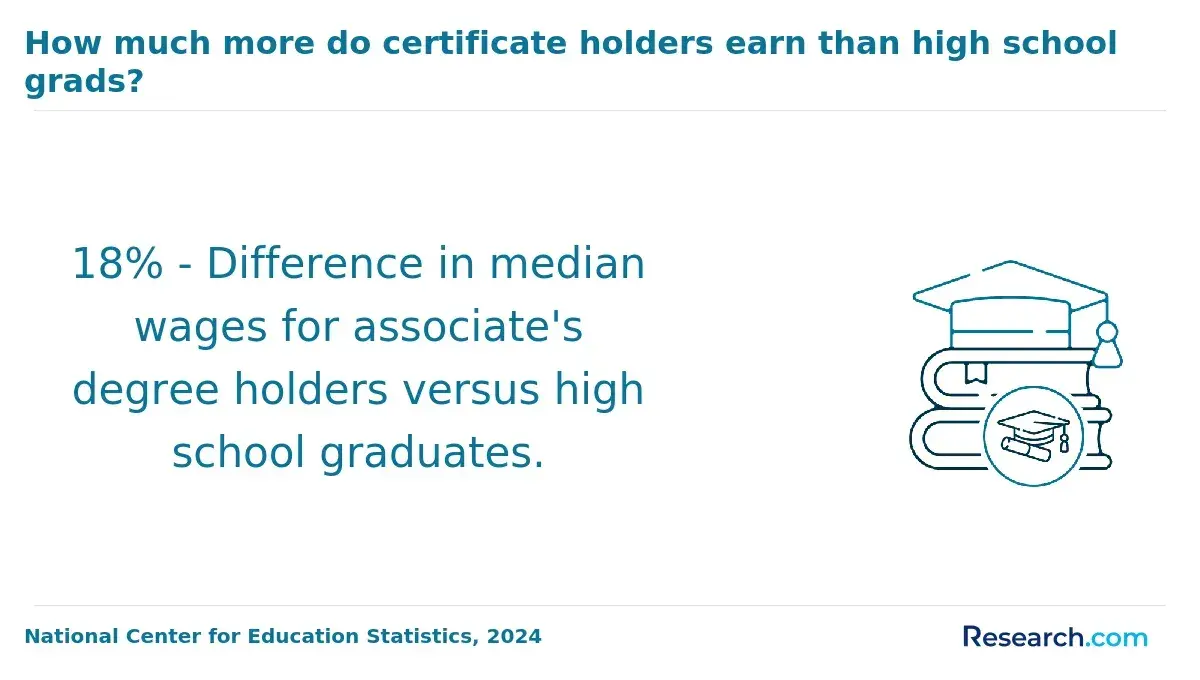
Graduation timelines for cybercrime degrees differ significantly between full-time and part-time students, with full-time enrollees typically finishing within two to four years, whereas part-time students often require three to six years or more. This disparity stems largely from how credit loads influence students' academic momentum: full-time students generally enroll in 12 to 15 credit hours per term, enabling sustained progression through sequential coursework. According to recent data compiled by the National Center for Education Statistics in 2024, full-time students consistently complete degrees faster due to concentrated study periods, while part-time students juggle extended schedules that can dilute both retention and continuity, especially in fast-evolving fields like cybercrime.
Structural factors such as course sequencing, program delivery models, and institutional policies interact with personal circumstances-such as employment and family responsibilities-to shape completion timeframes. For example, many cybercrime programs feature technically intensive courses requiring sequential mastery, making irregular or reduced semester credit loads a challenge for part-time students to maintain steady forward progress. Additionally, hybrid or online program formats can either alleviate or exacerbate pacing issues depending on the flexibility offered. Students balancing work or caregiving roles often prioritize manageable credit loads, but this adjustment extends their studies, risking gaps in subject matter familiarity and timing misalignment with industry developments.
Enrollment choices carry implications beyond duration, influencing financial outlays and career entry speed. Accelerated pathways gained through full-time study may reduce total tuition expenditure and enable earlier workforce participation, aligning with employer preferences for timely credential completion. Conversely, part-time study, while accommodating real-life constraints, often spreads costs and delays active engagement in cybersecurity roles. Given these tradeoffs, a nuanced approach assessing personal capacity for academic intensity and long-term career goals is vital to optimize the interplay between study load and graduation timing in cybercrime education.
Do Online Cybercrime Students Graduate Faster Than Campus-Based Students?
There is a common perception that online students in cybercrime programs might complete their degrees more swiftly than those attending traditional campuses, yet the reality is nuanced. Data from the National Center for Education Statistics in 2024 indicates that online bachelor's students in cybersecurity-related fields average around 3.6 years to graduate, compared to 4.2 years for campus-based learners. However, these averages mask significant variation driven by individual circumstances, program structures, and institutional policies. Not all online learners finish faster, and some campus students leverage steady semester pacing and resource access to maintain timely completion despite a longer nominal timeline.
Factors shaping the pace of graduation differ notably between online and campus formats. Online programs often provide more flexible scheduling, allowing learners to take courses year-round without enforced summer breaks, and many enable a self-paced progression, rewarding demonstrated mastery with accelerated credit accumulation. In contrast, campus students generally navigate fixed semester schedules and sometimes mandatory internships or lab components which can extend program length. Additionally, working adults pursuing online studies might experience interruptions due to job demands, while full-time campus students may benefit from immersive environments yet face constraints from less flexible timetables. The acceptance of transfer credits and recognition of prior learning-more common in online programs-also plays a significant role in reducing time to degree.
This dynamic underscores how modality choice intertwines with discipline rigor, time management, and career timing. Online learners typically need strong self-discipline and time-management skills to capitalize on pacing flexibility, whereas campus attendance may offer more structured support but less temporal adaptability. Graduation speed thus depends less on whether a program is online or in person and more on how students align their individual situations with program demands. The 2024 Education Development Center report further highlights this by showing slightly higher six-year graduation rates for online cybercrime students (58%) versus campus students (52%), suggesting that consistent progression may be better supported in some online formats despite challenges.
One cybercrime graduate recalled their decision process amid rolling admissions: initially hesitant to apply early, they delayed submission to gather stronger test scores and confirm transfer credit eligibility. This waiting created a sense of urgency as deadlines approached, but ultimately allowed them to avoid extending their degree timeline by entering the program with advanced standing. Their experience underscored the importance of strategic timing in admissions and credit planning as a critical factor affecting how quickly one completes an online cybercrime degree.
How Many Months or Years Can Transfer Credits Save?
Transfer credits can reduce the average time saved with transfer credits in cybercrime degrees by several months to over a year, depending primarily on how many credits are accepted and how closely prior coursework aligns with the program's curriculum. According to recent data from the National Student Clearinghouse Research Center (2024), students transferring into specialized cybersecurity or law enforcement-related programs often experience completion time reductions ranging from 6 to 18 months. This variability reflects differences in credit volume, course relevance, and how foundational versus specialized courses are credited within bachelor's degree frameworks. Such impact is not uniform, and transfer credits frequently cover general education or introductory technical courses, which typically constitute a substantial portion of the curriculum, thereby enabling some students to shorten their study timeline significantly.
The impact of transfer credits on cybercrime degree completion time is influenced by institutional factors such as accreditation compatibility, course equivalency evaluations, program residency requirements, and policies on maximum transferable credits. Transfer agreements or articulation pathways between institutions facilitate smoother credit acceptance and reduce administrative barriers, but discrepancies in course content or learning outcomes may limit credit applicability. Some programs enforce residency rules requiring a minimum number of credits to be earned on-site, which restricts the extent to which transferred credits can accelerate graduation. Additionally, credits from general IT programs may not transfer as fully compared to those from specialized cybercrime or cybersecurity associate degrees, highlighting the importance of alignment between prior studies and targeted degree pathways.
Students must also consider broader implications related to academic planning and the sequencing of remaining courses, as transfer credits can affect access to advanced, hands-on training critical for employability in cybercrime fields. Savings in time can translate to reduced tuition costs and earlier workforce entry, yet students should weigh these benefits against potential gaps in practical skills or program continuity that employers may value. In navigating these tradeoffs, prospective students-including working adults and transfer students-can better manage expectations regarding their degree timeline.
For those interested in related fields, such as healthcare, examining programs like the online masters in healthcare management may provide additional perspective on how transfer credits function across disciplines and impact time to completion.
Do Accelerated Cybercrime Programs Significantly Reduce Completion Time?
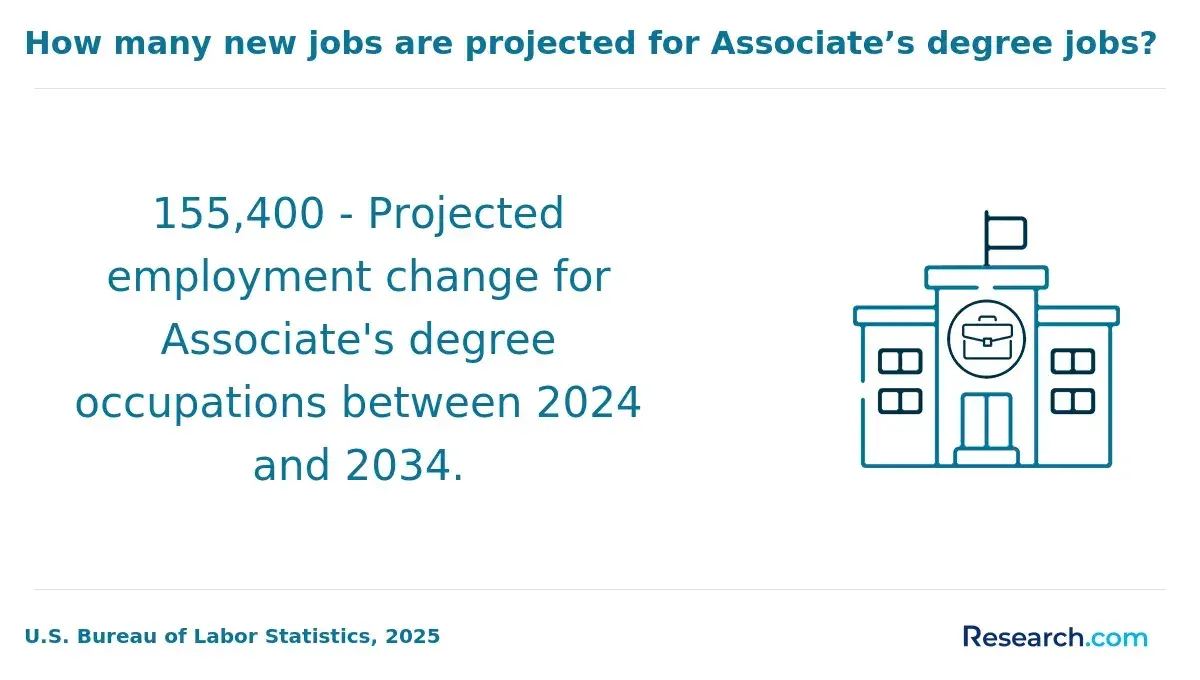
Accelerated cybercrime degree programs are structured to reduce the traditional four- to five-year completion window by intensifying course pacing and increasing credit loads per term. These programs often condense curricula into shorter semesters or additional sessions annually, aiming to enable students to finish within two to three years. The design typically involves compressing foundational and advanced topics to maintain credential requirements while offering a faster pathway through academic milestones.
Whether these programs truly shorten completion time depends on multiple variables beyond mere credit accumulation. Course intensity and workload distribution play critical roles; increased credits per term can lead to higher stress and heavier demands that challenge student endurance and retention. Sequencing of prerequisites and remaining requirements-such as internships, capstone projects, or hands-on practicums-frequently resist compression, causing bottlenecks that undermine potential time savings. Additionally, transfer students may encounter delays due to credit evaluations and alignment issues, further complicating accelerated progression despite program design.
The faster pace often comes with sacrifices in scheduling flexibility and opportunities for deeper exploration within the field. While accelerated programs serve those eager to enter cybersecurity roles swiftly, they may compromise the breadth and practical experience that longer, more traditional formats can better facilitate. This trade-off influences not only academic outcomes but also how effectively graduates meet employer expectations for comprehensive skill development.
One graduate of an accelerated cybercrime program recalled the uncertainty during the rolling admissions process that shaped their timeline: with applications reviewed continuously, early submission was crucial, yet juggling work and last-minute prerequisite completions delayed their application. The admissions office's variable response times created a period of anxious waiting, forcing the student to plan contingencies without clear guarantees of start dates. This experience underscored that beyond curriculum compression, institutional and administrative factors can significantly impact the actual speed at which a degree is completed.
Which Cybercrime Program Requirements Most Often Extend Graduation Timelines?
Graduation timelines in cybercrime degree programs often extend not simply because of total credit requirements but due to distinct curriculum components that impose structural and scheduling complexities. These elements reflect institutions' efforts to ensure rigorous professional preparation and comprehensive skill development, yet they also create pacing constraints that slow student progress. Understanding how these mandatory components interact with program design and student workload is crucial for anticipating potential delays and planning effectively.
- Capstone Projects: Integrative capstone projects require substantial cross-disciplinary research and practical application, often spanning digital forensics, legal context, and network defense. The iterative and intensive nature of these deliverables commonly adds several months beyond scheduled coursework, as students must demonstrate proficiency that aligns with employer expectations for real-world readiness.
- Internship or Cooperative Education Requirements: Hands-on industry placements, ranging from six to twelve months, are increasingly mandated to enhance job market viability. These experiences cannot always be compressed into standard academic terms, especially for part-time or working students, thereby extending time-to-degree and reflecting employer demand for demonstrated operational skills.
- Advanced Technical Coursework: Cybercrime curricula frequently include complex programming, systems analysis, and cybersecurity protocols that require extensive lab hours and practical assessments. The necessity for repeated practice to attain proficiency can cause delays, as about 35% of students report needing additional time to meet technical standards, according to 2024 analysis by Lightcast.
- Prerequisite Sequences and Specialization Electives: Layered course prerequisites and diverse specialization options can lengthen degree paths by enforcing sequential progression. Students may face bottlenecks if advanced electives depend on completion of multiple lower-level courses, thereby limiting scheduling flexibility and extending study duration.
Does Taking Longer to Graduate Increase the Cost of a Cybercrime Degree?
Taking longer to graduate from a cybercrime degree program often increases total tuition and related expenses, especially when students face per-term charges or lose eligibility for certain financial aid packages after a defined timeframe. Tuition rates generally rise with inflation or institutional adjustments, so additional semesters add incremental fees and textbook costs. Extended enrollment also heightens opportunity costs by delaying entry into cybersecurity roles where annual salary ranges can reach from mid-five to six figures according to recent labor market analyses. The cost implications of extended cybercrime degree completion depend heavily on how academic pacing interacts with pricing structures and financial aid policies, making delayed graduation a significant factor in total educational investment.
However, the average tuition increase with longer cybercrime graduation time is not uniform across all programs. Some institutions use flat-rate tuition models covering a wide credit range per term or offer part-time enrollment discounts that reduce incremental costs. Employer tuition assistance and flexible program policies allowing students to spread coursework without triggering additional fees also moderate cost growth. Despite these potential mitigators, choices in enrollment status and course load adjustments indirectly influence the accumulation of expenses over time.
For students weighing their options, comparing how these financial and academic factors play out can inform better timing decisions, similar to insights shared by professionals exploring how to become a sports analyst where educational investment and career timing are critical considerations.
Does Graduating Faster Improve Career Prospects?
Graduating faster from a cybercrime degree program can enable earlier entry into the workforce and potentially position candidates ahead in initial job searches. However, employers seldom evaluate the speed of graduation as an isolated indicator of candidate potential. Instead, they consider a comprehensive profile including demonstrated competence, practical skills, and certifications. Consequently, accelerated timelines do not automatically confer an advantage unless the student has also developed the depth of relevant knowledge and abilities employers seek.
The primary factors influencing whether faster graduation improves career prospects include internship experience, portfolio strength, skill mastery, networking, and alignment with current industry demand. Many employers prioritize candidates who have engaged in hands-on projects or earned industry-recognized certifications alongside their degree. This approach typically outweighs the speed of completion as a hiring signal. In fact, analyses reveal that graduates who take additional time to acquire practical experience or credentials often report better job placement and higher starting salaries, illustrating how accelerated graduation alone has a limited impact on long-term outcomes in cybercrime fields.
Students considering the impact of an accelerated timeline should weigh trade-offs between finishing quickly and gaining experiential depth. Rushing through a program may limit exposure to essential concepts and reduce opportunities to build a network or complete meaningful internships. Those with prior experience or strong self-directed learning capabilities might benefit more from faster graduation, but most find that a moderate timeline with deliberate skill development leads to stronger career trajectories.
Prospective students can explore pathways including an online CAHIIM accredited health information management degree to compare program structures aligned with their goals.
Which Scheduling Mistakes Commonly Delay Graduation?
Graduation delays in cybercrime degree programs frequently stem less from academic difficulty and more from avoidable scheduling and enrollment planning errors. These issues affect students across various program levels and formats, complicating consistent academic progress. Understanding these pitfalls is crucial for maintaining an on-time completion trajectory, especially given the structured progression and sequencing rules typical in cybercrime curricula.
Inconsistent Enrollment Status: Alternating between full-time and part-time enrollment often disrupts momentum, increasing total time to degree. According to the National Student Clearinghouse Research Center (2024), students who switch enrollment status are 30% more likely to delay graduation, reflecting how institutional policies link credit load to progress benchmarks.
Poor Prerequisite Scheduling: Cybercrime programs emphasize foundational courses before advanced topics. Taking core classes out of order leads to bottlenecks as students await course availability, causing stalled progression until prerequisites are completed, a structural constraint in curriculum sequencing.
Transfer Credit Mismanagement: Transfer students frequently encounter late credit evaluations or misaligned course equivalencies. This results in repeated courses or credit gaps, extending timelines since cybercrime programs maintain strict credit and content requirements that may not align across institutions.
Failure to Integrate Experiential Components: Internships or capstone projects often require early planning and scheduling. Misalignment with these non-traditional credit requirements can cause term delays, as students cannot graduate without completing these mandatory experiential elements.
Overloading or Underestimating Workload: Students who overload courses risk burnout or dropping classes, while underestimating workload leads to slower progression. Both extremes interfere with steady advancement through the credit progression system, reflecting a gap in realistic time management and academic planning.
Other Things You Should Know About Cybercrime
The workload in cybercrime degrees is often heavier than typical IT programs due to the need for in-depth understanding of both technical and legal aspects. Students underestimating this may plan for faster graduation but face delays due to demanding projects, labs, and case analysis. Prioritizing a manageable course load that balances depth with pace is crucial-overloading early semesters tends to extend the timeline by increasing burnout and reducing retention.
Programs requiring internships, capstone projects, or extensive hands-on experiences often extend the time to graduate but provide stronger employer-valued skills and networking. While these factors add months, the tradeoff can enhance long-term employability and salary potential. When weighing options, prospective students should consider if the incremental delay is justified by the practical experience and industry connections gained.
Employers increasingly expect specific certifications alongside degrees, influencing how students allocate time during their program. Deciding to integrate certification preparation into degree coursework can prolong studies but aligns better with market demands. Students should assess whether extending their timeline to complete certifications as part of the degree experience will lead to improved job placement versus taking certifications post-graduation.
The 2027 Cybercrime Degree Completion Time Report indicates that transfer students typically take longer to graduate, reflecting time spent adapting to program requirements. Aligning with personal career goals may justify a longer timeline when selecting a program.