2027 Best Accredited Online Industrial Design Degree Programs: Compare Tuition, Admissions, and Career Outcomes

Co-Founder and Chief Data Scientist
Choosing an online industrial design degree is harder than comparing tuition alone because the field depends on studio quality, portfolio development, software access, and employer-ready design work. The U.S. Bureau of Labor Statistics reports a median annual wage of $76,250 for industrial designers, with employment projected to grow 3% from 2023 to 2033. This guide is for first-time students, transfer students, and working adults comparing accredited online options. You will learn how to weigh cost, admissions, accreditation, flexibility, and career outcomes before choosing a program.
Key Things You Should Know
- Fully online industrial design degrees are uncommon, so the best-value choice is usually the accredited program that combines an industrial design curriculum, strong portfolio support, transparent tuition, and recognized institutional accreditation.
- Industrial designers had a median annual wage of $76,250 in BLS data published in 2024, but outcomes depend heavily on portfolio strength, software skills, internships, and the product category a graduate enters.
- College Board data for 2024-25 shows average published tuition and fees of $11,610 at public four-year in-state institutions and $43,350 at private nonprofit four-year institutions, so comparing total cost before aid is essential.
Which Accredited Online Industrial Design Degree Programs Offer the Best Overall Value?
The strongest overall value in an accredited online industrial design degree is not always the lowest sticker price. Industrial design is a studio-based field, so students should compare whether the program helps them build a competitive portfolio, learn 3D modeling and prototyping tools, receive critique from design faculty, and graduate with usable work samples for product, transportation, furniture, consumer goods, or experience design roles.
Because fully online programs with the exact title "industrial design" are limited in the U.S., students should separate true industrial design degrees from adjacent online design paths. A lower-cost online visual design, UX, engineering technology, or cheap online interdisciplinary studies degree options may be a better fit if your target role is not specifically industrial designer.
The table below shows how to evaluate common accredited online or online-adjacent pathways. It focuses on decision value rather than ranking schools by name, because availability, tuition, and delivery format can change by catalog year.
| Program pathway | Best fit | Value strengths | Trade-offs to check |
| Online BFA or BA in Industrial Design | Students seeking product design, consumer product, furniture, transportation, or hard-goods design roles | Most direct curriculum match; stronger portfolio relevance for industrial design jobs | Few fully online choices; may require supplies, software, fabrication work, or in-person components |
| Online product design or UX-focused degree | Students interested in digital products, interfaces, service design, or design research | Often more flexible online delivery; strong fit for tech-adjacent roles | May not prepare students for physical product modeling, materials, ergonomics, or manufacturing workflows |
| Online design studies or interdisciplinary degree with design concentration | Transfer students and working adults who need maximum flexibility | Can incorporate prior credits and combine design, business, psychology, and technology | May require extra portfolio-building outside the degree to compete for industrial design roles |
| Hybrid industrial design degree | Students who can attend labs, studios, or residencies periodically | Better access to fabrication equipment, critiques, and physical prototyping | Less flexible for students far from campus or with fixed work schedules |
The best overall value usually comes from the program that matches your target job most closely. If you want to design physical products, do not choose a general online design degree just because it is cheaper unless you have a realistic plan for building a physical product portfolio through internships, makerspaces, or independent projects.
What Accreditation Should Students Look for in an Online Industrial Design Degree Program?
Accreditation is the first filter because it affects federal financial aid eligibility, credit transfer, graduate school options, and employer confidence. At minimum, students should choose a school with institutional accreditation recognized by the U.S. Department of Education or the Council for Higher Education Accreditation.
Industrial design programs may also hold specialized design-related accreditation, most commonly through the National Association of Schools of Art and Design. Specialized accreditation is not legally required for most industrial design jobs, but it can indicate that a program has been reviewed for curriculum quality, faculty qualifications, facilities, student work, and assessment practices.
Use this checklist before applying so you do not confuse general school legitimacy with program-specific quality:
- Confirm the institution's accreditation status using the U.S. Department of Education's accreditation database or the accreditor's own directory.
- Check whether the specific industrial design, product design, or design studies program is listed in the current academic catalog.
- Ask whether the online version has the same faculty, curriculum standards, and portfolio expectations as any campus version.
- Verify whether credits transfer into or out of the program, especially if you are entering with community college or prior art school credits.
- Ask whether specialized design accreditation applies to the exact program and delivery format you plan to enter.
A common mistake is assuming that "accredited university" automatically means "industry-recognized design program." Institutional accreditation is essential, but industrial design students should also review faculty portfolios, student work, software requirements, and access to critique-based learning.
How Do Tuition Costs Compare Across Accredited Online Industrial Design Degree Programs?
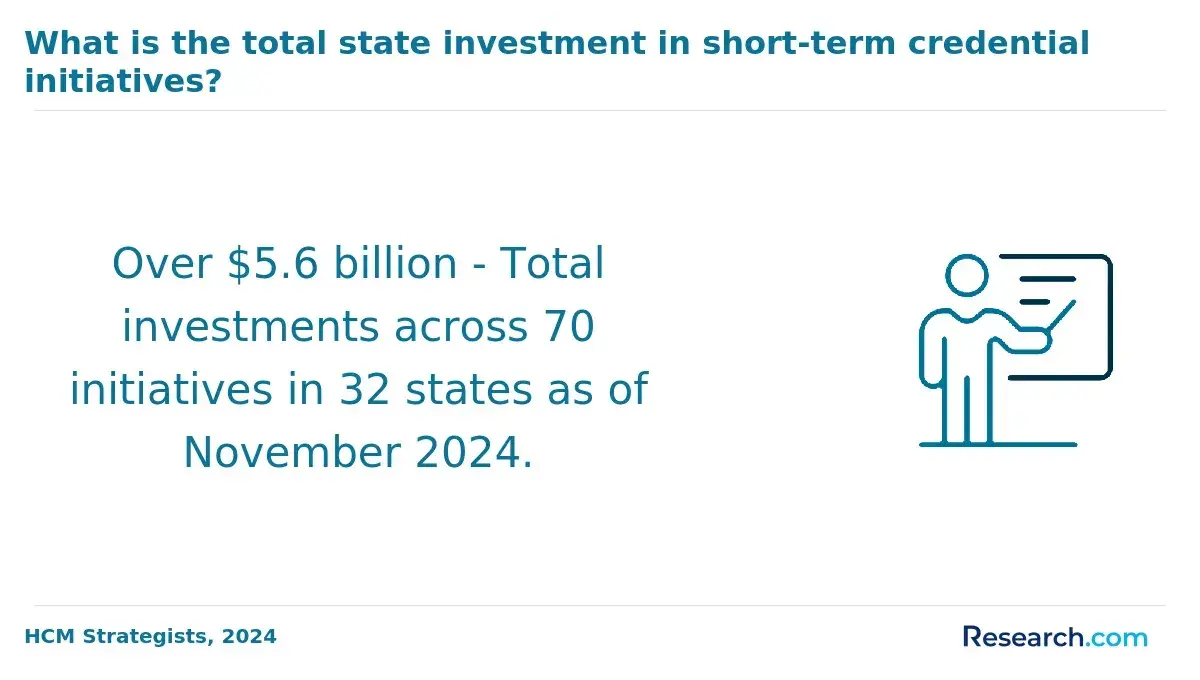
Tuition varies widely because online industrial design options may be offered by public universities, private nonprofit institutions, or private art and design schools. College Board's 2024-25 data shows average published tuition and fees of $11,610 for in-state students at public four-year institutions and $43,350 at private nonprofit four-year institutions. For online students, the important lesson is to calculate total program cost, not just per-credit tuition.
Students comparing design programs should also evaluate mandatory costs that are easy to miss. Design degrees often require hardware, software subscriptions, sketching materials, model-making supplies, rendering tools, portfolio hosting, and sometimes access to 3D printing or fabrication services. The same cost discipline used to compare affordable cybersecurity programs applies here: identify every recurring cost before deciding that one school is cheaper.
The table below summarizes the cost categories that matter most when comparing accredited online industrial design pathways. These categories are more useful than a simple tuition ranking because two programs with similar tuition can have very different out-of-pocket requirements.
| Cost category | Why it matters | Questions to ask |
| Tuition per credit or term | Forms the base price of the degree | Is online tuition the same for in-state and out-of-state students? |
| Program and technology fees | Can significantly raise the final bill | Are design studio, online platform, lab, or portfolio fees mandatory? |
| Software and hardware | Industrial design often relies on CAD, rendering, and digital modeling tools | Does tuition include software licenses, or must students purchase them separately? |
| Materials and prototyping | Physical product design requires models, mockups, and testing | How do online students complete fabrication or prototyping assignments? |
| Transfer credit policy | Accepted credits can reduce time and cost | How many prior credits can apply to major requirements, not just electives? |
| Residency or travel requirements | Hybrid components can create hidden costs | Are campus visits required for critiques, labs, exhibitions, or final reviews? |
When comparing offers, calculate net cost after grants and scholarships, then divide the remaining cost by the number of credits you still need to graduate. This gives transfer students and adult learners a more accurate affordability picture than published tuition alone.
How Competitive Is Admission to Accredited Online Industrial Design Degree Programs?
Admissions requirements vary by institution, but industrial design programs often evaluate both academic readiness and creative potential. Some online programs admit students through general university admission first and then require a portfolio review for the major, while others review portfolios during initial admission.
Industrial design admission is not always "harder" because it is online. The more important issue is whether the program expects students to demonstrate sketching ability, visual thinking, problem-solving, and commitment to iterative design. Students who want a faster or more open-access credential should compare admissions expectations across fields, much as they would when reviewing online paralegal programs or other career-focused online degrees.
The table below shows common admissions components and what each one tells the school. Use it to prepare stronger applications and avoid applying to programs that do not match your background.
| Requirement | Common purpose | How applicants should prepare |
| High school diploma or equivalent | Confirms baseline eligibility for undergraduate admission | Submit official transcripts early and check minimum GPA policies |
| College transcripts | Evaluates transfer credit and prior academic performance | Request a preliminary transfer evaluation before committing |
| Portfolio | Shows design thinking, creativity, craft, and visual communication | Include process work, sketches, iterations, and final outcomes |
| Statement of purpose | Explains goals and fit for the program | Connect your interests to physical products, users, materials, and problem-solving |
| Software or prerequisite review | Identifies readiness for studio and technical courses | Ask whether beginners receive foundation courses or must enter with prior skills |
A red flag is any program that promises easy entry into industrial design without explaining portfolio expectations, studio sequence, faculty critique, or design software requirements. Flexible admission can be helpful for adult learners, but it should not replace a rigorous curriculum.
Which Learning Formats Offer the Greatest Flexibility in Online Industrial Design Degree Programs?
The most flexible online industrial design programs combine asynchronous coursework with scheduled critique sessions. Asynchronous content helps working adults study around jobs and caregiving, while live critique gives students feedback that is difficult to replace with recorded lectures alone.
Industrial design students should pay close attention to how studio learning works online. A program can be "online" but still require synchronous meetings, mailed project kits, local fabrication access, or occasional campus residencies. Those details determine whether the program will fit your actual schedule.
Use the following format comparison to match delivery style to your needs:
| Format | Flexibility level | Best for | Potential drawback |
| Fully asynchronous online | Highest schedule flexibility | Working adults in different time zones | May offer less real-time critique and peer collaboration |
| Online with live critiques | Moderate to high flexibility | Students who need feedback but cannot relocate | Requires attendance at set times |
| Hybrid with studio residencies | Moderate flexibility | Students who want online coursework plus hands-on studio access | Travel, lodging, and schedule conflicts can add cost |
| Campus-based studio program | Lowest flexibility | Students who prioritize fabrication labs and daily studio culture | Less practical for remote students or full-time workers |
The best format depends on your learning style. If you need structure and real-time critique, a program with scheduled studio sessions may be worth the reduced flexibility. If you already have design experience, strong self-discipline, and access to local makerspaces, a more asynchronous option may work well.
What Student Support Services Improve Success in Online Industrial Design Degree Programs?
Student support matters more in industrial design than in many lecture-based majors because students must continuously revise work, document process, and build a portfolio that can stand up to employer review. Strong online programs make critique, advising, technology help, and career preparation visible before enrollment.
Look for support services that directly affect persistence and portfolio quality. The most helpful services are not generic perks; they solve real problems online design students face.
- Dedicated design advising that maps foundation courses, studio sequences, electives, and transfer credits before the student enrolls.
- Regular faculty critique through live sessions, recorded markups, discussion boards, or one-on-one reviews.
- Portfolio development support that helps students select, revise, photograph, and present work for internships and jobs.
- Technical support for CAD, rendering, learning platforms, file submission, and large-format project documentation.
- Career services with design-specific resume reviews, mock interviews, internship guidance, and employer or alumni connections.
- Online library and research support for materials, ergonomics, sustainability, manufacturing, design history, and user research.
A common mistake is choosing a program with low tuition but weak critique access. Industrial design students need feedback cycles, not just assignments. Before applying, ask to see examples of student work, senior portfolios, capstone projects, or virtual exhibitions.
Which Financial Aid Options Are Available for Accredited Online Industrial Design Degree Students?
Students in accredited online industrial design programs may qualify for the same broad aid categories as campus students if the institution and program are eligible for federal aid. For 2024-25, the fixed interest rate for federal Direct Subsidized and Unsubsidized Loans for undergraduate students is 6.53%, which makes borrowing decisions especially important for design students entering a competitive portfolio-based field.
Financial aid comparison should focus on net price, renewal rules, and debt load. Students who are comparing aid-heavy fields may recognize this same process from researching the cheapest MSW programs online: the lowest tuition is not always the lowest final cost after grants, scholarships, fees, and required materials.
Most eligible students should review the following aid sources before paying out of pocket:
- Federal Pell Grants for eligible undergraduate students with demonstrated financial need.
- Federal Direct Loans, used carefully and only after estimating repayment obligations.
- State grants or scholarships, which may depend on residency, enrollment status, or school participation.
- Institutional scholarships from the university or art and design school, including merit, portfolio, transfer, and need-based awards.
- Private scholarships from design associations, local arts organizations, manufacturers, foundations, and community groups.
- Employer tuition assistance for working adults in design, manufacturing, engineering, retail, or product-related industries.
- Veterans education benefits for eligible service members, veterans, and dependents.
Before accepting an aid package, ask whether scholarships renew automatically, whether part-time enrollment changes eligibility, and whether design supplies are included in the school's cost of attendance. This matters because a scholarship that covers tuition but not required materials may still leave a large funding gap.
Which Career Outcomes Are Associated With Accredited Online Industrial Design Degree Programs?
An accredited online industrial design degree can support careers in product design, industrial design, design research, CAD modeling, furniture design, consumer goods, packaging, exhibit design, transportation concepts, and design entrepreneurship. The degree is most valuable when it produces a strong portfolio that shows how you identify user needs, sketch ideas, build models, test solutions, and refine a product for manufacturing or use.
BLS data published in 2024 reports a median annual wage of $76,250 for industrial designers and projected employment growth of 3% from 2023 to 2033. This indicates stable but competitive demand, so students should compare industrial design with broader salary patterns across fields, including resources on what majors make the most money, before committing to a high-cost program.
The table below connects common outcomes to the skills students should build while enrolled. Use it to evaluate whether a program's curriculum aligns with the roles you actually want.
| Career direction | Typical focus | Program features that help |
| Industrial designer | Physical products, ergonomics, materials, prototyping, aesthetics, and usability | Studio sequence, CAD, model-making, manufacturing knowledge, and portfolio critique |
| Product designer | Physical or digital product problem-solving, user needs, and market fit | User research, prototyping, design strategy, visual communication, and interdisciplinary projects |
| CAD or 3D modeling specialist | Technical visualization, digital models, renderings, and production support | Parametric modeling, rendering software, materials, and technical drawing |
| UX or service design associate | Interfaces, user journeys, testing, and experience strategy | Research methods, interaction design, usability testing, and digital portfolio projects |
| Design entrepreneur | Launching products, freelance work, consulting, or small business development | Business electives, portfolio branding, prototyping, costing, and client presentation skills |
Salary data should not be treated as a promise. Employers typically care about portfolio strength, internship experience, software fluency, communication skills, and evidence that you can move from concept to tested design solution.
How Do Online and Campus-Based Industrial Design Degree Programs Compare?
Online and campus-based industrial design programs can both be credible when they are accredited and academically rigorous, but they offer different advantages. Online programs are usually better for schedule flexibility and geographic access, while campus programs often provide easier access to studios, fabrication labs, peer culture, and in-person critiques.
The right choice depends on what you already have access to. A remote student with a strong local makerspace, disciplined work habits, and professional design mentors may succeed online. A student who needs hands-on guidance, daily studio immersion, and equipment access may benefit more from a campus or hybrid program.
| Comparison factor | Online industrial design program | Campus-based industrial design program |
| Schedule flexibility | Often stronger, especially with asynchronous coursework | Usually tied to studio schedules and campus availability |
| Studio culture | Depends on virtual critiques, peer boards, and instructor engagement | Often stronger through daily interaction and shared workspaces |
| Fabrication access | May require home setup, local facilities, mailed kits, or limited residencies | Usually easier through campus shops, labs, and equipment |
| Cost control | May reduce relocation and commuting costs | May include higher housing, transportation, or campus fees |
| Networking | Depends on virtual events, alumni access, and career services | May offer more frequent in-person exhibitions, employer visits, and studio events |
A major red flag is an online program that does not clearly explain how students complete physical prototypes, receive critique, or produce a final portfolio. Industrial design is not only software training; it requires evidence of process, iteration, user awareness, and material thinking.
How Should Students Choose the Best Accredited Online Industrial Design Degree Program?
Students should choose the best accredited online industrial design degree by matching the program to their career goal, budget, learning style, and portfolio needs. A program that is excellent for a working adult may not be the best fit for a first-time student who needs daily studio structure, and a low-cost program may not be worthwhile if it does not help you build competitive design work.
Use this step-by-step process before applying or enrolling:
- Define your target role first, such as industrial designer, product designer, CAD modeler, UX designer, or design entrepreneur.
- Verify institutional accreditation and, when available, specialized design accreditation for the exact program.
- Review the curriculum for sketching, CAD, rendering, prototyping, materials, ergonomics, user research, design history, and portfolio development.
- Ask how online students receive critique, complete models, access fabrication, and present final work.
- Calculate total cost after grants, scholarships, fees, transfer credits, software, supplies, and any travel requirements.
- Compare admissions requirements with your background, especially portfolio expectations and foundation prerequisites.
- Request graduation, retention, internship, and career support information from the school when available.
- Speak with admissions, faculty, current students, or alumni before committing to a program.
Students should avoid choosing based only on rankings, tuition, or the word "online." The strongest choice is the program that produces the best balance of affordability, accredited academic quality, real design feedback, portfolio development, and fit with your schedule.
Other Things You Should Know About Industrial Design
Students typically need a high school diploma or equivalent with a strong foundation in math and design fundamentals. Many programs also require a portfolio demonstrating design skills, reflecting the specific admission criteria for online industrial design degree programs in 2027.
Programs often include CAD, 3D modeling, rendering, and presentation tools. Specific software varies by school, so students should ask whether licenses are included and whether beginner instruction is available.
Graduates of 2027's best-accredited online industrial design degree programs can anticipate careers in product design, furniture design, and automotive design. Some may become design strategists or innovation consultants, with a focus on creating products that align with user needs and sustainability practices.
In 2027, top online industrial design programs incorporate emerging technologies like 3D printing, virtual reality (VR), and computer-aided design (CAD) software. These technological integrations prepare students for modern industry challenges and innovative design practices.
References
- industrial designer https://www.randstadusa.com/job-seeker/career-advice/job-profiles/industrial-designer/
- Looking to study industrial design? Here are our top 5 European university picks https://designwanted.com/industrial-design-universities-top-picks-europe/
- How to become an Industrial Designer | Domus Academy https://www.domusacademy.com/the-envisioner-magazine/jobs/how-to-become-industrial-designer/
- Best Industrial Design Schools in the U.S. for 2024 https://theartcareerproject.com/schools/industrial-design/
- Other degrees like Creative Technology and Design https://talk.collegeconfidential.com/t/other-degrees-like-creative-technology-and-design/3675296
- Find Programs - ABET https://www.abet.org/accreditation/find-programs/
- Industrial Designer - Salary, How to Become, Job Description & Best Schools https://www.onlinedegree.com/careers/uncategorized/industrial-designer/