2027 How to Become a High School History Teacher in New Jersey: Requirements & Certification

Co-Founder and Chief Data Scientist
Becoming a high school history teacher in New Jersey requires more than a strong interest in the past. You need the right degree, approved educator preparation, classroom experience, state exams, and a certification pathway that matches your background. The process can feel confusing because New Jersey uses specific certificate types, testing rules, and district hiring practices that vary by route.
The scale of the state’s public education system also makes the decision important. In the 2022-23 academic year, the New Jersey Department of Education reported 116,698 teachers serving 1.3 million learners in public schools, with 58,569 students in charter enrollment. For aspiring history teachers, that means opportunities exist, but so does competition—especially in districts with strong benefits, Advanced Placement programs, or high demand for experienced educators.
This guide explains how to become a high school history teacher in New Jersey, what credentials you need, how student teaching works, what exams to expect, how to evaluate affordable pathways, and how to make smart career decisions before committing time and money to a preparation program.
Quick Answer: How Do You Become a High School History Teacher in New Jersey?
To become a high school history teacher in New Jersey, you generally need a bachelor’s degree from an accredited institution, completion of a state-approved teacher preparation program, supervised classroom experience, passing scores on required Praxis exams, and certification through the New Jersey Department of Education. Candidates usually prepare to teach social studies at the secondary level, which includes history, civics, geography, and related content areas.
The fastest route depends on your starting point. Traditional undergraduate students often complete an education program with student teaching. Career changers may qualify for an alternative route such as a Certificate of Eligibility pathway. Before enrolling, confirm that the program is approved for New Jersey teacher certification and that it prepares you for the correct endorsement area.
Key Things You Should Know About Becoming a HS History Teacher in New Jersey
- Licensing authority: New Jersey teacher certification is handled through the State Board of Examiners and the New Jersey Department of Education. These agencies set certification rules, review applications, and issue teaching credentials.
- Baseline education requirement: Candidates must hold a bachelor’s degree from an accredited college or university. Many future history teachers major in history, social studies education, or a closely related field.
- Educator preparation: A state-approved teacher preparation program is typically required for traditional candidates. This program connects subject-area study with pedagogy, classroom management, assessment, and supervised teaching practice.
- Testing: Candidates must pass required Praxis exams. The Praxis Core Academic Skills for Educators assesses reading, writing, and mathematics, while the Praxis Social Studies Content Knowledge exam is commonly used for future high school history and social studies teachers.
- Certification options: New Jersey uses different certificate types, including the Certificate of Eligibility (CE) and the Standard Certificate. The CE can help qualified candidates seek employment while completing additional requirements toward standard certification.
- Hiring reality: Certification makes you eligible to teach, but it does not guarantee a job. Districts may prefer candidates who can teach multiple social studies subjects, support AP coursework, work with diverse learners, or contribute to clubs, advising, and curriculum projects.
- Education requirements for New Jersey high school history teachers
- Certification and licensing process in New Jersey
- Student teaching, field experience, and internships
- New Jersey history and social studies curriculum standards
- Job market and salary expectations
- Professional development and continuing education
- Classroom management and effective history teaching methods
- Career advancement and specialization options
- Legal and ethical responsibilities for New Jersey teachers
- Leadership skills for history teachers
- Mentorship and networking in New Jersey education
- Technology tools for teaching history
- Other planning factors before entering the profession
- Affordable pathways to teaching credentials
- Private school teaching opportunities
- Using art and interdisciplinary projects in history classes
- Alternative certification options in New Jersey
- Special education techniques for history instruction
- Advanced educational leadership options
- Work-life balance for a sustainable teaching career
- Diversifying your education career roles
- Culturally responsive history teaching practices
What are the educational requirements for becoming a history teacher in New Jersey?
The main academic requirement is a bachelor’s degree from an accredited institution, but the degree alone is not enough for most public school teaching positions. You also need to show that you understand history and social studies content, know how to teach adolescents, and can manage a secondary classroom.
- Bachelor’s degree: Most candidates study history, social studies education, political science, or another closely related field. A history major can be useful because it develops research, writing, source analysis, and argumentation skills that directly support high school instruction.
- History and social studies coursework: New Jersey candidates should plan for substantial coursework in history-related subjects. The original requirement noted for this pathway is at least 30 credits in history-related courses. Coursework often includes U.S. history, world history, government, civics, geography, economics, and historical methods.
- Teacher preparation program: Traditional candidates complete a state-approved educator preparation program. This is where future teachers learn lesson design, assessment, classroom management, adolescent development, inclusive instruction, and state standards alignment.
- Field experience and student teaching: Teacher preparation is not limited to campus coursework. Candidates must observe classrooms, practice instruction, and complete supervised teaching responsibilities before they are ready for independent teaching.
- Accreditation and state approval: Accreditation matters, but so does state approval. Before enrolling, verify that the college or provider is recognized and that its program leads to the specific New Jersey teaching credential you need.
- Graduate study: A master’s degree is not the first requirement for entering the profession, but it may help teachers deepen content knowledge, qualify for higher salary lanes in some districts, or prepare for curriculum, supervision, or leadership roles.
| Pathway | Best for | What to check before enrolling |
| History major plus teacher preparation | Students who want strong subject expertise and a traditional certification route | Confirm that the program includes the required education sequence, fieldwork, and New Jersey certification preparation. |
| Social studies education degree | Students who want an integrated teaching-focused degree from the start | Ask whether the program prepares candidates for secondary-level social studies/history certification. |
| Post-baccalaureate certification program | College graduates who already hold a bachelor’s degree | Review admissions rules, required content credits, clinical practice expectations, and Praxis preparation support. |
| Master’s program with certification | Career changers or graduates who want certification and advanced study together | Compare tuition, field placement support, online requirements, and whether the program is approved for New Jersey licensure. |
| Alternative route | Qualified candidates who did not complete a traditional teacher education program | Make sure you understand employment, mentoring, coursework, and timeline obligations before accepting a position. |
If you are still deciding whether history is the right academic foundation, review what a history degree can cover and how its specializations may support teaching, research, writing, and public history careers.
As of latest research, K-12 teacher employment was mostly made up of local teachers.
What is the certification and licensing process for history teachers in New Jersey?
New Jersey’s teacher certification process is step-based. The exact route depends on whether you complete a traditional educator preparation program, pursue certification after earning a bachelor’s degree, or enter through an alternative pathway.
- Earn a qualifying bachelor’s degree. Your degree must come from an accredited institution and should include enough relevant coursework to demonstrate preparation in history and social studies.
- Complete or identify the correct preparation route. Traditional candidates complete a state-approved teacher preparation program. Alternative-route candidates must meet state eligibility requirements and complete required training while moving toward full certification.
- Pass required exams. Candidates commonly need the Praxis Core Academic Skills for Educators and the Praxis Subject Assessment in Social Studies. The subject exam evaluates areas such as U.S. history, world history, geography, civics, and related social studies content.
- Prepare application documents. Gather official transcripts, exam score reports, educator preparation verification, identification materials, and any additional documentation requested through the state system.
- Apply through the New Jersey Department of Education online portal. Certification applications are submitted electronically. Errors in transcripts, test reporting, or endorsement selection can slow the process, so review all entries carefully.
- Move toward the appropriate certificate. Depending on your route, you may begin with a Certificate of Eligibility (CE) and later complete requirements for a Standard Certificate.
| Certification step | Why it matters | Common mistake to avoid |
| Choosing an approved program | Only eligible preparation routes can lead to New Jersey public school certification. | Assuming that any online education program will qualify for New Jersey certification. |
| Completing content coursework | Districts and the state need evidence that you can teach history and broader social studies content. | Taking too few history-related or social studies courses before applying. |
| Passing Praxis exams | Testing verifies basic academic skills and subject knowledge. | Registering for the wrong exam or waiting until the end of the program to prepare. |
| Submitting transcripts and scores | Documentation determines whether your application can be reviewed. | Uploading incomplete records or failing to send official scores correctly. |
| Understanding certificate type | The CE and Standard Certificate represent different stages and obligations. | Applying for a certificate without understanding what additional requirements remain. |
A practical way to reduce stress is to build a certification checklist before your final semester or before applying to an alternative route. Include exam dates, transcript requests, program verification forms, application deadlines, and district hiring windows.
How important is teaching experience and what are the internship opportunities for history teachers in New Jersey?
Teaching experience is essential because history teaching is not just content delivery. High school teachers must guide discussion, evaluate writing, manage classroom routines, differentiate instruction, and help students interpret primary and secondary sources. Student teaching is where candidates test those skills under supervision before becoming the teacher of record.
- Student teaching: Candidates in traditional programs complete a supervised placement in a real classroom. The original pathway notes a typical student teaching period of about 12-14 weeks. During that time, candidates observe, co-plan, teach lessons, assess student work, and receive feedback from a mentor teacher.
- Field experience: Before full student teaching, candidates may complete observations or early classroom practice. The original requirement noted at least 60 hours of field experience, which can include classroom observation and structured participation.
- Internships and school-based roles: Opportunities may come through universities, local districts, education nonprofits, tutoring programs, and substitute teaching. These experiences help candidates understand school culture and student needs before applying for full-time roles.
- Substitute teaching: Substitute work can strengthen confidence, expose candidates to different school environments, and help build district contacts. It is not the same as full student teaching, but it can make the transition easier.
- Tutoring and academic support: Working with students on reading, writing, document analysis, and test preparation can be especially useful for future history teachers because social studies classes often require strong literacy instruction.
| Experience type | What you gain | How to make it count |
| Classroom observation | Understanding of routines, pacing, student behavior, and teacher decision-making | Take notes on how teachers introduce sources, run discussions, and handle transitions. |
| Field experience | Early practice supporting lessons and interacting with students | Ask for feedback on questioning techniques, clarity, and student engagement. |
| Student teaching | Supervised practice with planning, instruction, assessment, and classroom management | Build a portfolio with lesson plans, assessments, reflections, and evidence of student learning. |
| Substitute teaching | Exposure to different districts and grade levels | Use the role to learn school norms and develop professional references. |
| Tutoring or after-school programs | Practice explaining complex content and supporting individual learners | Focus on writing, reading comprehension, source interpretation, and study skills. |
The strongest candidates treat every placement as a professional audition. Arrive prepared, ask thoughtful questions, document your growth, and build relationships with mentor teachers and administrators who can later serve as references.

What are the New Jersey state standards and curriculum requirements for teaching high school history?
High school history teachers in New Jersey teach within the state’s social studies framework, which emphasizes inquiry, civic understanding, historical thinking, and evidence-based reasoning. Teachers must know more than chronological facts; they must help students ask questions, compare sources, evaluate claims, and connect historical developments to civic life.
- Content coverage: Preparation for history and social studies teaching should include U.S. history, world history, geography, civics, and related topics. The original article noted completion of at least 15 credits in social studies in connection with history-related preparation.
- Inquiry-based instruction: New Jersey Student Learning Standards for Social Studies encourage students to investigate questions, use evidence, and explain historical significance rather than memorize isolated details.
- Civic literacy: High school history instruction should help students understand government, rights, responsibilities, public institutions, and democratic participation.
- Primary and secondary sources: Effective history classrooms use speeches, laws, letters, maps, images, data, oral histories, and scholarly interpretations so students can compare perspectives.
- Local and state history: New Jersey’s history can be used to make national and global themes more concrete. Local archives, community history, and regional case studies can deepen student engagement.
- Assessment alignment: Lessons should connect objectives, activities, sources, writing tasks, and assessments to the standards being taught.
A useful planning habit is to start each unit with a historical question rather than a topic label. For example, instead of designing a unit only around a war, movement, or era, frame the unit around a question students can investigate with evidence. That approach better supports analysis, discussion, and writing.
Teachers who want to move into curriculum design, instructional technology, or district-level academic leadership can also explore broader education pathways such as doctorate in education career options.
What is the job market like and what are the salary expectations for history teachers in New Jersey?
The job market for high school history teachers in New Jersey is stable but not automatically easy. Social studies positions can be competitive because many candidates are interested in history teaching, and some districts receive many applications for each opening. Candidates who can teach across the social studies curriculum, support writing instruction, advise student activities, or teach Advanced Placement courses may have a stronger profile.
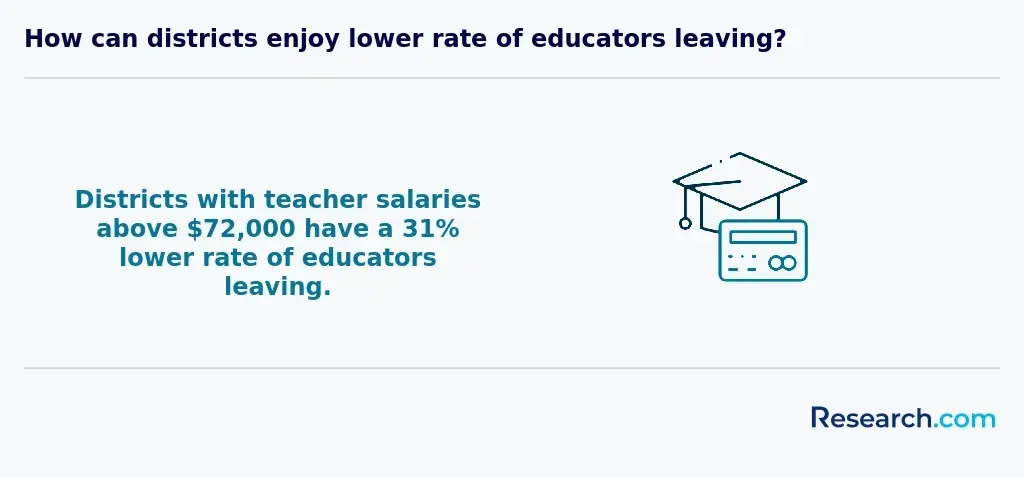
As of recent findings cited in the original article, the average salary for a high school history teacher in New Jersey is around $70,000 per year. Pay can vary by district, experience level, education level, collective bargaining agreements, and location. The original article also noted that teachers in urban areas such as Newark or Jersey City may earn more than teachers in some rural districts, with some salaries reaching upwards of $80,000.
Salary should be evaluated alongside benefits and cost of living. New Jersey teaching roles may include health insurance, retirement plans, paid time off, and salary guide increases, but details differ by district. Always review the district salary guide, contract, benefits summary, and expectations for extra duties before accepting an offer.
| Factor | How it can affect hiring or pay | What to ask before accepting a role |
| District location | Urban, suburban, and rural districts may differ in salary, openings, class size, and responsibilities. | How does the salary guide progress by experience and graduate credits? |
| Certification area | Schools may prefer candidates who can cover multiple social studies courses. | Which courses would I be expected to teach in my first year? |
| Advanced coursework | Some districts value teachers who can support honors or Advanced Placement classes. | Is AP training expected, provided, or funded by the district? |
| Experience | Student teaching, substitute teaching, tutoring, and prior school roles can strengthen applications. | How is prior experience placed on the salary guide? |
| Graduate education | Some salary systems reward advanced degrees or approved credits. | Are graduate credits reimbursed or recognized for salary movement? |
One New Jersey teacher described the search as more competitive than expected: “I had to apply broadly before I found the right school. The process took patience, but the salary, benefits, and chance to teach meaningful content made the effort worthwhile.”
What professional development and continuing education opportunities are available for history teachers in New Jersey?
Professional development matters because social studies teaching changes with new standards, student needs, technology, civic education priorities, and access to digital archives. New Jersey history teachers should plan for ongoing learning throughout their careers rather than viewing certification as the final step.
- District professional development: Schools may provide training on curriculum alignment, assessment, inclusive practices, classroom technology, and student support systems.
- Workshops and seminars: Museums, historical organizations, universities, and professional associations may offer sessions on primary sources, local history, civic education, and inquiry-based teaching.
- Online resources: Programs such as Revolution NJ can help teachers access materials related to New Jersey history and the 250th anniversary of the U.S.
- Continuing education expectations: New Jersey teachers must complete professional development to maintain and strengthen professional practice. Activities can include courses, workshops, collaborative projects, and approved school-based learning.
- Collaborative curriculum projects: Initiatives such as the New Jersey History Partnership Project can support lesson planning, multimedia instruction, and standards-based teaching.
Teachers considering graduate study should compare programs by cost, flexibility, accreditation, field relevance, and salary impact. For readers evaluating long-term advancement, Research.com’s guide to high-paying master’s in education career paths can help connect degree choices with possible roles beyond the classroom.
What are effective classroom management strategies and teaching methods for history teachers in New Jersey?
Successful history teaching depends on structure. Students are more likely to engage with complex events, conflicting interpretations, and difficult conversations when the classroom has clear expectations and predictable routines.
- Set discussion norms early: History classes often cover war, inequality, religion, government, civil rights, immigration, and identity. Students need rules for listening, evidence use, disagreement, and respectful language.
- Use source-based lessons: Give students documents, images, maps, and data sets that require interpretation. Ask them to support claims with evidence rather than repeat textbook summaries.
- Build writing into instruction: Short constructed responses, document-based questions, exit tickets, and analytical paragraphs help students practice historical argumentation.
- Differentiate materials: Provide vocabulary support, guiding questions, chunked readings, audio options, visual organizers, and extension tasks so students at different readiness levels can access the same historical question.
- Use local history: Connecting national themes to New Jersey communities can make abstract topics more relevant.
- Balance lecture with active learning: Direct instruction has a place, but students also need debates, simulations, projects, inquiry stations, and collaborative analysis.
- Assess more than memorization: Evaluate reasoning, evidence use, source analysis, chronological understanding, and civic connections.
| Teaching challenge | Better strategy | Why it works |
| Students see history as memorization | Begin units with compelling questions and primary sources. | Students learn that history is interpretation supported by evidence. |
| Discussions become unfocused | Use sentence stems, evidence requirements, and discussion roles. | Structure keeps debate respectful and academically grounded. |
| Reading levels vary widely | Offer guided excerpts, vocabulary previews, and visual supports. | Students can access rigorous ideas without being blocked by text complexity alone. |
| Students struggle with historical writing | Model thesis statements, evidence integration, and short analytical paragraphs. | Writing improves when students see the thinking process, not just the final product. |
| Technology distracts from learning | Use digital tools only when they improve research, collaboration, or source analysis. | Technology becomes instructional support rather than entertainment. |
What are the career advancement opportunities and specializations for history teachers in New Jersey?
High school history teaching can lead to several career directions. Some teachers deepen classroom expertise, while others move into leadership, curriculum, mentoring, policy, or interdisciplinary education roles.
- Content specialization: Teachers may focus on American history, world history, civics, government, economics, geography, social studies literacy, or historical research methods. A strong history degree specialization can help candidates build depth in an area they may later teach.
- Advanced Placement and honors instruction: Teachers who develop strong content knowledge and assessment skills may be considered for advanced courses, depending on district needs.
- Department leadership: Experienced teachers may become department chairs, lead curriculum teams, mentor new teachers, or coordinate assessments.
- Additional endorsements: Training in special education, ESL, literacy, or instructional technology can expand the range of students and programs a teacher can support.
- Curriculum development: Teachers with strong standards knowledge may help design units, review instructional materials, or develop district-wide resources.
- Administration: Moving into roles such as supervisor, assistant principal, or principal usually requires additional credentials and leadership preparation.
One teacher described advancement as gradual rather than automatic: “I began by improving my own units and mentoring student teachers. Over time, that work led to curriculum conversations and department leadership. The biggest shift was learning how to support adults, not just students.”
What legal and ethical considerations must history teachers follow in New Jersey?
History teachers carry legal and ethical responsibilities because they work with minors, handle sensitive topics, maintain records, and influence how students understand civic life and historical evidence.
- Student safety and reporting: Teachers must understand reporting obligations related to abuse, harassment, intimidation, bullying, and threats to student safety.
- Confidentiality: Student records, disability information, family circumstances, and disciplinary issues must be handled appropriately and shared only through proper channels.
- Special education compliance: Teachers must follow accommodations, modifications, and support requirements for students with identified needs.
- Balanced presentation of historical issues: Ethical history instruction does not avoid complexity. It teaches students to evaluate evidence, recognize perspective, and distinguish interpretation from unsupported opinion.
- Inclusive classroom practice: Students should see that history includes multiple communities, experiences, and viewpoints. Teachers must be aware of bias in sources, textbooks, classroom examples, and discussion patterns.
- Professional boundaries: Communication with students and families should remain appropriate, documented when needed, and aligned with school policy.
Legal compliance protects students and teachers. Ethical practice builds trust. The best history classrooms make room for difficult questions while maintaining evidence-based standards and a respectful learning environment.
The chart below indicates the student-to-teacher ratio in public and private schools.
How Can Advancing Leadership Skills Enhance Your Career as a History Teacher in New Jersey?
Leadership skills can help history teachers move from strong classroom practice into broader school influence. Department chairs, curriculum coordinators, mentor teachers, and administrators need skills in planning, communication, instructional coaching, data use, policy interpretation, and conflict resolution.
If your goal is to shape curriculum, lead teams, or move into administration, advanced study may be worth considering after you have classroom experience. Programs such as an online PhD in organizational leadership can help educators understand leadership theory and organizational change, although teachers should compare cost, time commitment, accreditation, and career payoff before enrolling.
How Can Mentorship and Networking Accelerate Your Career as a History Teacher in New Jersey?
Mentorship can shorten the learning curve for new teachers. A strong mentor can help you interpret district expectations, design manageable units, prepare for observations, communicate with families, and handle difficult classroom situations. Networking also helps candidates learn where openings may appear and what different districts value.
- During preparation: Build relationships with professors, cooperating teachers, supervisors, and field placement coordinators.
- During student teaching: Ask for specific feedback on questioning, classroom routines, lesson pacing, and assessment design.
- During job search: Attend district fairs, connect with social studies educators, and prepare a portfolio that shows sample lessons and student-centered instruction.
- After hiring: Join professional learning communities and seek colleagues who can review your units before major observations.
Understanding other education roles can also clarify how schools operate. For example, Research.com’s guide to preschool teacher assistant requirements in New Jersey shows how early education support roles differ from secondary teaching responsibilities.
What technology tools and resources can enhance history teaching in New Jersey?
Technology is most useful in history instruction when it improves access to sources, supports collaboration, or helps students visualize time and place. It should not replace historical thinking; it should make inquiry easier to conduct.
- Learning management systems: Platforms such as Google Classroom and Edmodo can organize assignments, feedback, readings, and discussion prompts.
- Timeline and mapping tools: TimelineJS and Google Earth can help students connect events, geography, migration, trade, conflict, and environmental change.
- Digital archives: The National Archives, Library of Congress, JSTOR, and state historical resources can provide primary sources, scholarly articles, images, maps, and public records.
- Review and formative assessment apps: Quizlet and Kahoot! can support vocabulary review and quick checks for understanding when used purposefully.
- Media analysis: Carefully selected podcasts, documentary clips, oral histories, and news archives can help students compare historical narratives.
- Virtual and immersive tools: Virtual museum tours, digital exhibits, and VR experiences can expose students to historical sites they may not visit in person.
- AI tools: Artificial intelligence can support brainstorming, differentiation, and source organization, but teachers should require citation, verification, and original student reasoning. AI-generated summaries should never replace direct engagement with evidence.
| Technology use | Good classroom application | Risk to manage |
| Digital archives | Students analyze letters, photos, maps, speeches, and legal documents. | Students may need help judging context, credibility, and bias. |
| Interactive maps | Students connect geography to migration, trade, war, and political borders. | The tool can become decorative unless tied to a historical question. |
| AI-supported planning | Teachers draft prompts, adapt reading levels, or create discussion questions. | Outputs must be checked for accuracy and bias before classroom use. |
| Collaborative documents | Groups annotate sources and build shared evidence charts. | Clear roles are needed so one student does not do all the work. |
| Online quizzes | Teachers check vocabulary and basic comprehension quickly. | Overuse can reduce history to recall instead of analysis. |
What else should I consider when planning to become a history teacher in New Jersey?
Before committing to a program, look beyond whether you can meet the minimum certification requirements. The better question is whether the pathway fits your finances, timeline, learning style, career goals, and desired school setting.
- Program approval: Is the program recognized for New Jersey teacher certification?
- Endorsement fit: Does it prepare you for the correct secondary social studies or history-related credential?
- Clinical placement support: Will the provider arrange student teaching, or are you expected to find your own placement?
- Exam preparation: Does the program help candidates prepare for Praxis Core and the Praxis Social Studies Content Knowledge exam?
- Cost and financial aid: What is the total cost after tuition, fees, testing, transportation, books, and unpaid student teaching time?
- Schedule: Can you complete coursework while working, caring for family, or commuting?
- Career services: Does the program help with resumes, mock interviews, certification paperwork, and district connections?
For a focused overview of the full process, see Research.com’s guide on how to become a high school history teacher in New Jersey.
What are the most affordable pathways to obtain teaching credentials in New Jersey?
The most affordable route is not always the cheapest tuition price on a website. Total cost includes application fees, required exams, books, commuting, technology, background checks, unpaid clinical time, and the opportunity cost of reducing work hours during student teaching. Candidates should compare the full cost of each pathway before enrolling.
- Public colleges and state universities: These may offer lower tuition than private institutions, especially for in-state students.
- Post-baccalaureate certification programs: These can be practical for candidates who already hold a bachelor’s degree and do not need a second undergraduate degree.
- Alternative certification routes: These may allow qualified career changers to move into teaching while completing required training, but candidates should understand the workload and mentoring obligations.
- Online or hybrid programs: Online coursework can reduce commuting and scheduling barriers, but only if the program is approved for New Jersey certification and includes required field experiences.
- Scholarships, grants, and employer support: Candidates should ask providers and districts about financial aid, teacher shortage incentives, tuition reimbursement, and payment plans.
Research.com’s guide to the cheapest online teaching credential programs in New Jersey can help candidates compare lower-cost options while still checking approval, accreditation, and certification fit.
| Affordability question | Why it matters | Better decision rule |
| Is tuition the only cost? | Fees, exams, books, and unpaid teaching time can change the real price. | Calculate total program cost before comparing options. |
| Is the program approved for New Jersey? | A low-cost program is a poor investment if it does not lead to the credential you need. | Verify state approval before applying. |
| Can I work while enrolled? | Some clinical requirements may conflict with full-time employment. | Ask how fieldwork and student teaching are scheduled. |
| Will credits transfer or count toward graduate study? | Transfer and stackable credits can affect long-term cost. | Get policies in writing before enrollment. |
| Does the program support job placement? | Career services can reduce the time between certification and employment. | Ask for details about district partnerships and interview support. |
How Can Embracing Private School Teaching Opportunities Enhance Your Career in New Jersey?
Private schools can offer a different route into history teaching, with variations in curriculum, hiring standards, class structure, and school mission. Some private schools may not follow the same public school certification rules, but many still prefer candidates with strong academic preparation, classroom experience, and professional teaching skills.
This option may appeal to candidates who value mission-driven education, smaller school communities, independent curriculum design, or specialized programs. However, candidates should compare salary, benefits, job security, workload, and advancement options with public school roles. To explore this path, review Research.com’s guide on how to become a private school teacher in New Jersey.
How Can Integrating Art Elements Enrich History Teaching in New Jersey?
Art can make historical thinking more concrete. Paintings, political cartoons, monuments, photographs, architecture, music, theater, and material culture help students examine how people represented power, identity, conflict, belief, and social change.
- Visual analysis: Students can interpret propaganda posters, portraits, maps, and documentary photography as historical evidence.
- Creative projects: Carefully designed reenactments, exhibits, museum labels, and multimedia presentations can deepen understanding when tied to evidence.
- Cross-curricular collaboration: Working with art teachers can help students analyze symbolism, perspective, composition, and cultural context.
- Local history exhibits: Students can use community artifacts or historical images to create public-facing projects.
Teachers who want to build stronger interdisciplinary methods can also study the preparation route for art educators through Research.com’s guide on how to become an art teacher in New Jersey.
What Are My Options for Alternative Certification Programs in New Jersey?
Alternative certification can be useful for career changers who already hold a bachelor’s degree and have the content background needed for secondary social studies or history instruction. Instead of completing a traditional undergraduate teacher education program, candidates may qualify for a route that combines eligibility review, employment, mentoring, and required professional coursework.
This route can be attractive because it may help candidates enter the classroom sooner, but it is not an easy shortcut. New teachers must manage lesson planning, grading, classroom routines, certification tasks, and professional learning at the same time. Before choosing this path, make sure you understand what certificate you will apply for, what training is required, and what support the hiring school provides.
For a more detailed explanation of credential types, review Research.com’s guide to teacher certification requirements in New Jersey.
How Can Integrating Special Education Techniques Benefit History Instruction in New Jersey?
High school history classes include students with different reading levels, language backgrounds, disabilities, strengths, and interests. Special education strategies help make rigorous history content accessible without lowering expectations.
- Chunk complex texts: Break primary sources into shorter excerpts with guiding questions.
- Pre-teach vocabulary: Terms such as sovereignty, industrialization, imperialism, suffrage, reconstruction, and federalism may need explicit instruction.
- Use multiple formats: Pair text with maps, timelines, visuals, audio, and graphic organizers.
- Offer structured writing supports: Provide thesis frames, evidence charts, paragraph outlines, and models.
- Differentiate assessments: Allow students to demonstrate historical reasoning through writing, presentations, projects, or oral explanation when appropriate.
- Collaborate with specialists: Work with special education teachers, case managers, and support staff to implement accommodations correctly.
Teachers who want deeper training in inclusive instruction can explore Research.com’s guide on how to become a special education teacher in New Jersey.
How Can Advanced Educational Leadership Elevate Your Career in New Jersey?
Advanced educational leadership can help experienced history teachers move into roles that shape curriculum, teacher development, assessment systems, and school improvement. These pathways are most valuable when they align with a clear goal, such as becoming a department chair, supervisor, curriculum director, assistant principal, or principal.
Before enrolling in a leadership program, compare accreditation, state credential alignment, faculty expertise, dissertation or capstone expectations, and total cost. If affordability is a major factor, Research.com’s ranking of the most affordable online doctorate in educational leadership programs can help you begin comparing options.
How Can Work-Life Balance Contribute to a Sustainable Teaching Career in New Jersey?
History teaching can be rewarding, but it can also become overwhelming if planning, grading, meetings, family communication, extracurricular duties, and certification tasks consume every evening. Sustainable teachers build systems early.
- Reuse and refine units: Do not reinvent every lesson from scratch each year. Improve materials based on student performance and feedback.
- Grade strategically: Not every assignment needs extensive written comments. Use rubrics, peer review, targeted feedback, and short checks for understanding.
- Protect planning time: Batch similar tasks such as copying, posting assignments, grading short responses, and parent communication.
- Set communication boundaries: Follow school policy and respond professionally without making yourself available at all hours.
- Build a support network: Collaborate with social studies colleagues to share resources and reduce isolation.
- Watch for burnout signals: Chronic exhaustion, loss of patience, and constant weekend work are signs that systems need adjustment.
Some educators also explore different age levels or education roles over time. For comparison, Research.com’s guide on how to become a kindergarten teacher in New Jersey shows how responsibilities can differ across grade bands.
How Can Diversifying Your Educational Roles Enhance Your Career in New Jersey?
History teachers can expand their careers without leaving education. Diversifying roles can increase professional resilience, create leadership options, and deepen classroom practice.
- Curriculum writing: Develop standards-aligned units, source sets, and assessments for departments or districts.
- Mentoring: Support new teachers, student teachers, or alternative-route candidates.
- Academic coaching: Help students improve reading, writing, research, and study skills.
- Library and media collaboration: Work with school librarians to teach research, information literacy, citation, and source evaluation.
- Museum or archive partnerships: Connect students with local historical organizations, exhibits, and community history projects.
- Club advising: Sponsor debate, Model UN, history club, civic engagement projects, or student government.
If information literacy, archives, and student research are major interests, review Research.com’s guide on how to become a librarian in New Jersey.
How Can Culturally Responsive Practices Enhance History Teaching in New Jersey?
Culturally responsive history teaching helps students see that history is not a single story told from one perspective. It asks whose voices are included, whose are missing, how power shaped the record, and how communities in New Jersey connect to broader national and global developments.
- Use multiple perspectives: Include sources from different racial, ethnic, social, political, geographic, and economic viewpoints.
- Connect local and global history: New Jersey’s communities can help students understand immigration, labor, industry, civil rights, religion, commerce, and civic participation.
- Teach source context: Students should learn who created a source, for what purpose, for which audience, and under what conditions.
- Invite respectful dialogue: Set norms that allow students to discuss complex issues without personal attacks or unsupported claims.
- Avoid tokenism: Diverse perspectives should be built into the curriculum throughout the year, not added only during designated months or isolated lessons.
- Use cross-disciplinary thinking: History often connects with statistics, geography, economics, literature, science, and technology. Teachers interested in how another subject area structures secondary instruction can compare the high school math teacher requirements in New Jersey.
Common Mistakes to Avoid When Becoming a History Teacher in New Jersey
| Mistake | Why it causes problems | Better approach |
| Choosing a program without checking New Jersey approval | You may complete coursework that does not lead to the certification you need. | Verify approval and endorsement alignment before applying. |
| Focusing only on tuition | Total cost includes fees, exams, fieldwork travel, materials, and reduced work time. | Create a full budget for the entire certification pathway. |
| Waiting too long to prepare for Praxis exams | Late testing can delay certification and hiring. | Build a study timeline early and confirm the correct exam codes. |
| Assuming history content alone is enough | Schools need teachers who can manage classrooms, differentiate instruction, and assess learning. | Develop pedagogy, adolescent literacy, and classroom management skills. |
| Ignoring student teaching quality | A weak placement can limit feedback, confidence, and references. | Ask programs how placements are selected and supervised. |
| Applying to too few districts | Social studies roles can be competitive in desirable areas. | Apply broadly and tailor materials to each district’s needs. |
| Assuming salary outcomes are guaranteed | Pay varies by district, contract, education level, and experience placement. | Review salary guides and benefits documents before accepting an offer. |
Questions to Ask Before Choosing a Teacher Preparation Program
- Is this program approved for New Jersey teacher certification in the endorsement area I need?
- What exact Praxis exams will I need, and how does the program help candidates prepare?
- How many history or social studies credits do I need before admission or certification review?
- Who arranges field experience and student teaching placements?
- Can I complete coursework online, in person, or in a hybrid format?
- What is the total cost, including fees, testing, books, and clinical placement expenses?
- Does the program support alternative-route candidates or only traditional candidates?
- What happens if I do not pass a required exam on the first attempt?
- Does the program provide job search support, resume review, mock interviews, or district connections?
- Will credits apply toward a master’s degree or salary advancement later?
Here's What Graduates Have to Say About Becoming a High School History Teacher in New Jersey
"Teaching history in New Jersey gives me a chance to help students understand the places and communities around them. The best moments happen when students realize that history is connected to their own lives." — Shawn
"I grew up in a diverse community, so I know how important it is to teach history through more than one viewpoint. New Jersey classrooms make those conversations meaningful because students bring so many experiences with them." — Jerry
"Becoming a history teacher in New Jersey was the career I wanted for years. I enjoy watching students connect events from the past to questions they care about today." — Eunice
Related Articles for Nearby States
- 2027 How to Become a High School History Teacher in Delaware: Requirements & Certification
- 2027 How to Become a High School History Teacher in Pennsylvania: Requirements & Certification
- 2027 How to Become a High School History Teacher in New York: Requirements & Certification
- 2027 How to Become a High School History Teacher in Maryland: Requirements & Certification
- 2027 How to Become a High School History Teacher in Connecticut: Requirements & Certification
- 2027 How to Become a High School History Teacher in Rhode Island: Requirements & Certification
- 2027 How to Become a High School History Teacher in Virginia: Requirements & Certification
- 2027 How to Become a High School History Teacher in Massachusetts: Requirements & Certification
- 2027 How to Become a High School History Teacher in West Virginia: Requirements & Certification
- 2027 How to Become a High School History Teacher in Ohio: Requirements & Certification
References
- history.camden.rutgers.edu. (27 Mar 2023). Careers in History. history.camden.rutgers.edu.
- nj.gov. (n.d.). Department of State. nj.gov.
- nj.gov. (n.d.). New Jersey Public Schools Fact Sheet 2023-2024. nj.gov.
- nj.gov. (22 Aug 2014). Professional Standards for Teachers. nj.gov.
- uml.edu. (21 Mar 2023). FAQ For History Majors Interested in Teaching. uml.edu.
Key Insights
- To teach high school history in New Jersey public schools, you generally need an accredited bachelor’s degree, approved teacher preparation or an eligible alternative route, supervised classroom experience, required Praxis exams, and state certification.
- History teachers usually prepare for broader social studies instruction, so coursework in U.S. history, world history, civics, geography, and related fields matters.
- Student teaching is a major career-building stage, not just a requirement. Use it to develop a portfolio, earn strong references, and practice classroom management.
- The Certificate of Eligibility pathway can help some candidates enter teaching through an alternative route, but it still requires serious preparation, mentoring, and follow-through.
- Salary can be attractive in New Jersey, with the original article citing an average around $70,000 and some salaries upwards of $80,000, but actual pay depends on district contracts, education level, experience, and location.
- The best program is not always the cheapest one. Choose a pathway that is approved for New Jersey certification, fits your schedule, supports field placement, prepares you for exams, and makes financial sense.
- Strong history teachers combine content knowledge with evidence-based instruction, inclusive practices, writing support, technology judgment, and the ability to lead respectful discussion on complex issues.
- Before enrolling, ask direct questions about certification alignment, total cost, Praxis preparation, student teaching placement, transfer credits, and job search support.
Other Things You Should Know About Becoming a High School History Teacher in New Jersey
In 2027, you need a Certificate of Eligibility with Advanced Standing (CEAS) in Social Studies. This requires completing a bachelor's degree in history or a related field and passing the Praxis exam for Social Studies.
To become a high school history teacher in New Jersey, you need a bachelor's degree in history or a related field, along with completing a state-approved teacher preparation program. In 2027, you must also pass the Praxis exams specific to history teaching.
New Jersey teacher preparation programs require a supervised clinical practice or student-teaching placement as part of the certification route, but the state does not set one universal hour total for every candidate. The exact placement length is determined by the approved educator preparation program and must meet New Jersey Department of Education standards.