2027 Digital Media Degree Program Availability Report: Which States and Schools Offer the Most Options

Co-Founder and Chief Data Scientist
The concentration of digital media degree programs reveals how regional educational ecosystems prioritize evolving creative and technological skill sets. States with diverse program offerings often correlate with robust local labor markets emphasizing digital content creation, interactive design, and multimedia production. According to the U. S. Bureau of Labor Statistics 2024 projections, employment in multimedia art and animation is expected to grow 23% by 2032, reflecting increased industry demand.
This growth shapes institutional decisions to expand curricula, affecting access and specialization breadth. Examining which states and schools offer the most digital media options sheds light on educational responsiveness, workforce alignment, and the practical contours of career preparation in the field.
Key Benefits of States and Schools That Offer the Most Digital Media Degree Program Options
- Greater program variety often means longer degree completion times due to complex curriculum choices, requiring students to strategically prioritize courses relevant to targeted industry roles.
- Employers in tech hubs prefer graduates from states with diverse digital media offerings, reflecting broader exposure to specialized tools and interdisciplinary collaboration skills.
- A 2024 study found that students in states with more programs face less competitive admission, expanding access but potentially increasing variability in institutional rigor and outcomes.
- Key Benefits of States and Schools That Offer the Most Digital Media Degree Program Options Key Benefits
- Which States Offer the Most Digital Media Degree Programs? Top States
- Why Do Some States Have More Digital Media Programs Than Others? Program Availability
- Which Colleges Offer the Largest Number of Digital Media Degree Options? Top Schools
- How Do Online Programs Improve Access in States With Limited Options? Online Program Access
- How Much Does Digital Media Program Tuition Vary by State? Tuition by State
- How Does Digital Media Program Demand Affect Admissions Decisions? Program Demand
- How Do Digital Media Specialization Options Vary by Region? Specialization Options
- How Does Regional Employer Demand Affect Career Outcomes? Employer Demand
- What Factors Matter Most When Comparing Digital Media Programs Across States? Key Comparison Factors
- Which Regions May See the Fastest Growth in Digital Media Education? Fastest Growing Region
Which States Offer the Most Digital Media Degree Programs?
Program availability for digital media degrees in the United States is closely tied to regional industry presence, higher education infrastructure, and population concentration. States with diverse economies and established educational institutions tend to offer a broader range of digital media programs, reflecting both local labor market demands and institutional capacity.
The distribution of programs is less a function of geography alone and more a result of how educational ecosystems align with industry clusters and workforce needs. This dynamic shapes where prospective students can access the most extensive program options and specialization pathways.
- California: California leads due to its dense network of universities and colleges embedded in global entertainment, technology, and creative sectors centered around Los Angeles and Silicon Valley. The state's numerous partnerships between schools and industry players foster varied digital media tracks that emphasize practical experience and innovation. For students, this concentration enhances access to internships and job placement within some of the country's largest digital content markets.
- New York: The state's media and advertising hubs, primarily in New York City, drive a substantial digital media program presence among both public and private institutions. New York's diversified economy demands digital media skills closely tied to marketing, broadcasting, and digital storytelling, which is reflected in the curricular offerings. High program density here supports a wide range of undergraduate and graduate specialization opportunities aligned with metropolitan labor needs.
- Texas: Rapid growth in Texas's technology and creative sectors, especially in cities like Austin and Dallas, contributes to a rising number of digital media degrees. The presence of large university systems allows for program variety and scalability, meeting demand from both students and employers. The expanding tech economy provides pathways into interactive media, gaming, and digital communications, making Texas an increasingly significant digital media education center.
States ranking high in digital media program availability illustrate the interplay between institutional density and regional economic drivers. For students seeking the most comprehensive educational offerings in digital media, these states provide varied specialization options and closer ties to industries actively recruiting talent.
Conversely, prospective learners might find fewer choices but potentially lower costs outside these hubs, underscoring the importance of aligning program selection with both career objectives and practical considerations. Those interested in shorter-duration credentials should also consider exploring an online associates degree as an affordable entry point in this evolving field.
Why Do Some States Have More Digital Media Programs Than Others?
Availability of digital media programs varies widely across states due to differences in higher education infrastructure and regional labor market demand. States with larger public university systems and stronger institutional capacity are better able to develop and sustain a diverse array of digital media degrees tailored to local employer needs. This uneven distribution is closely linked to regional factors influencing digital media program availability, with metropolitan areas often hosting more comprehensive offerings to serve both student and workforce demand.
California accounts for over 15% of all digital media-related bachelor's degrees awarded nationally, illustrating how economic vibrancy and academic investment align to concentrate program options. The primary drivers of this variation include state funding priorities that emphasize technology and creative industries, university research capacity, and the presence of industry clusters that demand specialized digital media skills. States that prioritize investments in creative economy initiatives typically see a growing supply of programs targeting animation, game design, and multimedia production, supported by partnerships between institutions and employers.
Employer demand in sectors such as film, advertising, and tech strongly influences curriculum development and program expansion, while states lacking these clusters often have fewer offerings. These dynamics reflect the broader realities of state-level digital media education demand and supply, where funding models and institutional strategies must align with labor market signals to sustain program growth. Such disparities affect student access to practical and regionally relevant digital media training, sometimes prompting expansion of online options to bridge availability gaps.
Understanding these structural patterns helps clarify how workforce alignment and regional economic factors drive where digital media programs develop and flourish. Prospective students and researchers can evaluate their choices more strategically by recognizing how these interrelated forces shape program diversity and long-term career pathways, especially when comparing disparate state landscapes and opportunities like those noted in a best online criminal justice degree analysis that also highlights state investment patterns.
Which Colleges Offer the Largest Number of Digital Media Degree Options?
The breadth of digital media degree options a college offers is largely determined by its institutional scale, academic resources, and interdisciplinary capacity rather than simply its location. Larger and more research-intensive universities tend to support numerous specialized tracks, varied delivery formats, and graduate-level programs, enabling nuanced curriculum design and adaptability to industry shifts.
This is especially evident in universities with substantial funding and dedicated media departments that integrate technology, creative arts, and communication studies.
- Comprehensive public research universities: These institutions leverage extensive funding, large faculties, and diverse student bodies to sustain multiple digital media concentrations across undergraduate and graduate levels. Examples like the University of Southern California demonstrate how such universities combine theoretical frameworks with hands-on industry exposure to address evolving workforce needs.
- Specialized art and design schools: While smaller in scale, schools such as the Rhode Island School of Design focus on deep technical and creative skill development through portfolio-centric programs. Their narrow but intensive offerings often align closely with the expectations of employers seeking design-driven digital content creators.
- Large state universities with extensive media networks: State schools benefit from scale and often robust industry partnerships, enabling a diverse range of digital media tracks emphasizing applied skills and experiential learning. Institutions like New York University combine academic breadth with direct ties to media hubs, enhancing graduate employability.
- Interdisciplinary technical institutes and comprehensive universities: Schools that encourage collaborations between computing, communication, and arts faculties can offer highly diversified digital media pathways. Their ability to pivot curricula in response to rapid technological advances supports a wider array of specialization and delivery modes, including online and hybrid programs.
Data from the National Center for Education Statistics as of 2024 illustrates that universities with significant investment in technology infrastructure and interdisciplinary faculty often report the broadest program portfolios. This structure not only expands student choice but also better equips graduates to meet the multifaceted demands of the digital media labor market.
How Do Online Programs Improve Access in States With Limited Options?
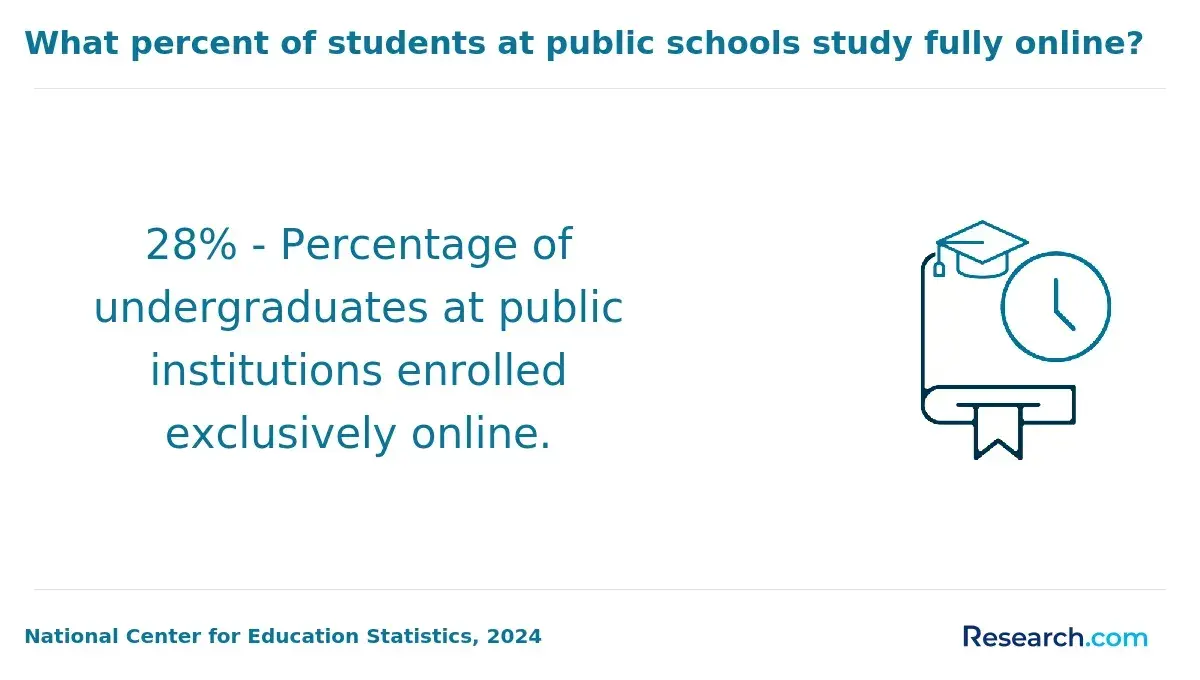
In states where in-person digital media programs are sparse or nonexistent, online degree options dramatically reshape who can pursue these fields by circumventing geographic constraints. Students in rural or underserved regions-often facing limited local academic infrastructure-rely on online delivery to access curricula from institutions outside their immediate area. This eliminates the need for costly relocation or prolonged commutes, enabling learners to stay embedded in their communities while engaging with rigorous academic content.
According to the National Center for Education Statistics in 2024, over 60% of students in digital media-related disciplines from these states selected online programs specifically to bridge gaps caused by limited local availability. Key enablers for this expanded access include asynchronous coursework that adapts to varied schedules, allowing working adults or those with caregiving responsibilities to maintain enrollment without rigid time constraints. The process of cross-state enrollment broadens institutional reach beyond traditional boundaries, effectively increasing program options for prospective students.
Additionally, online formats permit institutions to scale enrollment capacity well beyond classroom sizes and physical resource limits, lessening the dependency on nearby universities to fulfill regional educational demand. This shift not only diversifies learning pipelines but also undercuts geographic equity disparities ingrained in state-level higher education offerings. These developments carry broader implications for regional workforce and enrollment ecosystems.
By facilitating wider student mobility without physical relocation, online programs encourage a more geographically dispersed talent pool that can meet digital media industry needs nationwide. The increased competition among institutions competing across state lines motivates program innovation and may ultimately pressure traditionally in-person programs to adapt. Such systemic changes suggest that online program expansion is pivotal in democratizing access and enabling less populated states to more effectively cultivate digital media expertise aligned with evolving labor market demands.
How Much Does Digital Media Program Tuition Vary by State?
Tuition for digital media degree programs varies widely across U.S. states, shaped primarily by differences in public funding levels, the balance of public versus private institutions, and residency-based pricing models. States that prioritize higher education funding typically offer lower in-state tuition rates, while others rely more heavily on tuition revenue to offset budget shortfalls, pushing costs upward.
Additionally, whether a student attends a public or private institution largely affects tuition, with public schools generally offering more affordable in-state rates contrasted with higher out-of-state fees. These structural factors combine with regional economic conditions to produce significant variation in the average cost of digital media programs across states, reflecting broader operational and fiscal realities rather than arbitrary price setting.
For example, states like Wyoming, Florida, and North Carolina generally report public university in-state tuition fees between $4,500 and $7,000 annually for digital media-related programs, based on recent data from state university systems and national education statistics. Conversely, states with elevated operational costs and higher demand, such as California and New York, often see public in-state tuition nearing or exceeding $12,000 per year.
Out-of-state students in these regions can face fees that double this amount, emphasizing how residency status heavily impacts affordability. Private colleges within most states tend to cluster around high tuition brackets, ranging from $20,000 to $40,000 annually, influenced more by institutional reputation and resources than geography. These figures illustrate how funding models and local conditions drive wide tuition disparities in digital media programs.
Such tuition variation shapes student decision-making around program selection and access, often forcing prospective students to balance cost against program quality and career network opportunities. Affordable in-state tuition may limit options for specialized digital media tracks or industry connections, while higher-cost states often provide broader academic choices and stronger employment ties.
This dynamic underscores the importance of evaluating tuition within the context of long-term employability and program outcomes, not just sticker price. For those navigating financial constraints and geographic mobility, understanding these cost structures alongside opportunities such as degrees for moms can clarify pathways to digital media careers across diverse state systems.
How Does Digital Media Program Demand Affect Admissions Decisions?
Rising interest in digital media programs directly intensifies admission selectivity, especially where demand significantly outpaces available enrollment capacity. Universities receiving disproportionately high application volumes use this pressure to refine acceptance criteria, often prioritizing candidates demonstrating both creative aptitude and technical proficiency. This shift means academic metrics alone become insufficient; admissions committees increasingly weigh portfolios, project experience, and relevant skills to manage competitive applicant pools.
Consequently, programs in regions with active media industries face intensified screening to align admissions with both capacity constraints and labor market relevance. Critical factors driving this relationship include institutional capacity limits such as faculty availability, studio resources, and accreditation boundaries, which set hard caps on cohort sizes. Labor market demand for graduates with immediately applicable digital media skills further influences program selectivity by encouraging alignment between admissions and employer requirements.
Programs must therefore balance inflows of prospective students with ensuring adequate mentoring and practical training opportunities. Schools with fewer resources or less industry integration see less intense demand but may trade off specialized curriculum and networking advantages, affecting the holistic admissions dynamic. This escalation in demand prompts applicants to intensify preparatory efforts, focusing on portfolio development and experiential learning to meet heightened benchmarks.
At the same time, as programs gain reputational clout due to selectivity, they risk limiting accessibility for candidates unable or unwilling to navigate demanding admission processes. The interplay between increased program prestige and applicant pressure often leads to geographic mobility among students seeking optimal alignment of quality and availability, underscoring uneven access across states and institutions.
How Do Digital Media Specialization Options Vary by Region?
Digital media specialization choices within degree programs are strongly shaped by the economic structure and dominant industries of their regions, resulting in distinct curricular priorities. Areas with established entertainment and technology hubs, such as the West Coast, emphasize skill sets tied to interactive design, game development, and multimedia production, reflecting the priorities of local employers.
In contrast, the Northeast's concentration of marketing firms and media agencies drives a focus on digital marketing, content strategy, and communication-centric tracks. Midwestern institutions often blend technical media skills with business and management education to meet the complex needs of diversified manufacturing and emerging tech sectors, while Southern programs prioritize social media management, mobile content, and user experience design aligned with expanding suburban tech markets.
These regional divergences arise from the interplay of local employer expectations, institutional research strengths, and workforce demands. Universities develop specializations that leverage partnerships with nearby industries and respond to labor market signals, thereby enhancing graduate employability within the state's economic context. For example, schools near media conglomerates align curricula with advertising and communication skill requirements, whereas those in technology-driven regions integrate advanced interactive technologies and design methodologies.
Recent data from the National Center for Education Statistics indicates that 62% of digital media-related degrees are awarded within just 12 states, underscoring how clustering of opportunity and institutional focus constrains program variety in many areas. This concentration reflects how academic offerings tend to mirror the density and character of local digital media labor markets and regional economic priorities. The variation in digital media specialization by region carries meaningful implications for students considering program selection and career trajectories.
Relocating to states hosting a broader spectrum of specializations can provide access to programs with deeper industry engagement, internships, and networks critical for entering competitive fields. Recognizing these distinctions allows prospective students and researchers to strategically evaluate educational pathways not only on program content but also on the nuanced interplay between regional economic ecosystems and long-term workforce integration.
How Does Regional Employer Demand Affect Career Outcomes?
Regional employer demand directly shapes job availability and early career opportunities for graduates of digital media degree programs. Areas with dense tech hubs and creative industry clusters, such as California, New York, and Texas, traditionally offer a wider array of roles, often requiring specialized skills in animation, UX design, or content strategy. This concentration supports higher employment rates and can result in better salary ranges compared to states with limited digital media employer presence.
Such regional differences in employer demand are a significant factor influencing how graduates experience the transition from education to workforce, reflecting the impact of state-level job market trends on digital media graduate employment opportunities. These outcomes stem from several mechanisms, including strong partnerships between employers and universities in regions with thriving digital media sectors, which facilitate internships and networking essential for job placement.
Wage competition among companies in these areas tends to push salaries upward, rewarding specialized skills uncommon in less concentrated markets. Furthermore, specialized hiring ecosystems create an environment where employers seek narrowly defined expertise, raising the entry threshold but also fostering career advancement for those who meet these demands. This dynamic underscores how industry concentration and regional economic conditions intertwine to shape career trajectories for digital media graduates.
Longer-term career implications also hinge on geographic mobility decisions influenced by these localized labor markets. While remote work expansion has introduced more flexibility, many digital media roles still cluster around creative and tech hubs where employer demand is strongest. For those exploring career shifts related to healthcare communication fields, understanding these market dynamics is equally important, as seen in the increasing demand across healthcare systems for roles like speech pathologist.
What Factors Matter Most When Comparing Digital Media Programs Across States?
Comparing digital media programs across states requires attention to factors beyond mere availability. State-level differences shape access to specialized tracks, tuition affordability, and graduate outcomes, which directly impact a student's educational quality and career trajectory. Variations in regional industry demand and educational infrastructure also influence which programs align best with evolving workforce needs.
Understanding these differences is essential for identifying programs that offer meaningful value relative to cost and opportunity.
- Diversity and Depth of Specialization Tracks: States with broader digital media degree program availability by state typically support a wider array of concentrations such as animation, interactive design, or digital storytelling. This diversity enables students to tailor their education to specific industry segments, enhancing employability in specialized roles instead of generic entry-level positions.
- Graduate Employment Rates and Industry Partnerships: Practical readiness is critical; according to a 2024 report from the National Center for Education Statistics, about 68% of digital media graduates secure employment within six months. States hosting institutions with strong employer connections and internship pathways show higher employment rates, signaling better career launch opportunities.
- Accreditation and Faculty Expertise: Programs accredited by specialized bodies and led by faculty active in digital media sectors tend to deliver current, industry-relevant skills. This focus on up-to-date training ensures graduates are conversant with the latest tools and trends, which employers increasingly expect.
- State-Level Industry Presence and Networking Potential: Regions with robust digital media hubs or creative ecosystems offer enhanced access to professional networks, local projects, and jobs. Such environments create practical advantages over programs in states where digital media industries are less established.
- Cost, Financial Aid, and Program Delivery Flexibility: Tuition rates alongside available state funding and financial aid can significantly affect overall affordability. Programs offering part-time or online options accommodate working students or those needing schedule flexibility, broadening access to digital media education despite geographic or financial constraints.
Students weighing program options should consider these interrelated factors rather than simple rankings or reputation, focusing instead on how state-specific education and workforce conditions affect long-term outcomes. This evaluation extends to related fields where regional salary trends differ, as illustrated by data on types of paralegals and salaries, underscoring the importance of local market understanding in career-sensitive education choices.
Which Regions May See the Fastest Growth in Digital Media Education?
Growth in digital media education tends to concentrate in regions where employer demand, demographic shifts, and higher education investment occur simultaneously. Future expansion in digital media programs is closely tied to broader economic and workforce development trends rather than isolated institutional factors. Understanding these structural drivers helps clarify why specific U.S. regions are better positioned for growth in digital media education and related offerings.
- Southeast: The Southeast leads in projected growth due to strong population increases coupled with expanding media and entertainment industries. Cities like Atlanta and Miami host growing creative tech hubs, driving employer demand for graduates with balanced technical and creative skills. Additionally, comparatively affordable education costs attract students pursuing practical digital media credentials, supporting expansion of programs especially in public university systems.
- Mountain West: Regions including Denver and Salt Lake City benefit from rapid urbanization and economic diversification strategies targeting digital content production. These areas experience investment in hybrid and online programs that extend access across state lines, aligning educational opportunities with workforce needs. Institutions here often emphasize applied learning, reflecting employers' preference for adaptable, technically proficient graduates.
- West Coast: Known for innovation and saturated digital media markets, the West Coast continues to offer diverse, specialized programs mostly in established urban centers like Los Angeles and San Francisco. However, high costs and competitive job markets encourage students to consider smaller or inland institutions, which may stimulate new program development beyond traditional hubs.
- Midwest: The Midwest sees moderate growth driven by expanding university collaborations and increased employer interest in digital media skills across manufacturing, healthcare, and education sectors. While growth is steadier, the region's emphasis on workforce alignment fosters targeted program creation responding to specific labor shortages.
- Northeast: The Northeast maintains a mature digital media education ecosystem with many longstanding universities offering comprehensive curricula. Growth here is limited by market saturation and high operational costs, though strong local industry connections still benefit students prioritizing geographic proximity to established media employers.
Key factors across these regions include workforce shortages requiring graduates skilled in both creative and technical domains, economic initiatives fostering multimedia industries, and higher education expansions leveraging online program models for broader accessibility. These interconnected developments shape not only the quantity but also the specialization and delivery of digital media education programs nationwide.
References:
- Online Bachelor’s in Digital Media Programs (Digital Media Major) https://www.mastersincommunications.com/related-degrees/bachelors-in-digital-media
- 76 Best Digital Media courses In the USA 2026 https://www.hotcoursesabroad.com/study/training-degrees/us-usa/digital-media-courses/loc/211/cgory/ka.42-4/sin/ct/programs.html
- Impact of Digitalisation and on-demand economy on labour markets and consequences for employment and industrial relations – CEPS https://www.ceps.eu/ceps-projects/impact-of-digitalisation-and-on-demand-economy-on-labour-markets-and-consequences-for-employment-and-industrial-relations/
- Digital Media Studying | Elmhurst University https://www.elmhurst.edu/blog/studying-digital-media/
- Stellar Market Research https://www.stellarmr.com/report/Digital-Education-Market/312
- Digital Media Pathways and Programs - Options Solutions Educational Consultants https://www.optionssolutionsed.com/digital-media-pathways-and-programs/
- A New Digital Divide: College Search in the Age of Social Media https://www.the74million.org/article/a-new-digital-divide-college-search-in-the-age-of-social-media/
- What Is Digital Media | Types, Importance, and Applications https://www.sessions.edu/notes-on-design/what-is-digital-media/
- Digital media is having 'largely positive' effects on professional lives - Workplace Insight https://workplaceinsight.net/20941-2/
- Why a Digital Media High-School Course is Essential for Today and Tomorrow https://hudsonglobalscholars.com/blog/why-a-digital-media-high-school-course-is-essential-for-today-and-tomorrow
Other Things You Should Know About Digital Media
In 2027, the availability of diverse digital media programs within a single state allows students to choose programs that match their desired workload and skill development. This variety enables learners to tailor their education to specific career goals, whether they prefer broad exposure or intensive focus in specific areas of digital media.
Employers in creative and tech hubs tend to value program quality and portfolio strength over the number of local degree options. A state with many programs does not necessarily mean a higher employer preference for those degrees; instead, rigorous programs that emphasize hands-on experience and industry collaboration gain more recognition. Prospective students should evaluate how well programs integrate real-world projects and internships rather than assuming volume equates to prestige.
Specialized schools often offer deep expertise and tailored resources in specific digital media fields but might limit exposure to interdisciplinary skills needed in today's evolving job market. Conversely, states with many program offerings typically allow cross-enrollment or interdisciplinary study, broadening skill sets but potentially at the expense of focused mentoring. For students aiming for niche roles, specialized institutions may serve better, while those seeking adaptive, versatile skills might benefit from the diverse options in states with more programs.
Proximity to clusters of digital media programs can enhance networking opportunities by creating vibrant local tech and creative communities, fostering collaboration and employment pipelines. However, students should weigh if the state's overall industry presence matches program availability; a large number of programs without a corresponding local job market may limit immediate placement prospects. Prioritizing states where program density aligns with active digital media industries often yields stronger career outcomes.