2027 Digital Media Degree Enrollment Trends by Age Group: Traditional Students vs Adult Learners

Co-Founder and Chief Data Scientist
The evolving digital media landscape imposes distinct demands on learners based on age and career stage. Traditional students often enroll to meet rising employer expectations for advanced technical portfolios, while adult learners prioritize skill updating amid rapid industry shifts. Notably, the U. S. Bureau of Labor Statistics projects a 13% growth in digital media-related jobs through 2031, intensifying credential inflation and favoring candidates with specialized education.
This dynamic drives varied enrollment patterns; younger students are drawn to comprehensive degree structures, whereas adult learners frequently seek flexible, targeted programs. The age distribution signals a bifurcated workforce pipeline adjusting to diverse access needs and labor market pressures.
Key Things to Know About Digital Media Degree Enrollment Trends by Age Group
- Traditional-age students dominate enrollment due to campus-based delivery, but they often face limited exposure to evolving tech stacks compared to professionals already embedded in digital workflows.
- Adult learners, though underrepresented, bring relevant work experience that employers value, signaling a workforce trend favoring practical skills over academic tenure alone.
- Part-time online programs attract older enrollees, reflecting tradeoffs between higher overall costs and greater accessibility amid career transitions requiring flexible learning timelines.
- Key Things to Know About Digital Media Degree Enrollment Trends by Age Group Key Things to Know About Digital Media Degree Enrollment Trends by Age Group
- Which Age Groups Represent the Largest Share of Digital Media Students? Students by Age Group
- Why Do Traditional Students Choose Digital Media Degree Programs? Traditional Students
- Why Do Adult Learners Return to School for a Digital Media Degree? Adult Learners
- How Do Academic Goals Vary Between Younger and Older Digital Media Students? Academic Goals by Age Group
- How Do Financial Concerns Differ Between Traditional Students and Adult Learners? Financial Concerns by Age Group
- What Challenges Do Adult Learners and Traditional Students Face While Earning a Digital Media Degree? Student Challenges by Age Group
- How Does Age Affect Digital Media Degree Student Retention? Age and Student Retention
- Which Digital Media Specializations Are Most Popular Among Adult Learners? Top Specializations for Adult Learners
- How Does Age Affect Job Opportunities for Digital Media Graduates? Impact of Age in Job Opportunities
- What Do Current Digital Media Enrollment Trends Reveal About Future Demand? What Do Current Digital Media Enrollment Trends Reveal About Future Demand?
Which Age Groups Represent the Largest Share of Digital Media Students?
Digital media programs draw students from various life stages, yet enrollment tends to cluster in distinct age ranges shaped by differences in career timing, financial resources, and educational trajectories. This pattern reflects deeper dynamics within workforce entry and higher education access rather than simple academic preferences. Understanding these age demographics requires examining how economic realities, program flexibility, and career motivations influence who pursues digital media training and when.
- Ages 18-24: Representing the largest share of digital media students, this group typically enters education immediately after high school. Their enrollment is often driven by the need to build foundational creative and technical skills for entry-level roles, supported by structured campus environments that foster portfolio development and peer networking. The prominence of traditional students aligns closely with broader postsecondary enrollment trends observed by institutions like the National Center for Education Statistics.
- Ages 25-34: This segment comprises a significant though smaller portion of enrollees who often juggle professional responsibilities and further education. Their participation reflects career transitions or skill upgrading needs, with a preference for flexible scheduling and targeted certificates. Adult learners in this range leverage digital media programs to balance practical constraints while seeking relevant, career-oriented training.
- Ages 35 and above: Typically representing the smallest enrollment share, older learners face more pronounced time and financial barriers, reducing their representation despite growing interest in reskilling. Their motivations often revolve around specific career pivots or advancement, but program accessibility and immediate applicability of skills are critical factors shaping their educational choices.
Employers recognize the complementary value of recent technical training common among younger students alongside the real-world experience older learners contribute. However, these groups differ in how they prioritize educational outcomes: traditional students benefit from broader skill-building in immersive settings, while adult learners demand efficient, pragmatic learning paths that accommodate existing work and family commitments. Prospective students should weigh these tradeoffs within their own career goals and life circumstances.
For those exploring how to enter or advance in digital media, understanding how enrollment varies by age can clarify expectations around program accessibility and experience gained. Those seeking less conventional routes might also consider degrees with more flexible designs, such as the easiest online bachelor's degree options, which often cater to nontraditional students balancing diverse obligations.
Why Do Traditional Students Choose Digital Media Degree Programs?
Traditional-age students often choose digital media degree programs driven by a combination of academic interest and early career exploration. These programs offer a visible pathway to fields where creativity intersects with technology, signaling practical skills to employers and aligning with early professional aspirations. The decision frequently involves assessing how well program curricula integrate hands-on project work, internships, and opportunities to build portfolios relevant to entry-level roles in technology-driven industries. According to the 2024 National Center for Education Statistics, approximately 60% of traditional students prioritize programs they perceive as closely connected to job market relevance and creative career opportunities, underscoring the importance of tangible outcomes in their educational choices.
More nuanced factors also influence these enrollment patterns, such as university recruitment efforts targeting high school graduates with specific digital media offerings and guidance counseling that emphasizes growth sectors. Exposure to digital media concepts and skills in secondary education or introductory college courses creates familiarity, making these programs a natural extension for students seeking structured yet innovative academic pathways. Additionally, perceived job market stability in creative technology roles and the cultural capital associated with digital media studies inform decisions. Many institutions now offer flexible learning and accessible credentials that attract those weighing benefits of digital media degree programs for younger learners, often encouraging early specialization in fields aligned with evolving employer needs, which can also be a decisive factor in shaping initial academic trajectories. Prospective students looking into other options may consider non profit colleges.
Why Do Adult Learners Return to School for a Digital Media Degree?
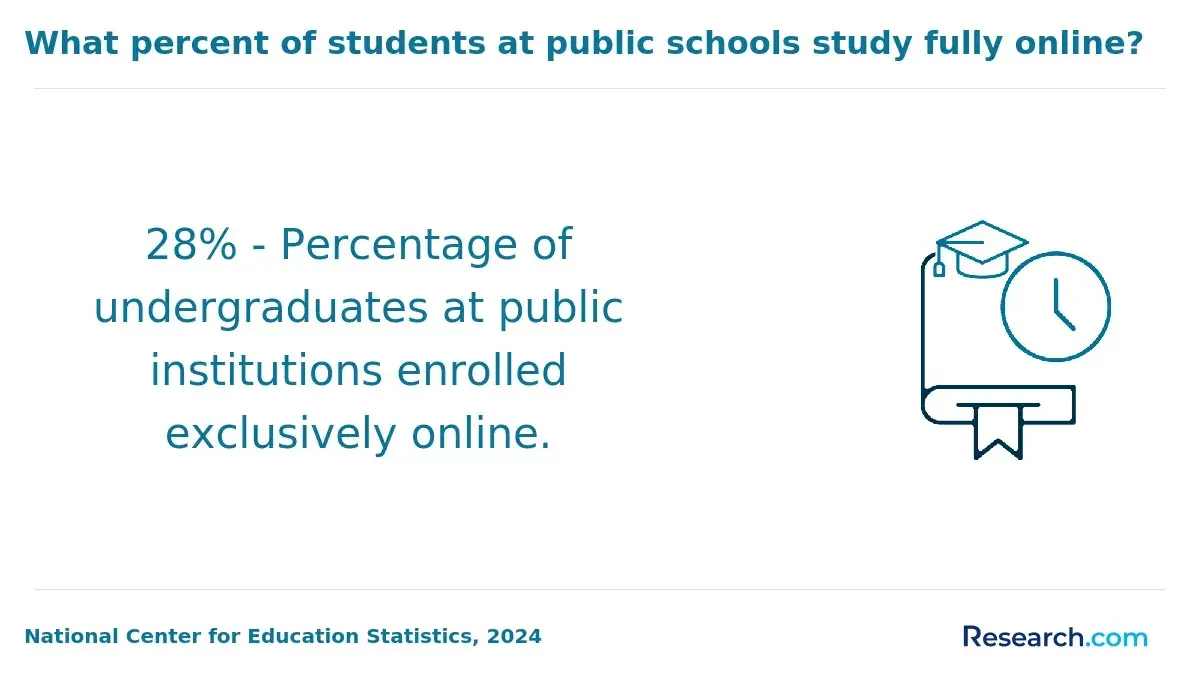
Adult learners returning to school for a digital media degree are primarily driven by practical workforce demands, including the need for upward career mobility, wage improvement, and industry transitions. Many are motivated by a desire to pivot into digital media roles from unrelated fields or to enhance credentials that reflect current technical standards, recognizing that employer expectations increasingly favor verifiable skills over prior experience alone. According to a 2024 report from the U.S. Department of Education, over 60% of adult students seek further education specifically to improve their job performance or facilitate complete career changes, underscoring credential inflation and the shifting landscape of creative and technical roles.
Beyond these core motivations, adult learners factor in accessibility and return on investment when choosing digital media programs. Employer tuition assistance programs and the proliferation of flexible online and part-time courses address critical barriers related to time, finances, and family commitments. Additionally, ongoing technological evolution in graphic design, animation, and content production compels learners to engage in continuous skill updating, as outdated expertise quickly diminishes employability. These conditions incentivize adults to select programs that align closely with industry-recognized tools and certifications, reinforcing the need for curricula that evolve alongside labor market trends.
Adult learner participation significantly influences digital media program structures and pedagogical strategies, accelerating the expansion of remote learning and adult-oriented scheduling. Their presence diversifies classroom demographics, enriching peer learning with varied professional backgrounds and pragmatic perspectives. This evolution also pressures institutions to prioritize measurable outcomes and direct labor market applicability, reflecting adult students' results-driven approach and shaping the future accessibility and relevance of digital media education in a rapidly changing economy.
How Do Academic Goals Vary Between Younger and Older Digital Media Students?
Younger digital media students often approach their studies with a broad exploratory mindset, aiming to develop foundational competencies across storytelling, design principles, and emerging technologies. Their academic goals typically emphasize preparing for entry-level roles or graduate study, supported by involvement in internships and portfolio development to build professional networks. This phase is largely defined by experimentation and skill diversification, aligning with industry expectations for adaptable creativity and technical proficiency. According to a 2024 report from the National Center for Education Statistics, these students frequently prioritize campus engagement and extracurricular collaboration as part of their holistic educational experience.
In contrast, older digital media students typically pursue narrowly focused skill acquisition that directly supports career transitions, advancement, or entrepreneurship, often balancing education with existing work and family obligations. A 2024 EDUCAUSE study found that 68% of adult digital media learners seek credentials offering immediate workplace applicability, such as certifications in advanced software or digital marketing. Their academic priorities reflect pragmatic considerations about time, cost, and tangible professional outcomes, favoring flexible scheduling and online formats. This targeted approach aligns with employer demand for specialized competencies and quick skill validation in a rapidly evolving labor market.
An adult learner shared that when returning to school for a digital media degree, the rolling admissions timeline introduced both hesitation and urgency in decision-making. They initially delayed application submission while comparing program offerings and work obligations, unsure if flexible scheduling would truly accommodate their hours. Only after receiving conditional acceptance did they feel a sense of relief and clearer focus, enabling them to strategically plan coursework around their job and family commitments. This experience highlights how adult students' academic goals intertwine with real-life timing, preparation challenges, and the necessity for adaptable education pathways.
How Do Financial Concerns Differ Between Traditional Students and Adult Learners?
Traditional students pursuing a digital media degree typically depend heavily on family support, federal aid, or student loans to cover tuition and living expenses. Their financial concerns are often framed around balancing tuition affordability with a willingness to accumulate debt as an investment in future income potential. According to a 2024 report by the National Center for Education Statistics, about 65% of these students use loans, graduating with an average debt near $30,000. This debt tolerance reflects a longer runway for repayment and an expectation that early career wage growth will offset financial burdens, a dynamic intrinsic to the financial challenges faced by traditional vs adult learners.
Adult learners, by contrast, confront more immediate financial constraints tied to household responsibilities and workforce participation. Nearly 43% of adult digital media students simultaneously maintain part-time or full-time employment, making lost wages from reduced working hours a significant opportunity cost. Many primarily use personal savings or employer tuition reimbursement, with 58% avoiding loans according to the Lumina Foundation, aiming to minimize debt amid ongoing expenses like mortgages and childcare. Employer tuition assistance plays a variable role, influencing decisions by providing partial support while encouraging program formats that accommodate busy schedules, such as flexible online options seen in a growing share of accelerated programs.
These divergent financial realities influence enrollment patterns and program selection, as adult learners often prioritize flexibility and accelerated pathways to reduce economic disruption, while traditional students may opt for on-campus experiences financially supported by loans and federal aid. Understanding these nuanced tradeoffs is crucial when assessing tuition affordability and financial aid trends for digital media students who must weigh immediate financial stability against longer-term returns. For those exploring educational options, programs such as lMFT programs illustrate the broader market trend toward condensed curricula designed to balance cost, time, and workforce re-entry challenges.
What Challenges Do Adult Learners and Traditional Students Face While Earning a Digital Media Degree?
Traditional students pursuing a digital media degree often contend with the challenge of acclimating to the academic rigor and structure that postsecondary education demands. Many must quickly develop foundational skills in both technical tools and collaborative project workflows, while simultaneously managing time amid unfamiliar schedules and expectations. According to the National Center for Education Statistics 2024 report, nearly 45% of these students identify financial stress and concerns over accumulating student debt as significant barriers, which can detract from focus and persistence. These pressures are compounded by limited prior work experience, forcing many traditional students to balance part-time jobs or external commitments as they build essential discipline for success.
Adult learners face a distinct set of hurdles shaped by their broader life responsibilities. Balancing full-time employment and family obligations requires navigating tight time constraints, often leading to compressed study schedules or reliance on asynchronous learning models. Re-entering academic environments can expose gaps in up-to-date digital media proficiencies, as rapidly evolving software and industry standards demand continuous technical refreshment. A 2024 study by the Strada Education Network found that 62% of adult learners identify time management and keeping current with digital trends as key challenges, underscoring the tension between lifelong learning demands and existing professional roles.
Institutions offering digital media programs increasingly adapt support services and learning modalities to address these divergent challenges. Flexible course formats, targeted advising, and scaffolded skill development aim to bridge the gap between traditional academic pathways and adult learner realities, though the effectiveness varies widely by program. Understanding these differences in education lifecycle constraints and workload management is crucial for students, advisors, and employers alike, as they influence degree completion rates and workforce readiness in a field marked by rapid technological change and evolving employer expectations.
How Does Age Affect Digital Media Degree Student Retention?
Younger students in digital media programs frequently encounter retention challenges tied to their transitional phase into higher education. Often still exploring career paths, they may struggle with motivation and the academic rigor that demands consistent self-direction and time management. Early engagement suffers when institutional support and peer networks fail to compensate for their relative inexperience navigating college-level expectations. According to recent data from the National Center for Education Statistics (2024), retention rates for traditional college-age students hover around 57%, reflecting these adjustment hurdles combined with competing social and academic distractions.
Adult learners, by contrast, typically demonstrate a stronger focus driven by established career objectives, which aids persistence despite significant time constraints. Their retention, reported near 68%, is bolstered by clearer goal alignment and practical application of coursework, although balancing work and family responsibilities frequently compresses available study time. Institutions that offer flexible scheduling and online course options help mitigate these constraints, though older students often rely on institutional resources differently, emphasizing career advising over social integration. This lifecycle learning dynamic highlights the importance of tailored support models that acknowledge adult learners' distinct challenges and motivations.
One digital media graduate recalled that during the rolling admissions period, uncertainty about when decisions would be finalized delayed their application process. Balancing a full-time job and family commitments, they hesitated to submit early without clarity on prerequisites and start dates. When the acceptance finally arrived weeks later, the relief came not just from securing a spot but from the ability to plan work and study schedules precisely. This experience underscored how timing and clear communication during admissions critically affect adult students' readiness and confidence to persist in demanding digital media programs.
Which Digital Media Specializations Are Most Popular Among Adult Learners?
Adult learners pursue digital media specializations that closely align with their existing professional skills and that offer clear pathways to career mobility or industry shifts. This cohort tends to prioritize programs emphasizing practical application and measurable outcomes, reflecting a strategic approach to upskilling or reskilling for higher salary prospects and relevant job roles. Unlike traditional students who may lean toward exploratory or broadly creative degrees, adult learners gravitate toward focused, career-focused programs for adults that fulfill immediate workforce demands and transition goals.
A 2024 report by the National Center for Education Statistics found that roughly 42% of adult digital media students concentrate on web-related fields, illustrating widespread demand for competencies in building and maintaining digital platforms in multiple industries. This trend underscores the importance adult learners place on gaining technical skill sets that complement prior experience while facilitating job market adaptability.
- Web design and development: Adult learners often with backgrounds in IT or marketing choose this specialization to leverage technical skills for front-end roles and content management, benefiting from tangible project portfolios that employers value for salary advancement and lateral career moves.
- Digital marketing and analytics: Professionals aiming to augment their understanding of SEO, data-driven campaigns, and social media strategy select this area to reinforce measurable digital ROI expertise, aligning with employer needs for quantifiable marketing results.
- User experience (UX) design: This field appeals to those with prior design or psychology experience, blending creative and analytical skills to meet growing demand from companies focused on customer-centered digital products and services.
- Graphic and motion design: Adult learners interested in creative production update their portfolios here, though this track typically attracts those combining existing brand or content creation experience with digital media skills for enhanced employability.
Recognizing these adult learner digital media specialization trends helps clarify how professional experience and career objectives shape enrollment decisions. Understanding these motivations can guide students in selecting programs that provide practical skill sets directly translatable to workplace demands. For adult learners assessing educational pathways and workforce entry, considering the intersection of specialization choice and prior employment background is critical.
For those evaluating options that also consider broader workforce challenges, resources like degrees felons can get offer additional context on accessible career-focused programs for adults navigating employment barriers.
How Does Age Affect Job Opportunities for Digital Media Graduates?
Younger digital media graduates typically encounter a labor market characterized by high competition but significant access to entry-level roles and internship pipelines designed for recent completers. Employers often prioritize these candidates for their perceived adaptability to emerging technologies and familiarity with the latest digital tools, which remain crucial in this fast-evolving field. The U.S. Bureau of Labor Statistics (2024) data indicate that graduates aged 18-24 benefit from longer-term career growth opportunities, supported by structured early-career hiring patterns that favor traditional students. Prospective students weighing enrollment options should consider that many programs targeting this demographic incorporate practical internship components to ease workforce entry, aligning with observed hiring tendencies within this labor segment.
In contrast, older graduates pursuing a digital media degree often leverage prior work experience and transferable skills to position themselves differently in the workforce, frequently seeking lateral movement or specialized roles rather than purely entry-level jobs. While this cohort may secure higher starting salaries reflecting their background, they may face employer skepticism regarding technological fluency or flexibility, impacting hiring dynamics. Studies by the National Association of Colleges and Employers (2024) highlight that career advancement prospects for adult digital media learners often depend on effective networking and contextualizing prior experience within evolving digital competencies. Choosing the right program, such as an instructional design masters online, can be critical to aligning educational outcomes with realistic employment goals across age groups.
What Do Current Digital Media Enrollment Trends Reveal About Future Demand?
Current enrollment shifts in digital media programs highlight changing perceptions of the field's career value, especially among non-traditional learners. Data from the U.S. National Center for Education Statistics in 2024 reveals that adult learner enrollment has grown by about 12% over two years, contrasting with relatively stable numbers among traditional 18-to-24-year-olds. This suggests that digital media credentials increasingly serve as practical tools for reskilling or career pivots, rather than solely as initial academic pursuits. The rise in online and flexible program offerings also reflects growing demand for adaptable education formats that accommodate diverse life circumstances and learning objectives.
These evolving enrollment patterns signal broader labor market realities, where employer priorities emphasize digital literacy, hands-on technical skills, and versatility amid rapid technological change. Demand for graduates with real-world software proficiency and portfolio experience is shaping program designs and specialization growth. Workforce shortages in creative and tech-driven sectors further motivate program expansion and curriculum alignment with emerging digital platforms. Understanding these enrollment trends helps forecast sustained relevance for digital media education, particularly as industry growth and technological innovation continue to reshape labor requirements.
References
- 5 Reasons to Return to Education as an Adult https://www.rnngroup.co.uk/rnn-group-blog/5-reasons-to-return-to-education-as-an-adult/
- Digital marketing trends: Key Strategies | Esade https://www.esade.edu/beyond/en/marketing-trends/
- The Impact of Digital and Print Information Access on Memory Retention Across Age Groups https://www.teenink.com/nonfiction/academic/article/1214051/The-Impact-Of-Digital-And-Print-Information-Access-On-Memory-Retention-Across-Age-Groups
- Does Higher Ed’s Value Proposition Resonate with Adult Learners? - UPCEA https://upcea.edu/does-higher-eds-value-proposition-resonate-with-adult-learners/
- LAVIDGE | Phoenix Advertising Agency https://www.lavidge.com/industries/education/how-strategic-are-your-college-s-traditional-and-digital-media-purchases/
- 2026 Digital Marketing Trends for Higher Education https://encoura.org/action-plan/digital-marketing-trends-for-higher-education-full
- 5 Reasons to Return to Education as an Adult https://ucr.rotherham.ac.uk/blog/5-reasons-to-return-to-education-as-an-adult/
- 10 Current and Emerging Trends in Adult Learning https://www.gettingsmart.com/2017/09/21/10-current-and-emerging-trends-in-adult-learning/
- Internet and social media users in the world 2025| Statista https://www.statista.com/statistics/617136/digital-population-worldwide/
- 3 Digital Strategies to Attract Non-traditional Learners https://jenzabar.com/blog/three-digital-strategies-to-attract-non-traditional-learners
Other Things You Should Know About Digital Media
Adult learners often juggle full-time work and family obligations, which makes the typically intensive workload of digital media programs more challenging to manage than it is for traditional students. Programs with flexible schedules or asynchronous learning options better suit adult learners, allowing them to balance responsibilities more effectively. Traditional students, by contrast, generally benefit from more immersive experiences, such as group projects and lab time, but these can be difficult for adults to replicate outside of campus hours. Prioritizing programs with adaptable pacing is crucial for adults to avoid extended time to degree completion.
In 2027, employers value experience and skillsets over age or education path. Traditional students often have recent theoretical knowledge, while adult learners bring practical experience. Both groups should highlight unique strengths for competitive employment prospects.
Traditional full-time programs offer deeper immersion, peer collaboration, and better access to campus resources but require significant time and financial investment upfront, which may not suit adult learners with existing commitments. Part-time or online formats provide flexibility and continued income but can fragment learning, possibly limiting opportunities for hands-on work and professional networking. Those targeting rapid career transitions may prioritize full-time immersion despite the intensity, while students balancing multiple roles may need to accept longer program durations in exchange for manageable workloads and steady progress.
Traditional students often experience robust peer interaction that builds social capital within industry circles early on; these connections can result in internships and job referrals. Adult learners, meanwhile, frequently report less organic peer engagement due to part-time study schedules or remote learning, which can limit their informal networking opportunities. This gap means adult learners should actively seek alternative networking strategies, such as professional groups or industry events, to compensate for fewer campus-based interactions. Failure to do so might slow career advancement despite equivalent technical qualifications.