2027 Digital Photography Career Outlook by Role Type

Co-Founder and Chief Data Scientist
Choosing a digital photography career now means weighing creative fit against a changing labor market. The U. S. Bureau of Labor Statistics reported a median annual wage of $42,520 for photographers in May 2024, but earnings vary sharply by specialty, business model, and technical skill. This guide is for students, career changers, and working creatives comparing photography roles, training options, costs, and long-term prospects. You will learn where demand is strongest, which credentials matter, and how to choose an education path that matches your goals.
Key Things You Should Know
- BLS data shows photographers had a May 2024 median annual wage of $42,520, making portfolio strength, niche selection, and client development critical to income growth.
- The broad photographer occupation is projected to grow 4% from 2023 to 2033, but commercial, product, real estate, content, and hybrid photo-video roles may offer stronger opportunities than traditional print-focused paths.
- Education costs vary widely: College Board 2024-25 data lists average published tuition and fees of $4,050 at public two-year colleges and $43,350 at private nonprofit four-year institutions.
What are the main digital photography career paths and role types today?
Digital photography is the creation, editing, management, and delivery of images using digital cameras, lighting systems, editing software, and online publishing tools. Career paths differ less by camera type and more by client type, subject matter, production workflow, and how the photographer earns revenue.
The most important decision is whether you want a client-service career, an editorial or artistic career, a technical production career, or a hybrid creative-business role. The table below compares common role types so you can see how daily work and career risk differ.
| Role type | Typical work | Common employers or clients | Best fit for |
| Portrait and wedding photographer | Photographs individuals, families, couples, events, and ceremonies; manages client communication and image delivery | Individuals, families, event planners, studios | People-oriented photographers who can manage emotion, deadlines, and sales |
| Commercial and product photographer | Creates images for advertising, e-commerce, catalogs, branding, and campaigns | Retailers, agencies, brands, small businesses | Photographers who like lighting control, consistency, and business strategy |
| Photojournalist or editorial photographer | Covers news, features, sports, culture, and documentary assignments | Newsrooms, magazines, nonprofits, agencies | Story-driven photographers comfortable with deadlines and unpredictable settings |
| Real estate and architectural photographer | Photographs interiors, exteriors, properties, hotels, and spaces | Real estate agents, developers, hospitality firms | Detail-focused photographers with wide-angle, lighting, and post-production skills |
| Digital imaging technician or retoucher | Manages files, color, metadata, image correction, compositing, and delivery standards | Studios, agencies, production companies, brands | Technically strong creatives who enjoy precision and software-heavy workflows |
| Content creator and brand photographer | Produces photo and short-form visual assets for websites, social media, email, and campaigns | Small businesses, marketing teams, influencers, agencies | Hybrid creatives who combine photography, video, writing, and marketing sense |
Some photographers also move into creative direction, studio management, visual content strategy, or marketing. If you like photography but want a broader business and campaign role, an online marketing degree can support a transition into brand strategy, digital campaigns, or content leadership.
What is the job outlook for digital photography careers across different specialties?
The overall outlook is steady but competitive. BLS projections released for 2023 to 2033 show 4% growth for photographers, with about 13,700 openings per year on average. That does not mean every specialty grows evenly; many openings come from replacement needs, freelance turnover, and demand for visual assets across business channels.
The table below explains where opportunity is likely to be stronger or weaker based on how clients buy images today.
| Specialty | Outlook signal | Why it matters |
| Commercial and product photography | Generally stronger than traditional print-only work | E-commerce, brand websites, and paid advertising require consistent visual assets |
| Real estate and architectural photography | Market-dependent | Demand rises and falls with local real estate activity, hospitality projects, and construction cycles |
| Portrait and wedding photography | Competitive but stable for strong local brands | Clients still value personal service, posing, editing style, and trust |
| Photojournalism | More constrained | Newsroom budgets, staff reductions, and freelance competition can limit full-time roles |
| Retouching and digital production | Strong for specialized skills | Brands need color consistency, image libraries, metadata, file management, and fast delivery |
| Hybrid photo-video content | Expanding in many markets | Employers often prefer creators who can produce both still images and short-form video |
AI is changing the work, not eliminating the need for photographers across the board. Generative tools can create mockups and speed up editing, but clients still need original images of real people, products, properties, events, and experiences. The safest path is to build skills that AI cannot easily replace: art direction, lighting, client trust, location problem-solving, copyright judgment, and brand-specific visual consistency.
How much do digital photographers earn by role type and experience level?
Photography income varies more than many creative careers because many professionals are self-employed, seasonal, project-based, or paid per assignment. BLS reported a May 2024 median annual wage of $42,520 for photographers, which is a useful national benchmark but not a ceiling or a promise.
The table below shows how compensation typically differs by role and experience stage. Use it as a planning tool, not as a guaranteed earnings forecast.
| Experience level | Common role types | How earnings usually work | Main income drivers |
| Entry level | Assistant photographer, studio assistant, junior retoucher, second shooter | Hourly, day-rate, part-time, or contract pay is common | Reliability, basic lighting, editing speed, file organization, referrals |
| Early career | Portrait photographer, real estate photographer, e-commerce photographer, content creator | Project fees, packages, staff wages, or recurring client retainers | Portfolio quality, local demand, turnaround time, client experience |
| Mid-career | Commercial photographer, lead wedding photographer, brand photographer, senior retoucher | Higher project rates, licensing fees, studio employment, repeat contracts | Niche expertise, production value, client list, negotiation skill |
| Advanced | Creative director, studio owner, specialized advertising photographer, visual content manager | Business profit, salary, licensing, consulting, team-based production | Business systems, reputation, team management, marketing, rights management |
Role comparison is also important if you are choosing between creative and analytical careers. For example, someone comparing photography with a sports analytics path may want to review sports data analyst salary information because income models, education expectations, and job stability can look very different.
For photographers, the biggest salary mistake is pricing work only by shooting time. Sustainable rates should account for editing, travel, equipment wear, insurance, marketing, taxes, software, file storage, licensing rights, and unpaid administrative time.
What education or training is required for different digital photography roles?
Most digital photography roles do not require a state-mandated degree, but employers and clients still judge readiness through portfolios, technical fluency, visual judgment, and professionalism. A degree can help if you want structured critique, studio access, internships, art history, business foundations, and a network. Shorter training can work if your goal is a specific skill upgrade or faster entry into freelance work.
The table below summarizes common education expectations by role type.
| Career goal | Typical education path | Portfolio expectations | When formal education helps most |
| Portrait, wedding, or freelance photography | Certificate, associate degree, workshops, mentorship, or self-directed training | Client-ready galleries, consistent editing style, posing, lighting, contracts | When you need business structure, critique, and studio practice |
| Commercial or advertising photography | Associate or bachelor's degree in photography, visual arts, media, or design | Polished campaigns, product lighting, studio control, brand consistency | When you need advanced production, art direction, and industry contacts |
| Photojournalism | Journalism, communications, photography, or documentary media program | Published work, captions, ethical storytelling, deadline coverage | When you need reporting ethics, newsroom experience, and internships |
| Retouching or digital imaging | Certificate, associate degree, bachelor's degree, or software-focused training | Before-and-after edits, color correction, compositing, file management | When you need technical depth and professional workflow standards |
| Visual content or creative direction | Bachelor's degree plus business, marketing, design, or media coursework | Campaigns, brand systems, mixed media, team projects | When you want leadership roles beyond shooting assignments |
If your interest in visual expression is tied to counseling, wellness, or clinical practice rather than image production, compare photography with fields such as a masters in art therapy. That path has different admissions, supervised practice, and licensure considerations than photography.
Are digital photography degree programs better than certificates or bootcamps?
A degree is not automatically better than a certificate, and a bootcamp is not automatically more practical than college. The right choice depends on your target role, budget, timeline, learning style, and how much structure you need to build a competitive portfolio.
The comparison below helps clarify which credential type fits different goals.
| Option | Best for | Strengths | Limitations |
| Certificate | Career changers, freelancers, working adults, skill refreshers | Focused, shorter, often practical and software-oriented | May not include deep critique, internships, or broad visual studies |
| Associate degree | Students seeking affordable foundations and possible transfer | Balances general education, studio practice, and portfolio development | May require additional study for competitive commercial or leadership roles |
| Bachelor's degree | Students seeking broad creative training, internships, and long-term flexibility | More time for advanced projects, critique, art history, business, and networking | Higher total cost and longer time commitment |
| Bootcamp or intensive workshop | Specific skill upgrades such as lighting, editing, or business setup | Fast, targeted, often taught by working professionals | Quality varies, and credits may not transfer to a college program |
A degree makes the most sense if you want a structured path, access to equipment, faculty critique, internships, and a broader creative credential. A certificate or bootcamp may be smarter if you already have a degree, need a portfolio upgrade, or want to test photography before committing to a longer program. Students comparing flexible options can start by reviewing an online digital photography degree to see how cost, delivery format, and curriculum differ across schools.
How do online and campus-based digital photography programs compare for career outcomes?
Online and campus-based programs can both lead to strong outcomes, but they support different learning needs. Photography is hands-on, so the key question is not simply whether a program is online. It is whether the program gives you enough critique, portfolio review, software training, business preparation, and access to the equipment your target role requires.
The table below compares the practical trade-offs that affect career readiness.
| Factor | Online program | Campus-based program | Decision point |
| Flexibility | Often better for working adults and students outside major cities | Less flexible but more structured | Choose online if schedule control is essential |
| Studio access | May require students to supply cameras, lighting, and workspace | Often includes studios, labs, printers, and checkout equipment | Choose campus if you need expensive equipment access |
| Critique and feedback | Can be strong if reviews are live, detailed, and frequent | Often easier to receive in-person critique and peer feedback | Ask how often faculty review complete projects |
| Networking | Depends on virtual events, alumni networks, and internships | May offer local industry access and peer collaboration | Choose based on where you plan to work |
| Career outcomes | Strong when students build local clients and a polished portfolio | Strong when students use studios, internships, and faculty networks | Outcomes depend more on portfolio and initiative than format alone |
Online programs work best for self-directed students who can create assignments, arrange shoots, and build local relationships. Campus programs work best for students who benefit from scheduled studio time, in-person critique, and shared production resources. In either format, career outcomes improve when students graduate with a focused portfolio rather than a scattered collection of class exercises.
What core skills and courses are included in digital photography programs?
Strong programs teach photography as both a creative practice and a professional workflow. Camera operation matters, but employers and clients also care about lighting, editing consistency, file delivery, copyright awareness, communication, and business judgment.
Most reputable programs include a mix of technical, creative, and career-focused courses. These are the areas students should expect to practice repeatedly:
- Camera operation, exposure, lenses, composition, and image capture in controlled and uncontrolled lighting.
- Studio lighting, location lighting, color temperature, flash, reflectors, modifiers, and lighting diagrams.
- Digital editing, RAW processing, retouching, color correction, compositing, file formats, metadata, and backup workflows.
- Portrait, commercial, product, documentary, editorial, event, or fine art photography, depending on the program focus.
- Visual storytelling, art history, design principles, critique, sequencing, and portfolio development.
- Business practices, contracts, estimates, licensing, copyright, client communication, marketing, and pricing strategy.
- Career preparation, including internships, portfolio reviews, artist statements, websites, resumes, and client presentations.
The best courses do not just teach a tool. They require students to plan a shoot, solve problems, edit a cohesive set, explain creative choices, and deliver files to a professional standard. That process is what turns technical lessons into employable skill.
How long do digital photography programs take and what do they cost?
Program length ranges from a few weeks for workshops to four years for a bachelor's degree. Cost depends on institution type, residency status, equipment requirements, software subscriptions, fees, and whether credits transfer. College Board's 2024-25 pricing data shows why students should compare total cost, not just tuition on a program page.
The table below summarizes common timelines and cost context for U.S. students.
| Program type | Typical length | Cost context | What to budget beyond tuition |
| Workshop or bootcamp | Several days to several months | Usually lower total cost than a degree, but pricing varies widely by provider | Camera access, lighting rentals, travel, software, portfolio materials |
| Certificate | Several months to one year | Often less expensive than a full degree, especially at community colleges | Equipment, editing software, printing, storage, website hosting |
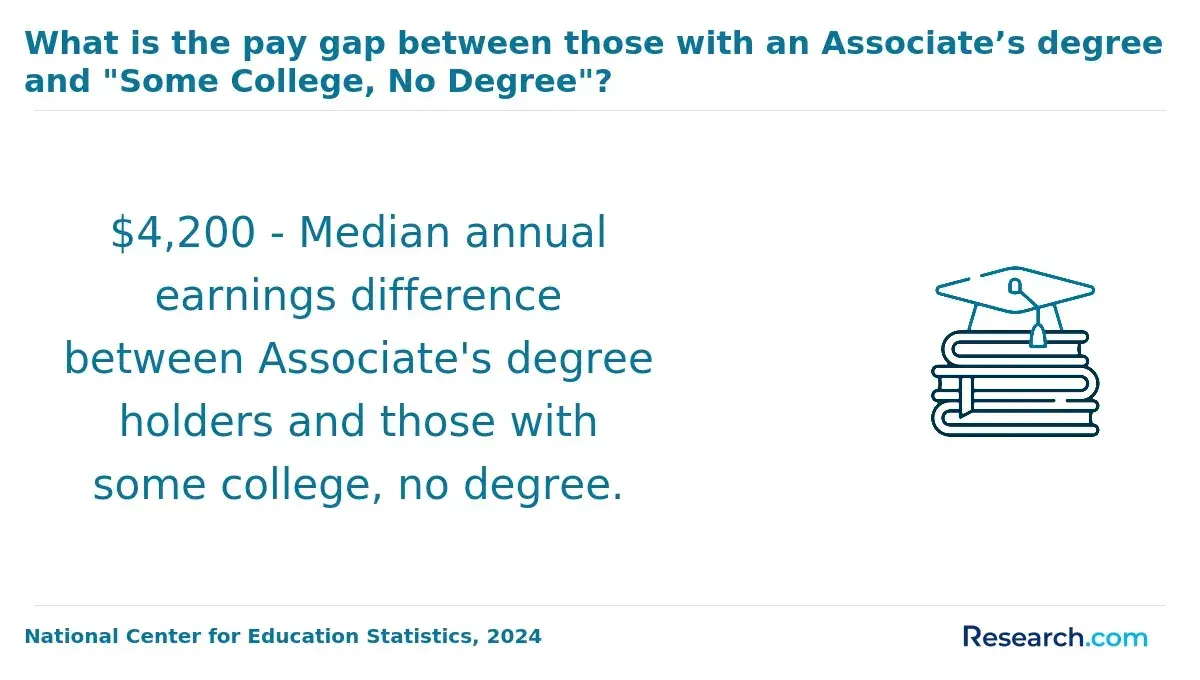
| Associate degree | About two years full time | College Board lists average 2024-25 published tuition and fees of $4,050 at public two-year colleges | Course fees, supplies, transportation, books, camera kit |
| Bachelor's degree at a public institution | About four years full time | College Board lists average 2024-25 published tuition and fees of $11,610 for in-state public four-year students | Housing, equipment, fees, software, internship expenses |
| Bachelor's degree at a private nonprofit institution | About four years full time | College Board lists average 2024-25 published tuition and fees of $43,350 at private nonprofit four-year institutions | Housing, supplies, studio fees, technology, portfolio production |
To reduce costs, start with a community college if credits transfer, buy used gear only after confirming course requirements, use student software discounts, and avoid borrowing for equipment that the school can provide through labs or checkout systems. Accelerated options can save time, but they may leave less room for portfolio refinement and internships.
How can students choose an accredited, reputable digital photography school?
Accreditation matters because it affects credit transfer, federal financial aid eligibility, and institutional quality controls. For photography, reputation also depends on faculty experience, facilities, portfolio outcomes, internship access, and alumni work. Do not choose a program based only on glossy sample images or social media presence.
Before enrolling, students should use a practical review process that checks both academic legitimacy and career fit:
- Confirm institutional accreditation through the school's official accreditation page and recognized accreditation databases.
- Review the full curriculum to make sure it includes lighting, editing, portfolio development, business practices, and critique.
- Ask whether students can access studios, printers, lighting kits, cameras, labs, and current editing software.
- Request examples of student portfolios, internship partners, career services, and alumni outcomes.
- Compare total cost, including fees, equipment, software, housing, travel, and portfolio production.
- Check transfer credit policies if you may move from a certificate to an associate or bachelor's program.
- Ask how online students receive critique, technical support, and access to faculty.
Common red flags include vague accreditation claims, no portfolio review process, outdated software, limited faculty information, high-pressure enrollment tactics, unclear refund policies, and programs that promise specific jobs or incomes. A reputable school should be transparent about costs, requirements, outcomes, and the limits of what a credential can do.
Do digital photographers need licenses or certifications, and which ones matter most?
Most photographers do not need a professional license simply to take portraits, events, commercial images, or editorial photos. However, business requirements vary by city, county, and state, and certain specialties may require additional authorization. For example, paid drone photography generally requires compliance with Federal Aviation Administration rules, including the remote pilot requirements that apply to commercial drone operations.
Certifications are usually optional, but they can help signal technical skill or professionalism in specific contexts. The most relevant credentials depend on the work you plan to sell:
- Adobe software certifications may help retouchers, digital imaging assistants, and students seeking production-heavy roles.
- Professional photography certifications from industry organizations can support credibility, especially for portrait, wedding, and studio photographers.
- FAA drone certification is important for photographers who offer paid aerial imagery or drone-based real estate, event, construction, or inspection visuals.
- Business registrations, sales tax permits, insurance, and local permits may be necessary depending on your location and services.
- Copyright registration is not a career credential, but it can strengthen legal options if a client or third party misuses your images.
The smartest approach is to treat certifications as supplements, not substitutes. A client-ready portfolio, clear contracts, reliable delivery, insurance, and ethical image practices usually matter more than collecting badges that do not match your target market.
Other Things You Should Know About Digital Photography
In 2027, digital photography remains a viable career despite smartphone advancements. Professional photographers distinguish themselves with expertise in composition, lighting, and editing beyond the capabilities of smartphones. Specializations like commercial, fashion, and event photography continue to demand skills that surpass ordinary mobile photography, ensuring ongoing opportunities.
You can start with modest equipment if it fits your niche, but you should invest strategically. Learn lighting, composition, editing, and client service before buying specialized gear that may not match your target work.
Build one focused portfolio for the clients you want, such as portraits, products, real estate, or events. A smaller, consistent portfolio is usually stronger than a large mix of unrelated images.
The Certified Professional Photographer credential from the Professional Photographers of America is the best-known industry certification. Candidates must pass a 100-question written exam and submit a 12-image portfolio that meets technical standards. For event or studio roles, this can strengthen credibility with clients and employers.
References
- Photographer Education for 2025: Career Insights https://www.clippingpathassociate.com/blog/photographer-education-requirements
- Do You Need Certification To Be A Professional Photographer? https://sandracoanstudios.com/do-you-need-certification-to-be-a-professional-photographer/
- Photography Jobs Outlook 2026: Is Studying Photography Still a Good Career Investment? https://www.baph.co.uk/blog/photography-jobs-outlook-2026--is-studying-photography-still-a-good-career-investment-
- 14 different photography career paths to consider - Horizon Found | Blog https://horizonfound.com/14-different-photography-styles/
- Which fields can I work in post pursuing an online photography course? https://www.careers360.com/question-can-you-name-some-popular-digital-photography-experts-across-the-globe
- How To Get A Photography License - Learn How to Sell Art Online - Art Storefronts Blog https://blog.artstorefronts.com/how-to-get-a-photography-license/
- Online Photography Degree and Certificate Programs | Sessions College https://www.sessions.edu/digital-photography-info/
- Would you do a photography degree later in life? — StreetSnappers Street Photography Workshops https://streetsnappers.com/street-photography-blog/a-photography-degree-later-in-life
- How to Choose a Photography School? Spéos https://speos-photo.com/en/how-to-choose-a-photography-school/
- Should you Study Photography at College or are There Better Options Now? https://digital-photography-school.com/should-you-study-photography-at-college-or-are-there-better-options-now/