2027 Digital Media Degree Oversupply or Undersupply? Student Volume vs Employer Demand

Co-Founder and Chief Data Scientist
Choosing whether to pursue a digital media degree requires careful evaluation of graduate output versus employer demand. In 2024, over 36,000 digital media degrees were awarded nationwide, yet job postings for related roles grew only 12% regionally, signaling potential oversupply in certain areas. This gap strains degree value and heightens competition for entry-level positions, often pushing graduates into unrelated fields or underemployment. Employers increasingly seek niche skills such as UX design and interactive content creation, complicating alignment of program curricula with market needs. This mismatch forces students and educators to rethink program focus and career planning amid shifting regional hiring landscapes.
This article compares digital media student volume with employer demand, job growth, industry needs, regional hiring conditions, and skill gaps to clarify if the field offers sustainable opportunities or rising competition.
Key Things to Know About Digital Media Graduate Supply and Employer Demand
- Graduate volumes in digital media programs rose 12% since 2022, intensifying entry-level competition especially in major metropolitan hubs where job openings grew only 4%, signaling a tradeoff between supply growth and geographic job concentration.
- Employer surveys from 2024 highlight critical demand for specialized skills in emerging AR/VR content creation, revealing a workforce gap that broad digital media curricula often fail to address, affecting hiring outcomes.
- Prolonged degree completion timelines coupled with program costs create access barriers, delaying workforce entry and amplifying opportunity costs, which influence students' decisions about pursuing conventional digital media pathways versus targeted certifications.
- Key Things to Know About Digital Media Graduate Supply and Employer Demand Key Things to Know About Digital Media Graduate Supply and Employer Demand
- Is There an Oversupply or Undersupply of Digital Media Graduates? Graduate Oversupply or Shortage
- How is Digital Media Degree Enrollment Changing? Degree Enrollment Trends
- How Many Digital Media Graduates Enter the Workforce Each Year? Annual Graduate Workforce Entry
- Does Job Growth Support the Rising Supply of Digital Media Graduates? Job Growth Versus Supply
- How Competitive is the Entry-Level Market for Digital Media Graduates? Entry-Level Market Competition
- Which Industries Have the Greatest Demand for Digital Media Graduates? Top Hiring Industries
- Where are Digital Media Graduates Most in Demand? Top Geographic Demand
- Which Digital Media Specializations and Degree Levels Face the Strongest Demand? Which Digital Media Specializations and Degree Levels Face the Strongest Demand?
- Are Employer Skill Gaps Affecting Demand for Digital Media Graduates? Are Employer Skill Gaps Affecting Demand for Digital Media Graduates?
- What is the Future Supply-and-Demand Outlook for Digital Media Graduates? Future Supply-Demand Outlook
Is There an Oversupply or Undersupply of Digital Media Graduates?
The current balance between us digital media graduate supply and employer demand reveals a nuanced landscape. While the overall number of graduates has increased steadily, this growth often surpasses the availability of generalized roles like basic graphic design and video production, intensifying competition for entry-level positions. However, in specialized niches such as user experience design and digital marketing analytics, employer demand outpaces graduate supply, creating pockets of undersupply despite a national appearance of oversaturation. This disparity means graduates without targeted skills or hybrid capabilities often face tougher job markets, especially where volume of applicants overwhelms limited openings.
Regional demand versus digital media graduate availability further complicates this picture. In states with concentrated tech and media sectors like California and New York, tight employer demand aligns more closely with graduate output, sometimes even tipping in favor of employers due to skill shortages in cutting-edge disciplines. Conversely, smaller or less specialized markets see a surplus of graduates competing for fewer roles, which intensifies the oversupply dynamic. Prospective students and educators should consider these geographic and specialization-driven variations alongside labor market trends, recognizing that a growing graduate pool and shifting employer expectations for interdisciplinary skills shape long-term outcome viability more than simple headcount ratios.
These dynamics underscore the importance of informed decision-making regarding digital media education paths. With many programs expanding enrollment, the credential mismatch and employer preference for candidates possessing combined digital content creation and data analysis skills distort straightforward graduate-to-job comparisons. This complexity is why some students might benefit from focusing on emerging interdisciplinary competencies highlighted in the best college majors for the future rather than relying solely on traditional digital media credentials. Understanding such factors helps clarify why the digital media labor market should not be categorized broadly as oversupplied or undersupplied but rather evaluated based on specialization, location, and evolving employer demands.
How is Digital Media Degree Enrollment Changing?
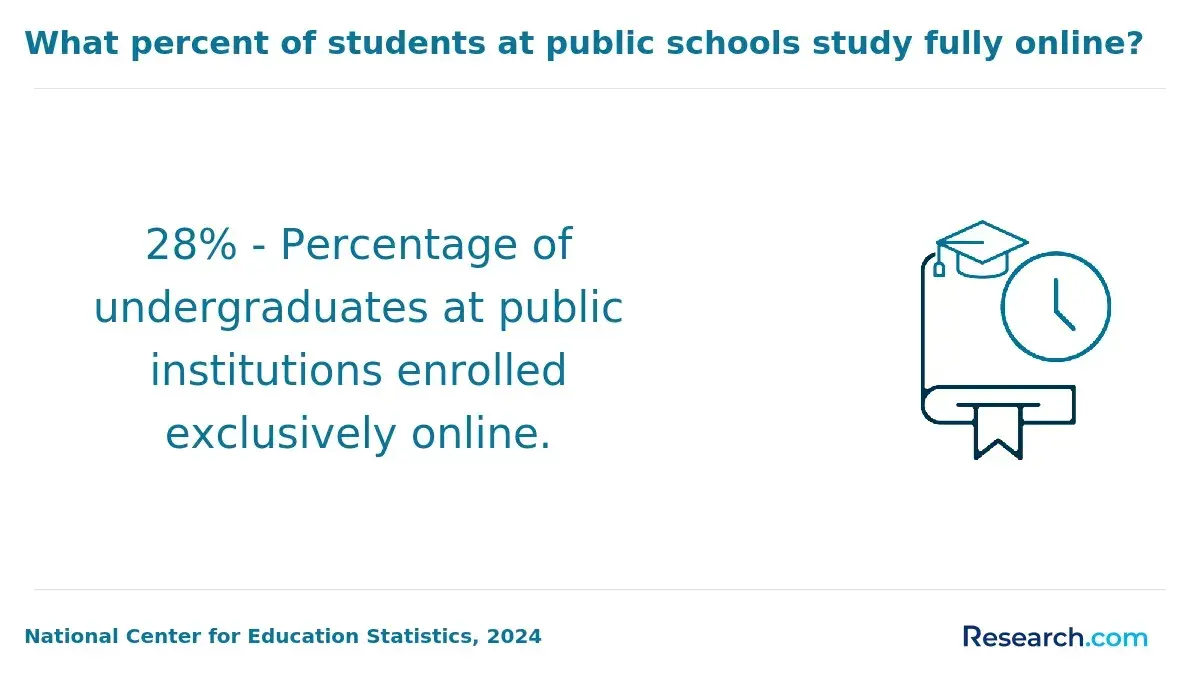
Recent data from the National Center for Education Statistics indicates modest growth in digital media enrollment, driven primarily by expanding online programs and rising interest in creative technology careers. This growth is uneven across credential levels: while bachelor's degree enrollment holds steady in a competitive environment, short-term certificates and associate degrees are increasing more rapidly. These shifts reflect practical student demand for credentials that align with immediate job market needs, especially as many employers prioritize hands-on experience and technical certifications over formal degrees alone. However, increased graduate volume risks intensifying competition in metropolitan areas saturated with candidates, particularly for entry-level roles where practical skills and portfolios often outweigh credentials.
Enrollment patterns also reveal growing diversity among students, with higher participation from women and minority groups narrowing historic gaps in digital media fields. Despite broader access, employer demand remains mismatched within certain subfields such as UX design and interactive media development, where specialized skills are scarce and graduates remain in short supply. This disparity warns against oversimplifying supply-demand dynamics based on national enrollment totals, as local markets vary significantly and oversupply concerns may not extend to highly technical niches. Prospective students should weigh program flexibility and credential type against regional job opportunities and sector-specific demands rather than assume rising enrollment guarantees reduced employability.
A current digital media student shared that their program's cohort size has noticeably expanded over the past two years, largely due to new online sections attracting adult learners balancing work and study. While the student appreciates the access, they question if this increase foreshadows tougher competition after graduation or signals a broader industry growth absorbing these additional graduates. They note some classmates focus on short-term certificates to enter the workforce faster, while others, including themselves, pursue bachelor's pathways hoping for longer-term career stability. This mix reflects ongoing uncertainty about whether enrollment growth reflects opportunity or crowding in an evolving labor market.
How Many Digital Media Graduates Enter the Workforce Each Year?
Annual graduate counts alone do not provide a complete picture of workforce alignment in digital media fields, as data from the National Center for Education Statistics and IPEDS show approximately 35,000 to 40,000 digital media graduates each year spanning associate's and bachelor's degrees. However, this total masks variations in program focus, degree level, and the timing of labor market entry, since many graduates delay joining digital media occupations or pursue related fields. For instance, regional demand fluctuations mean that metropolitan areas with dense concentrations of talent may experience stiffer competition despite steady or growing job openings elsewhere, underscoring the need to evaluate graduate supply alongside localized employer needs and replacement hire rates.
Roughly 60% to 70% of graduates secure employment in digital media or closely related sectors within the first year, but this percentage reflects ongoing shifts in employer expectations, which increasingly prioritize technical proficiency, portfolio strength, and creative adaptability over credentials alone. Consequently, graduates lacking alignment with practical skill demands may struggle to convert educational attainment into employment, complicating simplistic supply-demand assumptions. This dynamic suggests that higher education's role is not just producing volume but ensuring that curricula and experiential opportunities resonate with evolving industry standards and geographic labor market realities to facilitate meaningful workforce absorption.
Does Job Growth Support the Rising Supply of Digital Media Graduates?
Although job growth in fields tied to digital media is projected to be moderately strong, this increase does not fully match the rising supply of graduates. For example, U.S. labor data indicates that while occupations like multimedia artists and digital marketing specialists may grow between 8% and 12% over the next decade, the number of digital media graduates outpaces the number of actual job openings, especially in urban hubs where many programs are concentrated. This mismatch means entry-level roles often require more than just a degree; practical experience, specialized portfolios, and hybrid skills such as coding or business analytics become essential for securing employment, adding barriers for recent graduates.
Regional demand for digital media professionals varies significantly, with some states facing shortages while others experience heightened competition due to saturation. Emerging roles in UX/UI design and digital marketing typically show better absorption rates than generalist digital media positions. Moreover, replacement demand from retirements provides additional openings but is insufficient to balance the surplus of new graduates, pushing many to accept underemployment or unrelated jobs. Students and professionals should therefore carefully evaluate market signals and invest in complementary skills to improve long-term employability in this volatile landscape.
Addressing this imbalance requires informed choices, such as considering the cost-efficiency of education paths. Prospective students interested in advanced credentials might explore options like the cheapest online masters in related fields to gain versatile expertise without excessive debt. Understanding nuanced trends rather than relying solely on headline growth rates is critical to making strategic decisions aligned with labor market realities affecting digital media graduate job growth trends.
How Competitive is the Entry-Level Market for Digital Media Graduates?
The entry-level market for digital media graduates in 2024 illustrates a complex interplay of supply exceeding demand, uneven job growth, and shifting employer expectations. Despite a modest increase in job postings, the influx of recent graduates often outpaces available roles, leading to highly competitive conditions. Employers prioritize practical experience over formal degrees, favoring candidates with portfolios or relevant internships, which raises the bar for new entrants. Variability across geographic regions and overlapping applicant pools from related creative and technical fields further complicate hiring dynamics. The following factors critically influence how competitive entry-level hiring is.
- Applicant Volume: The number of candidates frequently surpasses jobs by 5:1 or more, intensifying competition and requiring graduates to differentiate beyond academic credentials.
- Experience Expectations: Many employers mandate internships, freelance work, or project portfolios, meaning those lacking applied skills face significant barriers despite holding degrees.
- Industry Demand Variability: Demand is often concentrated in multimedia-heavy sectors and urban hubs, causing uneven opportunities and prompting some graduates to consider relocation or niche specializations.
- Skill Diversification: Employers seek adaptability across multiple digital tools and platforms, so graduates with narrow focuses may find limited openings compared to versatile candidates.
- Geographic Clustering: Most entry-level roles concentrate in tech-centric cities, increasing competition in these regions while limiting prospects elsewhere.
- Cross-Discipline Competition: Overlapping applicant pools with related fields like graphic design or communications expand competition but also suggest transferable skill advantages for some.
- Portfolio Significance: A demonstrable body of work frequently outweighs purely academic achievements, with candidates showcasing client or freelance projects gaining an edge.
A recent digital media graduate described entering a crowded applicant pool primarily in a major metro area, where nearly every posting required internship experience she had limited access to. Despite a robust portfolio, repeated interview rejections led her to broaden her search to smaller markets and alternative creative roles. Persistence and targeted specialization ultimately yielded a position slightly outside her original focus, illustrating how flexibility and experience often shape early career outcomes amid high competition.
Which Industries Have the Greatest Demand for Digital Media Graduates?
Employer demand for digital media graduates is notably concentrated in industries where content creation directly supports consumer engagement, product development, and communication strategies. This concentration results from sectors facing rapid digital transformation and cultural shifts favoring multimedia storytelling, analytics, and interactive media. Graduates evaluating their career options should weigh not only job volume but also competition intensity, skill specificity, and regional hiring trends when comparing industries. For example, while technology offers a large number of roles, advertising agencies might provide faster entry through specialized social media or data analytics work, albeit with heightened competition. Below are the top hiring sectors illustrating these dynamics.
- Technology Sector: Sustained growth in digital marketing platforms, UX/UI design, and multimedia development fuels robust demand. Employers prioritize technical proficiency, adaptability, and portfolio diversity for roles ranging from entry-level content specialists to senior product designers.
- Advertising and Marketing: Agencies seek graduates skilled in social media strategy, content analytics, and creative production, balancing creativity with data fluency. This sector favors candidates who can quickly integrate cross-platform campaigns and demonstrate measurable audience impact.
- Entertainment Industry: Gaming, film, and streaming companies require animation, interactive media, and digital storytelling abilities. Demand hinges on immersive content expertise, with advanced roles often requiring collaboration with software developers and marketing teams.
- Healthcare: Growing use of telemedicine and patient education initiatives demand digital content creators familiar with compliance, accessibility standards, and health communication strategies. Although smaller in volume, this sector offers specialized, rapidly expanding opportunities.
- Education and E-Learning: The digital shift in learning drives hiring for instructional design and multimedia production aimed at enhancing virtual engagement. Candidates with interactive design skills and experience in LMS platforms have competitive advantages here.
- Government and Nonprofit: These organizations value digital media professionals for public information campaigns and cultural programming, emphasizing clear communication over commercial imperatives. Job openings are fewer but stable and may favor graduates with civic engagement credentials.
Overall, employers most consistently seek digital media graduates in technology, advertising/marketing, and entertainment, with healthcare and education sectors showing meaningful growth. Those assessing digital media graduate demand by industry US market trends should integrate their geographic mobility and skill specialization with sector-specific requirements and competitive landscapes to optimize career outcomes. For students considering broader academic or career pivots, reviewing related pathways such as top MBA programs that don t require GMAT or GRE may also provide strategic options beyond traditional digital media roles.
Where are Digital Media Graduates Most in Demand?
National data on digital media graduate demand often masks sharp local variations driven by industry clusters, employer concentration, and regional workforce pipelines. Graduates in states with dense creative and technology sectors-such as California or New York-face intense job openings but also stiff competition amplified by high graduate output and a costly living environment. For example, a recent graduate in Los Angeles may find more positions in multimedia production and digital marketing but must navigate a saturated candidate pool and elevated relocation expenses compared to smaller metropolitan areas. Conversely, graduates in less tech-centric regions might encounter fewer openings, leading to underemployment unless they diversify skills or consider relocation.
The practical value of pursuing opportunities in top-tier digital media hubs depends heavily on specialization fit, employer expectations, and remote work flexibility. While places like Seattle or Austin report strong demand for UX/UI designers and digital content specialists, the competition remains influenced by local education pipelines that continuously feed talent into these markets. Remote work can partially mitigate geographic constraints, but employers often prioritize candidates with hands-on experience in emerging tools and regional creative cultures. Consequently, students weighing location decisions must balance raw job count with cost of living, applicant density, and the specific niche they aim to occupy where market shortages persist rather than chasing volume alone.
Understanding where digital media supply outstrips demand requires appreciating the nuanced dynamics of metropolitan versus less urbanized labor markets. Labor-market insight from 2024 U.S. Bureau of Labor Statistics data confirms that while certain urban centers show persistent talent deficits, smaller states and rural areas tend to saturate quickly, pressuring wages and career advancement. For candidates and workforce planners alike, strategic mobility and portfolio relevance remain decisive factors in matching digital media graduate outputs to employer needs, highlighting the importance of informed career positioning over simplistic geographic assumptions.
Which Digital Media Specializations and Degree Levels Face the Strongest Demand?
Employer demand for digital media skills is concentrated rather than evenly spread across the field, with specific specializations and degree levels proving more valuable in the current market. Data from LinkedIn Workforce Insights and Lightcast reveals that roles in user experience design, digital marketing analytics, and front-end web development show notably stronger hiring activity. By contrast, graduates focusing on animation or game design often face saturated job markets where advanced degrees or extensive portfolios are crucial to stand out. For example, a bachelor's graduate specializing in front-end web development may find multiple entry-level opportunities due to high employer demand, whereas a peer with an animation-related degree might confront tougher competition and limited openings, often requiring graduate credentials to access senior roles.
The U.S. Bureau of Labor Statistics highlights above-average growth for graphic designers with digital skills and front-end developers, while vacancies in virtual reality, augmented reality, and digital media security persist due to workforce shortages. These niches value practical skills and experience alongside formal education, especially at the graduate level. Many employers also prioritize candidates with professional certifications in digital strategy and analytics for senior and strategic roles, reflecting evolving industry expectations.
Below are the digital media specializations and degree levels facing the strongest demand currently:
- User Experience Design: Strong focus on usability, research, and interface design drives demand in tech and product companies. Bachelor's and master's degrees paired with portfolios demonstrating practical work increase hireability in these roles.
- Digital Marketing Analytics: Employers seek candidates skilled in data analysis and digital campaign strategy. Advanced degrees or certifications enhance prospects, especially for strategic positions across diverse industries.
- Front-End Web Development: High need for developers proficient in HTML, CSS, and JavaScript. Entry-level bachelor's graduates with coding skills have significant hiring opportunities in agencies and corporations.
- Virtual and Augmented Reality Creation: Specialized graduate programs contribute to filling shortages in this emerging field, where practical development expertise is paramount.
- Digital Media Security: Growing demand in cybersecurity-focused roles within media companies and agencies, favoring candidates with graduate education and industry credentials.
- Multimedia Production with Data Integration: Combines creative content skills with data analytics, primarily requiring bachelor's graduates able to manage cross-functional workflows in marketing and media firms.
Are Employer Skill Gaps Affecting Demand for Digital Media Graduates?
The challenge in the digital media employer skill shortages in the US is not simply a lack of graduates but a deficit of candidates who meet evolving technical and professional demands. Employers increasingly prioritize digital proficiency, applied project experience, and specialized skills over general credentials. For example, a hiring manager seeking a candidate with expertise in motion graphics and data visualization may find numerous graduates but few who possess directly relevant experience or software fluency, leaving roles open despite ample applicant pools. Misinterpreting this gap as an oversupply risks overlooking strategic investments in internships, certifications, and portfolio development that can bridge these divides.
Regional skill gaps impacting digital media graduate employment also complicate the narrative on supply and demand. Employers in certain areas struggle to find candidates versed in emerging areas like AR/VR or UX design, while graduates in other regions may compete intensely for more traditional entry-level roles. This mismatch inflates hiring competition in some markets, even as vacancies remain in others. Graduates and current professionals should carefully evaluate curricula and seek targeted experiential learning opportunities, such as internships and projects, to enhance alignment with localized employer requirements. For guidance on cost-effective pathways in adjacent technical fields, exploring options like an environmental engineering degree may offer complementary career flexibility amid shifting digital labor demands.
What is the Future Supply-and-Demand Outlook for Digital Media Graduates?
Targeted job searches consistently yield better outcomes than broad, high-volume applications because they focus effort on positions where graduates' skills and qualifications closely align with employer expectations. For a typical digital media graduate, identifying entry-level roles such as multimedia artist assistant or junior digital content producer in regions with stronger regional employer demand for digital media professionals improves the chances of securing interviews. Tailoring resumes to use industry-specific terminology and demonstrating relevant competencies through portfolios or project experience also addresses employer concerns about skill mismatches, which remain a critical barrier despite growing graduate supply.
Allocating time and resources to job openings with clear, achievable criteria-and being selective about industries and locations-prevents the common pitfall of diluting effort across incompatible roles. Employers often prefer candidates who can provide evidence of practical software proficiency and updated skills over generalized degrees, making strategic market research and timely application submission vital. Graduates neglecting these factors risk prolonged job searches and increased competition, especially given moderately expanding demand and the rising graduate population in this field. Resources like program outcomes data, or pursuing advanced credentials such as a doctorate in data analytics online, can further differentiate candidates in niche, high-growth segments like augmented and virtual reality content development.
References
- Finding Jobs in Digital Marketing: Entry-Level Guide https://digitalworkshopcenter.com/dwc-certificate-programs/finding-jobs-in-digital-marketing-entry-level-guide/
- Trending Now: Creator Economy College Programs Are Growing https://www.graydi.us/blog/graydata/trending-now-creator-economy-college-programs-are-growing
- Online Bachelor’s in Digital Media Programs (Digital Media Major) https://www.mastersincommunications.com/related-degrees/bachelors-in-digital-media
- What Is Digital Media and How Can It Help My Career? | UNF https://www.unfc.ca/blog/what-is-digital-media
- 2026 Digital Marketing Trends for Higher Education https://encoura.org/action-plan/digital-marketing-trends-for-higher-education-full/
- Challenges and Opportunities https://cwc-coc.ca/education-training-mentoring/digital-media/challenges-and-opportunities
- Digital Media Studying | Elmhurst University https://www.elmhurst.edu/blog/studying-digital-media/
- Demand for Digital Marketers is out of Balance with Supply - Boot Camp Digital https://bootcampdigital.com/blog/demand-for-digital-marketers-is-out-of-balance-with-supply/
- The Problem in Hiring Skilled Marketers https://blog.goenvy.io/the-problem-in-hiring-skilled-marketers
- Why Digital Marketing Will Dominate the Job Market in the Future https://euphoriagenx.com/why-digital-marketing-will-dominate-the-job-market-in-the-upcoming-future/
Other Things You Should Know About Digital Media
Employers often prioritize demonstrable skills and a relevant portfolio over the mere possession of a degree in digital media. However, a formal degree provides structured learning, access to industry tools, and critical feedback cycles that are harder to replicate independently. Students should balance their time carefully to build a robust portfolio alongside completing degree requirements, as employers typically expect both proof of creativity and foundational technical understanding at entry level.
Programs focusing too narrowly-such as solely on animation or content strategy-may limit graduates' adaptability in a fast-evolving job market where employers value broad skill sets encompassing multiple media formats. While specialization can signal expertise, it often reduces employability if market demand shifts. When selecting a program, prioritize curricula that offer a balanced mix of creative, technical, and strategic competencies to maintain flexibility for changing industry needs.
Programs with heavy project-based workloads tend to mirror real-world pressures, cultivating resilience and time management crucial for employability in competitive digital media roles. However, excessive workload without adequate institutional support can lead to burnout, reducing skill retention and professional preparedness. Candidates should prefer courses that challenge them while fostering sustainable work habits and critical collaboration skills, as these translate directly into better on-the-job performance and longer-term career success.
While strong academic reputation ensures rigorous theoretical foundations, programs with active industry partnerships provide valuable networking, internships, and exposure to current workflows that enhance job readiness. For those aiming to enter competitive job markets quickly, prioritizing schools with established employer connections often yields practical benefits like mentorship and job placements. Ideally, look for a program combining solid academic grounding with real-world engagement to maximize employability and career growth.