2027 Digital Media Admissions Trends Report: Acceptance Rates, GPA Expectations, and Test Policy Changes

Co-Founder and Chief Data Scientist
Shifts in acceptance rates, GPA thresholds, and testing policies within digital media programs reflect deeper responses to evolving industry demands and educational capacity constraints. As the digital media workforce expands toward roles emphasizing interdisciplinary skills and technological fluency, institutions must balance enrollment growth with available faculty expertise and specialized resources. Accreditation bodies increasingly require evidence of rigorous prerequisite knowledge, pushing programs to recalibrate admissions criteria. Changes in applicant behavior, such as rising numbers of nontraditional students and transfer candidates, further influence these standards. Notably, the varied age distribution of digital media enrollees signals shifting pathways into the profession, suggesting evolving workforce entry patterns and educational accessibility challenges.
Key Things to Know About Digital Media Admissions Trends
- Acceptance rates for digital media programs have tightened to an average of 28% in 2024, reflecting more competitive applicant pools that require stronger portfolios beyond GPAs alone, affecting admission strategies.
- Programs increasingly expect a minimum GPA near 3.3, signaling employer preference for candidates who demonstrate consistent academic rigor, which influences long-term career preparedness and differentiation.
- Test-optional policies are expanding but may shift application emphasis toward project work and practical skill assessments, a tradeoff that can extend admissions timelines yet improves access for nontraditional applicants.
- Key Things to Know About Digital Media Admissions Trends Key Things to Know About Digital Media Admissions Trends
- What Are the Current Acceptance Rates for Digital Media Degree Programs? Current Acceptance Rates
- What Is the Average GPA of Accepted Digital Media Students? GPA Requirement
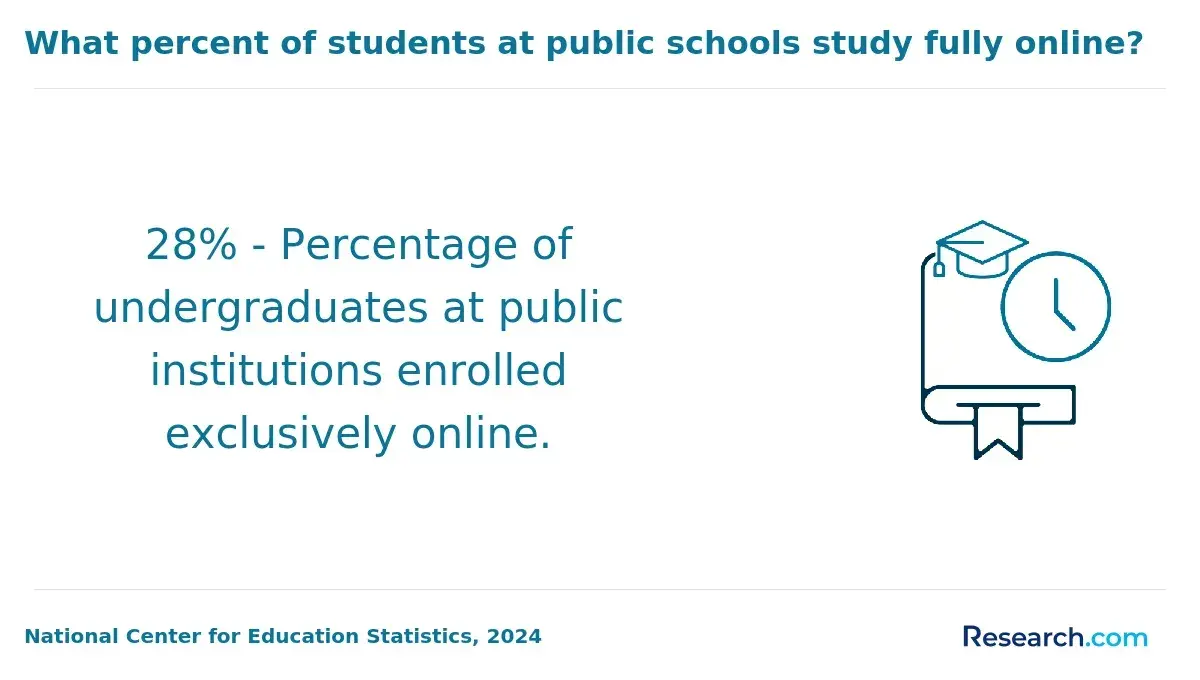
- Are SAT or ACT Scores Still Required for Digital Media Degree Programs? SAT/ACT Requirement
- How Many Digital Media Programs Have Adopted Test-Optional Admissions Policies? Test-Optional Programs
- What Non-Academic Factors Do Digital Media Admissions Committees Consider? What Non-Academic Factors Do Digital Media Admissions Committees Consider?
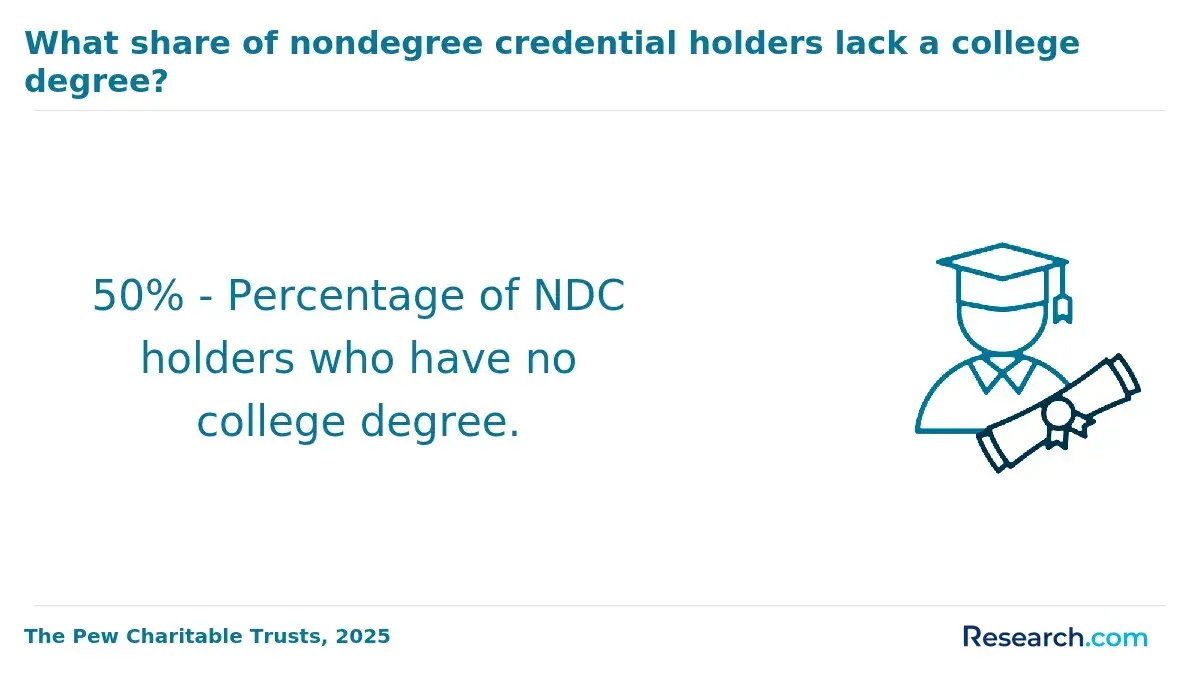
- Which Types of Schools Are the Most Selective for Digital Media Applicants? Which Types of Schools Are the Most Selective for Digital Media Applicants?
- How Do Admissions Standards Differ Across States and Regions? Admission Standards by State
- How Do Admissions Requirements Compare Between Online and Campus Programs? Online vs On-Campus Admissions
- Is There a Relationship Between Admissions Standards and Student Success? Admission Standards & Student Success
- How Can Students Strengthen a Digital Media Program Application? Program Application Preparation
What Are the Current Acceptance Rates for Digital Media Degree Programs?
Recent evaluations of digital media degree program acceptance rates, drawing from 2024 data sources such as the U.S. Department of Education's College Scorecard, reveal a spectrum of selectivity influenced by institution type and regional context. Public universities typically show acceptance rates ranging from 40% to 70%, reflecting broad access but with notable variation by geographic area. In contrast, more prestigious private institutions focusing on specialized tracks like game design or UX/UI development often report acceptance rates between 25% and 35%, underscoring higher competition for limited enrollment slots. These figures highlight significant regional differences in digital media degree program acceptance rates by region, shaped by supply-demand dynamics and institutional capacity constraints.
Differences in selectivity frequently stem from institutional prestige, program demand, and whether offerings are delivered online or on campus. Public institutions tend to maintain larger enrollment quotas, moderating admissions selectivity, while private schools emphasize portfolio quality and technical skills, increasing competition. Online programs may vary widely depending on their scale and reputation, influencing average acceptance rates for digital media majors in those modalities. These nuances underscore that acceptance rates are not merely numeric thresholds but indicators of how schools balance applicant volume, regional demand, and resource availability to maintain program quality and outcomes.
Applicants should interpret acceptance rates as components of broader competitiveness and employability metrics, rather than sole admission hurdles. Higher selectivity often signals rigorous expectations for creative portfolios and GPA benchmarks typically between 3.0 and 3.7, although some elite programs may require higher. Those weighing options might also explore complementary pathways, such as an accelerated social work degree, to diversify skills or align with evolving career goals. Ultimately, navigating acceptance rates alongside program rigor, instructional quality, and graduate success provides clearer guidance for making informed choices in the evolving digital media educational landscape.
What Is the Average GPA of Accepted Digital Media Students?
The average GPA for admitted digital media students typically falls between 3.3 and 3.7 on a 4.0 scale, according to recent institutional admissions profiles and education databases from 2024 and later. This moderate range reflects the field's balance of creative and academic competencies rather than purely quantitative metrics. State universities with sizable digital media programs tend to admit students near the lower end of this scale, around 3.4 to 3.5, while highly selective private institutions often report averages exceeding 3.7. These figures provide a more nuanced understanding of typical GPA requirements for digital media programs beyond superficial cutoff numbers.
Key factors shaping these GPA expectations include the selectivity of the institution, demand for program slots, and grading variation across schools and regions. Public universities typically have wider acceptance ranges, reflecting broader access missions, whereas private and arts-focused colleges maintain more stringent GPA benchmarks tied to competitive admissions. Variations also arise between traditional campus-based programs and growing online offerings, where GPA plays a different role relative to portfolio strength and practical experience. These dynamics demonstrate how GPA functions as one admissions signal among many, contextualized by each program's unique priorities.
Because GPA standards are intertwined with program competitiveness and applicant behavior, they influence how students prepare academic records and assemble portfolios for admission. Emphasizing a GPA above 3.3 aligns with prevailing benchmarks, yet applicants are also incentivized to showcase applied skills and creative work to differentiate themselves effectively. Prospective students weighing admission chances should understand that GPA is a piece of a complex evaluation puzzle, shaping but not wholly determining access to digital media degrees or indicators of future employability within this evolving field. For those interested in complementary fields or alternative pathways, resources such as masters in psychology online offer additional insights into academic preparation strategies across disciplines.
Are SAT or ACT Scores Still Required for Digital Media Degree Programs?
As of early 2024, the majority of digital media degree programs across public and private institutions have moved away from requiring SAT or ACT scores for admissions. This shift, documented in recent College Board and NCES reports, reflects broader adoption of test-optional or test-blind policies, especially among state universities with competitive digital media curricula. Admissions decisions now tend to weigh creative portfolios, GPA trends, recommendation letters, and demonstrated proficiency in relevant software more heavily than standardized test results. Despite this trend, certain programs-often those with scholarship incentives or traditional admission frameworks-still maintain score submission requirements, underscoring the uneven nature of standardized testing's role in this field.
Drivers behind these testing policy changes include growing concerns over equity and the limited ability of SAT/ACT scores to predict success in interdisciplinary, skills-driven domains like digital media. Institutions are recalibrating their evaluation processes to prioritize holistic review, reflecting employer preferences for practical experience, adaptability, and creative problem-solving. The variability between public and private schools remains notable: while public universities lean toward test-optional models to broaden access, some private and highly selective programs continue to use standardized tests as part of a composite ranking strategy or to meet legacy expectations. Transfer applicants face similar test leniency, with post-secondary academic records gaining prominence over exam scores.
A student navigating the application process for a digital media bachelor's program shared that despite initially preparing for the ACT with hopes of strengthening their candidacy, they chose not to submit scores after learning the school's test-optional policy late in the admissions cycle. This decision came amid uncertainty about rolling admissions deadlines and scholarship considerations, creating hesitation about whether to invest additional time in testing. Ultimately, the applicant focused on refining their digital portfolio and securing strong recommendation letters, reflecting an adaptive approach many others increasingly adopt in this evolving admissions landscape.
How Many Digital Media Programs Have Adopted Test-Optional Admissions Policies?
Recent figures from FairTest and NCES indicate that roughly 65% to 70% of institutions offering digital media degrees have implemented test-optional admissions policies as of 2024. This marks a notable acceleration compared to earlier phases of testing reform, situating digital media programs among the more progressive fields in reevaluating the predictive value of standardized exam scores. These policies reflect data compiled by the College Board and others highlighting a shift away from threshold test scores toward holistic applicant assessment, aligning well with the creative and technical skillsets emphasized in digital media curricula.
Several factors drive this widespread adoption, chief among them equity considerations amplified by pandemic disruptions to standardized testing access. Universities-both public and private-have responded to calls for greater inclusivity by reducing reliance on exam results, which traditionally disadvantage underrepresented and nontraditional student populations. Competitive pressures to broaden applicant pools and adapt to evolving student expectations also contribute, as admissions offices increasingly weigh GPA, portfolios, and extracurricular achievements over standardized scores. This recalibration of evaluation criteria signals a strategic pivot to measure potential through more diverse and context-sensitive factors.
Widespread test-optional policies influence how applicants and advisors approach the admissions process, with many students now prioritizing demonstrable skills and project-based evidence in lieu of standardized performance. The resulting increase in application volume for some programs may challenge selectivity metrics, prompting institutions to refine holistic review practices. For transfer applicants and families, understanding these shifts is critical for tailoring application strategies that balance academic credentials with qualitative submissions, potentially reshaping enrollment patterns and long-term access within digital media education.
What Non-Academic Factors Do Digital Media Admissions Committees Consider?
Admissions committees for digital media programs increasingly apply holistic review processes that integrate both academic achievements and non-academic factors to assess a candidate's overall potential. This approach goes beyond GPA and test scores to examine how applicants demonstrate creativity, technical proficiency, and interpersonal skills critical to success in a collaborative and fast-evolving field. Such evaluations aim to identify students likely to thrive within the curricular and industry contexts shaped by real-world challenges and innovation demands.
- Portfolio Quality and Work Samples: Portfolios are often the most substantive non-academic criterion, reflecting applicants' technical skills and creative vision. Committees analyze originality, problem-solving ability, and proficiency with current digital tools as indicators of a candidate's readiness and adaptability, recognizing that these factors often outweigh standardized metrics in predicting future achievement.
- Letters of Recommendation: These provide contextual insight into an applicant's motivation, work ethic, and collaboration skills. Admissions panels value recommendations that spotlight interpersonal strengths, commitment, and the ability to function effectively in project-based settings, balancing personal traits with measurable academic indicators.
- Personal Statements and Essays: Beyond narrative style, these writings reveal applicant enthusiasm, clarity of purpose, and alignment with program ethos. Programs increasingly weigh demonstrated passion and fit as critical complements to academic records, indicating candidates' potential contribution to the cohort's dynamic.
- Extracurricular Activities and Internships: Engagement in relevant outside-the-classroom experiences signals industry awareness and practical commitment, which are essentials for employability. A growing share of programs acknowledge the importance of such activities as part of non-academic evaluation criteria for digital media admissions, linking them closely to applicants' contextual understanding and readiness.
- Work Experience in Related Fields: Prior work engagements provide candidates with applied skills and industry perspectives valued by both educators and employers. Committees consider how such experience integrates with academic performance to reveal well-roundedness and practical problem-solving capabilities.
- Communication and Teamwork Skills: Given the collaborative nature of digital media projects, admissions panels assess evidence of effective communication and cooperative work style, often inferring these qualities from multiple documents and recommendations rather than isolated test scores.
Data from the National Center for Education Statistics reveals that over 60% of digital media programs prioritize portfolio quality or work samples as an essential admissions factor. Furthermore, nearly half of admitted students report internships or related job experiences prior to acceptance, underlining how extracurricular involvement and practical exposure influence selection. This analysis reflects a purposeful shift toward evaluating digital media applicants through multifaceted lenses, recognizing that employability and progression depend heavily on the interplay of academic and non-academic attributes.
For students considering pathways into digital media or related fields, understanding how these diverse factors integrate provides strategic clarity. Academic advisors and transfer applicants should note that admissions evaluation increasingly privileges demonstrated applied skills and contextual experiences alongside traditional credentials. Those interested in cross-disciplinary options may also explore how digital media program choices align with other educational tracks such as an online sports management degree, which similarly balances academic qualifications with holistic candidate assessment.
Which Types of Schools Are the Most Selective for Digital Media Applicants?
Admissions selectivity for digital media programs varies significantly based on institutional type, reflecting differences in reputation, demand, program capacity, and funding models. The most competitive schools typically balance limited enrollment spots against high applicant volume drawn by specialized curricula and career-relevant opportunities. Understanding these nuances clarifies why certain institutions maintain more rigorous entry standards, while others emphasize broader access with more accommodating criteria.
- Private Specialized Institutions: These schools often exhibit the lowest acceptance rates, frequently below 20%, due to focused program offerings and their role as industry gateways. The combination of high applicant volume and limited enrollment capacity creates intense competition. Admissions assessors emphasize both academic achievement-typically GPAs above 3.7 weighted-and rigorous portfolio or technical skill evaluations, reflecting the premium placed on applicant creativity and practical aptitude.
- Public Flagship Universities: Flagship campuses typically maintain moderate selectivity with acceptance rates commonly ranging between 30% and 50% for digital media-related degrees. These programs attract sizable applicant pools driven by strong regional reputations and better funding, yet tend to offer larger cohort sizes than private counterparts. GPA expectations usually hover near 3.5, balancing accessibility with maintaining academic quality.
- Community and Regional Colleges: Characterized by higher acceptance rates often above 60%, these institutions prioritize accessibility and local workforce development over exclusivity. Their enrollment capacity is generally ample, accommodating broader applicant diversity and more flexible GPA standards. However, this openness can correlate with fewer specialized resources, industry connections, or intensive portfolio requirements compared to more selective schools.
National Center for Education Statistics data from 2024 underscores these dynamics, showing how institutional selectivity shapes candidate experiences across the higher education spectrum. For digital media aspirants, recognizing that admissions difficulty intertwines with program scale, funding, and industry positioning aids in making realistic, strategically informed education choices aligned with career objectives.
How Do Admissions Standards Differ Across States and Regions?
Admissions standards for digital media degree programs vary significantly across U.S. states and regions, shaped by 2024 data from sources like the National Center for Education Statistics and state university systems. Programs in states with dense populations and thriving tech sectors often demand higher GPAs, frequently above 3.3, reflecting intense applicant competition and selective admissions frameworks. Conversely, in less concentrated regions with smaller creative economies, average GPA thresholds tend to be lower, around 2.8 to 3.2, with some programs maintaining test requirements while others adopt test-optional policies. This uneven landscape illustrates how institutional priorities and applicant volume influence the rigor and structure of admissions across different higher education systems.
The divergence in admissions criteria is rooted deeply in regional workforce needs, public funding levels, and institutional capacity. Urban environments with dynamic digital economies frequently see universities leveraging selectivity to align talent pipelines strictly with employer expectations, while rural or lower-population states may prioritize accessibility and enrollment stabilization given limited funding or workforce demand. Growth rates in regional populations and local labor market demands for digital skills also shape admissions policies-schools in high-demand areas often use portfolios and practical experience assessments to supplement standard metrics, emphasizing varied skill sets over rigid testing. Ultimately, these factors create a patchwork of admissions models that reflect broader educational policy differences and differentiated pathways to entering the digital media field.
A graduate recalled navigating admissions amid uncertainty when applying to programs in two distinct regions. Having completed a portfolio, the applicant hesitated to submit early to a rigorous West Coast school, fearing the competitive GPA cutoffs, yet risked missing rolling deadlines. Meanwhile, the candidate monitored more flexible admissions in a Midwestern institution that accepted applications through spring but required standardized test results, offering less predictability. This experience highlighted how timing, regional selectivity, and differing evaluation measures can complicate strategic application decisions, underscoring the importance of understanding localized admissions landscapes in digital media education.
How Do Admissions Requirements Compare Between Online and Campus Programs?
Admissions requirements for online and campus digital media programs reflect distinct priorities shaped by delivery modality and student demographics, as recent 2024 data from institutional disclosures and education reports confirm. Campus programs typically uphold higher GPA expectations, often between 3.0 and 3.5, and maintain stricter standardized test policies reflecting their competitive in-person environments. Conversely, many online digital media degrees adopt test-optional or test-waiver policies, reinforcing accessibility for non-traditional students who balance work and family commitments. Acceptance rates illustrate these differences, with online programs admitting roughly 60-75% of applicants compared to 40-60% for campus programs, directly linked to the divergence in selectivity and enrollment capacity, according to aggregate admissions data.
The underlying drivers of these differences include institutional objectives to broaden access through more flexible admissions pathways in online programs, which often emphasize portfolio quality and relevant work experience over traditional academic metrics. Campus-based offerings tend to target students who meet conventional academic thresholds and benefit from more intensive academic support models due to lower scalability. These factors interplay with demand and resource allocation: campus programs navigate physical space constraints and program prestige pressures, while online programs prioritize scalability and accommodate varied learner profiles, influencing ongoing shifts in gpa and test policies for online digital media degrees.
Such admissions distinctions affect applicant decision-making, enrollment trends, and employer perceptions. Prospective students must weigh how each program values academic preparation versus experiential credibility, as employers increasingly recognize practical skills alongside formal credentials. For those exploring program options, including transfer applicants and advisors, this landscape underscores the importance of aligning individual backgrounds with institutional criteria and delivery formats. Those interested in broader program affordability comparisons may consider examining information on an online degree in mechanical engineering as a contextual resource for flexibility and cost considerations.
Is There a Relationship Between Admissions Standards and Student Success?
Recent data from the National Center for Education Statistics (NCES) in 2024 highlight a nuanced impact of digital media admissions criteria on student outcomes. Programs enforcing higher GPA thresholds and comprehensive portfolio reviews generally report graduation rates near 72%, compared to about 62% in institutions with open admissions. However, this correlation between selectivity and academic achievement in digital media does not imply direct causation. Students admitted under stricter criteria often enter with stronger academic habits, but graduation and job placement also depend on institutional support, curriculum relevance, and practical experience.
The relationship between admissions standards and student success is complicated by factors such as varied student demographics, differences in academic support, and resource allocation across institutions. Some vocationally focused digital media programs maintain lower GPA cutoffs yet sustain strong employment outcomes, underscoring the importance of hands-on skills and industry connections beyond academic metrics. Additionally, test-optional policies-more widely adopted since 2023-have shown little effect on student performance or career readiness, questioning the predictive validity of standardized tests in this field. Institutional investment in retention efforts and program design can therefore be as consequential as admissions selectivity itself.
Given these complexities, prospective students should view admissions selectivity as one element among many influencing educational quality and long-term career prospects. The dynamic nature of digital media sectors means that creativity, adaptability, and practical skills often weigh more heavily in real-world success than initial academic thresholds. Candidates interested in navigating these variables might also consider exploring areas such as AI training jobs, which reflect evolving employer demands and highlight transferable competencies beyond conventional admissions metrics.
How Can Students Strengthen a Digital Media Program Application?
Successful digital media program applications rely on demonstrating more than baseline academic qualifications; they require a strategic combination of relevant coursework, experiential learning, and clear alignment with program goals. Admissions committees increasingly implement holistic evaluations, assessing readiness and cultural fit alongside academic metrics. Meeting minimum GPA or test score thresholds is often insufficient, particularly given the growing selectivity and evolving admissions policies as noted by the National Center for Education Statistics (2024). Applicants must distinguish themselves through nuanced evidence of technical skills, creative competency, and motivation that indicate long-term potential within the field.
- Portfolio Development: A thoughtfully curated portfolio showcasing diverse projects signals hands-on experience and creative problem-solving ability. Admissions reviewers value portfolios that include real-world assignments or internships, reflecting practical readiness beyond theoretical knowledge.
- Relevant Academic Preparation: Completion of coursework in computer science, communications, or art serves as a foundational indicator of technical aptitude and conceptual understanding. Strong grades in these areas often weigh heavily in competitive admissions processes.
- Documented Experiential Learning: Participation in internships, freelance work, or competitions provides verifiable examples of industry engagement. Committees interpret these experiences as evidence of persistence, adaptability, and networking capabilities.
- Technical Certifications and Software Proficiency: Certifications or demonstrable mastery of industry-standard tools act as concrete credentials substantiating claimed skills, reinforcing applicant credibility in selective environments.
- Reflective Application Narratives: Personal statements or interviews that contextualize growth trajectories and career objectives help differentiate applicants by demonstrating self-awareness and intentionality, qualities prized in holistic review frameworks.
References:
- Top 5 Take-Aways on Upcoming University Admissions Requirements https://www.berkshireassociates.com/blog/top-5-take-aways-on-upcoming-university-admissions-requirements
- Your Guide to Admissions at Highly Selective Colleges and Universities https://www.usm.org/about/blog/post/~board/blog/post/your-guide-to-admissions-at-highly-selective-colleges-and-universities
- MFA Film & TV Acceptance Rates https://www.filmschool.org/threads/mfa-film-tv-acceptance-rates.6621/
- Digital SAT & ACT FAQ: Your Guide to Scores, Prep & Format Changes | Trinity Scholar https://www.trinityscholar.com/sat-act-faq.html
- List of Colleges Dropping & Reinstating ACT/SAT Requirements https://progresslearning.com/news-blog/colleges-dropping-reinstating-act-sat-requirements/
- Frequently Asked Questions DRAFT https://thecdm.ca/frequently-asked-questions-draft
- Digital Media Strategy https://bridgewater.cleancatalog.io/graduate-programs/master-of-arts/digital-media-strategy
- Student Loans Company https://www.gov.uk/government/organisations/student-loans-company
- View of Test-Optional Policies: Impacts to Date and Recommendations for Equity in Admissions https://journals.flvc.org/jpss/article/view/135721/141718
- Digital Marketing for Schools: 7 Strategies That Drive Enrollment in 2026 https://rcstrat.com/research-and-insights/digital-marketing-for-schools-7-strategies-that-drive-enrollment-in-2026
Other Things You Should Know About Digital Media
While GPA remains a factor in admissions, digital media programs often prioritize creative portfolios and technical skills over high academic averages. A slightly lower GPA may be offset by demonstrated proficiency with relevant software or successful project work, reflecting the industry's value on applied expertise. Students should focus on building competency that aligns with hands-on learning and employer expectations rather than fixating solely on GPA, as this better predicts success in the field.
Test-optional admissions in digital media have increased uncertainty about academic preparedness, especially in technical problem-solving and critical thinking. Without standardized test scores, programs lean more heavily on coursework rigor and portfolios, which can vary widely in quality. This shift benefits creative applicants but may require admissions committees to develop more nuanced evaluation criteria, potentially increasing variability in student success rates and workload management once admitted.
Transfer applicants face the dual challenge of navigating changing admissions standards and articulating foundational skills acquired elsewhere. They should prioritize programs with clear articulation agreements and those that assess portfolios to validate experience over test scores. Transfer students benefit from selecting institutions that emphasize practical projects and collaborative work, as these better prepare them for the evolving demands of digital media careers.
Admissions shifts reflecting test-optional policies and holistic GPA consideration suggest programs may adjust admission toward candidates with diverse talents, blurring the lines between creative and technical demands. Applicants should anticipate a curriculum that equally stresses software proficiency and conceptual innovation, affecting workload and learning style. Prioritizing programs that clearly integrate both dimensions enhances employability by aligning education with industry's interdisciplinary expectations.