2027 Digital Media Degree Outlook Through 2030: Enrollment, Salary, and Hiring Projections

Co-Founder and Chief Data Scientist
Deciding whether to pursue or continue a digital media degree hinges on more than industry growth figures alone. While the U. S. Bureau of Labor Statistics projects a near 15% rise in demand for digital content creators through 2030, this growth masks uneven employer needs across regions and specialties. Enrollment at major programs has surged by over 20% since 2021, signaling rising competition among graduates.
Simultaneously, technological advances shift required skills, making certain credentials less relevant. Ignoring these nuances risks overestimating salary gains or job availability in saturated markets. This article examines enrollment trends, salary patterns, hiring forecasts, industry dynamics, geographic factors, and workforce shifts in digital media through 2030 to empower informed education and career choices.
Key Things to Know About the Digital Media Degree Outlook Through 2030
- Enrollment in digital media programs is rising 12% annually, reflecting growing interest but risking graduate oversupply in saturated urban markets, which may depress entry-level hiring and require niche specialization for competitive advantage.
- Employers increasingly seek candidates skilled in AI-augmented content creation, signaling a workforce shift where adaptability to automation tools directly influences job retention and advancement opportunities.
- Rising education costs and extended program durations pose access barriers, delaying workforce entry and disproportionately affecting underrepresented demographics, thus shaping future talent pipelines and industry diversity.
- Key Things to Know About the Digital Media Degree Outlook Through 2030 Key Things to Know About the Digital Media Degree Outlook Through 2030
- How is Digital Media Degree Enrollment Expected to Change Through 2030? Enrollment Trends Through 2030
- How Many Digital Media Graduates Will Enter the Workforce by 2030? Graduate Workforce Entry Projections
- What Are the Hiring Projections for Digital Media Graduates Through 2030? Hiring Projections Through 2030
- Which Digital Media Careers Will Experience the Most Job Growth? Fastest-Growing Career Paths
- What Is the Salary Outlook for Digital Media Graduates Through 2030? Salary Outlook Through 2030
- Which Industries Will Hire the Most Digital Media Graduates by 2030? Top Hiring Industries
- Where Will Demand for Digital Media Graduates Be Strongest? Strongest Geographic Demand
- Which Digital Media Specializations Will Be Most in Demand by 2030? Which Digital Media Specializations Will Be Most in Demand by 2030?
- How Will AI and Technology Affect Digital Media Careers Through 2030? How Will AI and Technology Affect Digital Media Careers Through 2030?
- Is a Digital Media Degree Worth Pursuing Based on 2030 Projections? Degree Value Through 2030
How is Digital Media Degree Enrollment Expected to Change Through 2030?
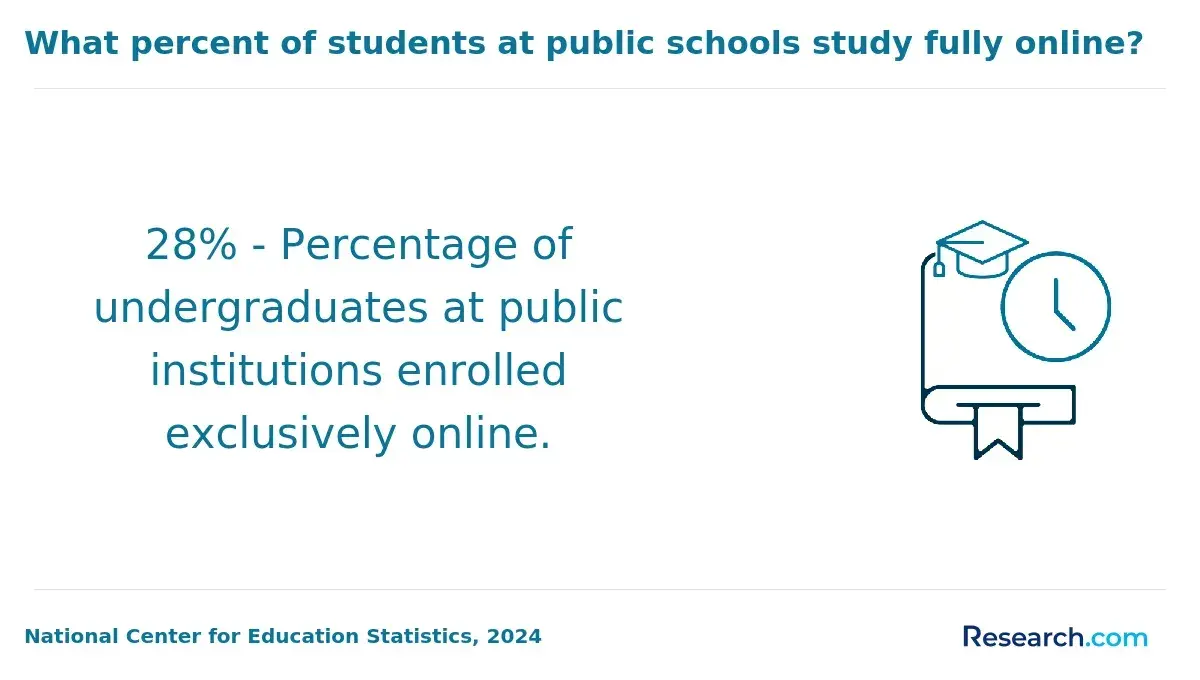
Enrollment trends for digital media degree programs through 2030 reflect a complex interplay between labor market demand and program adaptability rather than simple expansion. While a projected annual growth rate near 3% to 5% according to the National Center for Education Statistics suggests rising student interest, this increase is driven largely by digital content roles requiring specialized skills in multimedia tools and user experience design. In practice, institutions that fail to continuously update curricula risk declining relevance, which could compress enrollment in less agile programs even as overall discipline interest climbs. Prospective students must weigh program reputation and responsiveness alongside sheer availability, as larger class sizes and heightened admission competition in top-tier schools might limit access despite growing applicant pools.
The projected growth in digital media degree students through 2030 also signals shifting regional and demographic patterns affecting program participation and graduate supply. Urban and tech-centric areas typically experience stronger enrollment increases, aligning with employer clusters demanding hands-on technical expertise and creative agility. This concentration can produce both geographic hotspots for digital media careers and localized workforce saturation risks, intensifying the competition for internships and entry-level roles in these hubs. Conversely, hybrid and online formats expand accessibility, allowing institutions to manage capacity and diversify specialization offerings, but may also heighten disparities in graduate outcomes depending on program quality and market alignment. For those monitoring tuition pressures and institutional capacity, exploring options like the cheapest online DNP programs illustrates the growing demand across healthcare systems competing for similarly adaptable delivery models.
How Many Digital Media Graduates Will Enter the Workforce by 2030?
Graduate volume in digital media programs offers an incomplete picture of workforce availability because not all degree completers move directly into relevant roles. Enrollment growth rates and degree conferrals have steadily increased, driven by digital arts, interactive media, and related concentrations, yet many graduates pursue further education, switch fields, or delay labor market entry. Current data from the National Center for Education Statistics indicates a roughly 5% annual rise in completions since 2020, suggesting that by 2030, new entrants could approach 50,000 annually. However, this figure must be balanced against employer preferences emphasizing practical skills and experience, meaning the effective supply of candidates immediately competitive for core digital media positions may be narrower than raw graduation numbers imply.
Regional disparities and economic factors complicate this landscape further. High-tech hubs tend to attract a disproportionate share of talent, leading to localized oversupply risks and heightened competition, especially for those lacking supplemental competencies like software proficiency or cross-disciplinary expertise. Employment projections from the Bureau of Labor Statistics forecast job growth between 8% and 13% in occupations tied to digital media, outpacing average occupational expansion, but not every graduate will secure a job aligned with their training. Admission into the workforce also depends on navigating these market nuances, making early career strategies and skill diversification critical elements influencing whether graduates transition smoothly from classroom to job.
One recent graduate shared that, as the 2024 cohort entered a crowded market, the influx of peers with similar credentials intensified screening processes within recruitment pipelines. They described relying heavily on internships and project portfolios to stand out amid a growing pool of candidates. While hopeful about employment prospects near major tech centers, they expressed cautious optimism, acknowledging that rising graduate numbers meant adapting tactics, including considering freelance or contract roles initially rather than traditional full-time positions. This experience reflects broader realities faced by new digital media graduates aiming to translate increasing enrollment into viable workforce opportunities by 2030.
What Are the Hiring Projections for Digital Media Graduates Through 2030?
Employer demand for digital media graduates through 2030 appears moderate but uneven, reflecting varied growth across specializations and regions. While the U.S. Bureau of Labor Statistics projects an 8% to 12% increase in occupations connected to digital content creation and web development, this growth is not uniform; urban centers with concentrated tech and entertainment industries often present more opportunities than rural or less digitally integrated areas. Graduates focusing solely on traditional skills without incorporating coding, UX/UI design, or data analytics may find themselves at a disadvantage, particularly as employers increasingly favor versatile candidates capable of bridging creative and technical domains.
Hiring volumes are influenced both by sector expansion and turnover, with approximately 30,000 to 40,000 annual openings in roles like web development and digital design nationally, according to current workforce analyses. However, these figures mask competition intensity and the reality that employers often prioritize portfolios showcasing real-world projects and internships. For example, a graduate entering the field in a mid-sized regional market might face stiffer competition due to fewer openings and less industry diversity compared to someone targeting metropolitan hubs. Consequently, prospective students should weigh local demand, emerging technology alignment, and transferable skills when assessing the practical value of digital media credentials.
Which Digital Media Careers Will Experience the Most Job Growth?
The strongest job growth in digital media careers through 2030 centers on roles requiring a fusion of creative and technical expertise, with multimedia artists and animators leading the forecast at a 16% increase-significantly outpacing the average growth for all occupations. These positions benefit from expanding demand in sectors like entertainment and education, where interactive and immersive content drives user engagement. However, prospective students must weigh this high growth rate against the relatively specialized skill set and portfolio requirements employers expect, which can limit accessibility for those without relevant hands-on experience.
Among top high-demand digital media jobs and salary projections through 2030, digital marketing specialists represent a larger volume of employment opportunities due to widespread business shifts toward data-driven campaigns and online brand strategies. Unlike smaller creative niches, these roles often require adaptability across social media, search engine optimization, and emerging channels, aligning well with degree programs that integrate analytics with creative content. Individuals pursuing such paths should consider the balance between competitive entry-level salaries and the necessity of continual skill upgrading to remain relevant in fast-evolving ecosystems.
Students evaluating educational pathways should focus on programs that demonstrate clear alignment with these industry trends, such as those highlighted in fast track career programs, which help blend foundational knowledge with market-ready skills efficiently. Regional variations and specialization differences mean no strong national growth rate guarantees job security universally, underscoring the importance of strategic decision-making grounded in up-to-date labor market analytics and realistic employment projections.
What Is the Salary Outlook for Digital Media Graduates Through 2030?
Salary projections for digital media graduates through 2030 must be evaluated considering factors like inflation, evolving labor market dynamics, credential inflation, and technological shifts reshaping related occupations. While nominal wages may rise, real income gains depend on geographic and sector-specific demand as well as the graduate's ability to develop relevant technical and creative skill sets. Employers increasingly prioritize candidates who blend digital artistry with coding or user experience expertise, elevating earnings potential in competitive urban markets. Yet, graduates focusing narrowly on traditional media roles may see slower growth amidst automation and shifting content delivery models. The following points highlight key influences on digital media salaries over the next decade.
- Employment Growth Trends:Projected 13% job growth in fields like multimedia arts and graphic design signals ongoing demand but varies regionally. High-growth areas offer higher starting salaries, while less dense markets may lag behind inflation.
- Skillset Diversification:Professionals with hybrid skills in UX/UI design, digital marketing, and programming command premium pay, underscoring the value of technical cross-training alongside creative talents.
- Experience and Portfolio Strength:Mid-career salaries typically range from $65,000 to $85,000, reflecting accumulated expertise and demonstrated project impact rather than credential level alone.
- Industry Integration:Convergence with marketing and entertainment sectors expands earning opportunities but raises expectations for digital strategy knowledge and multimedia production proficiency.
- Geographic Variation:Salary scales differ widely by location, with metropolitan hubs offering higher compensation but also elevated living costs, necessitating pragmatic career and financial planning.
- Credential Inflation:A growing share of employers require advanced certifications or specialized training, meaning baseline degree credentials may not guarantee competitive salaries.
- Economic and Technological Disruptions:Emerging tools like AI-driven content creation could compress wages in entry-level roles but increase value for adaptable professionals who capitalize on new workflows.
A recent graduate entering a major metro area faced a starting offer near the lower end of the typical $45,000-$55,000 range. Despite initial disappointment, they carefully weighed local living costs, potential for skill development, and employer openness to role evolution before accepting. This pragmatic approach acknowledged regional salary disparities and the importance of early-career learning opportunities over immediate compensation-illustrating the tradeoffs many digital media entrants navigate as they establish their professional footing.
Which Industries Will Hire the Most Digital Media Graduates by 2030?
Employment projections for digital media graduates through 2030 reflect complex interactions between industry growth, workforce replacement needs, and technological evolution. The pace of digital transformation continues to reshape employer demand, privileging candidates with adaptable skills in content creation, data analysis, and emerging platforms. Hiring volume and job quality, however, will vary significantly by sector and role. For example, while technology firms lead in new openings, competition intensifies with rising program enrollment, requiring graduates to distinguish themselves through internships and practical experience. Understanding these nuances is critical for interpreting the top industries hiring digital media graduates 2030. Below is an analysis of key sectors poised for strongest hiring demand.
- Technology Sector: As the largest employer, technology firms expanding in software development, social media, and interactive content rely heavily on digital media graduates for roles in UX design and digital production. Candidates with cross-disciplinary skills in coding and user engagement analytics will have enhanced access in this fast-growing area.
- Entertainment and Media: Streaming platforms, game studios, and digital advertising agencies drive demand for those combining storytelling proficiency with technical know-how. Entry-level roles often focus on content creation, while advanced positions require project management and visual communication expertise.
- Advertising and Marketing Agencies: Digital campaign growth fuels recruitment of professionals skilled in producing digital assets and analyzing consumer data. Graduates with a blend of creative and quantitative skills, especially in influencer marketing, will navigate this competitive hiring landscape more effectively.
- Education and Corporate Training: Growing integration of e-learning and remote instruction creates roles for digital media specialists in instructional design and multimedia development. Although this sector's hiring volume is smaller, it values graduates adept in educational technologies and interactive content.
- Healthcare and Medical Communications: Emerging demand for digital media content that supports patient education and telehealth services opens specialized roles. Graduates with knowledge of healthcare regulations and accessible design can find niche opportunities here.
- Nonprofit and Advocacy Organizations: These entities leverage digital storytelling to advance causes, requiring professionals skilled in multimedia campaigns and social outreach. Experience in data-driven engagement improves fit for these positions despite smaller overall hiring.
- E-commerce and Retail: The shift to online shopping fuels demand for digital media experts in branding, product visualization, and user experience. Candidates with skills in interactive content and analytics contribute to enhancing consumer engagement.
Overall, navigating digital media graduate hiring trends by industry necessitates strategic skill development and sector-specific insights. For those evaluating pathways, comparing growth projections and role accessibility across these sectors is indispensable. Prospective students should also consider practical differentiators such as internships and credentials aligned with evolving technological tools. For example, similarly to how a nurse may pursue an RN to BSN program to increase employability and adapt to industry demands, digital media graduates benefit from targeted skill upgrades and industry-specific experience to improve hiring outcomes.
Where Will Demand for Digital Media Graduates Be Strongest?
Demand for digital media graduates will concentrate unevenly through 2030, strongly favoring established technology and entertainment clusters in major metropolitan areas. Urban centers such as Los Angeles, New York, Seattle, and San Francisco offer dense employer networks spanning interactive media, digital marketing, and gaming, resulting in elevated job volume but also intense applicant competition. For example, living costs and credential expectations in San Francisco can price out many candidates despite the abundance of roles, whereas emerging hubs like Austin and Atlanta provide a more accessible balance between opportunity and affordability due to growing startups and lower operational expenses.
This clustering effect means graduates must weigh tradeoffs between locations offering specialization versus flexibility. Those targeting advanced skills in areas such as 3D modeling, animation, or AI-enhanced content creation may find the highest demand in tech-forward urban markets but face tougher job security and cost challenges. Conversely, remote or contract positions increasingly open geographic options but often entail variability in hours and compensation. Labor projections reminding us that reports of broad demand mask significant variation highlight the importance of aligning educational focus and job search strategies with local ecosystem characteristics rather than relying on national averages.
Which Digital Media Specializations Will Be Most in Demand by 2030?
By 2030, specializations within digital media that blend advanced technology and creative production will lead hiring growth, reflecting employer preferences for hybrid skill sets. Roles integrating data analytics, user-centered design, and immersive technologies are positioned for stronger demand compared to traditional content creation. For example, a prospective student might weigh the steady but limited growth in video production against the rapidly expanding field of digital marketing analytics, where expertise in AI and consumer data interpretation catalyzes measurable business impact. Such pragmatic decision-making requires understanding not just projected job openings but the evolving technical expectations and interdisciplinary competencies that sustain employability across shifting market conditions.
The following list highlights digital media specializations expected to experience the strongest employer demand through 2030:
- UX/UI Design: Driven by increasing investment in seamless digital experiences, this specialization requires proficiency in interaction design, user research, and front-end technologies. Companies emphasize candidates who can balance creative intuition with technical fluency to optimize engagement and functionality.
- Digital Marketing Analytics: Growth here is fueled by AI-enabled consumer targeting and marketing automation. Skill sets combining statistics, machine learning basics, and marketing strategy enhance the value of graduates in roles where optimizing ROI is critical.
- Immersive Media Development: Encompassing virtual, augmented, and mixed reality, this specialization sees rising demand from sectors including entertainment, education, and healthcare. Technical competencies in 3D modeling, real-time rendering, and software development offer competitive advantages.
- Video Production and Animation: While maintaining steady demand, these roles face slower growth relative to tech-forward fields. Success increasingly depends on adapting to digital workflows and integrating interactive or immersive elements.
- Front-End Web Development: Continuous demand for dynamic and responsive web interfaces drives this specialization. Candidates combining coding skills with design sensibility-particularly in JavaScript frameworks-are well positioned for a variety of industries.
How Will AI and Technology Affect Digital Media Careers Through 2030?
Technological advancements in artificial intelligence and automation are more likely to augment rather than fully automate common digital media responsibilities through 2030. Routine entry-level tasks, such as basic content editing and distribution, will increasingly be handled by AI-driven systems, shifting demand toward roles that require creative judgment, strategic thinking, and ethical oversight. For example, a content strategist who integrates machine learning algorithms to optimize engagement will remain essential, while those unable to adapt may find diminishing opportunities in purely technical or repetitive functions. This evolution requires candidates to evaluate their education critically, prioritizing coursework and certifications that emphasize applied AI tools, cross-platform marketing, and multimedia storytelling.
The impact of future technology trends shaping digital media jobs will vary by industry and specialization, with hiring managers placing a premium on hybrid skill sets that blend creativity and technical fluency. Employers expect professionals to collaborate with AI systems to enhance production efficiency but also retain nuanced human skills such as communication and ethical content management. Failure to continually upskill poses a significant risk, as program curricula may lag behind rapid AI developments, leaving some graduates underprepared. Prospective students and professionals should focus on dynamic learning pathways that combine data analytics and augmented reality content to remain competitive.
Salary projections reflect this skill shift, with roles emphasizing AI-enhanced content creation and digital strategy commanding higher pay compared to traditional media jobs. Those seeking detailed compensation data should consult resources like the DNP salary by specialty for relevant comparative insights. Overall, digital media careers through 2030 will favor those embracing continuous learning and recognizing the AI impact on digital media careers in the US as a catalyst for redefining rather than diminishing professional roles.
Is a Digital Media Degree Worth Pursuing Based on 2030 Projections?
Employment projections through 2030 indicate that holding a digital media degree corresponds with steady but not stellar growth in job opportunities, roughly aligning with broader labor market trends. This calls for a realistic appraisal of the digital media degree career outlook 2030, as hiring demand remains solid in fields like content creation and social media management but competes with a growing number of graduates possessing similar skill sets. For a student deciding between degrees, it's important to consider that median starting salaries hover between $45,000 and $60,000, with the potential to reach over $80,000 in specialized or senior roles-figures that often lag behind STEM or business fields, reflecting a tradeoff between creative flexibility and income ceiling.
Future job prospects for digital media graduates increasingly prioritize practical skills, portfolios, and adaptability over formal credentials, which influences hiring dynamics across industries such as advertising, entertainment, and edtech. Geographic location and industry specialization heavily impact return on investment, making it essential for candidates to weigh tuition costs, program length, and entry-level pathways carefully. Prospective students should also explore alternatives like the MPH online programs with easy admission requirements when seeking degrees with different career trajectories or admission profiles, emphasizing that digital media outcomes are strongly connected to ongoing skills development rather than initial degree prestige.
References
- Top Digital Marketing Specializations for Fast Career Growth https://dakshankan.com/career-freelancing/digital-marketing-specializations
- The Future of Marketing Careers: 2025–2030 Outlook - Palm Beach Code School https://palmbeachcodeschool.com/the-future-of-marketing-careers-2025-2030-outlook/
- Challenges and Opportunities https://cwc-coc.ca/education-training-mentoring/digital-media/challenges-and-opportunities
- What is a Digital Media? - Career Insights | Teal https://www.tealhq.com/career-paths/digital-media
- 2026 Marketing Career Outlook: AI’s Surprising Impact [Research] https://contentmarketinginstitute.com/career-salary-outlook/content-marketing-salary-outlook
- The Fastest-Growing Careers in Digital Marketing https://sopa.tulane.edu/blog/fastest-growing-careers-digital-marketing
- Artificial intelligence and the future of work: Disruptions and opportunities https://unric.org/en/ai-and-the-future-of-work-disruptions-and-opportunitie/
- What Is the Future of Digital Marketing in 2030? https://digimarcon.com/what-is-the-future-of-digital-marketing-in-2030/
- Most In-Demand Careers in Europe by 2030 - Apply Eurolink https://applyeurolink.org/en/most-in-demand-careers-in-europe-by-2030-35-en/
- Workforce 2030 : Skills for thriving in the green and digital transition https://www.camecon.com/reports/workforce-2030-skills-for-thriving-in-the-green-and-digital-transition
Other Things You Should Know About Digital Media
Many digital media programs emphasize a balance between technical proficiency and creative development, but the ideal mix depends on career goals. Employers increasingly seek candidates with strong coding, UX/UI design, and data analytics skills alongside creative storytelling. Prioritizing programs that integrate hands-on technical training with creative projects tends to enhance adaptability and job readiness in the evolving digital landscape. Without this balance, graduates risk being either too narrowly skilled or insufficiently prepared for technical demands.
Intensive digital media programs often simulate real-world production pressures, including tight deadlines and complex project management, which can build resilience and relevant experience. However, excessive academic workload without adequate support can lead to burnout, harming student performance and career enthusiasm. Prospective students should assess how well programs balance rigor with mentorship and practical application to avoid attrition and maximize employability.
Employers frequently prioritize candidates with demonstrable real-world experience; internships and co-op placements significantly enhance résumés and networking opportunities. Programs that embed meaningful industry partnerships and project-based learning tend to produce graduates better aligned with actual job requirements. Therefore, choosing a program with robust work-integrated learning components is critical for bridging academic knowledge with practical skills and improving hiring outcomes.
Salary averages for digital media roles vary considerably across regions due to cost of living, local industry presence, and market competition. Students must weigh the relative earning potential in their preferred locations against program costs and relocation needs. Prioritizing programs with strong alumni networks and employer connections in target job markets can improve employment prospects and justify investment despite geographic salary disparities.