2027 Best Careers After a Behavioral Health Management Degree

Co-Founder and Chief Data Scientist
Choosing a behavioral health management degree means weighing clinical mission against business responsibility. Demand is strong: the U.S. Bureau of Labor Statistics reports a May 2024 median annual wage of $117,960 for medical and health services managers, a category that includes many behavioral health leadership roles.
This guide is for students, career changers, and healthcare workers comparing degree options. You will learn which jobs fit this degree, what they pay, how licensing works, and how to choose a program that supports your career goals.
Key Things You Should Know
- The strongest career fit is usually in operations, program management, compliance, case management leadership, or behavioral health administration rather than independent clinical practice.
- Higher-paying paths often require experience plus a bachelor's or master's degree; BLS data lists $117,960 as the May 2024 median annual wage for medical and health services managers.
- Accreditation, state licensure alignment, supervised experience rules, and transfer-credit policies can affect ROI as much as tuition does.
What can you do with a behavioral health management degree?
A behavioral health management degree prepares you to support the business, operational, and program side of mental health and substance use services.
Unlike counseling, psychology, or social work degrees that are designed primarily for clinical licensure, this path focuses on coordinating care systems, managing staff, improving access, tracking outcomes, and keeping programs compliant with payer and regulatory requirements.
The degree can be useful if you want to work in community mental health centers, addiction treatment organizations, psychiatric hospitals, integrated primary care clinics, nonprofit agencies, employee assistance programs, correctional health systems, or health insurance organizations. It is especially practical for people who want to improve behavioral health services without necessarily becoming a therapist.
The table below summarizes common career directions and how they differ. Use it to compare whether you want a patient-facing, operations-focused, compliance-focused, or leadership-oriented role:
| Career path | Typical responsibilities | Best fit for | Common education level |
| Behavioral health program coordinator | Schedules services, tracks program goals, supports grants, coordinates providers, and monitors client flow. | Entry-level or early-career professionals who want operations experience. | Associate or bachelor's degree |
| Case management supervisor | Oversees case managers, reviews service plans, supports documentation quality, and coordinates referrals. | People with direct-service experience who want to move into team leadership. | Bachelor's degree; master's preferred by some employers |
| Substance use program manager | Manages treatment operations, compliance requirements, staff scheduling, reporting, and community partnerships. | Professionals interested in addiction services and program administration. | Bachelor's or master's degree; certification may help |
| Behavioral health operations manager | Improves workflows, staffing, billing coordination, patient access, and quality metrics. | Analytical leaders who enjoy systems improvement and cross-functional work. | Bachelor's or master's degree |
| Compliance or quality improvement specialist | Audits documentation, monitors regulations, prepares reports, and supports accreditation readiness. | Detail-oriented professionals who like policy, data, and risk reduction. | Bachelor's degree; healthcare compliance training helpful |
A common decision is whether to pursue a behavioral health management degree or a broader human services path. If you want direct community support work and a faster route into social service roles, a bachelor in human services may be a better fit; if you want to manage behavioral health programs specifically, management-focused coursework can offer a more targeted route.
This degree is less ideal if your main goal is to provide psychotherapy independently. In that case, you should compare licensed counseling, clinical social work, marriage and family therapy, psychology, or psychiatric nursing programs because each has state-specific licensure requirements.
Which jobs pay the most with a behavioral health management degree?
The highest-paying roles are usually not first jobs after graduation. They typically combine behavioral health knowledge with management experience, budgeting responsibility, compliance oversight, and measurable outcomes such as improved patient access, staff retention, revenue cycle performance, or quality scores.
Salary depends on location, employer size, degree level, experience, and whether the role is in a hospital system, nonprofit provider, government agency, residential program, or payer organization.
The table below uses national BLS May 2024 wage data for related U.S. occupations where available; it should be treated as context, not a promise of earnings:
| Role or related occupational category | Relevant BLS May 2024 median annual wage | Why it can pay more | Typical advancement requirement |
| Medical and health services manager | $117,960 | Oversees departments, budgets, staffing, compliance, and performance metrics. | Bachelor's degree plus management experience; master's often preferred |
| Social and community service manager | $78,240 | Manages community programs, staff, grants, and service delivery outcomes. | Bachelor's degree plus nonprofit or human services experience |
| Substance abuse, behavioral disorder, and mental health counselor | $59,190 | Provides clinical or counseling services; pay can rise with licensure and specialization. | State-approved degree, supervised hours, and licensure for clinical roles |
| Community health worker | $49,900 | Connects clients to care and supports outreach; often a starting point for advancement. | Experience, certifications, and movement into coordination or management |
The most financially attractive path is often a staged path: start in coordination, case management, admissions, utilization review, or direct-service administration, then move into supervisory and director-level roles. A master's degree can help if you are aiming for executive leadership, but it is usually most valuable when paired with real behavioral health operations experience.
Students comparing graduate routes should also consider how specialized they want their business training to be. For example, an MBA in healthcare can be useful for people targeting senior administrative roles, and comparing the cheapest online MBA healthcare options can help control debt while building broader leadership skills.
What is the job outlook for behavioral health management careers?
The outlook is favorable because behavioral health organizations are under pressure to expand access, integrate care, manage workforce shortages, and document outcomes for payers and regulators. BLS projects employment for medical and health services managers to grow 29% from 2023 to 2033, much faster than the average for all occupations.
For readers, that means management skills in healthcare settings can be highly transferable, especially when paired with behavioral health knowledge.
Demand is also shaped by broader service trends: telebehavioral health, integrated primary care, value-based reimbursement, crisis response programs, opioid treatment expansion, and data-driven quality reporting. These trends create opportunities for professionals who understand both client needs and operational systems.
The table below explains how current trends may affect career decisions. It is designed to help you identify which skills to build before or during the degree:
| Trend | How it affects behavioral health management | Skill to build |
| Telehealth and hybrid care | Programs need leaders who can manage scheduling, privacy, access, and quality across in-person and virtual services. | Telehealth operations and HIPAA-aware workflow design |
| Workforce shortages | Managers must improve retention, supervision, onboarding, and workload distribution. | Staff development and trauma-informed leadership |
| Integrated care | Behavioral health teams increasingly coordinate with primary care, hospitals, schools, and social service agencies. | Interdisciplinary communication and care coordination |
| Outcome reporting | Funders and payers increasingly expect measurable results and clean documentation. | Quality improvement, data literacy, and compliance |
The main caution is that job titles vary widely. "Behavioral health manager" can mean a clinical supervisor in one state, an operations manager in another, and a program administrator elsewhere. Before enrolling, compare real job postings in your region and note the degree level, license, certification, and experience they request.
Do you need accreditation for a behavioral health management degree?
Yes. At minimum, you should choose a school with institutional accreditation recognized by the U.S. Department of Education or the Council for Higher Education Accreditation. Institutional accreditation affects transfer credits, federal financial aid eligibility, graduate school admission, and employer confidence.
Programmatic accreditation is more complicated. Behavioral health management programs may sit within healthcare administration, human services, psychology, public health, social work, or business departments. Not every legitimate management-focused program has a separate programmatic accreditor, but specialized accreditation can matter if the degree is tied to a licensed clinical profession.
The table below explains the accreditation checks that matter most. Use it to avoid enrolling in a program that looks convenient but does not support your next step:
| Accreditation question | Why it matters | What to verify |
| Is the institution accredited? | It affects financial aid, credit transfer, employer recognition, and graduate admissions. | Confirm the school appears in recognized accreditation databases. |
| Is programmatic accreditation required for your goal? | Clinical licensure pathways may require specific accredited degrees. | Check your state licensing board before enrolling. |
| Will credits transfer? | Transfer policies can change the real cost and timeline of the degree. | Ask for a written transfer evaluation. |
| Does the program meet employer expectations? | Some employers prefer healthcare administration, social work, counseling, public health, or business credentials for specific roles. | Compare local job postings and speak with program advisors. |
A common mistake is assuming that any behavioral health degree leads to counseling licensure. Management degrees usually do not meet clinical licensure requirements unless they are specifically designed around a licensure pathway and approved by the relevant state board.
What licensing or certification is required after this degree?
Licensing depends on the job, not just the degree name. Many administrative roles in behavioral health do not require a clinical license, but roles involving diagnosis, psychotherapy, independent counseling, or clinical supervision usually do. Requirements vary by state and can include a specific degree, supervised clinical hours, exams, background checks, and continuing education.
Before choosing electives or internships, map the credential to the job you want. The list below shows common credential categories and when they may matter:
- Clinical counseling or therapy license: Required for many independent psychotherapy roles; a behavioral health management degree alone usually is not enough unless it is part of an approved clinical curriculum.
- Substance use counseling certification: Often useful or required in addiction treatment settings; requirements vary by state and may include supervised experience and an exam.
- Case management certification: Can help experienced professionals demonstrate competence in care coordination, especially in payer, hospital, or complex-care environments.
- Healthcare compliance certification: Useful for roles involving audits, documentation quality, privacy, risk management, or regulatory readiness.
- Project management or quality improvement credentials: Helpful for operations roles focused on workflow redesign, access improvement, or performance measurement.
The smartest approach is to start with job postings and state board rules, then work backward. If a role says "license required," ask the school in writing whether the program meets that state's educational requirements. If a role says "certification preferred," ask whether the program includes coursework, fieldwork, or exam preparation aligned with that credential.
Do not rely only on national descriptions of a career. State licensing boards set many rules, and employers may add their own requirements based on payer contracts, liability policies, or facility accreditation standards.
Is an online behavioral health management degree respected by employers?
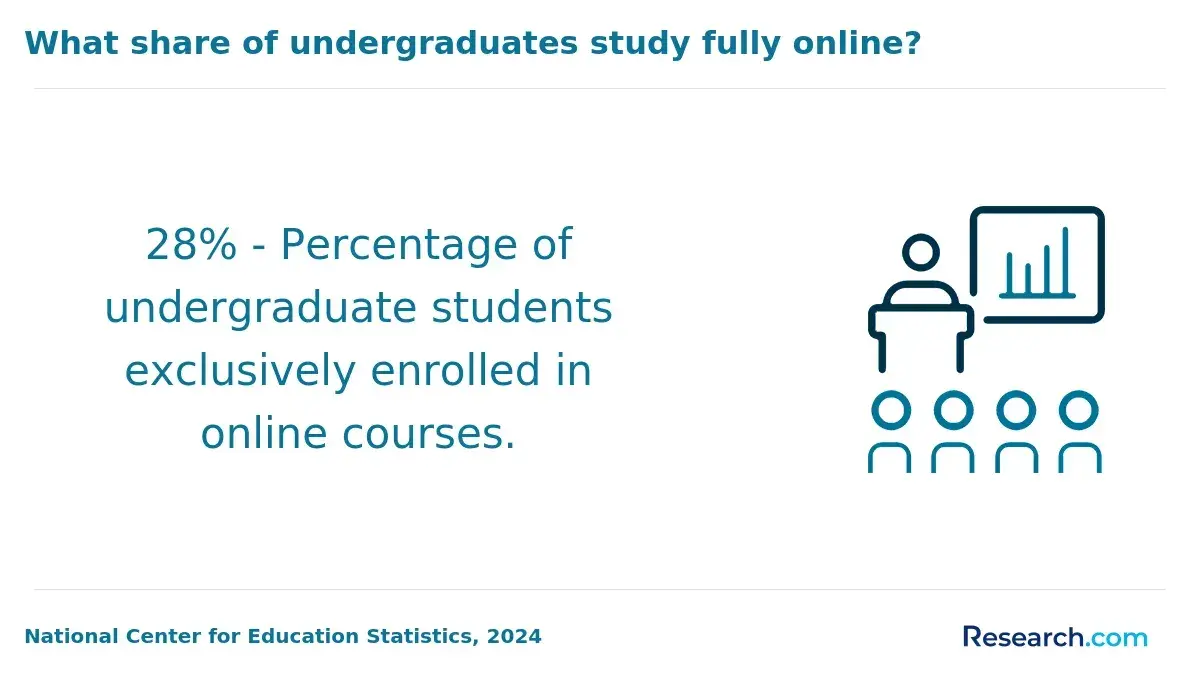
An online behavioral health management degree can be respected when it comes from an accredited institution, includes relevant coursework, and helps you build practical experience. Employers usually care less about whether courses were online and more about whether the school is credible, the curriculum fits the role, and you can demonstrate applied skills.
Online programs can be especially useful for working adults already employed in healthcare, human services, public safety, or nonprofit settings. They allow students to connect assignments to real workplace problems, such as improving intake processes, reducing no-shows, strengthening documentation, or designing referral workflows.
The table below compares online and campus-based study in practical terms. Use it to decide which format fits your schedule, learning style, and career stage:
| Format | Advantages | Trade-offs | Best for |
| Online | Flexible scheduling, easier to combine with work, broader school choice, and often more asynchronous options. | Requires self-discipline and may require extra effort to secure local field experience or networking. | Working adults, career changers, military students, and rural students. |
| On campus | More face-to-face interaction, local networking, and easier access to campus-based services. | Less schedule flexibility and possible relocation or commuting costs. | Students who prefer structured classes and local employer connections. |
| Hybrid | Combines flexibility with periodic in-person learning, labs, seminars, or fieldwork. | May still require travel on specific dates. | Students who want online convenience but value in-person support. |
Red flags include unclear accreditation, no faculty information, vague career outcomes, pressure-heavy admissions calls, and promises that the degree will automatically qualify you for licensure. Strong online programs are transparent about cost, transfer credit, internship requirements, faculty qualifications, and state authorization.
What courses are included in a behavioral health management program?
Coursework usually blends behavioral health foundations with healthcare operations and leadership. The goal is to help students understand client needs, service systems, ethical responsibilities, and the administrative work required to keep programs running effectively.
Programs vary by school and degree level, but the table below shows common course areas and why each matters in the workplace:
| Course area | What it covers | Career relevance |
| Behavioral health systems | Mental health, substance use, crisis care, community services, and integrated care models. | Helps managers understand how services connect across agencies and providers. |
| Healthcare administration | Organizational structure, budgeting, staffing, policy, and service delivery. | Supports supervisory, operations, and director-level responsibilities. |
| Ethics and legal issues | Confidentiality, informed consent, mandated reporting, client rights, and professional boundaries. | Reduces compliance risk and supports ethical decision-making. |
| Case management and care coordination | Assessment, referrals, documentation, discharge planning, and community resources. | Useful for roles connecting clients to services and supervising support teams. |
| Quality improvement and data | Outcome tracking, performance measurement, documentation audits, and reporting. | Prepares students for compliance, quality, and program evaluation roles. |
| Leadership and human resources | Supervision, conflict management, workforce development, and team communication. | Important for managing staff in high-stress service environments. |
Technology is becoming more important in the curriculum. Look for exposure to electronic health records, privacy practices, telehealth operations, data dashboards, and responsible use of AI-supported tools. AI may help with documentation review, scheduling, analytics, and population health insights, but behavioral health still requires human judgment, ethical oversight, and careful privacy protection.
What are the admission requirements for this degree program?
Admission requirements depend on degree level. Associate and bachelor's programs usually focus on prior academic records and general readiness for college-level work, while master's programs often expect a completed bachelor's degree and may prefer healthcare, psychology, social work, business, public health, or human services experience.
The table below compares typical requirements by program level. Always confirm directly with the school because admissions standards can vary even among similar programs:
| Program level | Common admission requirements | Who it fits best |
| Associate degree | High school diploma or GED, transcripts, placement assessment, and basic application materials. | Students seeking an affordable entry point into human services or behavioral health support roles. |
| Bachelor's degree | High school or transfer transcripts, minimum GPA, general education requirements, and sometimes a personal statement. | Students seeking coordinator, supervisor, operations, or graduate-school preparation. |
| Master's degree | Bachelor's degree, transcripts, resume, statement of purpose, recommendations, and sometimes work experience. | Professionals targeting leadership, program director, policy, or advanced administration roles. |
| Graduate certificate | Bachelor's degree or current graduate enrollment, depending on the school. | Professionals who already have a degree and want targeted behavioral health management training. |
Strong applicants can improve their readiness by documenting relevant experience before applying. Useful preparation includes volunteer work, peer support experience, healthcare administration work, crisis hotline service, community outreach, residential program employment, medical office experience, or case management support.
Avoid choosing a program based only on easy admission. Open access can be valuable, but you still need to confirm accreditation, academic support, fieldwork options, transfer policies, and whether the curriculum matches your intended career.
How long does a behavioral health management degree take and cost?
Program length depends on the credential, transfer credits, course load, and whether you study full time or part time. Cost depends on tuition, fees, books, technology charges, residency status, transfer credits, and lost work time.
College Board's 2024 pricing data lists average published tuition and fees of $11,610 for in-state students at public four-year colleges and $43,350 at private nonprofit four-year colleges for 2024-25, which shows why school type, aid, and transfer credits can dramatically change the total price.
The table below gives a practical timeline and cost framework. It is not a quote from any one school, but it shows what to compare when estimating return on investment:
| Credential | Typical length | Main cost drivers | When it makes sense |
| Associate degree | About 2 years full time | Community college tuition, books, fees, and transfer planning. | You want a lower-cost start or plan to transfer into a bachelor's program. |
| Bachelor's degree | About 4 years full time; less with transfer credits | Tuition, residency status, online fees, internship costs, and credit acceptance. | You want broad access to coordinator, supervisor, and entry-level management roles. |
| Master's degree | About 1 to 3 years | Graduate tuition, employer reimbursement, course load, and opportunity cost. | You already have experience and want leadership, director, or advanced administrative roles. |
| Graduate certificate | Often less than 1 year | Per-credit graduate tuition and whether credits apply to a future master's degree. | You need targeted upskilling without committing to a full degree immediately. |
To reduce cost, compare total program cost rather than tuition alone. Ask about transfer credits, prior learning assessment, employer tuition assistance, federal aid eligibility, scholarships, military benefits, and whether courses can apply to a higher degree later.
If you are comparing broader healthcare leadership programs, reviewing healthcare administration degree cost can help you benchmark whether a behavioral health management program is priced competitively.
How do you choose the best behavioral health management program?
The best program is the one that matches your target role, state requirements, budget, schedule, and experience level. A low-cost program may be a poor choice if it lacks accreditation or relevant coursework, while a prestigious program may not be worth the price if it does not improve your access to the jobs you want.
Use the following steps to compare programs in a practical order. This sequence helps you avoid choosing a school based on marketing, convenience, or rankings alone:
- Define your target role first, such as program coordinator, operations manager, case management supervisor, compliance specialist, or future licensed clinician.
- Check job postings in your state and identify the degree level, license, certification, and experience employers request most often.
- Verify institutional accreditation and, when relevant, whether the program meets state licensure or certification education requirements.
- Compare total cost, including fees, books, technology charges, fieldwork expenses, and the number of credits you must complete after transfer review.
- Review the curriculum for behavioral health systems, ethics, healthcare administration, quality improvement, data, supervision, and care coordination.
- Ask how the program supports internships, field placements, employer partnerships, career advising, and working adult students.
- Request outcome information, but treat it carefully; salary and employment outcomes vary by region, experience, and job market conditions.
The table below highlights common mistakes and better alternatives. Use it as a final checklist before you apply or accept admission:
| Common mistake | Why it can hurt you | Better alternative |
| Assuming the degree leads to therapy licensure | Management programs usually do not meet clinical licensure rules by default. | Confirm state board requirements before enrolling. |
| Choosing based only on tuition | Fees, lost credits, and longer timelines can increase total cost. | Compare total completion cost after transfer evaluation. |
| Ignoring field experience | Behavioral health employers often value applied experience highly. | Choose a program with internships, practicums, or workplace-based projects. |
| Overlooking online student support | Weak advising can delay graduation or leave you unprepared for career steps. | Ask about advising access, tutoring, career services, and faculty availability. |
| Relying only on rankings | Rankings may not reflect your state, goals, budget, or licensure needs. | Use rankings as one input, not the decision-maker. |
If you are still unsure whether behavioral health is the right management niche, compare it with other applied management fields. For example, an online construction management bachelors degree serves a very different labor market, but looking across fields can clarify whether you prefer healthcare service systems or project-based operational environments.
Other Things You Should Know About Behavioral Health Management
A Behavioral Health Management degree equips graduates with skills in leadership, administration, and understanding of healthcare systems, enabling them to manage programs and teams effectively. These skills are crucial for leadership roles, even for those without direct clinical experience, as they focus on improving service delivery and patient outcomes through strategic planning and management.
Yes, many compliance and program integrity roles accept a behavioral health management degree, especially in managed care, clinic administration, and reimbursement oversight. Employers usually expect knowledge of CMS rules, HIPAA privacy standards, and state Medicaid regulations, plus 1–3 years of healthcare or behavioral health experience.
Yes. Behavioral health management can support policy, advocacy, grant, or program evaluation roles, especially when paired with coursework in public health, data analysis, community systems, or healthcare policy.
In 2027, licensure requirements for behavioral health management careers often include a master's degree in the field, passing a state-specific exam, and fulfilling supervised work hours. Some states may have additional requirements, so check local regulations for comprehensive details.
References
- Achieving Excellence: Behavioral Health Accreditation - Haven Health Management https://havenhealthmgmt.org/achieving-excellence-behavioral-health-accreditation/
- Substance Abuse and Mental Health Services Administration https://www.healthadministrationdegrees.com/specialty/substance-abuse-and-mental-health-services/
- Is a Degree in Healthcare Management Worth It? | University of Phoenix https://www.phoenix.edu/articles/healthcare/is-a-degree-in-healthcare-management-worth-it.html
- Difference Between Licensure vs. Certification | University of Bridgeport https://www.bridgeport.edu/news/designing-your-career-path-licensure-vs-certification/
- 10 Best Features of Successful Behavioral Healthcare Program https://azaleahealth.com/blog/best-behavioral-healthcare-program/
- Careers in Behavioral Health: Roles and Responsibilities https://sunriseservicesinc.com/careers-behavioral-health-roles-responsibilities/
- Joint Commission Accreditation: Behavioral Health Guide | Behave Health https://behavehealth.com/compliance/joint-commission
- 5 Healthcare Management Careers in the Mental Health Field - Healthcare Management Degree Guide https://www.healthcare-management-degree.net/list-articles/5-healthcare-management-careers-in-the-mental-health-field/
- Mental health providers: Tips on finding one https://www.mayoclinic.org/diseases-conditions/mental-illness/in-depth/mental-health-providers/art-20045530
- 10 Fulfilling Mental Health Careers You Can Train for Now | Palo Alto University https://paloaltou.edu/resources/blog/mental-health-careers-you-can-start-now